The California Native Shrubs That Can Settle Snakes Into Yards Without Anyone Noticing
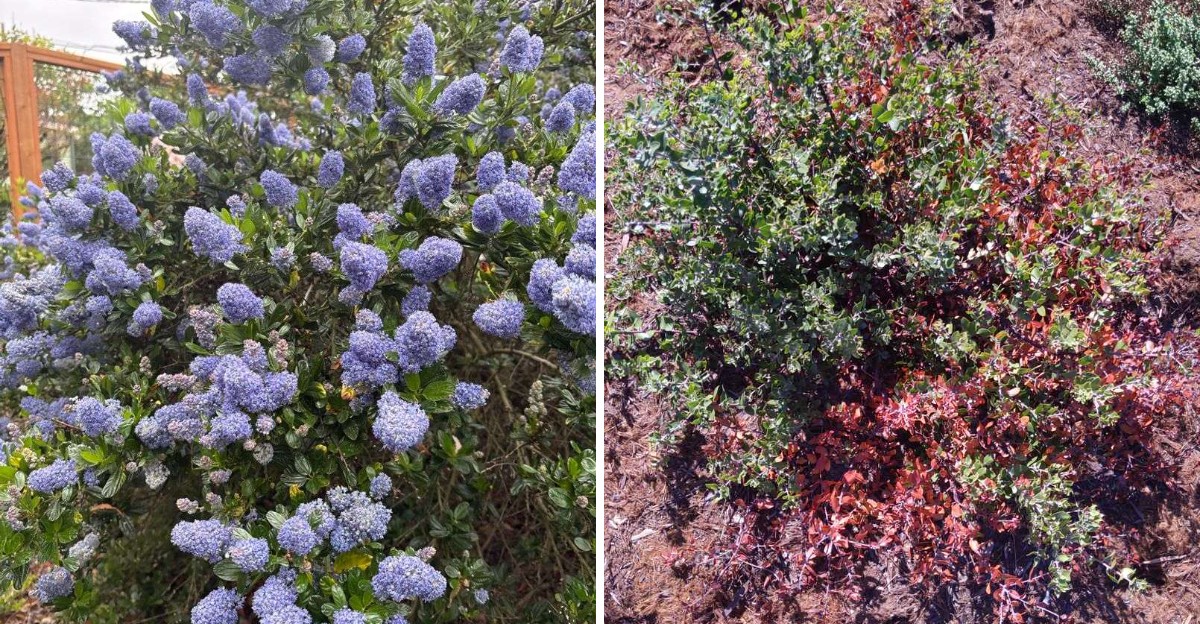
Some of California’s most beloved native shrubs share a quiet habit. Their branches grow low and full, sweeping the soil so completely that the ground beneath disappears from view.
Bees adore them, water bills shrink, and gardeners rarely think twice about what lies underneath.
That hidden space stays cool, shaded, and undisturbed, which makes it appealing to more than beneficial insects. Certain unseen visitors appreciate privacy, too.
The plants aren’t the troublemakers here. Their thick growth simply creates hiding places few people bother to check.
Ripping out a favorite native is rarely necessary. A few thoughtful cuts and smart spacing can bring that hidden ground back into the light.
Sometimes the best view is the one tucked beneath the leaves.
1. Coyote Brush Skirts Hide The Ground
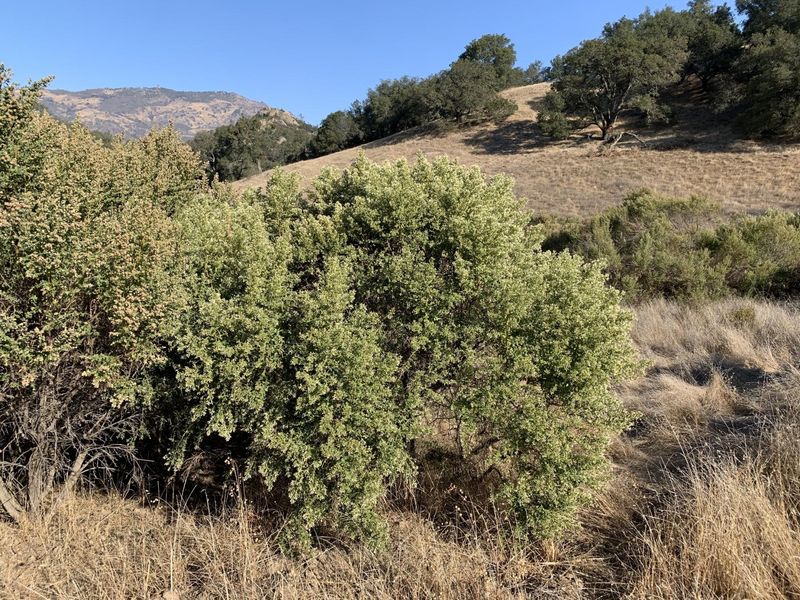
A carpet of small, bright green leaves can stretch across a whole bank without revealing a speck of dirt. Low coyote brush selections like Pigeon Point and Twin Peaks often stay one to two feet tall while spreading six feet or more.
Nurseries sell this native as Baccharis pilularis. It grows naturally in coastal scrub and grassland across much of California.
Wide, tight branches form a skirt resting right on the soil. Underneath, the ground stays shaded and cooler than the open yard nearby.
A snake looking for a quiet place to rest or hunt mice can slip under without anyone noticing. The cover works perfectly for that purpose.
Gardeners love coyote brush because it handles drought, wind, and poor soil with barely a complaint. That tough streak also means it fills in fast and keeps filling in.
Lifting the skirt solves much of the problem. In late winter, loppers can remove the lowest branches, exposing a few inches of open soil at the base.
Stems sprawling onto paths, patios, and lawn edges are best cut back, too. Clear borders make the whole planting easier to scan.
Older plantings benefit from a harder cut every couple of years, which refreshes woody growth. Coyote brush resprouts readily, so the plant bounces back quickly.
Sturdy gloves and closed shoes make sense during this work. A long rake or stick used to part branches before hands go near the ground adds an important layer of caution.
2. California Sagebrush Forms Dense Low Mounds
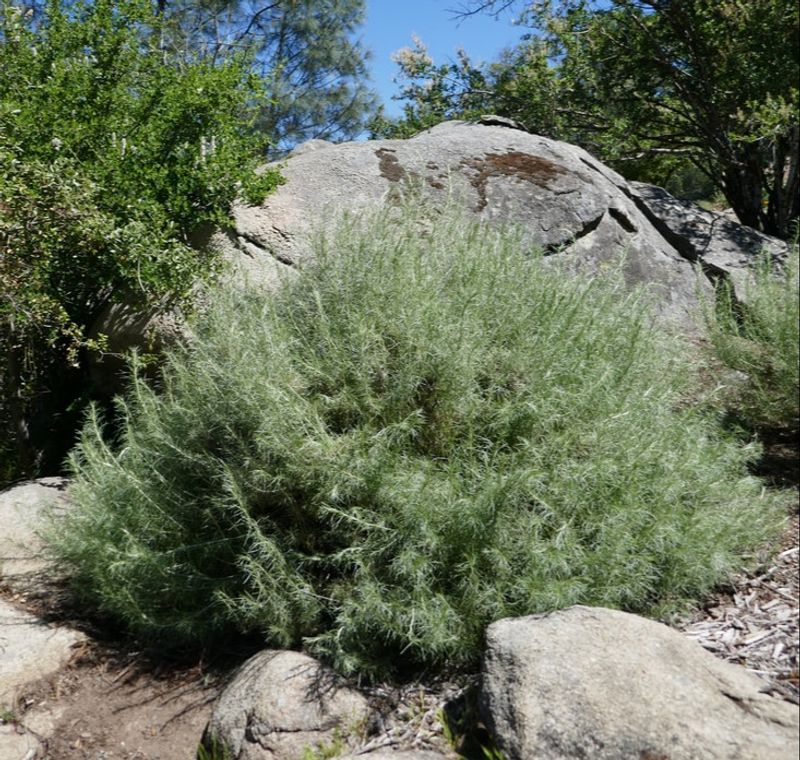
A sharp, spicy scent fills the air whenever a hand brushes across this shrub. Many hikers call it the smell of the coast.
California sagebrush grows in coastal sage scrub from Northern California down into Baja, usually reaching three to five feet tall. Nurseries list it as Artemisia californica.
The plant forms rounded mounds of thin, feathery gray leaves. Up close, branches crowd together, especially near the bottom where old stems pile up.
That tangle shades the soil and offers a snug hiding spot. Lizards, rodents, and the snakes that hunt them all appreciate the cover.
Sagebrush has a sneaky summer habit. It goes partly dormant, dropping some leaves and looking a little scruffy.
Your California Garden Changes Every Week. Your Plan Should Too.
Gardening in California changes quickly throughout the season. Every Friday you’ll receive a simple weekly plan showing exactly what to plant, prune, fertilize, harvest, and protect so you never miss the right timing.
Fallen leaves and dry twigs collect beneath the mound, adding even more cover to the ground layer. By fall, that layer can grow surprisingly thick.
Thinning helps a great deal. In fall or winter, cutting a few of the oldest, woodiest stems at the base lets light reach the center.
Removing low branches and raking out leaf litter opens the ground.
Spacing matters, too. Plants given room to grow keep the mounds from merging into one solid hedge along a walkway. A gap of a few feet makes the soil easy to scan.
Sagebrush is oily and burns readily. In fire-prone areas, it belongs well away from the house, with CAL FIRE defensible space guidance as a helpful reference.
3. Chamise Grows A Thick Wiry Thicket
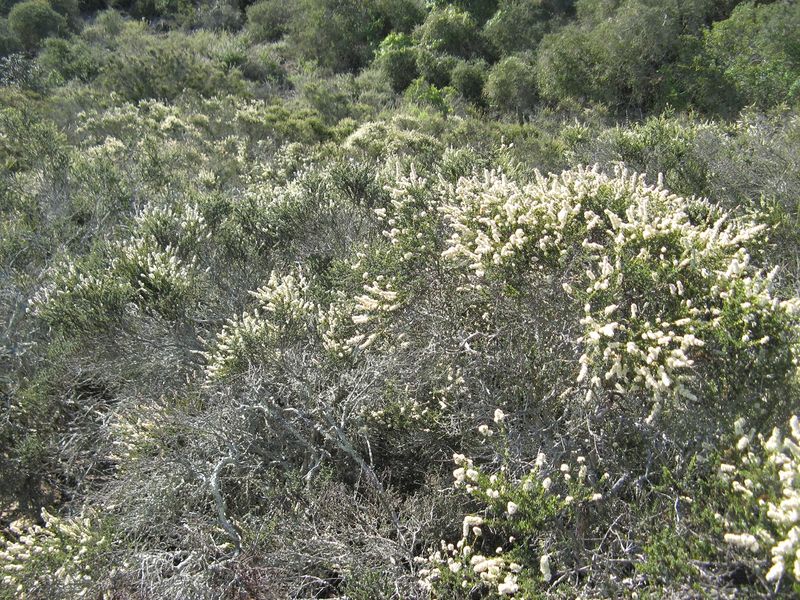
Nearly every chaparral trail in California brushes past this shrub. Tiny needle-like leaves and stiff stems make up much of the state’s hillside brush, and in late spring, creamy white flower clusters cover the plant.
Chamise, sold as Adenostoma fasciculatum, can grow from two feet to more than ten feet tall, depending on the site. Its stems grow wiry, crowded, and hard to see through.
Underneath, the ground stays shady and dry, with a layer of fallen leaves and twigs.
For a snake, that thicket works like a private hallway. It can move through the base, hunt rodents, and stay out of sight from hawks and people.
Rattlesnakes feel right at home in chaparral. A chamise patch bordering a yard deserves extra attention, especially in fall as snakes seek cover.
The biggest job involves keeping chamise back from paths, gates, and play areas. Trimmed edges leave a clear strip of open ground beside any walkway.
Kids and dogs can then pass without touching branches.
Chamise also ranks among the most flammable plants in the chaparral. In fire-prone areas, it belongs far from the house rather than tucked against walls or decks.
Local defensible space rules often call for heavy brush near buildings to be cleared or thinned. CAL FIRE and the local fire district can clarify requirements.
Slow, careful movements matter during brush clearing. Pulling cut branches away with a rake, instead of grabbing armloads by hand, keeps fingers safely out of hidden spaces.
4. Low Manzanita Covers The Soil
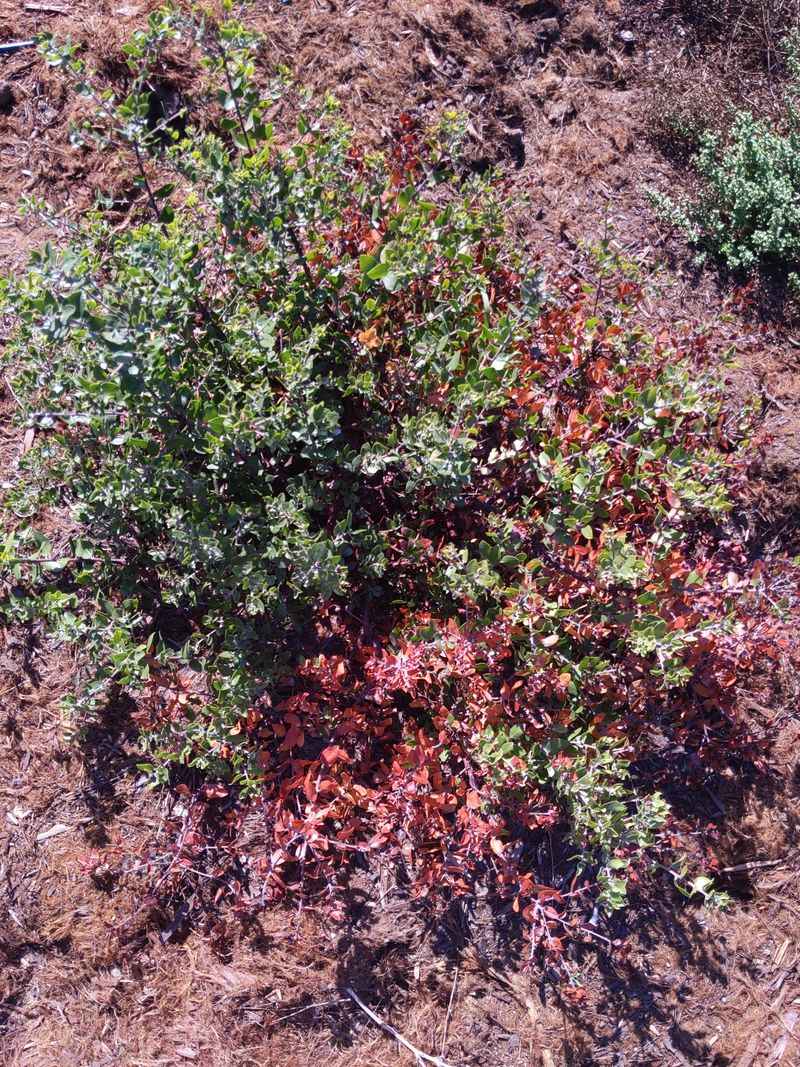
Shiny little leaves, red stems, and pink bell-shaped flowers make this groundcover a showpiece. Low manzanitas like Emerald Carpet, along with kinnikinnick, often stay under a foot tall while spreading several feet wide.
Kinnikinnick appears on nursery tags as Arctostaphylos uva-ursi. Both types form a living rug right over the dirt.
That rug blocks sunlight, keeps the soil cool, and hides anything resting below. Small animals tunnel beneath it.
Rodent burrows rank among the spots UC IPM Pest Notes list as rattlesnake shelter. A burrow under a manzanita mat stays nearly invisible.
Many homeowners plant low manzanita along the front of a bed or under a window. Over a few years, the mat grows into a seamless sheet that few people ever lift to inspect.
Opening it up takes a lighter touch than with other shrubs. Manzanita dislikes heavy pruning into bare wood, so trimming tips and outer stems works better.
Edges cut back from walkways and the foundation leave a visible band of bare soil or gravel. That band makes scanning far easier.
Gaps work wonders. Groups planted with space in between, rather than wall to wall, reveal holes, burrows, or a resting snake long before hands get close.
Mats creeping over foundation vents deserve special attention. UC IPM suggests sealing openings larger than about a quarter inch under buildings, and hidden edges make those cracks easy to miss.
5. Mat Forming Ceanothus Makes Shaded Hideouts
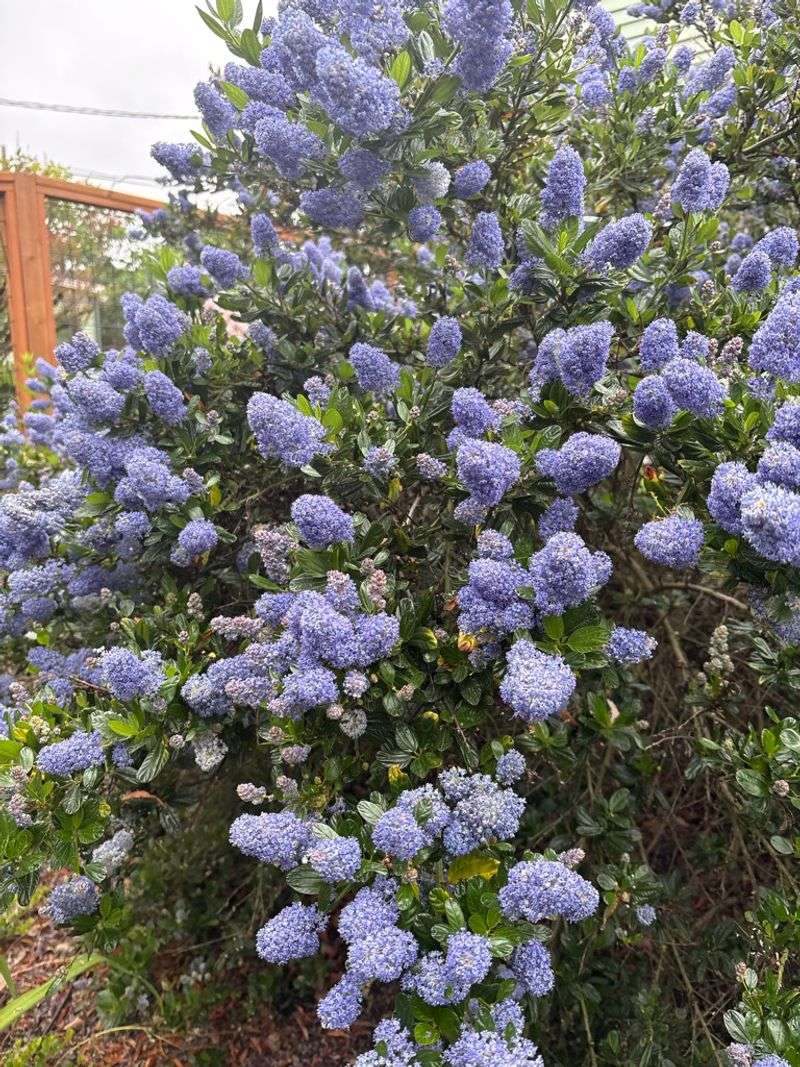
Spring arrives, and suddenly a whole hillside turns electric blue. Mat-type ceanothus, often called California lilac, can bloom so heavily that the leaves almost disappear.
Yankee Point and Carmel creeper rank among the favorites for slopes and banks. Maritime ceanothus, sold as Ceanothus maritimus, offers a lower option.
Most of these types stay one to three feet tall and spread six feet or wider. Their branches arch outward and layer over each other.
Beneath that layered roof, the soil sits in deep, steady shade. A space like that makes a comfy hideout.
On hot summer afternoons, a snake may slip under to stay cool. In fall and winter, CDFW notes that rattlesnakes become inactive, and thick cover can serve as a resting spot during that time.
Thinning keeps the shade in check. After flowering, cutting back a few of the longest branches and removing ones lying flat on the ground opens a small window of light near the base.
Summer watering is best avoided for most ceanothus, since extra water can harm the roots. Healthy plants grow evenly, while stressed ones drop brittle twigs that pile up underneath.
Clearing that debris once or twice a year keeps the ground visible. Fall makes a natural time for one of those cleanups.
Placement matters, too. Ceanothus mats set a few feet back from patios, steps, and seating areas still look lovely, and the gap leaves a clear view of the ground.
6. Toyon With Low Branches Makes A Dark Shelter
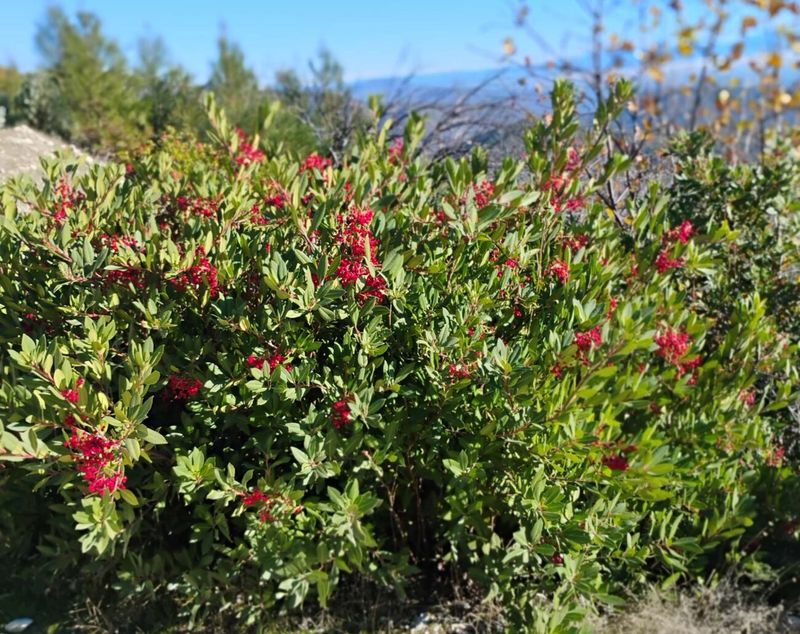
Holiday-red berries brighten winter hillsides and earned this shrub its nickname, California holly. Some people even say Hollywood took its name from the plant.
Toyon grows across much of the state, from coastal canyons to foothill woodlands. Nurseries sell it as Heteromeles arbutifolia.
Unlike the low mats on this list, toyon grows big. It usually reaches six to fifteen feet tall and can grow even larger with time.
Left alone, its outer branches often bend all the way to the ground. The result resembles a leafy cave.
The space inside an unpruned toyon stays dark, dry, and full of fallen leaves. Birds come for the berries, rodents come for dropped fruit, and a snake can follow the rodents right into that shelter.
Lifting toyon is easy and makes the plant look tidier. Pruning the lowest branches so the canopy starts a foot or two above the soil creates a small tree shape with a clear view underneath.
Late winter or early spring suits this work best. A pruning saw handles thicker limbs, with each cut made just outside the branch collar.
Raking out leaf litter afterward keeps buildup from returning. Toyon handles shaping well, so opening it up causes little stress.
Big plantings belong away from the house in fire-prone areas. Firewood and lumber are best stored elsewhere, too, since UC IPM lists woodpiles as common snake cover.
7. Lemonade Berry Thickets Hold Cool Shade
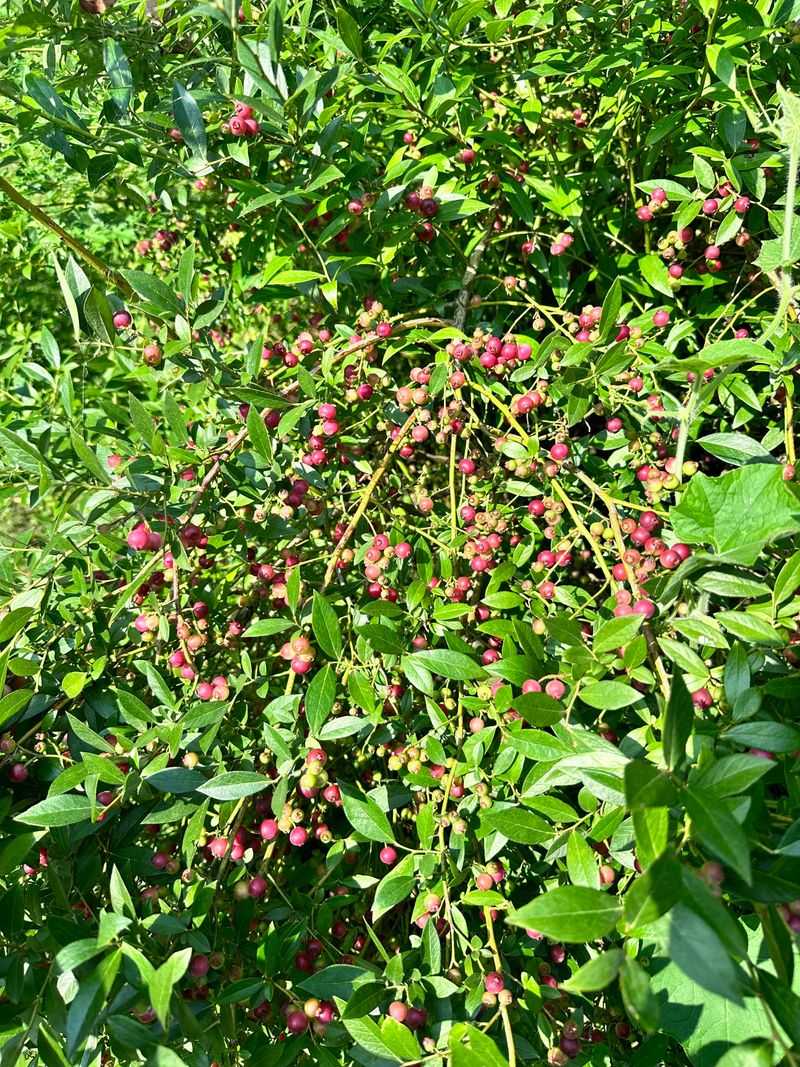
Children in Southern California have long sampled the sticky, sour berries of this shrub. Soaked in water, the fruit makes a tangy pink drink, which explains the name.
Lemonade berry grows wild along the coast and nearby hills from Santa Barbara down into Baja. Nurseries sell it as Rhus integrifolia.
This sturdy plant carries thick, leathery leaves. It usually grows three to ten feet tall and often spreads even wider, making it a popular hedge or screen.
Thick leaves mean thick shade. A row of lemonade berry can create a long, cool strip of ground beneath it, even on hot days.
That strip works like a shady road for small animals. Snakes are glad to use it, too.
Spacing helps a great deal. Shrubs planted with room to grow keep mature plants from blending into a solid wall. Gaps of a few feet let sunlight reach the ground for easy scanning.
Existing hedges benefit from pruning the bottom branches up off the soil. Removing a few inner stems lets light in, and pulling out leaves that collect underneath clears the floor.
Rocks or old boards stacked along the base are best avoided. UC IPM flags both as hiding spots for snakes and the rodents they hunt.
Lemonade berry is related to poison oak, though far friendlier. A few people still develop mild skin irritation, so gloves make a sensible precaution during pruning.
8. California Buckwheat Mounds Shelter The Ground
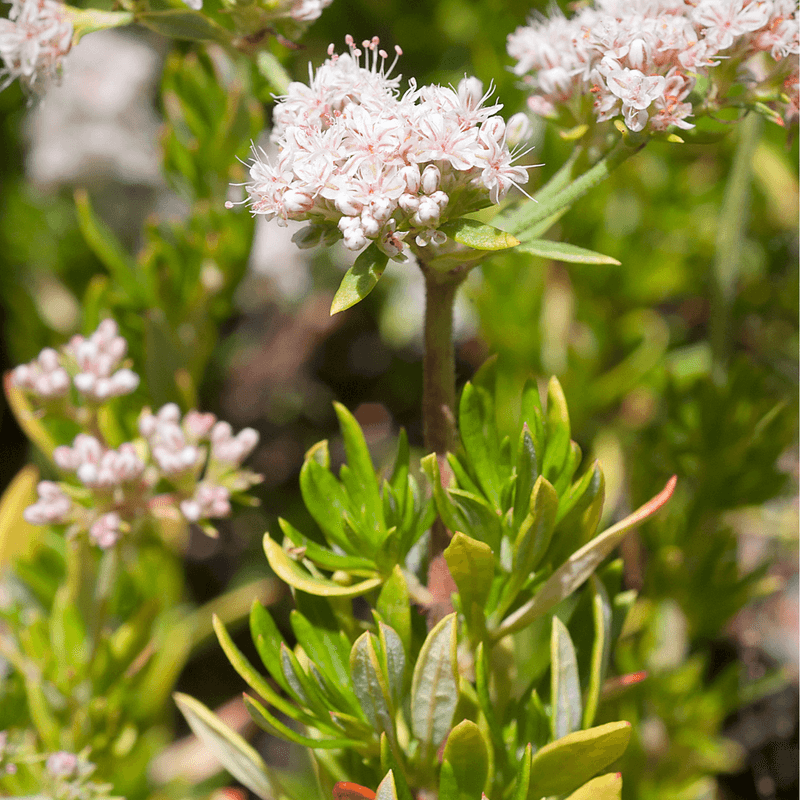
Late summer turns this shrub into a rusty brown cloud. Earlier in the year, its pinkish white flowers fed a busy crowd of bees and butterflies.
California buckwheat grows over much of Southern and Central California, from coastal bluffs to deserts. Nurseries sell it as Eriogonum fasciculatum.
Most plants form rounded mounds about one to three feet tall and three to five feet wide. Small, needle-thin leaves grow in tight bunches on many stems.
Near the ground, those stems crowd so closely that the soil vanishes from view. A buckwheat mound looks harmless and fluffy, yet it shelters the ground as well as a much bigger shrub.
A snake resting under one can stay hidden from a person standing right beside it. That surprise factor deserves respect.
Fall, after the flowers dry, makes the right time for thinning. Cutting back about a third of the plant, removing spent stems from the center, and raking away dried flower heads and leaves all open things up.
Loose groups work better than solid sweeps along paths. Like sagebrush, buckwheat burns easily, so it belongs away from the house in fire-prone areas.
Looking before reaching into any brush makes the most important habit of all. A rake or stick parts branches safely, while gloves and boots add protection.
A rattlesnake sighting calls for backing away, leaving it alone, and contacting a licensed wildlife professional. Any bite requires an immediate 911 call, with the person kept calm and still.