Reasons Why The Leaves On Your Florida Christmas Cactus Are Turning Limp And How To Fix It
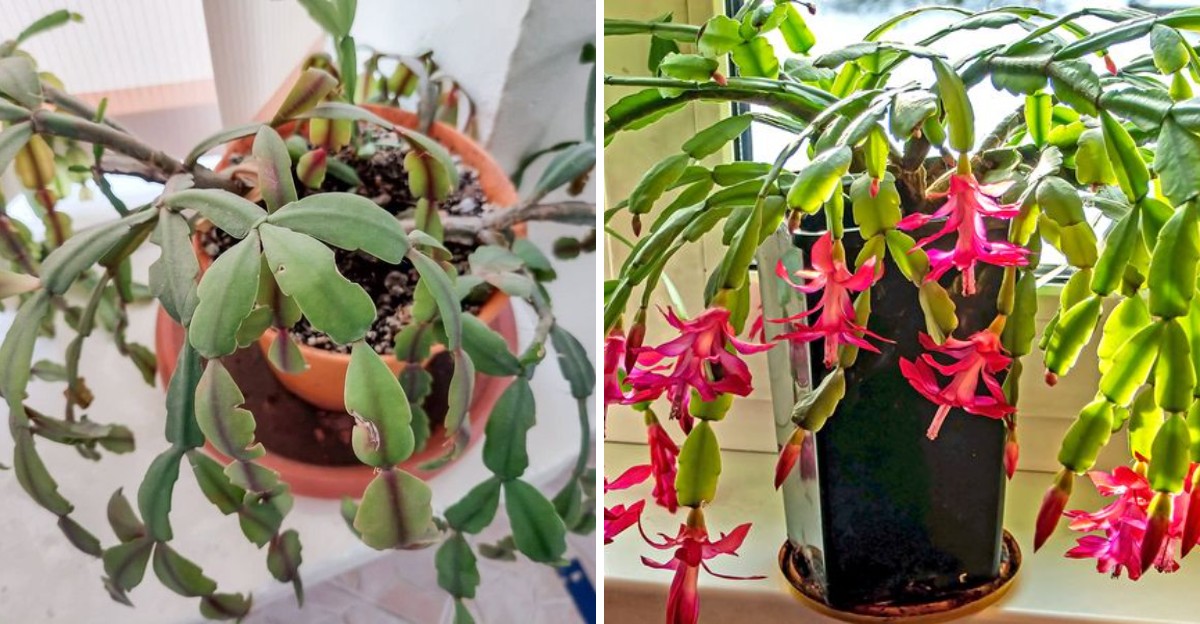
A plant that stood tall last month now droops like a wilted salad, and every guess you make feels wrong. Welcome to the Christmas cactus mystery.
Limp segments send mixed signals.
Thirsty? Drowning? Cold? Hot?
Florida homes throw all of those curveballs in a single season.
Air conditioning dries the air, humid afternoons soak the soil, and sunny windows bake it all.
The cause usually points to one of a few suspects. Each one needs a different rescue, and a wrong guess can make things worse in a hurry.
A quick look at the roots and the soil tells most of the story. Plenty of owners skip that step and treat the symptom instead.
Check what’s happening below the surface before you grab the watering can again. The right fix is closer than you’d think.
1. Too Much Water Can Rot The Roots
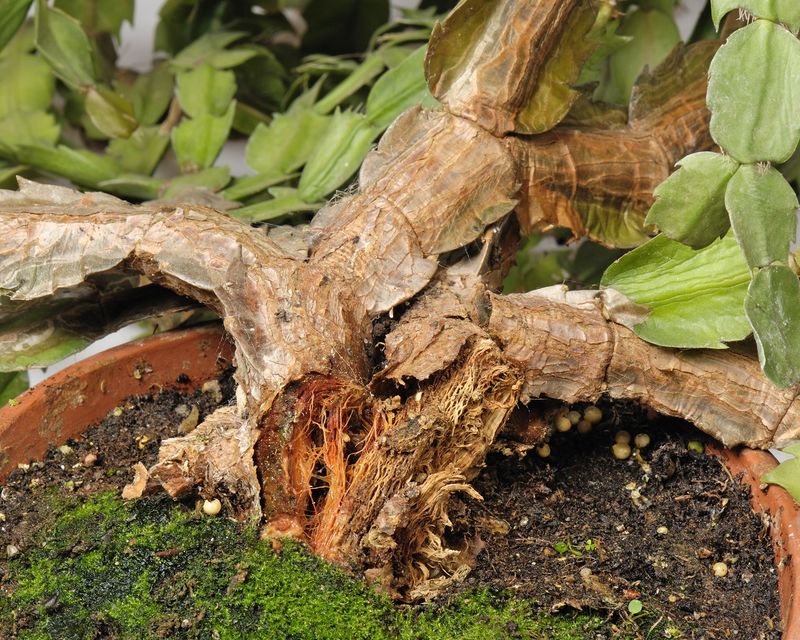
Picture a sponge that stays soaked for weeks. Soggy roots feel much the same, and they struggle to breathe.
Christmas cacti come from Brazilian rainforests, where they perch on tree branches. Rain soaks them, but the water drains away fast and the roots dry out between storms.
Indoors, a heavy hand with the watering can changes everything. Roots sitting in wet soil lose oxygen and start to rot.
Watch for these clues. Segments may droop, feel soft near the base, or turn yellow or reddish.
The soil might give off a sour or musty smell. Healthy roots look white or tan, while rotting ones turn brown, black, or slimy.
Florida adds its own twist. High humidity means potting mix dries more slowly than you might expect, especially during the rainy summer months.
So how do you fix it? Start by pausing all watering until the top inch or two of soil feels dry to the touch.
Empty any saucer that collects runoff, since standing water wicks right back up. Move the plant somewhere with good airflow, like near a gently running ceiling fan.
If the plant still looks floppy after the soil dries, the roots may need a closer look. Later sections walk you through that step by step, so hang tight.
2. Too Little Water Leaves Segments Limp And Shriveled
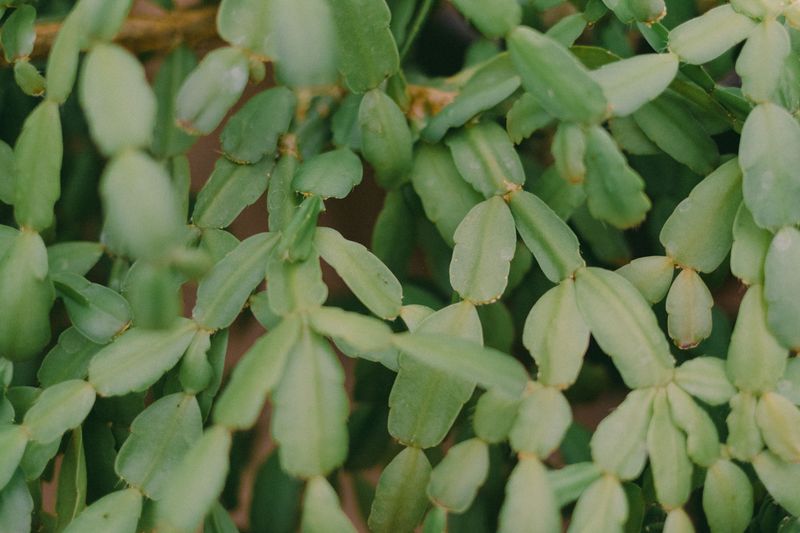
Think of a grape slowly turning into a raisin. Thirsty Christmas cactus segments go through a similar change.
Many people hear the word cactus and assume the plant barely needs a drink. That idea causes plenty of trouble, because this rainforest native likes steady moisture.
Each flat segment stores water inside. When the supply runs low, the plant pulls from those reserves and the segments go thin, wrinkly, and limp.
Here is a quick test you can try. Lift the pot and notice its weight.
A pot that feels surprisingly light usually means the mix is dry all the way through. Poke a finger deep into the soil to double check.
Florida homes often run air conditioning for months. That cool, dry indoor air can pull moisture from soil faster than you might guess.
Your Florida Garden Changes Every Week. Your Plan Should Too.
Gardening in Florida changes quickly throughout the season. Every Friday you’ll receive a simple weekly plan showing exactly what to plant, prune, fertilize, harvest, and protect so you never miss the right timing.
To bring things back, water slowly and deeply until liquid runs out the drainage holes. If the mix has shrunk away from the pot sides, set the pot in a bowl of water for about 15 minutes so it soaks from below.
Let the extra water drain fully afterward. Then check the soil every few days and water again when the top inch feels dry.
Within a week or two, those segments should start to plump up again. Patience pays off here.
3. Heavy, Soggy Soil Smothers The Roots
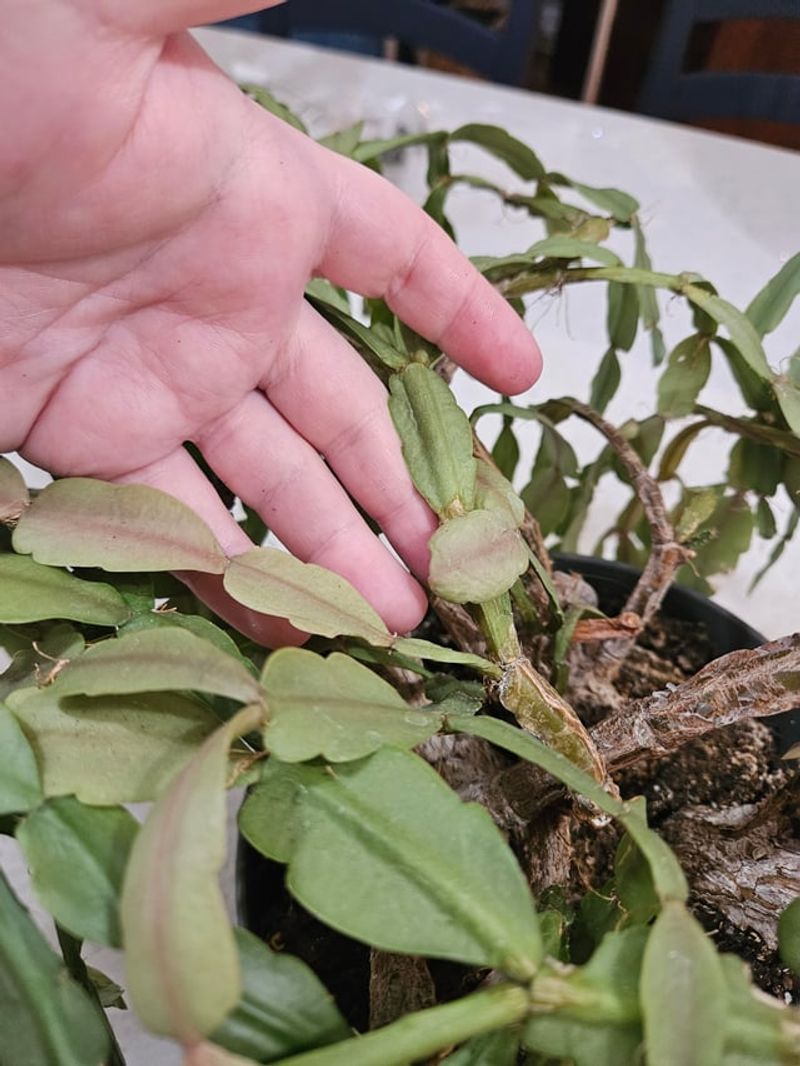
Ever tried breathing under a heavy wool blanket in July? Roots packed in dense soil face a similar struggle.
In the wild, Christmas cacti grow on trees, not in the ground. Their roots tuck into bits of bark and moss, where air flows freely around them.
Regular bagged potting soil often holds far too much water for these plants. Over time it packs down, squeezes out air pockets, and stays wet for days.
That soggy setup sets the stage for rot. Even careful watering can go wrong if the mix itself won’t drain.
Try this simple check. Squeeze a handful of damp soil from the pot.
If it forms a tight, muddy ball, it’s too heavy. A good mix should crumble apart and feel light and airy.
The fix is a fluffier blend. Mix a cactus or succulent potting soil with chunky add-ins like orchid bark, perlite, or pumice.
A popular recipe uses roughly equal parts potting mix, perlite, and orchid bark. Coco coir or coarse sand also work well.
Fun fact: orchids and Christmas cacti share a similar tree-dwelling lifestyle. That’s why orchid bark suits them so nicely.
Once your plant sits in a breezy, chunky mix, its roots can finally stretch and breathe again.
4. A Pot That’s Too Big Holds Extra Moisture
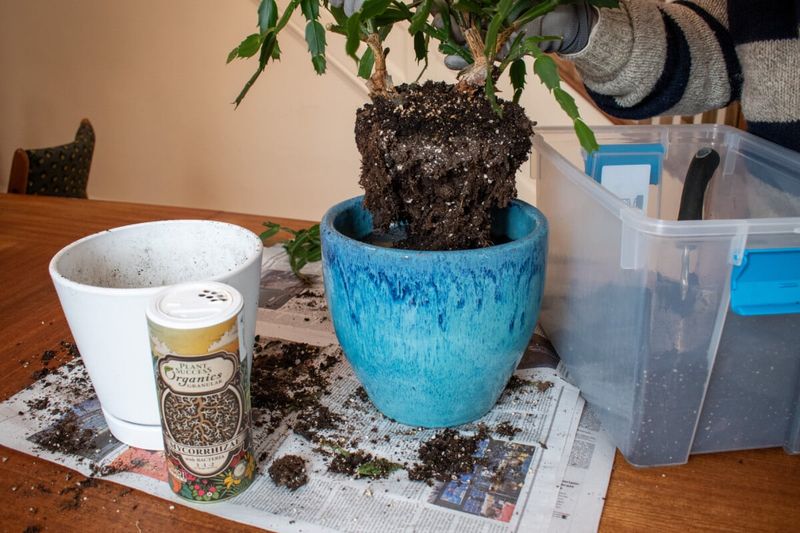
Giving your plant a giant new home sounds generous. Sadly, a roomy pot can cause more harm than good.
Here’s why. Extra soil around a small root ball soaks up water that the roots can’t reach.
That leftover moisture lingers for days, maybe longer in humid Florida weather. Wet soil around the roots invites rot, and limp segments soon follow.
Christmas cacti actually enjoy feeling a little snug. Being slightly root-bound helps them stay healthy and can even encourage better blooming.
For a grown plant, a pot about 6 to 8 inches wide usually works well. Smaller plants need even less space.
When it’s time to repot, choose a container only one size up. That means about 1 to 2 inches wider than the old one.
Drainage holes matter just as much as size. A gorgeous pot without holes turns into a little swimming pool at the bottom.
Terracotta is a smart pick for many growers. The clay walls breathe and help extra water escape faster than plastic or glazed ceramic.
If your plant already lives in an oversized pot, consider moving it to a smaller one. Your cactus will thank you with firmer, perkier segments in a few weeks.
5. Harsh Direct Sun Can Scorch The Segments
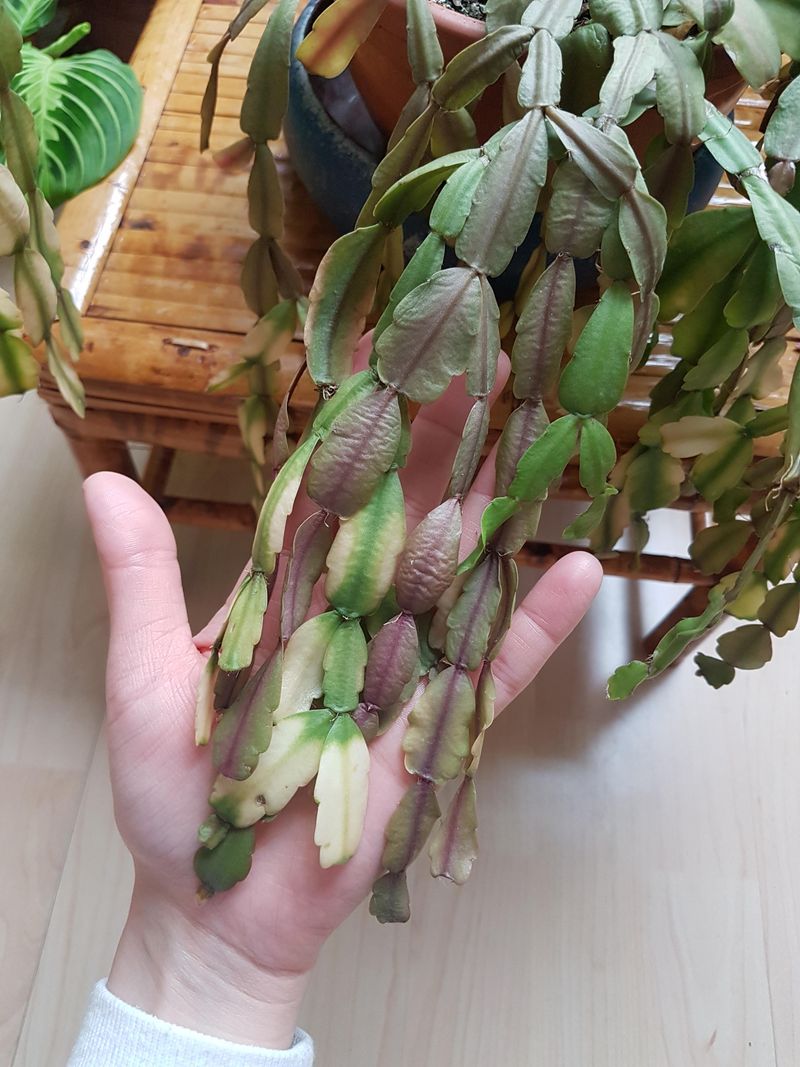
Florida sunshine is famous for good reason. Even so, that bright glow can be a bit much for a forest-loving plant.
Back home in Brazil, Christmas cacti grow under a leafy canopy. They get soft, dappled light, a lot like sitting under a beach umbrella.
Put one in strong afternoon sun, and trouble shows up fast. Segments may turn red, purple, or yellow, then go soft and floppy.
Hot sun also dries the soil quickly, which adds thirst to the stress. Limp, sunburned segments are a clear signal to make a change.
So where should your plant live? Bright, indirect light is the sweet spot.
An east-facing window gives gentle morning rays. A north window works too, or a spot a few feet back from a sunny south or west window.
Sheer curtains are a handy trick. They filter harsh beams while still letting plenty of light through.
Many Floridians move plants to a porch or lanai in warmer months. That can work nicely, as long as the spot stays shaded during the hottest part of the day.
Scorched segments may not turn green again. Still, new growth should come in healthy once the light is just right.
6. Sudden Heat Or Cold Can Shock The Plant
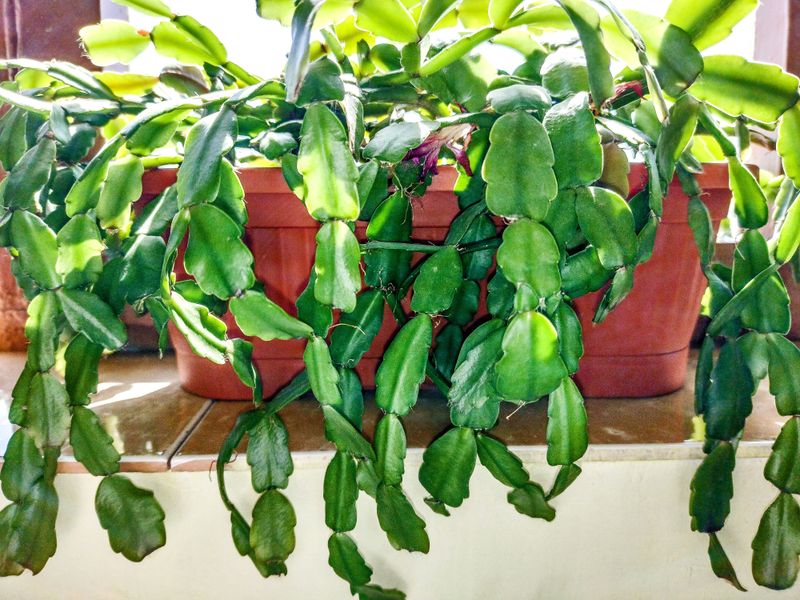
Imagine stepping out of a cool store into a steamy Florida parking lot. That jolt is exactly what your plant feels during quick temperature swings.
Christmas cacti prefer steady, comfy conditions. Most grow best between about 60 and 70 degrees Fahrenheit.
Big shifts can stress the plant, and limp segments are one way it shows that stress. Dropped buds are another common reaction.
Florida homes have a few sneaky hot and cold spots. Air conditioning vents blast chilly air, while sunny windows can heat up like an oven in the afternoon.
Doorways bring their own surprises. Every time someone opens the door in August, a wave of hot, damp air rushes in.
Moving plants outdoors and back inside can also cause shock. A rare cold front in January can catch porch plants off guard.
To help your cactus settle, find a spot away from vents, heaters, and drafty doors. Keep it out of hot cars and off sunny concrete.
When moving it outside, do it slowly over a week or so. Start with a few hours of shade each day.
Here’s a bonus fact. Cooler fall nights actually help trigger those famous holiday blooms, so gentle cool is good, but sudden cold is not.
7. Pests Can Drain The Plant’s Strength
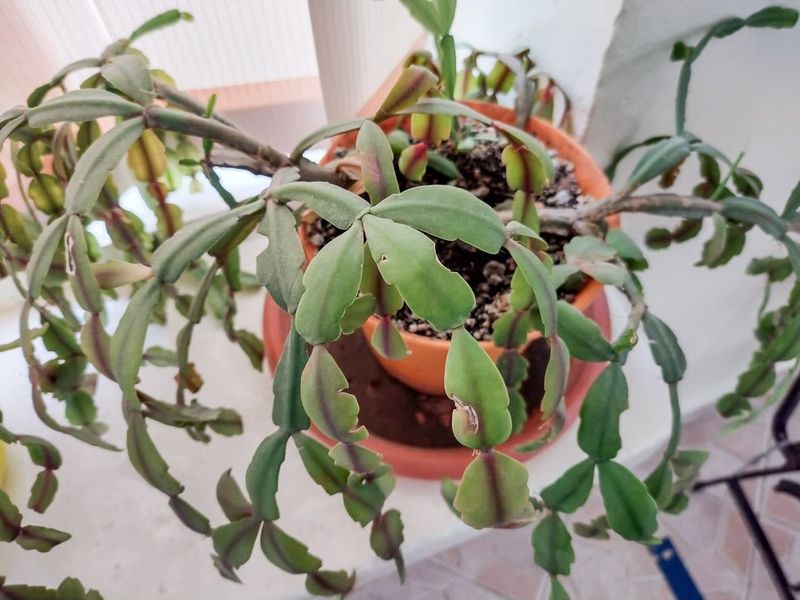
Tiny freeloaders can turn a perky plant into a droopy one. Some are so small you might miss them at first glance.
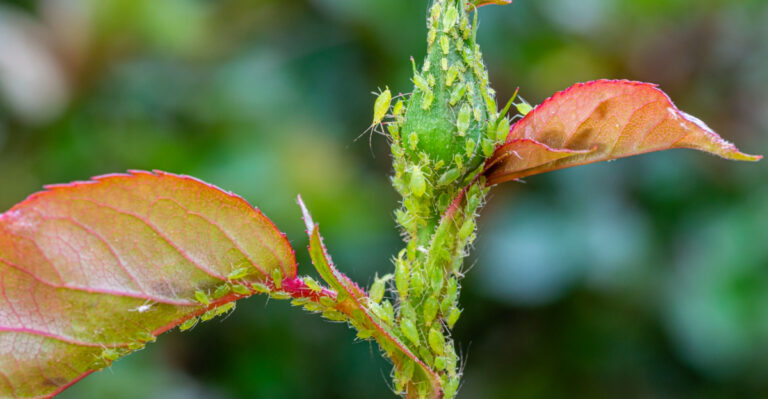
Mealybugs top the list. They look like little puffs of white cotton tucked between segments and often leave a sticky goo behind.
Root mealybugs hide underground, showing up as fuzzy white patches in the soil. Spider mites leave fine webbing and tiny speckles, mostly on the undersides.
Scale insects look like small brown or white bumps stuck to stems. Fungus gnats are little black flies buzzing near the soil, and their larvae nibble roots.
All of these pests sap the plant’s energy. The result can be yellowing, slow growth, and limp segments.
Florida’s warm climate lets bugs thrive nearly year round. That makes regular checkups a smart habit.
For mealybugs and scale, dab them with a cotton swab dipped in rubbing alcohol. Insecticidal soap or neem oil sprays help with bigger outbreaks.
Rinse spider mites off with a gentle shower of lukewarm water. For fungus gnats, let the soil dry out more between waterings and use yellow sticky traps.
Keep a newly treated plant away from others for a while. That way, hitchhiking bugs can’t spread around your plant collection.
8. Check The Roots Before You Do Anything Else
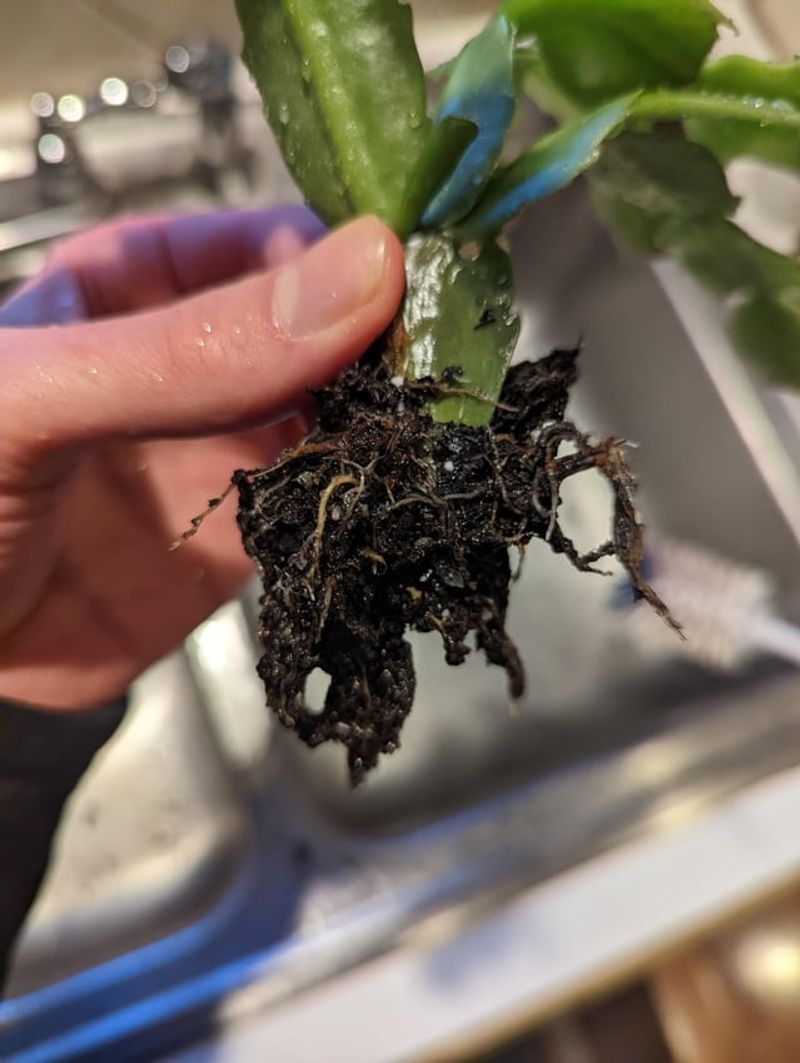
Doctors often run a test before choosing a treatment. Your plant deserves the same careful approach.
Limp segments can come from too much water or too little. Guessing wrong could make things worse, so a quick peek underground solves the mystery.
Start by laying newspaper on a table. Tip the pot sideways and gently slide the plant out, supporting the base with your hand.
If it sticks, squeeze a plastic pot or run a butter knife around the inside edge. Then loosen the old mix with your fingers so you can see the roots.
Now take a good look. Healthy roots feel firm and look white or tan.
Rotting roots tell a different story. They’re brown or black, soft, slimy, and may smell sour or musty.
Bone-dry soil with firm roots points to thirst. In that case, slip the plant back in its pot and give it a deep drink.
Spotting fuzzy white masses means root mealybugs have moved in. Those need treatment along with fresh soil.
Taking five minutes for this check saves a lot of guesswork. It helps you pick the right fix instead of trying random solutions and hoping one sticks.
9. Trim Away Mushy Roots And Repot In Fresh Mix
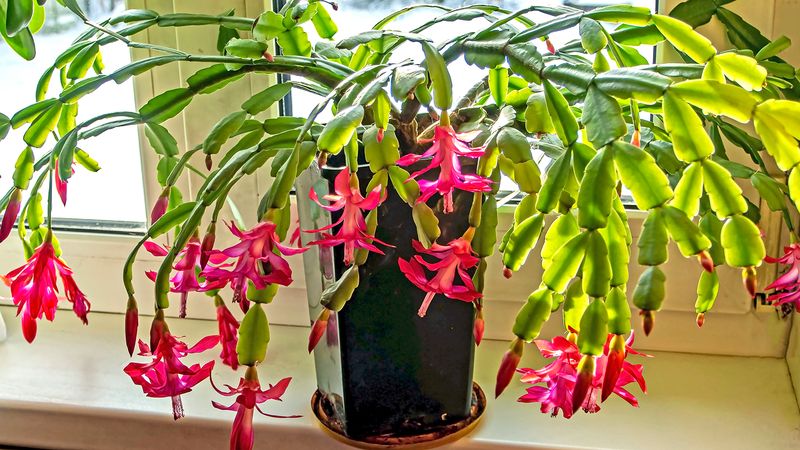
Found mushy roots? Don’t panic, because many Christmas cacti bounce back with a little surgery.
First, clean your scissors or pruners with rubbing alcohol. Clean tools help keep germs from spreading to healthy tissue.
Snip away every brown, slimy, or hollow root. Keep as many firm white roots as you can.
Next, let the plant rest. Set it in a shady, airy spot for several hours or overnight so the cut ends can dry and seal.
While you wait, prep a fresh home. Choose a clean pot with drainage holes, only slightly larger than the root ball.
Fill it with a light, fluffy mix made for cacti, succulents, or tropical plants. Adding orchid bark, perlite, or pumice gives roots extra breathing room.
Set the plant at the same depth it grew before. Gently firm the mix around it without packing it tight.
Hold off on watering for one to two days, or even a few more. Then water lightly and let the soil dry between drinks.
Only a few good roots left? Take some healthy stem cuttings of two or three segments each and root them in damp mix.
That backup plan keeps your treasured plant going for years to come.