How To Turn Your Arizona Yard Into A Monarch Rest Stop During Fall Migration
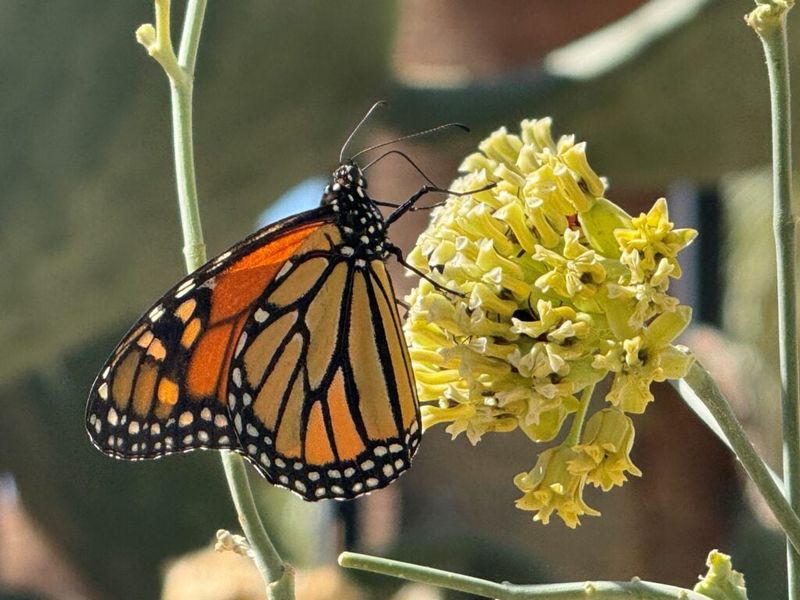
Every fall, monarch butterflies move through Arizona, and a few well-chosen plants can give them a place to sip and rest. Your yard cannot promise a visit, but it can offer real habitat.
The right milkweed and fall flowers, planted for your spot in the low desert, make a difference for monarchs. Here is how to set up a yard that works hard for butterflies.
Arizona’s fall monarch season is not a fixed appointment
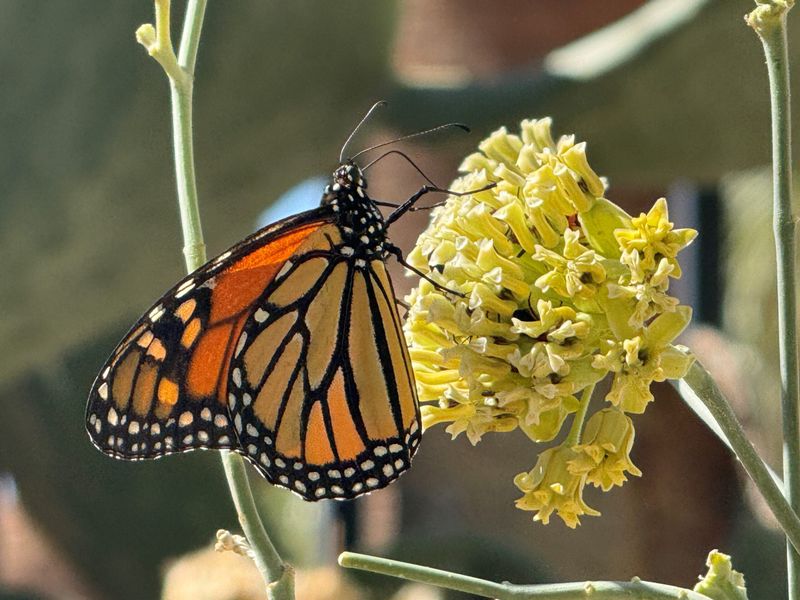
Fall migration generally runs from September through November, according to Monarch Watch migration information. October is a plausible time to spot monarchs in Arizona, but it is a seasonal opportunity, not a date on the calendar.
Timing and numbers shift from year to year and from one neighborhood to the next.
Arizona monarchs also do not all follow a single southbound route. Tag recoveries documented in a 2019 study of southwestern monarchs show that butterflies tagged in southeastern Arizona have turned up in both Southern California and central Mexico.
So think of your yard as a possible refueling spot rather than a guaranteed one. You are adding habitat to a busy region, and some years you may see many butterflies while other years you may see few.
Either way, the plants you add can still serve local pollinators.
Nectar feeds adult migrants; milkweed serves caterpillars
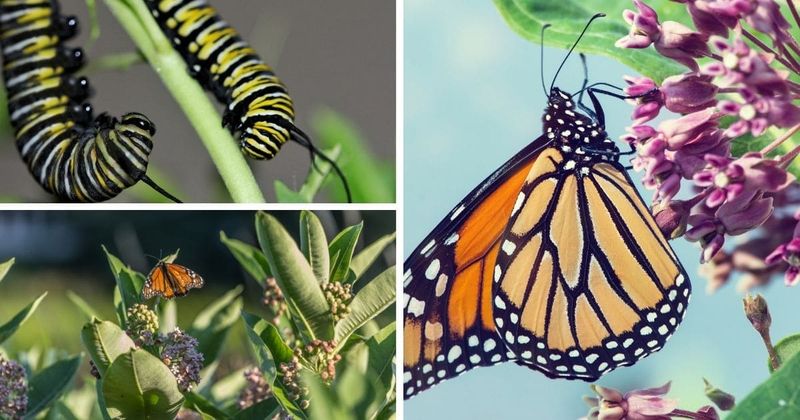
Before picking plants, it helps to know who eats what. Adult monarchs on the move need nectar for energy, so flowers are the fuel station.
Milkweed plays a different role: it is where monarchs lay eggs, and it is the only food the caterpillars eat, as laid out in Southwest Monarch Study habitat guidance.
That split shapes your planting. A yard with fall flowers but no milkweed can still offer food for adult butterflies passing through.
On the other hand, milkweed by itself is not a complete fall nectar garden, so pairing the two gives you more options.
The same group’s Arizona planting guide lists plants suited to the state’s conditions. Neither type of planting guarantees a stop, but together they give monarchs reasons to linger if they happen to be nearby.
Choose milkweed for your low-desert location
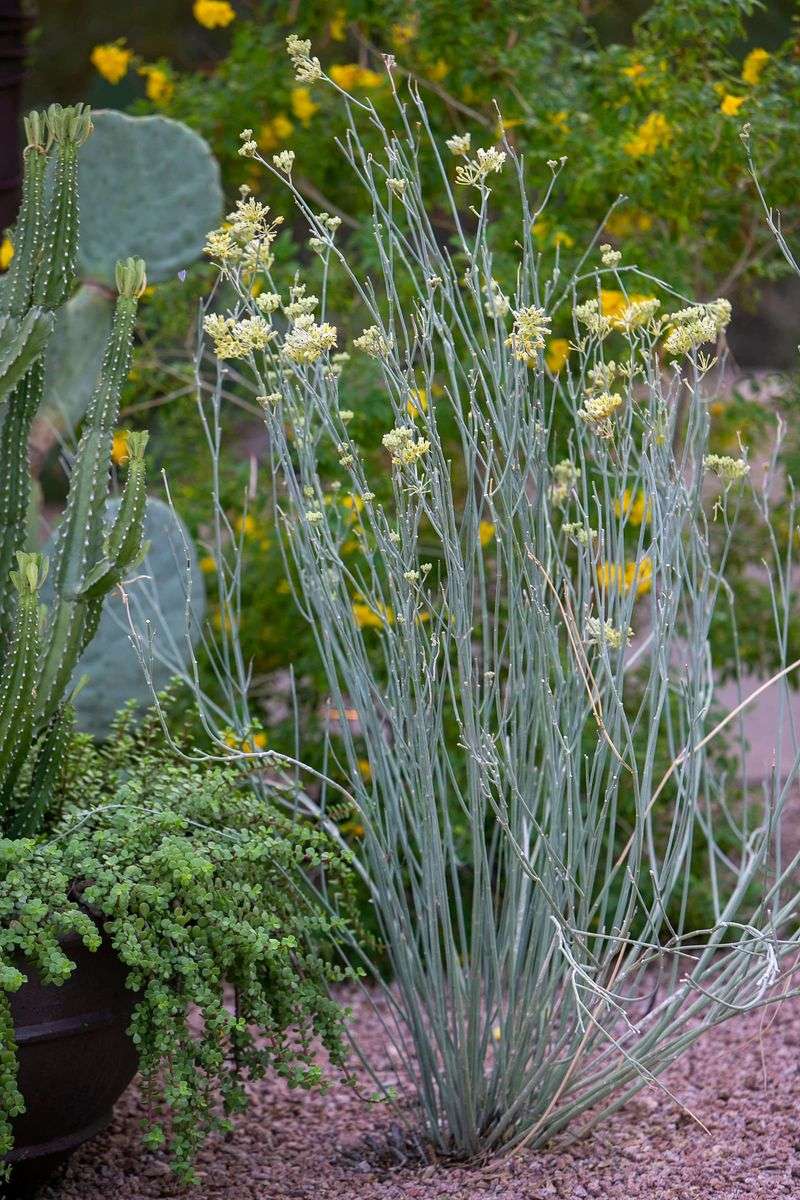
Not every milkweed fits every Arizona yard, so match the plant to your location. For low-elevation deserts, the Arizona restoration guide lists desert (rush) milkweed, pineleaf milkweed, and Mohave milkweed.
Phoenix and Tucson gardeners can start with that short list.
Antelope-horns milkweed is a more limited choice. It suits low deserts only above about 640 meters, so check your elevation before buying it.
Many Tucson-area yards sit above that mark, while much of the Phoenix valley sits below it.
Favor locally native species when you can. Tropical milkweed stays leafy through mild winters in some regions, which may extend breeding and parasite spread, according to Xerces Society milkweed answers.
Those effects depend on context, so treat them as a reason for caution, not a certainty.
Add flowers that can provide fall nectar
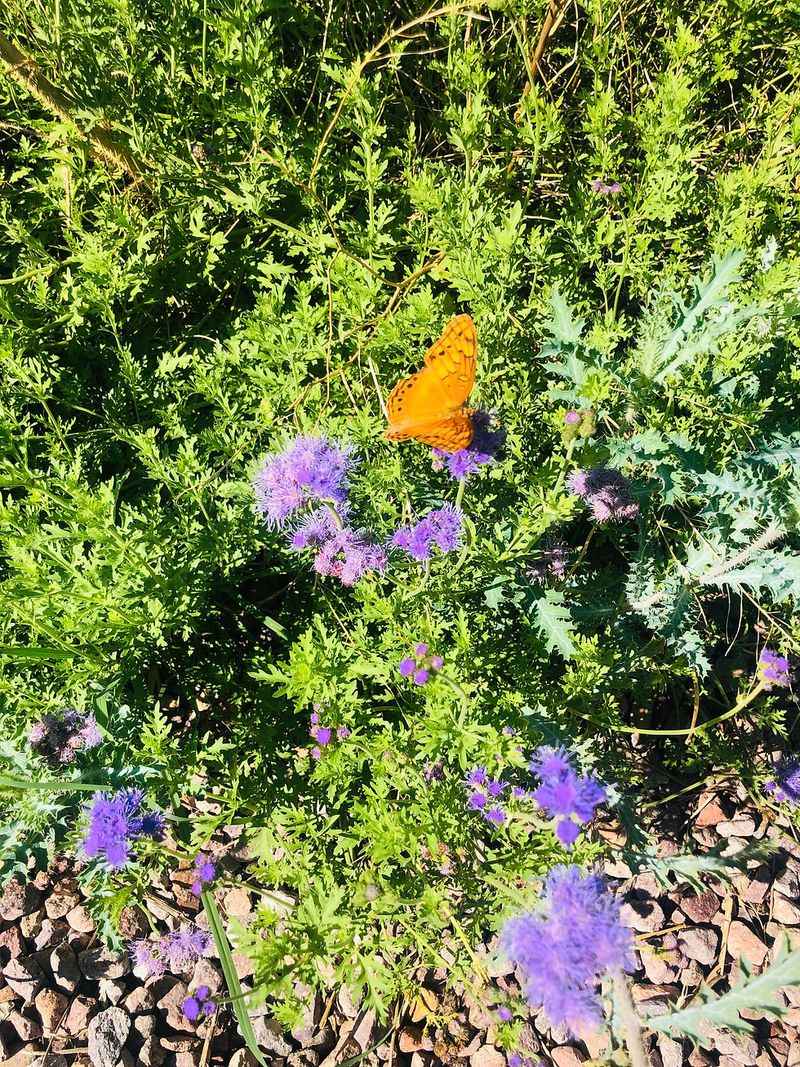
Fall nectar is where your flower beds earn their keep. The Arizona guide lists low-desert options including seep willow, sweetbush, common sunflower, and golden crownbeard.
Your Arizona Garden Changes Every Week. Your Plan Should Too.
Gardening in Arizona changes quickly throughout the season. Every Friday you’ll receive a simple weekly plan showing exactly what to plant, prune, fertilize, harvest, and protect so you never miss the right timing.
Some are marked as monarch favorites, which makes them smart anchors for a planting.
Gregg’s mistflower is another option. University of Arizona monarch garden materials identify it as attractive to monarchs and queens in south and central Arizona.
Bloom timing and performance vary with sun, soil, water, and microclimate. A sunflower in an open bed may flower at a different time than one tucked beside a wall.
Mixing several species can stretch your flowering window, though no combination guarantees monarch visits.
Plant in fall, then water for establishment
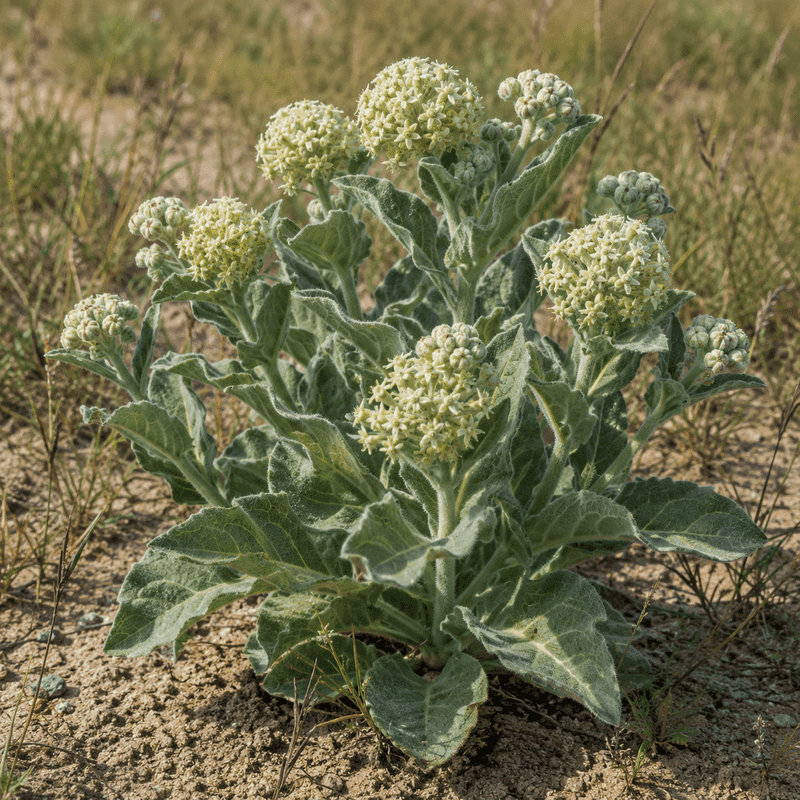
Autumn is a sensible planting window here. University of Arizona guidance notes that fall can be an appropriate time to start milkweed seeds in south and central Arizona.
Cooler days give young roots a gentler start than a summer scorcher would.
Native does not mean no water. Newly planted natives need regular watering while roots settle in.
The Pima County October gardening guide advises gradually reducing watering frequency for new native and desert-adapted plants, rather than cutting off water at once.
A practical routine is to check the soil a few inches down before each watering and ease back as new growth appears. Water savings come later, once plants are established, not on day one.
Ask growers about insecticide treatment
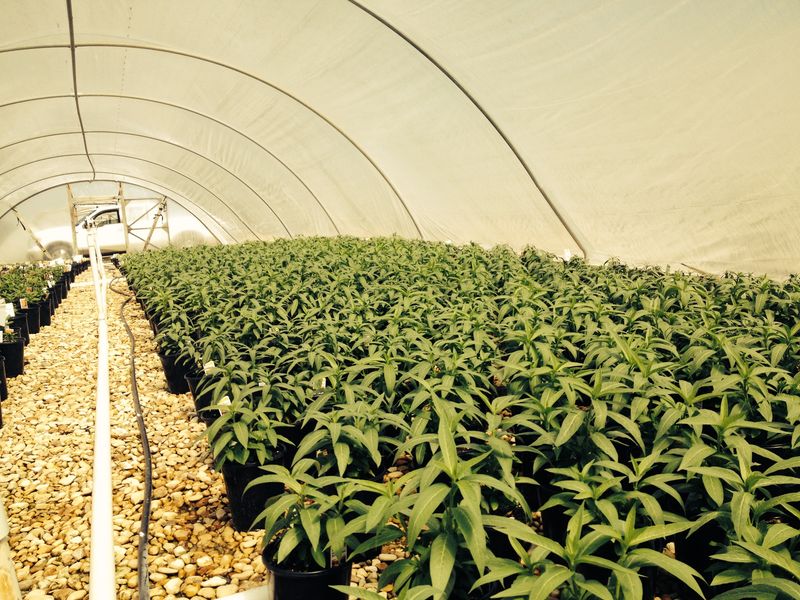
Here is a question worth asking at the nursery: was this plant treated with insecticide? A cheerful pollinator label or glossy leaves tell you little about its history.
Only the grower can say what was applied.
Monarch Joint Venture recommends avoiding insecticides on milkweed and nectar plants, and it advises buyers to ask growers about treatment history. Caterpillars feed directly on milkweed leaves, so residues are a real concern.
Once plants are home, skip insecticides on them. Even soaps and horticultural oils can harm beneficial insects that are present during application.
If pests show up, try a strong rinse of water or hand removal, and keep watch for butterflies and eggs before you act.
Place milkweed where children and animals cannot chew it
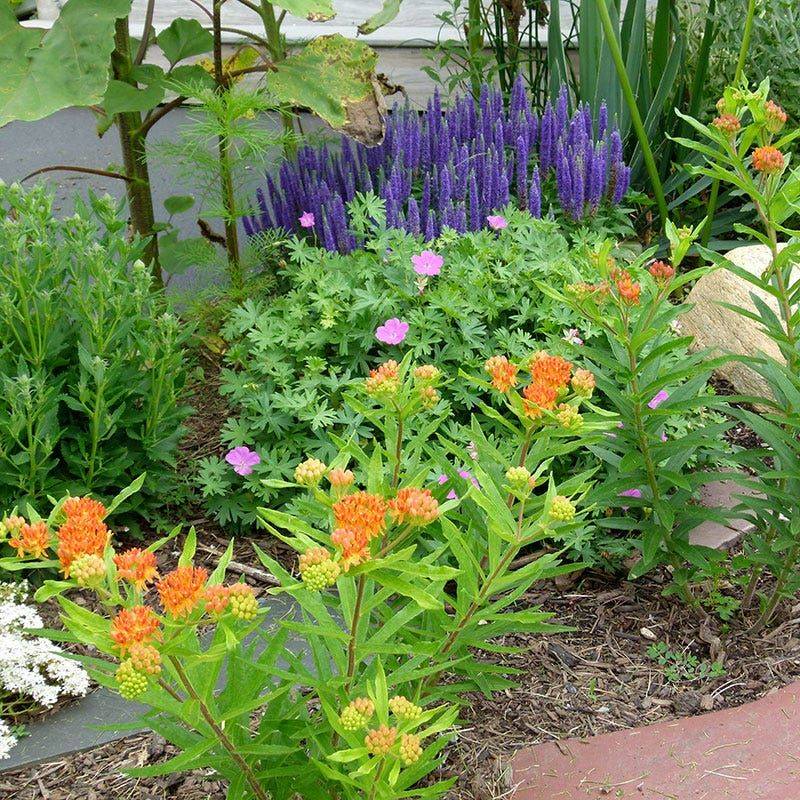
Milkweed is a great butterfly plant, but it is not a harmless one. University of Arizona toxic plant guidance explains that milkweed contains cardiac glycosides, its sap can irritate skin and eyes, and eating it can cause poisoning.
Choose a spot out of reach of children, dogs, cats, and any grazing animals that might nibble it. A back corner, a raised bed, or an area behind a fence can all work well.
Skip handling the plant with bare hands when you prune or pull it. Wear gloves, keep sap away from your face, and wash up afterward.
Never treat milkweed as a food or a plant that is safe to chew.
Build habitat without expecting a guaranteed stop
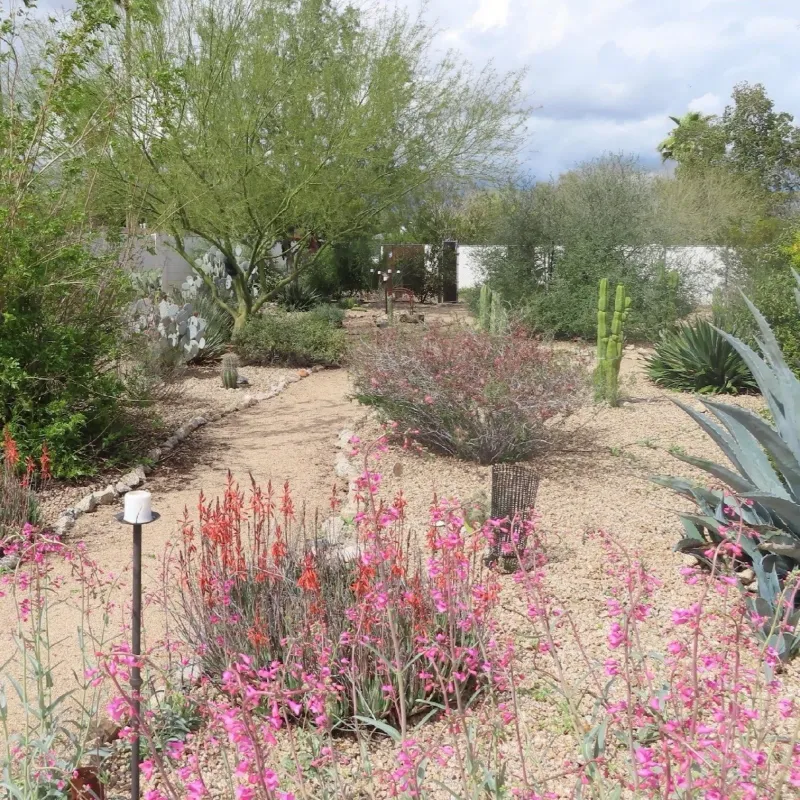
Put the pieces together and the plan is simple: pick milkweed that suits your elevation, add flowers that bloom in fall, and look after new plants while roots settle in. The Southwest Monarch Study restoration guide and its companion planting guide make good checklists as you shop.
Your yard can add useful habitat, but it cannot control when monarchs arrive, which way they go, or how their journey ends. Some seasons will be busy and others quiet.
Start small, keep the insecticides away, and enjoy whatever shows up, from bees to hummingbirds. A garden that feeds wildlife is worth having even on the days no orange wings appear.