9 Tips For Rooting Rosemary And Sage Cuttings In Arizona Before Winter Nights Arrive
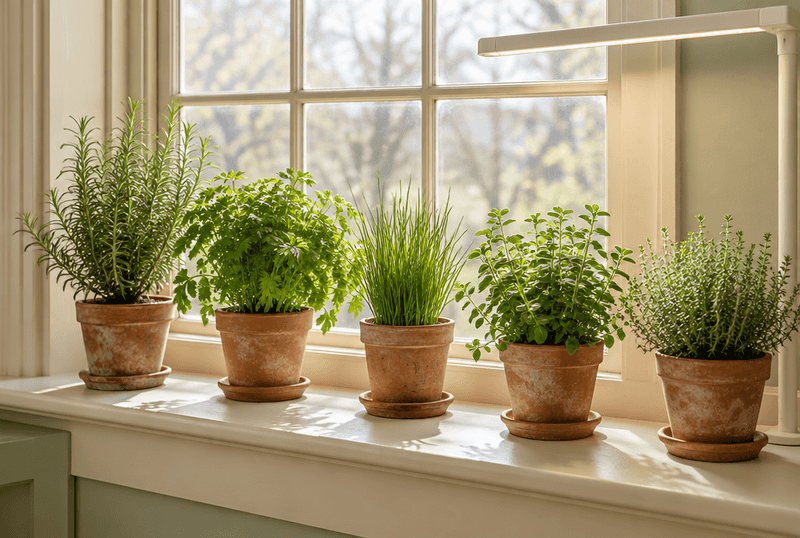
Fall in the Arizona low desert is a sweet spot for growing new herbs from cuttings you already have. Rosemary and sage handle our brutal summers, sip very little water, and can make your yard less inviting to rabbits while drawing in bees and butterflies.
The catch is timing, because young cuttings need strong roots before chilly December nights roll in. With a few smart steps, you can turn a handful of snipped stems into a row of free, tough, wildlife-friendly plants.
1. Snip During the October Sweet Spot
Ask any longtime Phoenix gardener when herbs are happiest, and most will grin and say October. Daytime highs finally drop into the 65 to 85 degree range, which is exactly where rosemary and sage cuttings like to wake up and push roots.
Cutting too early, in late September heat, can stress stems before they ever settle in. Waiting until December leaves them racing against cold nights with no root system to lean on.
Aim for early to mid October, and you give your cuttings roughly six to eight weeks of comfortable weather to get established.
Fall timing also lines up with Arizona’s true planting season. Perennial herbs started now have the whole mild winter and spring to build strength before the next 110 degree stretch arrives.
That head start matters, since a well-rooted plant handles summer far better than a spring transplant.
A second window opens from late February through April if you miss this one. Still, fall cuttings tend to give you sturdier plants by summer.
Mark a reminder on your calendar for the first week the forecast stays under 90, then grab your pruners in the cool morning hours.
2. Choose Young, Flower-Free Stem Tips
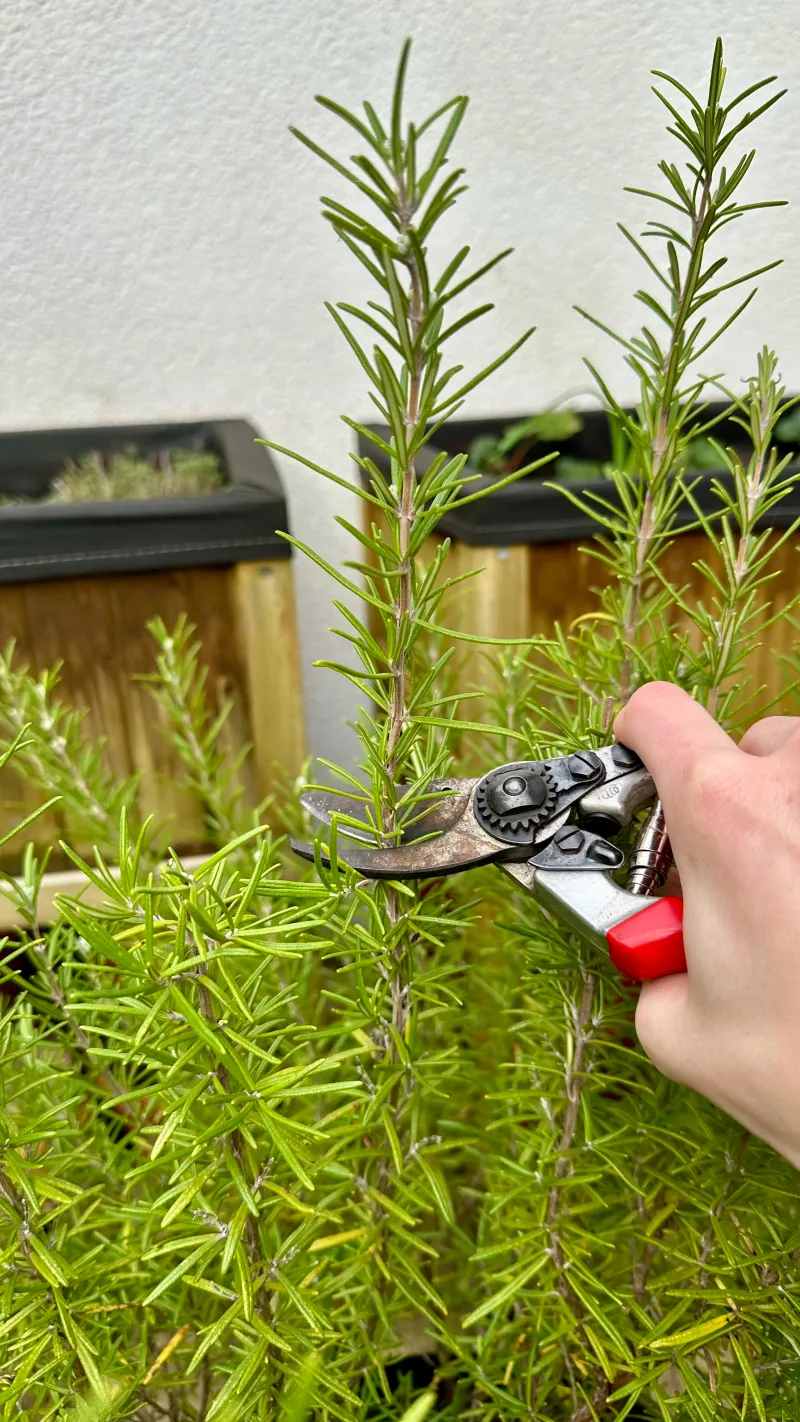
Picture two stems side by side. One is green, flexible, and full of new growth, while the other is covered in tiny blue blooms.
Pick the first one every time.
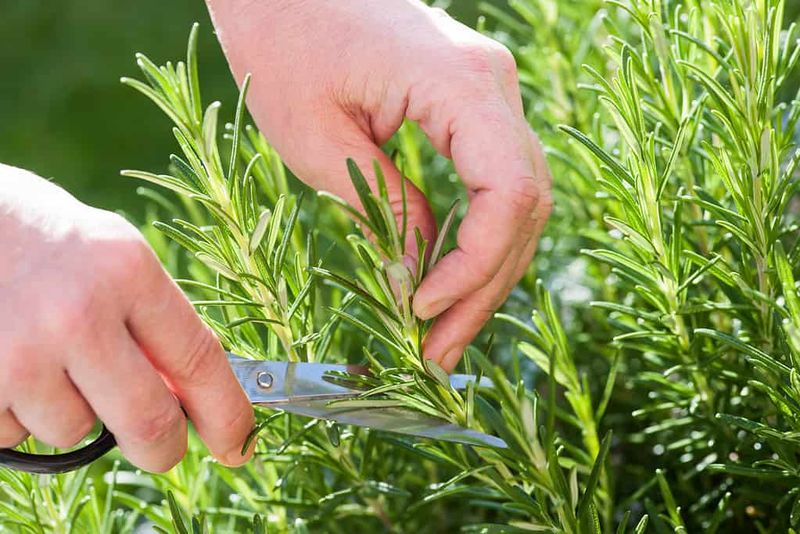
Flowering stems pour their energy into blossoms and seeds, not roots. For rosemary, look for non-flowering tips about 4 to 6 inches long with fresh, healthy needles.
With sage, softer sprigs of the same length work well, though pencil-thin woody stems can also root in cooler months.
Healthy parent plants make a real difference. Skip stems that look yellow, spotted, or droopy from summer stress, since weak cuttings rarely bounce back.
A shrub that got a little afternoon shade or steady deep watering through the heat usually offers the best material.
Take more cuttings than you think you need. Even skilled growers expect a few to fail, so snipping ten or twelve stems for five plants is a smart cushion.
Use clean, sharp pruners to make a crisp cut just below a leaf node, where rooting cells cluster. Then tuck the stems into a damp paper towel or a cup of water so they stay fresh while you prep.
3. Strip the Lower Leaves Clean
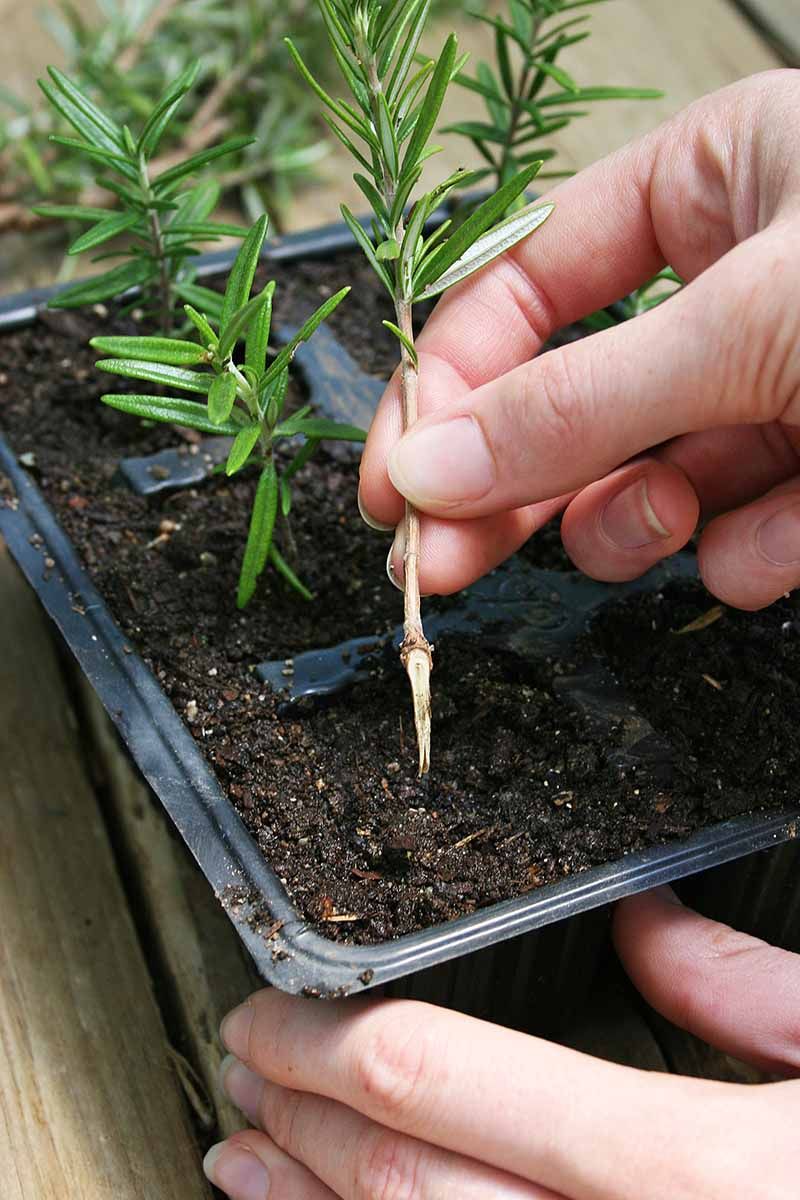
Leaves buried in damp soil turn mushy fast, and that rot can spread straight up the stem. Removing them is one of the simplest steps, yet it often decides whether a cutting thrives or fizzles.
Your Arizona Garden Changes Every Week. Your Plan Should Too.
Gardening in Arizona changes quickly throughout the season. Every Friday you’ll receive a simple weekly plan showing exactly what to plant, prune, fertilize, harvest, and protect so you never miss the right timing.
On rosemary, pinch or slide off the needles along the bottom 2 inches. Run your fingers downward against the growth and they strip away easily.
Sage needs the bottom 2 to 3 inches cleared on soft cuttings, while woody hardwood pieces can have nearly all their leaves removed.
Keep a few leaves up top. Those remaining leaves feed the cutting while it builds roots, but too many will lose moisture faster than a rootless stem can replace it.
On big, fuzzy sage leaves, some growers even trim each one in half to cut water loss, a handy trick in our dry air.
Here is a fun bonus. The trimmings smell wonderful, and you can toss them into soups, roasted potatoes, or a pan of chicken that night.
Nothing goes to waste. Work in the shade and finish quickly, because bare stems dry out surprisingly fast in Arizona’s low humidity.
4. Mix a Gritty, Fast-Draining Rooting Blend
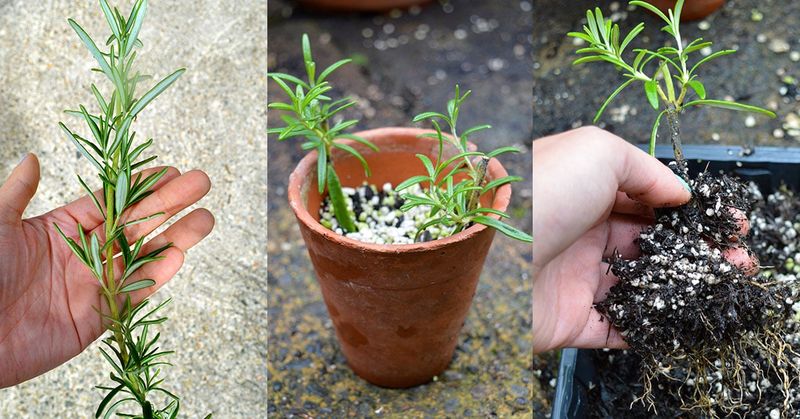
Regular potting soil feels cozy, but for these Mediterranean herbs it can be a soggy trap. Rosemary and sage evolved on rocky hillsides, so their cuttings prefer something loose and airy.
A half-and-half mix of perlite and coarse sand is a classic choice. Coconut coir also works well for rosemary, since it holds a little moisture without staying waterlogged.
Sage roots happily in a similar soilless perlite and sand blend.
Skip your backyard dirt for now. Native caliche and heavy alkaline soil can pack tight around tender stems and block air from reaching new roots.
Save the garden bed for later, once the plants are tough enough to handle it.
Can you root these herbs in a glass of water? Yes, and it is fun to watch.
However, roots grown in water tend to be thinner and may struggle when moved into gritty soil. Starting directly in a sandy mix usually gives you sturdier roots from day one.
Small 3 or 4 inch pots with drainage holes are ideal. Poke a hole with a pencil first, slide the cutting in, and firm the mix gently around it.
5. Keep Moisture Like a Wrung-Out Sponge
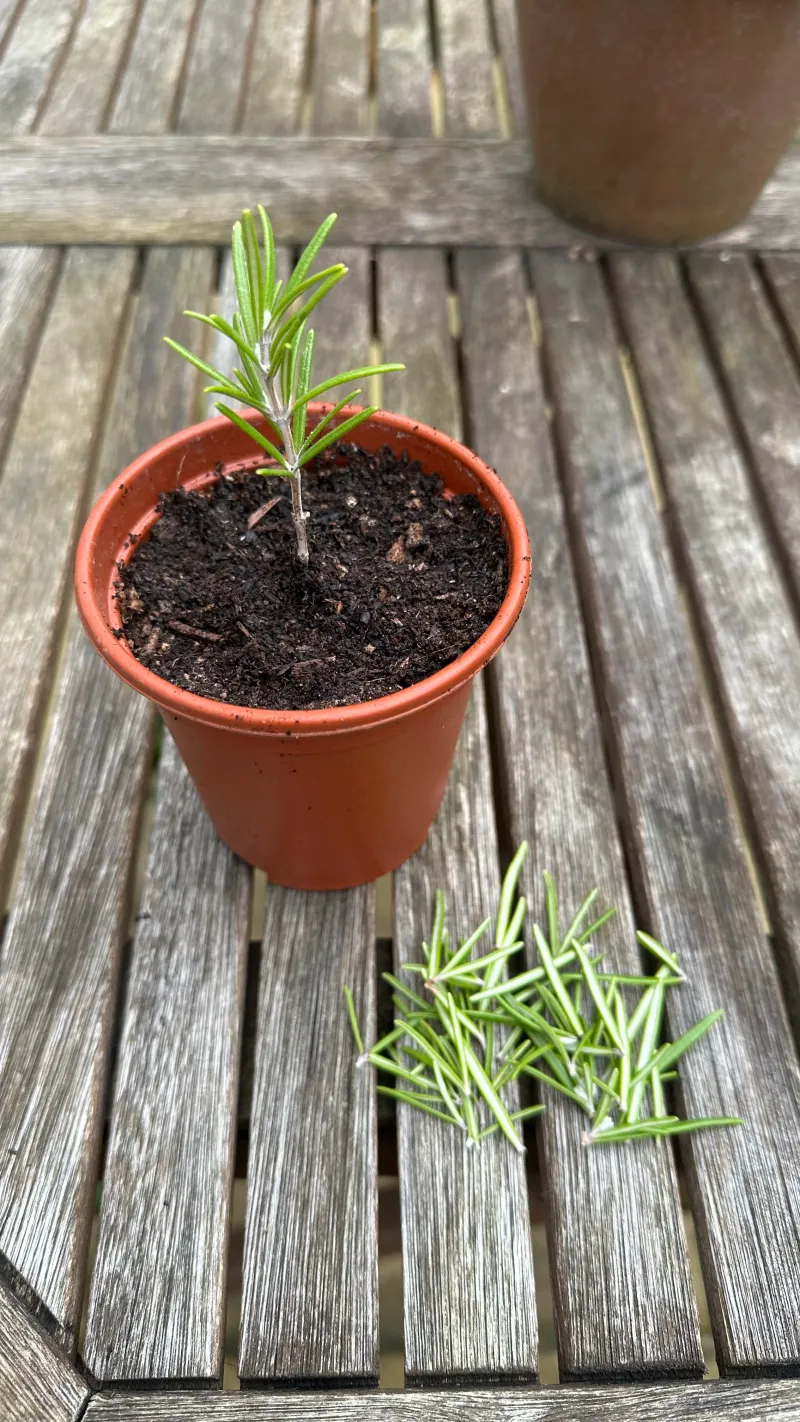
Squeeze a kitchen sponge until it stops dripping. That damp-but-not-wet feeling is exactly what your rooting mix should match.
Arizona’s dry air pulls water from cuttings quickly, so a little extra humidity helps. Cover pots with a clear plastic bag or a humidity dome to hold moisture around the leaves.
Just open it every few days for fresh air, because trapped stillness invites mold and fungus.
Overwatering is the most common mistake. Soggy mix suffocates the stem base and leads to rot, especially in sandy-free soils.
Check daily by touching the surface, and water only when the top starts feeling dry.
A spray bottle is your friend here. Light misting keeps leaves fresh without flooding the pot.
Bottom watering, setting pots in a shallow tray for ten minutes, also works nicely and keeps stems from getting disturbed.
Watch the signs. Crisp, curling leaves mean things are too dry, while blackened stems or fuzzy gray growth signal too much water.
Adjust as you go, and remember that steady, even moisture beats big swings every time. Most cuttings show new growth within three to six weeks when conditions stay balanced.
6. Find Bright Light Without Harsh Sun
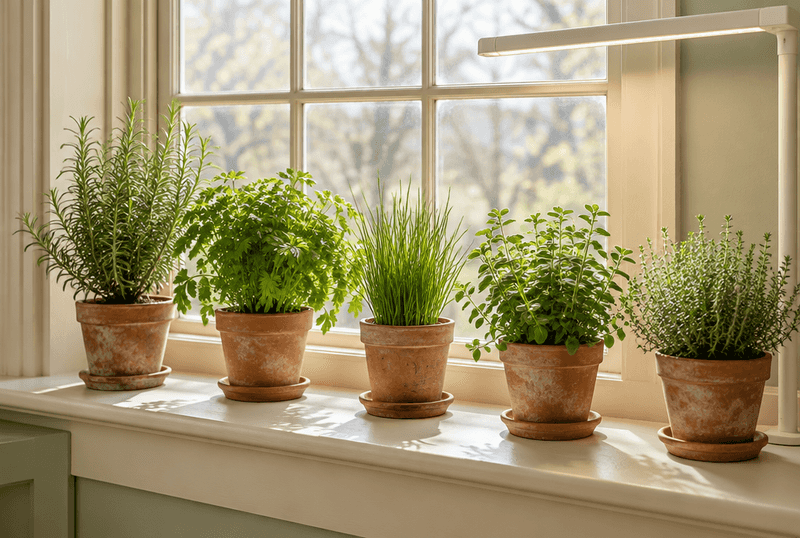
Even in October, the Arizona sun can feel like a spotlight on full blast. Rootless cuttings cannot handle that intensity yet, so a gentler spot is key.
Bright, indirect light gives them enough energy to grow roots without cooking. A covered patio, the dappled shade under a mesquite or palo verde, or an east-facing window all work beautifully.
Morning sun with afternoon shelter is a solid compromise outdoors.
Be extra careful if you are using a humidity cover. Plastic acts like a tiny greenhouse, and direct afternoon rays can heat the inside fast enough to scorch tender stems.
Plenty of eager gardeners have learned this lesson the hard way.
Indoors, a sunny window filtered by a sheer curtain is a great setup. Rotate pots every few days so stems grow straight instead of leaning toward the glass.
Once you spot fresh new leaves at the tips, your cuttings are telling you roots have formed. At that point, start giving them a little more direct morning light each week.
Slowly building up exposure helps the young plants toughen up for life in a desert yard.
7. Give Stems a Boost With Rooting Hormone
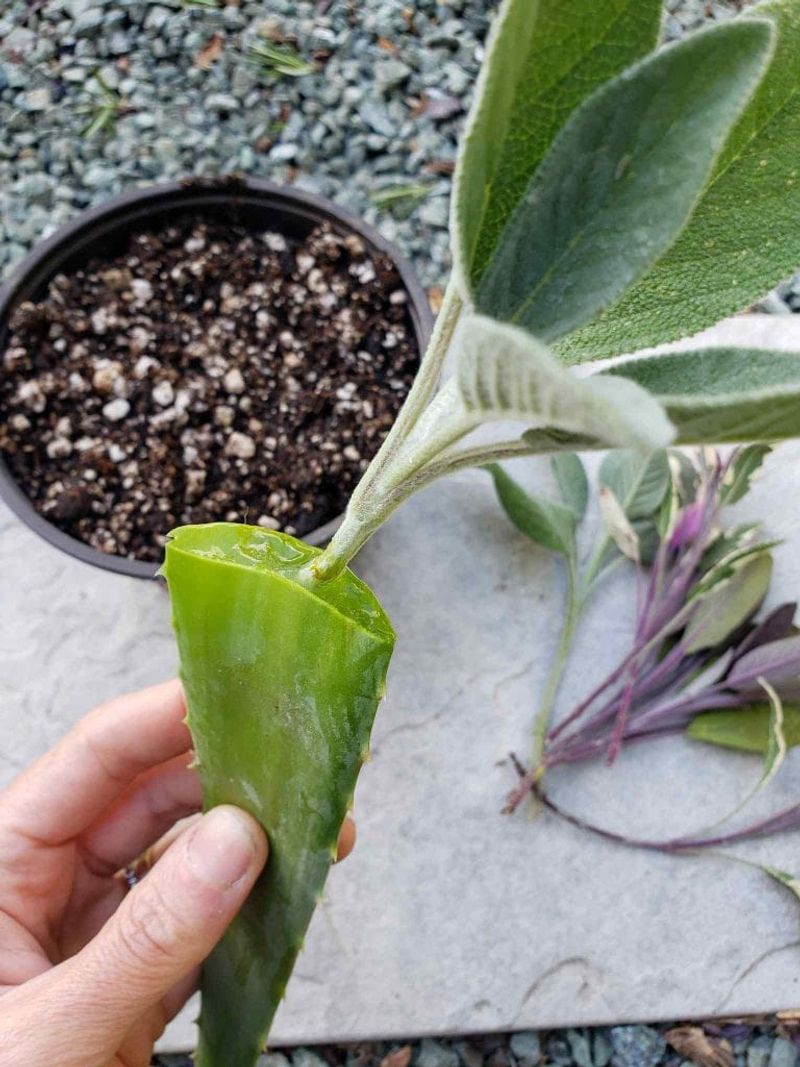
Think of rooting hormone as a helpful nudge rather than a must-have. Rosemary and sage will often root without it, but a quick dip can speed things along when the calendar is working against you.
Faster rooting matters in Arizona fall because every week counts before nighttime temperatures drop. Shaving even a week off the process gives young plants more time to strengthen before the first chilly snap.
Using it is easy. Moisten the bare end of the cutting, dip it into the powder, and tap off the extra.
Pour a small amount into a separate dish first so you do not spread germs into the whole container.
Some powders may also offer a little protection against fungal problems at the cut end. That can be useful for sage, which tends to be a bit fussier than rosemary about rot.
Want a pantry trick? Some gardeners dab the cut ends in a little honey or cinnamon, which have mild protective qualities.
Results vary, so consider these a fun experiment rather than a sure thing. Whatever you choose, keep half your batch untreated and compare which group roots first.
8. Shelter Young Plants From December Chill
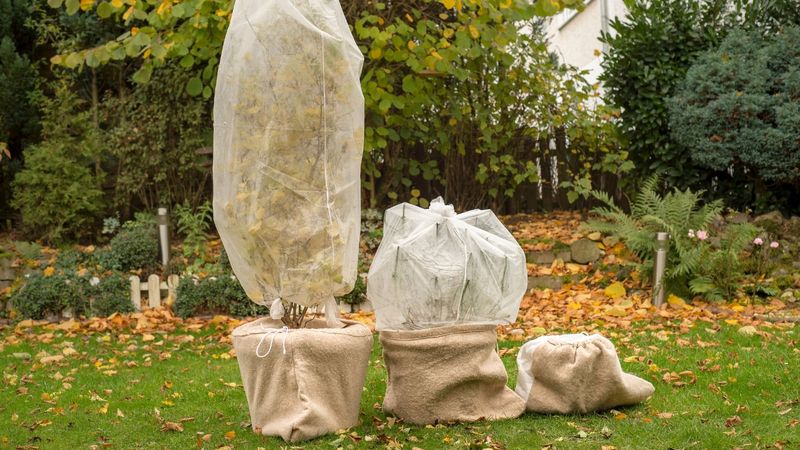
Low-desert winters seem mild until a clear December night dips into the 30s. Frost can show up anytime from November through March, and brand-new plants feel it most.
Mature rosemary is fairly cold hardy, but tiny rooted cuttings in small pots are another story. Containers lose heat from every side, so roots chill much faster than they would in the ground.
Keep an eye on the forecast. When lows head toward 32 degrees, move pots into a garage, shed, or covered porch with natural light and some airflow.
Bring them back out once the morning warms, since they still need daylight to keep growing.
Grouping pots together against a south-facing wall also helps. Stored daytime heat in block or stucco radiates back at night and can buy a few precious degrees.
Frost cloth draped over the cluster adds another layer of comfort.
Avoid wrapping plants in plastic that touches the leaves, because it can transfer cold directly. Water lightly before a cold night, too, since moist soil holds warmth better than dry soil.
With a little attention, your cuttings will cruise through winter ready for spring planting.
9. Plant Them Where They Work for Your Yard
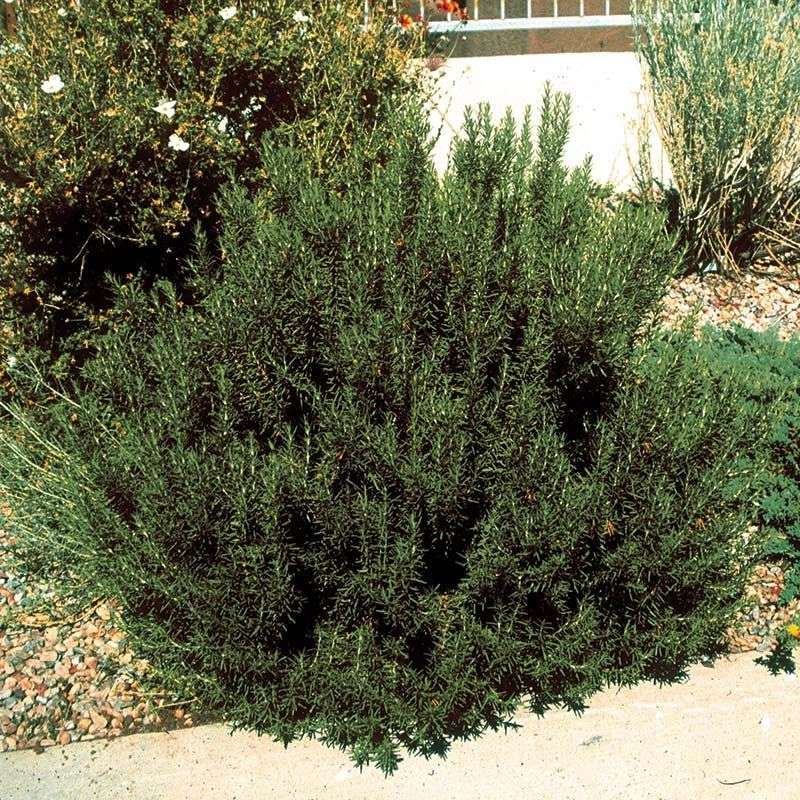
Here is the payoff for all that patience: tough, fragrant shrubs that pull real weight in a desert landscape. Once rooted and planted out in late winter or early spring, rosemary and sage need surprisingly little from you.
Both handle heat and drought once established, making them smart picks for water-wise beds. Deep, occasional watering is usually enough after the first year.
They also bring function, not just looks. Rabbits tend to dislike the taste of rosemary and sage, so these herbs may help protect nearby plantings from nibbling.
Their strong scent can make a bed less inviting to some beetles and other pests too.
Meanwhile, the blooms are a magnet for good guys. Bees and butterflies often visit rosemary’s winter and spring flowers when little else is blooming, adding life to your yard during quiet months.
Try pairing them with desert natives like penstemon, desert marigold, or agave for a layered habitat garden. Give them full sun, gravel mulch, and well-drained soil, then step back.
Few projects turn a handful of free stems into such a useful, low-fuss part of your Arizona yard.