What Every Texas Gardener Should Cover Before Winter Nights Arrive
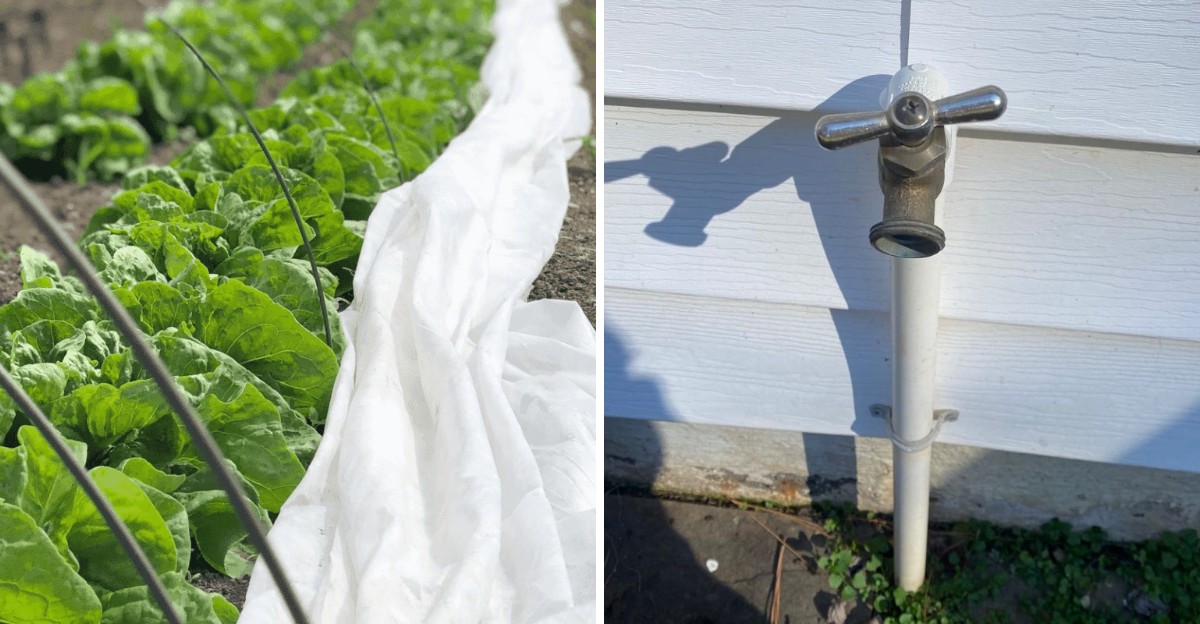
Frost cloth, old bedsheets, cardboard boxes, overturned buckets. Once a freeze warning hits the forecast, Texas gardeners grab just about anything they can find to throw over their plants.
It’s a familiar scramble, and it usually happens after dark with a flashlight in one hand. In Texas, winter may be short, but it can still pack a punch.
Even one hard freeze can damage tender plants, young trees, and fall vegetables that aren’t ready for it. Covering them at the right time, with the right materials, can mean the difference between a quick recovery and a costly replacement.
The tricky part is knowing which plants need protection and which can tough it out on their own.
Covering plants the wrong way can also cause problems of its own. A little planning now means no more last-minute panic when the temperature drops.
1. Young Citrus Trees Need A Warm Hug
Nothing beats picking a sweet Meyer lemon or juicy satsuma from your own backyard. Citrus trees are a real treat to grow in Texas. Young ones, though, are quite fragile when a hard freeze rolls in.
Trees under about three years old have thin bark and small root systems. They simply cannot handle long nights in the low 20s. Gardeners in Central and North Texas need to be extra careful, since freezes there are more common and often last longer.
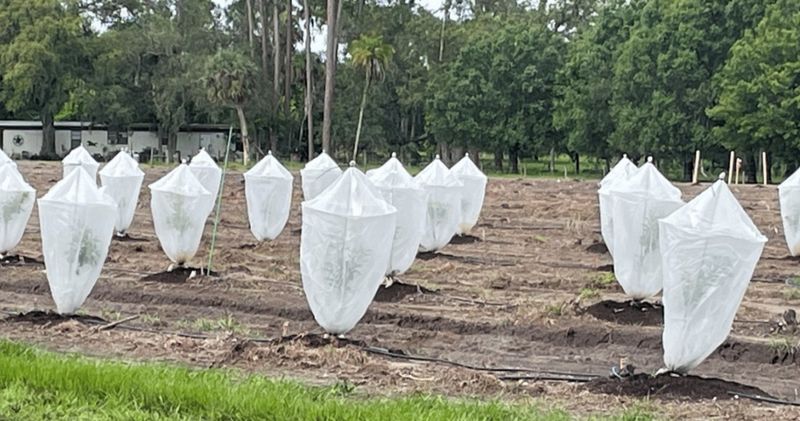
Frost cloth is your best friend here. Drape it over the whole tree and let it fall all the way to the ground. Pin the edges down with bricks, rocks, or landscape pins. Why go to the ground?
The soil holds heat from the day, and a full cover traps that warmth around the tree all night.
For extra help during a really hard freeze, many growers use an old trick. They string the older style incandescent holiday lights under the cover.
Those bulbs give off a little gentle heat, which can raise the temperature inside by a few degrees. LED lights stay cool, so they will not help in the same way.
Water your tree a day or two before the freeze arrives. Moist soil actually holds heat better than dry soil. Also keep the cover from pressing hard on the leaves, if you can, by using stakes or a simple frame.
Remove the cloth once temperatures climb back above freezing the next day. Leaving it on during sunny afternoons can cook the tree. A little effort each cold night keeps your future fruit stand growing strong for many seasons.
2. Tropical Hibiscus And Bougainvillea Hate The Cold
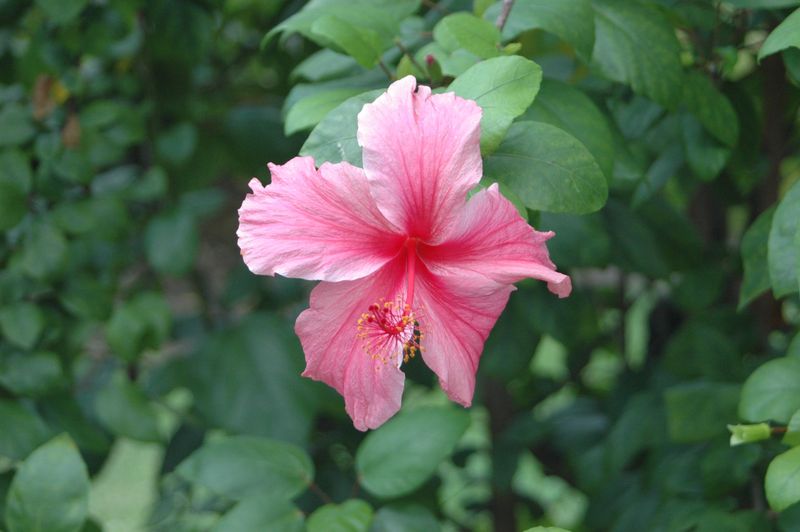
Bold, bright, and full of island flair, tropical hibiscus and bougainvillea make any Texas patio feel like a vacation spot. Their giant blooms and splashy colors are hard to resist. Sadly, these sun lovers have zero tolerance for frost.
Both plants come from warm places where winter barely exists. One frosty night can turn healthy leaves brown and crispy. A hard freeze can damage them all the way down to the roots, and you may lose the plant for good.
Your Texas Garden Changes Every Week. Your Plan Should Too.
Gardening in Texas changes quickly throughout the season. Every Friday you’ll receive a simple weekly plan showing exactly what to plant, prune, fertilize, harvest, and protect so you never miss the right timing.
Got them growing in the ground? Watch the weather app closely from November through February.
When a freeze shows up in the forecast, cover them with frost cloth before sunset. Let the fabric reach the soil and weigh down the edges. Adding a thick layer of mulch around the base helps protect the roots too.
Potted plants are much easier. Simply roll or carry them into a garage, a shed, or even your living room.
A plant dolly with wheels makes this chore a breeze, especially for big bougainvillea pots that can weigh a ton. Bring them back outside once the cold passes so they can soak up sunshine again.
Here is a fun fact. Bougainvillea is named after a French explorer, Louis Antoine de Bougainville, whose crew found the plant in Brazil in the 1760s. It has been traveling the world ever since.
If frost does nip a few leaves, do not panic. Wait until spring before trimming away damaged parts. Those brown stems actually shield the healthy wood underneath during the rest of winter.
3. Lettuce And Tender Greens Want A Cozy Tunnel
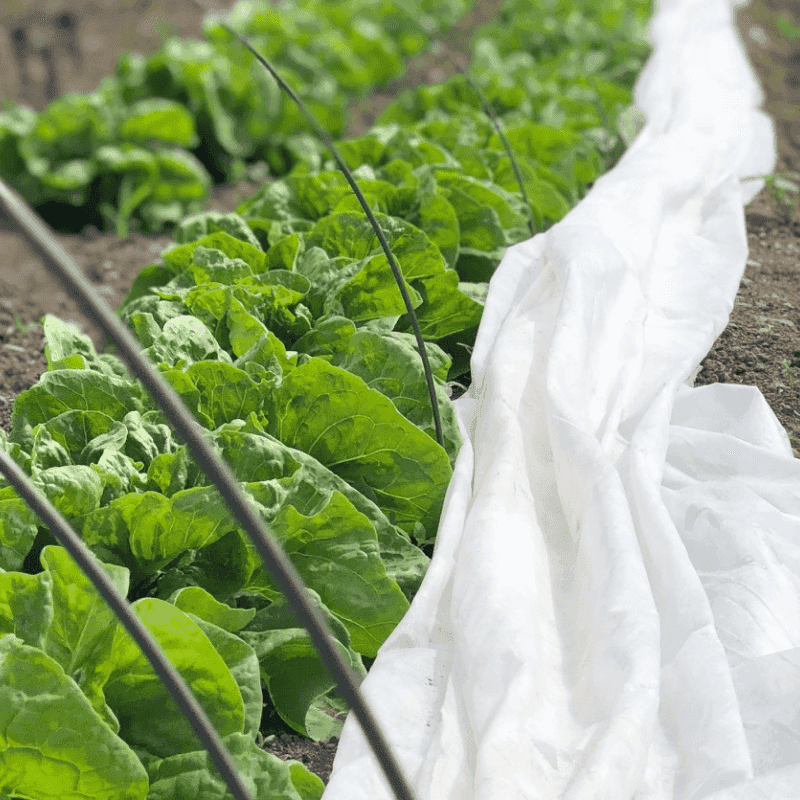
Ask any Texas vegetable grower about their favorite season, and many will say fall and winter.
Cool weather is perfect for crisp salads straight from the garden. Lettuce, spinach, arugula, and other leafy greens thrive when the summer heat finally fades.
Here is the catch. Most greens shrug off a light frost just fine, and some even taste sweeter after one.
A hard freeze is a different story. Temperatures in the mid 20s or lower can freeze the water inside the leaves and turn them into a slimy mess by morning.
Row covers solve this problem nicely. These lightweight fabrics let in light and water while holding in a few degrees of warmth.
For the best results, bend some wire or PVC hoops over your bed and drape the fabric across the top. The hoops keep the cloth off the leaves, which prevents frost from touching them directly.
Secure the edges with sandbags, rocks, or clips so a strong norther does not blow everything away. Texas winds can be sneaky. On extra cold nights, you can add a second layer of frost cloth for more protection.
One bonus of this setup is how long it keeps your garden going. Many gardeners leave the hoops in place all winter and simply open or close the cover as needed. That means fresh salads in January instead of sad, empty beds.
Harvest outer leaves often, and the plants will keep producing. Just avoid picking while the leaves are still frozen. Give them a chance to thaw first, or they may bruise.
4. Strawberries Deserve A Blanket For Their Blossoms
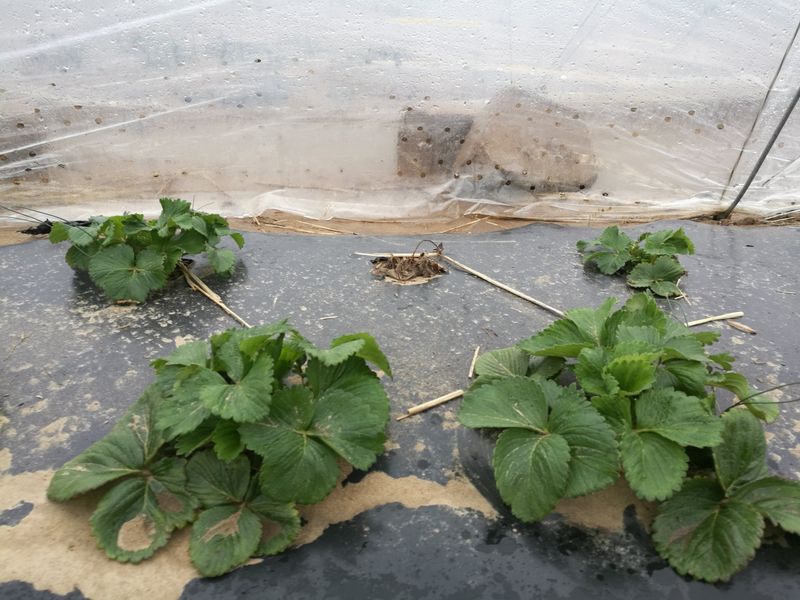
My neighbor once lost an entire spring crop of strawberries to a single February night. The plants looked perfectly fine the next morning. The problem was hidden in the flowers, which had turned black in the center.
Strawberry plants themselves are pretty tough. Their leaves and crowns can handle chilly weather without much fuss.
Their flowers and baby berries, however, are very delicate. A dip to around 30 degrees can harm open blooms, and that means no fruit later.
In Texas, strawberries often start flowering in late winter, sometimes as early as February. That timing lines up right with our surprise cold fronts. So when blossoms appear, start paying close attention to the nightly forecast.
Covering them is simple. Lay frost cloth or a row cover over the bed in the afternoon before a cold night.
A thin layer of pine straw underneath can add extra protection for the crowns. Pull the covers off the next day once things warm up, because bees need to reach the flowers to pollinate them.
Did you know strawberries are not true berries at all? Those tiny seeds on the outside are actually the real fruits. Botanists find that pretty funny, considering the name.
Planting in raised beds can also help, since they drain well and warm up faster in the sun. Keep a bundle of frost cloth handy in the garage all winter. When a cold snap pops up, you will be ready in minutes, and your spring shortcake dreams will stay safe.
5. Aloe And Other Tender Succulents Turn Mushy Fast
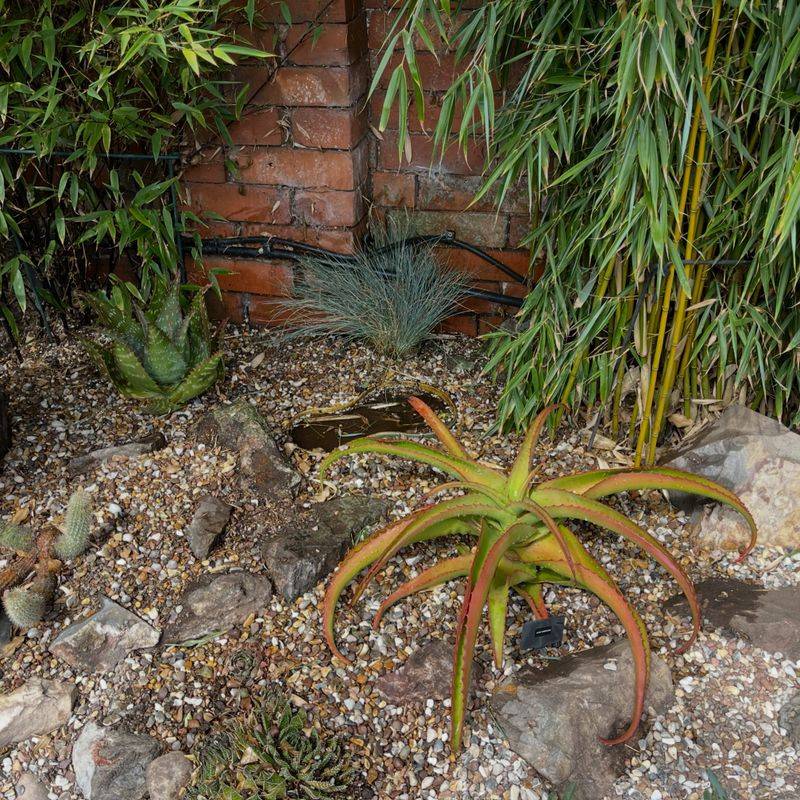
Think of aloe as a tiny water tower. Its thick, juicy leaves store water so the plant can survive dry Texas summers. That clever design becomes a weakness when the temperature drops below freezing.
When the water inside those leaves freezes, it expands. The cells burst, and the leaves turn soft, see-through, and mushy.
Many other succulents, like jade plants, echeverias, and kalanchoes, have the same problem. Once a leaf goes mushy, it will not bounce back.
For succulents planted in the ground, cover them with frost cloth when a freeze is coming. A cardboard box or an upside-down bucket also works for small plants overnight. Just remove it in the morning so the plant gets light.
Potted succulents are the easiest to save. Move them into a garage, a covered porch, or a sunny window indoors.
Since succulents need very little water in winter, you can skip watering them while they wait out the cold. Too much water in chilly weather can cause root rot.
Keep in mind that not all succulents are tender. Many Texas natives, like agaves, yuccas, and prickly pear cactus, handle cold quite well. It helps to learn which of your plants are tough and which are softies, so you know where to focus.
Here is a neat tidbit. People have used aloe for soothing skin for thousands of years, and ancient Egyptians reportedly called it the plant of immortality.
Treat yours kindly this winter, and it will keep helping with sunburns and scrapes come summer.
6. Outdoor Faucets Can Crack Without A Cap
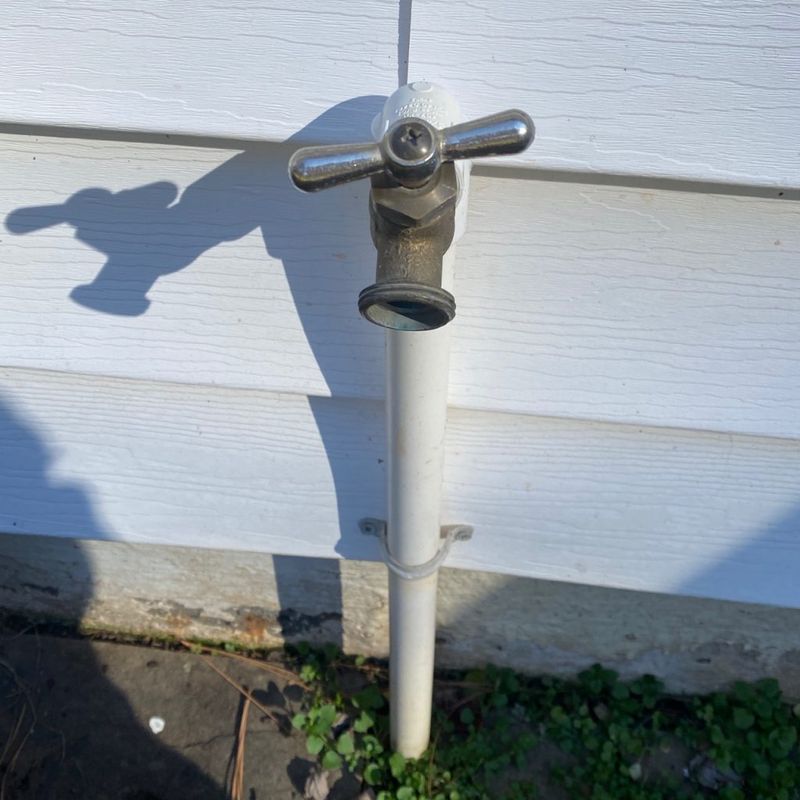
Plants are not the only things in your yard that suffer during a freeze. Those plain little outdoor faucets can cause big headaches too. A cracked spigot can leak gallons of water and lead to costly repairs.
Why does this happen? Water expands when it freezes. If water is trapped inside a faucet or the pipe behind it, that ice pushes outward until the metal or pipe splits. Often you will not notice the damage until the thaw, when water starts spraying.
The first step is easy. Unhook your garden hoses before freezing weather arrives. A connected hose traps water in the faucet and makes cracking much more likely. Drain the hose, coil it up, and store it in a garage or shed.
Next, grab an insulated faucet cover. These foam domes or padded pouches slip right over the spigot and attach with a simple loop.
They cost only a few dollars at most hardware stores and take seconds to install. In a pinch, you can wrap the faucet with old towels and a plastic bag, then tape it tight.
If your home has an indoor shutoff valve for the outdoor faucets, turn it off. Then open the outside faucet to let any leftover water drain out.
Many Texas homes were built for heat, not ice. That is why so many pipes burst during past winter storms. A quick ten minute walk around your house can save you from a soggy surprise and a big plumbing bill later.
7. Irrigation Backflow Preventers And Exposed Pipes Need Insulation
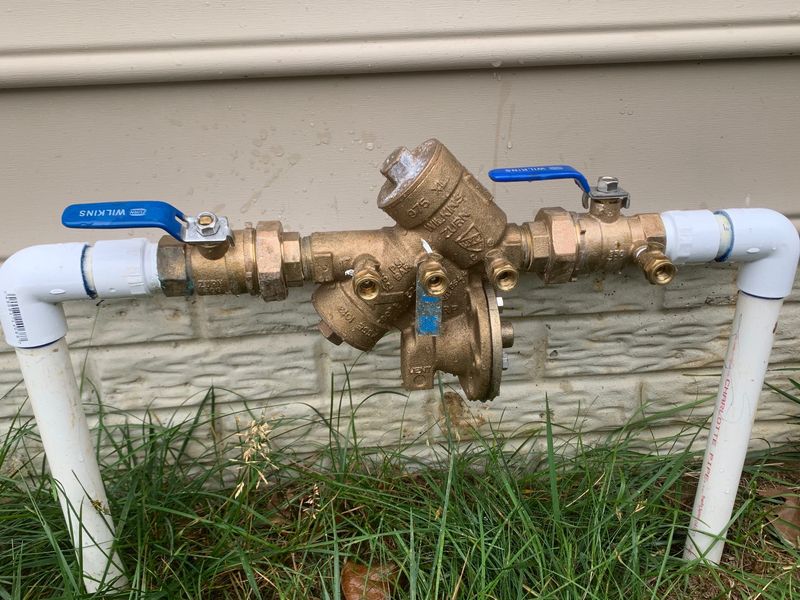
Walk around many Texas yards, and you will spot a funny looking brass contraption sticking out of the ground. That is the backflow preventer for your sprinkler system. Its job is to keep dirty water from flowing back into your home’s drinking water.
Unfortunately, these devices sit above ground with very little protection. Many were installed with warm weather in mind, not hard freezes.
When temperatures drop into the low 20s, water trapped inside can freeze and crack the brass parts. Replacing one can cost hundreds of dollars.
Protecting it is not hard. Wrap the backflow preventer and any exposed pipes with foam pipe insulation.
Then top it off with an insulated cover, often sold as a backflow bag or pouch. Some people use old blankets and secure them with tape or zip ties, which works in a pinch.
Draining the system adds another layer of safety before a deep freeze. Every setup is a little different, so check your owner’s manual or call your irrigation installer.
Usually, it involves shutting off the main valve and opening small test cocks to release water. Never guess with these steps, since doing it wrong can cause leaks.
Remember to turn off your sprinkler timer too. Watering right before a freeze can create icy sidewalks and stress your lawn.
After the cold passes, take a peek for drips or cracks before turning everything back on. Catching a problem early keeps your yard green and your water bill from climbing. Your future spring self will thank you.