What To Do If You Spot A Venomous Saddleback Caterpillar In Your Texas Yard
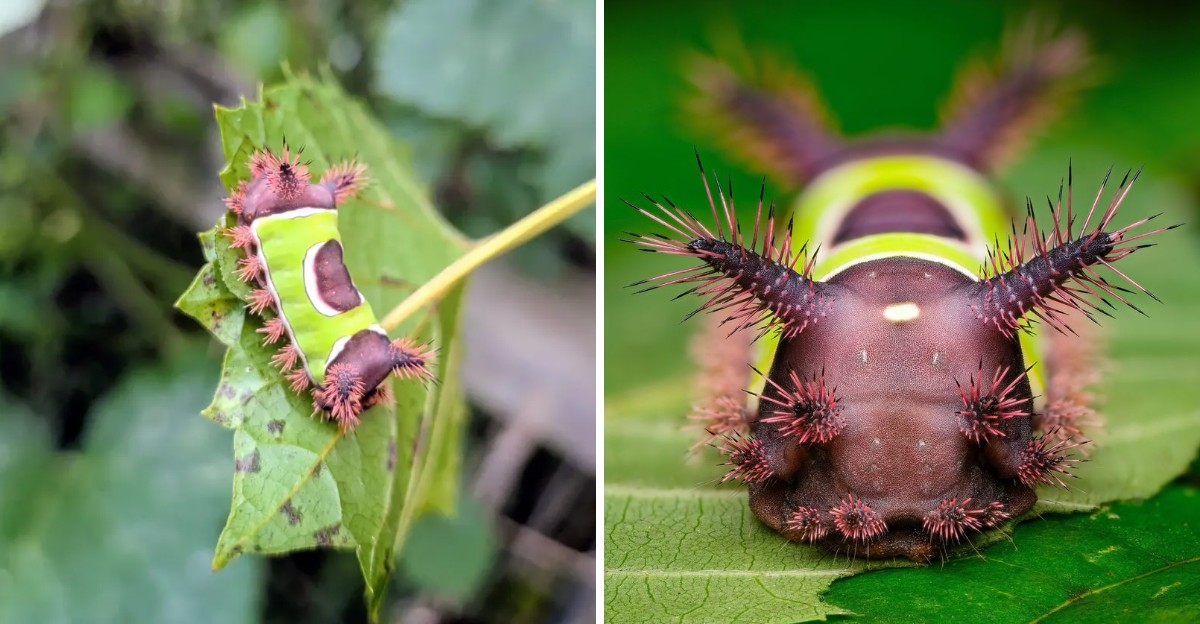
The saddleback caterpillar is one of those Texas yard encounters that most people only have to experience once before they treat every unfamiliar caterpillar with a great deal more caution.
The sting it delivers through contact with its venomous spines is sharp, immediate, and significantly more intense than most people expect from something so small.
And because the caterpillar itself is genuinely striking in appearance, the instinct to reach down for a closer look is exactly what causes most unpleasant encounters. Finding one in your Texas yard right now is not unusual.
Late summer and fall are peak activity months for saddleback caterpillars in Texas, and they show up on a wider range of plants than most homeowners realize.
Knowing what you’re looking at before you touch anything, understanding the risk clearly, and knowing exactly what to do if contact does occur are all worth having sorted before the next encounter happens.
Here’s what to do if you spot a saddleback caterpillar in your Texas yard and how to handle the situation safely from that point forward.
1. Stop And Step Back Right Away
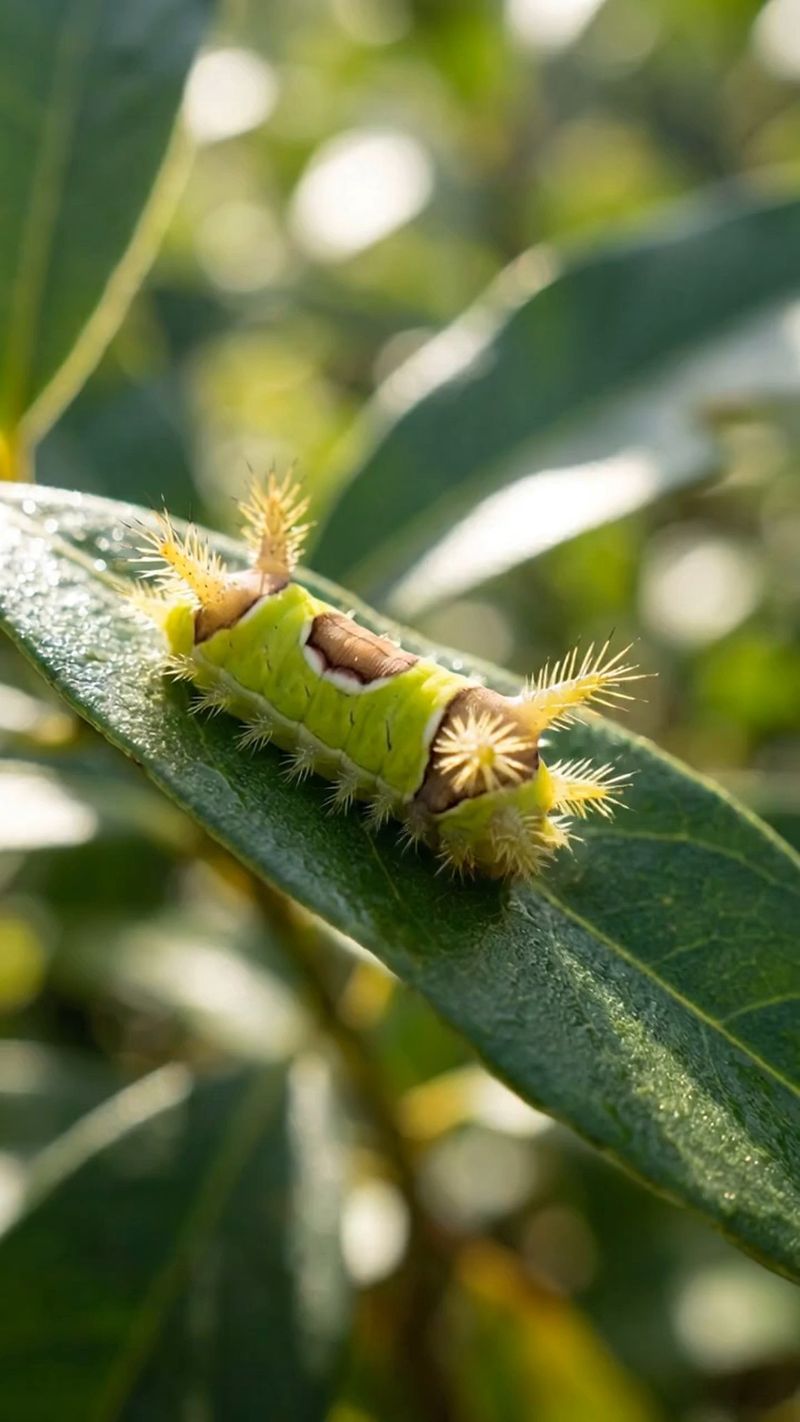
The very first thing to do is freeze and move your hands away. Saddleback caterpillars blend into leaves, so it is easy to reach right next to one without noticing.
Their spines carry venom, and even a light brush can trigger a burning sting. Backing up gives you space to think clearly and avoid accidental contact.
Take a slow breath and look around before touching anything else. These caterpillars often hide on the undersides of leaves, along stems, or near fruit and vegetables.
If you spot one, there could be more nearby, since they sometimes gather in small groups. Slowing down helps you scan the area with care instead of rushing.
Keep your movements calm and steady. Sudden swatting can knock the caterpillar onto your arm or clothing, which only raises your chances of getting stung.
Instead, treat it like you would a wasp resting on a wall. Give it room and let it stay put while you plan your next move.
Tell anyone nearby to hold still too, especially curious kids who might want to poke it. A quick warning keeps everyone out of harm’s way.
Point out where the caterpillar is so no one leans in for a closer look. This small pause turns a risky moment into a safe one.
Once you have created a little distance, you can decide whether to remove it or simply leave it alone. Either way, that first careful step back is what protects your skin and keeps the situation under control.
2. Keep Kids And Pets Far Away
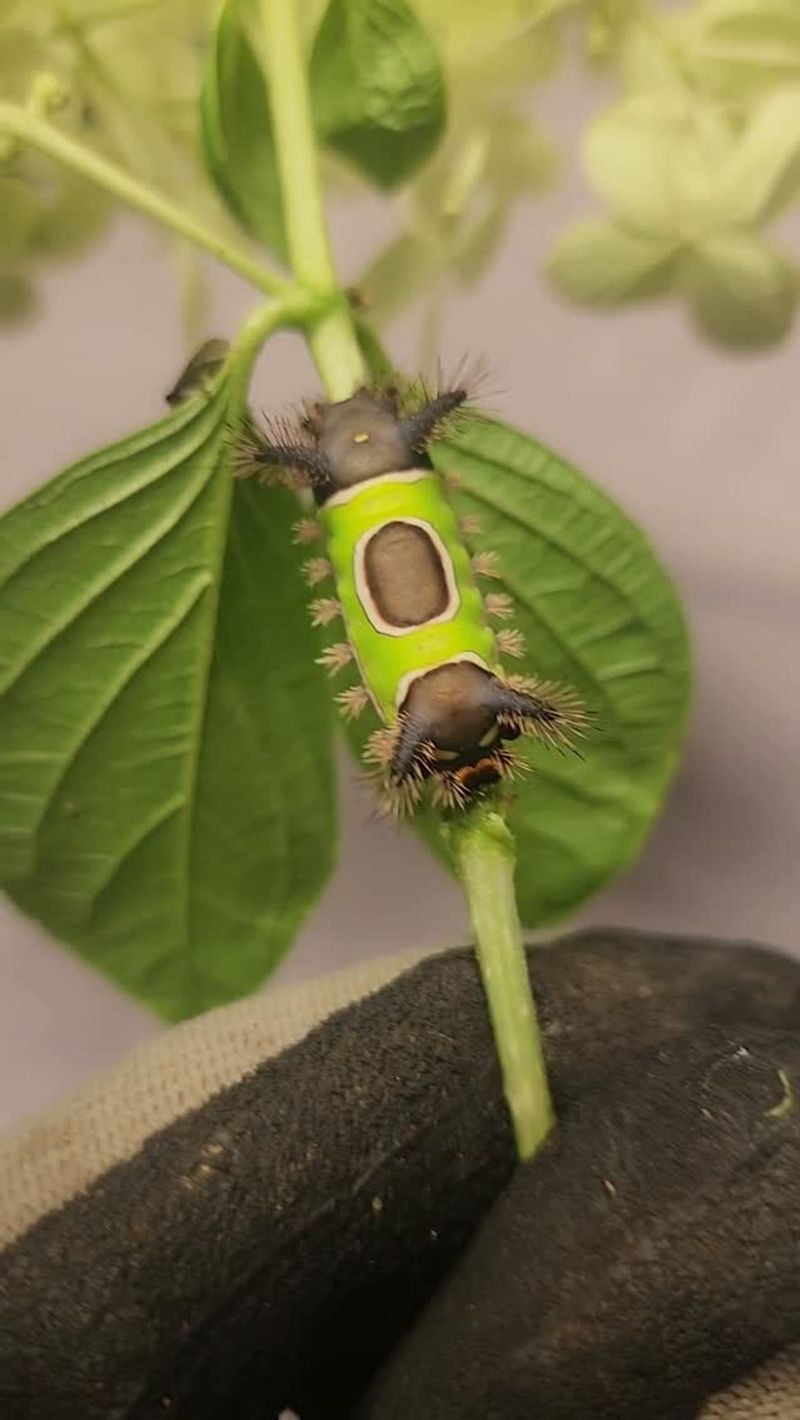
Little ones and animals are naturally curious, and that curiosity can lead to trouble fast. A bright caterpillar looks like a fun toy to a toddler or a snack to a dog.
Guide children and pets away from the plant right away. A calm voice works better than shouting, which might make them dart toward the very thing you want them to avoid.
Your Texas Garden Changes Every Week. Your Plan Should Too.
Gardening in Texas changes quickly throughout the season. Every Friday you’ll receive a simple weekly plan showing exactly what to plant, prune, fertilize, harvest, and protect so you never miss the right timing.
Dogs and cats often sniff or paw at strange bugs, and a sting on the nose or paw is painful and scary. Leash your dog or bring your cat inside until the area is safe.
Pets cannot tell you where it hurts, so preventing the sting in the first place saves everyone stress. Watch them closely if they were sniffing around before you noticed the caterpillar.
Explain to kids in simple words why the fuzzy bug is off limits. You might say it has tiny stingers that feel like fire, so hands stay back.
Turning it into a quick lesson helps them remember for next time. Kids who understand the danger are far less likely to reach out.
Set up a temporary boundary if you need to leave and come back. A chair, a cone, or even a stick in the ground reminds everyone to stay clear.
Mark the spot so no one wanders into it later. Keeping a safe zone gives you time to handle the caterpillar properly.
Once your family and furry friends are at a safe distance, you can focus on the next steps without worrying about anyone getting hurt by accident.
3. Cover Up Before You Get Closer
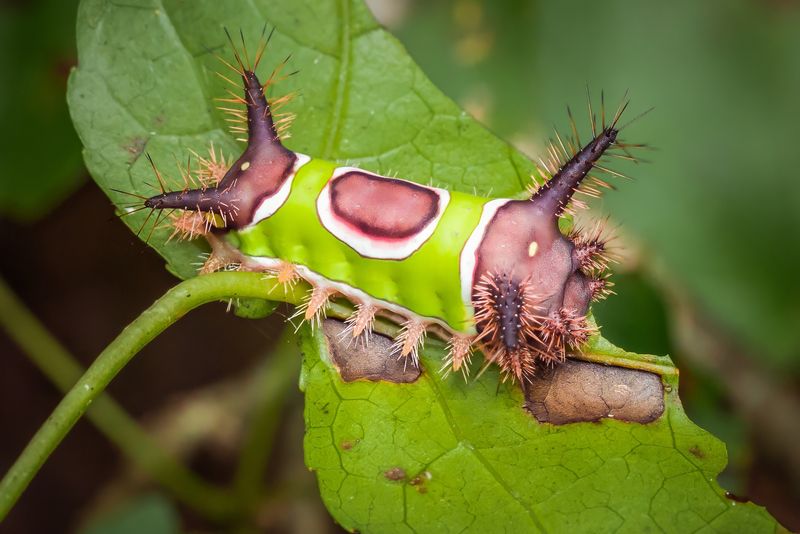
Before you handle anything near the caterpillar, gear up like you mean it. Thick gloves, long sleeves, and closed shoes create a shield between your skin and those venomous spines.
Bare arms and flip-flops leave too much room for an accidental brush. A few extra pieces of clothing can spare you a lot of pain.
Leather or heavy garden gloves work best because the spines cannot poke through easily. Thin cloth gloves might not stop the venom, so choose the toughest pair you own.
Tuck your sleeves into the gloves if you can. Every gap you close is one less chance for the spines to reach your skin.
Pants and long socks matter too, since caterpillars can drop or fall while you work. Something landing on your leg is just as dangerous as touching one with your hand.
Dressing fully means you stay protected from head to toe. It only takes a minute to change into safer clothes.
Safety glasses are a smart bonus, especially if you plan to trim branches or shake leaves. Loose spines and bits of plant can fly toward your face.
Protecting your eyes keeps a small job from becoming a big problem. Grab them if you have a pair handy.
When you finish, wash your gloves and clothes carefully in case any spines stuck to the fabric. Handle them the same way you would something covered in tiny needles.
Cleaning up afterward keeps you safe even after the caterpillar is gone. Good gear plus good habits equals a sting-free day.
4. Move It Without Touching It
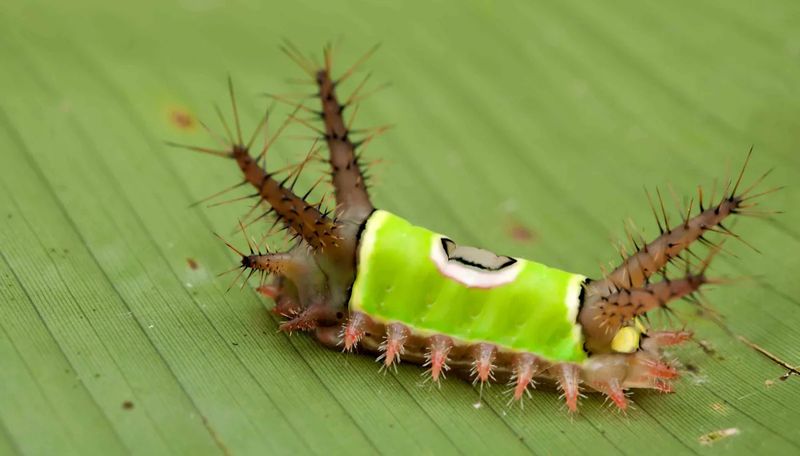
If you would rather relocate the caterpillar than leave it, do it without ever laying a finger on it. Long tools are your best friends here.
A stick, tongs, or an old spoon lets you nudge it into a container from a safe distance. Keeping space between you and the spines is the whole point.
Try scooping it gently into a jar or plastic cup. Slide a piece of cardboard underneath and lift slowly so it does not fall onto you.
Once it is inside, cover the top loosely so it cannot climb out. Move calmly to avoid startling it into a defensive curl.
Carry the container to a spot far from where people walk and play. A wooded edge, a back corner of the property, or a wild area works well.
Release it somewhere it can live without crossing paths with your family. Giving it space benefits everyone.
Never use your bare hand, even for a quick move. The venom does not care how fast you are, and one touch can sting for hours.
Patience beats speed every single time with these critters. Slow and steady keeps your skin safe.
After you let it go, clean the tools you used with soap and water. Loose spines can cling to surfaces and surprise you later.
Rinsing everything well removes that hidden risk. With the right method, you can relocate the caterpillar and protect the garden’s balance at the same time, all without a single painful jab.
5. Treat A Sting The Smart Way
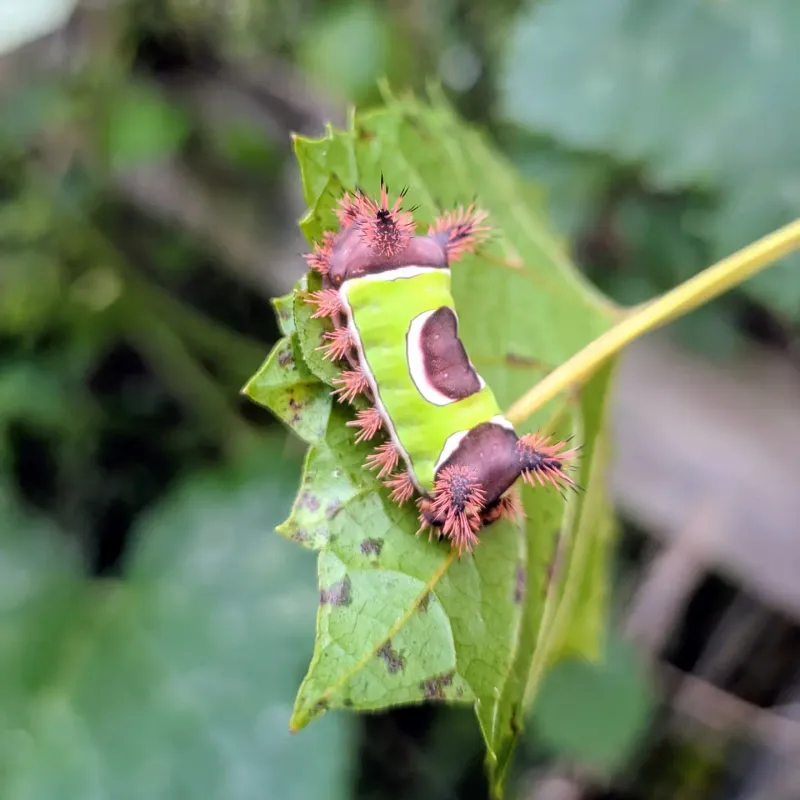
Accidents happen, and if a spine gets you, quick action makes a big difference. The burning feeling comes fast, but calm treatment brings relief.
Start by getting the tiny spines out of your skin as gently as you can. Rushing or rubbing only pushes them deeper.
Press a piece of sticky tape onto the sore spot and peel it away slowly. The tape lifts out the little spines that keep pumping venom.
Repeat with fresh tape a few times until the area feels less prickly. This simple trick works surprisingly well.
Wash the sting with soap and cool water once the spines are gone. A cold pack wrapped in cloth can calm the burning and swelling.
Baking soda mixed with a little water into a paste may soothe the sting too. Small comforts add up quickly.
Try not to scratch, even though it might itch like crazy. Scratching can spread the irritation and lead to infection.
Keep your hands busy or cover the spot loosely instead. Giving it time helps your skin settle down.
Most stings fade within a few hours, but watch how your body reacts. If you feel chest tightness, trouble breathing, or heavy swelling, call a doctor right away.
Some people are more sensitive than others, so trust your gut. Getting help fast is always the safe choice.
Keep tape, a cold pack, and soap in your garden kit for next time. Being ready turns a painful surprise into a problem you can handle with confidence.
6. Check The Rest Of Your Yard
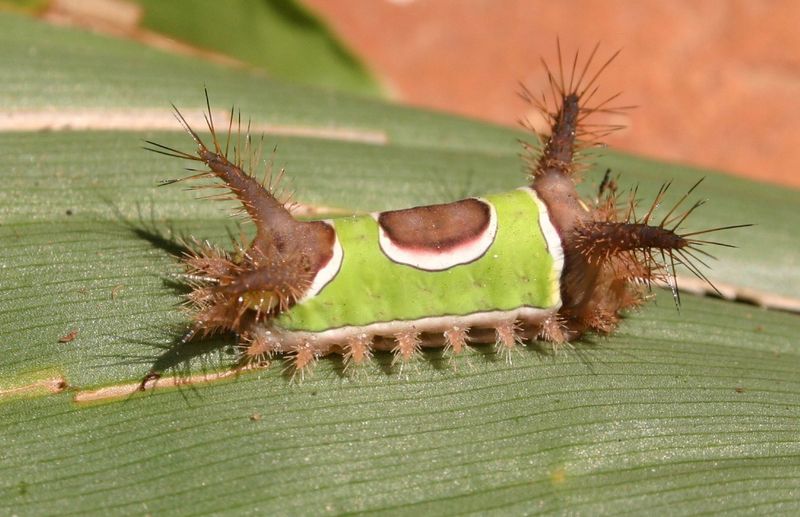
Finding one saddleback usually means it is worth looking around for others. These caterpillars often show up where their favorite plants grow.
Walk your yard slowly and study the leaves, stems, and fruit. A careful scan now saves surprises later.
Peek under leaves, since that is a favorite hiding spot. They cling to the shady side where they blend in with the green.
Bring a flashlight even during the day to spot them in the shadows. Extra light reveals what your eyes might miss.
Pay special attention to plants like oaks, roses, corn, and blueberries. Saddlebacks love munching on many garden favorites.
Areas where you already found one deserve a second and third look. Their eggs and young ones may be close by.
Wear your gloves while you search so a hidden caterpillar cannot catch you off guard. Reaching into leaves without protection is asking for trouble.
Move branches with a stick instead of your fingers. Staying cautious keeps the whole search safe.
Make a note of where you spot activity so you can check those areas again in a few days. Caterpillars grow and move, so one look is rarely enough.
Regular checks help you stay ahead of the problem. A little routine goes a long way.
Teaching your family to recognize the saddle shape means more eyes watching out. The more people who know what to look for, the safer your Texas yard becomes for everyone who enjoys it.
7. Call A Pro If They Take Over
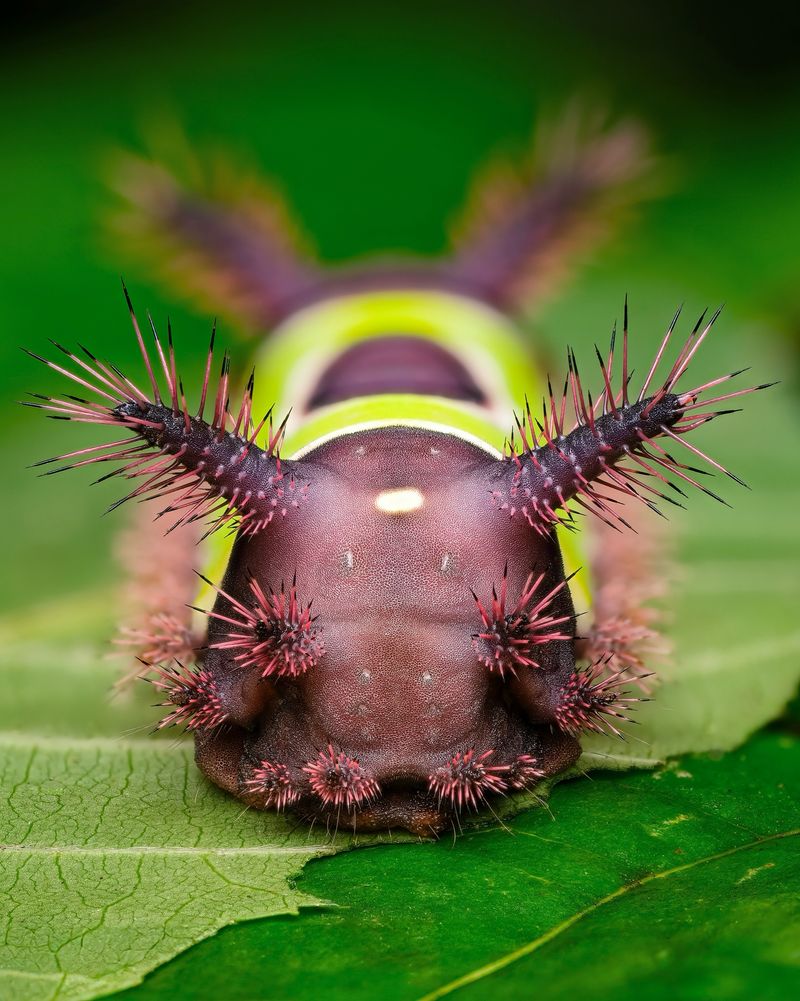
Sometimes a single caterpillar turns into a full crowd, and that is when expert help pays off. If your plants are covered in them, do not try to fight the battle alone.
Pest control pros know how to handle stinging insects safely. Their experience takes the risk off your shoulders.
A trained technician can spot infestations you might miss. They understand where these caterpillars breed and how to stop the cycle.
Calling one saves you from repeated stings and endless searching. Peace of mind is worth the phone call.
Ask about treatments that are safe for kids, pets, and pollinators. A good company will explain their methods in plain language.
You want a solution that clears the caterpillars without harming the butterflies and bees you love. Sharing your concerns helps them tailor the plan.
Local Texas experts also know the seasons when saddlebacks appear most. That knowledge lets them time treatments for the best results.
They can suggest ways to make your yard less inviting to these pests in the future. Prevention beats scrambling every summer.
Get a few quotes and read reviews before you pick a company. A trustworthy pro will inspect first and explain the cost clearly.
Do not feel pressured into services you do not need. Honest advice matters more than a flashy sales pitch.
Once the yard is clear, keep up with regular checks so the problem does not return. A professional plus your own careful habits keeps your outdoor space safe and enjoyable all season long.