Which Ohio Perennials Need Winter Mulch And Which Ones Rot Under It
Blankets make great gifts and terrible bedfellows for the wrong sleeper. Your perennial beds in Ohio work the same way.
A thick layer of mulch feels like the kind thing to do in November. Some plants thank you for it all winter long.
Others get cozy, soggy, and rotten by March. They look identical in the bed.
Underground, they could not be more different.
Two neighbors can mulch the same weekend with the same bag. One gets a spring full of blooms.
The other gets a row of mush and a trip to the nursery.
The answer is not obvious, and plant tags rarely mention it. A few clues about each plant’s roots and crown settle the question fast.
Park the wheelbarrow until you know which side of the line your plants fall on.
1. Most Established Perennials Can Skip Winter Mulch

Good news for busy gardeners: your old reliable plants are tougher than you think. Perennials that have lived in your yard for a year or more usually handle Ohio winters just fine on their own.
Their roots have had time to spread deep and wide. That strong root system anchors them when the ground freezes and thaws over and over.
Plants rated hardy for USDA Zone 6 or colder are built for this kind of weather. Most of the state sits in Zones 6A and 6B, so these plants feel right at home.
Some of the easiest winter champs include hellebores, catmint, daylilies, coneflowers, and black-eyed Susans. Hostas and sedum also shrug off the cold with little help from you.
Leaving these plants unmulched saves you time, money, and sore muscles. It also lets the soil breathe and dry out between winter storms.
Many gardeners like to leave seed heads standing on coneflowers and black-eyed Susans. Birds such as goldfinches snack on the seeds, and the stems catch snow that acts like a free blanket.
Here is a simple rule to remember. If a plant came back strong last spring and is rated for your zone, you can probably let it be.
Save your mulch for the plants that truly need a hand. Your sturdy veterans have earned a winter off.
2. Late-Planted And Transplanted Perennials Need It
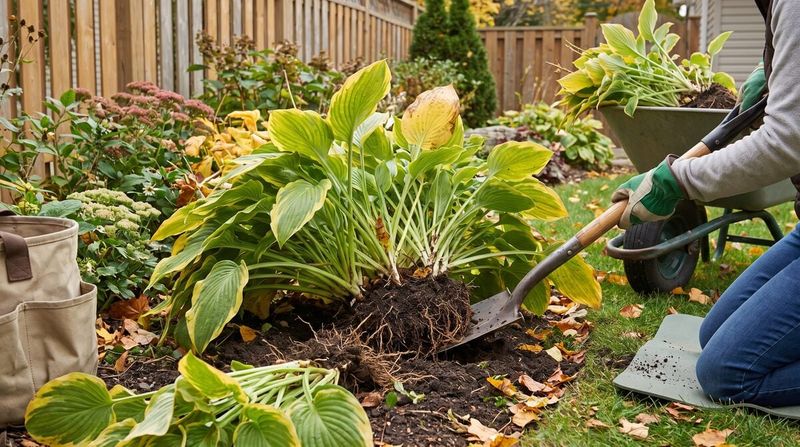
Picture moving into a new house the night before a big storm. Late-planted perennials face that same rush when winter shows up before they settle in.
Anything you planted or moved in late summer or early fall is still growing roots. Those roots are short and shallow, so they cannot grip the soil very well yet.
When the ground freezes, it swells and lifts. When it thaws, it sinks back down, and young plants can get pushed right out of the dirt.
Gardeners call this frost heaving. Roots left sitting in cold, dry air can dry out fast, and the plant may struggle to bounce back in spring.
A layer of winter mulch helps keep the soil temperature steady. Steady soil means fewer freeze and thaw swings, which means less lifting.
Your Ohio Garden Changes Every Week. Your Plan Should Too.
Gardening in Ohio changes quickly throughout the season. Every Friday you’ll receive a simple weekly plan showing exactly what to plant, prune, fertilize, harvest, and protect so you never miss the right timing.
Plants at the colder edge of their hardiness zone also benefit from this extra cover. If a tag says Zone 6 and you live in a chilly part of northern region, give it some protection.
Keep a little list of what you planted after mid-August. That way you will remember which spots need attention once the cold settles in.
Think of mulch as training wheels for new plants. After one full year in the ground, most will be ready to ride through winter on their own.
3. Mums, Shasta Daisies And Coral Bells Are Prone To Heaving
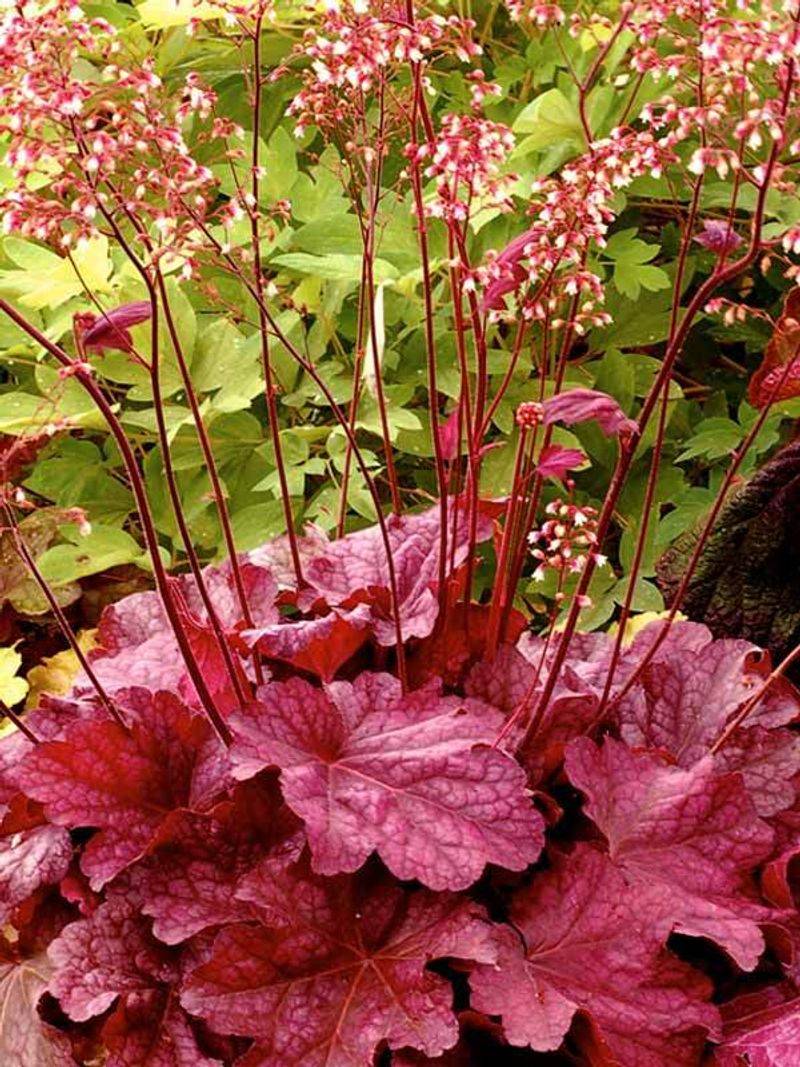
Ever walk outside in March and find a plant sitting on top of the soil like it tried to escape? Garden mums, Shasta daisies, and coral bells are famous for pulling this trick.
All three have fairly shallow roots. That makes them easy targets when Ohio soil freezes, swells, and then softens again.
Coral bells, also called Heuchera, have a woody crown that slowly rises over the years. Each winter, freezing soil can push it a bit higher until the roots sit exposed.
A coarse mulch works best for these plants. Pine straw or even pea gravel can buffer those temperature swings without holding too much water near the crown.
Mums and Shasta daisies like a light covering of straw after the ground freezes. Leaving the old stems in place until spring also helps trap snow and shields the base.
Other shallow-rooted plants can join this group too. Yarrow, tall phlox, and bee balm may lift in a wet, wobbly winter.
Hostas you divided or moved this fall appreciate a little cover after a hard frost as well. It keeps their young roots from drying out in harsh winds.
If you spot a heaved plant during a thaw, gently press it back into the soil with your hand or foot. Then add a bit more mulch to hold it steady.
4. Wait Until The Ground Freezes To Mulch
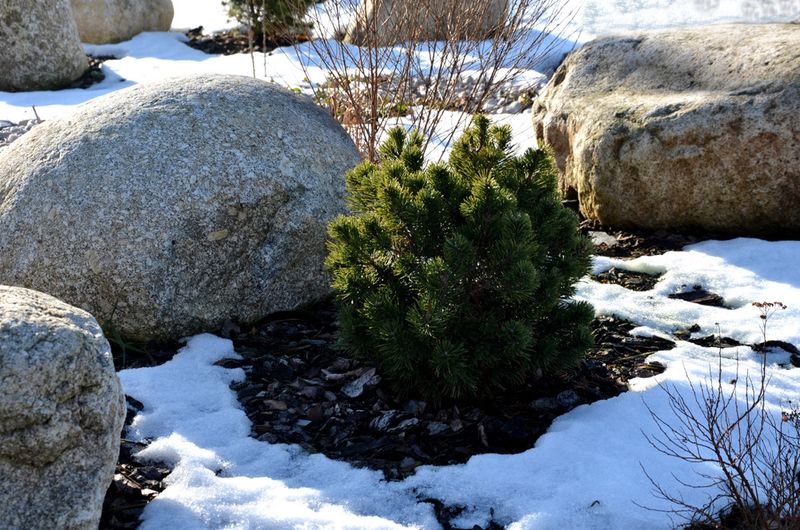
Patience is the secret ingredient here. Many gardeners rush to spread mulch in October, but early mulching can cause more trouble than it solves.
Winter mulch is not meant to keep soil warm. Its real job is to keep soil cold and steady so it does not keep freezing and thawing.
If you mulch too soon, the soil holds onto summer warmth. Plants may get confused, skip their rest period, and push out tender new growth right before a cold snap.
Early mulch can also give mice and other critters a cozy home. Damp, warm layers may invite disease problems around your plants too.
The best time is after a hard freeze of about 28 degrees or colder. By then, plants are dormant and the top of the soil feels firm under your boots.
In most of Ohio, that moment arrives between late October and mid-November. A handy reminder for many families is the week of Thanksgiving, before heavy snow piles up.
Try poking the soil with a garden trowel. If it feels crunchy and stiff on top, you are good to go.
Keep your straw or boughs stacked and ready in the garage. When the forecast finally turns frosty, you can spread it in an afternoon.
5. Use Loose Straw Or Evergreen Boughs 3 To 4 Inches Deep
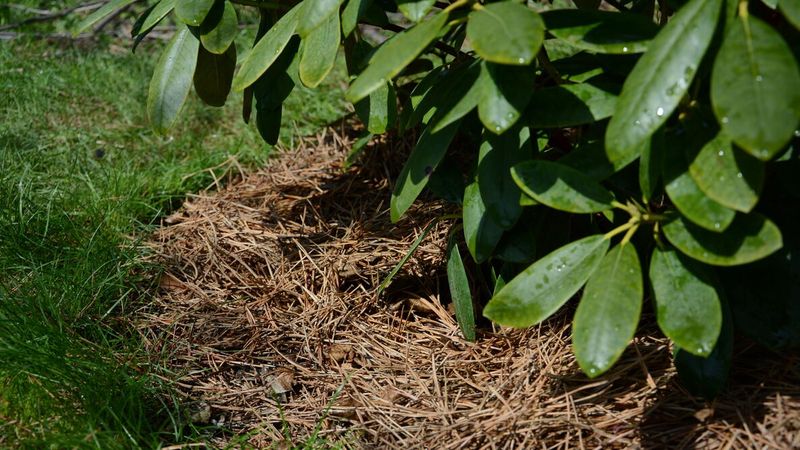
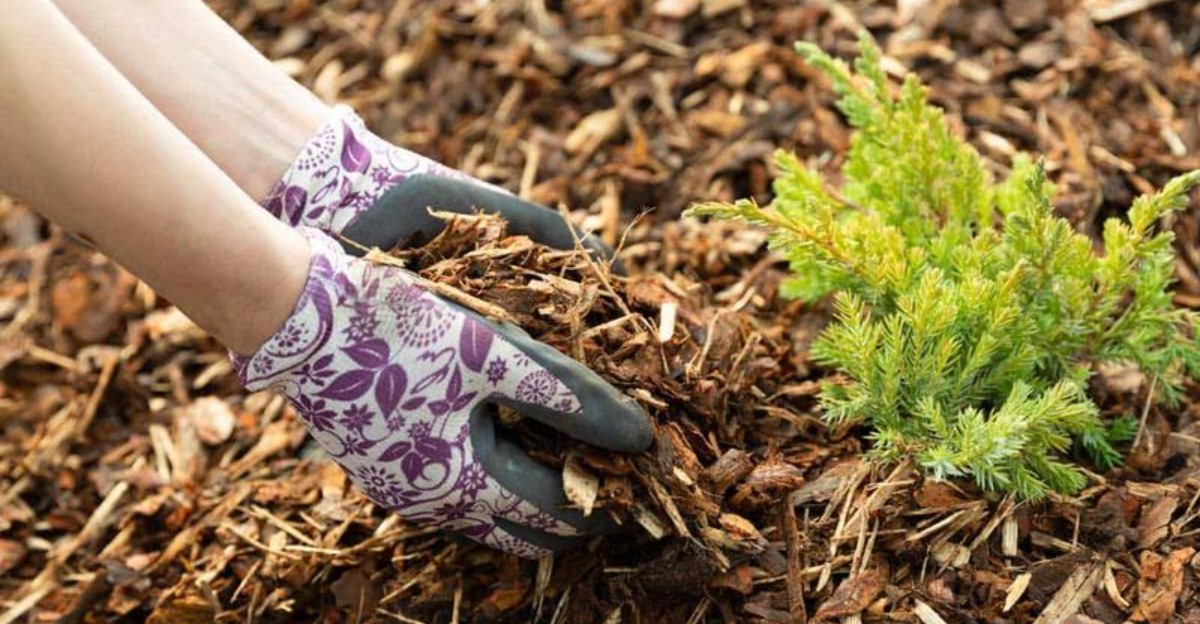
Think of the perfect winter mulch as a fluffy down jacket instead of a heavy wet towel. Air pockets do the insulating, so light and loose materials win every time.
Straw is a top pick for perennial beds. It stays airy, does not pack down easily, and lets water drain through instead of pooling.
Evergreen boughs are another smart choice. After the holidays, many Ohio gardeners snip branches off their Christmas tree and lay them over tender plants.
Shredded leaves, shredded hardwood, and pine fines also work well. The key is that air and moisture can move through while soil temperatures stay calm.
Aim for a layer about 3 to 4 inches deep. Extra-tender plants can handle up to 6 inches of loose material, but most beds do best in that middle range.
Make sure you buy straw, not hay. Hay often carries weed seeds that will sprout all over your garden in spring.
Here is a fun bonus with boughs. Their needles catch falling snow, and snow itself is one of nature’s best insulators.
In early spring, rake the material off a little at a time as new shoots appear. That slow reveal helps plants adjust to sunlight and cool nights without shock.
6. Leave Air Space Around Every Crown
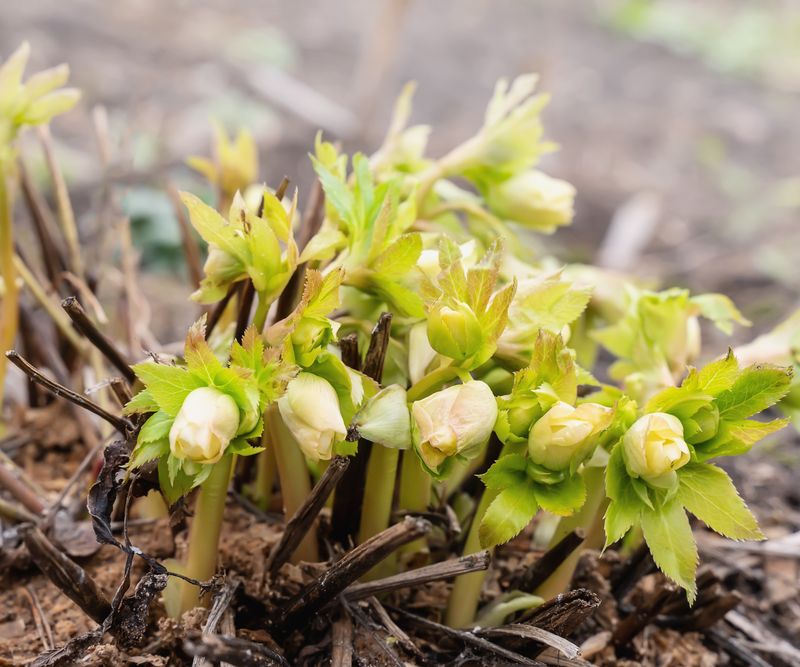
Imagine wearing a wet wool scarf all winter long. That soggy feeling is what a plant crown goes through when mulch gets piled tight against it.
The crown is the spot where stems meet roots. It is a busy, important area, and it needs to breathe.
When mulch hugs the crown, moisture gets trapped there for weeks. That dampness can lead to stem rot and crown rot, which may ruin a plant from the center out.
Hellebores, also called Lenten roses, are a great example. They bloom in late winter, but packing mulch against their crowns can cause serious rot.
The fix is simple. Leave a small ring of open space, about an inch or two, around the base of each plant.
Spread the mulch over the root zone instead. Roots stay protected from temperature swings, while the crown stays drier and healthier.
Air space also discourages pests. Voles and mice love to hide in thick mulch and nibble on stems where you cannot see them.
As you spread mulch, use your fingers to gently brush it back from each plant. It takes a few extra minutes, but your garden will thank you with stronger growth when spring rolls around.
7. Skip The Mulch On Bearded Iris
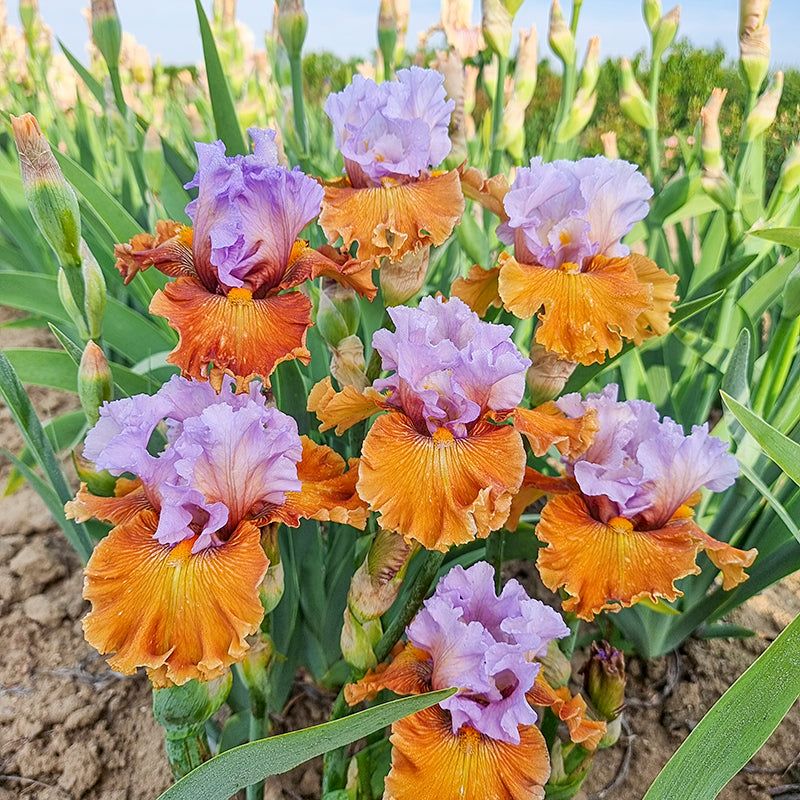
Bearded iris has a quirky personality. Its thick roots, called rhizomes, actually like to sunbathe on top of the soil.
Those rhizomes look a bit like knobby potatoes. They store food and water, but they hate staying wet for long.
Mulch tends to pack around rhizomes and hold in moisture. In a soggy Ohio winter, that can quickly turn into root rot and mushy, smelly roots.
For that reason, many Ohio gardeners skip mulch on bearded iris entirely. This is especially true in southeastern Ohio, where winters are a bit milder.
In colder spots, a very light cover can help stop early spring growth. Coarse sand or a few evergreen boughs work, kept under 3 inches and removed promptly in early spring.
Planting depth matters too. If you bury rhizomes too deeply, they may rot or refuse to bloom.
Hold off on high-nitrogen fertilizer in the fall. It pushes lush, soft growth that is more likely to rot over winter.
Fun fact: the iris is named after the Greek goddess of the rainbow. With so many colors to choose from, the name fits perfectly.
Give your iris sun, good drainage, and bare soil. That simple care keeps those rainbow blooms coming.
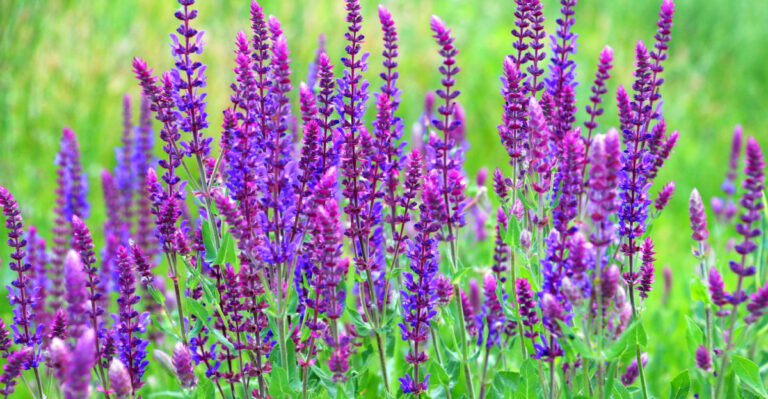
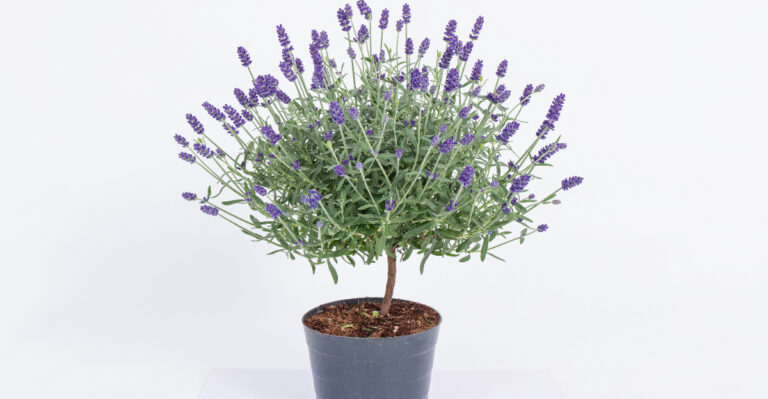
8. Lavender And Sage Prefer Dry Winter Conditions
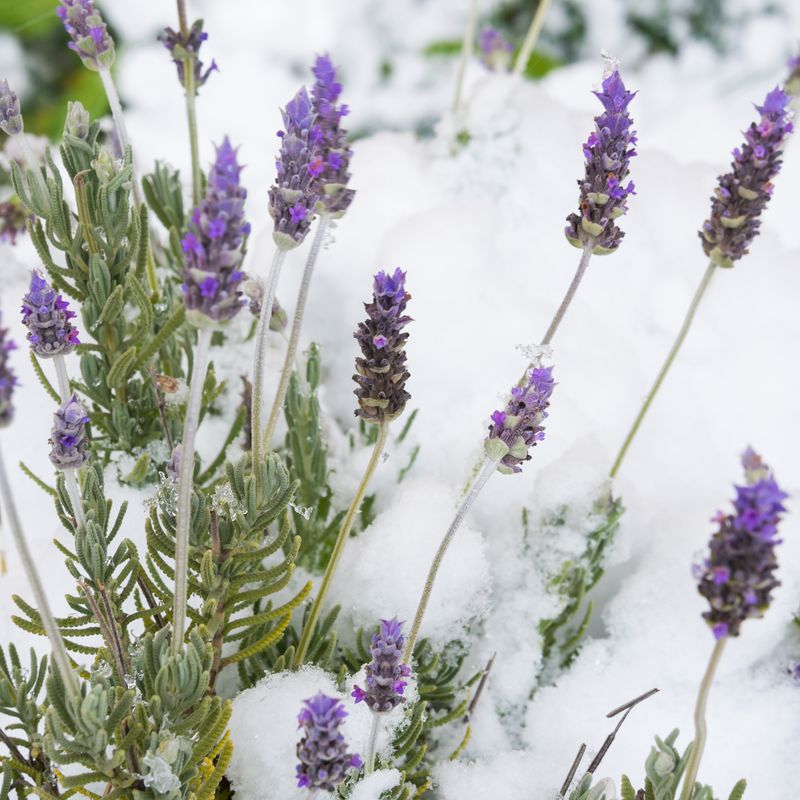
Lavender and sage come from sunny, rocky hillsides around the Mediterranean. They dream of dry soil, so a soggy Ohio winter is their worst nightmare.
Here is a surprise for many gardeners. Lavender is often harmed more by wet soil than by cold air.
Its roots can rot when they sit in damp ground for weeks. That is why good drainage matters more than any blanket of mulch.
If you use bark or wood chips nearby, pull them back from the crown. Pea gravel makes a better choice because it stays dry and reflects a little warmth.
Sage needs similar care. Lavender-leaved sage likes cool, bright, dry winters and can suffer root rot in heavy, wet soil.
A light mulch and some shelter from harsh winds can help outdoor sage. Planting near a wall or fence gives it a cozy windbreak.
Potted sage can come inside for winter. An unheated but bright spot, like a cool garage window or sunroom, works well.
Raised beds and slopes are smart homes for both herbs. Water runs away quickly instead of puddling around their roots.
Treat these plants like desert travelers. Give them sun, gritty soil, and room to dry out, and they will reward you with fragrant leaves.
9. Soft, Matted Leaves Can Smother Plants
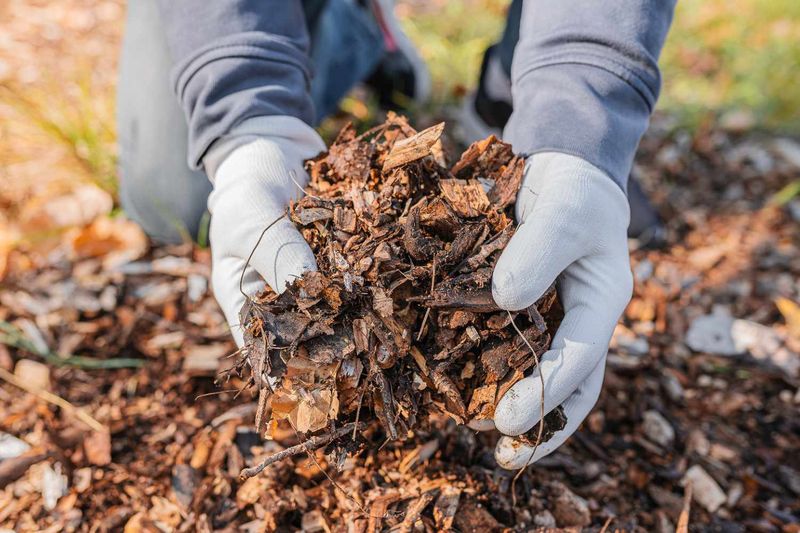
Fallen leaves seem like free mulch from the sky, and in a way they are. The trouble starts when whole leaves get wet and stick together like soggy cardboard.
A matted layer blocks air and holds water against plants. By spring, new shoots may struggle to push up through that tough, slimy crust.
Big leaves, like those from oak trees, are the worst offenders when left whole. They are heavy, slow to break down, and quick to flatten under rain and snow.
Shredding fixes most of the problem. Run your lawn mower over leaf piles a few times, and you will have light, crumbly pieces that let air move freely.
Hostas need extra attention here. Thick, wet leaves around their crowns create a perfect hideout for slugs and their eggs.
Low ground covers and dwarf evergreens also need space. A heavy leaf pile can cover their foliage and block the light they still use in winter.
A quick weekly check in late fall helps a lot. Rake leaves off small evergreens and spread shredded bits where they will do some good.
Bonus tip: extra shredded leaves make great compost. By next summer, they turn into rich, dark soil your garden will love.