What It Really Means When Aphids Swarm Your North Carolina Fall Annuals
Cool mornings arrive, the pansies perk up, and your North Carolina porch pots finally look like a magazine cover. Then one day you lean in close and something seems a little off.
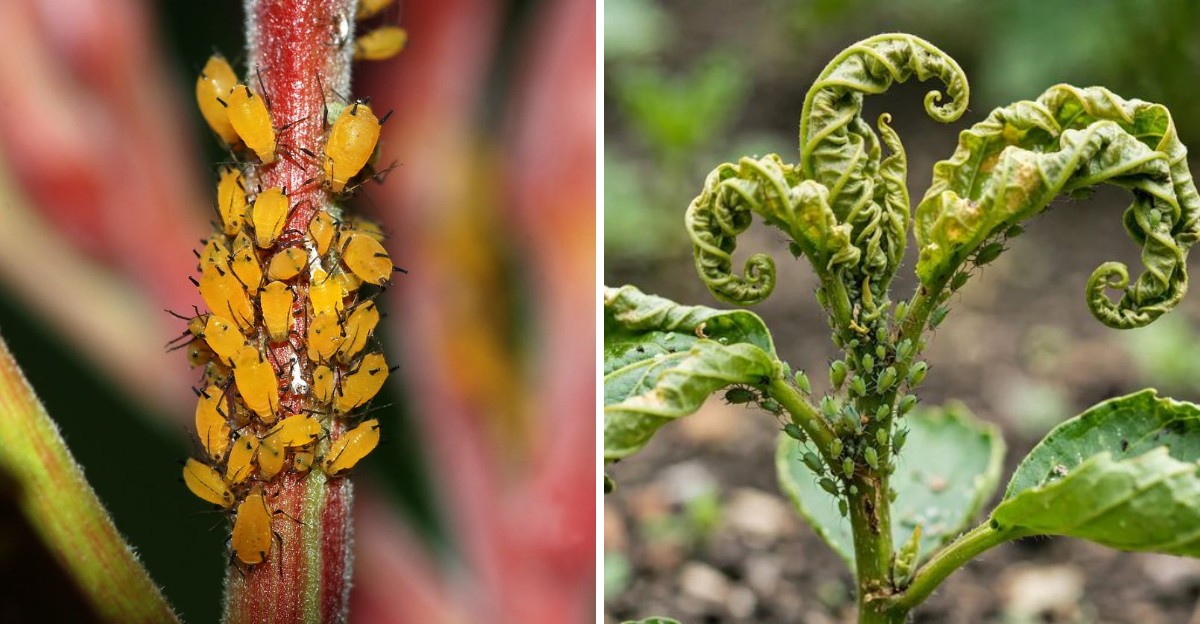
The leaves feel sticky under your fingertips. A faint shimmer coats the soil, and the new buds look oddly crowded and crumpled.
Small surprises like these tend to show up right when you thought the hard part of the season was over. They also carry a message about your garden that most folks miss.
The good news is that the clues are easy to read once you know where to look. Grab a cup of cider, because your flower beds have a story to tell.
1. Warm Spells Can Spark A Sudden Population Boom
One sunny October week can change everything in a flower bed. Aphids love mild weather, and a stretch of 70-degree afternoons acts like a green light for them.
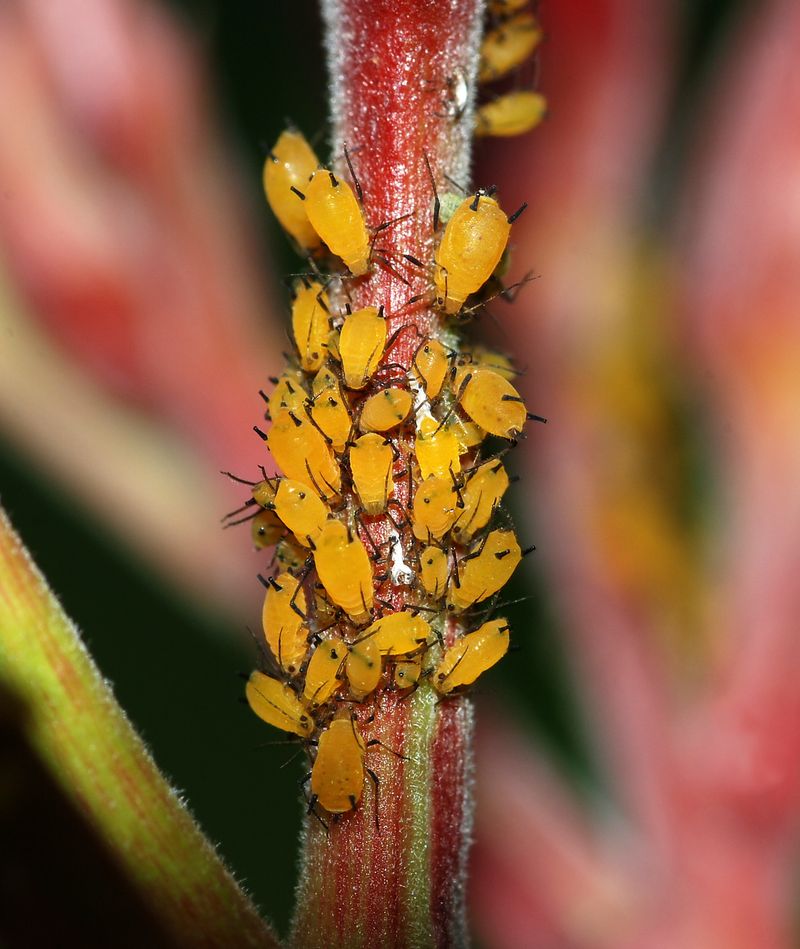
Here is the wild part. Many aphids in fall are females that give birth to live young without mating.
A single aphid can produce many offspring in a relatively short period under warm conditions, which is why populations can seem to appear almost overnight. What looks like a small handful of bugs one week can turn into a genuinely overwhelming situation the next.
In North Carolina, fall often swings between chilly nights and warm, bright days. Those warm breaks give aphids extra time to eat and multiply before frost slows them down.
Gardeners in the Piedmont and along the coast tend to see bigger flare-ups because their autumns stay milder for longer.
So a sudden crowd of bugs is usually a weather story more than a sign you did something wrong. Your plants are simply sitting in a cozy spot during a cozy stretch of days.
Keep an eye on the forecast. When you see several warm days in a row, check the undersides of leaves and the tips of new shoots.
Catching a small group early is far easier than handling a big crowd later.
A quick blast of water from the hose can knock many of them off. Do it in the morning so the leaves dry before evening, which helps keep fungal problems away.
2. Too Much Nitrogen Makes Annuals Into Aphid Candy
Ask any longtime gardener about aphids, and you might hear a chuckle followed by, “Did you feed them too much?” They have a point. Heavy fertilizer can turn your flowers into a buffet.
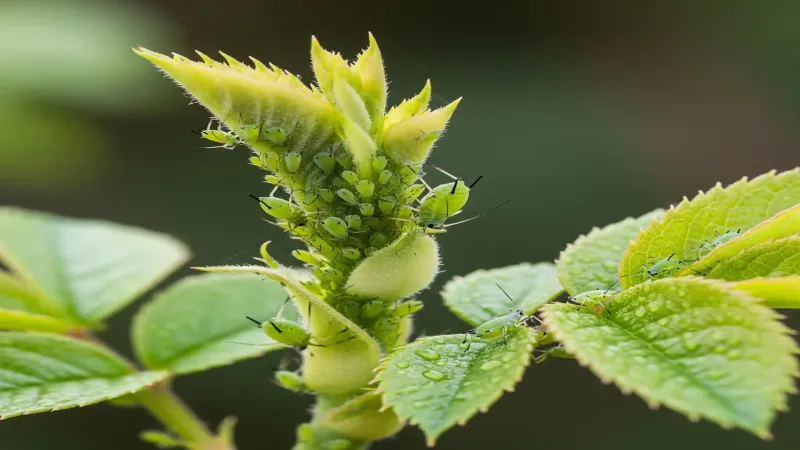
Nitrogen pushes plants to grow lots of soft, juicy new leaves. Aphids feed by poking into plant stems and sipping sap, and tender growth is the easiest to pierce.
Extra nitrogen also makes that sap richer, so the bugs grow faster and have more babies.
Many people plant pansies, violas, and snapdragons in fall and give them a generous dose of quick-release fertilizer. That burst of green looks great at first.
Then the aphids find it, and the party begins.
Across North Carolina, soil often has plenty of clay, which can hold onto nutrients longer than you expect. That means a little fertilizer goes a long way here.
Your North Carolina Garden Changes Every Week. Your Plan Should Too.
Gardening in North Carolina changes quickly throughout the season. Every Friday you’ll receive a simple weekly plan showing exactly what to plant, prune, fertilize, harvest, and protect so you never miss the right timing.
Try switching to a slow-release product or a gentle organic option like compost. Feed lightly at planting time, then wait and watch how your plants respond before adding more.
A soil test from your county Cooperative Extension office is cheap and very helpful. It tells you exactly what your beds need, so you stop guessing.
Steady, moderate growth gives you sturdy flowers that are much less tempting to hungry pests.
3. Sticky Leaves In Your Garden Point To Honeydew
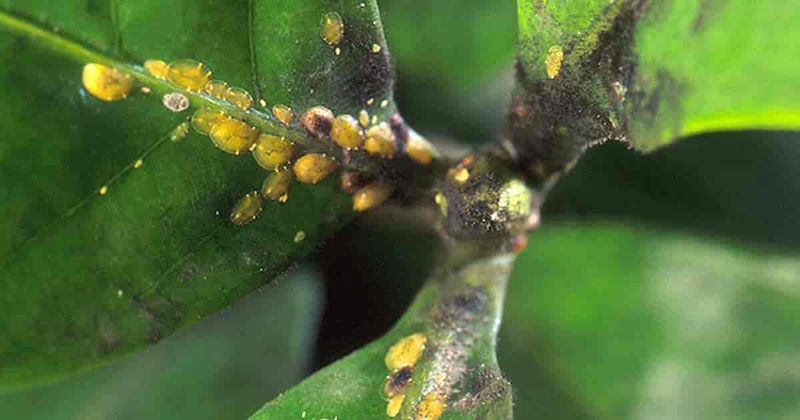
Ever brushed a leaf and felt like you touched a spilled soda? That glossy, tacky film has a name, and it comes straight from the aphids.
Aphids drink much more sap than they can use. The extra sugar passes through their bodies and lands on leaves below as a sweet liquid called honeydew.
It sounds pretty, but it causes real trouble.
Honeydew attracts a dark fungus called sooty mold. The mold does not eat the plant, yet it coats leaves in a black, dusty layer.
That layer blocks sunlight, so your flowers make less food and slowly lose their sparkle.
Gardeners in North Carolina often notice sticky patio furniture or car hoods too. Aphids in nearby trees can drip honeydew onto everything below them.
If your annuals sit under a crape myrtle or oak, check those branches as well.
Wipe sticky leaves gently with a damp cloth and a drop of mild dish soap mixed in water. Rinse afterward with plain water so the soap does not linger.
Fun fact: in some parts of the world, bees collect honeydew and turn it into a dark, rich honey. Your garden version is less tasty, though.
Treat sticky leaves as an early warning and start looking for the bugs causing it.
4. Marching Ants On Flowers Are Herding Their Flock
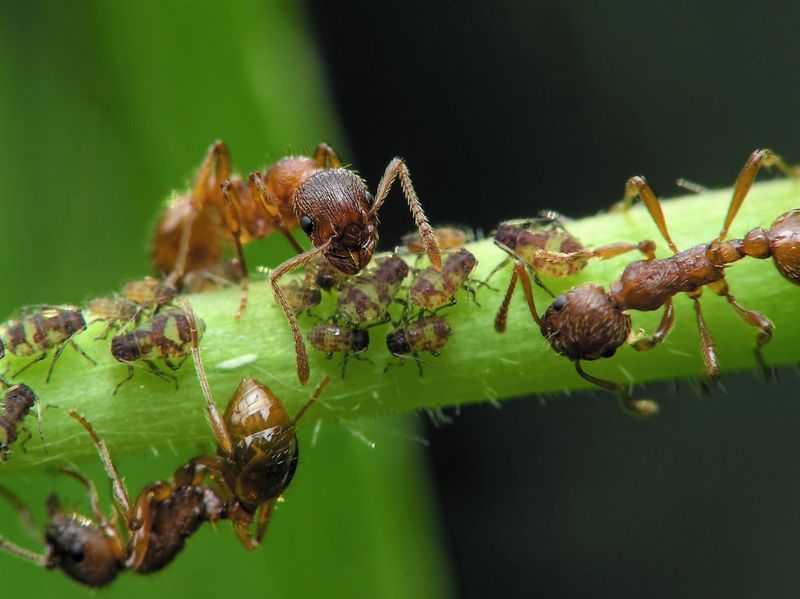
Ants are tiny farmers, and your flowers might be their pasture. If you spot a busy line of ants climbing up and down your stems, aphids are almost surely nearby.
Ants love honeydew so much that they protect aphids to keep the sweet treat flowing. They stroke the aphids with their antennae to collect drops, a little like milking.
Some ants even carry aphids to fresh plants and guard them from predators.
That guard duty is a big deal. Ladybugs and other helpful insects try to eat aphids, but ants chase them off.
With bodyguards on patrol, aphid colonies can grow much larger than they would alone.
Fire ants and odorous house ants are common across North Carolina, and both enjoy aphid honeydew. So an ant trail is a useful clue when you are hunting for hidden pests.
To break up this partnership, focus on the ants as well as the aphids. Sticky barrier bands wrapped around the base of potted plants can stop ants from climbing up.
Ant baits placed near the nest also help.
Once the ants lose access, natural predators can move in and do their job. You may notice the aphid numbers dropping within a week or two.
Sometimes the smartest fix for one bug is dealing with its sidekick.
5. Stressed Plants Send Out An Invitation
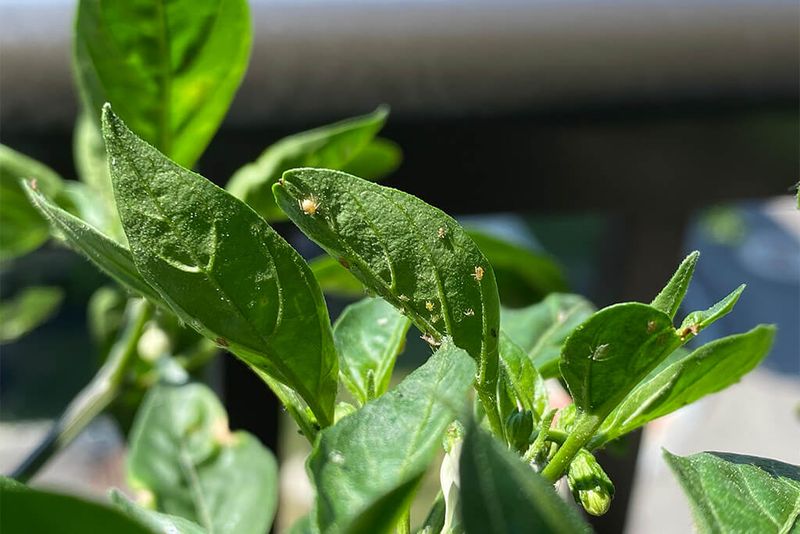
Plants talk, just not with words. When they feel thirsty, crowded, or worn out, they give off chemical signals, and aphids are excellent at picking them up.
Research shows stressed plants often have sap that is easier for aphids to feed on. A struggling flower may also have weaker natural defenses.
In short, a tired plant is an easy target.
Fall in North Carolina can surprise you with dry spells. September and October are sometimes among the driest months of the year in parts of the state.
Fresh transplants with small roots can dry out quickly, especially in pots on a sunny porch.
Crowding adds more stress. Packing six pansies where four would fit looks full right away, but the plants compete for water and light.
Poor airflow between leaves also gives aphids a sheltered hiding spot.
Give each plant a little elbow room when you set them out. Water deeply at the base instead of sprinkling the leaves, and check pots with your finger.
If the soil feels dry an inch down, it is time to water.
A thin layer of mulch keeps soil moisture steady and roots cool. Healthy, unstressed plants can often shrug off a few aphids without much harm.
Think of good care as a strong defense that works quietly every day.
6. Good Bugs Are Likely On Their Way To Your North Carolina Beds
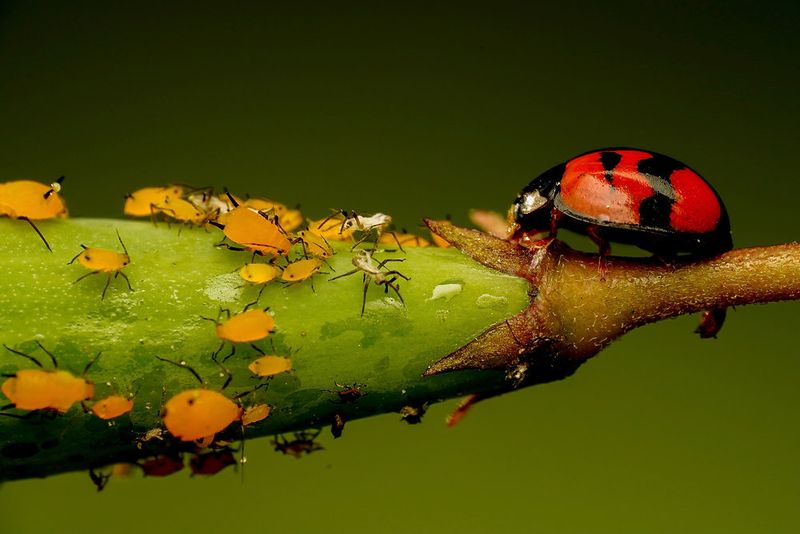
Hold off on the spray bottle for just a moment. A swarm of aphids often works like a dinner bell for some of the best helpers in your yard.
Ladybugs, lacewings, hoverflies, and tiny parasitic wasps all hunt aphids. A single ladybug can eat dozens in a day, and its spiky larvae are even hungrier.
Lacewing larvae have earned the nickname “aphid lions” for good reason.
Parasitic wasps are so small you may never see them. They lay eggs inside aphids, which turn into puffy, tan shells called mummies.
Spotting a few mummies means nature has already started the cleanup.
North Carolina has a wide mix of these beneficial insects thanks to its varied habitats. They usually show up a little after the aphids, since they follow the food.
That short delay is why patience pays off.
Broad bug sprays can wipe out the helpers along with the pests. The aphids then bounce back faster than their predators, and the problem gets worse.
Plant a few flowers like sweet alyssum, dill, or cilantro nearby. Their tiny blooms feed adult hoverflies and lacewings, encouraging them to stay.
Learn what ladybug larvae look like, too. They resemble small alligators and are easy to mistake for a pest.
7. Curled Leaves Could Signal A Virus Risk
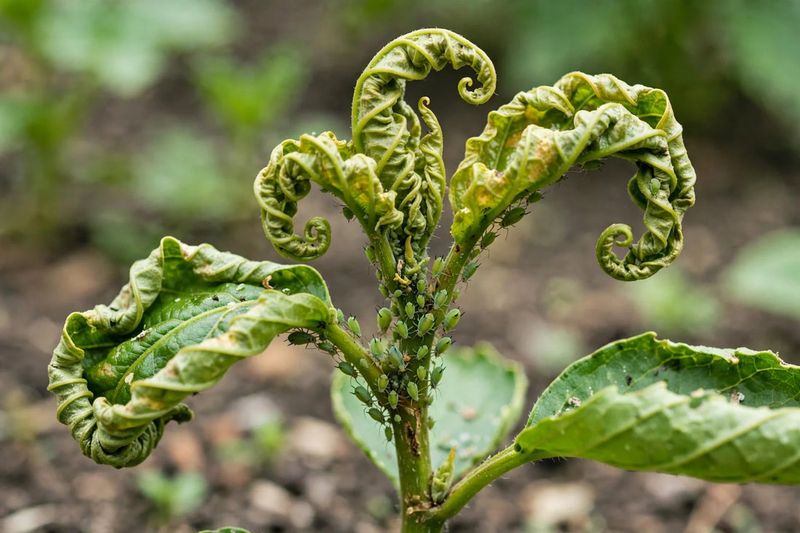
Some damage goes deeper than a few nibbled leaves. Aphids can carry plant viruses from one plant to the next, much like mosquitoes spread germs.
When an aphid feeds on a sick plant, it can pick up virus particles on its mouthparts. It then flies or crawls to a healthy plant and passes them along.
How quickly that transmission happens depends on the type of virus involved. Some non-persistent viruses can be transmitted in seconds to minutes, while persistent viruses require much longer feeding periods before they move between plants.
Winged aphids often appear when colonies get crowded, which makes spreading easier.
Watch for leaves that curl, pucker, or show yellow and green patches like a mosaic. Flowers may come out streaked or twisted.
Plants might also grow slowly even when you water and feed them well.
Gardeners around North Carolina should pay extra attention if they grow vegetables near their annuals. Viruses carried by aphids can affect squash, peppers, and other crops too.
A problem in a pansy bed can travel to the veggie patch next door.
Sadly, there is no cure for most plant viruses. Pull out plants with clear virus signs and toss them in the trash, not the compost pile.
Then wash your hands and tools before touching healthy plants.
Keeping aphid numbers low is the best protection. Not every curled leaf means a virus, of course.
Aphid feeding alone can cause curling, so look closely before you remove anything.
8. Gentle Fixes Work Best In North Carolina Fall Gardens
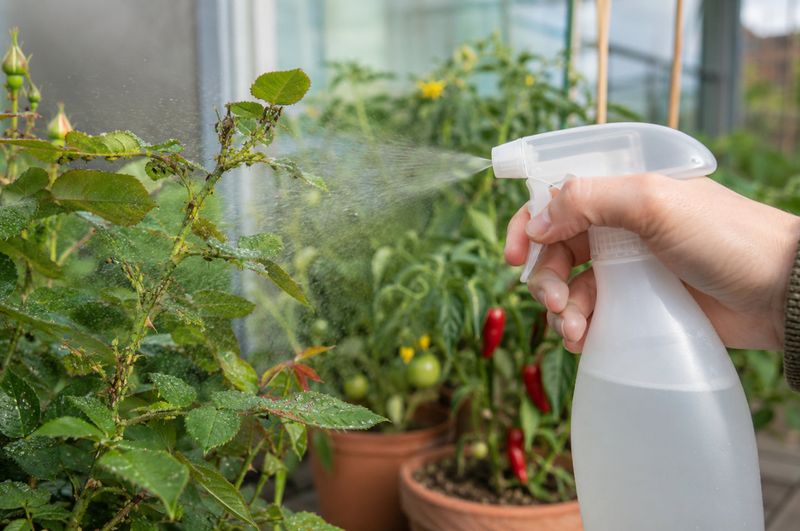
Grandma had it right with her soapy water bucket. Simple, gentle methods handle most aphid problems without harming the good bugs you want around.
Start with water. A firm spray from the hose knocks aphids off, and most cannot climb back up.
Repeat every couple of days for a week, and you will often see a big drop in numbers.
Insecticidal soap is the next step. It works by breaking down the soft bodies of aphids on contact.
Spray the tops and undersides of leaves, since aphids love to hide underneath.
Neem oil and horticultural oils also help. They coat the bugs and disrupt their feeding and growth.
Follow the label closely, and avoid spraying during the hottest part of the day to prevent leaf burn.
Many North Carolina gardeners like to spray in the cool of early evening. Bees are less active then, and the leaves avoid harsh afternoon sun.
Fall temperatures here are usually mild enough for these products to work well.
For tiny outbreaks, try your fingers. Gently squishing a small cluster takes seconds and costs nothing.
Pinching off one badly covered shoot can also stop a colony fast. Combine these tricks, check often, and your flowers should stay bright through the cooler months.
9. Frost Is A Natural Reset Button
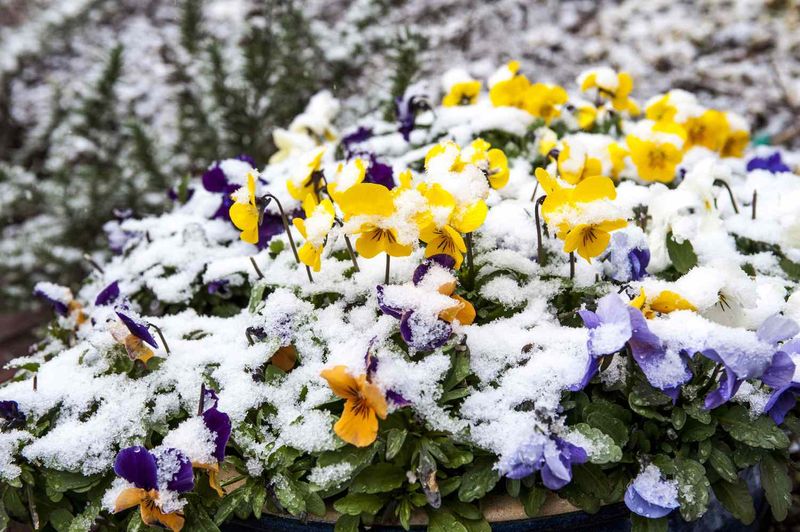
Winter has a way of tidying up. Once real cold settles in, aphid activity slows down a lot, and many colonies shrink on their own.
Most aphids struggle when temperatures dip below freezing for several nights. Their breeding slows, and some types lay hardy eggs that wait for spring instead.
Your sturdy pansies and violas, on the other hand, can handle a light frost and keep blooming.
In the North Carolina mountains, that first hard frost may arrive in October. Folks in the Piedmont often see it in early November, while coastal gardens might wait until December.
So timing depends a lot on where you live.
Do not assume the problem is gone for good, though. Aphid eggs can hide on nearby shrubs and weeds through winter.
When spring warms up, a new generation may hatch and head straight for fresh growth.
Use the quiet season to clean up. Pull weeds like henbit and chickweed, which can shelter aphids over winter.
Rake away fallen, tattered leaves around your beds as well.
Keep notes about when the swarm showed up and what helped. A quick journal entry or phone photo becomes gold next fall.
With a little planning, you can stay one step ahead and enjoy cheerful blooms all season long.