What Drought Stressed North Carolina Soil Is Telling You This September
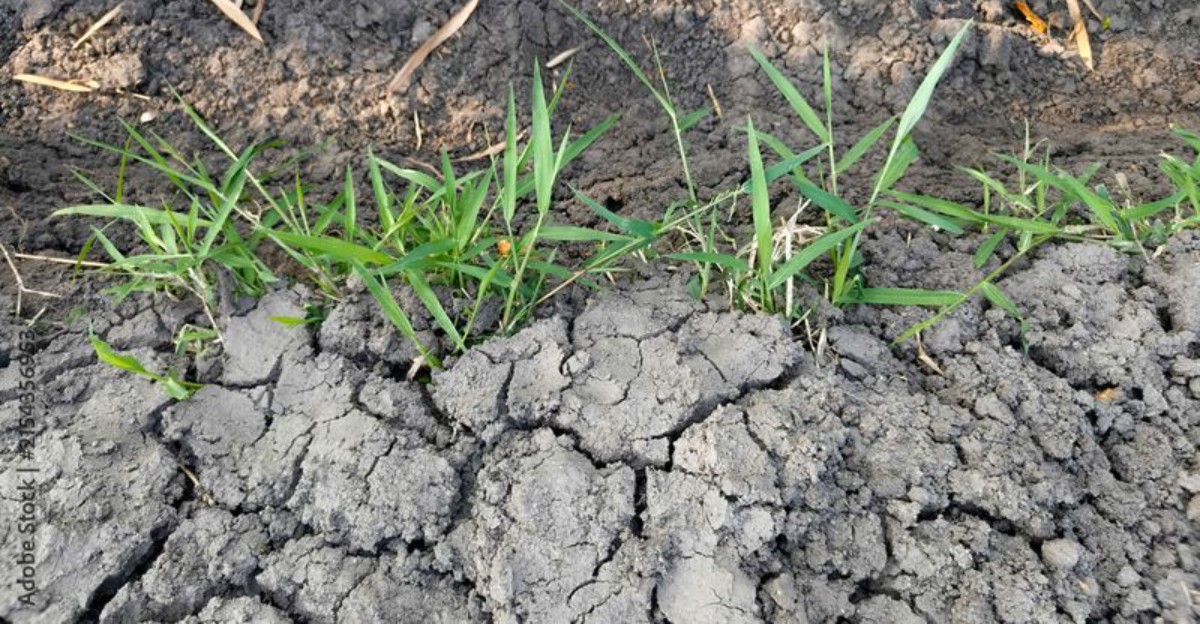
Soil across many North Carolina gardens is showing the lingering effects of drought stress this September, and paying attention to these signals can prevent bigger problems down the road.
Cracked, compacted, or unusually dusty soil often indicates that organic matter and microbial life have been depleted by extended dry conditions, reducing the soil’s ability to hold water and support healthy root growth.
This kind of stressed soil can also struggle to absorb water efficiently even after rain finally returns, causing runoff instead of proper saturation.
Left unaddressed, these effects can carry over into next spring’s planting season, making recovery efforts now especially worthwhile.
Understanding what drought-stressed soil is signaling helps North Carolina gardeners take the right steps before conditions get more difficult to reverse.
1. Hard, Cracked Soil Means Moisture Is Running Low

Ever pressed a shovel into your garden and felt like you were hitting concrete? That stubborn, rock-hard feel is one of the clearest signs your soil has run low on moisture.
When rain stays away for weeks, the water that once filled tiny spaces between soil particles slowly leaves.
The ground shrinks, tightens, and starts to crack along the surface. Those cracks are a sign that the upper soil has dried and that deeper layers may also be running low on moisture.
North Carolina clay makes this worse because it packs together tightly when it loses water. The result is compacted ground that roots struggle to push through. Air pockets vanish, and helpful moisture has nowhere to hide.
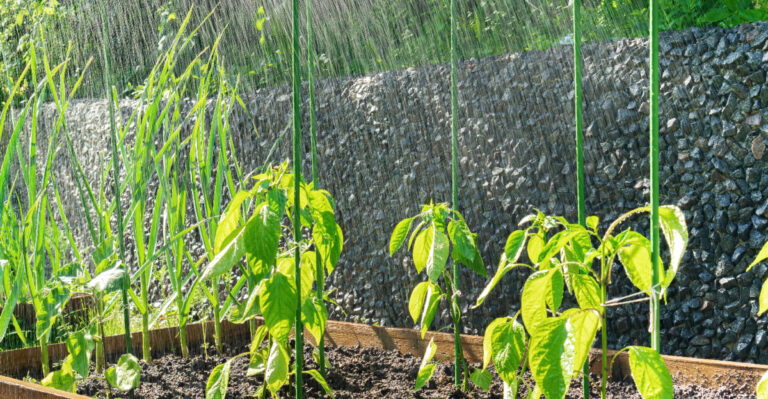
The smart move is to bring water back slowly rather than all at once. A gentle, deep soaking over several sessions gives the ground time to soften and accept moisture again. Flooding it in one rush mostly runs off and wastes your effort.
You can test progress by pushing a screwdriver into the bed after watering. If it slides in a few inches, moisture is returning to the root zone. If it still stops short, keep going with patient, spaced waterings.
Cracked soil is basically waving a flag for help. Once you notice it, you know the deeper layers need attention, not just the dusty top. Restoring moisture gradually protects roots and sets your beds up to bounce back stronger.
2. Water May Run Off Instead Of Soaking In
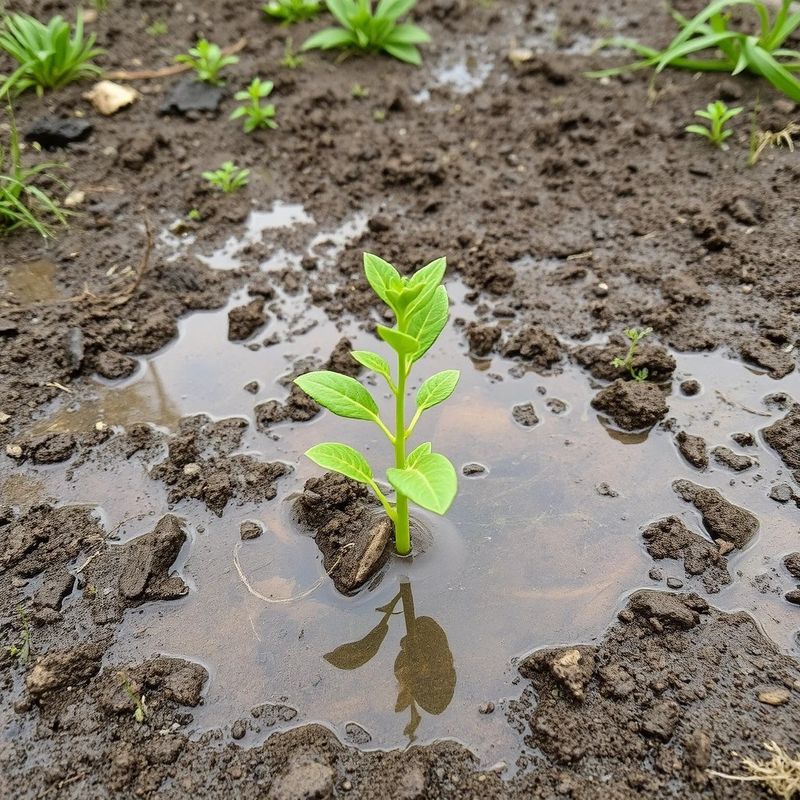
Here is a frustrating surprise many gardeners face after a dry spell. You turn on the hose, and instead of sinking in, the water slides right off the surface and pools somewhere else.
Very dry soil can actually resist moisture at first. The top layer becomes so parched that it repels water almost like a waxy coating. Scientists call this hydrophobic soil, and it happens a lot during long droughts.
Because the water beads up and rolls away, your plants stay thirsty even though you watered. All that effort ends up in the driveway or the low spots instead of the roots.
The trick is slow and steady. A light, gentle stream gives the surface time to soften and start pulling moisture downward. Once the top loosens, deeper layers begin to accept water too.
Your North Carolina Garden Changes Every Week. Your Plan Should Too.
Gardening in North Carolina changes quickly throughout the season. Every Friday you’ll receive a simple weekly plan showing exactly what to plant, prune, fertilize, harvest, and protect so you never miss the right timing.
Many folks water in short rounds, letting each soak settle before adding more. This cycle-and-soak method beats blasting the bed with one heavy burst. Drip lines and soaker hoses help even more since they release water low and slow.
Adding a bit of organic matter or mulch on top also helps future waterings absorb better. Softer surfaces welcome moisture instead of fighting it.
When you notice runoff, treat it as a signal, not a failure. Your soil is telling you to slow down and be patient. Gentle, thorough watering finally reaches those thirsty roots and makes every drop count.
3. Soil Biology Slows During Extended Drought
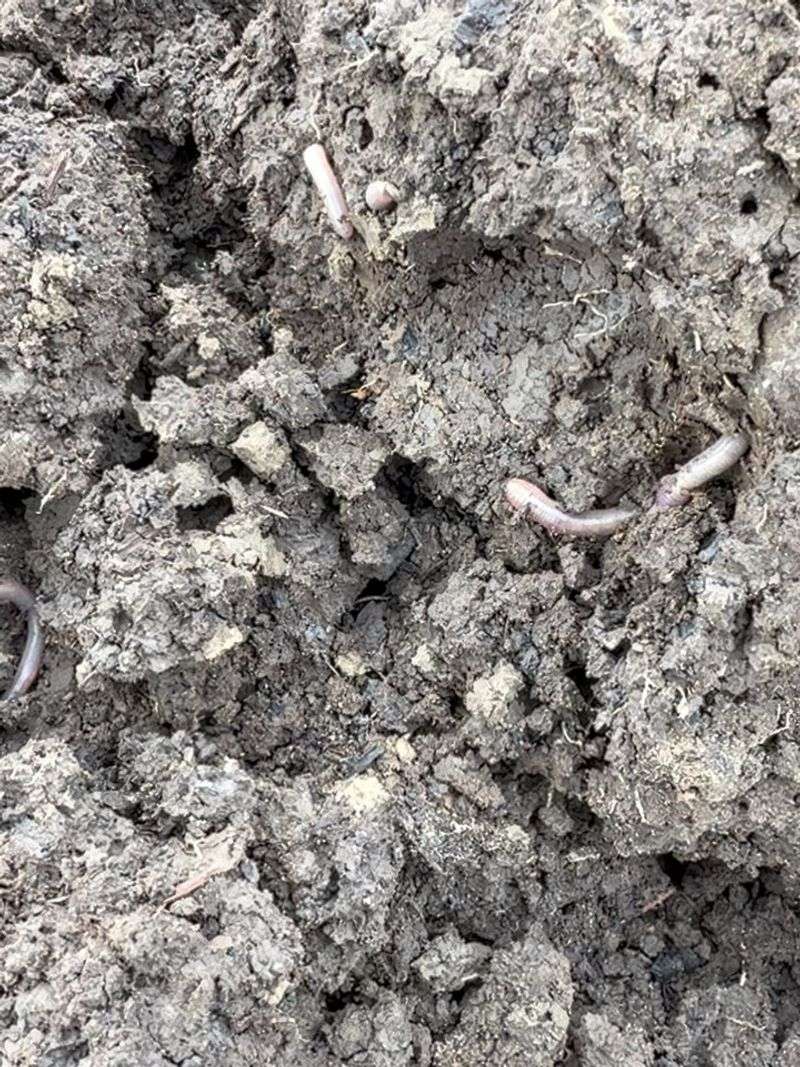
Beneath your feet lives a busy world of tiny helpers. Earthworms, fungi, and countless microbes work day and night to break down leaves, feed roots, and keep the ground healthy.
When drought drags on, that hidden crew slows way down. Most of these organisms need moisture to move, feed, and do their jobs. Without water, they go quiet and wait it out.
The effect shows up in your beds. Fallen leaves and old plant bits stop breaking down like they used to. Nutrients that normally cycle through the soil get stuck, so plants have a harder time finding food.
Worms burrow deeper or curl up to conserve moisture, which means fewer tunnels near the surface. Those tunnels usually let air and water reach roots, so losing them makes the ground even tighter.
The good news is that soil life is tough and patient. Once steady moisture returns, most of these organisms wake back up and get busy again. Your job is to help them along by rehydrating gently and adding organic matter they can feast on.
Compost is like a welcome-back meal for microbes. Spreading a thin layer gives them energy the moment conditions improve. Mulch also keeps the surface cooler and damper, which they love.
Sluggish decomposition is your soil quietly saying its workforce is on break. Support that underground community, and it will reward you with richer, livelier ground once the rains come back around.
4. Plants May Have Shallow Or Stressed Roots
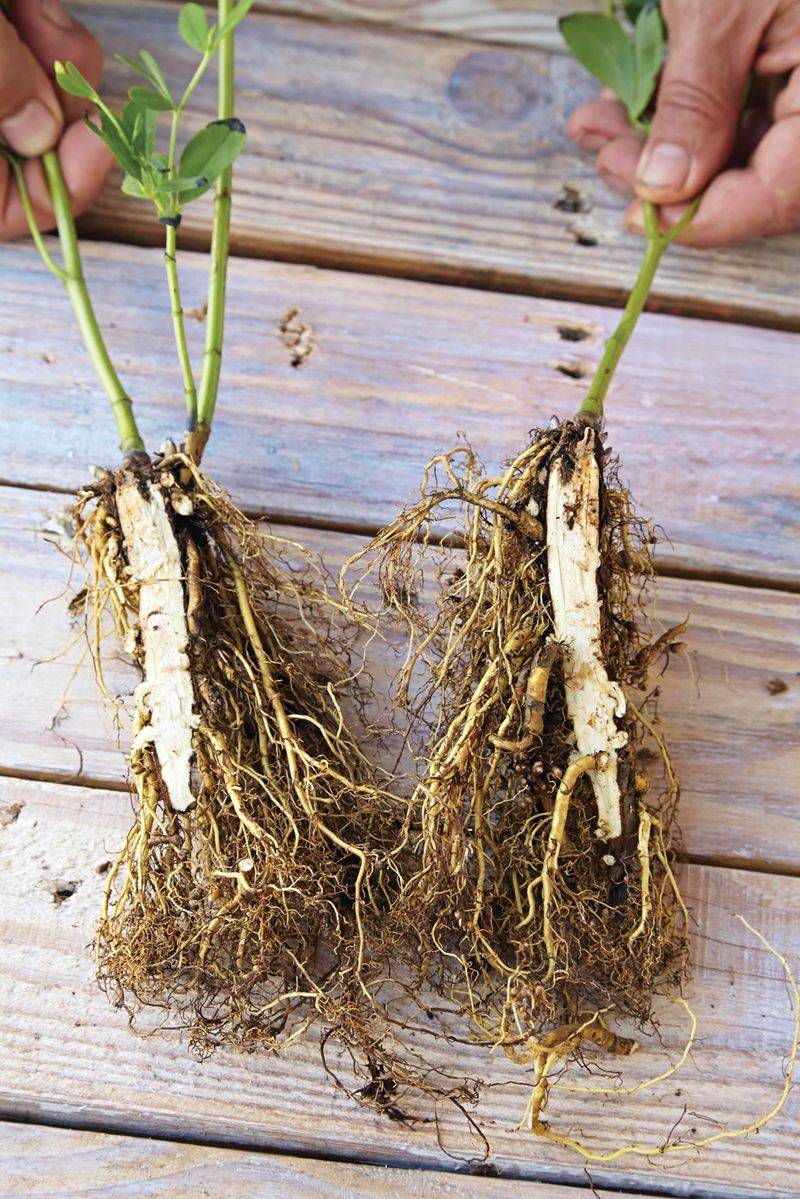
Roots tell a story if you know where to look. Repeated drought can leave plants with stressed or less effective root systems, especially when soil is too dry or compacted for healthy root growth.
Here is why that happens. Roots naturally chase moisture, but when the deeper soil stays dry and hard, they cannot push down far. So they stay near the surface, hoping for a splash of water that rarely lasts.
Shallow roots leave plants in a tough spot. They cannot reach the steady moisture and nutrients found deeper underground. When the top layer dries out again, these plants wilt fast and struggle to hold on.
Even after rain finally returns, stressed roots need time to rebuild. A plant that spent weeks under drought pressure will not spring back overnight. It has to grow new root tissue before it can drink and feed normally again.
You can help by watering deeply but less often, which encourages roots to reach downward. Quick, shallow sprinkles only train roots to stay near the top where they stay vulnerable.
Adding compost and mulch keeps the root zone cooler and more welcoming, giving stressed plants a gentler place to recover. Avoid heavy pruning or fertilizing right away, since that pushes plants to work harder than they can handle.
Weak, shallow roots are a signal that your plants have been running on empty. Give them patient care, deep drinks, and time. Slowly, they will stretch their roots down and grow steadier and stronger.
5. Organic Matter Becomes More Important
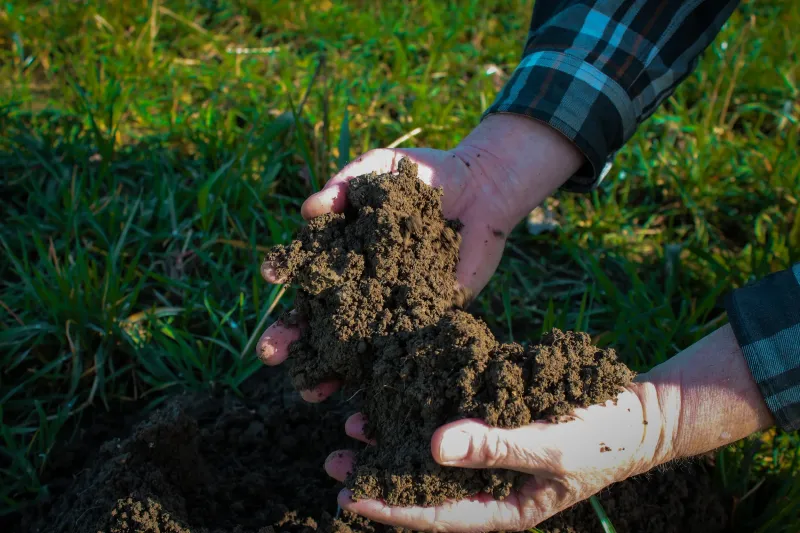
Think of organic matter as your soil’s secret sponge. Finished compost, aged leaves, and other rich materials hold onto water far better than plain, tired dirt.
During drought, this quality really shines. Soil packed with organic matter grabs moisture when it rains and releases it slowly to roots over time. That means your plants stay hydrated longer between waterings.
North Carolina’s clay-heavy ground benefits enormously from a compost boost. Organic matter loosens tight clay, creating little spaces where air and water can move freely. It also softens sandy soils that drain too quickly, helping them hold moisture instead of losing it.
Over the seasons, adding compost builds soil structure that resists both drought and downpour. Crumbly, well-fed soil bounces back faster because it stores water and feeds the tiny organisms that keep everything working.
The best part is that compost is easy to make or find. Kitchen scraps, fallen leaves, and grass clippings all break down into black gold your garden will love. A thin layer worked into the top few inches goes a long way.
You do not need to overload beds all at once. Steady, yearly additions slowly transform poor ground into a moisture-holding powerhouse. Each handful of compost makes the next dry stretch a little easier to survive.
When your soil struggles during drought, it is basically asking for richer, spongier ground. Feed it organic matter, and you build long-term resilience that pays off every single growing season.
6. Mulch Can Protect The Soil Surface
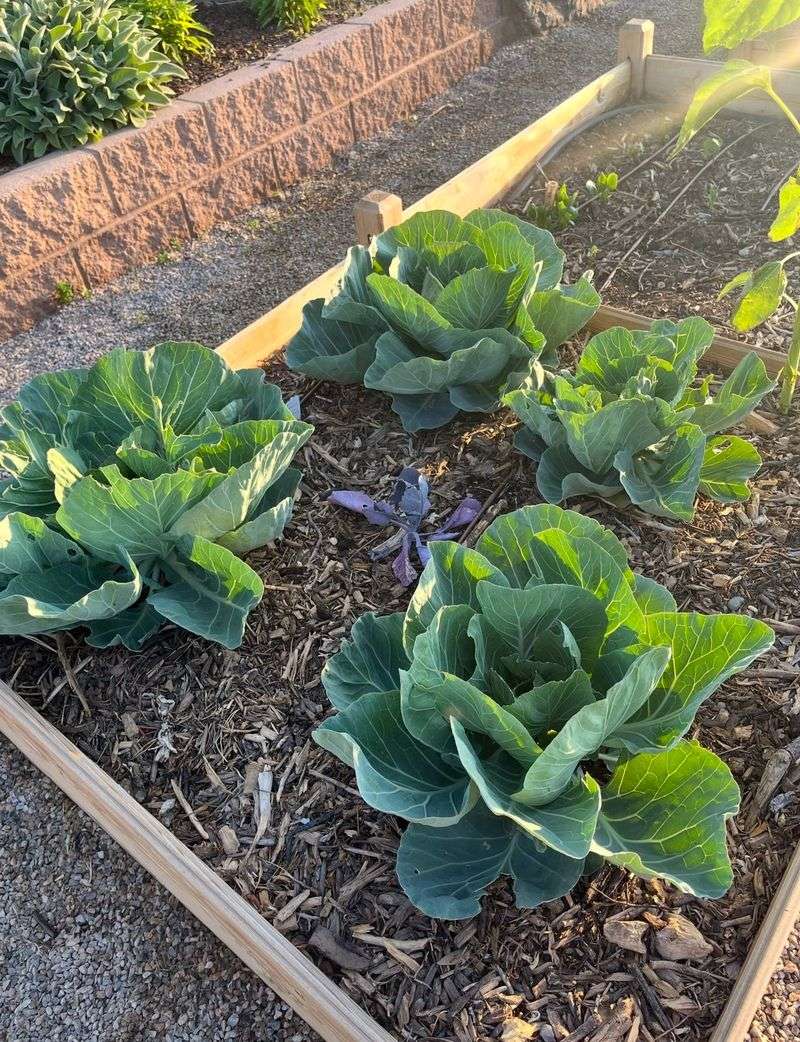
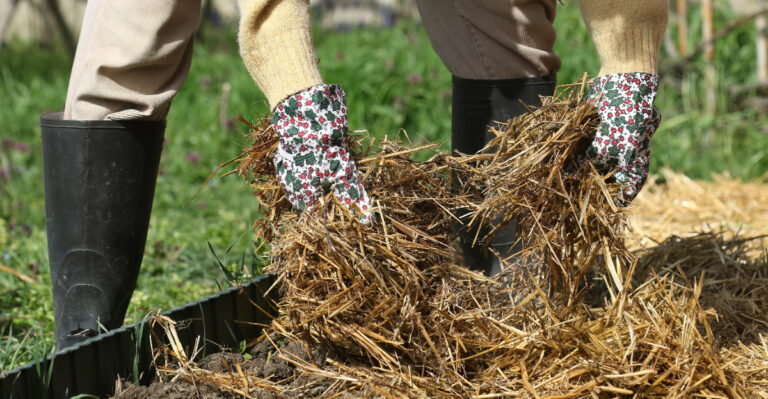
Picture your soil wearing a cozy blanket, and you have the idea behind mulch. A layer of wood chips, straw, or shredded leaves shields the ground from harsh drought conditions.
Bare soil loses moisture fast under the September sun. Water evaporates straight into the air, leaving the surface dry and cracked. Mulch slows that loss dramatically by blocking direct sunlight and holding dampness in.
Temperature swings also stress soil and roots. Uncovered ground bakes during the day and cools sharply at night. A good mulch layer smooths out those swings, keeping the root zone steadier and more comfortable for plants.
Erosion is another sneaky problem. When dry soil finally gets rain or wind, loose particles wash or blow away easily. Mulch anchors the surface, protecting your precious topsoil from drifting off.
Organic mulches offer a bonus. As they slowly break down, they feed the soil below and add the very organic matter that helps it hold water. So you protect and improve the ground at the same time.
Spread mulch a few inches thick, but keep it slightly away from plant stems so they can breathe. Refresh it as it thins out over the season.
When your soil surface looks dusty, pale, and exposed, it is asking for cover. Tuck in a layer of mulch, and you lock in moisture, calm the temperature, and guard against erosion. It is one of the simplest drought helpers around.
7. Do Not Till Soil At The Wrong Moisture Level
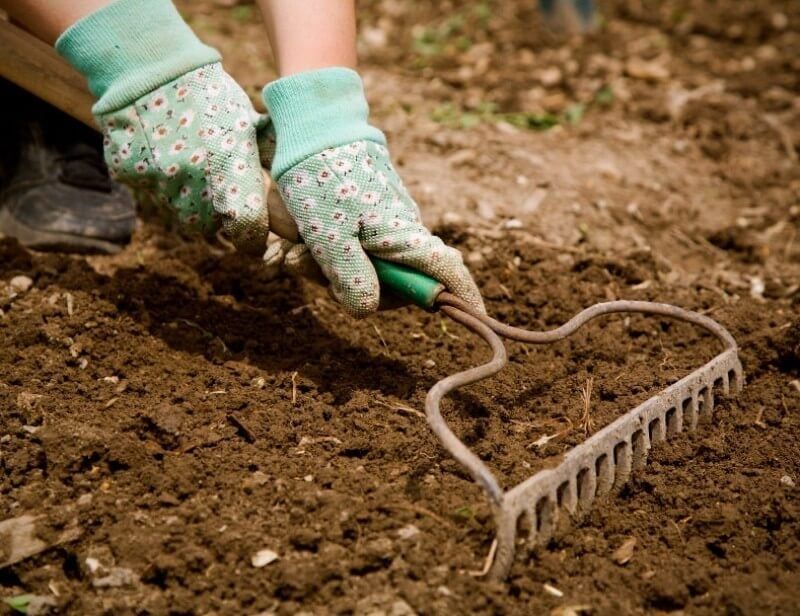
Timing matters a lot when it comes to digging or tilling. Working the ground at the wrong moisture level can create a mess that lasts for months.
Try turning bone-dry soil, and you will end up with hard, chunky clods that refuse to break apart. Those stubborn lumps make it tough for seeds to sprout and roots to spread. All that effort leaves your bed rough and uneven.
Going the other direction is just as risky. Digging soaking-wet soil, especially clay, smashes the tiny air spaces and squeezes everything into a dense, sticky mass. Once it dries, it hardens like brick and stays compacted.
The sweet spot is soil that feels slightly moist and crumbly. A simple test helps. Grab a handful and squeeze.
If it holds together but crumbles apart with a light poke, the moisture is just right for working.
If the ball stays gummy and slick, wait a day or two for it to dry. If it falls apart into dust, add a little water and give it time to settle before digging.
During drought, patience really pays off. Rushing to dig hard, dry ground usually damages structure and wastes energy. Sometimes the smartest choice is to hold off entirely.
Your soil’s texture is quietly guiding you toward the right moment. Wait for that crumbly, forgiving feel, and your digging will go smoothly. Respecting moisture levels keeps the ground healthy and ready for planting.
8. Fall Is A Good Time To Rebuild Soil Health
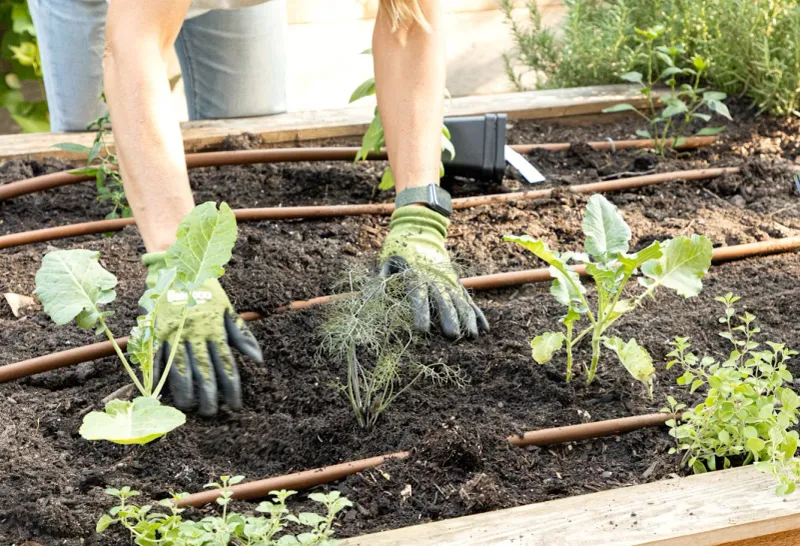
Cooler days and gentler sun make fall a wonderful season for soil recovery. After a rough drought, September and the weeks ahead give you a perfect window to rebuild.
Start with slow rehydration. Bring moisture back gradually through deep, patient watering or by welcoming autumn rains. Rushing it just causes runoff, so easy and steady wins here.
Compost is your best friend during this rebuild. Spreading finished compost across your beds feeds hungry soil life and restores the organic matter drought drained away. The microbes wake up and get right back to work.
Mulch adds another layer of care. A fresh blanket over the beds holds in the moisture you worked hard to restore while shielding the surface through winter. It also breaks down slowly to enrich the ground.
Cover crops offer a clever bonus where they fit your garden. Plants like clover or rye protect bare soil, add nutrients, and improve structure over the off-season. Their roots keep the ground loose and alive.
Try to disturb the soil as little as possible while it heals. Every unnecessary dig sets back the recovery. Letting things rest gives roots, worms, and microbes time to rebuild naturally.
By spring, this gentle fall care pays off big. Your beds will hold water better, feed plants more easily, and shrug off future dry spells with far more strength.
Drought-stressed ground is really asking for a fresh start. Give it one this fall, and next season’s garden will thank you.