The Creepy Native Pennsylvania Plant With Berries That Look Like Eyeballs
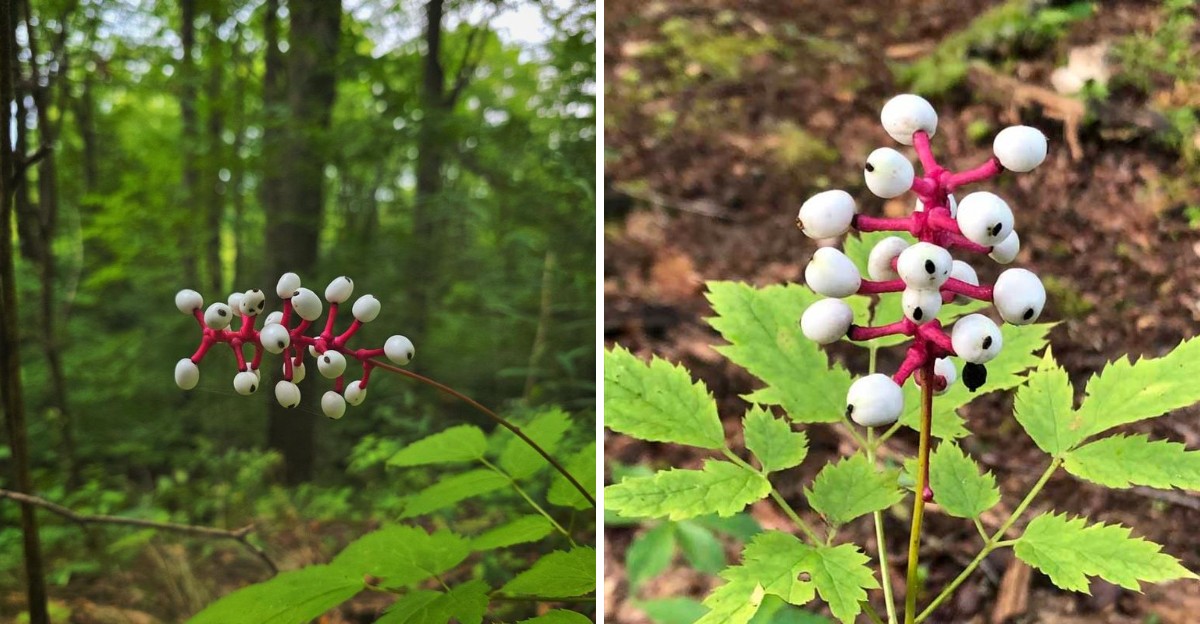
Walk through a shady Pennsylvania forest in fall, and you might feel like something is watching you.
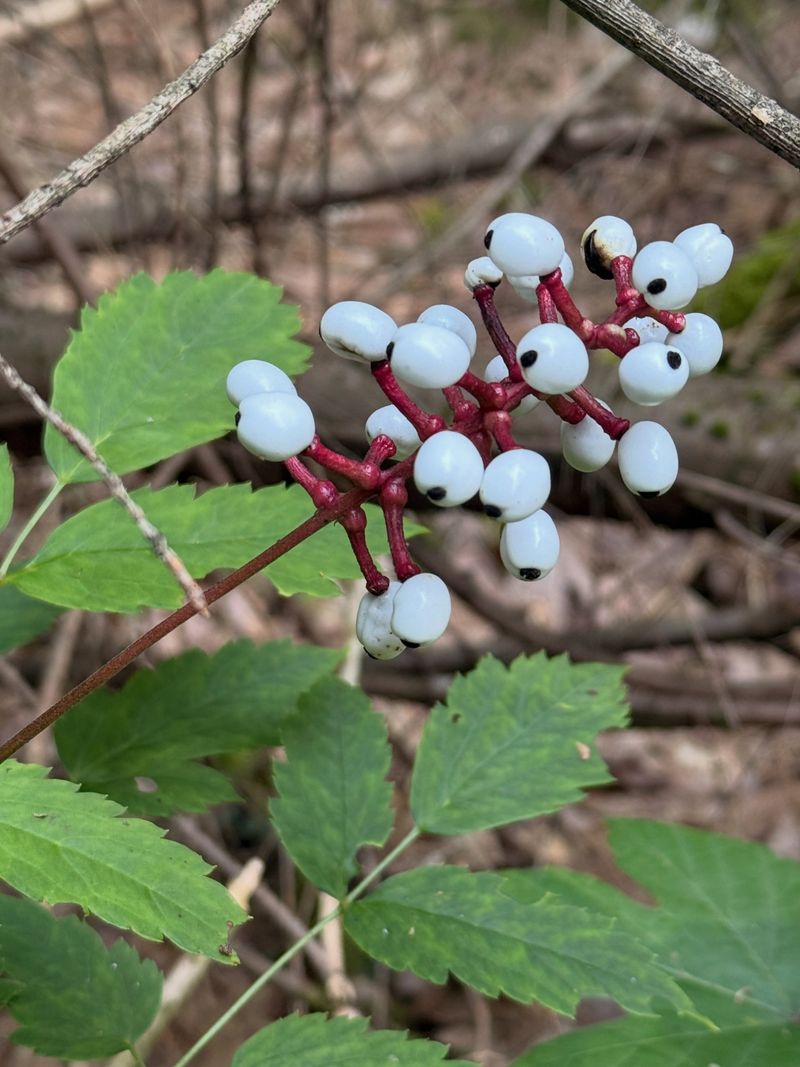
Look closer, and you’ll find the source. Clusters of glossy white berries sit atop thick, bright red stalks, each one marked with a single black dot.
Together, they look almost exactly like a bunch of staring eyeballs. It’s one of the strangest sights in the woods, and it fits right in with Halloween season.
As spooky as it looks, this native plant is perfectly at home in shady gardens and woodland edges. Its lacy leaves and delicate spring flowers are actually quite pretty.
Those berries, however, are highly toxic to people and pets. Eating them can cause serious symptoms, including effects on the heart.
It’s a plant worth admiring from a respectful distance, and one every curious kid should learn to recognize.
The Doll’s Eyes Plant
Some plants earn their nicknames, and white baneberry earned a truly memorable one. Folks call it doll’s eyes, and once you see it, you will understand why. The name sticks in your head like a spooky campfire tale.
Its scientific name is Actaea pachypoda. That second word comes from Greek and means thick foot, a nod to its chunky red berry stalks.
The plant belongs to the buttercup family, which includes many flowers that are pretty but not safe to eat.
White baneberry is a native perennial. Native means it grew here long before settlers arrived. Perennial means it comes back every year from the same roots, so one plant can live for a long time in the same spot.
In Pennsylvania, you can find it in rich, shady woodlands. It likes forests full of maple, oak, and beech trees where the ground stays cool and moist. Look on gentle slopes, near streams, or in deep hollows with thick leaf litter.
The plant is not limited to our state, though. It grows across much of eastern North America, from Canada down into the southern states. Still, Pennsylvania hikers have a great chance to meet it on trails in state parks and forests.
Here is a helpful tip for spotting it. In spring and early summer, it can blend in with other leafy plants. By late summer, the berries pop out and make it easy to find.
The word bane in its name is a clue too. Long ago, bane meant something harmful. People knew back then that this pretty plant should be admired, not eaten. That old warning still holds true today, so enjoy it with your eyes only.
Berries That Look Like Staring Eyes
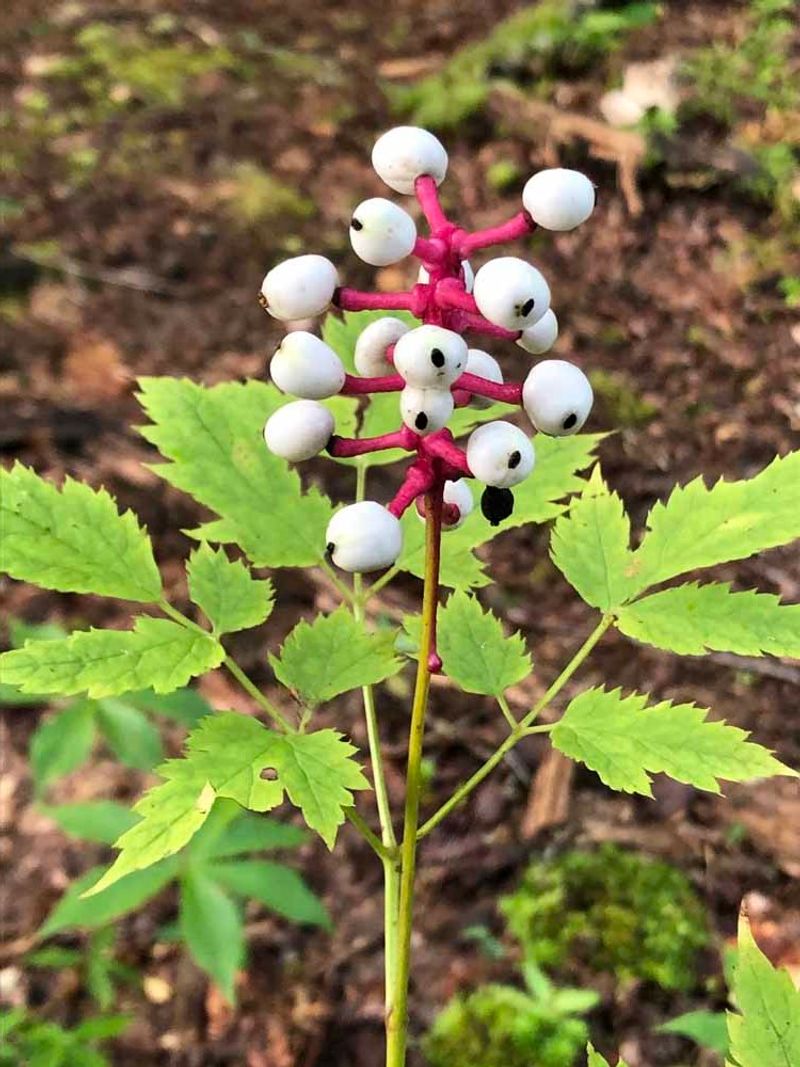
Honestly, nature could not have designed a better Halloween decoration if it tried. Each fall, white baneberry puts on a show that looks straight out of a monster movie. Kids and grown-ups alike tend to gasp when they see it.
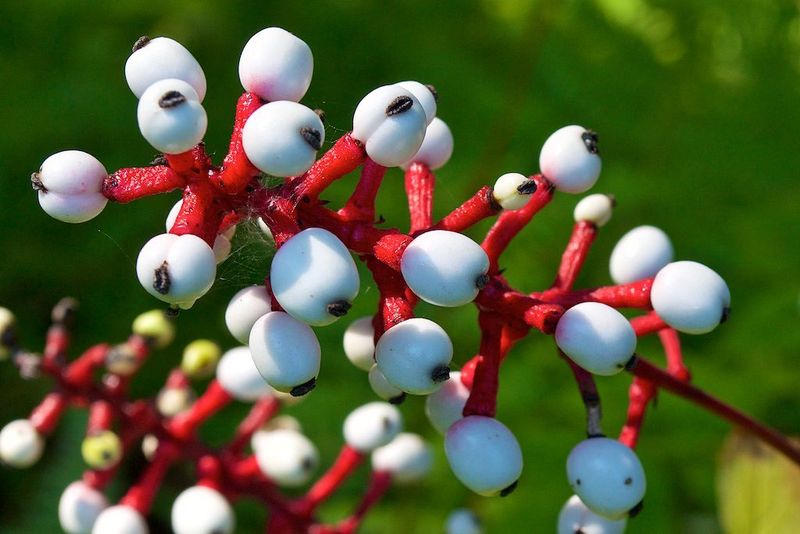
The berries appear in late summer and stay into early fall. They grow in tight clusters at the top of the plant. Each berry is round, smooth, and bright white, almost like a pearl.
Your Pennsylvania Garden Changes Every Week. Your Plan Should Too.
Gardening in Pennsylvania changes quickly throughout the season. Every Friday you’ll receive a simple weekly plan showing exactly what to plant, prune, fertilize, harvest, and protect so you never miss the right timing.
Now for the creepy part. Every berry has one dark dot right in the center. That spot is actually left over from the flower’s stigma, the part that caught pollen in spring. It looks just like a tiny black pupil.
Then there are the stalks. Each berry sits on a thick stem that turns a bold, glossy red. Put it all together, and you get what looks like a bunch of eyeballs poking up on sticks.
Old dolls used to have glass or china eyes that looked very similar. That is where the doll’s eyes nickname came from. Some people also call the plant white cohosh or necklaceweed.
Want to see them yourself? Plan a hike between August and October. Bring a camera, since the berries make amazing photos against dark green leaves.
A fun idea for families is to start a fall nature journal. Sketch the berries, note the date, and write down where you found them. Comparing pages year to year can teach you a lot about the seasons.
Just remember one rule while you explore. Look, snap a picture, and walk on. Those staring berries are best left right where they are.
Highly Toxic To People
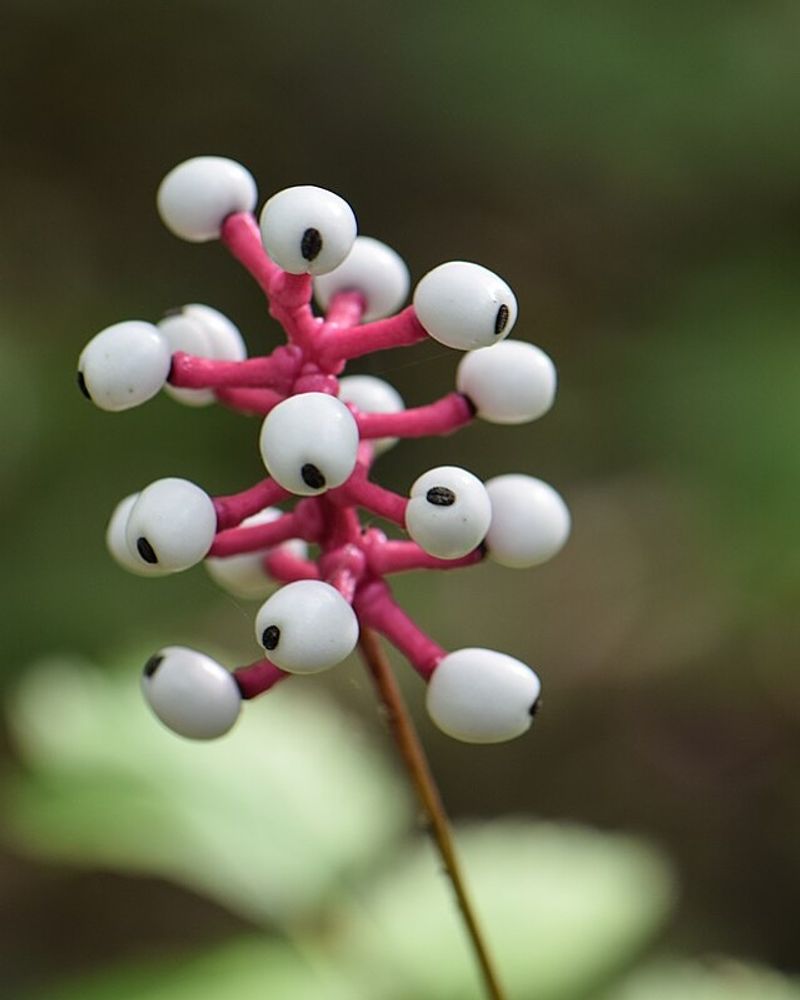
Pretty does not always mean safe. That lesson fits white baneberry perfectly. Those eye-catching berries are poisonous, and every part of the plant is considered toxic.
The roots, leaves, stems, and berries all contain harmful chemicals. The berries hold the strongest dose. Scientists believe these compounds can affect the heart and the body’s muscles.
Eating even a few berries can cause trouble. Symptoms may include burning in the mouth, stomach pain, dizziness, and vomiting. In more serious cases, the heart can start beating in an unusual way, which needs fast medical care.
Luckily, the berries taste very bitter. Most people spit them out right away. Still, it is never smart to test that idea.
Young children are at the highest risk. To a little kid, a shiny white berry might look like candy.
Pets can also get curious, so keep dogs on a leash in areas where the plant grows. Here are some simple safety habits for your family:
Teach kids never to eat wild berries unless an adult who knows plants says they are safe. Wash hands after touching unknown plants, since some can bother your skin. Learn what baneberry looks like so you can point it out on hikes.
If someone does swallow part of the plant, stay calm and act quickly. Call Poison Control at 1-800-222-1222 right away. They are open all day and night and can tell you what to do.
Knowledge is the best protection here. Once you know the danger, you can enjoy this spooky plant without fear. A little caution goes a long way in the woods.
A Pretty Spring Bloomer Too
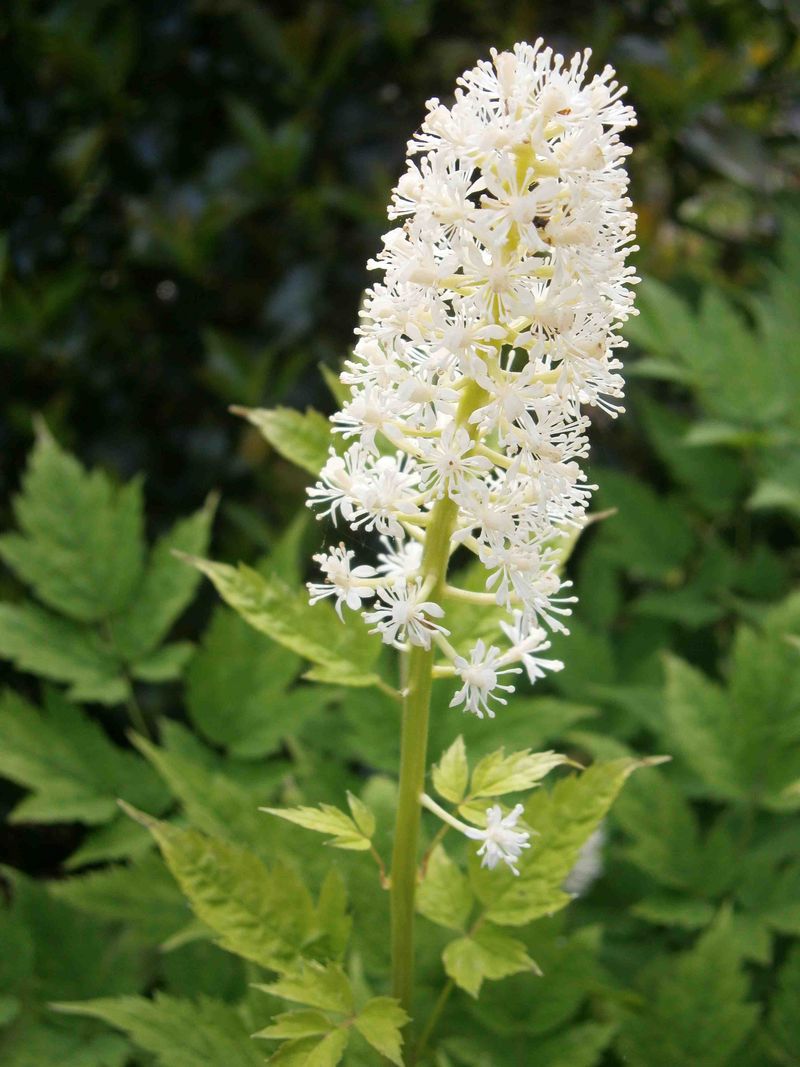
Long before it turns spooky, white baneberry has a sweet and gentle side. Come spring, it looks more like a bride’s bouquet than a Halloween prop. Many hikers walk right past it without guessing what it will become.
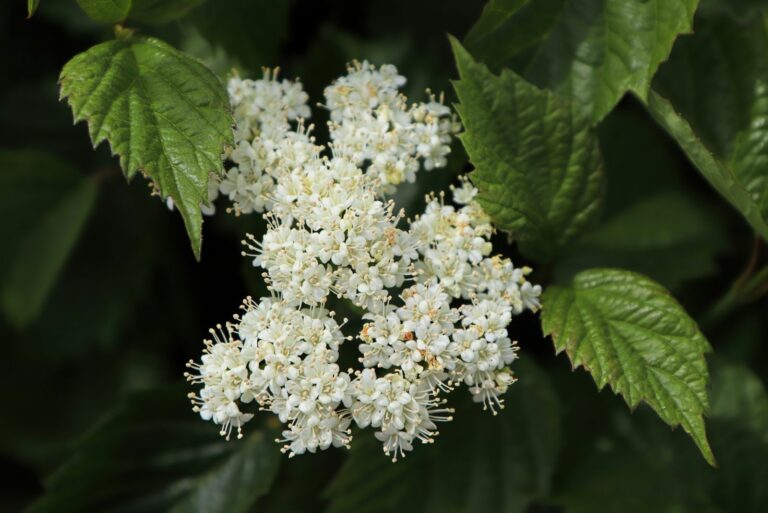
Blooms usually show up in May and early June in Pennsylvania. The flowers form fluffy, rounded clusters at the tip of a tall stem. Each tiny flower has lots of thin white stamens that give the cluster a soft, feathery look.
The petals are small and fall off quickly. What you mostly see are those fuzzy stamens. Up close, a cluster looks a bit like a little white puff of cotton.
Below the flowers sit the leaves. They are divided into many toothed leaflets, which gives them a lacy, fern-like style. That texture makes the plant stand out among broad, flat-leaved neighbors.
White baneberry usually grows about 1 to 2 and a half feet tall. It forms a neat, bushy clump over time. It does not spread wildly, so it stays where you put it.
Gardeners love it for adding interest to dim corners. Shady spots can feel dull, but this plant brings two seasons of beauty. You get spring flowers and then the wild fall berries.
Small bees and flies visit the blooms to gather pollen. The flowers do not make much nectar, but they still help feed early insects.
Here is a tip for spring walks. Look for the white puffs near trilliums, mayapples, and wild ginger. Mark the spot in your phone, then come back in late summer to see the eyeballs appear.
Birds Eat The Berries Safely
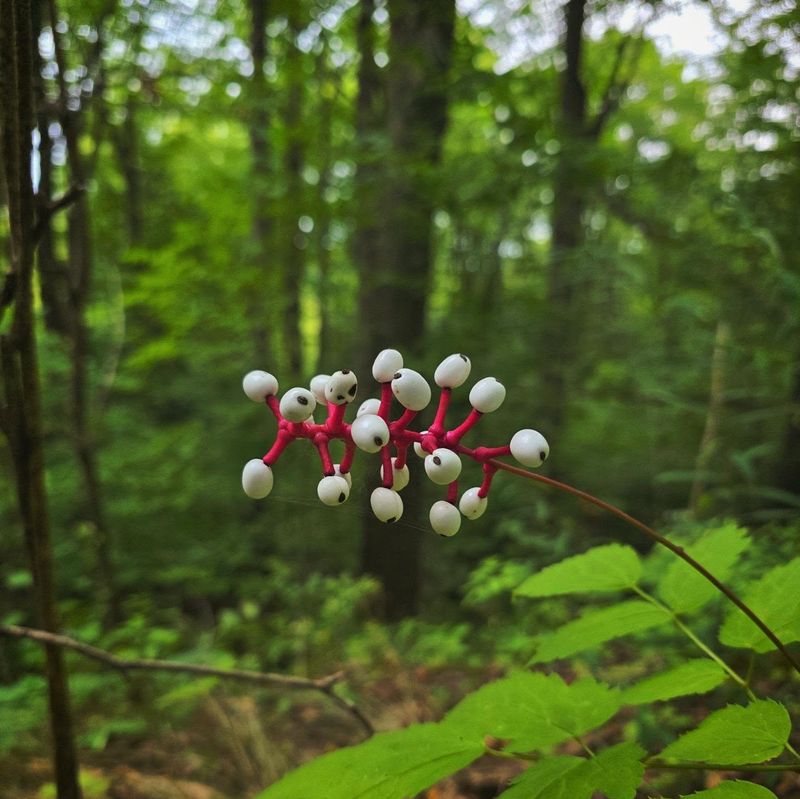
Here is a twist that surprises almost everyone. The same berries that make people sick are a snack for certain birds. Nature has its own clever rules.
Birds such as robins, thrushes, grouse, and gray catbirds have been seen eating doll’s eyes berries. They do not seem to suffer any harm. Their bodies handle the toxins in a way that ours cannot.
So why does the plant bother making poison at all? Scientists think it protects the berries from mammals that would chew and destroy the seeds. Birds usually swallow the berries whole, so the seeds pass through safely.
That is a big win for the plant. After a bird eats, it flies off and drops the seeds somewhere new. Those seeds may sprout into fresh baneberry plants far from the parent.
Think of birds as the plant’s delivery service. Without them, the seeds would mostly fall right under the mother plant. Spreading out gives young plants a better shot at finding good soil and space.
White baneberry is a great example of why native plants matter. Local wildlife and local plants have worked together for thousands of years. Each one helps the other in small but important ways.
Want to help birds in your own yard? Try adding a mix of native plants that offer berries, seeds, and shelter. Leave some leaf litter in shady spots, since birds love to hunt for bugs there.
Bird watchers can have fun with this too. Sit quietly near a baneberry patch in early fall with binoculars. You might catch a thrush grabbing a berry, which is a cool sight few people ever see.
Growing It Safely In Your Garden
Ready for a conversation piece that makes neighbors stop and stare? White baneberry can turn a plain shady corner into the coolest spot in your yard. It just needs the right home and a little planning.
Start with location. The plant thrives in part shade to full shade. Spots under tall trees or on the north side of a house work well.
Soil matters too. Baneberry likes moist, rich ground full of organic matter. Mix in compost or shredded leaves before planting to copy the forest floor.
Good garden partners include ferns, wild ginger, foamflower, and Virginia bluebells. Christmas fern and maidenhair fern look especially lovely next to its lacy leaves. Together they create a calm woodland feel.
Buy plants from a native plant nursery instead of digging them from the wild. Wild plants are important for local forests and often do not survive being moved. Nursery plants settle in much better.
Safety should guide where you plant. Keep baneberry away from play areas, sandboxes, and paths where little kids run. A back corner or fenced bed is a smart choice.
Once planted, care is easy. Water during dry spells the first year, then let nature take over. A layer of leaf mulch keeps roots cool and damp.
Love the look but want a splash of color? Try red baneberry, Actaea rubra, a close relative. It has similar leaves and flowers but shiny red berries, and it is toxic too, so the same safety rules apply.
With smart placement, you can enjoy spring blooms, fall eyeballs, and happy birds year after year.