Why Some Georgia Yards Get Frost Even When Temperatures Stay Above Freezing
Frost on the windshield the morning after a forecast low of 36 degrees can seem like the weather report got it wrong.
Official temperatures are usually measured several feet above the ground, where the air stays a little warmer. Down at grass level, surfaces can cool well below that reading on clear, calm nights.
Heat escapes quickly into an open sky when there are no clouds to hold it in.
Georgia yards with low spots or wide open lawns often feel the effects first, since cold air settles and pools.
Tender plants can take damage on nights that never officially reach freezing. A forecast in the mid to upper 30s deserves attention, especially in fall.
Think about which corners of your yard tend to stay frosty longest on cold mornings.
1. The Forecast Temperature Does Not Tell The Whole Story
Your weather app is not lying to you. It is just measuring a different spot than the one where frost forms.
Official air temperatures are usually taken about five to six feet above the ground, inside a shaded shelter.
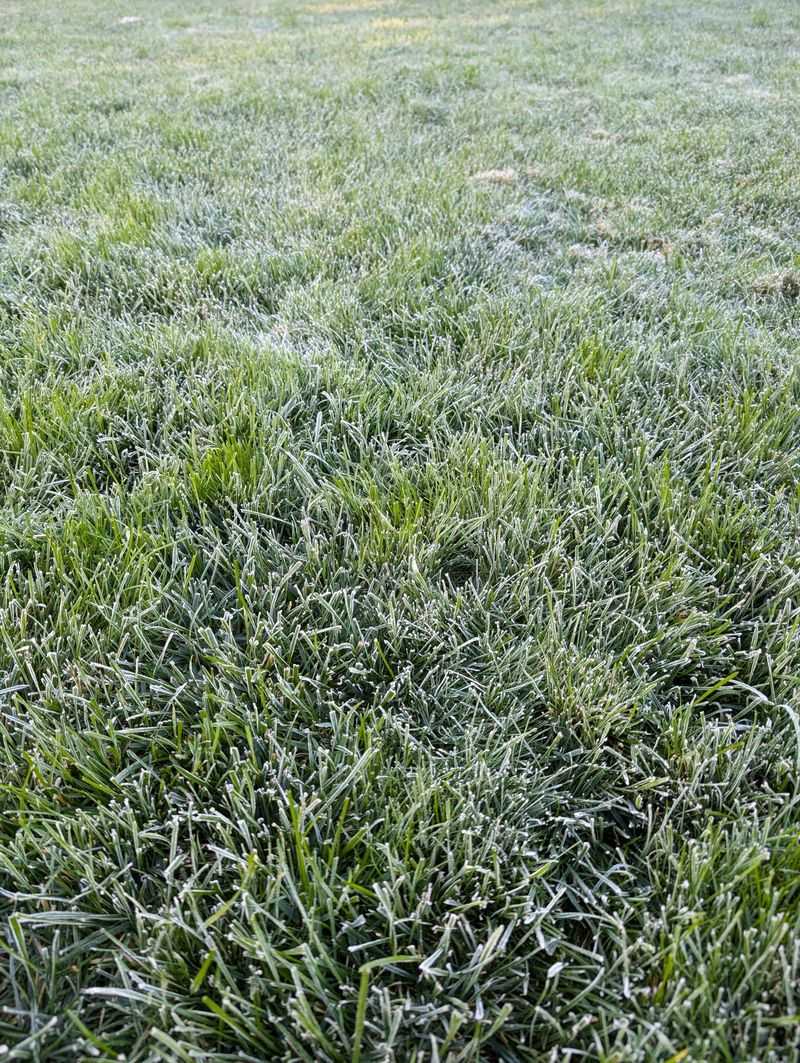
Grass blades and plant leaves sit much lower, and on clear, calm nights their surfaces can cool below that measured air temperature. When a leaf surface drops to freezing, frost can form on it even if the air at eye level stays a few degrees warmer.
That gap explains why a forecast low of 36 or 37 can still leave white crystals on your lawn.
Gardeners in Georgia often treat a forecast in the mid to upper 30s as a frost warning sign, not a safe zone. The National Weather Service sometimes issues frost advisories in that range for the same reason.
So how should you use this when planning your evening chores?
Look at more than the low number. Check whether the night will be clear and whether winds are expected to go calm, because those details shift the risk up or down.
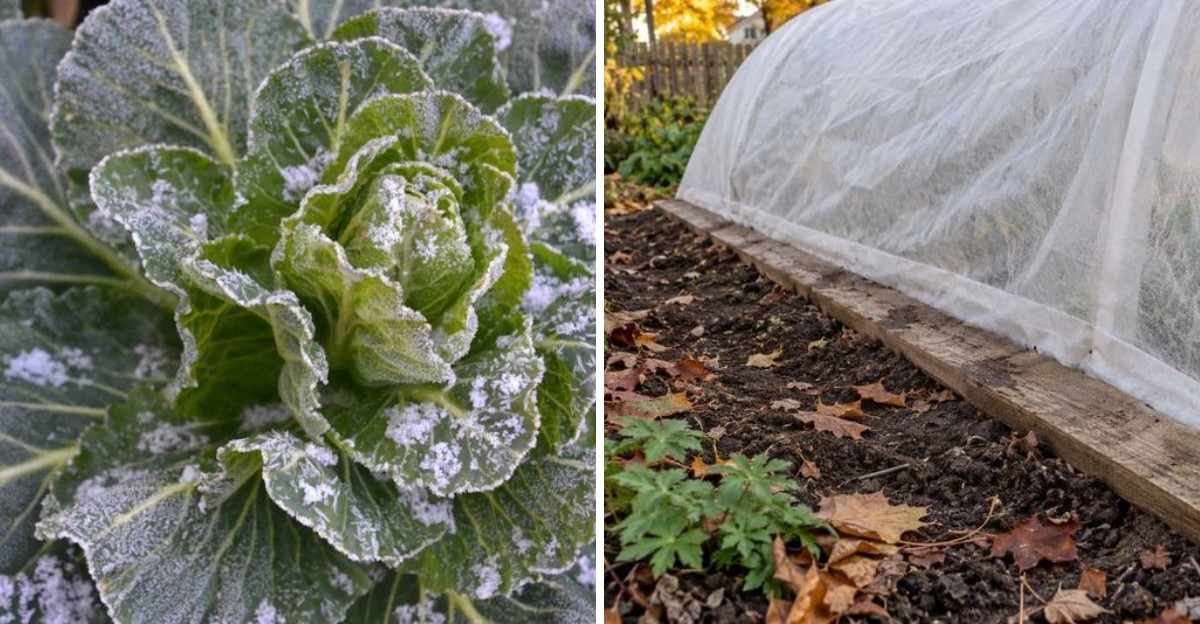
If both point toward frost, cover tender plants like basil, impatiens, or young tomatoes before dark. A light sheet or frost cloth draped to the ground holds in some of the soil’s warmth, though it may not protect plants during a hard freeze.
2. Clear Skies Let Heat Escape Quickly After Sunset
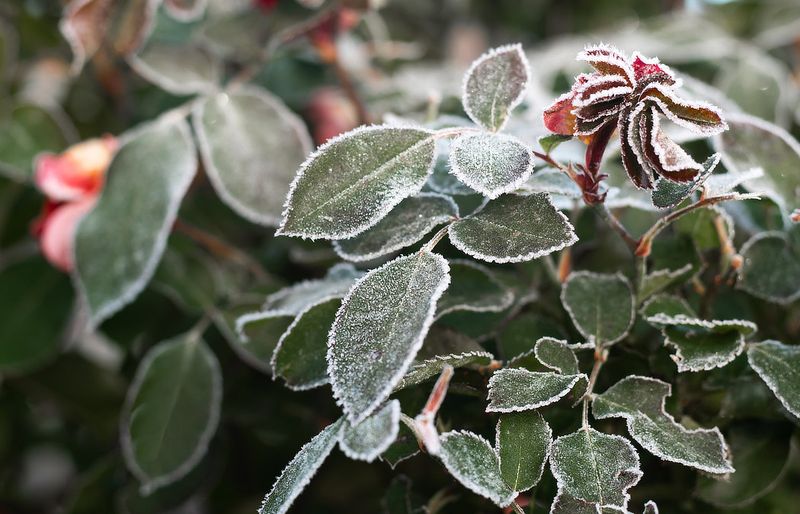
A gorgeous starry night can be rough on your garden.
All day, the ground, plants, and patio soak up heat from the sun. Once the sun goes down, that stored warmth starts to radiate back toward the sky.
Clouds act a bit like a loose blanket, sending some of that heat back down. Without them, the warmth moves upward with little in the way, and surfaces near the ground cool faster.
Meteorologists call this radiational cooling, and it is one of the main drivers behind surprise frost.
You may notice it most after a cold front passes through Georgia in fall or early spring. Behind those fronts, the air is often dry and the skies clear out, which sets up a strong cooling night.
Your Georgia Garden Changes Every Week. Your Plan Should Too.
Gardening in Georgia changes quickly throughout the season. Every Friday you’ll receive a simple weekly plan showing exactly what to plant, prune, fertilize, harvest, and protect so you never miss the right timing.
Dry air matters too. Humid air holds onto heat a little better, while dry air lets temperatures fall more steeply once the sun is gone.
So when the evening sky looks crisp and cloudless, take a quick walk through the yard before bed.
Move potted plants under a porch roof or against the house, where they lose less heat to the open sky. Even a spot under a tree canopy can stay slightly warmer than an open lawn, although results vary with how dense the branches are.
3. Calm Nights Allow Colder Air To Settle Near The Ground
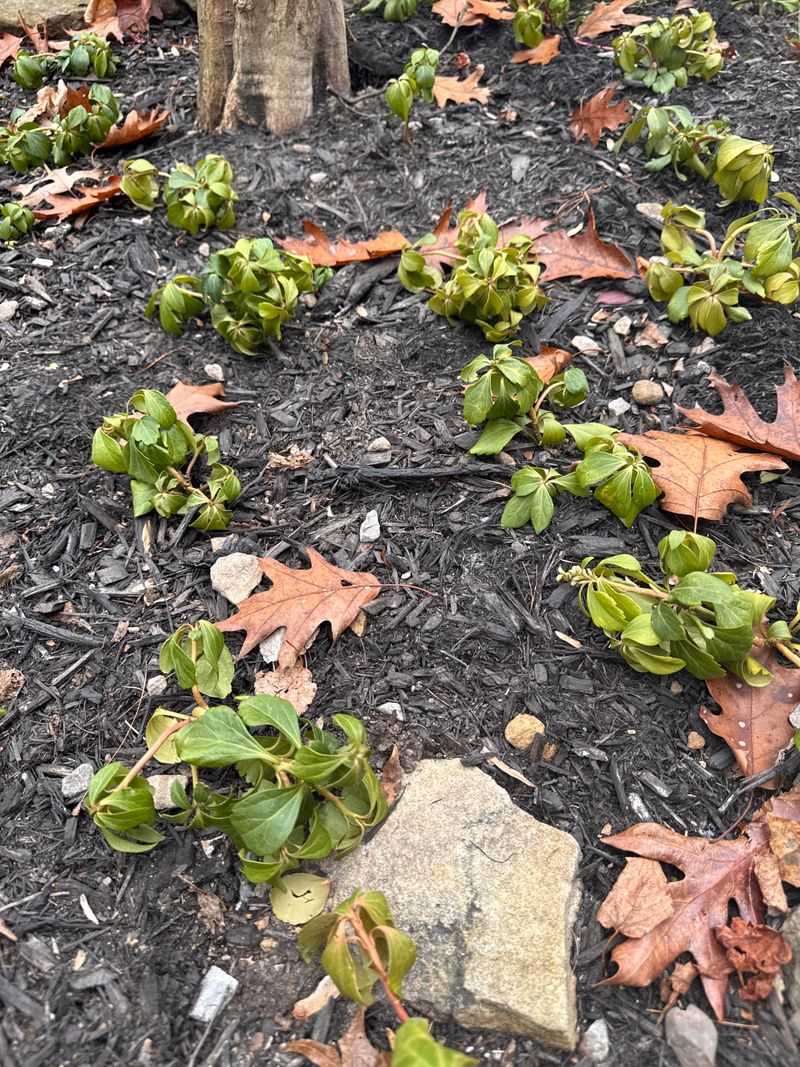
Still air sounds peaceful, but plants pay the price for it.
Cold air is heavier than warm air. When there is no wind to mix things up, the chilliest air slides down and sits in a thin layer right at ground level.
Meanwhile, slightly warmer air can stay just above it, sometimes only a few feet higher.
Weather folks call this setup a temperature inversion. It means your shrubs might feel the cold less at the top than your low groundcovers do at the bottom.
Wind breaks up that layering by stirring warmer air down toward the surface. Without that stirring, the coldest pocket simply stays put until the sun comes back.
Gardeners across Georgia often see frost on the lawn while taller plants nearby look untouched.
That pattern is a handy clue for protecting what you grow. Low seedlings, pansies freshly planted, and strawberry plants sit right in the coldest zone on calm nights.
Covering them is often worth the effort when the forecast calls for light winds and a low in the 30s. Lifting potted plants onto a table or bench can also help a little, since even a short rise may put them above the coldest layer.
4. Low Spots In A Yard Can Collect Colder Air Overnight
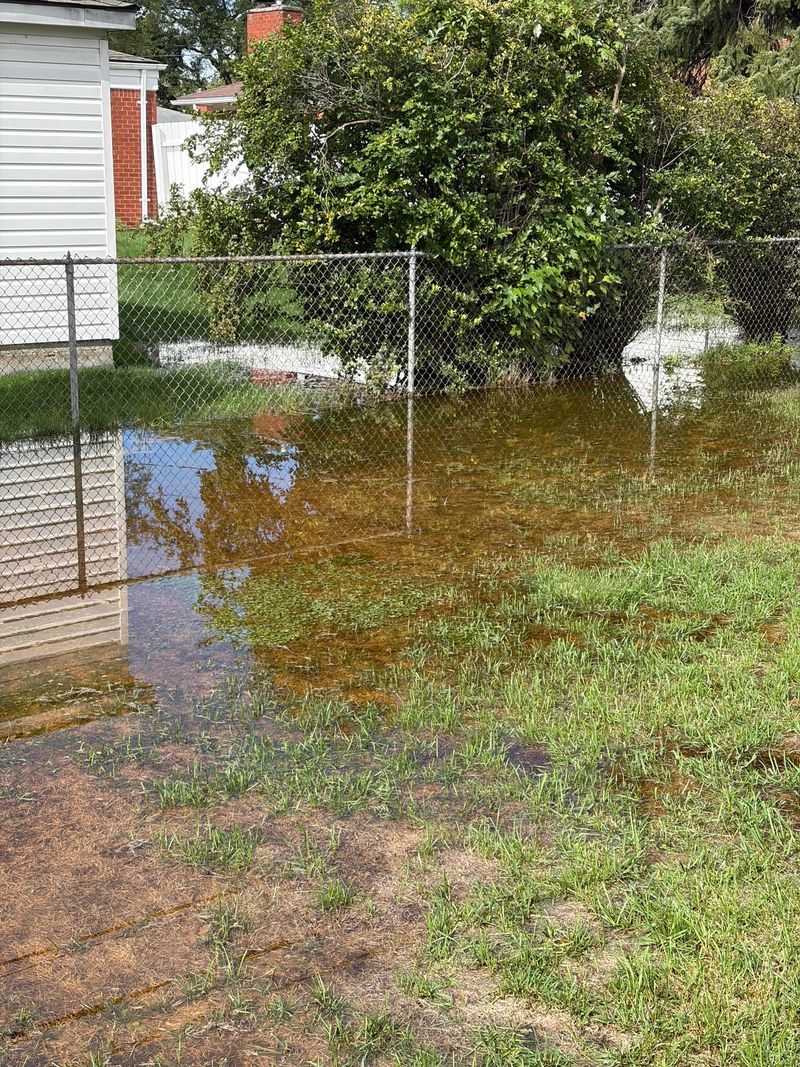
Ever notice one corner of the lawn turns white first? Chances are, it sits a little lower than everything else.
Cold air flows downhill a lot like water does, just much more slowly.
On calm nights, it drains off slopes and pools in dips, ditches, and the bottoms of hills. Gardeners call these places frost pockets, and they can stay colder than the rest of the yard well into the morning.
Hilly parts of north Georgia show this clearly, with valleys often frosting while nearby hillsides stay clear.
You do not need mountains to see it, though. A shallow swale behind the house or a sunken bed near a fence can trap cold air too.
Fences, hedges, and solid walls on the downhill side can make things worse. They act like a dam, holding the chilly air in place instead of letting it keep moving.
Spend a few frosty mornings noting where frost lingers longest.
Once you know your pockets, avoid planting your most cold-tender plants there. Save those spots for tougher choices, and place sensitive plants on slightly higher ground where cold air tends to drain away, keeping in mind that local results can vary.
5. Grass And Leaves Can Become Colder Than The Air Around Them
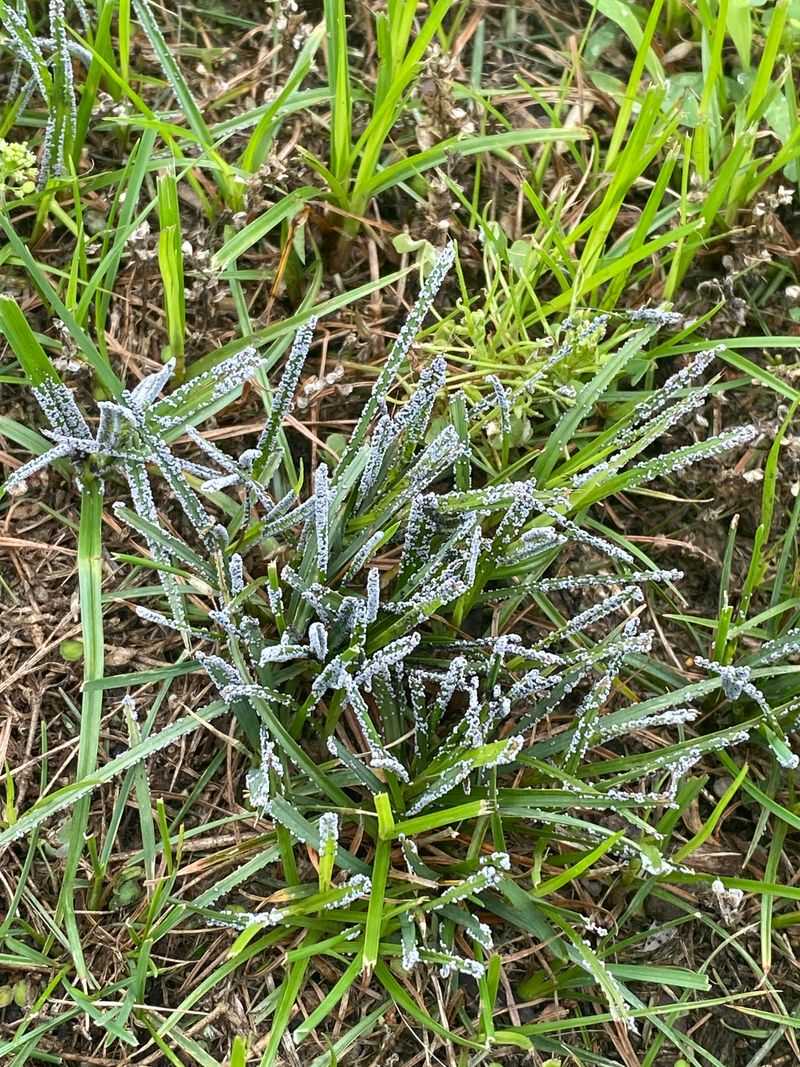
Touch a car hood at dawn and it might be icy while the air feels only chilly. Leaves and grass behave much the same way.
Thin, flat surfaces lose heat to the night sky quickly, and they hold very little warmth to begin with.
A grass blade has almost no mass, so it cools down fast once the sun is gone. On a clear night, it can drop below the temperature of the air drifting past it.
When that surface reaches freezing, moisture in the air turns straight into ice crystals on it. That is the white, feathery frost you see on lawns, car windshields, and wooden deck rails.
Plant type plays a role in how much harm follows.
Thick, waxy leaves on camellias or hollies handle a light frost far better than soft, tender growth on basil, peppers, or new hydrangea shoots. Hardy plants commonly grown in Georgia may show little damage, while summer annuals can turn dark and limp.
Water placement matters a little too. Moist soil holds and releases more heat than dry soil, so some gardeners water beds lightly a day before a frost, though it offers only modest protection and should not replace covering plants.
6. Clouds And Wind Can Reduce The Chance Of Frost Forming
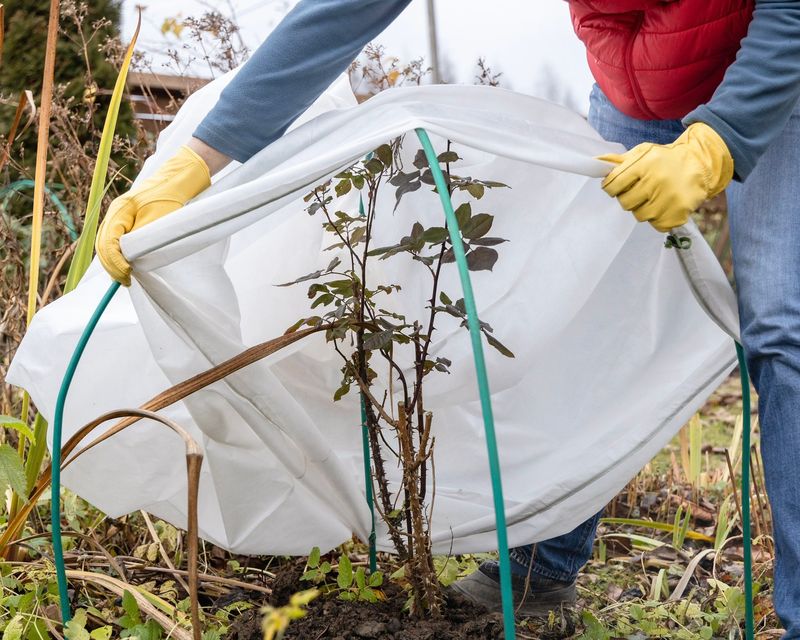
Gray skies rarely get any love. On a cold night, though, they might be your garden’s best friend.
A layer of clouds slows the loss of heat from the ground by absorbing it and sending part of it back down.
That keeps grass and leaves closer to the air temperature instead of sinking several degrees below it. Even a thin, patchy deck can help, although thick low clouds tend to offer more protection.
Wind works in a different way. A steady breeze mixes warmer air from above down toward the surface, which keeps the coldest layer from settling in.
That is why a breezy night at 34 degrees might leave your lawn green, while a calm, clear night at 37 brings frost.
Neither one is a sure shield, however. Strong winds paired with truly freezing air can still harm plants, and a hard freeze is a different problem than a light frost.
Before deciding whether to cover your beds, check the hourly forecast for cloud cover and wind speed overnight. Forecasts in Georgia can change as fronts move through, so a quick look again around sunset is a smart habit when frost is on the table.
7. Two Yards Nearby Can Wake Up To Very Different Frost Conditions
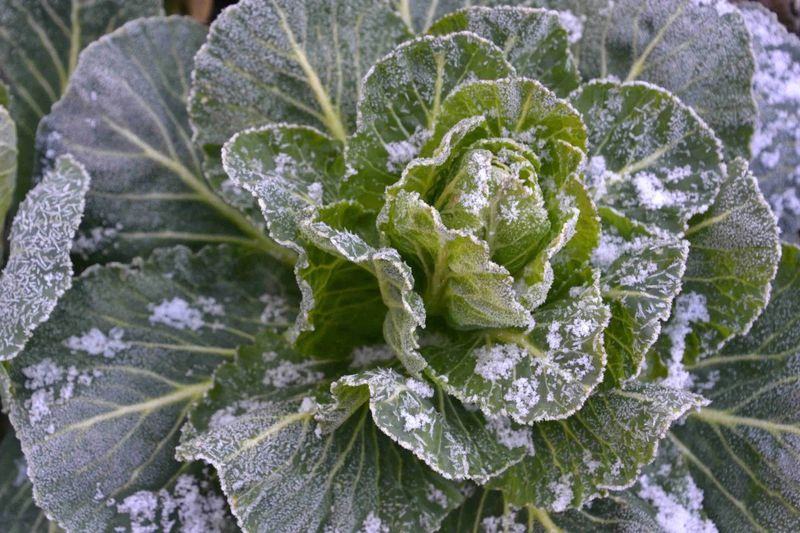
Your lawn is frosted white, and your neighbor’s looks barely touched. Nobody is imagining things.
Small differences between properties add up fast on a cold, still night.
A yard sitting a few feet lower can collect more cold air. One with large shade trees overhead may lose heat more slowly, since branches block part of the open sky.
Buildings matter as well. Brick walls and pavement soak up warmth during the day and release it at night, so beds close to a house often stay a little milder.
Open lawns far from any structure tend to frost first.
Morning sun creates another difference. A yard facing east may thaw quickly, while a spot shaded by a house or fence can hold frost for hours.
Rapid thawing in direct sun can sometimes add stress to frosted plants, though how much depends on the plant.
Across Georgia, these micro conditions shift from street to street, and even from front yard to back.
Learning your own yard is the most useful step. Keep simple notes on where frost appears, then group tender plants in the warmer, protected spots and keep covers handy for the rest.