9 Fall Lawn Mistakes That Lead To Spring Problems In Pennsylvania
Fall has this sneaky way of making you feel like the hard work is done. The maples are putting on a show, the air smells like woodsmoke, and the rake is just leaning there looking decorative.
Very tempting to call it a season. Here is the thing though: your lawn is not relaxing.
It is quietly setting up for spring right now, and what happens in these next few weeks decides how your yard looks when the snow finally melts in April.
Skip the right steps and you are looking at patchy grass, weedy beds, and soggy spots that take half the summer to sort out.
Pennsylvania lawns deal with a genuinely tough combination of cold snaps, heavy leaf drop, and clay soil that punishes inattention. The good news is that the fixes are pretty straightforward once you know what to look for.
1. Skipping The Fall Feeding In Pennsylvania
Grass roots stay busy long after the blades stop growing fast. Cool soil in autumn is prime time for roots to soak up food and store energy.
Many Pennsylvania homeowners feed their lawns in spring and then forget about it. That leaves the grass hungry heading into a long, cold winter.
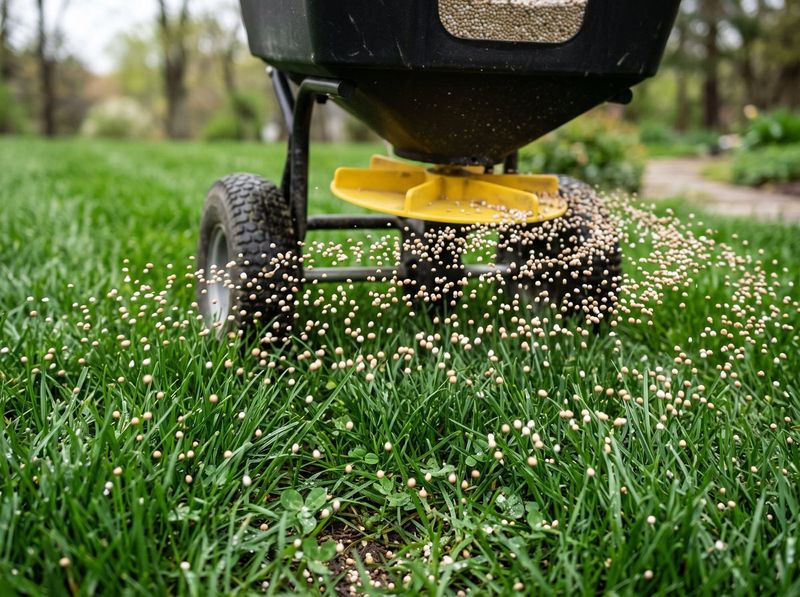
A fall feeding works like packing a lunch for a long trip. The stored sugars help grass green up faster and fight off weeds once warm weather returns.
Timing matters a lot here. Aim for early September, then add a second, lighter feeding in late October or early November if your lawn needs extra help.
Choose a slow-release fertilizer with a good amount of nitrogen. Your local extension office, like Penn State Extension, offers soil tests that tell you exactly what your yard is missing.
A soil test usually costs less than a pizza. It can save you from wasting money on products your lawn does not need at all.
Keep fertilizer off sidewalks and driveways. Sweep any stray granules back onto the grass so they do not wash into storm drains and nearby streams.
Skipping this step often shows up as thin, pale patches in April. A little effort now means a thicker, brighter carpet when the robins come back.
2. Letting Leaves Pile Up On Grass
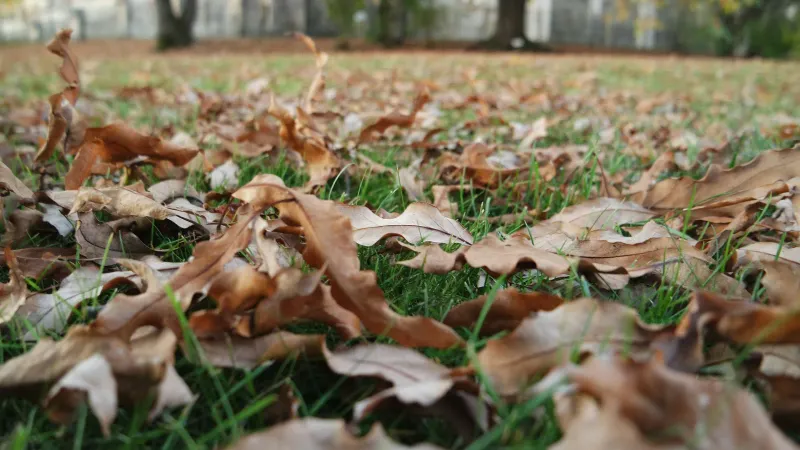
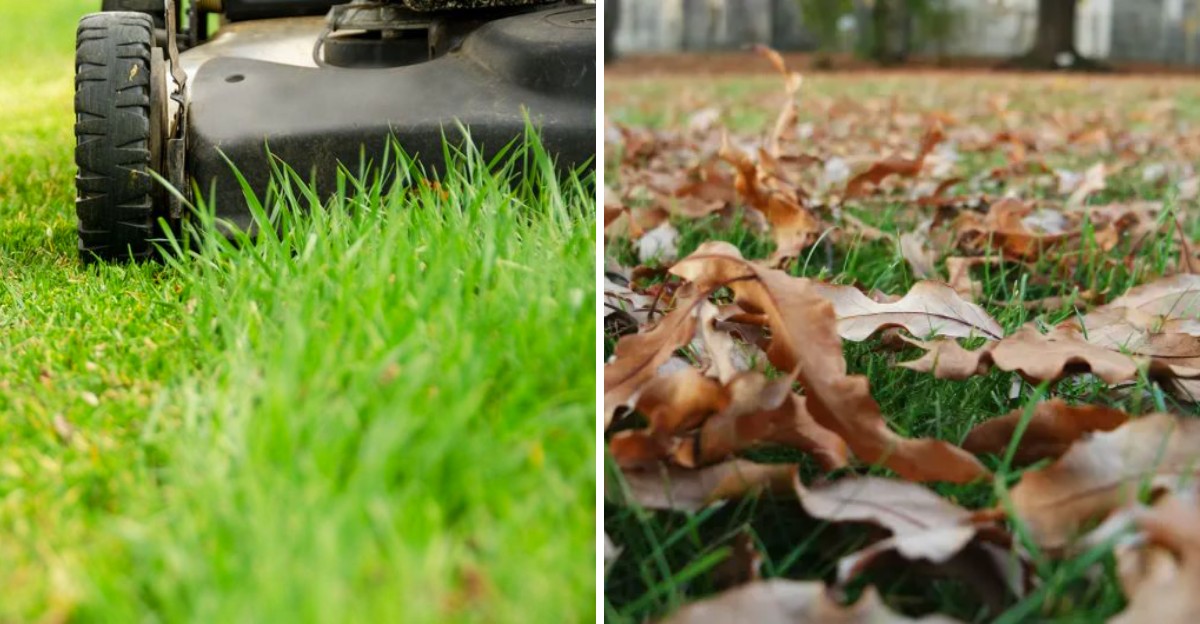
Those gorgeous leaves look magical on the trees. Once they land on your lawn, though, they turn into a soggy blanket that blocks sunlight.
Grass still needs light in fall to make food. A thick mat of wet oak and maple leaves can smother it and invite mold underneath.
Pennsylvania has some of the heaviest leaf drop in the country, thanks to huge stands of oaks, maples, and hickories. Ignoring that pile is a common slip.
Here is the good news. You do not have to rake every single leaf into bags for the curb.
Mowing over a light layer of leaves chops them into tiny pieces. Those bits break down and feed the soil, almost like free fertilizer.
The trick is to do it often. If you can still see grass blades poking through after mowing, you are in great shape.
Your Pennsylvania Garden Changes Every Week. Your Plan Should Too.
Gardening in Pennsylvania changes quickly throughout the season. Every Friday you’ll receive a simple weekly plan showing exactly what to plant, prune, fertilize, harvest, and protect so you never miss the right timing.
Heavier piles need raking or a leaf blower. Toss extra leaves into a compost bin or use them as mulch around shrubs and flower beds.
Leaving a thick layer through winter often leads to snow mold. That shows up as matted, crusty gray or pink patches when spring arrives, and nobody wants that welcome mat.
3. Cutting Grass Too Short Before Winter
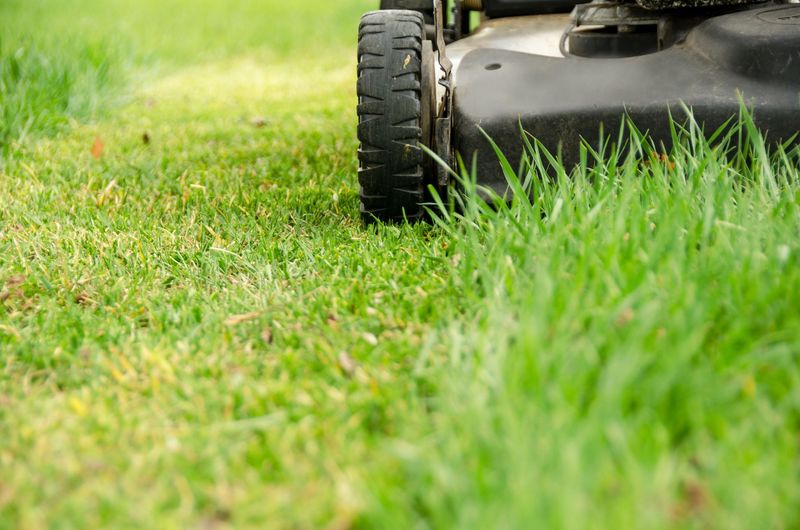
Scalping your lawn feels tidy for about a day. After that, it can leave grass weak and exposed to harsh winter wind and ice.
Some folks drop the mower deck super low for the final cut, hoping to skip a mow. That shortcut tends to backfire badly.
Short grass has less leaf surface to make food. It also has shallow roots, which struggle when the ground freezes and thaws over and over.
That freeze and thaw cycle is a big deal in Pennsylvania. Soil can heave up and down all winter, tearing at tiny roots.
On the flip side, very tall grass can flop over and trap moisture. That creates a cozy spot for disease and even mice looking for winter shelter.
The sweet spot for most cool-season lawns sits around 2.5 to 3 inches. Keep mowing at that height until the grass stops growing, usually in November.
Follow the one-third rule too. Avoid removing more than one-third of the blade in a single mow, so the grass does not get stressed.
Sharpen your mower blade before the last few cuts. Clean cuts heal faster, while ragged ones turn brown at the tips and open the door to problems.
4. Forgetting To Aerate Pennsylvania Clay Soil
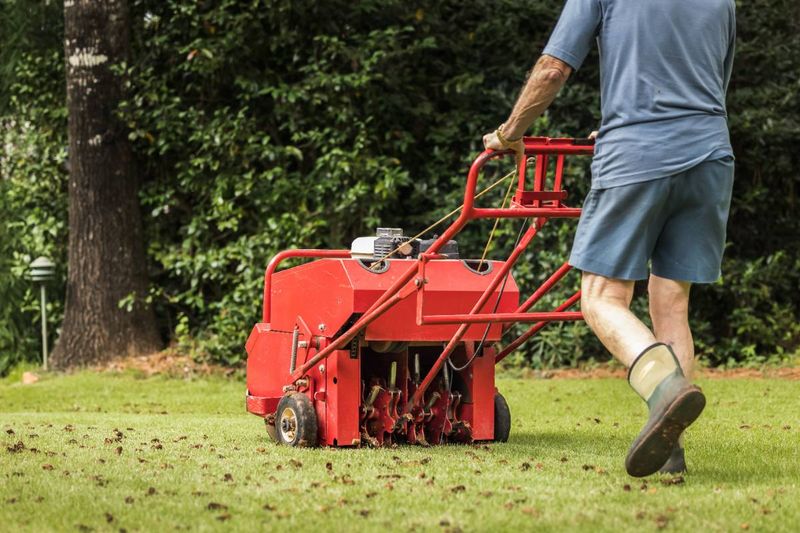
Ever stepped on a lawn that felt as hard as a parking lot? That is compacted soil, and it is sneakily choking your grass.
Much of Pennsylvania sits on heavy clay soil. Clay packs down tight from foot traffic, kids playing, and even lawn mowers rolling across it all summer.
When soil gets packed, water and air cannot reach the roots. Grass ends up thirsty and weak, even after a good rain.
Core aeration fixes this by pulling small plugs of soil out of the ground. Those holes let oxygen, water, and food slip down to the root zone.
Fall is the best time to do it, roughly late August through early October. Grass recovers quickly in cool weather, and weeds are slowing down.
You can rent an aerator from a hardware store or hire a lawn crew. Splitting the rental cost with a neighbor is a smart money saver.
Leave the little soil plugs on the lawn. They look odd for a week or two, but they break down and return nutrients to the surface.
Skip aeration and spring often brings puddles, bare spots, and moss. Fun fact: earthworms are natural aerators, so a healthy worm crowd means happy soil.
5. Missing The Overseeding Window In Pennsylvania
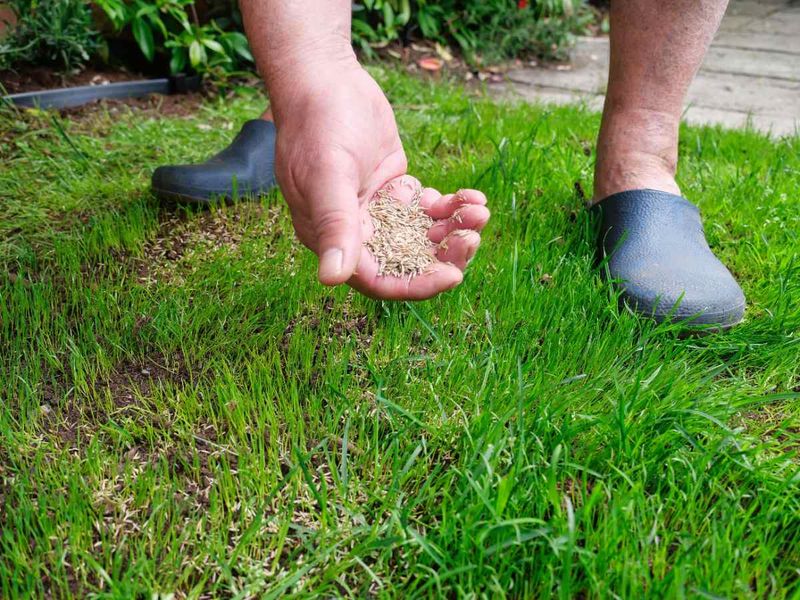
Thin spots in your yard are basically open invitations. If you do not fill them, crabgrass and dandelions will happily move in come spring.
Overseeding means spreading new grass seed over your existing lawn. It thickens the turf and crowds out weeds before they ever get a chance.
The best window in Pennsylvania runs from about mid-August to late September. Soil is still warm, nights are cool, and rain tends to show up more often.
Wait too long, and baby grass will not have time to grow strong roots before frost. Seed sown in November usually just sits there or washes away.
Pick a seed blend that fits your yard. Tall fescue handles heat and shade well, while Kentucky bluegrass and perennial ryegrass love sunny spots.
For best results, aerate first, then spread the seed. The holes give seeds a cozy place to settle and touch the soil.
Keep the seeded areas lightly moist for a few weeks. A quick sprinkle once or twice a day is usually plenty until you see green fuzz.
Spring seeding is possible, but it is much harder. New grass battles summer heat and weeds right away, so fall gives you a real head start.
6. Ignoring Weeds During Autumn
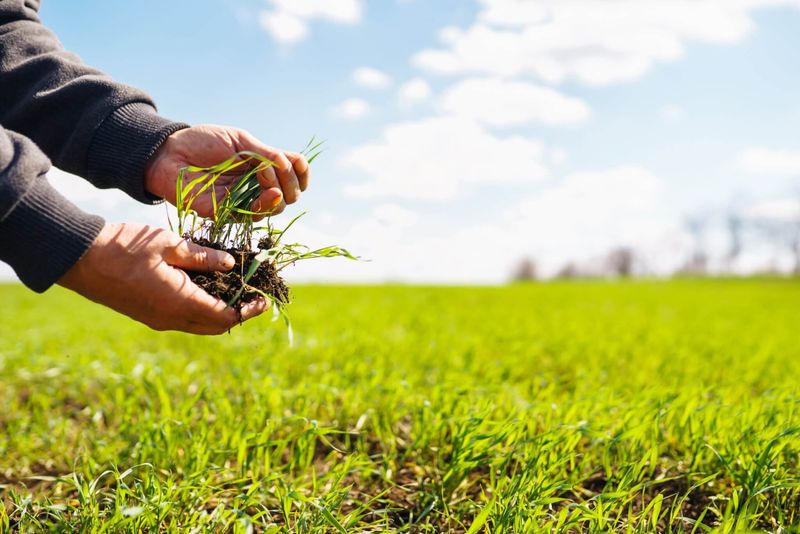
Weeds are sneaky planners. While you are thinking about pumpkins and football, they are storing energy for a big spring comeback.
Broadleaf weeds like dandelions, clover, and creeping Charlie pull food down into their roots in fall. That makes autumn the perfect time to hit them.
Any weed control you apply now gets carried straight to the roots. In spring, the same weeds are pushing energy up, so treatments do not work as well.
Many Pennsylvania lawn pros suggest treating broadleaf weeds from mid-September to late October. Pick a calm, dry day when temperatures are above 50 degrees.
Prefer a hands-on approach? Pulling weeds after a rain is easier because the soil is soft and roots slide out more fully.
A weeding tool with a forked tip helps grab long taproots. Leaving part of a dandelion root behind can let it sprout right back.
Remember, a thick lawn is your best weed blocker. Overseeding and feeding work hand in hand with weed control to keep invaders out.
Let weeds slide in fall, and you might see a yellow sea of dandelions in April. Your neighbors might enjoy the color, but your grass will not.
7. Watering Wrong As Pennsylvania Weather Cools
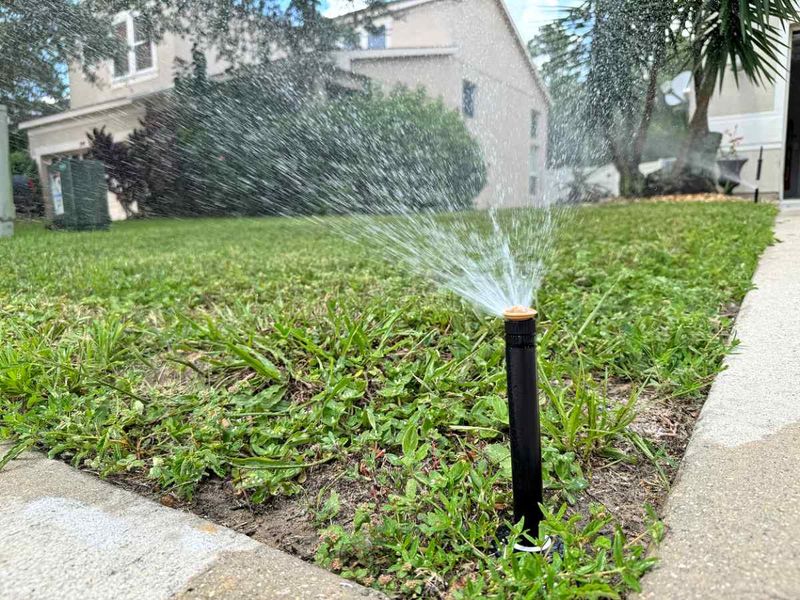
Cooler weather tricks a lot of people into putting the hose away early. Others go the opposite direction and keep the sprinklers running like it is July.
Both habits can cause trouble. Your lawn still needs water in fall, just not the same amount it needed in the summer heat.
Early autumn in Pennsylvania can bring surprise dry spells. If your grass gets less than about one inch of water per week, give it a deep drink.
Deep, less frequent watering is the goal. It pushes roots to grow downward, which helps them handle winter cold and next summer heat.
Water in the morning so blades dry before night. Wet grass sitting in the dark is a favorite hangout for fungus and disease.
Overwatering can leave soil soggy and roots short of air. That is especially risky in clay-heavy areas, where water drains slowly.
A cheap rain gauge helps you track how much water the sky is giving you. Some folks use a tuna can on the lawn as a simple measuring tool.
Once the ground starts freezing, shut off and drain your outdoor hoses and sprinkler lines. Frozen pipes can crack, and that repair bill is no fun in spring.
8. Overlooking Grubs In Lawns
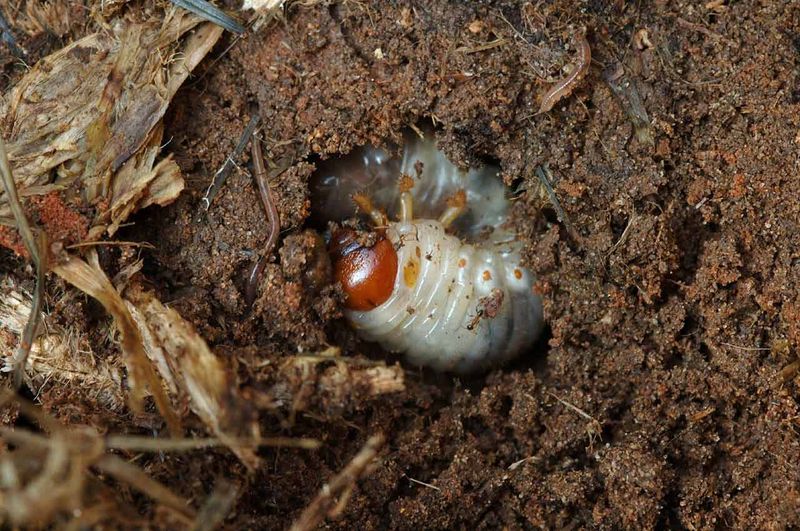
Did you know a single square foot of lawn can hide a dozen or more grubs? Those chubby white larvae chew on grass roots all fall.
Grubs are baby beetles, often from Japanese beetles, which first showed up in the United States in New Jersey around 1916. They spread quickly into Pennsylvania and never really left.
Signs of grubs include brown patches that peel back like a loose rug. You might also notice skunks or raccoons digging up your yard for a snack.
Check for grubs in late August or September. Cut a small square of turf, fold it back, and count the critters in the soil.
Finding five or fewer per square foot is usually fine. More than ten means it is time to act before the damage spreads.
Curative grub treatments work best in early fall while grubs are young and feeding near the surface. Water them in well so they reach the root zone.
Natural options exist too. Beneficial nematodes and milky spore can help reduce grub numbers over time without harsh chemicals.
Ignore grubs now, and they will wake up hungry in spring. That second round of feeding can leave wide brown areas just as you want to enjoy your yard.
9. Leaving Lawn Gear And Debris Out All Winter
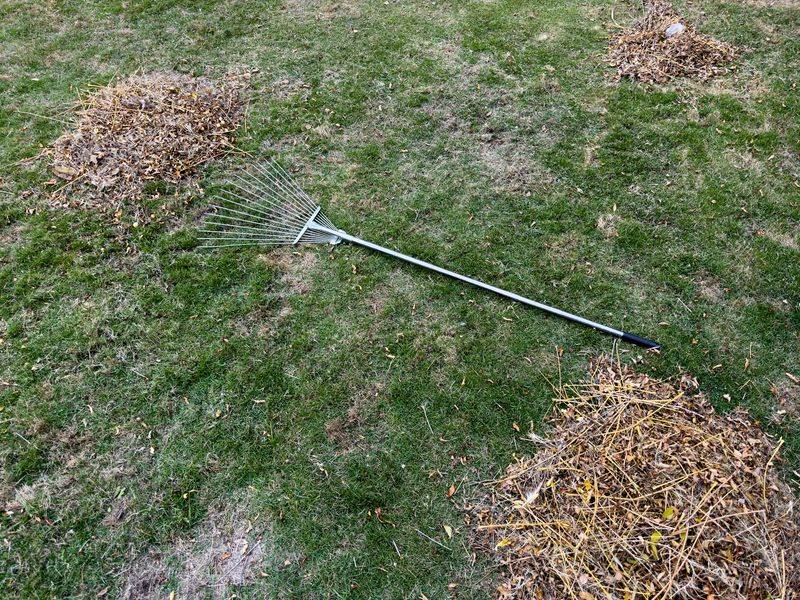
Kiddie pools, lawn chairs, and forgotten soccer balls seem harmless. Leave them on the grass all winter, though, and they leave behind sad yellow ghosts.
Anything sitting on your lawn blocks light and traps moisture. Under snow, those spots stay damp and dark for months.
Pennsylvania winters often bring heavy snow that sticks around. Grass under a buried object can turn thin, moldy, or matted by the time the snow melts.
Do a quick yard sweep in late fall. Pick up toys, hoses, tarps, and furniture, and stash them in a shed or garage.
Fallen branches and piles of grass clippings belong off the lawn too. They create hiding spots for voles, which tunnel through grass under the snow.
Plan where you pile shoveled snow as well. Avoid dumping salty snow from the driveway onto grass, since salt can scorch the edges of your lawn.
Marking the edges of your driveway with reflective stakes helps snowplows and shovelers stay on track. Fewer torn-up edges means less repair work later.
Spending an afternoon tidying up now is like tucking your lawn into bed. It wakes up rested, green, and ready for picnics instead of patch jobs.