The October Lawn Task Georgia Fescue Owners Should Not Put Off
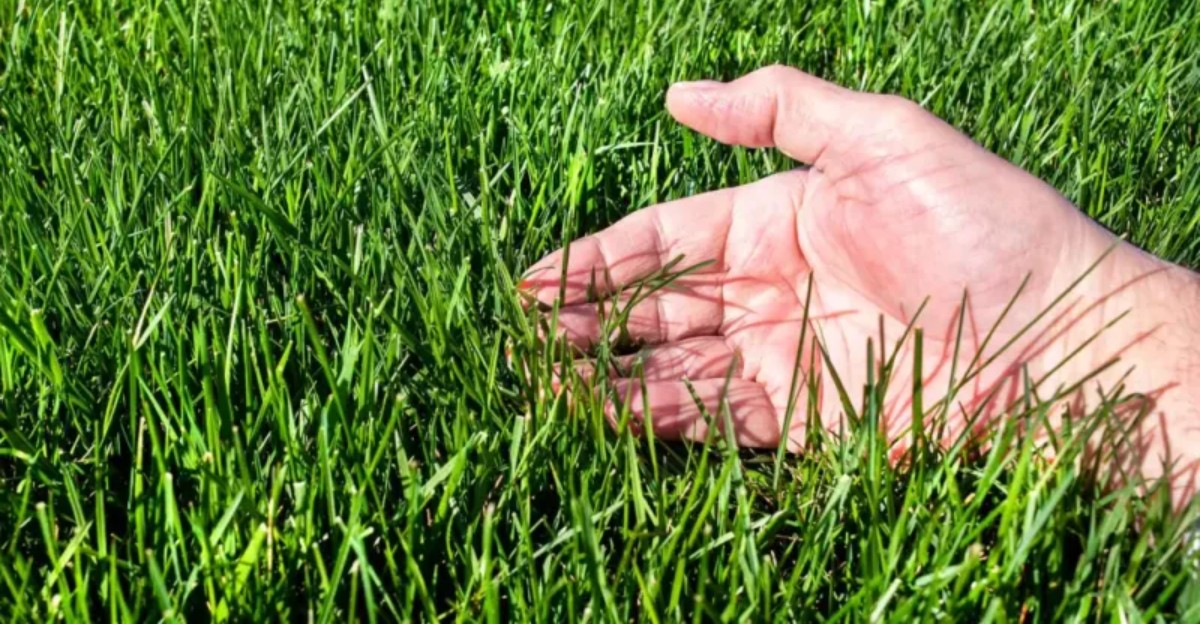
Tall fescue lawns that thinned out over summer often look their worst in early fall across Georgia. Brown patches and bare spots tend to show up after weeks of heat stress.
Cooler weather gives fescue a chance to recover, but only if it gets help at the right time.
Fall is the main growing season for this grass, and October sits right in the middle of it.
One routine task done this month can make a noticeable difference in how thick the lawn looks by spring.
Waiting until November often means cooler soil and slower results. In some parts of the state, the window starts closing sooner than many homeowners expect.
Walk your lawn this week and mark the thin areas with a few flags before they slip your mind.
1. October Gives Fescue A Valuable Window For New Growth
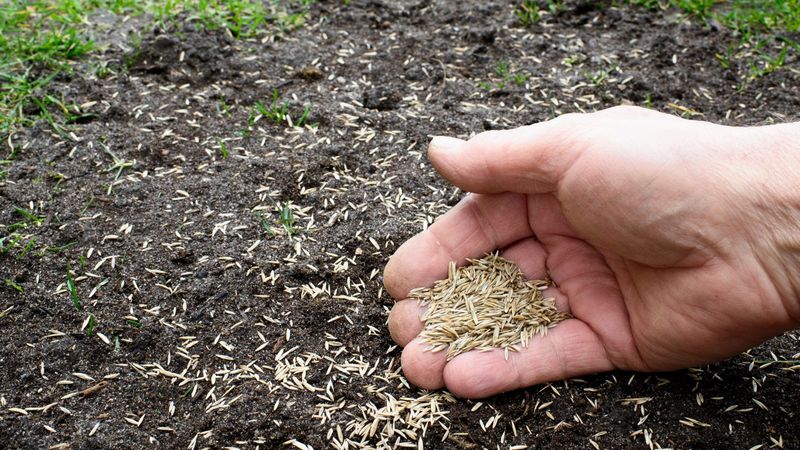
Summer is hard on fescue. Heat and humidity push this cool-season grass into survival mode, and thin or bare spots often show up by September.
Fall changes the picture in a helpful way.
Overseeding means spreading new seed over the lawn you already have, focusing on the thin and bare areas. Doing it now lines up with the season when tall fescue grows most actively.
In Georgia, Extension guidance generally points to September through mid-October as the preferred seeding period for fescue in the northern and central parts of the state.
Cooler nights help seedlings grow without the stress of summer heat. Soil still holds some warmth, which can help seed sprout faster than it would in late fall.
Mountain areas usually cool off sooner, so homeowners there may want to seed earlier in that range.
Spring seeding is possible, but it carries more risk. Young fescue planted in spring has less time to build roots before summer heat arrives.
Start by walking your yard and marking the weak spots. A soil test through your county Extension office can also show whether lime or nutrients are needed.
Choose a quality tall fescue seed blend suited to your sun and shade levels, and follow the seeding rate on the bag.
2. Thin Areas Have A Better Chance To Fill In During Fall
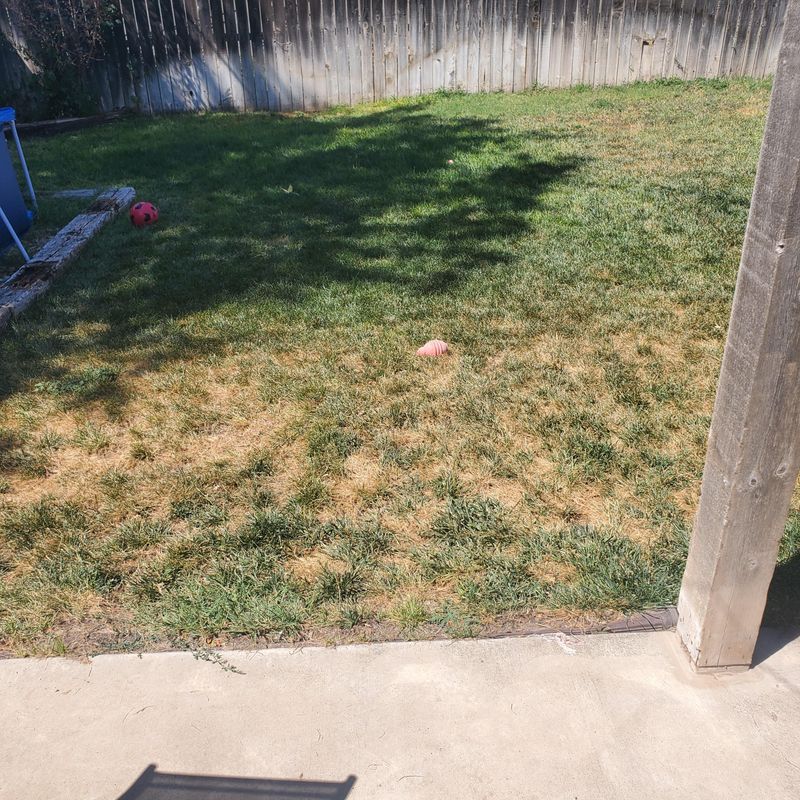
Bare dirt rarely stays empty for long. If grass does not fill a thin spot, weeds often move in first.
Fall seeding gives fescue a head start on that race.
Tall fescue is a bunch-type grass, so it spreads very little on its own. Unlike Bermuda or zoysia, it does not send out runners to cover open ground, which is why reseeding matters so much.
Cooler weather in October helps young fescue grow at a steady pace. Many summer weeds also slow down as days get shorter.
Some winter weeds, like annual bluegrass, can still sprout in fall, so a thick stand of grass is your best natural defense.
Before seeding, take a close look at why the area thinned out. Heavy shade, compacted soil, poor drainage, or disease can all play a part.
Fixing the cause first gives new seed a fairer shot. Pruning low tree limbs, for example, may let in enough light for fescue to hang on.
Your Georgia Garden Changes Every Week. Your Plan Should Too.
Gardening in Georgia changes quickly throughout the season. Every Friday you’ll receive a simple weekly plan showing exactly what to plant, prune, fertilize, harvest, and protect so you never miss the right timing.
Deep shade under dense trees can be tough for any grass in Georgia, even shade-tolerant fescue blends.
In those spots, a mulched bed or shade-loving groundcover might be the more practical choice. Being honest about each area saves seed and frustration.
3. Good Seed To Soil Contact Helps New Grass Get Established
Seed sitting on top of thatch is seed in trouble. It can dry out, wash away, or become a snack for birds before it ever sprouts.
Getting seed down onto bare soil makes a real difference.
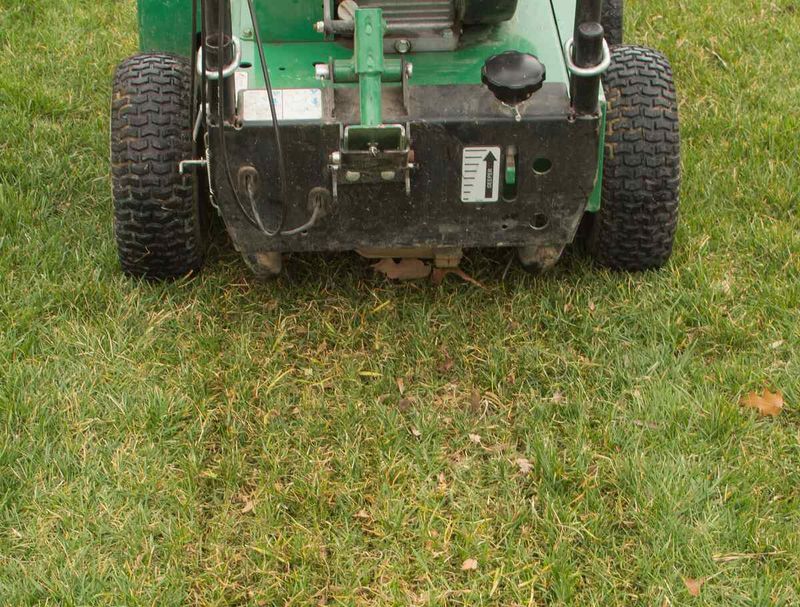
Core aeration is a popular way to prepare a fescue lawn. The machine pulls small plugs of soil, opening holes where seed can settle and roots can grow.
Georgia clay tends to pack down tightly, so aerating can also help water and air move into the ground.
Slit seeders are another option. These machines cut shallow grooves and drop seed right into them, and many rental shops carry both types.
For small patches, a sturdy garden rake works fine. Loosen the top layer of soil, spread the seed, then lightly rake again to mix it in.
Avoid burying seed too deep, since fescue seed generally needs to stay near the surface to sprout well.
Mowing a bit lower than usual before seeding can help seed reach the soil. Just bag or rake up the clippings so they do not form a mat.
Rolling the area lightly afterward is optional, but it can press seed into firm contact with the ground.
4. Keeping The Seedbed Consistently Damp Supports Germination
Dry seed is stuck seed. Fescue cannot sprout until moisture soaks into the seed coat and wakes it up.
Once it starts that process, letting it dry out can set it back badly.
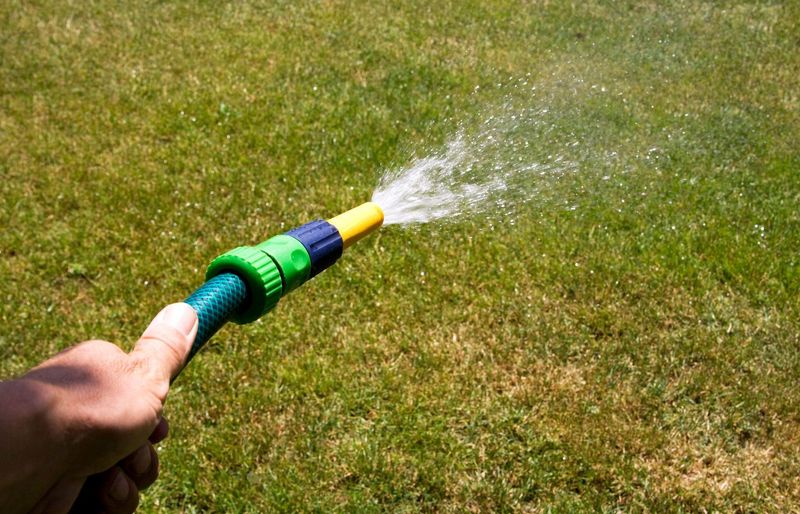
Aim to keep the top layer of soil damp, not soggy. Light, frequent watering usually works better than one heavy soaking during the first couple of weeks.
How often you water depends on your weather, soil, and sun exposure.
A sandy spot in full sun may need water more than once a day. Shaded clay soil might stay moist much longer, so check by touching the surface.
October in Georgia can bring dry stretches, so do not count on rain alone to do the job.
Fescue seed often begins sprouting within one to two weeks under good conditions. Cooler soil or dry spells can slow it down.
As seedlings grow, slowly shift your routine. Water less often but more deeply, which helps roots reach further down into the soil.
Morning watering is a smart habit, since leaves dry during the day. Grass that stays wet overnight may be more prone to fungal problems.
Watch for puddles or runoff, too, because standing water can wash seed into low spots.
5. Heavy Foot Traffic Can Disrupt Young Grass Before It Establishes
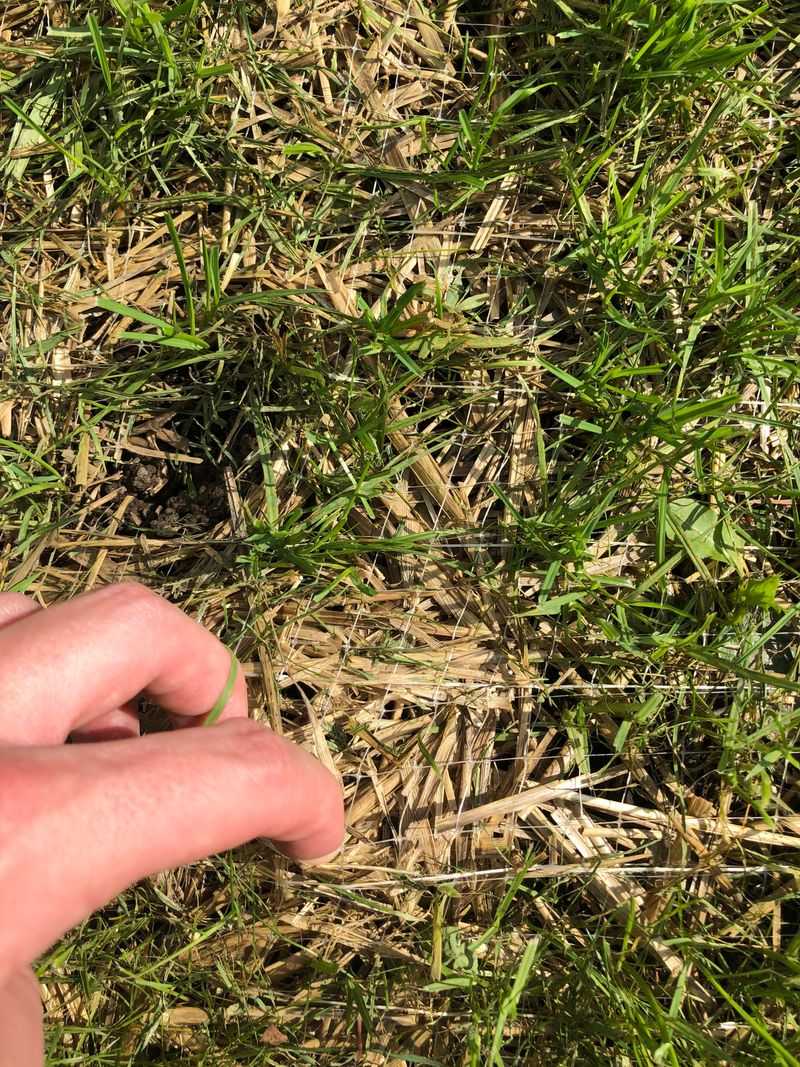
Kids, dogs, and delivery drivers all love a shortcut. Unfortunately, those shortcuts often run straight across the freshest seed in the yard.
Tender seedlings have shallow roots and soft blades that bruise or pull up easily.
Footsteps can also pack wet soil down, making it harder for roots to push through. Loose seed may get kicked around before it sprouts.
Try to keep traffic off newly seeded areas until the grass has been mowed a few times. That gives roots time to grip the soil.
Simple stakes and string can mark the zone clearly. Some homeowners add small signs or temporary fencing near busy walkways.
Pets are a bigger challenge. If your dog has a favorite running path, consider seeding that strip in sections or giving it a different route for a few weeks.
Fall in Georgia often means football games, cookouts, and leaf raking. Plan big yard gatherings for areas you did not seed, if possible.
Leaves are worth watching, too.
A thick layer of fallen leaves can block light from young grass. Gently blowing them off, or raking very lightly, helps seedlings keep getting sun without tearing them up.
6. Mowing Should Wait Until New Blades Reach A Suitable Height
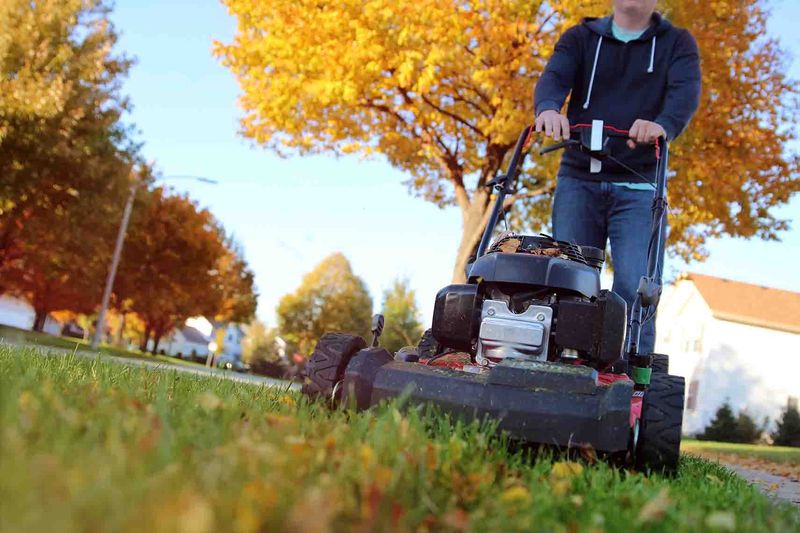
Patience pays off at mowing time. Cutting new fescue too early can rip seedlings right out of loose soil.
Let the grass grow taller than your normal mowing height before the first cut.
Georgia Extension guidance commonly suggests keeping established tall fescue around 2 to 3 inches tall, sometimes a bit higher in summer. New grass can be mowed once it grows a little past that range.
Mowing too soon is a common mistake, but waiting a bit longer is usually safe.
Sharpen the mower blade before that first pass. Dull blades tear grass tips, leaving ragged edges that turn brown and stress the plant.
Choose a day when the soil is fairly dry. Wet ground can rut under mower wheels, and soggy grass tends to clump.
Avoid removing more than about one-third of the blade height at once, a general rule that applies to most lawns.
Heavy riding mowers may be rough on tender areas, so a lighter push mower can be a gentler choice early on.
Keep mowing as needed through late fall while the grass is still growing. Fescue typically slows down as winter cold sets in, and mowing can taper off then.
7. Stronger Fall Growth Helps The Lawn Enter Winter Better Established
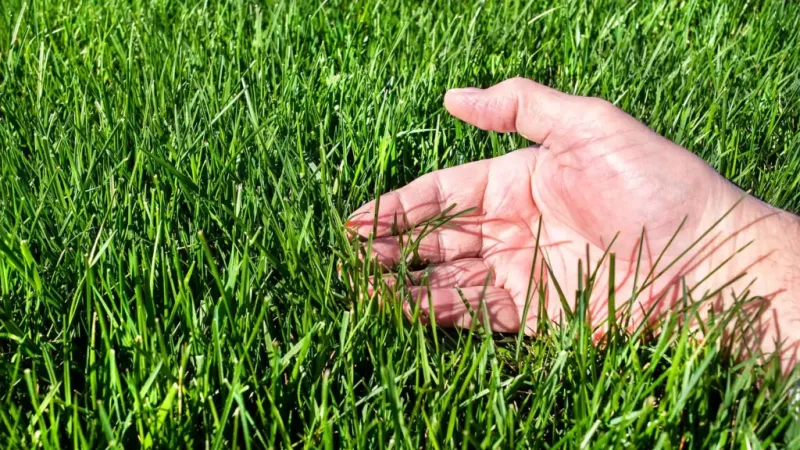
Winter is not a resting point for every lawn. Tall fescue often stays green through much of the cold season, especially in milder parts of the South.
Roots keep working underground even when top growth slows down.
Seedlings that sprout in early to mid-fall usually have more time to build roots before hard freezes. Grass seeded later may still grow, but it often enters winter weaker.
Hard cold can sometimes injure very young fescue, and the risk depends on how mature the plants are.
Feeding matters, too. University of Georgia recommendations typically favor fertilizing fescue in fall, with timing and amounts guided by a soil test.
Skip heavy feeding in late spring and summer, which can push lush growth that struggles in heat.
A well-rooted lawn going into winter often handles next summer better as well. Deeper roots can reach more moisture when hot, dry weather returns.
That said, no plan removes every risk.
Drought, disease, or an unusually rough winter can still thin parts of the lawn. Many fescue owners treat fall overseeding as a yearly or every-few-years habit, since fescue does not spread to repair itself.
With steady fall care, your yard has a much better shot at looking full come spring.