Why Ohio Gardeners Should Collect Milkweed Seeds In October
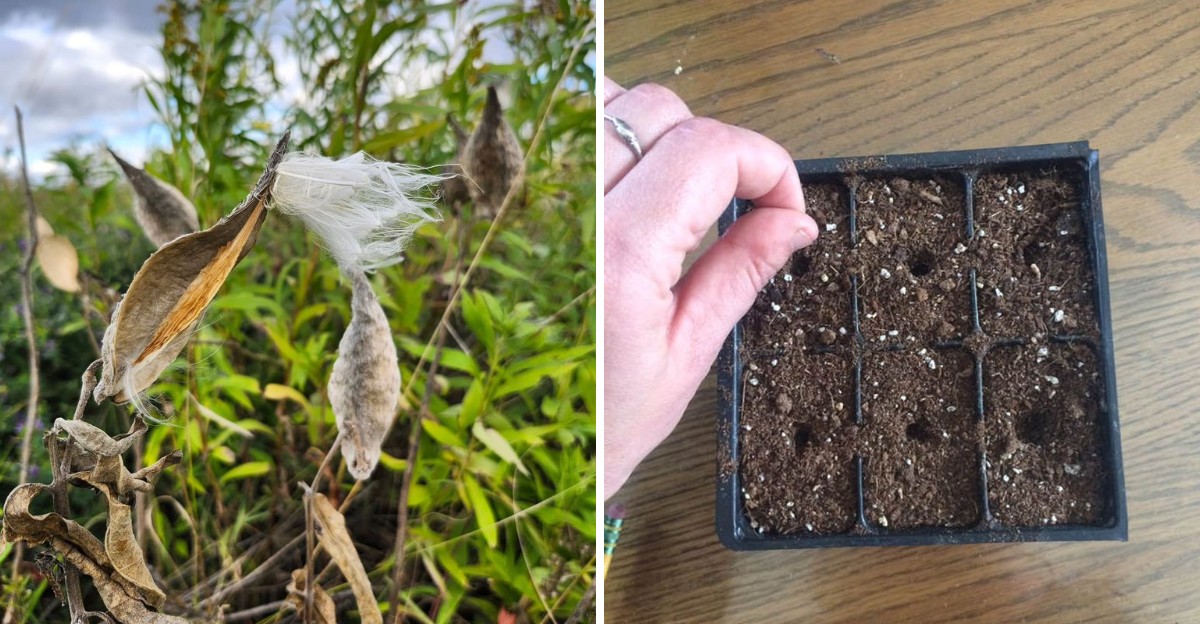
Brushing past a dry milkweed pod in October can send silky seeds drifting across the yard. Within a few weeks, many of those pods will be empty.
Collecting some of the seeds now gives you a chance to grow more milkweed for monarchs next year.
Split a pod open while it is still mostly closed, and you may find rows of flat brown seeds packed inside.
Brown seeds are the ripe ones, and timing matters more than many gardeners realize. Pods picked too early often hold pale seeds that will not sprout.
Seeds gathered in fall also line up well with the natural cold period milkweed needs before it germinates.
A handful saved from your Ohio garden this month could start a new patch of monarch host plants next spring.
1. October Brings A Chance To Save Seeds For Future Monarch Habitat
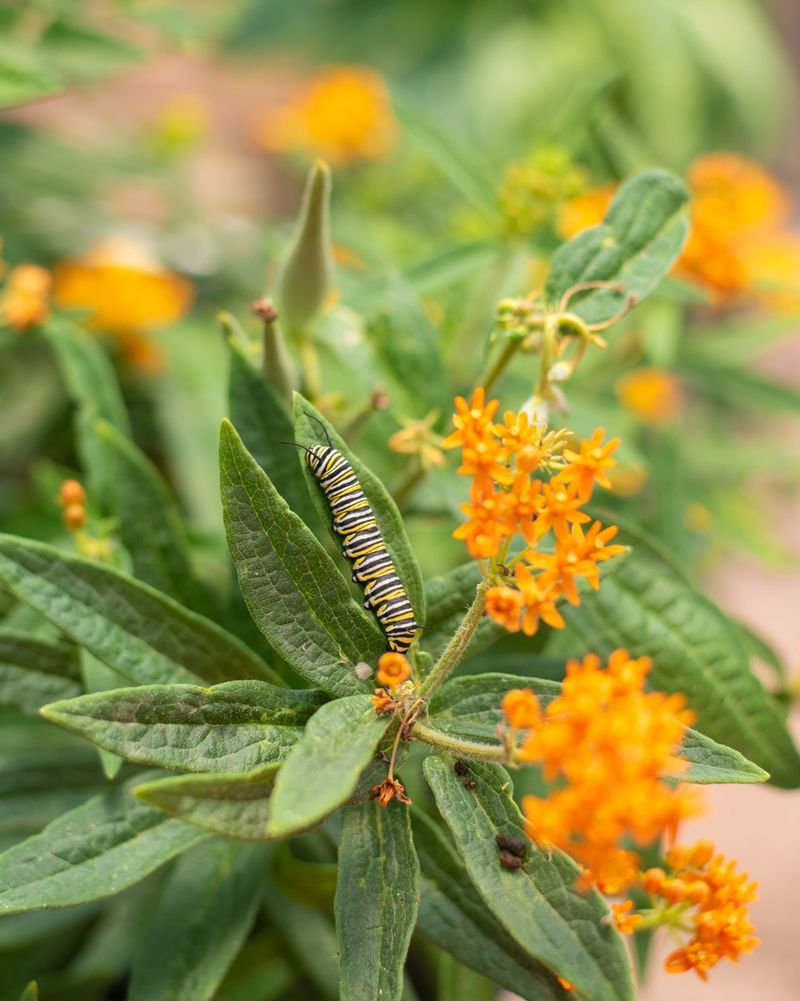
Monarch caterpillars are picky eaters, and milkweed is the only plant they can grow on. Collecting ripe seeds from native milkweed lets you grow more of those host plants right where you live.
October is often when many common milkweed pods in Ohio finish ripening, though timing shifts with the weather and the species.
Common milkweed, swamp milkweed, and butterfly weed are all native options worth saving. Each one fits a different spot, from dry sunny edges to wet ditches and rain gardens.
Start by gathering from plants you know are native and healthy.
Tropical milkweed is sold in some garden centers, but it is not native here. Many experts suggest sticking with local species, since those match the natural timing of monarch visits.
Ask permission before collecting on land that is not yours, including parks and roadsides. Some public areas have rules against removing any plant material.
A small handful of pods can hold far more seeds than one backyard needs.
Extra seeds make easy gifts for neighbors, schools, or local seed swaps. Some conservation groups also run seed collection drives each fall, so check whether one operates in your county.
Results will vary, of course, because seedlings depend on soil, sun, and care. Still, saving seeds now gives you a real head start on next year’s monarch habitat.
2. Brown Seeds Inside Pods Signal They Are Ready For Collection
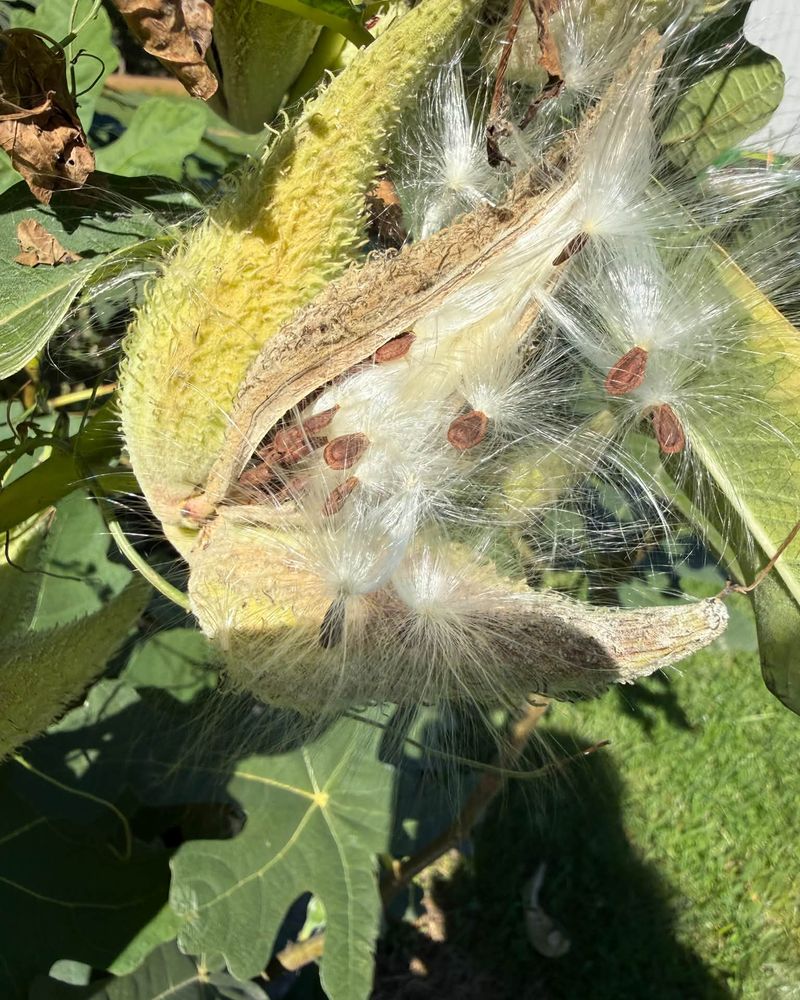
Color tells the whole story here. Ripe milkweed seeds turn a deep brown, while unripe ones stay white, cream, or pale green.
Seeds picked too early usually lack a fully formed embryo, so they may not sprout at all.
Before you snap off a pod, peek inside. Pinch the seam gently and look at a few seeds near the opening.
Brown, firm seeds mean you can go ahead.
Pale seeds mean the pod needs more time on the plant. Close it as best you can and check back in a week or so.
In my experience around Ohio, pods on the same plant rarely ripen all at once. Lower pods often mature before upper ones, so a single plant may need several visits.
A few seeds with light spots or a mottled look are normal.
Your Ohio Garden Changes Every Week. Your Plan Should Too.
Gardening in Ohio changes quickly throughout the season. Every Friday you’ll receive a simple weekly plan showing exactly what to plant, prune, fertilize, harvest, and protect so you never miss the right timing.
Shriveled, flat, or moldy seeds are a different matter, and it is best to toss those. Milkweed bugs sometimes feed on pods, which can leave seeds damaged or empty.
Checking the seed color takes only a few seconds per pod. That little habit saves you from storing a bag full of seeds that were never going to grow in the first place.
3. Pods That Split With Gentle Pressure Are Ready To Pick
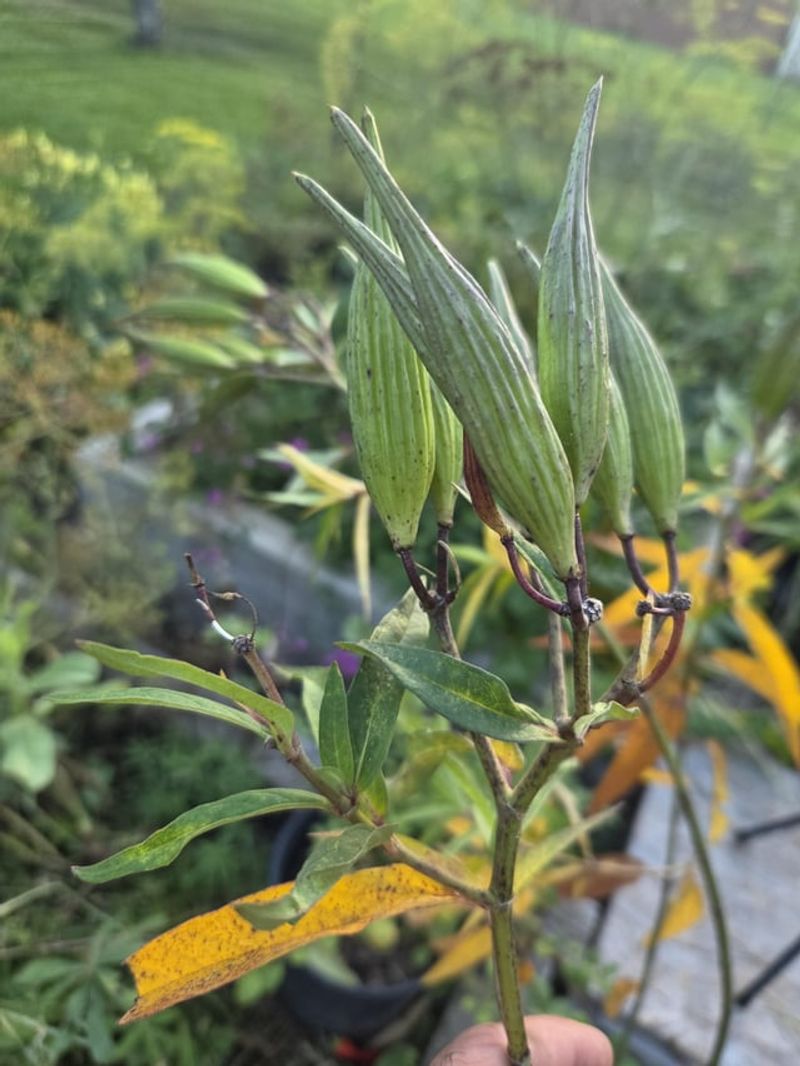
Ever pressed a pod and felt it pop open along the seam? That easy split is one of the best signs you have reached the right moment.
Ripe pods usually turn from green to yellowish or tan and start to feel dry.
Hold the pod and press lightly on the seam with your thumb. If it opens without much effort, the seeds inside are likely mature.
Forcing a tight green pod open is a common mistake.
Seeds from those pods often look pale and may not germinate well. Waiting a bit longer usually pays off.
Pods that have already burst wide open are worth a quick look too. You may still find brown seeds packed inside, though wind can carry many away fast.
Some gardeners slip a rubber band around nearly ripe pods to keep them from opening too far before collection day.
Frost timing varies a lot in this state. Northern Ohio gardens near Lake Erie sometimes stay mild later in fall, while inland and higher areas can chill sooner.
Watch your own plants rather than following a set calendar date. A walk through the patch every few days in early to mid October helps you catch pods at the right stage.
4. Paper Bags Help Keep Collected Pods From Trapping Moisture
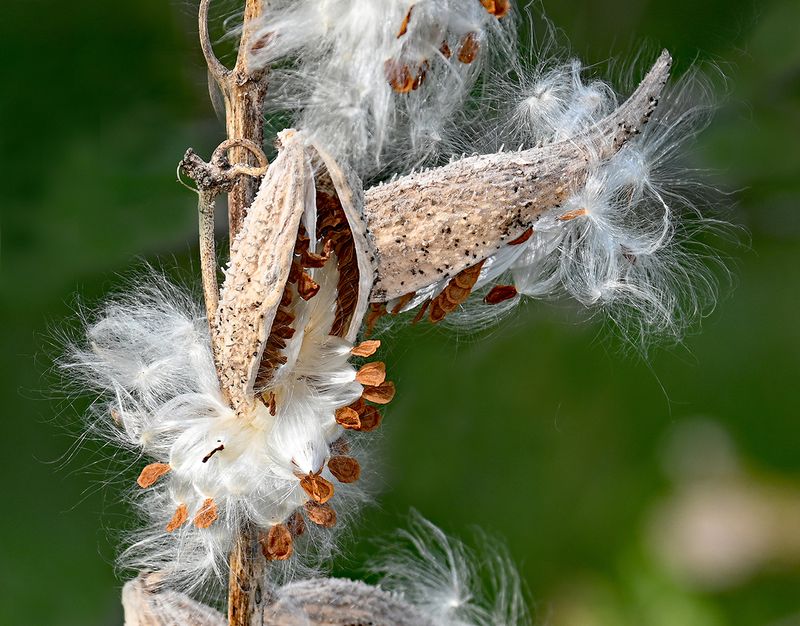
Plastic bags look handy, but they can turn a good harvest into a moldy mess. Moisture gets stuck inside, and damp pods may rot or grow fungus.
Plain paper bags breathe, which lets extra moisture escape while the pods finish drying.
Lunch sacks or grocery bags both work fine. Fold the top over loosely so seeds stay put, but air can still move in and out.
Fall weather in Ohio often brings damp mornings and rainy spells.
Picking pods in the afternoon, after dew has dried, gives you a head start. Wet pods can still be saved, though they need extra time spread out indoors.
Label each bag with the species and the date. Common milkweed and swamp milkweed seeds look quite alike once they are out of the pod.
Store the bags in a cool, dry spot away from pets and mice, such as a garage shelf or basement corner that stays dry.
Give the bags a shake every few days. Pods that are fully dry often split on their own, which makes the next step much easier.
A week or two of drying is usually enough, though humid conditions can stretch that time.
5. Separating The Silky Fluff Makes Seeds Easier To Store
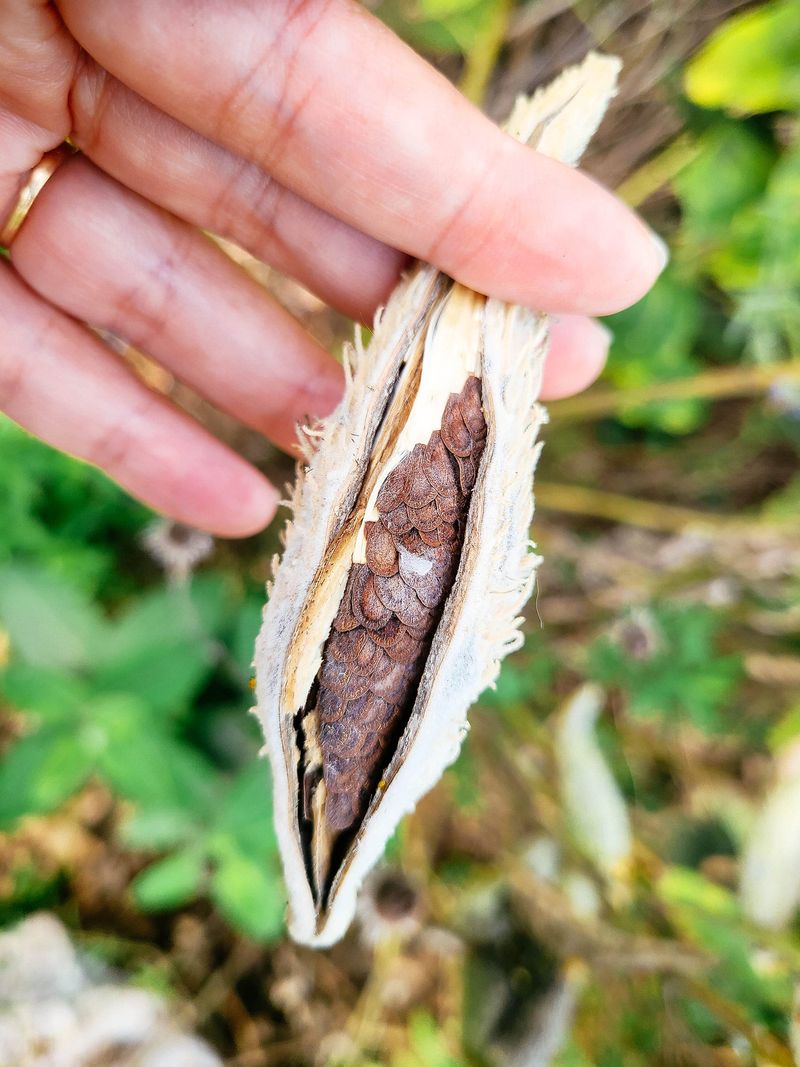
Milkweed fluff floats everywhere the second you get careless. Learning a clean way to remove it saves time and keeps your kitchen tidy.
Seeds stored without the silk take up less space and are much easier to sow later.
One simple trick works well with pods that are not yet fully fluffed out. Hold the pod by the tip, grab the bundle of seeds and silk, and gently strip the seeds off with your fingers.
Fully fluffy pods call for another approach.
Put a few pods in a paper bag with a coin or two, close it tightly, and shake hard. Seeds tend to drop to the bottom, and you can then cut a small corner to pour them out.
Working on a calm day or indoors helps a lot, since even a slight breeze can scatter silk across the yard.
Once cleaned, place seeds in a labeled envelope or small paper packet. Keep them somewhere cool and dry until you are ready to plant.
Some Ohio gardeners keep seeds in a sealed jar in the fridge over winter. Both methods can work, as long as the seeds stay dry and you plan for cold treatment before spring sowing.
6. Fall Sowing Gives Seeds The Cold Conditions Needed For Germination
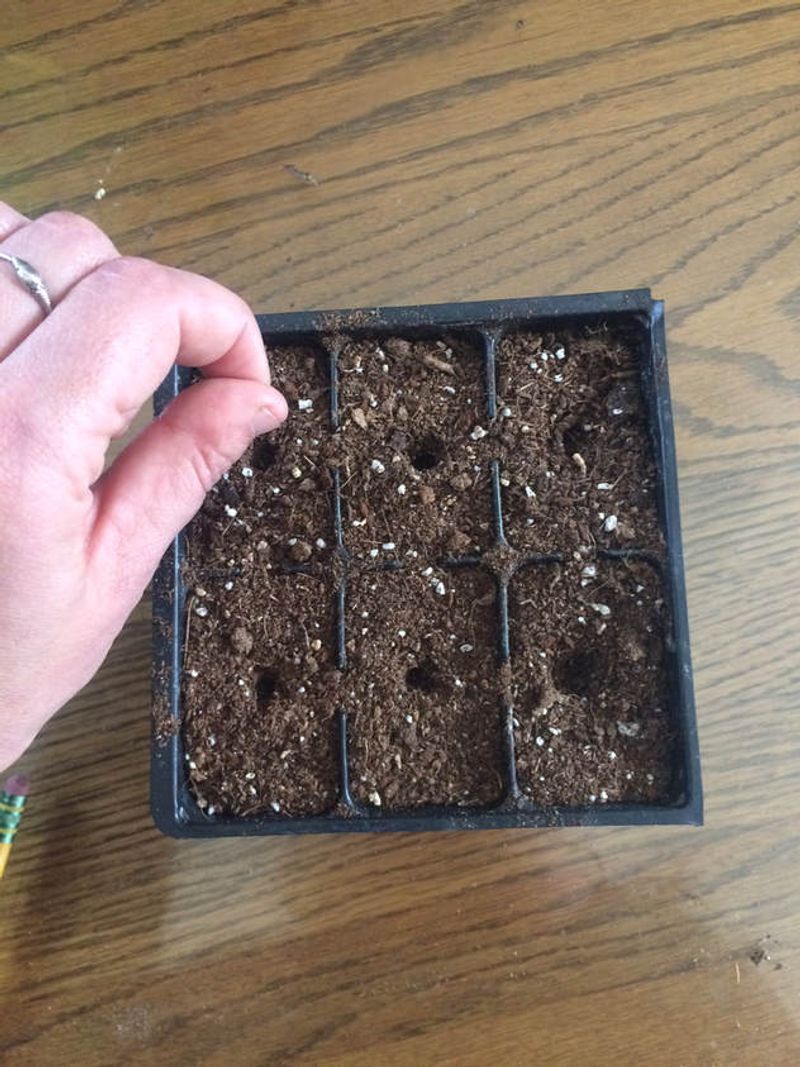
Winter does a job your fridge can only copy. Many milkweed species need a stretch of cold, moist conditions before their seeds will sprout well.
Gardeners call this cold stratification, and planting outdoors in fall lets nature handle it for free.
Pick a sunny spot with bare soil and few weeds. Scatter seeds on top, then press them in lightly or cover them with a thin layer of soil.
Late fall sowing is often suggested, once the weather has turned steadily cool.
Seeds sown during a warm spell might sprout early, and tender seedlings may not handle a hard freeze. Waiting until temperatures settle lowers that risk.
Winters in Ohio usually bring enough cold to meet the needs of native species, though mild years can be less reliable.
Birds, rodents, and heavy rain can move or eat some seeds. Sowing extra or using a light layer of shredded leaves can help, but expect some losses.
Seedlings typically appear in spring, often later than many garden plants. Mark the spot so you do not weed them out by mistake.
First-year plants are usually small, and flowers may not show up until the second year or later.
7. Leaving Some Pods Behind Allows Milkweed To Spread Naturally
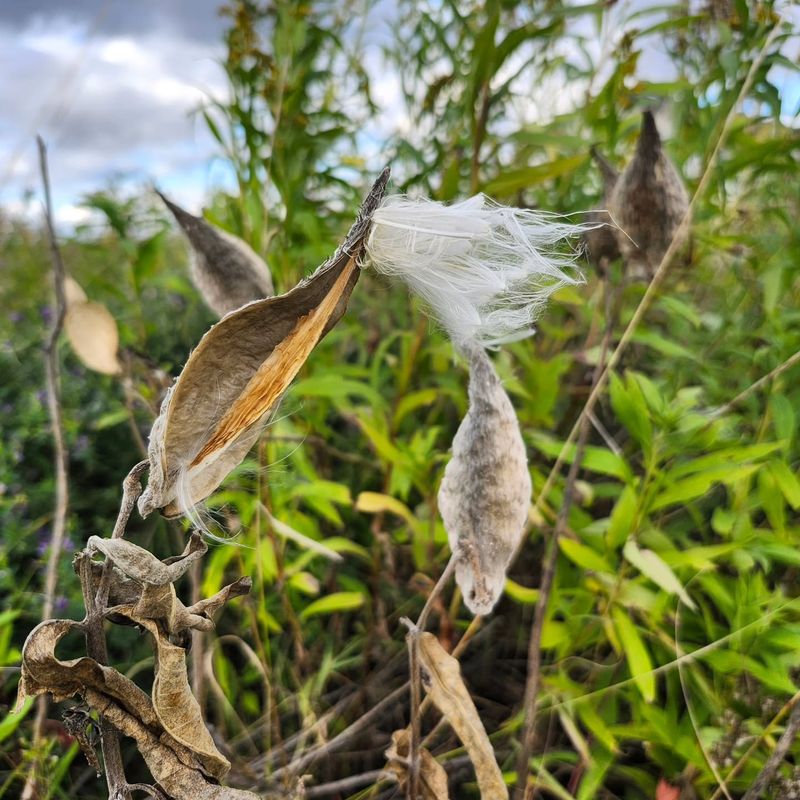
Nobody needs every pod. Leaving a share on the plant lets milkweed do what it has done for ages, drifting seeds across fields on soft white parachutes.
Natural spread helps fill nearby meadows, roadsides, and open patches where planting by hand is hard.
A common approach is to take only part of what you see and leave the rest. That way, wild populations keep a healthy supply of seed.
Wildlife benefits as well.
Some insects, including milkweed bugs, feed on the seeds, and birds may gather the silk for nests in spring. Leaving pods supports that small web of life.
Common milkweed also spreads by underground roots, so a patch can grow wider even without seeds.
That habit is great in a meadow but can be a hassle in a tidy flower bed. If space is tight, you might snip extra pods before they open or choose a less aggressive species like butterfly weed.
Across Ohio, plenty of gardeners find a balance that works. They collect enough for their own plans, share a little, and let the wind handle the rest.
Your patch, your rules, but a few open pods in the fall breeze are worth the space.