Native Ohio Ground Covers To Grow Instead Of Vinca Under Trees And Along Slopes
Vinca seemed like a practical solution. Low maintenance, evergreen, willing to spread across the difficult spots where grass won’t grow and other plants give up.
Shady slopes, dry ground under tree canopies, awkward corners that needed covering without much effort. It delivered on that promise well enough that it became a default choice in Ohio yards for decades.
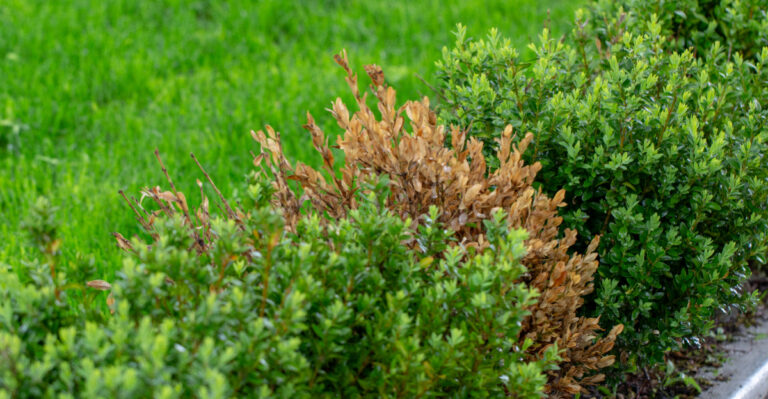
The problem accumulated quietly. Vinca minor is listed as invasive in Ohio.
It spreads beyond garden boundaries into woodland edges and natural areas, where it outcompetes the native wildflowers and ground layer plants that local ecosystems depend on. What fills that space matters more than most gardeners realize.
The ground beneath a tree and along a shaded slope is some of the most ecologically valuable real estate in a yard. Ohio has native ground covers that handle those conditions without the ecological baggage.
These plants shelter ground-nesting insects, feed early pollinators, and look genuinely beautiful doing it.
1. Wild Ginger Covers Shady Ground With Heart-Shaped Leaves
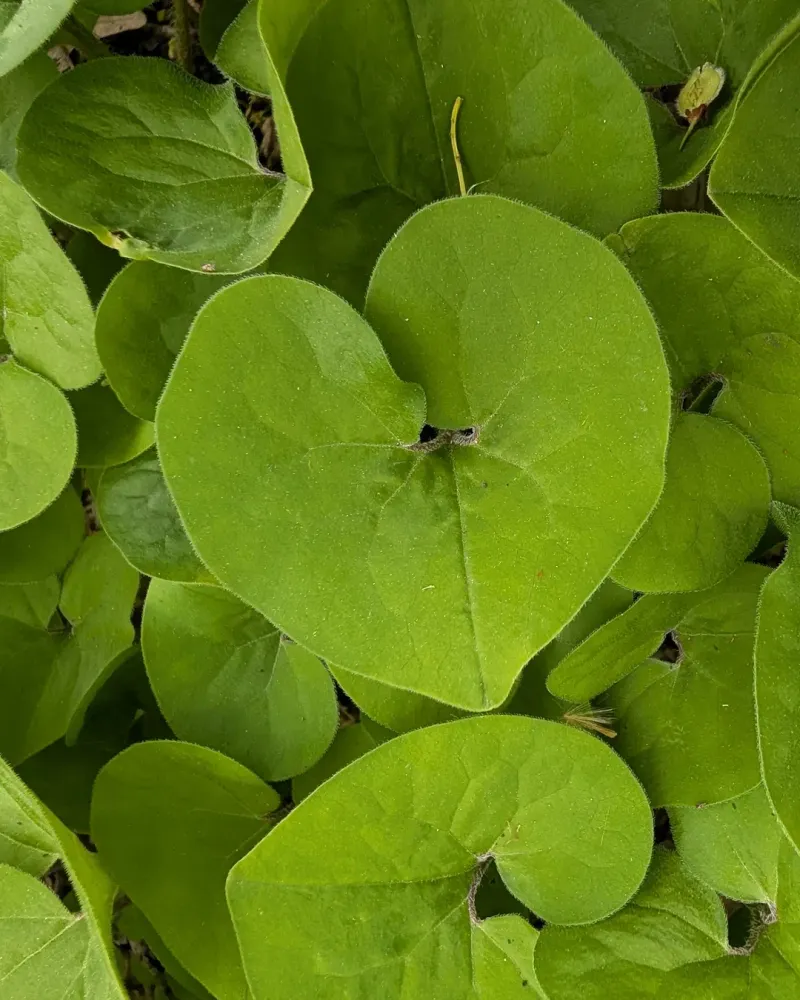
Few native plants look as lush and settled under a canopy of trees as wild ginger. Its broad, heart-shaped leaves form a low, soft carpet that feels right at home on a shaded woodland floor.
The foliage stays close to the ground, rarely topping six inches, and has a deep, rich green color that holds well through summer.
Wild ginger spreads by rhizomes, meaning it slowly creeps outward from the original planting. This is not a plant for gardeners who want quick coverage.
Expect it to fill in gradually over several years, which is actually a good thing in a well-tended bed. It is well-suited to rich, moist, well-drained soil with shade or part shade, and it does not perform well in hot, dry, or compacted ground.
Planting under trees can be tricky because of root competition and dry soil near the surface. Amend the planting area with compost before you put wild ginger in, and water it consistently through its first growing season.
Mulch lightly around plants to hold moisture, but keep it off the crowns. Early weeding matters a lot here, since wild ginger spreads too slowly to outcompete fast-growing weeds on its own.
Once it knits together, though, it creates a genuinely handsome, low-maintenance layer that fits shaded native beds beautifully.
2. Allegheny Spurge Creates A Native Evergreen Carpet
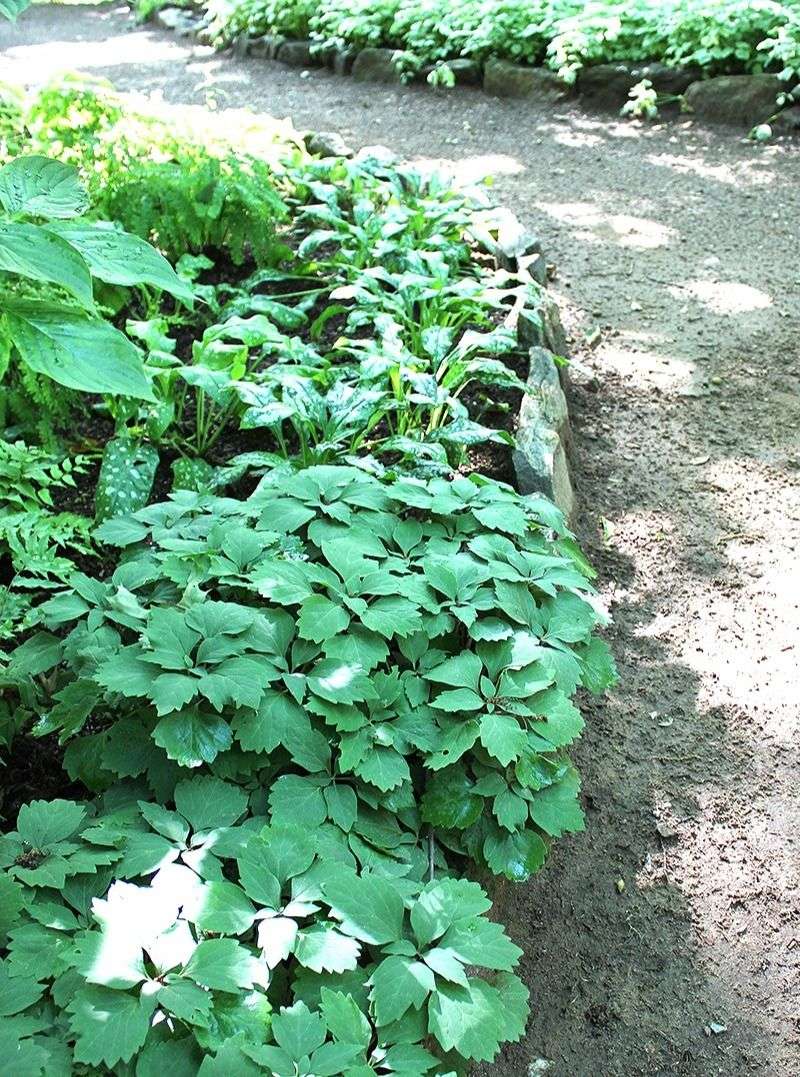
If you have been using Japanese pachysandra because you wanted a tidy, evergreen ground layer in shade, Allegheny spurge is worth a serious look.
It is the native cousin of that familiar nonnative standby, and it brings a quieter, more textured beauty to shaded beds.
The leaves are often mottled with silver-gray markings, giving it a more interesting look than its imported relative.
Allegheny spurge is native to the southeastern United States and grows well across much of this state in shade or part shade with rich, well-drained woodland soil. It behaves as evergreen to semi-evergreen depending on winter conditions.
Northern regions may see some leaf damage in harsh cold, but plants usually recover in spring. It spreads slowly by stolons and forms a low mat that rarely exceeds eight to ten inches tall.
Your Ohio Garden Changes Every Week. Your Plan Should Too.
Gardening in Ohio changes quickly throughout the season. Every Friday you’ll receive a simple weekly plan showing exactly what to plant, prune, fertilize, harvest, and protect so you never miss the right timing.
Patience is required with this plant. It does not fill in fast, and you will need to weed around it regularly during the first couple of seasons.
Space plants about twelve inches apart to encourage a reasonably tidy look as they establish. Water during dry spells in the first year, especially under trees where the soil can dry out faster than you expect.
A light layer of shredded leaf mulch helps hold moisture without smothering the foliage. Once settled, it is a genuinely handsome, low-growing native option for difficult shaded spots.
3. Green And Gold Brightens Woodland Edges In Spring
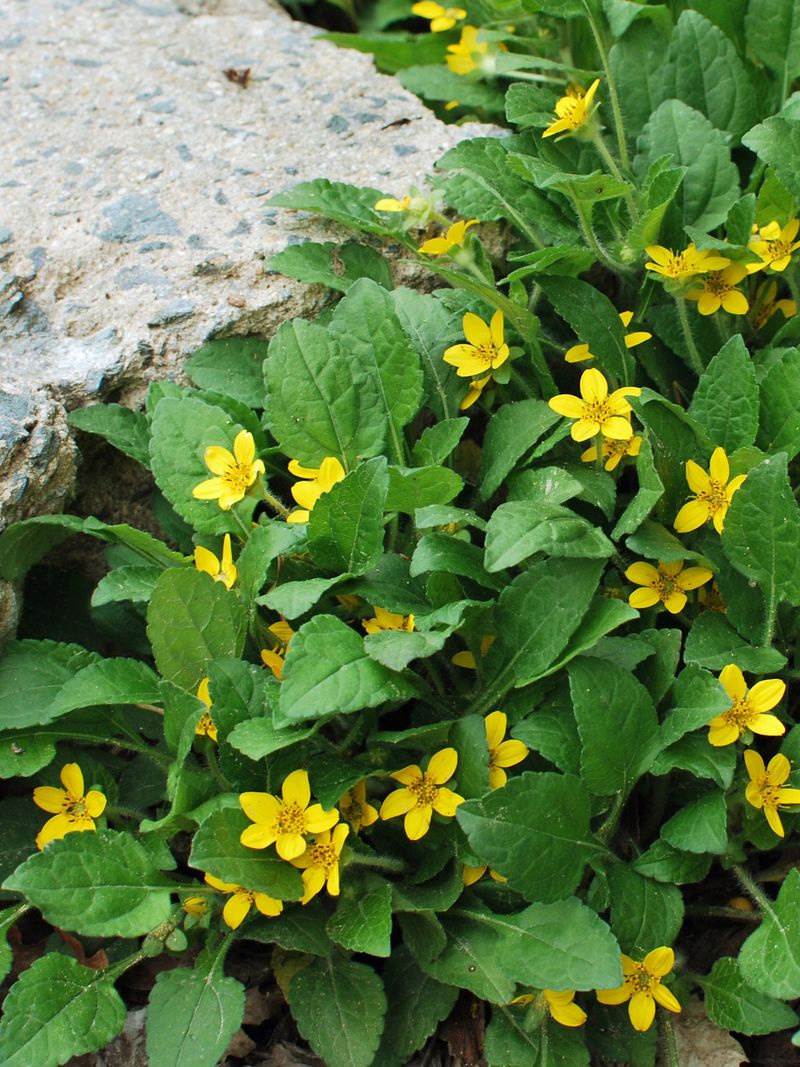
Cheerful yellow flowers in spring are not something most people expect from a shade-tolerant ground cover, but green and gold delivers exactly that.
This low Ohio native plant produces star-shaped golden blooms above a mat of small, rounded leaves, and it can rebloom sporadically into fall in good conditions.
It is one of those plants that makes a shaded edge feel genuinely alive rather than just covered.
Green and gold works best in part shade to light shade, preferably along woodland edges where it gets a bit of filtered sun. It tolerates a range of soils but performs better in well-drained, moderately fertile ground.
In overly dry, compacted, or deeply shaded spots, it can thin out and look patchy. Consistent moisture during establishment is important, and a layer of compost worked into the planting area gives it a better start.
Spacing plants about twelve to fifteen inches apart allows them to spread into each other over time. Green and gold spreads by stolons and can form a reasonable patch in the right conditions, though it is not an aggressive spreader.
Weeding is necessary in the early seasons before it fills in. It also has some value for native bees during its bloom period, which adds another reason to include it in a native bed.
This plant works best where gardeners want a bit of color along a shaded front edge, not in deep dry shade under dense tree canopy.
4. Foamflower Softens Shady Slopes With Native Foliage
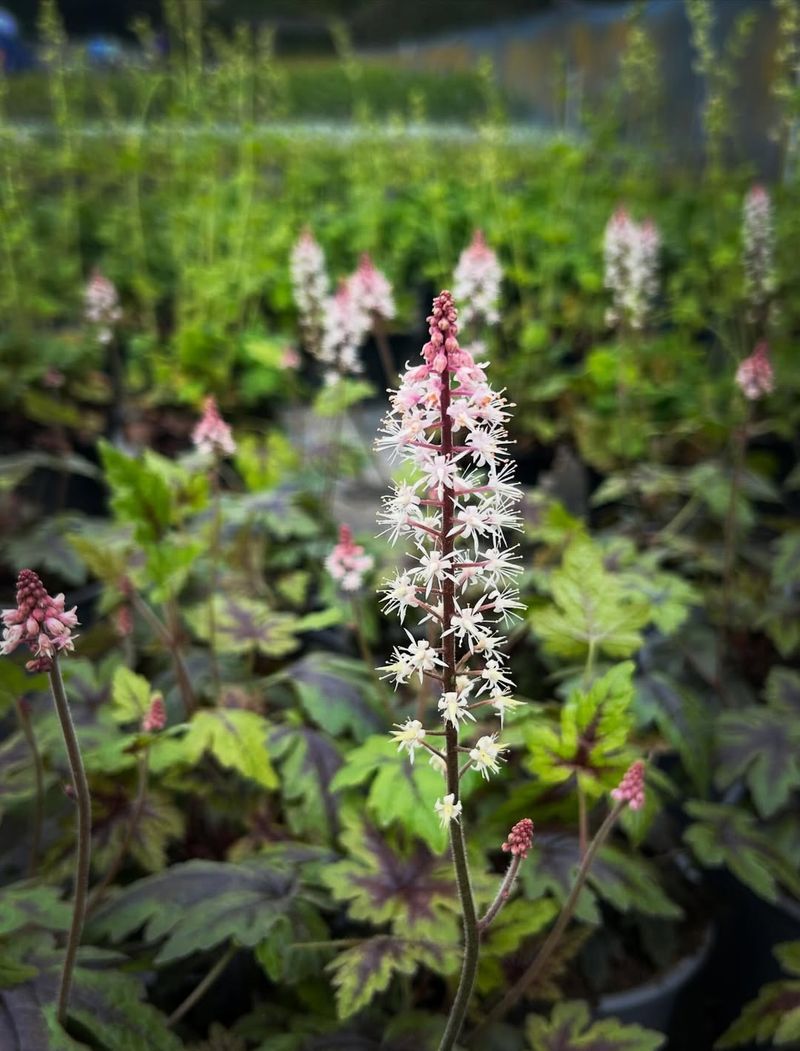
Walk through a healthy native woodland in spring and you might spot foamflower tucked along a shaded bank. Its delicate white flower spikes rise above a low mat of lobed leaves.
That image captures what this plant can bring to a shaded slope or under-tree planting in a home garden. The foliage is attractive even without flowers, with interesting leaf shapes and sometimes reddish veining that adds texture through the growing season.
Foamflower prefers humus-rich, evenly moist, well-drained soil with consistent shade or part shade. It is not a plant for hot, exposed slopes or dry, compacted ground under a dense canopy.
If the soil under your trees bakes dry in summer, foamflower will struggle. Amending with compost and maintaining consistent moisture during establishment gives it the best chance of settling in well.
Plants spread by stolons and can form a soft, low mat over time. Space them about twelve inches apart and expect a couple of seasons before they begin to knit together into a cohesive patch.
Weeding is essential early on because foamflower spreads gently, not aggressively, and weeds will take advantage of open ground. A light mulch of shredded leaves helps hold moisture and mimic the leaf litter it naturally grows in.
Foamflower is especially well-suited to shaded slopes where the soil stays reasonably moist and tree root competition is not too severe.
5. Wild Stonecrop Handles Sunny, Rocky Slopes
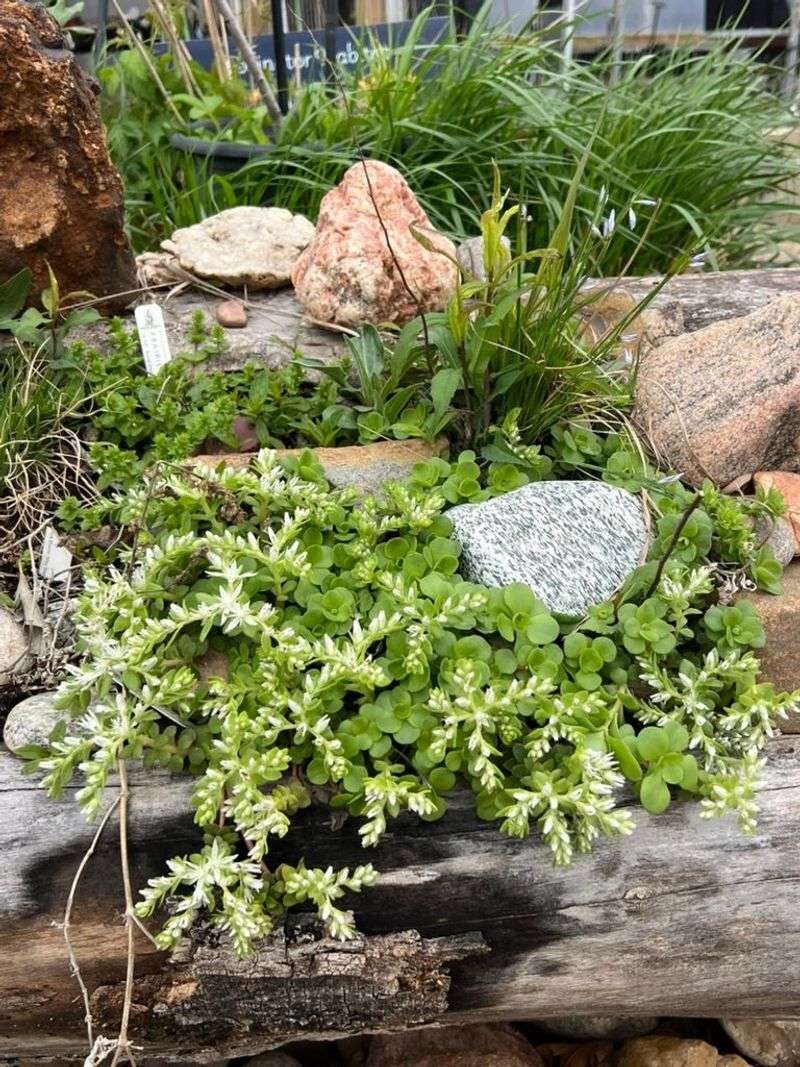
Sunny, rocky slopes are some of the toughest spots in any yard. The soil drains fast, the surface heats up quickly, and most ground covers that love shade and moisture simply refuse to cooperate.
Wild stonecrop is one of the few native plants genuinely suited to these conditions. It brings a quiet charm to dry edges, rock gardens, and stony pockets that most other natives cannot handle.
This is a low, mat-forming native succulent with small, rounded leaves arranged in rosettes and clusters of tiny white star-shaped flowers in spring. It is native to woodland rock outcroppings and streamside ledges across much of the eastern United States.
It adapts well to leaner, well-drained garden soils in sun to part shade. The key word here is drainage.
Heavy, wet, clay-heavy soil is not where this plant belongs.
Wild stonecrop should not be treated like a shade-loving woodland plant. It needs more light than vinca and will not perform well under dense tree canopy.
Plant it on sunnier edges, rocky banks, or drier slope pockets where drainage is sharp. Space plants about eight to twelve inches apart and water during the first growing season until roots are established.
After that, it handles dry spells reasonably well. Early weeding is still necessary because the plant spreads slowly at first and bare soil will attract weeds before coverage fills in.
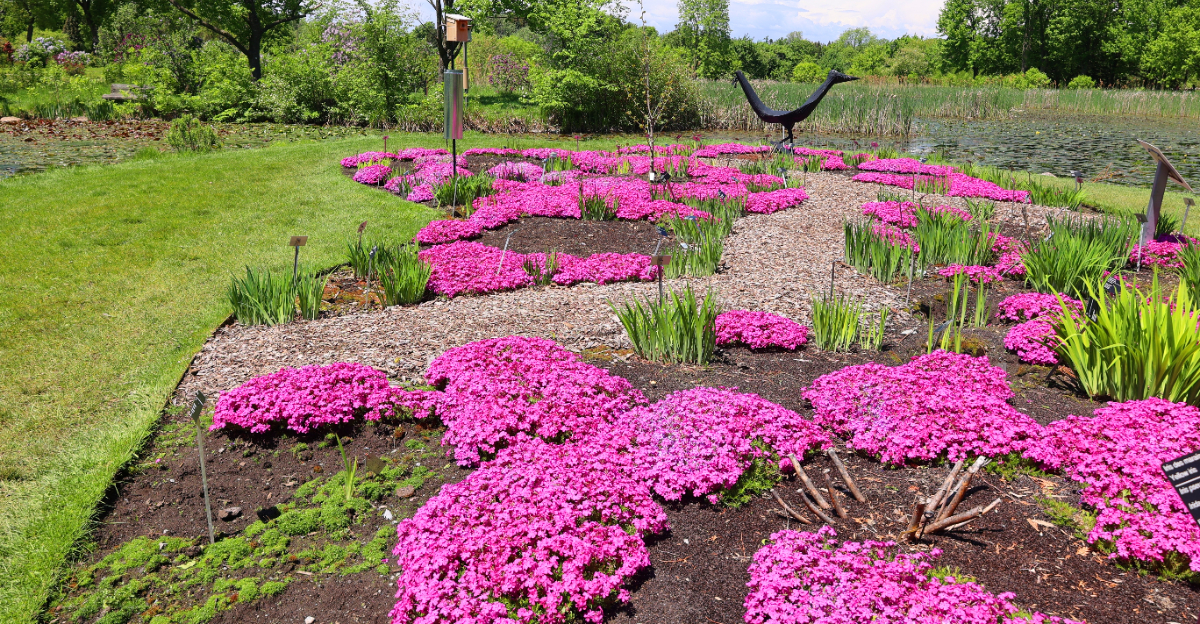
6. Creeping Phlox Spills Color Across Sunny Edges
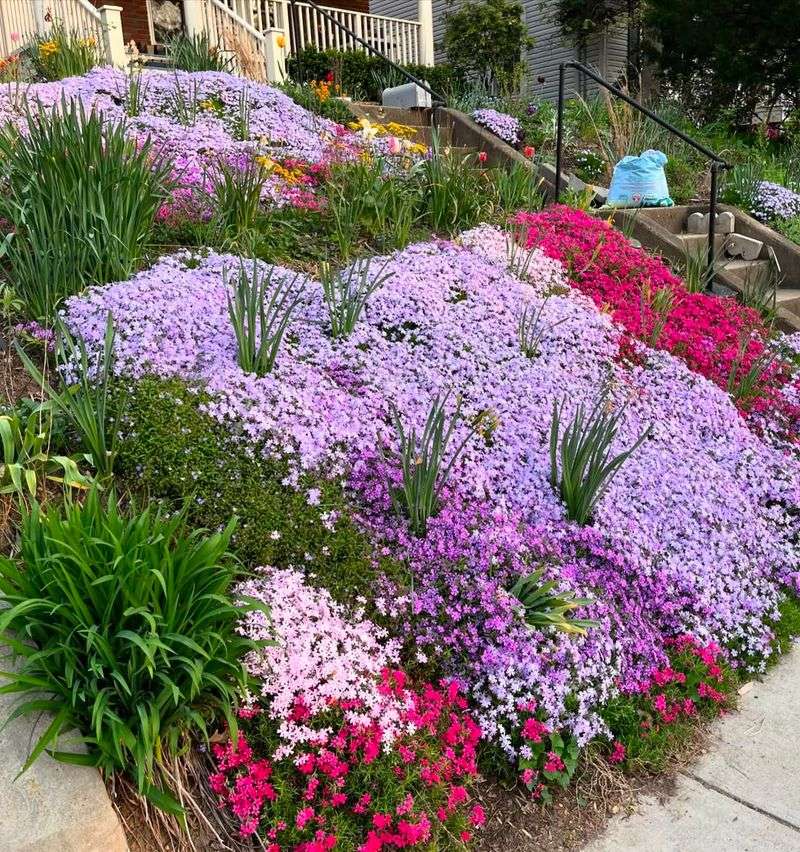
There is a moment every spring when a well-planted slope covered in creeping phlox looks almost unreal. The low mat of needle-like foliage disappears completely under a flood of pink, lavender, or white blooms.
The effect along a rock wall or sunny bank is genuinely striking. For gardeners who want color on a slope rather than just a leafy green layer, creeping phlox earns its place.
Creeping phlox needs sun and sharp drainage to do well. It is not a woodland plant and should not be tucked under trees in heavy shade or planted in wet, heavy soil.
Those conditions will cause it to thin out and look ragged over time. It performs best on sunny slopes, along front edges, over rock walls, and in well-drained borders where it gets at least six hours of direct light.
After blooming, the foliage stays low and somewhat evergreen, providing year-round texture on a slope. Shearing plants lightly after flowering helps keep them tidy and encourages denser growth.
Space plants about twelve to eighteen inches apart and water regularly during the establishment period, especially in the first summer. Slopes dry out faster than flat beds, so do not assume rainfall alone will carry new plantings through a dry stretch.
Once rooted in, creeping phlox is fairly resilient and adds real seasonal appeal to spots where a leafy woodland carpet would never survive.
7. Pennsylvania Sedge Forms A Soft Lawn-Like Sweep
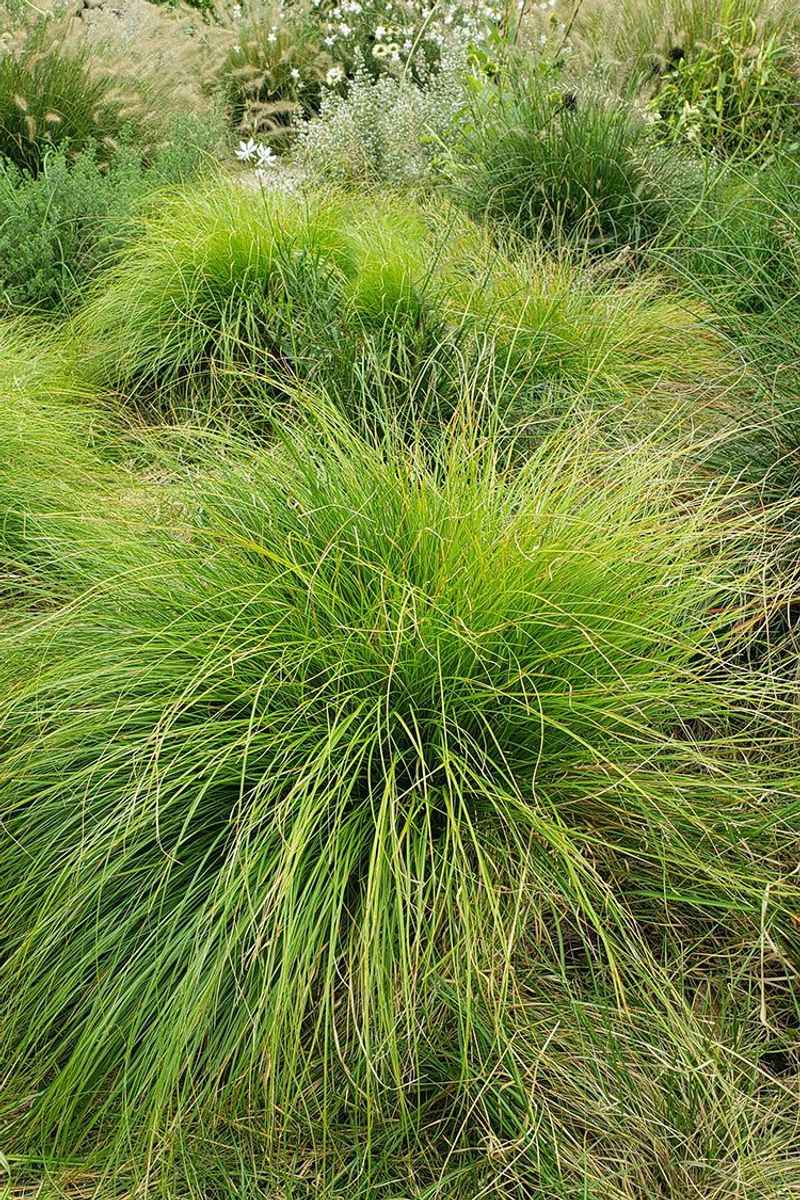
Dry shade under mature trees is one of the hardest problems in a home landscape. Tree roots pull moisture from the soil, the canopy blocks rain, and most traditional ground covers simply give up.
Pennsylvania sedge is one of the better native options for exactly this kind of spot. It brings a soft, grass-like texture that can make a shaded yard feel much more finished.
This low-growing native sedge reaches about six to ten inches tall and forms a loose, arching sweep of fine-textured foliage. It is native to dry to moderately moist woodland soils across much of the eastern United States and is well-suited to shade or part shade.
It can handle the root competition and drier conditions found under established trees better than most woodland wildflowers. It still benefits from decent soil and some moisture during establishment.
Pennsylvania sedge is not a turfgrass and should not be mowed on a regular schedule or treated with lawn care products. It works best as a naturalistic, low-maintenance ground layer rather than a manicured lawn substitute.
Plant plugs about six to eight inches apart for reasonably dense coverage, though expect the planting to take a full season or two to knit together into a cohesive sweep. Water plugs regularly through the first growing season.
Some weeding will be needed while gaps remain between plants. Once established, it holds its own in dry shade reasonably well.
8. Barren Strawberry Covers Slopes With A Low Native Mat
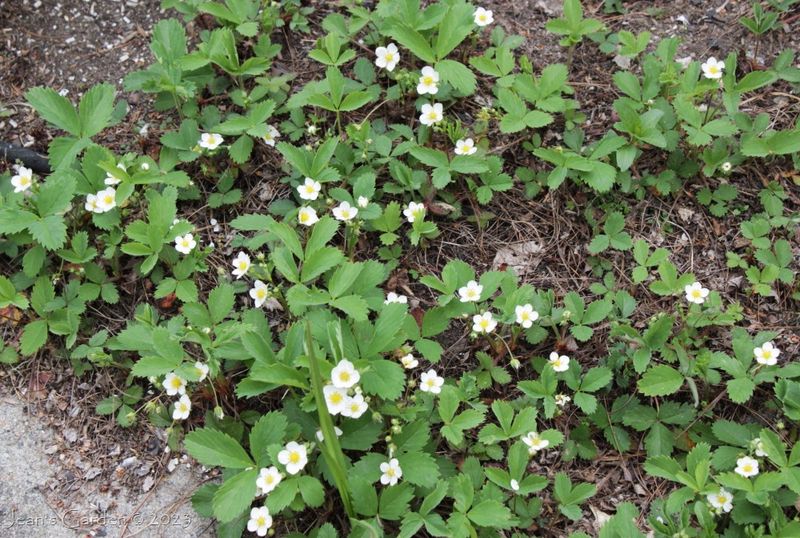
The name barren strawberry sounds a little disappointing, but do not let it fool you. Yes, it looks like a strawberry plant, with similar three-part leaves and a low, spreading habit.
No, it does not produce berries you can eat. What it does produce is cheerful yellow flowers in spring, tidy foliage through the season, and a reliable low mat.
That mat works on slopes and edges where you need something better-behaved than an aggressive vine.
Barren strawberry is native to rocky woodlands and slopes in the eastern United States and grows well in sunny to partly shaded spots with well-drained soil.
It is more tolerant of drier conditions than foamflower or wild ginger, which makes it a useful option for slopes that do not stay evenly moist.
The foliage is semi-evergreen, holding through mild winters and providing some year-round ground coverage in many parts of the state.
Space plants about twelve inches apart and water consistently through the first growing season. Slopes dry out faster than level ground, so check soil moisture regularly during dry stretches.
Weeding is necessary until plants spread enough to reduce open soil. Barren strawberry spreads at a moderate pace by runners, filling in gradually without becoming invasive.
It is especially useful where gardeners want a low, tidy native mat along a front slope or sunny edge. It gives that coverage without resorting to nonnative vines or aggressive spreaders that are harder to manage over time.