Why You Should Never Leave Your Michigan Compost Pile Uncovered During Fall Rain
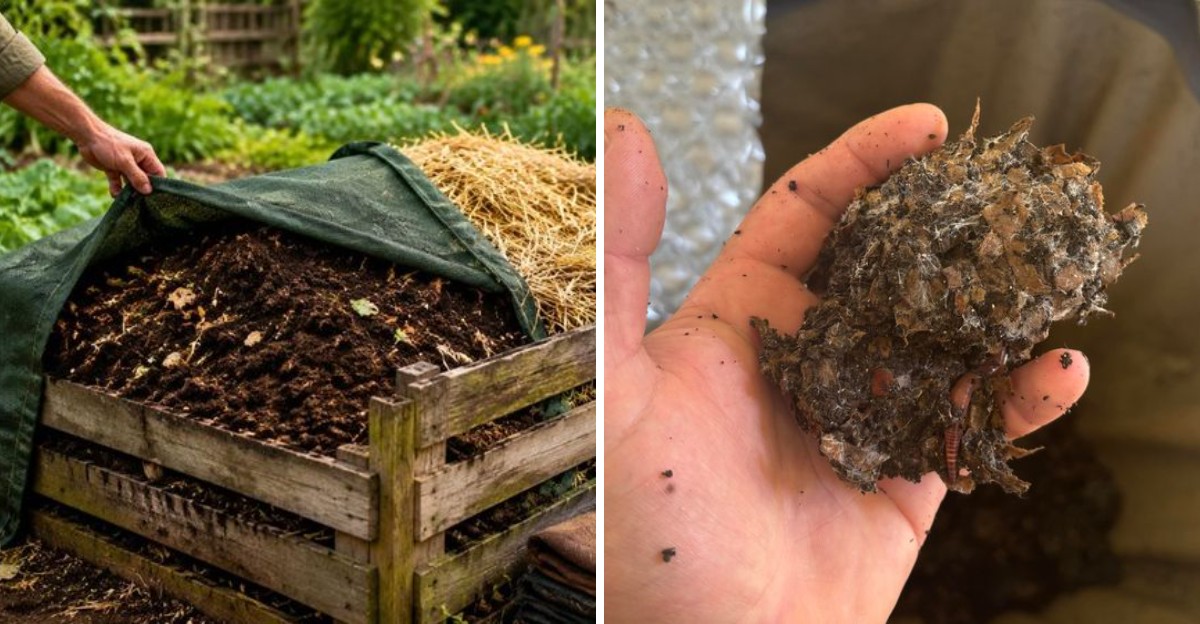
A compost pile left uncovered during fall rains is quietly losing everything you spent all summer building.
The nitrogen washes out, the pile turns cold and sour, the critters move in, and by January the whole thing is frozen solid and completely useless until May.
Most gardeners have no idea this is happening because the pile looks perfectly fine from a distance. It is only when spring arrives and the finished compost turns out thin, patchy, and frankly a little disappointing that the connection gets made.
A tarp costs almost nothing. A piece of plywood costs nothing at all.
And either one, weighted down against Michigan’s blustery October wind, can mean the difference between rich, dark, garden-ready compost and a soggy mess that needs another whole season to recover.
1. Fall Rain Washes Away Precious Nutrients
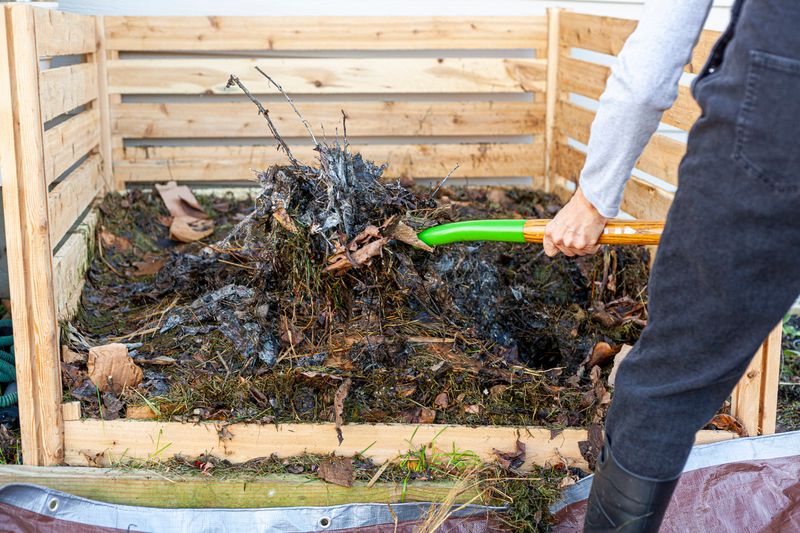
Think of your compost as a tea bag sitting in a cup. Every heavy Michigan shower pours more water through it, and the good stuff flows right out the bottom.
Nitrogen and potassium dissolve easily in water. When rain soaks the pile again and again, those nutrients wash into the soil beneath it instead of staying where your garden needs them.
Fall typically brings two to three inches of rain per month on average, with some regions receiving more depending on location and weather patterns. That adds up to a lot of rinsing over a single season.
Gardeners who test leached compost often find it holds far less nitrogen than covered piles. The finished product may look fine, yet it feeds your tomatoes much less than you expect.
So what can you do about it? A simple tarp, an old shower curtain, or a piece of scrap plywood will shed most of the water.
Leave a few gaps so some air can still move through. You want the pile damp, not drenched.
Another trick is to place your bin on a layer of straw or wood chips. That bottom layer catches some of the runoff and holds onto nutrients that slip through.
Farmers once called the dark liquid draining from manure piles black gold. Keeping it in your compost means keeping that treasure for your own garden beds next spring.
2. Soggy Piles Turn Sour And Smelly
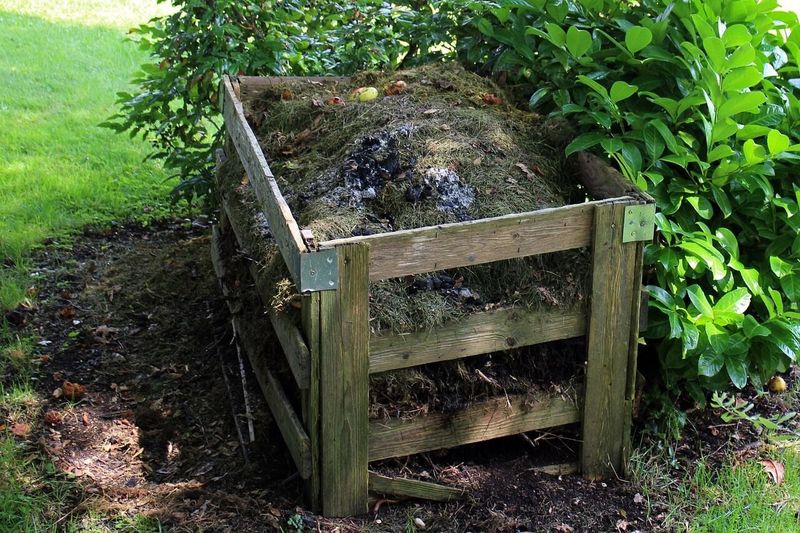
Ever opened a lunchbox left in a hot car? A waterlogged compost pile can smell surprisingly close to that, and your neighbors will notice too.
Healthy compost needs oxygen. The tiny microbes that break things down breathe air, just like we do.
When steady rain fills every gap in the pile, air gets pushed out. A different crew of microbes takes over, and those guys work without oxygen.
Their byproducts smell like rotten eggs, vinegar, or sour milk. Some even release methane, a gas that warms the planet faster than carbon dioxide.
Matted grass clippings and food scraps are the worst offenders. They clump into a slimy layer that water and air can barely pass through.
Covering the pile is your first defense. Your second is mixing in plenty of dry browns like shredded leaves, cardboard, or straw.
Your Michigan Garden Changes Every Week. Your Plan Should Too.
Gardening in Michigan changes quickly throughout the season. Every Friday you’ll receive a simple weekly plan showing exactly what to plant, prune, fertilize, harvest, and protect so you never miss the right timing.
Michigan yards are packed with maple and oak leaves each fall, so you have a free supply right outside. Shred them with a mower before adding them for faster results.
If your pile already stinks, do not panic. Turn it with a pitchfork, fold in dry leaves, and cover it up.
Within a week or two, that sour smell usually fades into the earthy scent of a forest floor. Your nose and your neighbors will both thank you.
3. Cold Water Chills Your Compost Heat
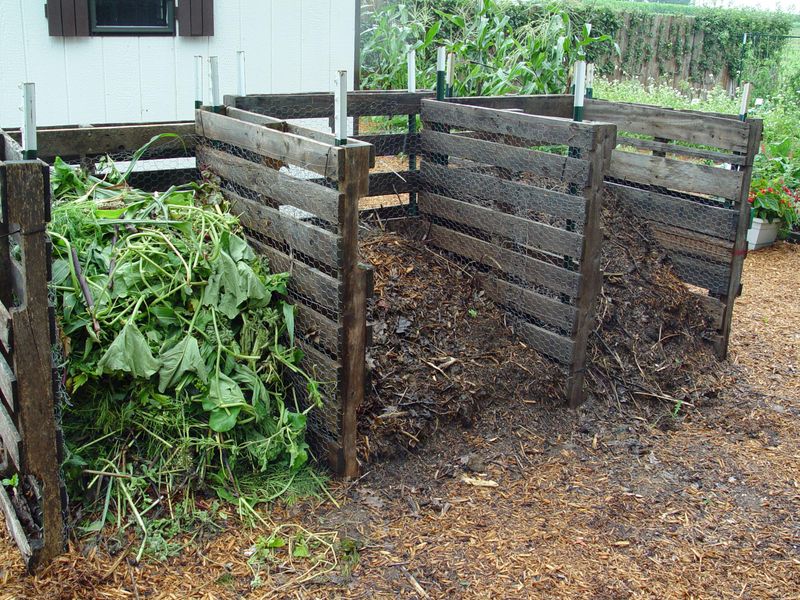
Here is a number worth remembering: 131 to 160 degrees Fahrenheit. That is the active temperature range a well-managed compost pile can reach, even on a crisp fall day.
Heat comes from microbes munching through scraps. The warmer they stay, the faster your kitchen waste turns into garden-ready soil.
Fall rain in Michigan is cold, often in the 40s by late October. Each soaking pulls warmth out of the pile like an ice pack on a fever.
Wet materials also hold onto cold longer than dry ones. Once a pile chills down, the microbes slow to a crawl and decomposition nearly stalls.
A covered pile keeps that cozy center going for weeks longer. Many gardeners report active heat into November when they protect their bins.
Want to check on yours? A long compost thermometer costs about the same as a pizza and slides right into the middle.
To hold heat even better, make your pile at least three feet wide, tall, and deep. Smaller piles lose warmth quickly no matter what you do.
Some folks pack bags of leaves around the outside as insulation. Others use straw bales to build a snug little fort.
Hot piles also help break down weed seeds and many plant pathogens. So keeping things warm means cleaner compost when spring finally arrives.
4. Runoff From Compost Can Harm Nearby Water
Living in Michigan means living near water. With more than 11,000 inland lakes and the longest freshwater shoreline in the country, most of us are never far from a stream, pond, or storm drain.
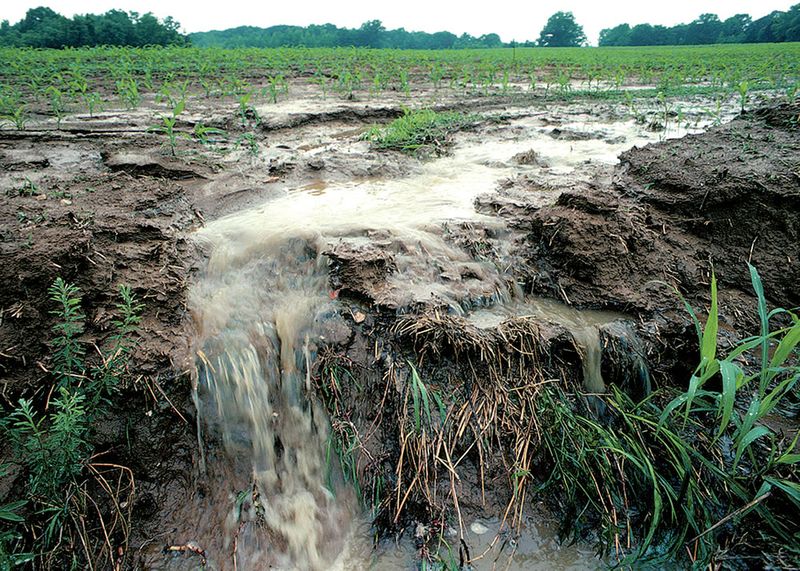
That closeness brings a hidden concern. Rain that soaks an open compost pile can carry extra nutrients downhill toward those waters.
Phosphorus and nitrogen sound harmless, and in the garden they are great. In lakes, though, too much of them feeds algae blooms.
Those green, soupy blooms can steal oxygen from fish and make beaches unsafe for swimming. Lake Erie has struggled with them for years, partly because of nutrient runoff.
One backyard pile will not ruin a lake. Thousands of uncovered piles across a watershed, however, can add up.
Covering your compost cuts down on runoff in a big way. It is a small step that helps protect the places where your family fishes, kayaks, and swims.
Placement matters too. Keep your bin at least 50 feet from wells, ditches, and shorelines if you can.
A ring of grass or shrubs around the pile works like a sponge. Those plants soak up nutrients before they wander too far.
Many local conservation districts offer free tips on lake-friendly yard care. Giving them a call is an easy way to learn even more.
5. Uncovered Piles Freeze Into Solid Blocks
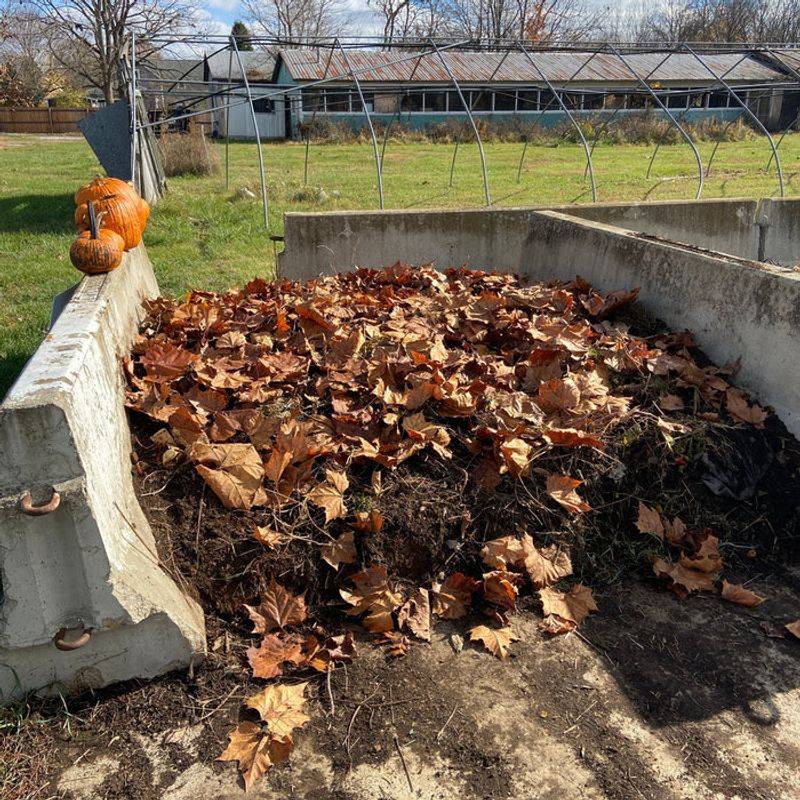
Ask any longtime gardener up north and you will hear the same story. They tried to turn their compost in January, and the pitchfork bounced right off.
A rain-soaked pile is basically a giant ice cube waiting to happen. Michigan winters bring plenty of nights well below freezing, sometimes for weeks straight.
Water expands as it freezes. In a soggy heap, that turns loose scraps into a rock-hard lump that nothing can break through.
Frozen compost does not decompose at all. Microbes go dormant, and your pile sits there untouched until the spring thaw.
Even worse, a big frozen block takes ages to melt. You might wait until May before you can work with it again, missing early planting time.
Drier piles behave very differently. They may freeze on the edges, yet the center often stays loose and can keep slowly working.
Covering before the November storms is the secret. Your goal is moisture like a wrung-out sponge heading into winter.
Some gardeners in the Upper Peninsula go a step further. They wrap bins with old carpet or foam board for extra protection.
Keep a sealed bucket of dry leaves nearby, too. Every time you add kitchen scraps in winter, toss a handful of leaves on top to soak up extra moisture.
6. Wet Compost Attracts Unwanted Critters

Raccoons are clever little bandits, and they have excellent noses. A warm, wet, smelly pile is basically a dinner bell ringing across the neighborhood.
Rain makes food scraps break down into soft, stinky mush. That scent travels far on damp fall air.
In Michigan, the usual visitors include raccoons, skunks, opossums, and rats. Some rural gardeners even spot black bears poking around in the northern Lower Peninsula.
Fall is when many animals eat extra to prepare for winter. Your open compost becomes an easy buffet right when they are hungriest.
Fruit flies and fungus gnats love soggy piles as well. They multiply quickly and may follow you right into the house.
A secure lid or tight tarp is your best friend here. Weigh down the corners with bricks so curious paws cannot lift it.
Bury fresh food scraps at least eight inches deep inside the pile. Cover them with a layer of leaves or finished compost to hide the smell.
Skip meat, dairy, bones, and greasy foods entirely. Those draw animals faster than anything else.
A closed bin with a hardware cloth bottom stops burrowing rats too. With these steps, your compost stays yours instead of becoming a nightly snack bar.
7. Too Much Water Slows Compost Into Spring
Patience is a virtue, but nobody wants to wait two years for compost. Rain-soaked piles can stretch the process far longer than you planned.
Moisture in the right amount speeds things up. Too much, and the whole system sputters like a car with water in the gas tank.
Wet scraps pack down tight. Air cannot reach the center, so only the outer edges break down at a normal pace.
Many Michigan gardeners count on fall compost being ready by May planting. A soggy winter can leave them with a half-finished, clumpy mess instead.
Unfinished compost is not great for young plants. It can steal nitrogen from the soil while it keeps breaking down, leaving seedlings pale and hungry.
Here is a quick test for readiness. Grab a handful and squeeze it.
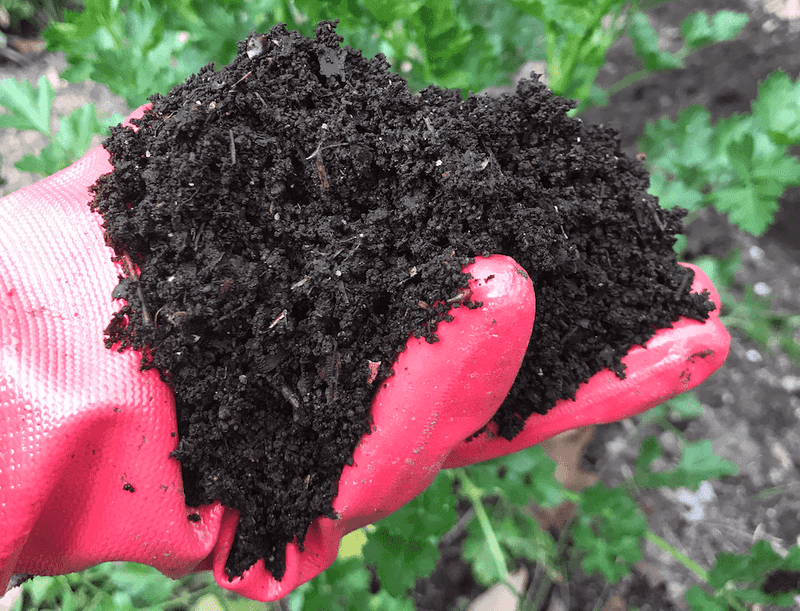
Finished compost feels crumbly, smells like earth, and you cannot tell what the original scraps were. If you see slimy chunks or smell anything sour, it needs more time.
Covering the pile in fall keeps moisture balanced. Turning it every few weeks during dry spells adds oxygen and speeds things along.
Some folks build two bins side by side. One cooks while the other fills up, giving you a steady supply every spring without the frustrating wait.
8. Soaked Compost Breeds Mold And Pathogens
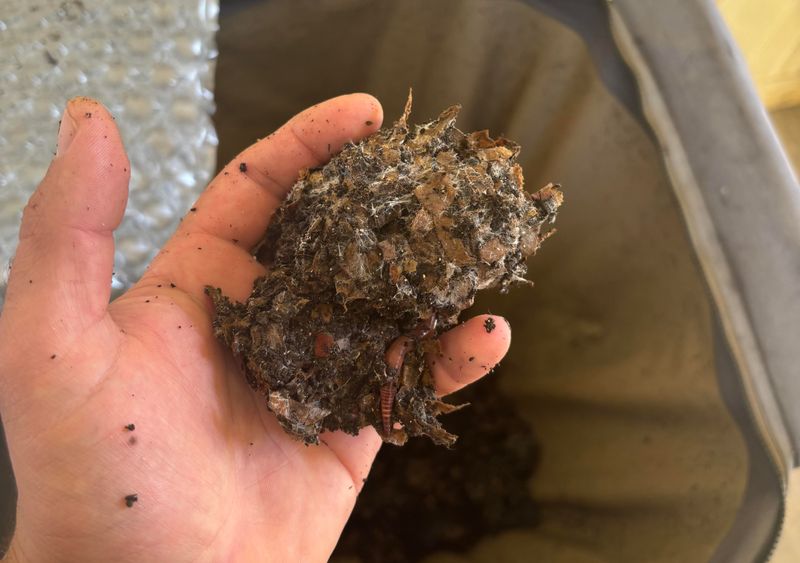
Not all fuzz is friendly. A little white mold in compost is normal, but a soggy pile can grow the wrong kinds in a hurry.
Healthy hot piles reach temperatures that knock back many harmful germs. When rain cools and floods the heap, those germs get a chance to hang around.
Plant diseases like blight and powdery mildew may survive in cool, wet compost. Spread that on your garden, and you might give next year’s tomatoes a rough start.
Michigan gardeners fight late blight often during humid summers. Tossing infected leaves into a cold, wet pile can keep the problem cycling back.
Wet compost can also grow molds that release spores into the air. People with allergies or asthma may feel stuffy after turning a soggy pile.
Wearing gloves and a simple dust mask is a smart habit. Washing your hands afterward keeps things clean too.
Covering the pile helps it stay warm and dry enough to work properly. Hot composting is your best tool against lingering plant germs.
Keep diseased plants out of home compost unless your pile reliably hits 140 degrees. Bag them for yard waste pickup instead.
Many cities across the state collect leaves and plant debris every fall. Their large commercial piles get far hotter than any backyard bin.
9. Simple Covers Keep Compost Happy All Season
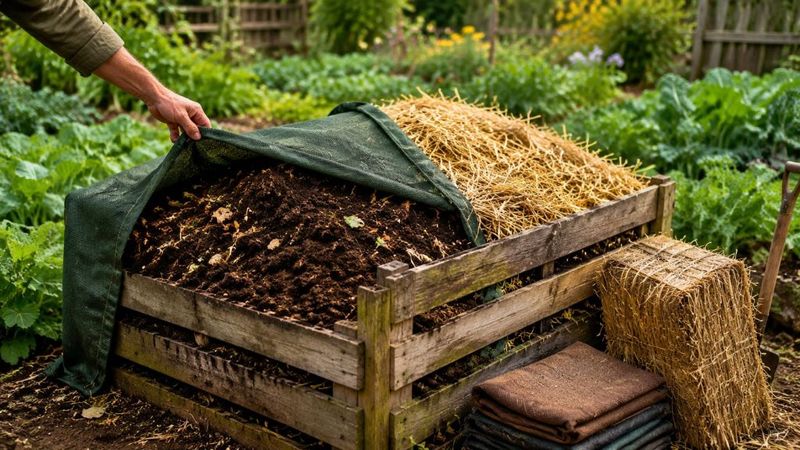
Good news: protecting your pile does not take fancy gear or a big budget. A few easy tricks can save a whole season of hard work.
The classic choice is a heavy-duty tarp. Brown or green ones blend into the yard, and bricks or rocks hold them down against Michigan wind.
Plastic compost bins with lids are another solid pick. Many Michigan counties sell them at a discount during spring sales.
Got scrap lumber around? A slanted piece of plywood sheds rain nicely and lets air slip in along the sides.
Burlap sacks or old carpet work well too. They let some moisture through while blocking the heavy downpours.
Try a dome shape on top of your pile before covering it. Rain runs off a rounded top instead of pooling in the middle.
Check moisture every week or two. Squeeze a handful, and if a drop or two comes out, it is perfect.
Too dry? Lift the cover during a light drizzle and let nature water it for you.
Too wet? Mix in dry leaves and keep the cover on tight.
With a little attention, your compost will stay healthy through the gray months and reward you with dark, rich soil when the snow finally melts.