What Every New York Gardener Should Plant In Containers Before Winter
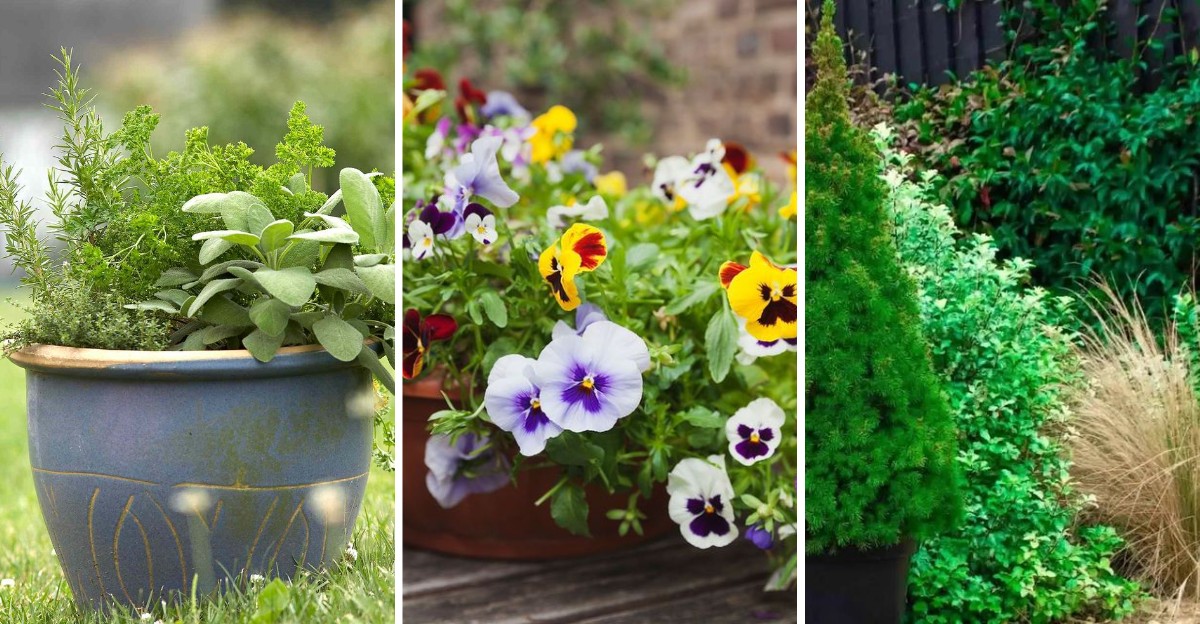
Cold air in New York has a sharp bite that tells every gardener the season is turning. Your porch pots don’t have to sit empty and sad until April, though.
With a few smart picks, a stoop, balcony, or rooftop can glow with color, berries, and even fresh greens. Some plants look better after a frosty night, like they just pinched their cheeks.
Others tuck bulbs and roots away, getting ready for a spring surprise. The catch is that roots in pots face harsher cold than roots in the ground, so plant choice matters.
Wind, sleet, and wild freeze-thaw swings test every container too. Frost-proof pots and a spot sheltered against the house give plants and pots a better shot at making it through.
The tough, cheerful choices below suit the way winter really works here. Plant them now, and your porch stays lively long after the leaves are gone.
1. Pansies For Color Until The Ground Freezes
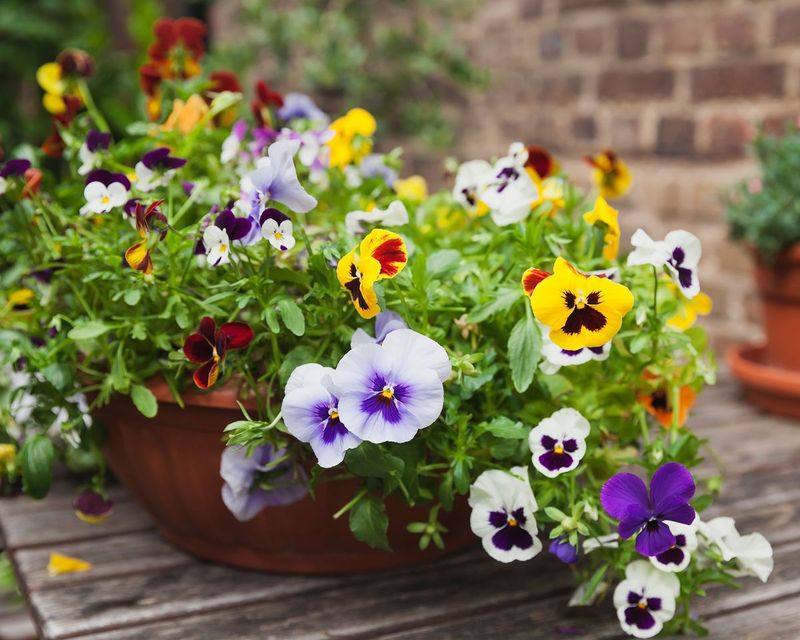
Picture tiny painted faces grinning at you on a frosty October morning. Pansies are the cheerful little troopers of the fall container world.
Surprisingly, these flowers handle temperatures down to about 28 degrees without much fuss. A light frost can even make their colors look deeper and richer.
Timing matters a lot with pansies. Plant them from mid-September through October so roots settle in before real cold arrives.
Strong roots help the plants bounce back after chilly nights. Late planting gives them less time to grip the soil and get comfortable.
Drainage is the next big deal. Soggy soil leads to root trouble, so pick pots with good holes in the bottom.
Sunlight keeps the blooms coming. Aim for four to six hours of sun each day for the best show.
Wild cold snaps below 20 degrees can be rough on potted plants. Slide your pots into a garage or against a sheltered wall for a night or two.
Mulch helps as well. A thin layer of shredded leaves or straw keeps the root zone a bit warmer.
Watering is simple once the weather cools. Give them a drink about once a week when temperatures stay above freezing.
Pinch off faded flowers to keep fresh buds forming. Pansies reward it with a fresh wave of color.
Fun fact: the name pansy comes from the French word for thought. Old stories say the flowers looked like little thinking faces.
2. Ornamental Kale For Frost-Sweetened Foliage
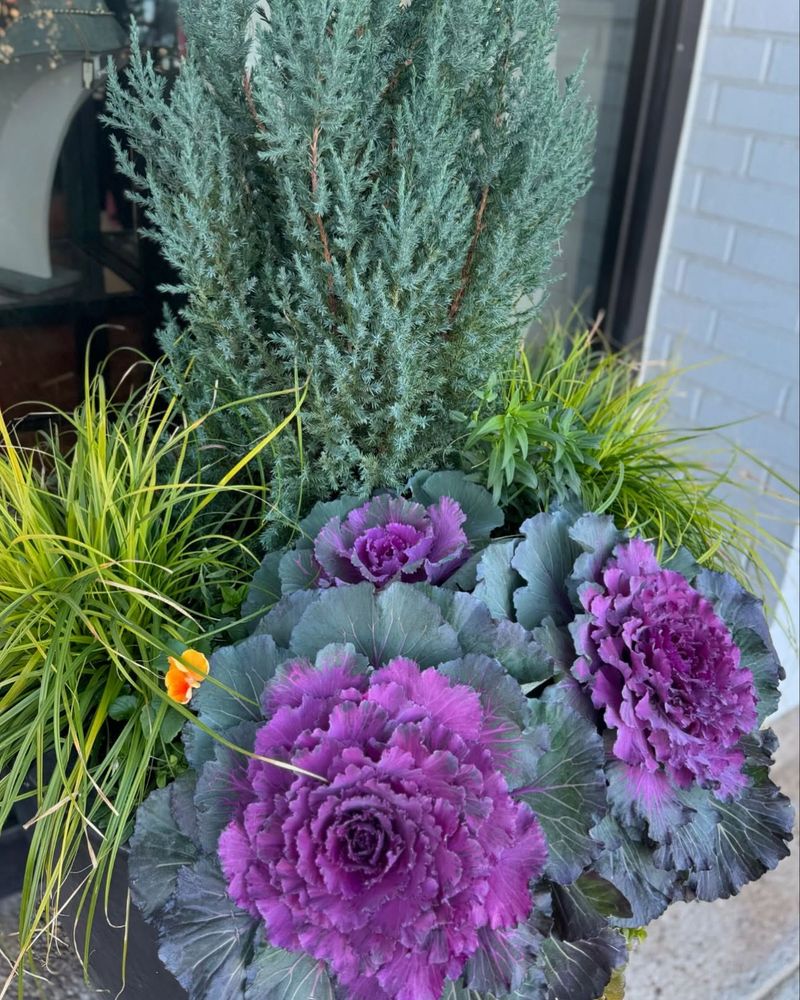
Some plants sulk when the thermometer drops, but ornamental kale throws a party. Cold weather actually makes its colors pop brighter.
Big ruffled rosettes come in pink, purple, cream, red, and deep green. They look like giant flowers made of leaves.
Toughness is the main reason to grow it. Some varieties can handle temperatures close to 5 degrees, which is impressive for a pot plant.
Leaf colors deepen once nights fall below about 50 degrees. Expect the centers to blush more each week through late fall.
Nursery plants give you instant drama. Starting from seed takes months, so buying a few ready-made rosettes saves time and worry.
Your New York Garden Changes Every Week. Your Plan Should Too.
Gardening in New York changes quickly throughout the season. Every Friday you’ll receive a simple weekly plan showing exactly what to plant, prune, fertilize, harvest, and protect so you never miss the right timing.
Full sun to partial shade works well. A balcony with a few hours of afternoon light can keep kale looking fresh.
Rich, well-draining potting mix keeps roots happy. Steady moisture is helpful, but standing water is not.
Pairing is half the fun. Tuck pansies, asters, or mums around the kale for a full, layered fall look.
Later in the season, the companions may fade first. The kale keeps standing tall, almost like a sculpture in the pot.
Quick tip: snip off yellowing lower leaves now and then. Your container will stay neat and the center will shine.
Curious fact: ornamental kale is technically edible, though it tastes bitter. Most folks enjoy it with their eyes rather than their forks.
3. Heuchera For Colorful Leaves
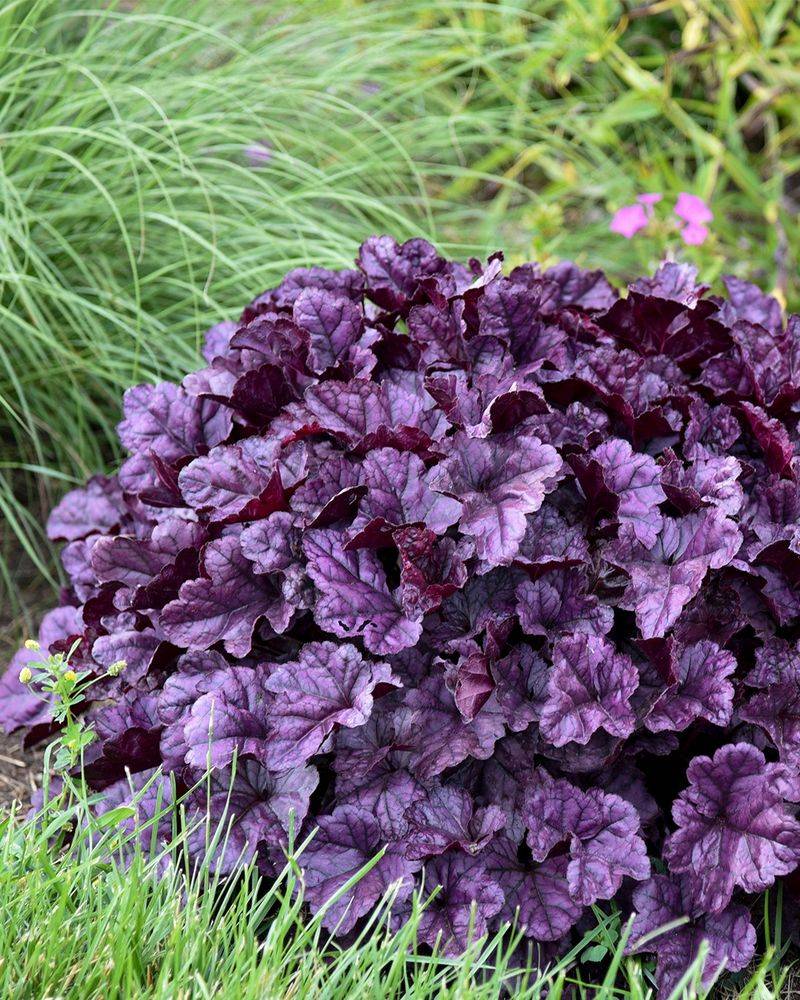
Who needs flowers when leaves can look like candy? Heuchera, also called coral bells, comes in shades of caramel, lime, plum, and silver.
Many types hold onto their leaves through much of winter. Their colors often shift with the seasons, so the pot keeps changing.
Hardiness is a strong selling point. Heuchera grows in USDA zones 4 through 9, which covers all of New York City and plenty beyond.
Light needs are flexible too. Some varieties like sun, while darker leaf types handle shade with ease.
Here is the catch that trips people up. Heuchera hates wet feet in winter, and soggy soil can rot its crown.
Use a gritty, fast-draining potting mix with a bit of perlite. Raising the pot on feet helps extra water escape.
After the first frost, mulch the soil surface with grit or dry leaves. A light blanket protects the crown and roots from sudden temperature swings.
Give the pot a deep drink in late fall before the ground freezes. Moist soil holds warmth better than dry soil.
Spring cleanup is easy. Trim away any ragged or tired leaves, and fresh growth will fill in quickly.
Fun bit of history: heuchera is native to North America. Wild versions grow on rocky slopes and cliffs, which explains its love of good drainage.
Mix two or three leaf colors in one wide pot. The combination can look like a living quilt on a gray day.
4. Dwarf Conifers For Winter Structure
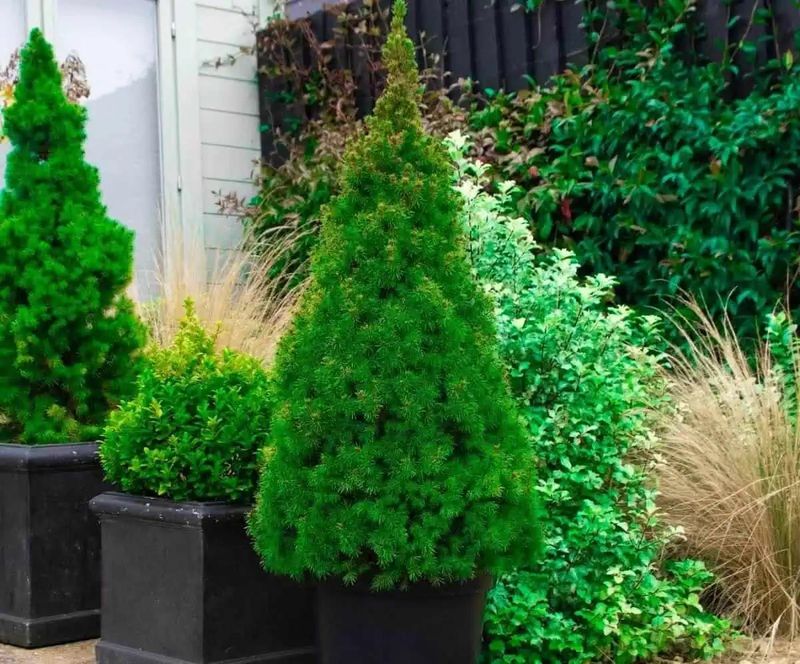
When everything else goes bare, a little evergreen stands tall like a loyal doorman. Dwarf conifers give pots shape and color all year.
Growth is slow, so one plant can stay in a container for years. Small New York balconies and stoops benefit from that tidy habit.
Good picks include Dwarf Alberta Spruce and Blue Star Juniper. Golden Mop Cypress and Mugo pines also do well in pots.
Some even change color in cold weather. Certain junipers turn a soft bronze or purple tint during winter.
Roots in pots face more cold than roots in the ground. Choose a conifer rated at least one or two zones colder than your area.
Insulation gives extra help. Wrap containers in burlap or bubble wrap, or pack leaves around them.
Placement matters as much as wrapping. Move pots out of strong wind tunnels between buildings, which can dry out needles fast.
A sheltered corner reduces freeze and thaw cycles. Those swings can lift roots and stress the plant.
Winter watering surprises many gardeners. Evergreens keep losing moisture, so water on mild days when the soil is not frozen.
Holiday bonus: these little trees look great with string lights or a red bow. Your entryway gets instant cheer with almost no effort.
Pick a heavy, frost-proof planter so wind does not tip it over. Fiberglass or thick resin works better than thin clay.
5. Winterberry Branches For Bright Berries
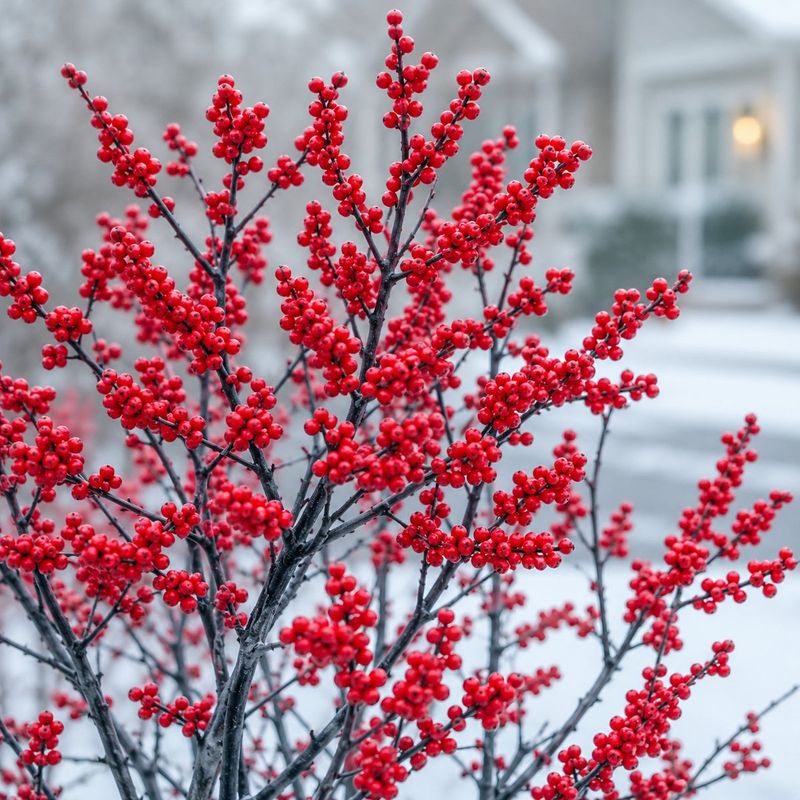
Imagine bare twigs covered in berries as red as a fire truck. Winterberry holly turns a gloomy January patio into a holiday card.
Unlike classic holly, this shrub drops its leaves in fall. All those bright berries suddenly take center stage.
Birds love it too. Robins, cardinals, and cedar waxwings may stop by for a snack on cold days.
Winterberry is very hardy, growing in USDA zones 3 through 9. It handles the coldest corners of upstate New York with ease.
Here is a key secret for berries. You need both a female plant and a male plant nearby for pollination.
One male, such as Southern Gentleman, can serve several females. Check plant tags carefully when shopping.
Full sun to partial shade gives the best berry crop. Slightly acidic, moist soil keeps the shrub happy.
Unlike many container plants, winterberry tolerates damp conditions well. Still, avoid letting water pool for days in the pot.
Roots need protection in hard freezes. Bury the pot in mulch, wrap it in burlap, or slide it into an unheated garage.
Short on space? Cut branches tucked into a pot of soil also look fantastic and last for months outdoors.
Fun fact: winterberry is native to the eastern United States. Wild shrubs often grow along swamps and stream banks.
6. Spring Bulbs Layered In Deep Pots
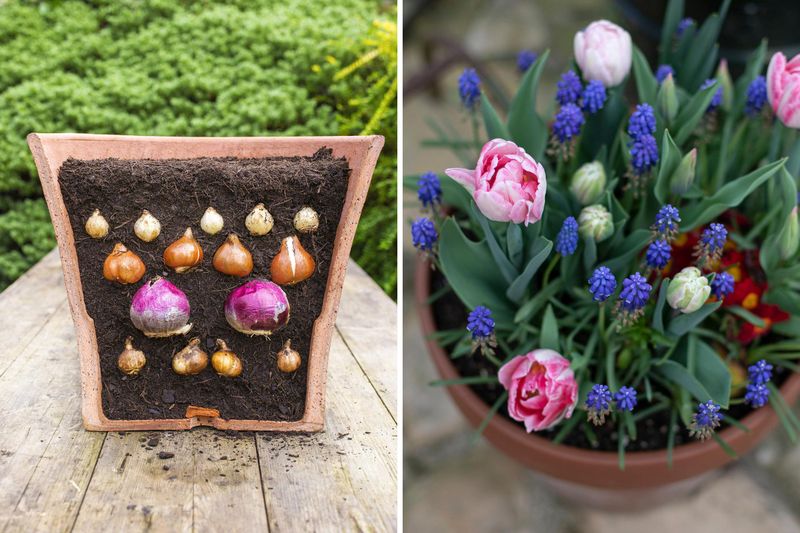
Think of it as baking a lasagna, except the noodles are flower bulbs. Gardeners call the method lasagna planting, and it delivers months of spring color.
Layering lets different bulbs bloom one after another. Your pot stays busy from early March into May.
Start with a deep container at least 12 inches tall. Drainage holes are a must, since bulbs rot in soggy soil.
Add a few inches of potting mix first. Then set the biggest, latest-blooming bulbs, like tulips, on the bottom layer.
Cover them with soil and add mid-season bloomers next. Daffodils and hyacinths fit nicely in the middle.
Small early bulbs go near the top. Crocus, grape hyacinth, and snowdrops pop up first and kick off the season.
Spacing is simple. Place bulbs close together without touching, so each one has a little room to grow.
Water deeply after planting to settle the soil. After that, the pot mostly needs rest and cold.
Store containers in a cool, dark spot like an unheated garage or shed. Bulbs need a long chill to bloom well.
Water sparingly during winter, maybe once a month. Too much moisture can cause rot while bulbs sleep.
Squirrels can be sneaky diggers. Lay chicken wire over the top layer to keep curious paws out.
7. Hardy Sedum For Tough, Drought-Tolerant Pots
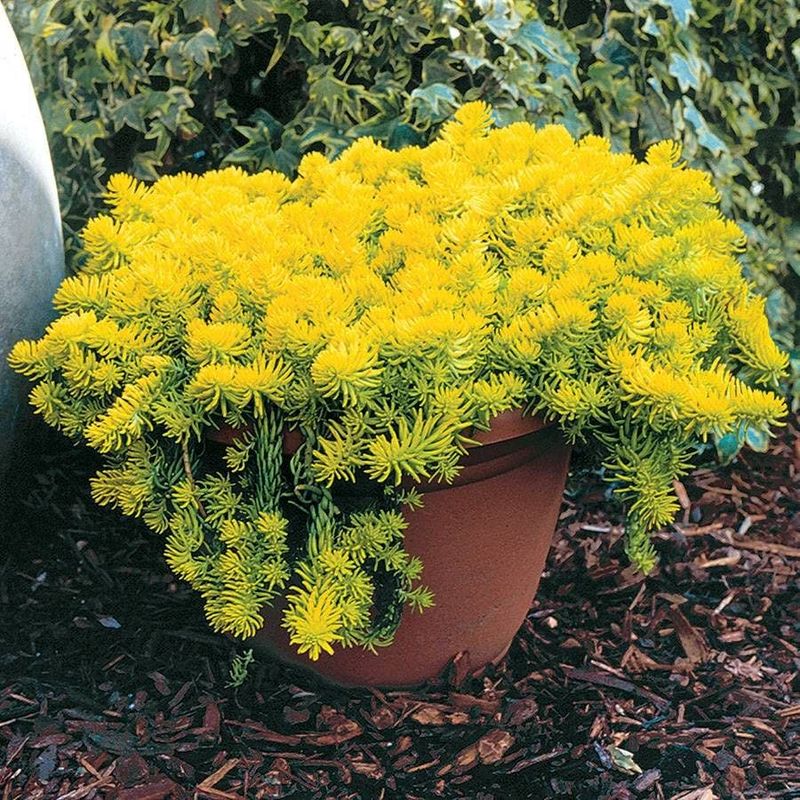
Forget to water for a week? Hardy sedum will barely notice, and that makes it a hero for busy gardeners.
Also called stonecrop, sedum stores water in thick, juicy leaves. That built-in reserve helps it shrug off dry spells and neglect.
Cold does not scare it either. Many varieties are hardy in USDA zones 3 through 9.
Full sun and very sharp drainage keep it thriving. Mix grit or cactus soil into the potting blend for best results.
Wet roots are the real enemy here. Soggy soil can quickly lead to rot, especially in cold months.
Container choice matters more than you might think. Terracotta can crack in freezing weather, so choose resin or plastic pots instead.
Place pots in a sheltered spot near a building wall. Walls block wind and hold a bit of warmth.
Oddly enough, a super sunny winter spot can backfire. Strong sun causes daily freeze and thaw cycles that stress roots.
Winter watering is rare. Only add moisture if the soil turns bone dry for a long stretch.
Color is a fun surprise. Angelina sedum glows gold and orange in cold weather, like a tiny campfire in a pot.
Rooftop gardeners in New York love sedum for good reason. Green roofs around the city often use it because it handles wind and heat.
8. Thyme And Sage For A Winter Herb Pot
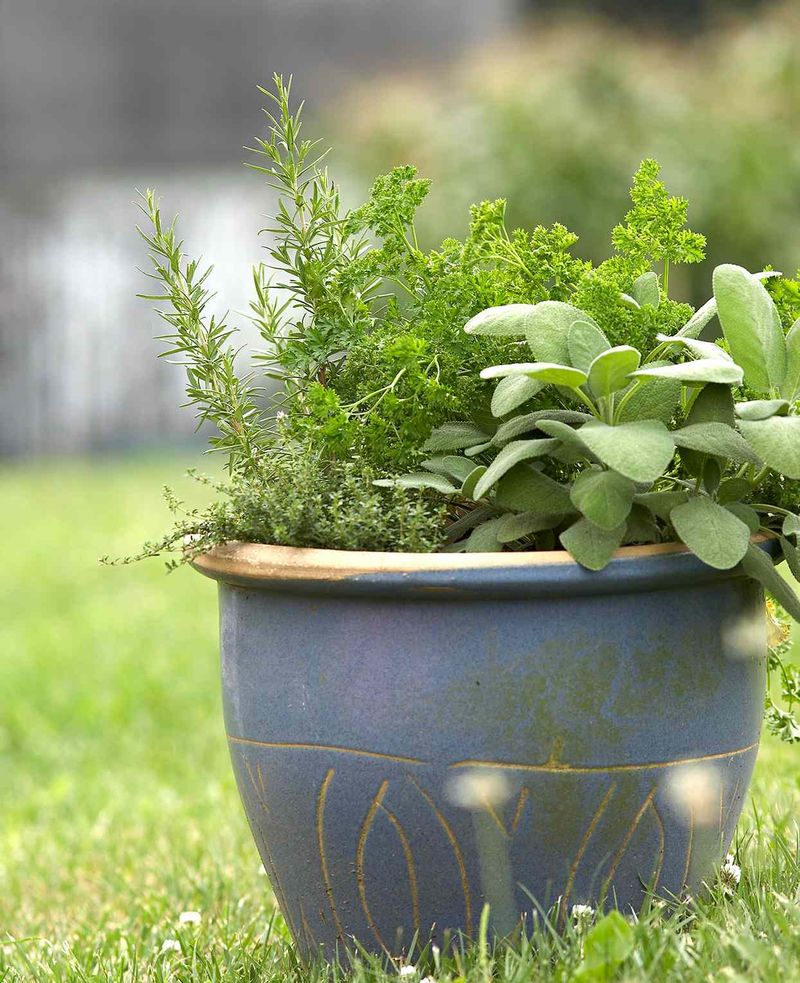
Nothing beats snipping fresh sage for a Thanksgiving stuffing. A winter herb pot puts flavor right outside your kitchen door.
Thyme and sage come from the Mediterranean, yet both handle cold surprisingly well. They also like the same dry, sunny conditions.
Culinary sage is a woody perennial that often survives winters outdoors. Its soft gray leaves add a calm color to the patio.
Creeping thyme varieties, like Elfin, spill over pot edges. They form low mats that look lovely with sage behind them.
Want a taller centerpiece? Hardy rosemary types like Arp or Hill Hardy can work, though they may need extra shelter.
Size matters for herbs that stay outdoors. Choose a pot about 18 to 24 inches wide and just as deep.
Extra soil volume protects roots from deep cold. Thick plastic, fiberglass, or glazed ceramic pots resist cracking.
During the harshest freezes, move the pot against a sunny wall. Brick and stone release stored heat at night.
Drainage is a must for both herbs. Cold, wet soil causes more trouble than cold alone.
Harvest lightly through winter. Taking small sprigs keeps the plants strong for a big spring flush.
History bit: ancient Romans thought sage boosted memory. Its name comes from a Latin word meaning to heal.
9. Spinach And Kale For Cool-Season Container Harvests
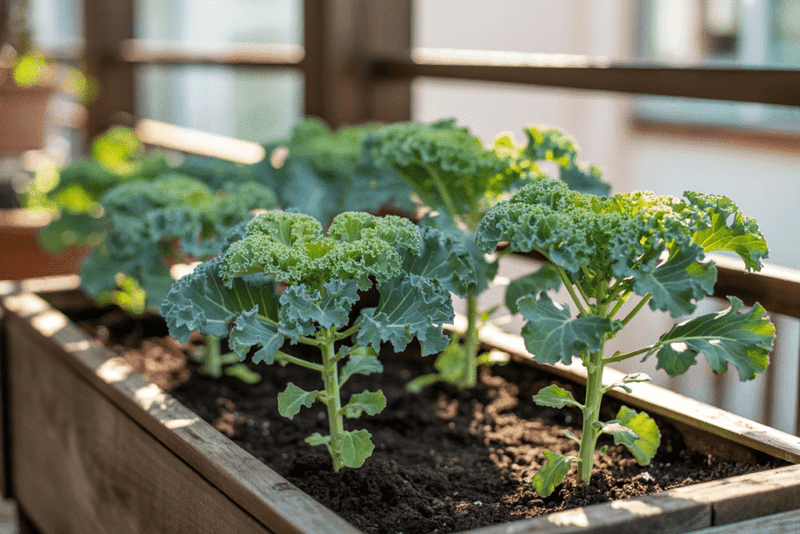
Here is a delicious twist: some vegetables taste better after a cold snap. Kale and spinach turn sweeter once frost touches their leaves.
Cold nights cause the plants to store more sugar. Gardeners get a tastier harvest while summer crops are long gone.
New York growers can often pick kale for about nine months a year. Few edible plants offer that kind of staying power.
Sow kale in August or September for a fall crop. Spinach can go in around the same time for quick, tender leaves.
Pot size is easy to manage. Kale likes containers about 8 to 10 inches wide and deep.
Spinach has shorter roots, so shallow window boxes can work. A long planter fits nicely along a balcony rail.
Full sun and rich, well-draining potting mix help both crops grow fast. Mix in some compost for an extra boost.
Harvest the outer leaves first and leave the center growing. The plant keeps pushing out new leaves for weeks.
Pots dry out faster than garden beds. Check the soil often and water whenever the top inch feels dry.
Hard frost on the way? Bring containers indoors near a bright window, since three or four hours of sun can keep them going.
With a little planning, your Big Apple balcony becomes a winter salad bar. Fresh greens in January feel like a small victory.