Why California Nut Trees Make Poor Neighbors For A Vegetable Garden
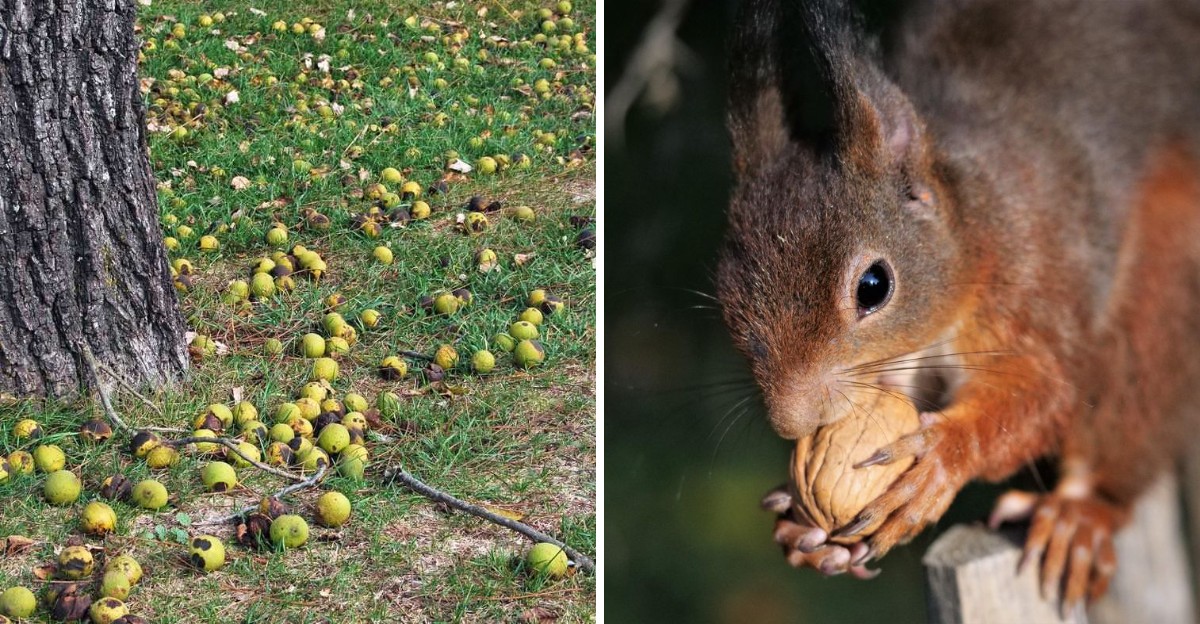
Some backyard trees give generously, offering shade, beauty, and a bounty of fall snacks. Yet the space around them can hold a quiet challenge for anyone hoping to grow vegetables nearby.
Plants in one part of a bed may thrive while their neighbors a few feet closer seem to lose heart for no obvious reason.
Water, soil, and care all look the same. Something else is at work.
Several forces play a role, some hidden underground and some falling from the branches above. Even the wildlife gets involved.
Fortunately, the solution comes down to planning. A smarter layout can let both the tree and the garden flourish side by side.
Sometimes the best neighbor relationship starts with a little distance.
Juglone Harms Sensitive Vegetables
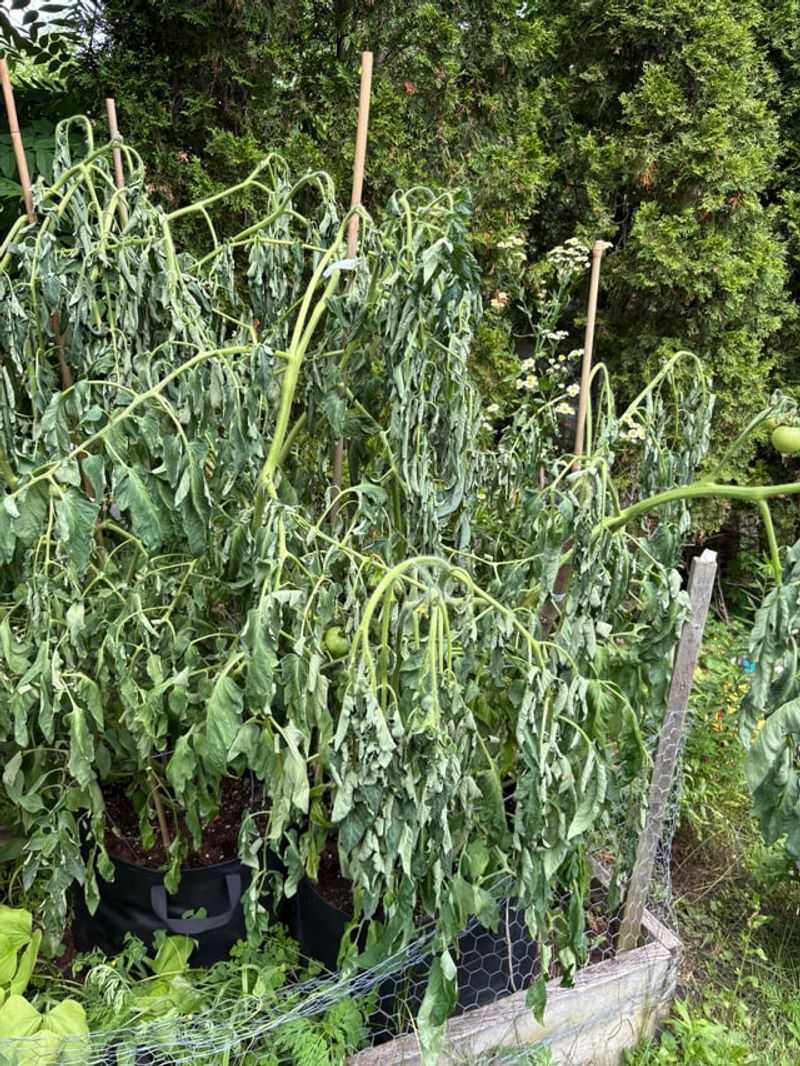
Leaves curl. Stems droop, and a tomato plant that looked fine on Monday seems tired and limp by Friday, even though the soil stays damp.
Gardeners often blame insects or disease first. A nearby walnut tree, though, may be the real culprit.
Walnut trees make a compound called juglone. Inside the tree, the chemical stays fairly harmless, but once it reaches soil and air, it turns active and can interfere with how some plants breathe and use energy.
Roots soak it up, and sensitive crops start to struggle. Damage can show up surprisingly fast.
Tomatoes are the classic victims. Peppers, potatoes, and eggplants belong to the same plant family and react in a similar way.
Symptoms include yellow leaves, sudden wilting, and stunted growth. In serious cases, the plant declines steadily, regardless of extra water or fertilizer.
Not every vegetable minds, though. University lists show that beans, beets, carrots, corn, onions, squash, and melons usually tolerate juglone well.
Mixing these into beds near a walnut saves plenty of frustration.
A quick yard survey makes a smart first step. Walnut trees on the property, and over the fence, deserve a spot on the map, with tomato and pepper beds planned far away from them.
Notes on which plants wilt each season can reveal where juglone runs strongest in the soil. A little detective work this fall prevents plenty of heartbreak next July.
Black Walnut Is The Worst Offender
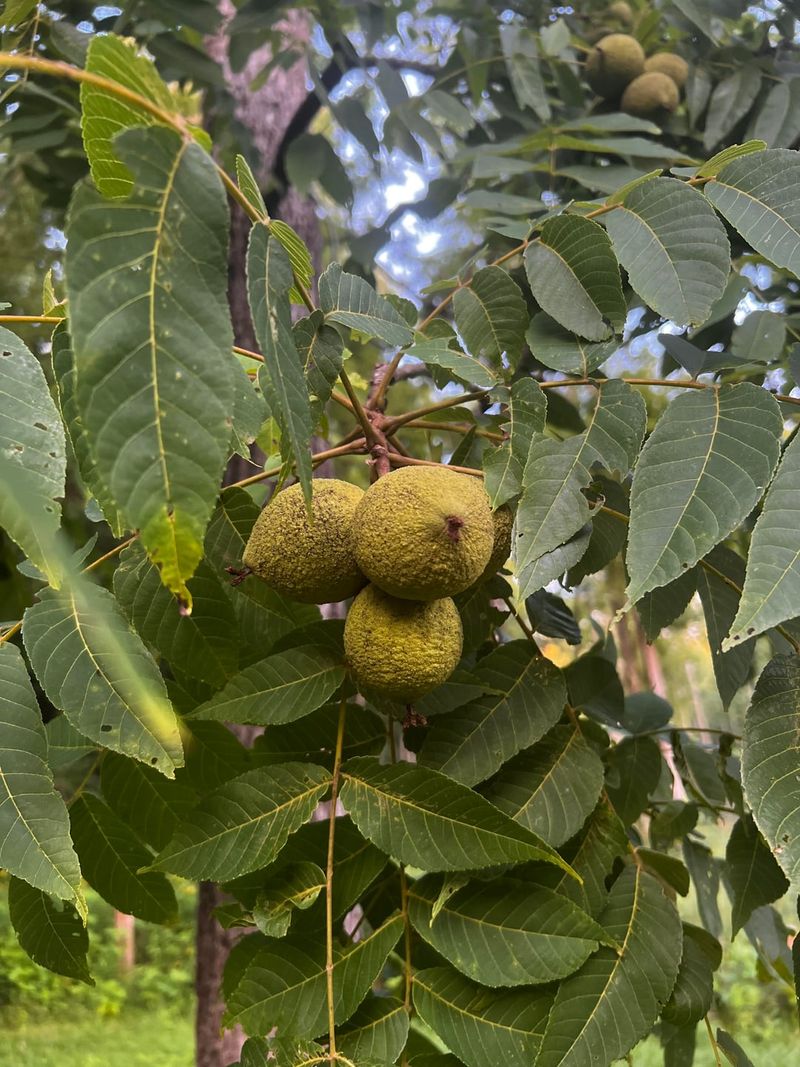
Dark, deeply grooved bark often points to a black walnut, while smoother, silvery gray bark usually belongs to an English walnut. Telling them apart matters more than most gardeners realize.
Eastern black walnut, known botanically as Juglans nigra, produces the most juglone of any common tree. University experts from Purdue, Rutgers, and Wisconsin all name it the main troublemaker for gardens.
California has its own native black walnuts, too. Northern California black walnut and Southern California black walnut are close relatives that also carry the chemical.
Orchard history adds a twist. Many English walnut orchards in California grow on rootstock from Northern California black walnut or a hybrid called Paradox.
An old orchard tree may hide black walnut roots underground, even when the nuts on top look like grocery store walnuts. That hidden heritage can surprise new homeowners.
Your California Garden Changes Every Week. Your Plan Should Too.
Gardening in California changes quickly throughout the season. Every Friday you’ll receive a simple weekly plan showing exactly what to plant, prune, fertilize, harvest, and protect so you never miss the right timing.
English walnut makes much less juglone. Butternut, hickory, and pecan produce some as well, though usually far less than black walnut.
Many other nut trees, like almonds, produce no juglone at all. The toxic reputation really belongs to the walnut family rather than every nut tree.
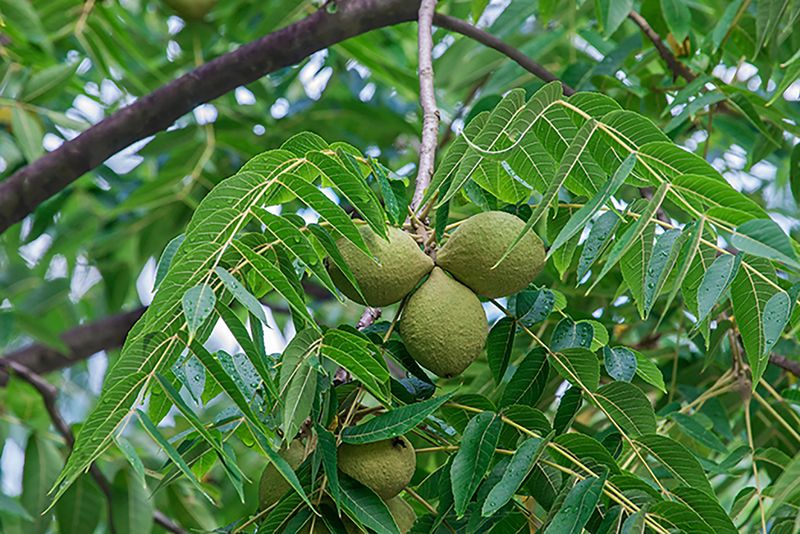
Identifying the tree comes before any worry. Photos of leaves, bark, and nuts compared with a guide, or shared with a local nursery, usually settle the question.
Knowing exactly which walnut grows nearby helps determine how much distance vegetables need. Fall, with nuts on the branches, makes identification especially easy.
Roots Spread Far Beyond The Canopy
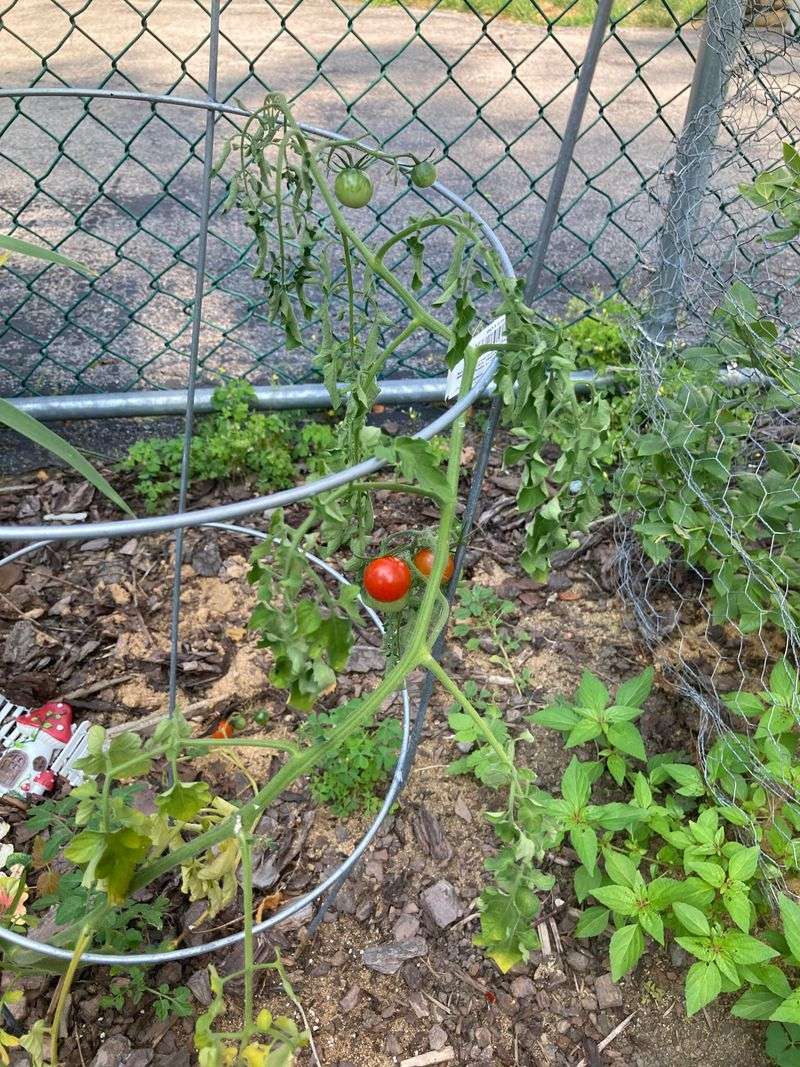
A familiar mistake plays out in many yards. A gardener steps just past the edge of the branches, decides the spot looks safe, and digs a new tomato bed, only to watch plants yellow a few weeks later.
Walnut roots rarely stop at the drip line, the outer edge of the tree’s leafy canopy. They can spread two to three times wider than the branches.
Some university sources report that a mature black walnut can affect sensitive plants roughly 50 to 80 feet from its trunk. That distance reaches well into many average backyards.
Juglone concentrates most heavily near the trunk and right under the canopy. Living roots keep releasing smaller amounts as they creep outward, though.
Even a tree in a neighbor’s yard can send roots under the fence and into vegetable beds unnoticed. Property lines mean little underground.
Removing the tree brings no instant fix, either. Roots left in the ground can keep releasing juglone until they break down, which may take a few years.
Grinding the stump and pulling up large roots speeds the process. Patience still plays a part.
Measuring before building makes sense. A long tape or a simple step count from the trunk helps, with sensitive crops ideally kept at least 50 feet away.
Raised beds lined with a barrier offer a helpful workaround for smaller yards. Watching for wilting along garden edges can also reveal where roots have quietly traveled.
Shade Starves Sun Loving Crops
Midafternoon sunshine can split a garden in two. One half glows in bright light, while the other sits under a cool, dark blanket cast by a giant tree.
The plants in that shadow quietly fall behind.
Most vegetables crave full sun. Tomatoes, peppers, squash, cucumbers, eggplants, and melons need at least six to eight hours of direct light each day.
Without it, they grow tall and spindly as they stretch toward brightness. Flowers drop, fruit stays small, and harvests shrink.
Large nut trees cast wide, heavy shade. A mature walnut can grow 50 feet tall or more, with a canopy just as broad.
Even a pecan or big almond tree can block hours of precious light as the sun moves across the sky. This problem applies to almost any large nut tree, not just walnuts.
Shade also keeps soil cooler and leaves wetter. Damp leaves invite powdery mildew and other fungal problems, turning a shaded bed into a slow, soggy struggle.
Tracking sunlight before planting helps. Checking a garden spot in the morning, at noon, and late in the day shows which areas receive six or more hours of sun.
Fall sun sits lower in the sky, so shadows stretch longer now than in summer. Observations this time of year help plan winter beds.
Unavoidable shade suits leafy greens like lettuce, chard, and kale, which handle partial sun far better. Juglone still deserves consideration when the shade comes from a walnut.
Thirsty Roots Steal Water And Nutrients
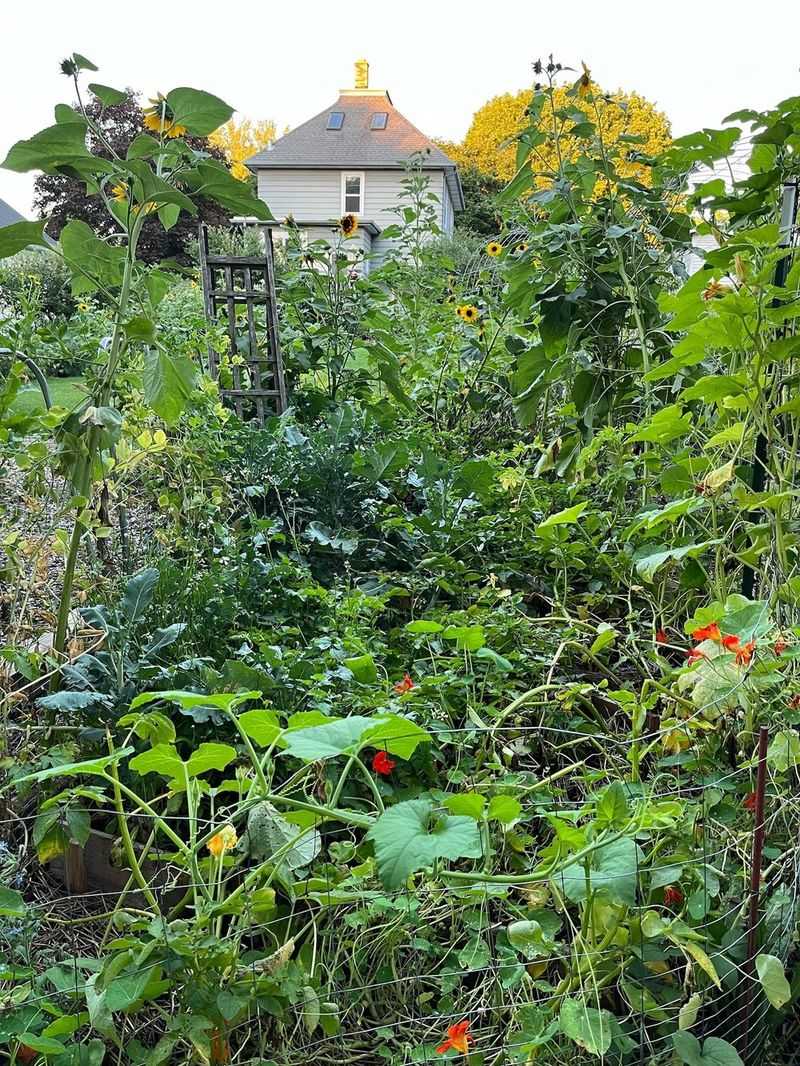
A deep watering on Saturday can leave soil bone dry again by Tuesday, with squash leaves flopping in the heat.
The hose rarely deserves the blame, since a big tree may be drinking the garden’s water before vegetables get a sip.
Large nut trees carry huge root systems that search constantly for moisture and food. A mature walnut can use a remarkable amount of water on a hot California day.
Its fine feeder roots sit near the surface, right where vegetable roots live. Water and fertilizer applied to beds draw those tree roots in for the buffet.
California summers make this worse. Long dry months mean gardeners rely on irrigation, and every drop counts.
Fertilizer spread for crops can end up feeding the tree instead. The result is hungry, thirsty vegetables that seldom reach full size.
Digging offers a clue. A mat of thin roots tangled through garden soil signals that a tree has found the beds.
Some gardeners cut these roots each spring, though they grow back quickly. Heavy cutting can also harm the tree.
Distance remains the best defense. Beds placed well away from large trees keep water and nutrients where they belong.
Drip irrigation and a thick layer of mulch help, too, delivering water right to vegetable roots and slowing evaporation. A raised bed with a solid bottom barrier blocks wandering roots from sneaking up into the soil.
Falling Hulls And Leaves Add More Juglone
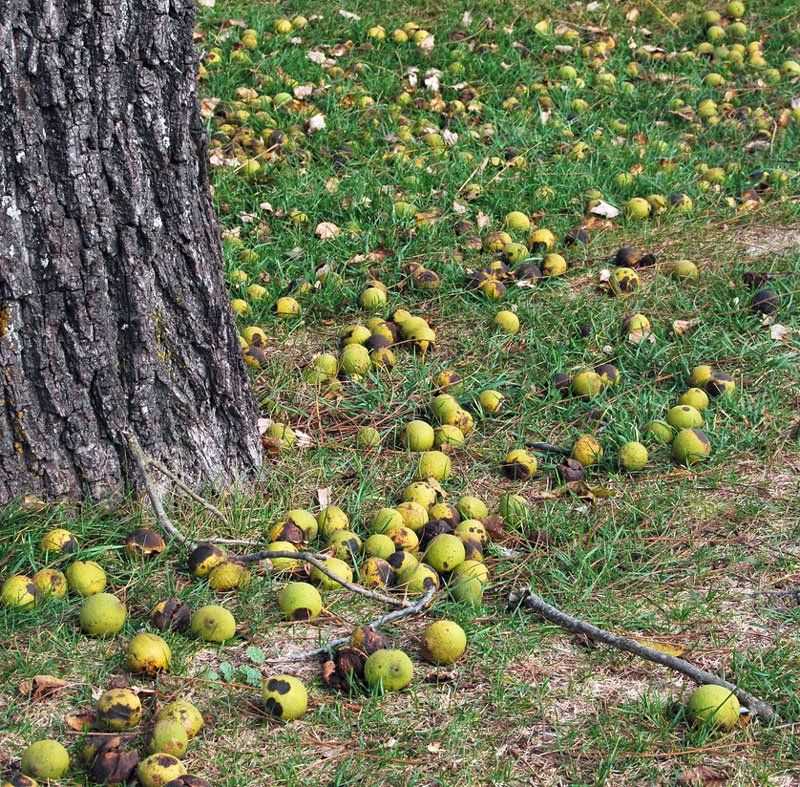
Autumn arrives with a soft thump. Green walnut husks drop onto garden paths, turn black and mushy, and stain everything they touch, from fingers to shoes to soil.
Those hulls carry some of the highest juglone levels on the entire tree. Buds hold plenty as well, while leaves and stems contain smaller amounts.
As hulls and leaves break down on top of beds, the chemical seeps into the soil. Even a garden outside the root zone can pick up juglone when debris blows or rolls in.
The mess brings other headaches, too. Piles of rotting hulls can host fungus and attract insects.
Wet leaf layers can mat over young seedlings and keep soil soggy. Walnut leaves also tend to fall in big batches, creating plenty of raking in a short span.
Walnut mulch and compost call for caution. Fresh wood chips, bark, or sawdust from walnut trees belong far from vegetable beds.
University guidance notes that juglone breaks down with proper composting, though it takes time.
Walnut leaves composted for several months lose much of their punch, while hulls and wood are best kept out of the pile entirely.
A quick weekly cleanup during fall drop helps a great deal. Hulls and leaves raked up and tossed into the green waste bin leave less juglone behind.
Gloves prevent stained hands during the job. Clean beds keep both juglone and pests at bay, giving the spring garden a fresh start.
Squirrels And Rodents Come With The Nuts
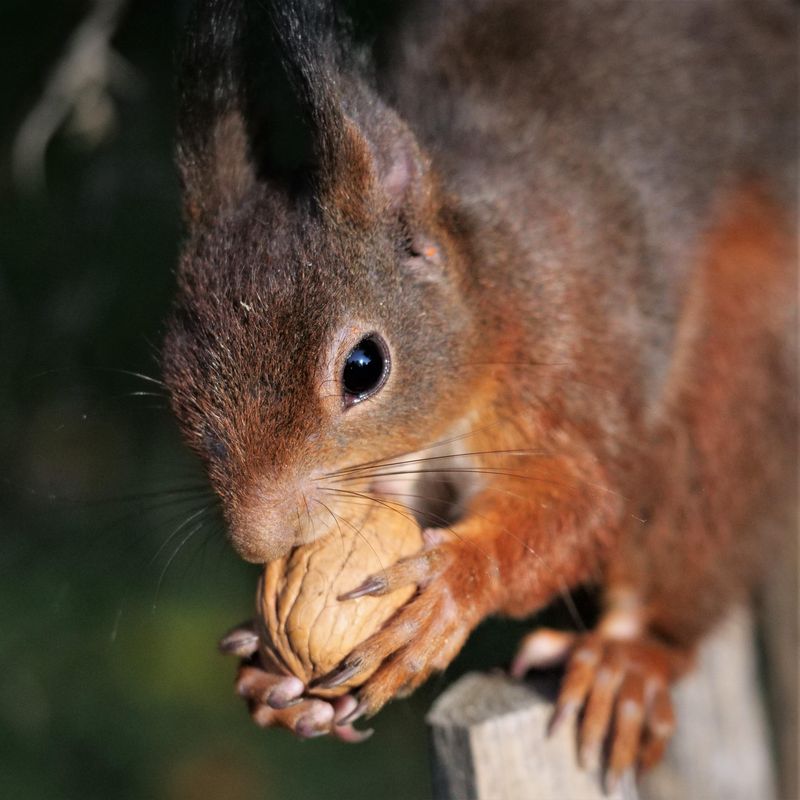
A fresh hole beside a pepper plant sometimes holds a walnut tucked neatly inside. A squirrel has decided that soft, rich garden soil makes a perfect pantry.
Nut trees work like a giant snack bar for wildlife. Squirrels, rats, and other rodents visit all season long to feast on the crop.
Once they learn the area, they start exploring nearby beds. Loose garden soil digs easily, so they bury nuts there and uproot seedlings along the way.
Squirrels rarely stop at nuts, either. Many nibble ripe tomatoes, strawberries, corn, and squash, especially during hot, dry spells when they want moisture.
Rats can chew on vegetables at night and hide under dense plants or debris piles. One busy tree can turn into a wildlife highway straight through the harvest.
Fallen nuts left on the ground make the problem bigger. Each one acts as a reward that keeps critters coming back.
Piles of leaves and hulls also give rodents shelter close to the food supply. October’s nut drop makes this an especially busy time.
A few simple steps help. Picking up dropped nuts often and keeping the ground under the tree tidy removes much of the draw.
Wire mesh or row cover over seedbeds protects young plants until they establish, while hardware cloth beneath raised beds stops digging from below.
Real distance between tree and garden makes vegetables a far less convenient stop on the wildlife snack tour.