Why You’re Seeing More Tarantulas In Your Texas Yard This Fall
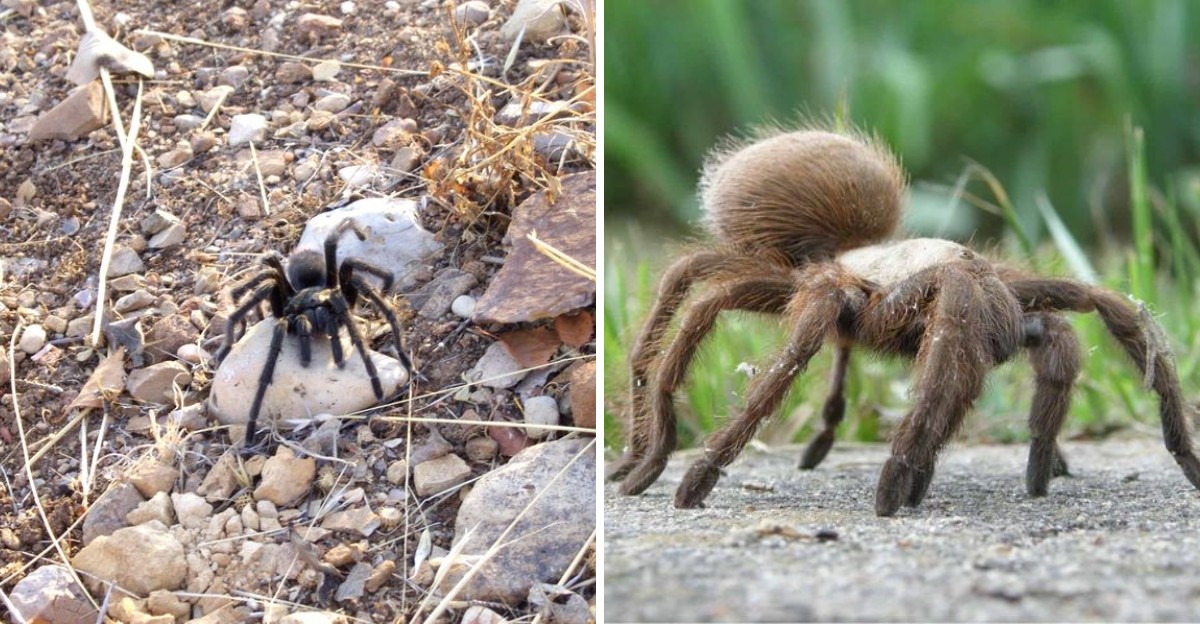
A female Texas brown tarantula can live for 20 years or more, spending most of that time tucked inside the same underground burrow. You could walk past her home for decades and never know she was there.
The males lead very different lives. Every fall, they leave their burrows and set out on a long, slow search for a mate.
Many have spent several years growing up, and this is the big moment they’ve been waiting for.
That’s why you may suddenly spot these large, hairy spiders crossing driveways, walking along sidewalks, or wandering through the yard in broad daylight.
As startling as they look, they’re gentle and rarely bite. Even when they do, it’s usually no worse than a bee sting.
Seeing one is less of a threat and more of a rare chance to watch a fascinating Texas tradition unfold.
1. It’s Tarantula Mating Season
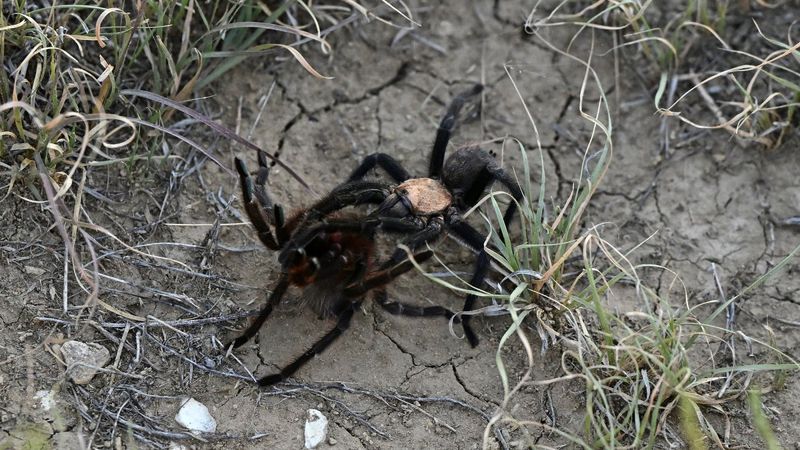
Love is in the air, and in Texas, it walks on eight hairy legs. Late summer and fall mark the big mating season for tarantulas. Most of the ones you see right now are males on a mission.
For most of the year, tarantulas stay tucked away in burrows underground. They wait there for food to wander by.
When mating season arrives, males change their whole routine. They leave their hiding spots and start roaming in search of a partner.
Their travels take them across all kinds of places. You might find one strolling across your lawn, climbing over a garden edge, or crossing a busy street. Some even end up on porches or near garage doors.
They are not trying to get inside your house. They are simply passing through on their way to find a female.
In many parts of Texas, people notice the most activity from August through October. Some towns joke that it is tarantula parade season.
A few places, like Coalinga in California, even hold festivals to celebrate these wandering spiders. Texans often have their own backyard version of that show.
So what should you do if you spot one? The best move is to leave it alone. Keep pets and small kids at a safe distance. If a tarantula is in a spot where it might get stepped on, you can gently guide it away with a broom.
Fun fact: a male tarantula may walk a long way in just one night. That is a big trip for a spider. Watching one quietly march along can be a fun nature moment for the whole family.
2. The Males Have Finally Reached Adulthood
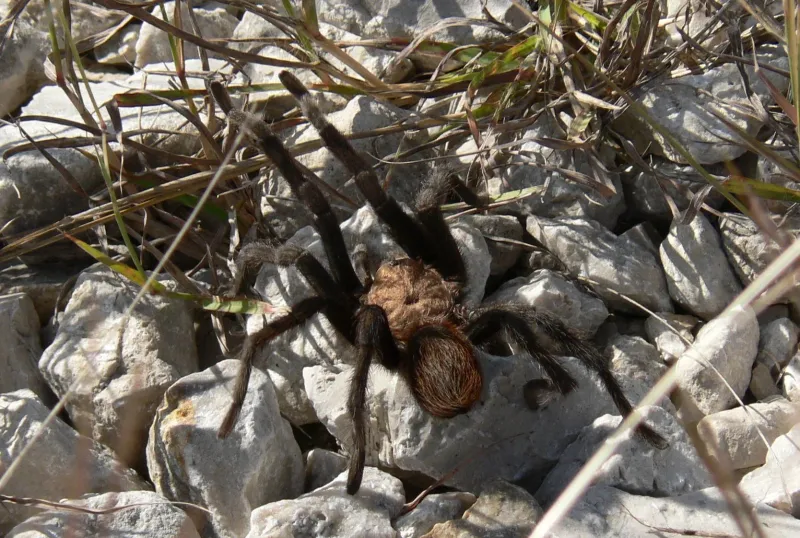
Talk about a slow start in life. A male tarantula can spend five to ten years growing up before he is ready to find a mate. That is longer than some kids spend in elementary school!
During those years, he lives a quiet life in a burrow. He hunts crickets, beetles, and other bugs that come close.
Every so often, he sheds his outer skin so he can grow bigger. This process is called molting, and it happens many times before he becomes an adult.
Your Texas Garden Changes Every Week. Your Plan Should Too.
Gardening in Texas changes quickly throughout the season. Every Friday you’ll receive a simple weekly plan showing exactly what to plant, prune, fertilize, harvest, and protect so you never miss the right timing.
The final molt is a huge turning point. After it, the male looks a little different. His legs often seem longer, and his body may look slimmer.
He also grows special hooks on his front legs. These help him during mating. Once he reaches adulthood, he leaves his burrow for good. He will not go back to his old home.
From then on, his main job is to wander and search. That sudden move is why you start noticing tarantulas out in the open when you never saw them before.
Think of it like a teenager moving out to start a new chapter. Only in this case, the move happens all at once, and lots of males do it during the same season. That is why sightings seem to jump in the fall.
Here is a helpful tip. If you see a skinny, leggy tarantula moving with purpose, it is most likely a mature male.
Females are usually chunkier and rarely wander far. Knowing the difference can make spotting them more interesting and less scary.
3. They’re Following Clues To Find Females
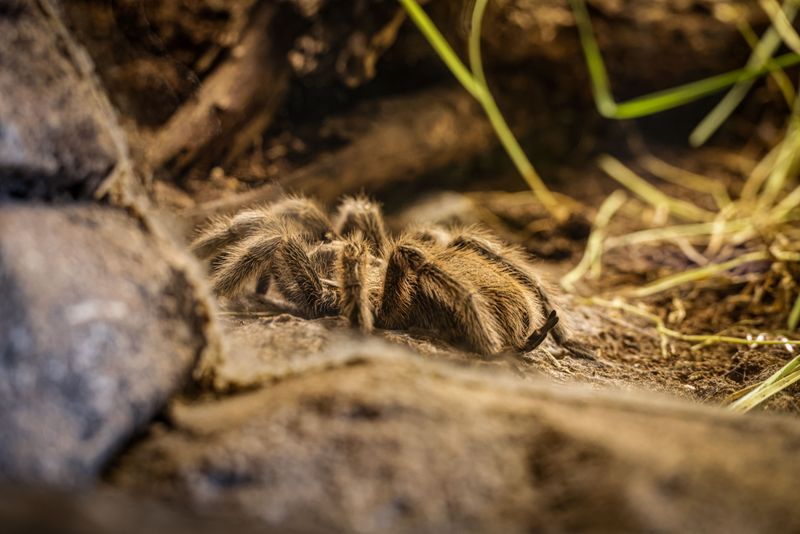
Picture a treasure hunt where the prize is hidden underground. That is basically what a male tarantula is doing every night in the fall. He is searching for clues that lead to a female.
Female tarantulas usually stay close to home. They live in burrows and rarely travel far. To leave signs for males, they spread silk around the edges of their burrow openings. That silk carries special chemical scents.
Males can pick up those signals using tiny hairs and sense organs on their legs. Their eyesight is actually quite poor.
So instead of looking around, they feel and sense their way through the world. When a male finds the right silk, he knows a female may be nearby.
Once he locates a burrow, he taps on the silk with his legs. It is a bit like knocking on a door. If the female is interested, she may come out to meet him. If not, he moves on and keeps searching.
Here is the tricky part. Females can be spread out across fields, pastures, and yes, neighborhoods. A male may cover large areas before he finds one. Along the way, he might cross your yard, sidewalk, or flower bed.
If you have a lot of open ground near your home, you may even have female burrows close by. Look for small round holes with a thin layer of silk around the edge.
It is best to leave them undisturbed. Watching from a distance lets you enjoy a real wildlife story playing out right in your own backyard.
4. Cooler Fall Weather Makes Travel Easier
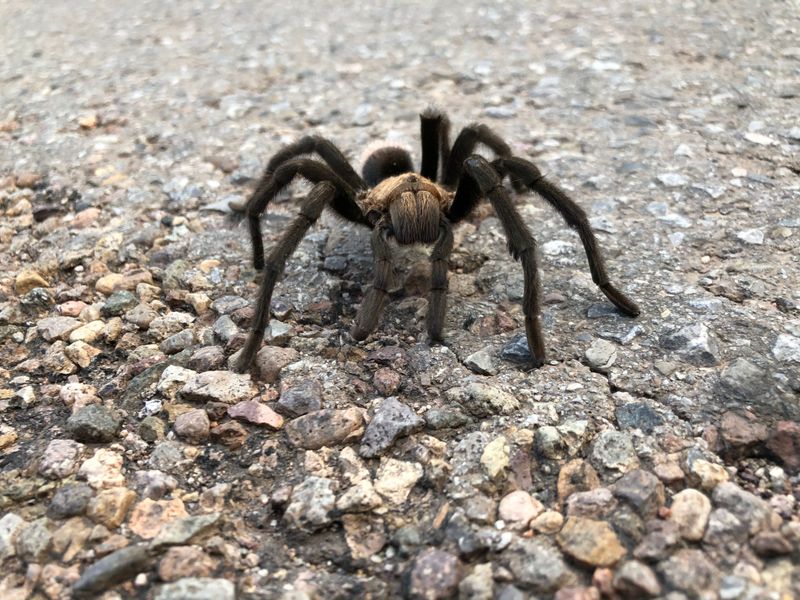
Anyone who has lived through a Texas summer knows the heat can be brutal. Tarantulas feel it too. That is one big reason they wait for cooler days before heading out on long trips.
These spiders are most active in the evening and early morning. During those hours, the air is milder and the ground is not baking hot.
Moving around in the middle of a scorching afternoon would wear them out fast. It could also dry out their bodies.
When fall arrives, temperatures start to drop. Nights feel more comfortable, and mornings are crisp. For a wandering male tarantula, that is perfect travel weather. He can walk farther without overheating.
That is why you may notice more of them right around sunset. Dusk is prime time for spotting a tarantula on a road or path. Some people see them while walking the dog after dinner or driving home in the evening.
A quick safety tip for drivers: slow down on rural roads during fall evenings. Tarantulas are easy to miss, and they move slowly. Giving them a chance to cross is an easy way to help local wildlife.
Another tip is to bring a flashlight when you step outside at night. It helps you see where you are walking, so you do not surprise a spider by accident. Kids often love using a flashlight to look for glowing spider eyes in the grass, too.
Did you know? Tarantulas do not have much control over their body temperature. They depend on the weather around them, which is why seasons play such a big role in their habits.
5. Rain Can Push Them Out Of Their Burrows
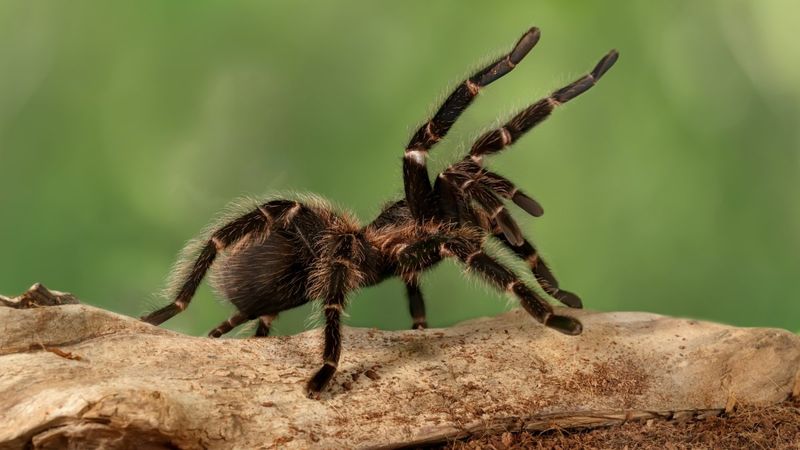
After a big Texas thunderstorm, you might step outside and find a surprise guest on your patio. Heavy rain is another reason tarantula sightings can suddenly spike in the fall.
Tarantula burrows are dug into the ground. Most of the time, they stay dry and cozy. But when strong rains roll through, water can pour into those holes. A flooded burrow is not a safe place for a spider to stay.
So the tarantula climbs out and looks for higher, drier ground. That might mean a sidewalk, a raised garden bed, or the steps by your front door.
Both males and females can be pushed out this way. That is why you may see more of them after storms, even ones that would normally stay hidden.
Fall in Texas often brings some heavy rain. Some regions get sudden downpours that soak the soil in just a few hours. When that happens, the ground can come alive with critters escaping the water, including spiders, beetles, and worms.
If you find a tarantula near your door after a storm, do not panic. It is just trying to stay dry. Give it some time, and it will usually move on by itself once things dry out.
Want to help it along? Place a small container in front of it and gently nudge it inside using a piece of cardboard. Then release it in a grassy area away from foot traffic.
Always wear gloves if you plan to move one. It is a kind way to help a soggy neighbor find a better spot.
6. Your Yard May Be Near Their Natural Habitat
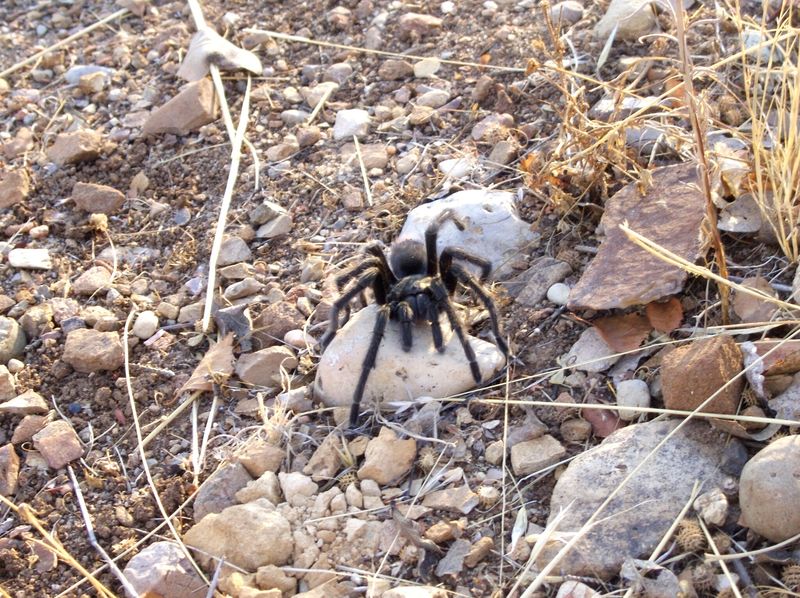
Location matters, even for spiders. If your home sits near open land, you may have a front-row seat to tarantula season.
Texas tarantulas love wide, open spaces. They make their homes in grasslands, prairies, pastures, and undeveloped lots. The soil in these places is good for digging burrows. There are also plenty of bugs to eat.
As towns grow, new neighborhoods often pop up right next to these natural areas. That means many families live just steps away from tarantula habitat.
When males start wandering in the fall, they do not know where a field ends and a backyard begins. They simply keep walking.
Homes near ranchland, farm fields, or empty lots tend to see the most visitors. If you live in a busy city center with lots of pavement, you may rarely see one. But on the edges of town or out in the country, sightings are common.
Want fewer spiders near your door? Try a few easy steps. Keep grass trimmed close to the house.
Clear away piles of wood, rocks, or junk where critters might hide. Seal small gaps under doors so nothing wanders inside by mistake.
You can also take a more welcoming approach. Some families enjoy leaving a natural patch of yard for wildlife. Tarantulas help control pests like crickets and roaches, so they can be good neighbors.
Fun fact: Texas is home to more than a dozen kinds of tarantulas. The Texas brown tarantula is the one people spot most often across the state.
7. Their Time Is Short, And They’re Harmless To You
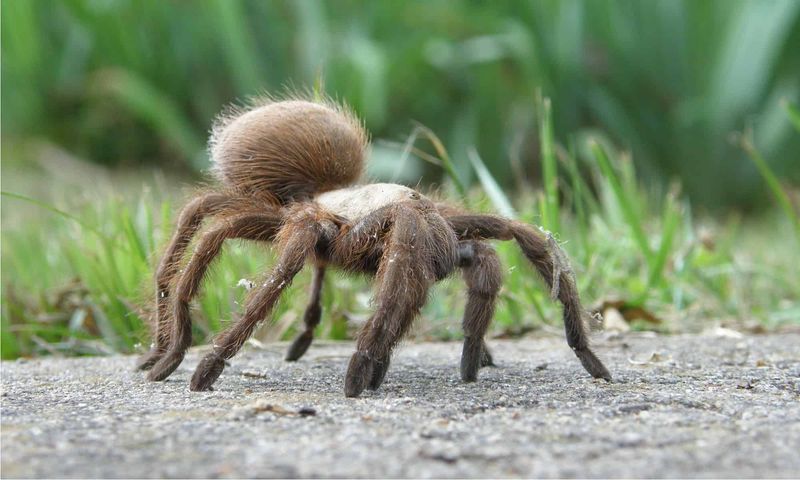
Here is a bittersweet truth about the tarantulas you see this fall. Most of those wandering males only have a few months left in their lives. Once they reach adulthood, their clock starts ticking fast.
Females are a totally different story. They can live for 20 years or even longer in the wild. Some reach 30 years or more!
That makes them one of the longest-living spiders around. Males, on the other hand, usually do not make it past their first mating season.
So that spider crossing your yard is on a once-in-a-lifetime journey. Knowing this can make the sight feel a little more special. Instead of something to fear, it becomes a chance to witness a rare moment in nature.
The good news is that tarantulas are not a danger to people. They are calm and rarely aggressive. A bite is possible if one feels trapped, but it usually feels like a bee sting and is mild for most people.
Their real defense is a bit unusual. Many tarantulas can flick tiny hairs from their backs when they feel threatened. These hairs can make your skin itchy or bother your eyes. That is a good reason not to pick them up or poke them.
The best plan is simple. Admire them from a few feet away, snap a photo, and let them keep going.
Teach kids to look but not touch. Keep curious dogs and cats back, too. By giving these quiet travelers some space, you help them finish their journey in peace.