Why Sedum Autumn Joy Belongs In Every North Carolina Fall Garden
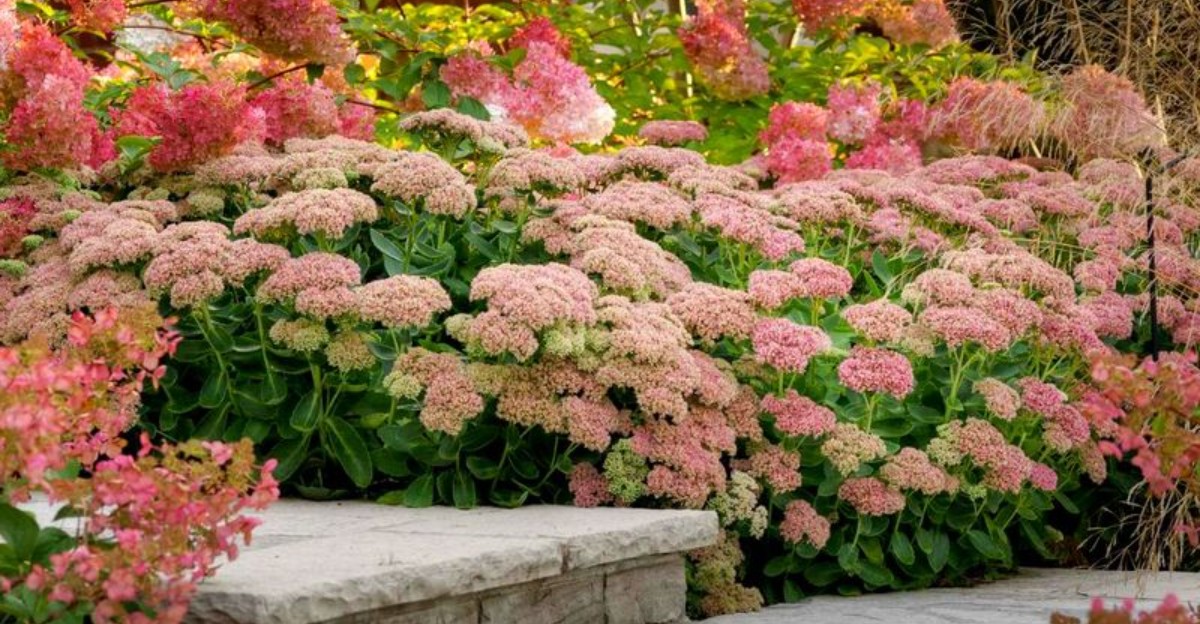
Sedum Autumn Joy has a way of changing color just when you need it. In summer, the flower heads are pale green buds. By late August, they turn soft pink.
In fall, the blooms deepen to rich rose, and then to rusty bronze. Even in winter, the dried flower heads stand up and catch the frost. The plant stores water in thick leaves, so it shrugs off North Carolina’s hot, dry spells.
Bees and butterflies crowd it in September. Beginners love it because it needs almost no care. One mistake is giving it too much fertilizer, which makes the stems flop.
Plant it in a sunny spot with decent drainage, and it will look good for months. Few perennials do so much with so little.
1. Its Flowers Change Color Through The Season
Walk past a clump of Autumn Joy every day, and you will notice something fun. The plant never looks quite the same from one week to the next.
Its known botanical name is Hylotelephium ‘Autumn Joy’, and it puts on one of the longest color shows in the garden.
Early in summer, the broad, flat flower heads look like little heads of broccoli. They start out a soft, pale green that blends with the blue-green leaves. Then, as late summer arrives, the tiny buds open and blush a cheerful pink.
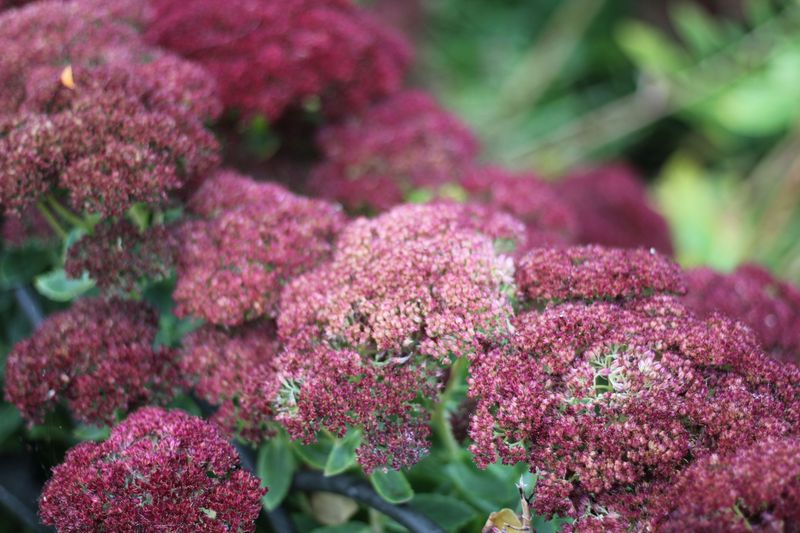
The magic keeps going from there. As the weeks cool down, the pink deepens into a rich rosy red. By late fall, the blooms settle into a warm, rusty copper that looks almost like an old penny.
Because the changes happen slowly, you get to enjoy every stage if the plant sits where you can see it. Try placing it along a walkway, beside your front steps, or near the mailbox. A spot by a window you look out of often works well too.
Gardeners in North Carolina get an extra treat. Our fall season brings red maples, golden hickories, and bright orange sweetgums. The rosy and copper tones of Autumn Joy echo those leaf colors beautifully, tying the whole yard together.
It also looks wonderful next to potted fall mums in yellow, bronze, or burgundy. Set a few mums near your sedum in September, and you will have a front entry that feels warm and welcoming.
Neighbors will notice, and you may find yourself answering questions about that shifting, color-changing plant all season long.
2. Pollinators Flock To It In Late Summer And Fall
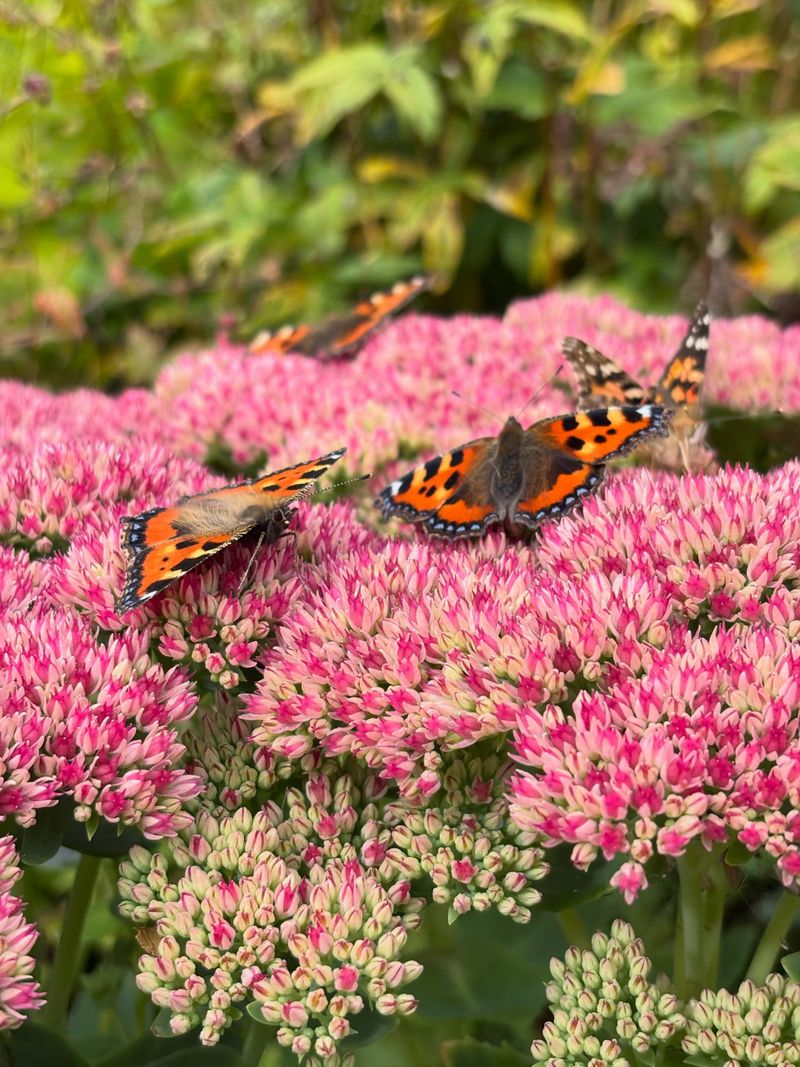
Stand next to a blooming Autumn Joy on a warm September afternoon, and you might hear it before you really look at it. A soft, happy buzz fills the air. Honeybees, bumblebees, and tiny native bees crowd onto the flower heads like shoppers at a busy market.
Butterflies love it too. Each flat flower head holds hundreds of tiny star-shaped blooms packed with nectar and pollen. That makes it an easy landing pad where insects can feed without flying from flower to flower.
Timing is what makes it so valuable. By late summer, many garden flowers have finished their show and food grows scarce. Autumn Joy opens right when hungry pollinators need it most, and it keeps feeding them for weeks.
Your North Carolina Garden Changes Every Week. Your Plan Should Too.
Gardening in North Carolina changes quickly throughout the season. Every Friday you’ll receive a simple weekly plan showing exactly what to plant, prune, fertilize, harvest, and protect so you never miss the right timing.
Want to attract the biggest crowd? Plant it in full sun, where bees and butterflies can spot it easily. Sunny, warm days bring the most visitors, so a bright open spot is ideal.
Be kind to your guests by skipping insecticide sprays on blooming plants. Even products labeled as gentle can harm bees that land on treated flowers. If pests show up, a blast of water from the hose usually handles them.
For a true pollinator buffet, pair Autumn Joy with other late bloomers. Purple asters and golden goldenrod make a striking trio with its pink and red heads.
Here in North Carolina, bees and butterflies stay active well into October and sometimes later.
Migrating monarchs pass through our state in fall, and they need fuel for their long trip south to Mexico. Your garden can become a welcome rest stop along the way.
3. It Handles Drought Like A Champion
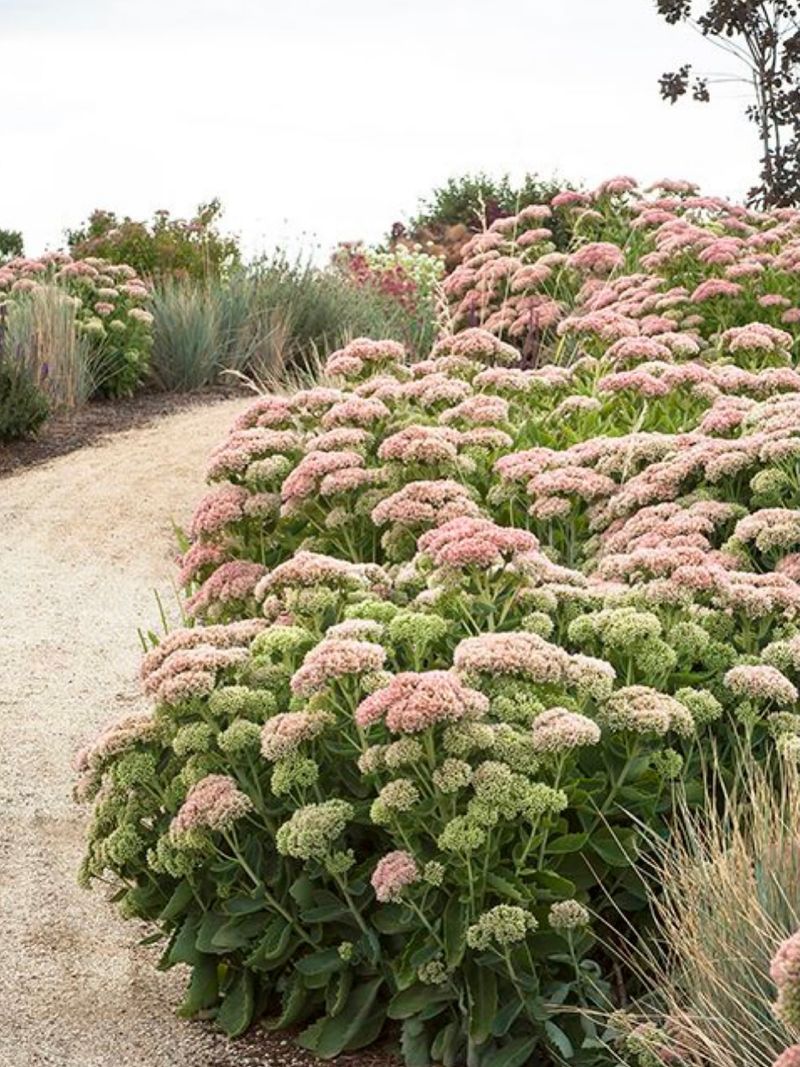
Squeeze one of its leaves gently, and you will feel the secret right away. Autumn Joy has thick, fleshy leaves that feel almost rubbery. That is because it is a succulent, a member of the stonecrop family, which also includes jade plants and hens and chicks.
Succulents store water inside their leaves and stems. When rain stops falling, the plant simply sips from its own supply. While other perennials wilt and droop in the heat, Autumn Joy usually stands tall and calm.
That said, young plants still need some help. During the first growing season, water your new sedum regularly, about once a week if rain is scarce. This helps the roots spread out and settle into their new home.
Once the plant is established, you can mostly put the hose away. Water only during long dry spells, such as two or three weeks with no rain in the middle of summer. Even then, a deep soak now and then works better than a little splash every day.
Too much water causes far more trouble than too little. Soggy soil can lead to rot at the base and roots, which quickly ruins a healthy clump. When in doubt, let the soil dry out before watering again.
Gardeners across North Carolina know how fast weather can swing. One week brings thunderstorms, and the next brings a hot, dry stretch that bakes the soil. Late summer and early fall dry spells are common from the mountains to the coast.
A drought-tough plant like Autumn Joy saves you time and lowers your water bill. It keeps looking fresh even when the weather refuses to cooperate.
4. It Grows Well In Lean Soil
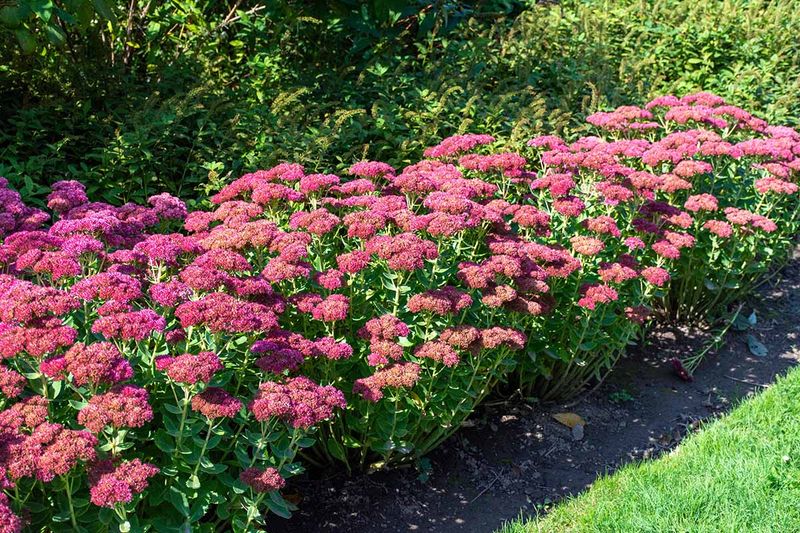
Most plants beg for rich soil and plenty of fertilizer. Autumn Joy is different, and that makes life easier for you. It actually grows best in average or even poor soil.
Spoil it with too much food, and the plant gets lazy. Rich soil and heavy fertilizer push it to grow tall and soft. Then, when those heavy flower heads form in late summer, the stems flop open and leave a hole in the middle of the clump.
Lean soil keeps everything tidy. The plant stays shorter, more compact, and much sturdier. Its stems hold their flower heads up proudly instead of sprawling across the ground.
So go ahead and skip the fertilizer. You can also leave out heavy layers of compost when planting. A simple spot with well-drained soil and lots of sunshine is all it needs to thrive.
Think about those tricky places in your yard where nothing else seems happy. The hot strip next to the driveway, a rocky slope, or a dry rock garden can all be perfect homes. Even a sunny edge by the sidewalk works well.
North Carolina has a wide mix of soil types. The Sandhills and coastal areas often have sandy soil, while parts of the mountains have rocky ground. Autumn Joy can handle both with ease.
The key is drainage. Water must flow through the soil and not sit around the roots. As long as your soil drains well, this tough little plant will turn a forgotten corner into a bright fall feature with almost no effort from you.
5. It Adds Interest All Winter

Frosty mornings bring a surprise to the winter garden. While most perennials have faded to the ground, Autumn Joy keeps standing strong. Its dried flower heads catch the frost and sparkle like sugar-coated treats.
As fall ends, those copper blooms slowly turn a deep rusty brown. Instead of falling apart, they hold their flat, rounded shape for months. That sturdy form gives empty garden beds something interesting to look at.
A light dusting of snow looks lovely on them too. The white caps sitting on top of brown heads create a cozy, picture-ready scene.
Wildlife benefits as well. The dried stems and flower heads can offer shelter for small insects that spend the winter in the garden. Leaving them in place gives helpful bugs a safe hiding spot until spring warms things up.
Resist the urge to tidy up in fall. Leave the stems and flower heads standing all through the cold months. Your garden will look fuller, and you will save yourself a chore during busy holiday weeks.
Wait until late winter or very early spring to clean things up. Look closely at the base of the plant, and you will spot small, round rosettes of new leaves poking up. That is your signal to cut the old stems down to just above the fresh growth.
North Carolina winters are often mild but gray, with plenty of bare trees and brown lawns. Plants with strong shapes and texture keep a yard from looking flat and empty.
Autumn Joy fills that role beautifully, giving you a reason to glance outside even on chilly January days.
6. It’s Easy To Multiply For Free
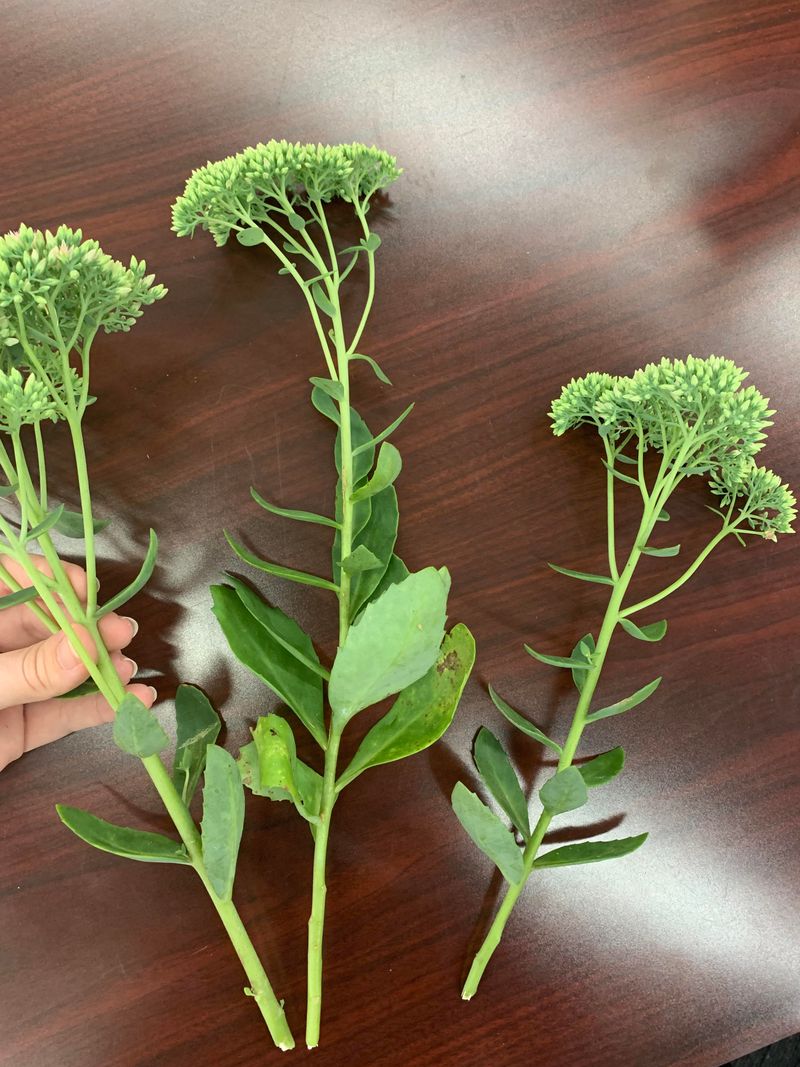
Buying one plant and ending up with ten sounds like a great deal. With Autumn Joy, that deal is real. This sedum is one of the easiest perennials to multiply, and it costs nothing but a little time.
Stem cuttings are the simplest place to start. In late spring or summer, snip a healthy stem about 3 to 4 inches long. Pull off the lowest leaves so you have a bare section to plant.
Next, push the stem into a pot of moist soil, or set it in a glass of water on a bright windowsill. Within a few weeks, roots will form. Some gardeners even stick cuttings straight into the garden, and they often take off without fuss.
Dividing older clumps works just as well. In early spring, as the new rosettes appear, dig up the whole plant with a spade. Slice the clump into a few pieces, making sure each one has roots and some growth on top.
Replant each division at the same depth it grew before. Water it well, and it will settle in quickly. Dividing every few years also keeps older clumps healthy and less likely to sprawl.
Extra plants make wonderful gifts. Share them with neighbors, friends, or your local garden club plant swap.
For North Carolina gardeners with big sunny spaces, this is a real money saver. A long front border or a sunny slope can take dozens of plants to fill.
Start with a few, multiply them each year, and soon you will have a stunning sweep of fall color without spending much at all.
7. It Pairs Beautifully With Fall Favorites
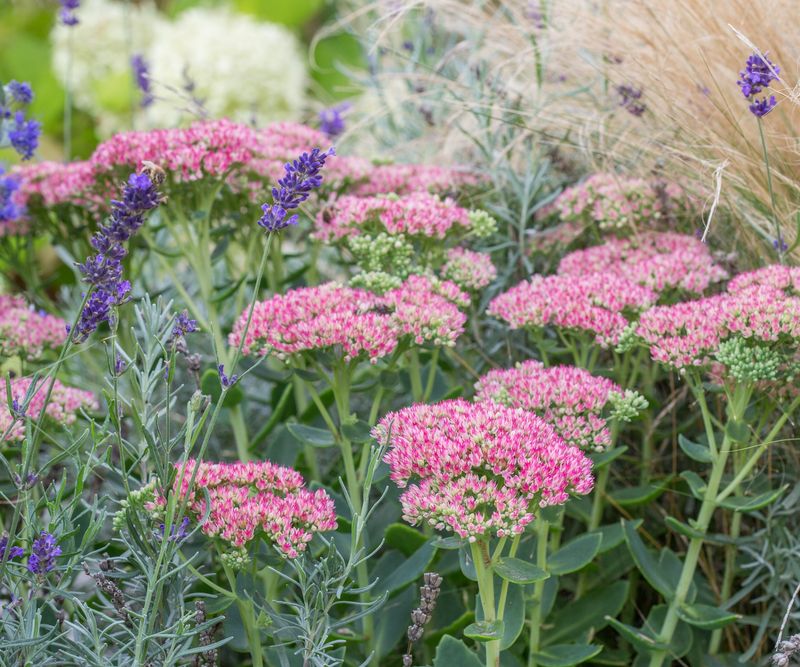
Good garden design is a lot like putting together a great outfit. You want shapes and textures that play off each other. Autumn Joy happens to be a fantastic team player.
Its broad, rosy flower heads look bold and solid. The blue-green leaves are thick and smooth. Put them next to plants with fine or lacy textures, and both partners suddenly look even better.
Ornamental grasses make a classic match. Little bluestem turns copper and orange in fall, which echoes the sedum’s later colors. Pink muhly grass sends up clouds of airy pink plumes that float above the sturdy sedum heads like cotton candy.
Daisy-shaped flowers are another smart choice. Asters, black-eyed Susans, and mums all have round faces with petals that contrast nicely with the flat sedum blooms. Purple asters next to rosy red sedum is a pairing that never gets old.
Placement matters too. Autumn Joy usually grows about 18 to 24 inches tall, so it fits well in the front or middle of a sunny border. Taller grasses can stand behind it, while low plants fill the edges.
Containers are fair game as well. Tuck a potted sedum into a fall arrangement with mums and ornamental kale for a porch display that lasts for weeks. Add a small pumpkin, and you have instant seasonal charm.
In North Carolina, fall stretches out long and mild. Many of these companions, including little bluestem and asters, are native to our state. Grouped together, they create rich displays that carry color from September all the way to Thanksgiving.
8. It Handles Heat When Drainage Is Good
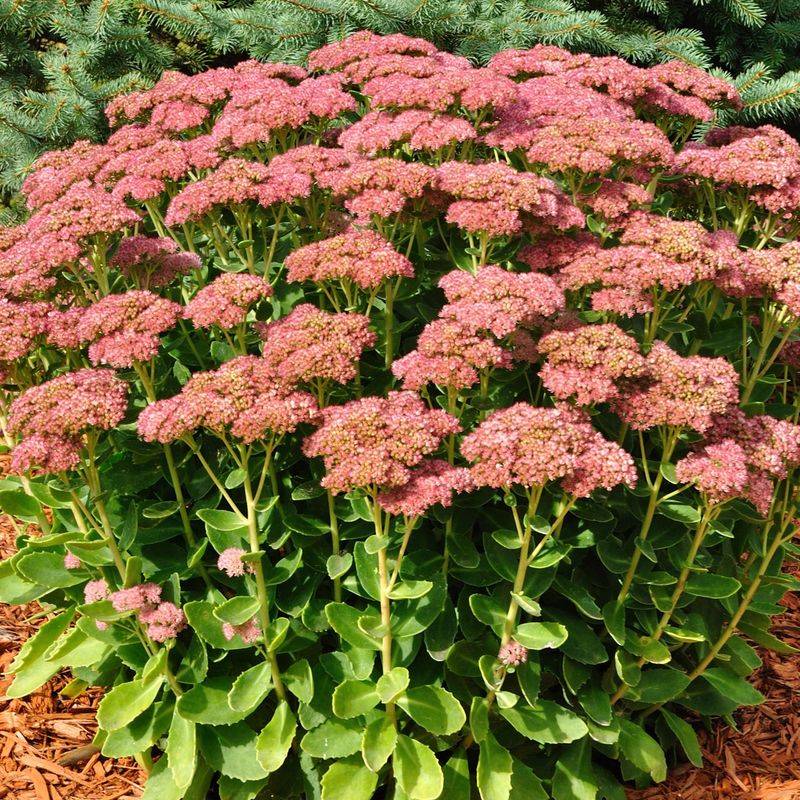
July in North Carolina can feel like walking into a steamy bathroom. Heat and humidity wear down plenty of garden plants. Autumn Joy, though, shrugs off most of that sticky weather.
Its thick leaves and tough nature help it stay fresh through long, hot days. Humidity does not bother it much either. There is just one thing it truly dislikes, and that is wet feet.
Roots sitting in soggy soil are this sedum’s biggest weakness. Water that will not drain away can cause the crown and roots to rot. Once rot sets in, the plant may collapse quickly.
Luckily, preventing that problem is simple. Choose a spot with well-drained soil, or build a raised bed that lets extra water escape. Mixing in some gravel or coarse sand can also help heavy soil drain faster.
Watch out for low spots in your yard where puddles form after rain. Those areas are better suited to plants that enjoy moisture. Keep your sedum on higher, drier ground.
Give each plant some breathing room as well. Spacing them about 18 inches apart lets air move freely, which helps leaves dry after storms. Good airflow keeps fungal problems away.
Mulch needs a light touch. A thin layer is fine, but never pile it thickly around the crown, where stems meet soil. Thick mulch holds moisture right where you do not want it.
Much of North Carolina sits on heavy red clay, especially in the Piedmont. Add our frequent summer thunderstorms, and soil can stay soggy for days. A little planning on drainage helps Autumn Joy stay strong through every sweltering summer.
9. A Simple Spring Trim Keeps It Upright
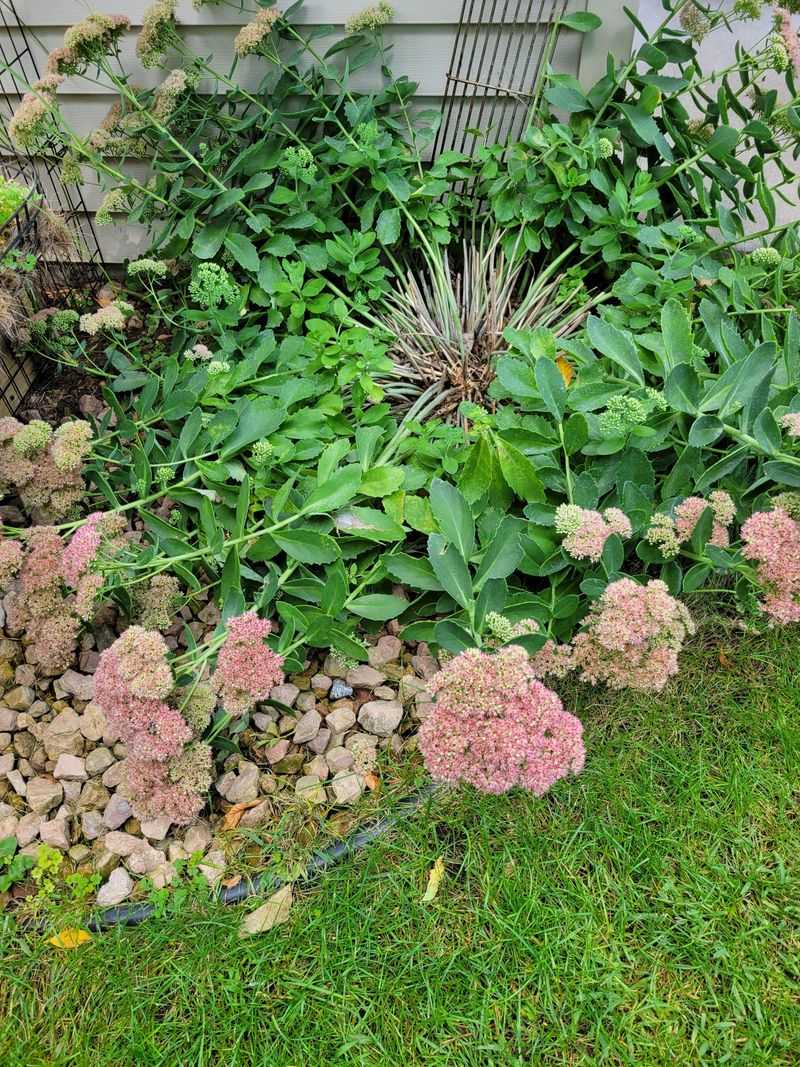
Nobody likes a plant that falls open like a flower that fainted. Autumn Joy sometimes does exactly that when its heavy blooms form. A quick trim in late spring can stop the problem before it starts.
Gardeners often call this the Chelsea chop, named after the famous Chelsea Flower Show in London, which happens in late May. The idea is easy. Cutting back stems early makes the plant grow bushier and stronger.
Here is how it works. When stems reach about 6 to 8 inches tall in late spring, grab a clean pair of pruning shears. Cut each stem back by about half, snipping just above a set of leaves.
Soon, new side shoots will sprout from below the cut. The plant ends up with more branches and shorter, sturdier stems. Those stronger stems can hold up their flower heads without splitting open in the middle.
Expect a few small changes. Blooms may open a little later than usual, and each flower head may be slightly smaller. On the bright side, you will usually get more flower heads overall, which means just as much color.
Not every plant needs this step. If your sedum grows in very lean soil and already stays upright, you can skip the trim. Watch how your plants behave each year and decide from there.
North Carolina enjoys a long, warm growing season that starts early in spring. All that extra growing time can push Autumn Joy to stretch tall and floppy by late summer. A few minutes with your shears in May keeps it neat, strong, and ready to shine all fall.