Sky Blue Flowers Opening On Alabama Roadsides In Fall Fade By Lunchtime
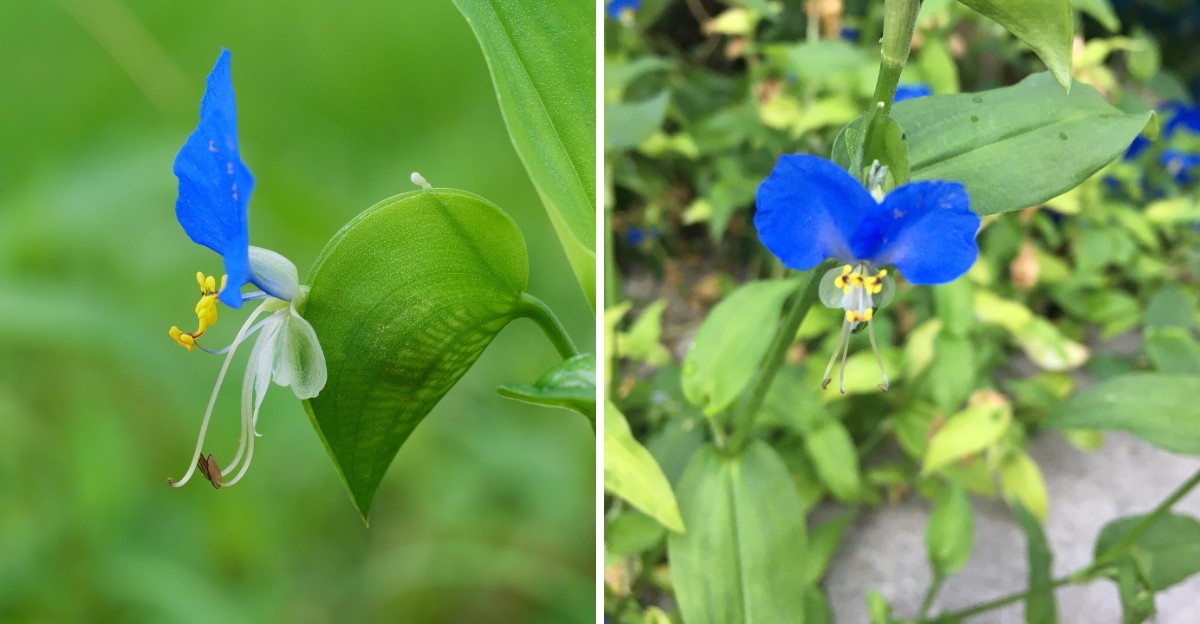
Why do you drive past a flower that bows out before noon? Dayflowers unfold along Alabama roadsides while you sleep.
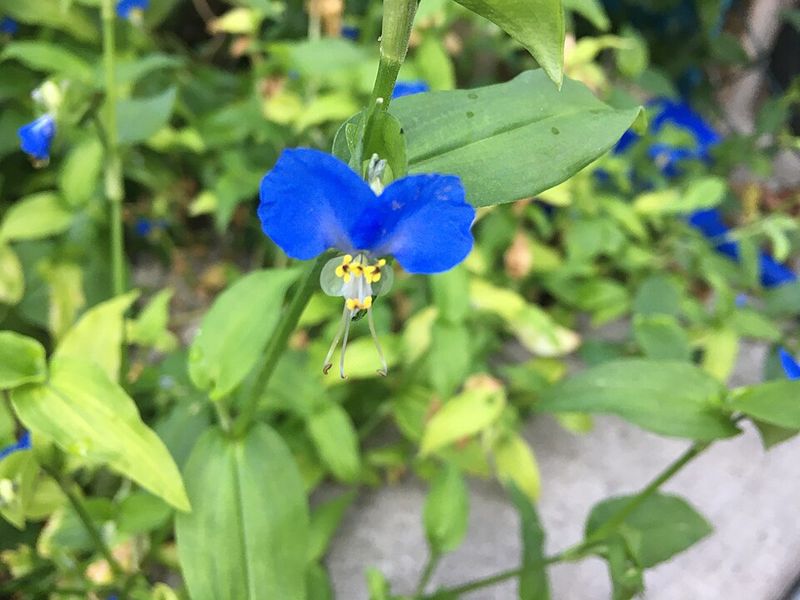
Their petals glow an electric cobalt you can spot from a moving car. Look closer and you find a tiny white petal beneath the blue.
Showy yellow decoys lure bees, and they might lure you too. Each bloom lasts mere hours, then its petals soften into a drop of liquid.
Afternoon sun finds you staring at bare green stalks. Fast drivers pass them by, which leaves the whole stage to you.
You can thank Dutch botanists for the genus name, Commelina. Gardeners label it a volunteer, yet you may admire that vivid color.
Arrive early, because Alabama mornings in October deliver a splendid display. Crouch beside a ditch and you will see petals still wet with dew.
A Wildflower Built For One Morning Only
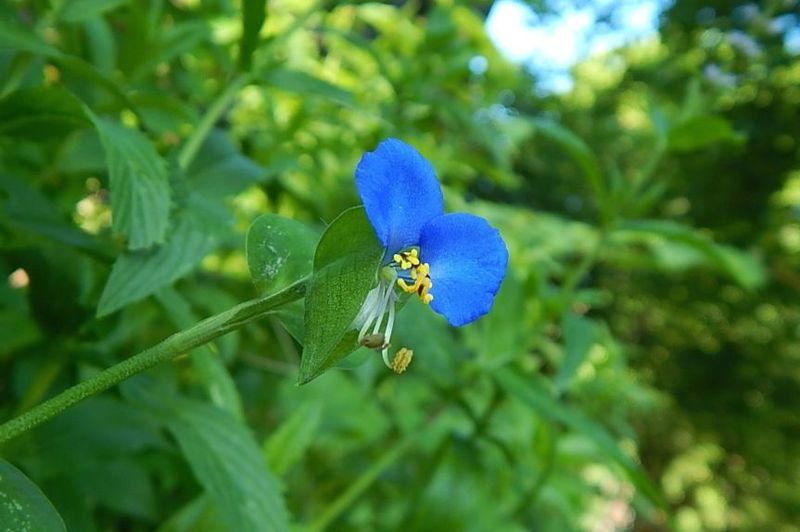
Those blue blooms are dayflowers, plants in the Commelina group that grow wild across Alabama. Each flower opens at dawn and shuts down before the noon sun gets hot.
The name says it all, because each bloom lasts a single day. By early afternoon, the petals curl up and soften into a gel-like droplet.
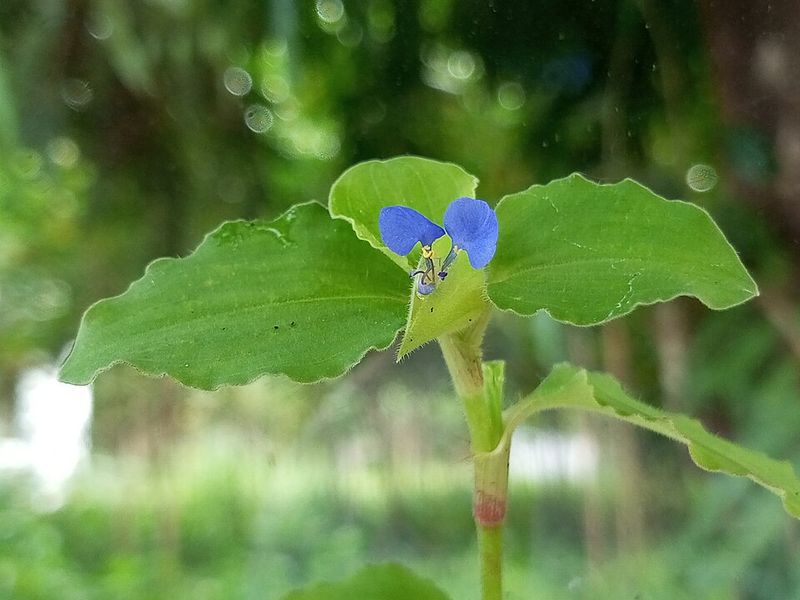
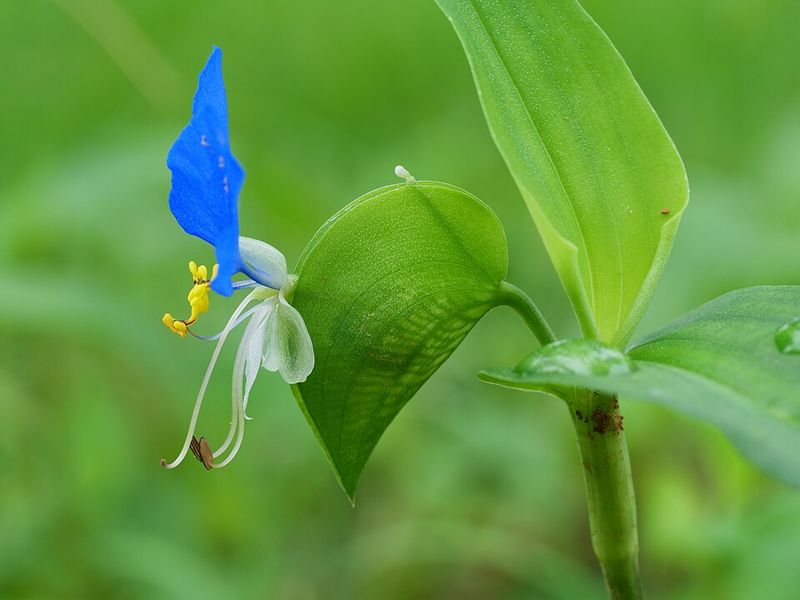
Look closely and you will spot two large blue petals shaped like tiny mouse ears. A third petal sits below, and on many kinds it is much smaller and pale white.
Bright yellow decoy staminodes poke out from the center like little flags. They lure bees during the few hours the flower is open, while smaller stamens supply pollen.
The leaves are long, narrow, and wrap around the stem near each joint. Stems creep along the ground and send down roots wherever they touch soil.
Flowers pop out from a folded green leaf called a spathe, which looks a bit like a taco shell. New buds hide inside it, waiting their turn for the next morning.
Several kinds grow in Alabama, including Asiatic dayflower and the native Virginia dayflower. The Asiatic type came from East Asia and spread widely along roads and gardens.
The native Virginia dayflower shows three blue petals, with the lower one a bit smaller. Asiatic dayflower has a tiny white third petal, so a close look helps on a walk.
Seed capsules form after the bloom closes. Small brown seeds drop near the parent plant and wait for warm soil to wake them. New plants follow in summer.
The Early Clock Behind Those Fading Petals
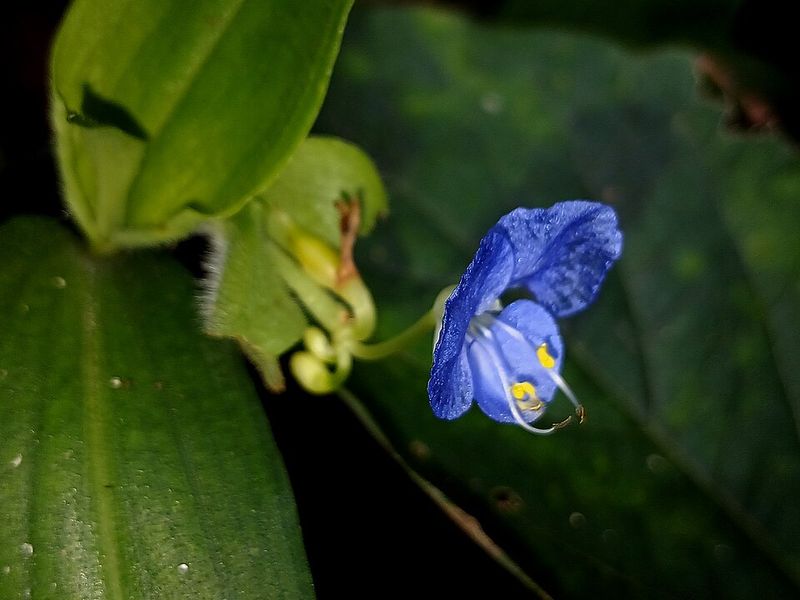
Sunrise works like an alarm clock for dayflowers. Light and warmth tell the bud to unfold, and petals open within an hour or so.
Morning is a good time for pollinators like small bees and hoverflies. Air is cooler, and the flower can share its pollen before the heat climbs.
By late morning, the petals start to weaken and fold inward. The petal tissue breaks down as the flower ages, turning it soft and watery.
Plants may save energy this way instead of keeping a flower open for days. One quick bloom costs less, and a fresh one follows the next morning.
Your Alabama Garden Changes Every Week. Your Plan Should Too.
Gardening in Alabama changes quickly throughout the season. Every Friday you’ll receive a simple weekly plan showing exactly what to plant, prune, fertilize, harvest, and protect so you never miss the right timing.
Warm October days in Alabama can speed things up even more. On a warm, sunny day, some blooms fade well before noon.
Cloudy weather can stretch the show a little longer. Gray skies keep things cool, so petals may hold on until early afternoon.
Many dayflowers can also pollinate themselves if no bee shows up. As the flower closes, its parts touch and seeds can still form.
That backup plan helps explain why dayflowers spread so easily. Each plant keeps producing seeds even on mornings with few pollinators.
So if you want photos, plan your outing between sunrise and mid-morning. Bring the camera early, and the flowers will be waiting with open petals.
Photographers enjoy the soft light of early hours for these blooms. Low sun brings out the deep blue tones without any glare on the petals. Patience pays off here.
October Showtime Along Southern Ditches
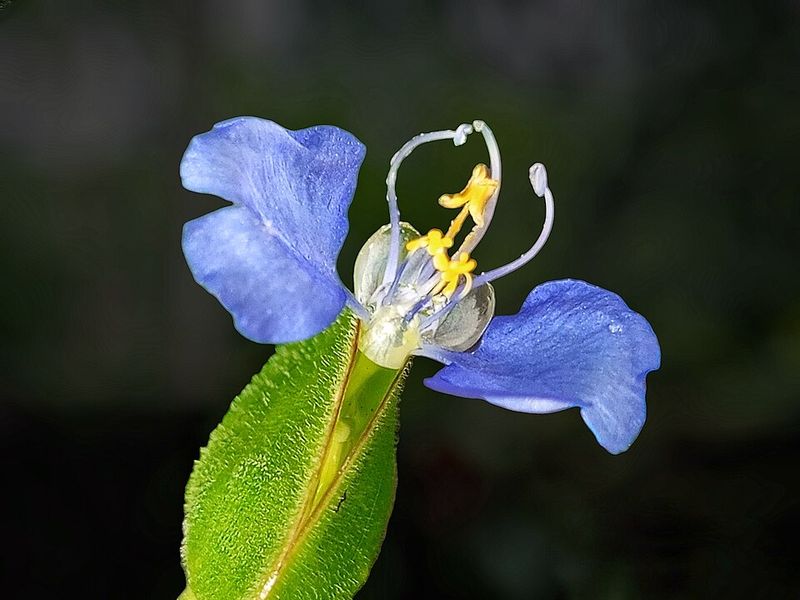
October is a busy month for many Alabama wildflowers. Dayflowers join them, blooming until the first frost.
Summer heat has eased, but the ground still holds plenty of warmth. Ditches often stay damp after a storm, which dayflowers love.
Roadsides make good homes because they get mowed and disturbed often. Dayflowers bounce back fast after mowing, sprouting new stems from their jointed nodes.
You will find them along county roads, farm edges, and shady woodland trails. Low spots that hold water after a storm are especially good hunting grounds.
In north Alabama, the show may wind down by late October. Down near Mobile and the Gulf Coast, blooms can keep going into November.
A light frost usually ends the season for the Asiatic kind. Since it is an annual, it relies on seeds to return next summer.
Native dayflowers often have tougher roots that survive winter underground. They wake up again in spring once the soil warms back up.
Drivers can easily miss these flowers at highway speed. A slow walk or a bike ride gives you a much better view.
Try visiting a quiet back road around 8 in the morning. Count how many blue dots you spot along a single stretch of ditch.
Alabama has a long growing season thanks to its mild climate. That gives dayflowers extra weeks to bloom compared with colder states. Bloom time stretches nicely.
Common Mix-Ups And Safety Tips For Dayflower Hunting
Plenty of people hear about these blue blooms and head out after lunch. They find green stems and spent petals, then wonder if they misread the timing.
Timing matters a great deal with dayflowers. Afternoon visits show leaves and the spent petals of the morning.
Another thing to watch for is chicory, which also closes by early afternoon. Blue-eyed grass and spiderwort look similar but bloom chiefly in spring.
Spiderwort is actually a cousin, and its flowers also fade by afternoon. Still, spiderwort has three equal petals and grassier leaves.
Chicory is taller, with ragged edges on many petals. Its flowers sit on stiff stems instead of creeping along the ground.
Picking dayflowers for a vase is not ideal either. Cut blooms wilt even faster indoors, so they are best enjoyed outside.
Busy road shoulders are a safety concern too. Pick quiet roads, park well off the pavement, and wear bright clothing.
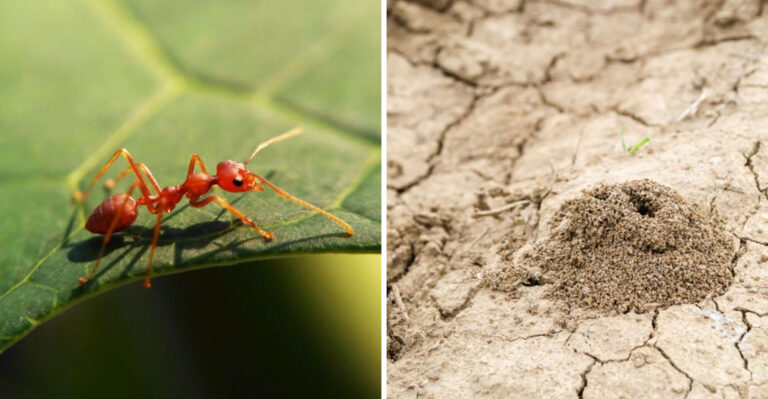
Watch for fire ants, which love sunny Alabama ditches. Check the ground before kneeling, since fire ants can be a bother.
Private land is another concern along many rural roads. Stay on public shoulders, and ask permission before stepping onto anyone’s property.
A hat, a water bottle, and patience make a morning hunt more pleasant. Slow steps help you notice small blooms low in the grass. Comfort keeps you outside longer.
Garden Visitors That Spread Quickly
Lovely on a roadside, dayflowers can spread fast in a vegetable bed. Many Alabama gardeners call the Asiatic kind a persistent volunteer.
Stems root at many joints they touch. Pull a plant roughly, and broken bits may sprout into brand new plants.
Hand pulling works best when the soil is moist. Grab low near the base and lift slowly to get the roots out.
Bag the pulled stems instead of tossing them on the compost pile. Stem pieces can survive and root again in warm, damp compost.
Mulch helps a lot when it goes down thick. Three inches of shredded leaves or pine straw blocks light from new seedlings.
Seeds can last in the soil for several years. Expect a few to pop up each summer, even after a good cleanup.
Some herbicides struggle with dayflowers because of their waxy leaves. Many gardeners skip chemicals and rely on steady pulling instead.
On the bright side, native dayflowers behave much better. Virginia dayflower makes a charming addition to a shady wildflower corner.
If you enjoy the blue color, give dayflowers a spot of their own. A damp edge near a fence can let them shine without crowding tomatoes.
Where space allows, a patch of native dayflowers can feed small bees. Pollinators visit the blue blooms through the morning hours. A busy patch hums with life.
Planning A Sunrise Walk For Next Season
Missed them this October? No worries, because dayflowers return each summer and bloom right through early fall.
Mark your calendar for July through October next year. That window gives you months of chances to catch the morning show.
Pick a safe, quiet route like a park trail or rural lane. Nature preserves around Alabama often have damp edges where dayflowers thrive.
Bring a phone or small camera, plus a notebook. Jot down the time each bloom opens and when it starts to fold.
Kids can turn this into a simple science project. Compare sunny spots with shady ones and see which flowers last longer.
Botanist Carl Linnaeus named Commelina after the Dutch Commelin family of botanists. A popular story says two showy petals honor two well known botanists.
The tiny, plain petal supposedly honors a lesser known relative.
Wear closed shoes, long pants, and bug spray for your outing. Morning dew and ditch insects can make shorts a poor choice.
Leave the flowers where they grow so others can enjoy them. A photo lasts much longer than a bloom that fades by lunch anyway.
Share what you find with a local native plant group. Many Alabama clubs welcome photos and notes from curious walkers. Sharing builds a friendly community.