Alabama’s State Flower Has A Lesser-Known Cousin That Blooms Months Earlier
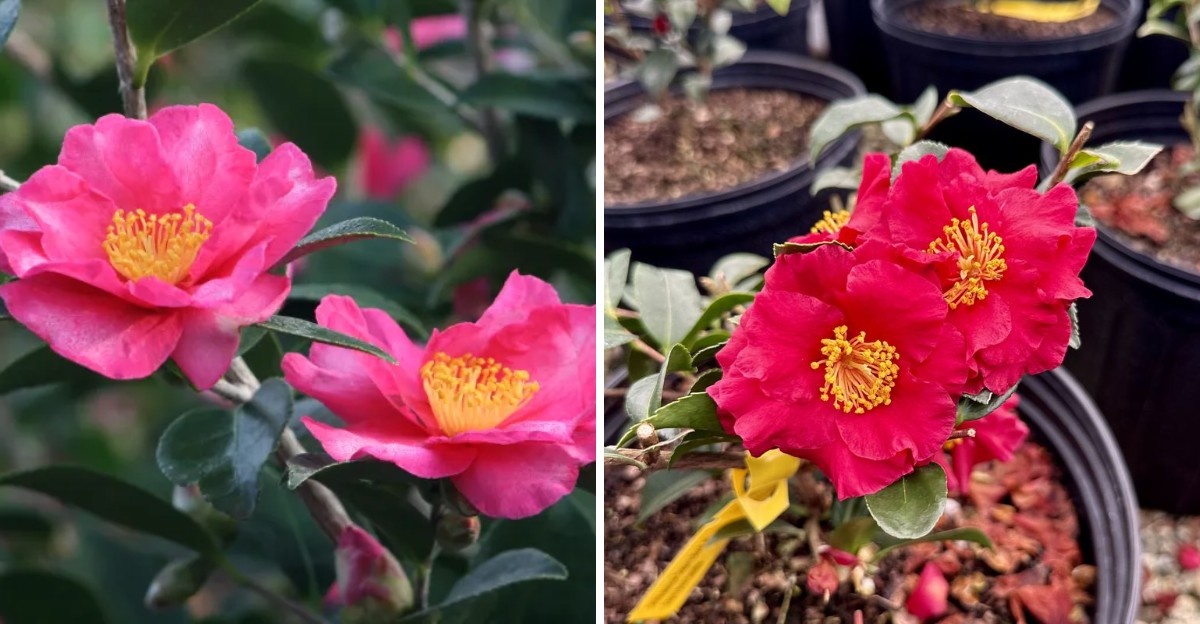
Why is a shrub blooming pink and white while neighbors fade? You stop on the sidewalk because Alabama autumns favor rust and brown. On fragrant varieties, crisp air carries a faint, sweet scent to your face.
Petals drop like confetti, and you crunch across a pink carpet. Bees notice before you do, chasing late pollen. Your neighbors squint, because flowers in fall feel unexpected.
This plant belongs to a famous family, yet it keeps its own schedule. Its celebrity cousin, the pride of Alabama, usually waits for winter.
Glossy leaves stay put through winter, so you gain structure and color. Gardeners across the South plant it for that reason. Partial shade and acidic, loose soil suit it well.
Plant it this season, and roots settle before summer heat arrives. Strong sun stresses its famous cousin, but this shrub handles brighter light.
The Fall-Blooming Sasanqua Camellia Of The South
Alabama named the camellia its state flower in 1959, and many people picture the winter- and spring-blooming Camellia japonica. Its quieter relative, the sasanqua camellia, deserves just as much love.
Both shrubs come from Asia and belong to the same plant family as the tea you sip. Sasanquas, however, have smaller leaves, smaller flowers, and a looser, more relaxed shape.
The name comes from Japan, where gardeners have grown sasanquas for hundreds of years. They were later introduced to American gardens and settled well into Southern yards.
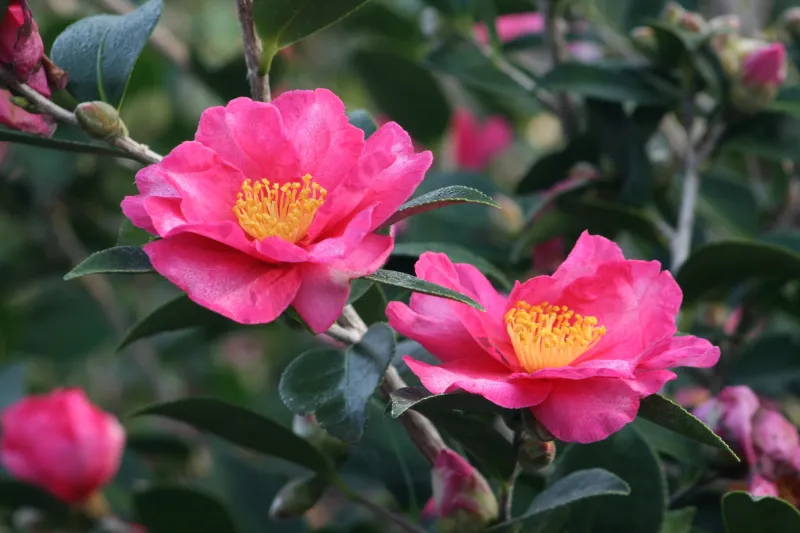
Flowers usually measure two to three inches across and come in white, pink, rose, and deep red. Many blooms open flat, showing a bright cluster of golden stamens in the center.
One easy way to tell the cousins apart is to watch the petals fall. Sasanquas drop petals one by one, while japonicas tend to drop whole flowers at once.
Leaves offer another clue if you look closely. Sasanqua leaves are about two inches long, glossy, and a bit fuzzy on new stems.
Some varieties even carry a light, sweet fragrance that japonicas often lack. On a cool evening, that perfume can drift across a whole porch.
So when someone says Alabama’s flower blooms in spring, you can smile and share a secret. Its cousin has been flowering since fall, quietly stealing the show.
Gardeners across the state plant both types together to stretch camellia season. With a little planning, a yard can show blooms from October through April.
A Bloom Calendar That Starts In September
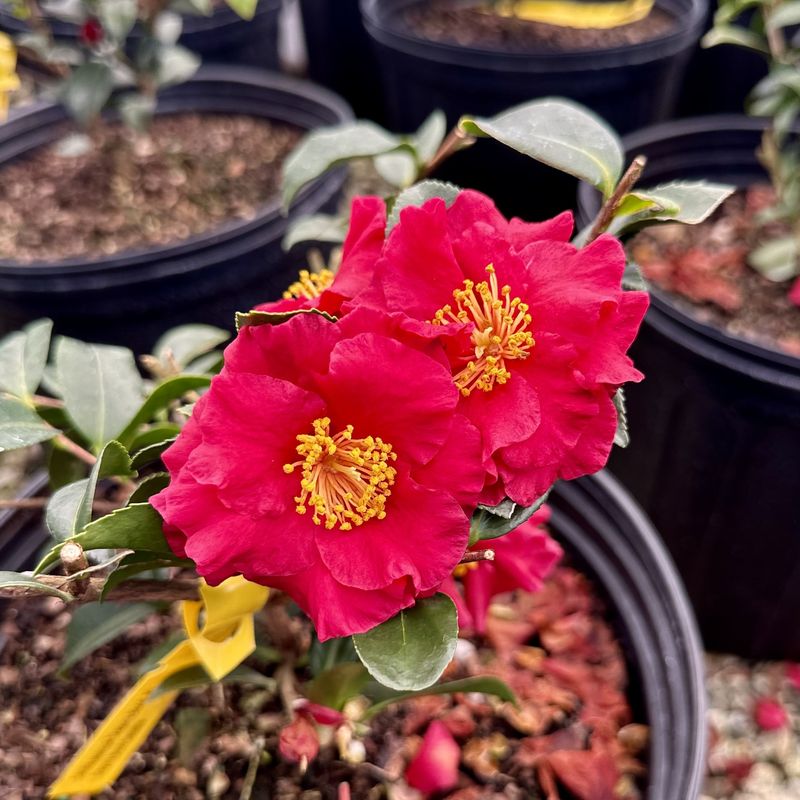
Mark your calendar for early fall, because that is when the show begins. In much of Alabama, sasanqua buds start opening in September or October.
Peak bloom usually lands in November, right around Thanksgiving. Some varieties keep going into December, offering color when most flowers have quit for the year.
Most japonica camellias, by contrast, bloom in winter or early spring. That gap typically gives sasanquas a head start of a few months.
Cooler fall temperatures help trigger the flowers. As summer heat fades, the shrub senses the change and its swollen buds begin to open.
Your Alabama Garden Changes Every Week. Your Plan Should Too.
Gardening in Alabama changes quickly throughout the season. Every Friday you’ll receive a simple weekly plan showing exactly what to plant, prune, fertilize, harvest, and protect so you never miss the right timing.
Weather can shift the timing a little from year to year. A warm fall may bring early blooms, while a dry summer can delay them.
Location matters too, since the state stretches from mountains to the coast. Bloom dates can vary between Mobile gardens and yards near Huntsville or Birmingham.
Sasanquas are generally hardy in zones 7 to 9, so gardeners in colder parts of north Alabama should choose cold-hardy varieties and a sheltered spot.
Choosing several varieties lets you stretch the season even longer. Early types like Setsugekka open first, while Yuletide saves its bright red blooms for December.
Keep an eye out for swelling buds in late summer. Those round little knobs are your sign that the party is about to start.
Hard freezes can brown open flowers overnight, but closed buds usually handle the chill. Fresh blooms often replace damaged ones as more buds open.
Many gardeners snap photos each fall to track their shrubs. After a few years, you will know your plant’s schedule like a favorite holiday.
How Late Pruning Reduces Next Year’s Flowers
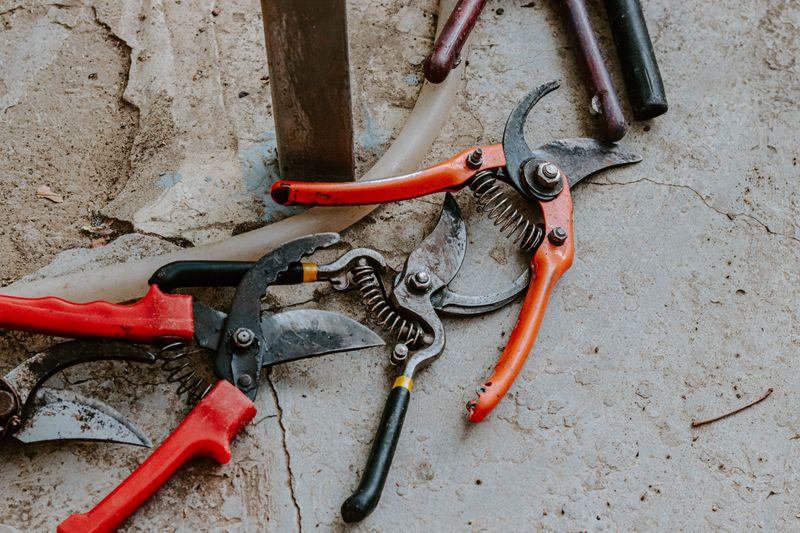
Picture this sad scene, where you trim your shrub neatly in August, then wait all fall for flowers. Nothing shows up, and you wonder what went wrong.
The answer is timing. Sasanquas form next season’s flower buds during summer, so late pruning snips them right off.
Many people treat every shrub the same and grab the clippers whenever things look messy. Camellias reward patience instead of a summer haircut.
The best window is right after blooming ends, usually in late winter or very early spring. That gives the plant months to grow new stems and set buds.
Light shaping works better than hard cutting for most sasanquas. Remove crossing branches, thin crowded spots, and trim long shoots that spoil the shape.
Overfeeding is another common slip. Too much nitrogen fertilizer pushes leafy growth and can mean fewer flowers on the plant.
Planting in deep shade causes trouble too. A sasanqua stuck in a dark corner may stay green but skimp on blooms.
Watering habits matter during late summer while buds are forming. A long dry spell can make buds drop before they open.
Fixing these habits is simple once you know them. Next fall, your shrub can thank you with branches loaded with color.
Sharp, clean pruners make neat cuts that heal quickly. Wipe the blades with rubbing alcohol between plants to avoid spreading disease.
If an old shrub has grown wild, spread big cuts over two or three years. Gradual pruning keeps the plant healthy and still blooming.
Smart Planting Spots And Soil For Happy Shrubs
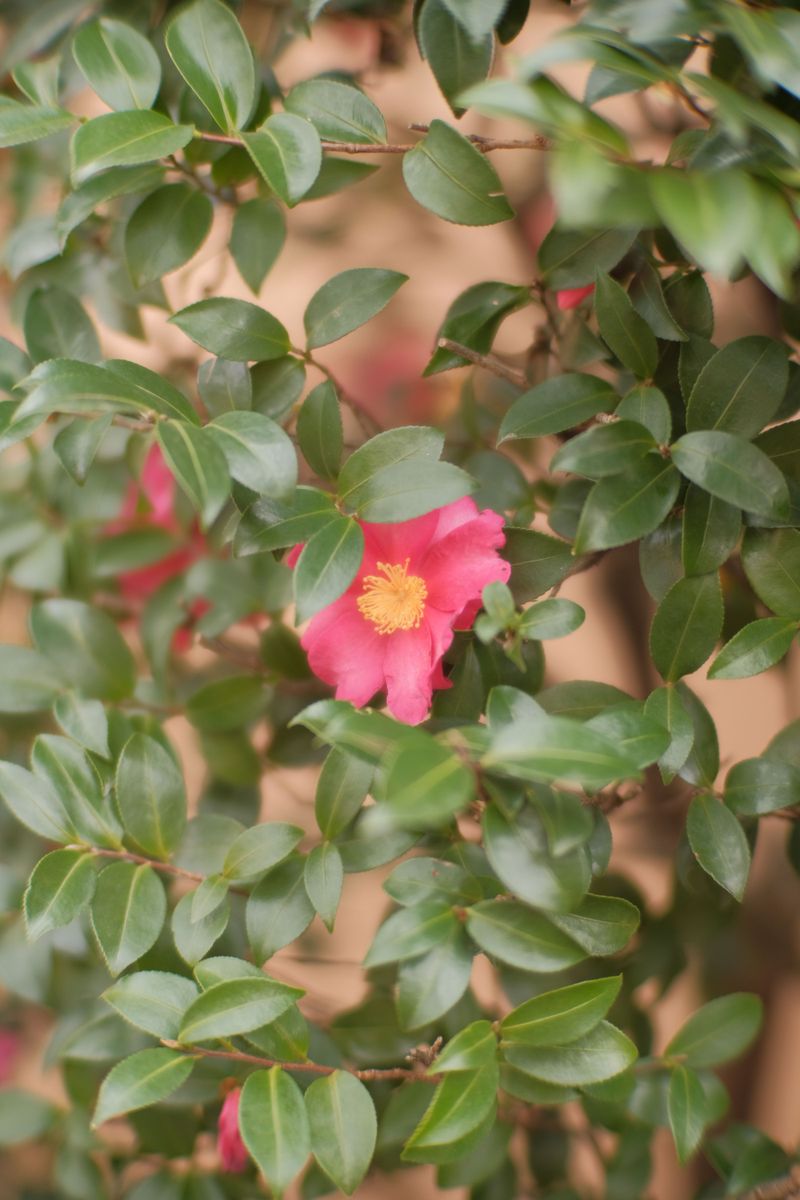
Sasanquas are the easygoing members of the camellia clan. They handle more sun than japonicas, which makes them handy for open Alabama yards.
Morning sun with afternoon shade is the sweet spot in most of the state. In cooler northern counties, many varieties can take fuller sun.
Soil should be slightly acidic, loose, and well drained. Soggy ground is their biggest enemy, since wet roots can quickly rot.
Alabama’s red clay can hold too much water. Plant with the root ball slightly high and work pine bark or compost into a wide area, not just the hole, so roots can breathe and spread.
Fall is the ideal planting season here. Cool air and warm soil help roots settle in before summer heat returns.
Dig a hole twice as wide as the root ball but no deeper. Set the top of the roots slightly above the ground to keep the crown dry.
Spread two or three inches of pine straw around the base. Mulch keeps soil moist, cool, and free of many weeds.
Water deeply once or twice a week during the first year. After that, established shrubs handle short dry spells surprisingly well.
Spacing matters for long-term health. Give each plant room to reach its mature size, which ranges from about three feet to more than ten feet, depending on the variety.
Low-growing types work well along walkways, while taller ones make pretty hedges. Some gardeners even train them flat against a sunny wall.
Container growing is another option for small patios. Use a large pot with drain holes and an acid-loving potting mix.
A Garden Full Of Color And Pollinators In Late Autumn
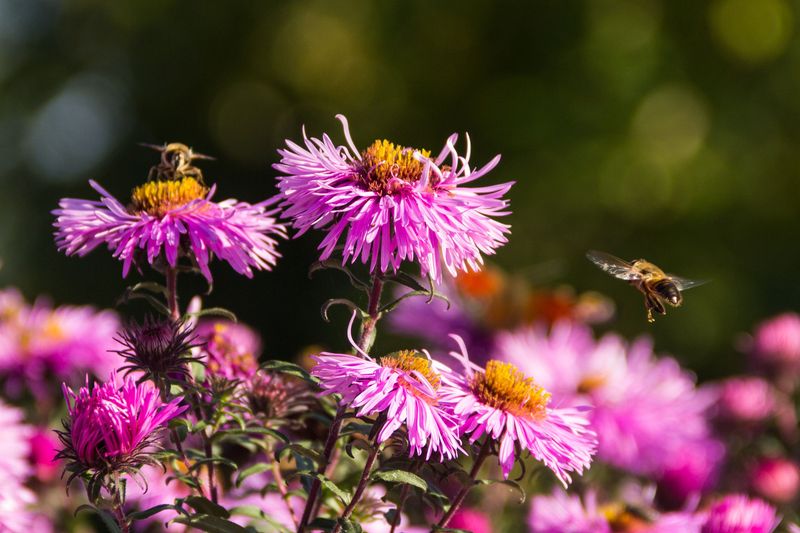
Late autumn can feel a bit gray once the maples drop their leaves. A blooming sasanqua flips that mood like a light switch.
Pink and white petals stand out against glossy dark green leaves. On sunny November days, the whole shrub seems to glow.
Pollinators notice too, and they are grateful. Bumblebees and honeybees visit the open flowers when few other nectar sources remain.
Butterflies may land on warm afternoons, adding motion to the garden. Fallen petals create a soft carpet beneath the branches. Kids love scooping them up, and they look lovely floating in a bowl of water.
Cut stems also make cheerful indoor arrangements for holiday tables. Snip a few branches with buds just opening for a short-lived indoor display, since cut blooms fade quickly.
Evergreen leaves keep working long after flowers fade. They give birds shelter and keep your yard green through the coldest months.
Neighbors often stop and ask about your shrub. Be ready to explain that Alabama’s state flower has a cousin with better timing.
Planting a few sasanquas near windows lets you enjoy the color from indoors. Watching bees work while you sip cocoa is a real treat.
Some varieties add a gentle sweet scent near doorways and porches. A quick sniff on the way inside can brighten a long school day.
Year after year, the shrub grows fuller and produces more flowers. A small plant from the nursery can become a proud garden landmark.
Simple Care To Prevent And Treat Pests And Problems
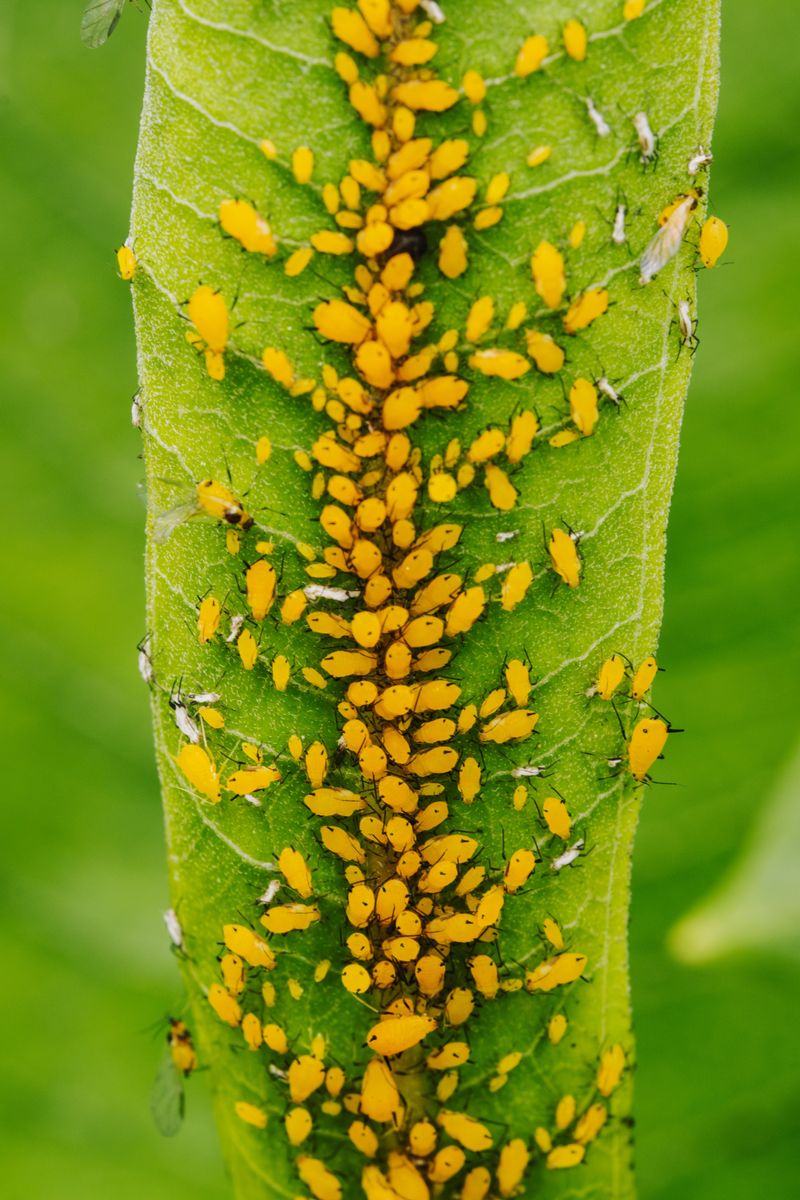
Tiny bugs can cause big headaches if nobody checks the leaves. Tea scale is the most common pest bothering sasanquas in Alabama.
Look for yellow spots on top of leaves and white, fuzzy specks underneath. Those specks are scale insects sucking sap from the plant.
Horticultural oil sprayed on the leaf undersides helps control them. Spray during mild weather, carefully following the directions printed on the label.
Aphids and spider mites show up now and then too. A strong blast of water from the hose often knocks them right off.
Root rot is a more serious problem, caused by soggy soil. Good drainage from the start is the best protection you can give.
Petal blight mostly troubles japonicas, but it can brown sasanqua blooms in damp years. Raking up fallen flowers keeps the fungus from spreading.
Sooty mold may appear as a black film on leaves. It follows sap-sucking insects, so controlling them clears up the mold.
Healthy shrubs fight problems better than stressed ones. Steady watering, light feeding in spring, and plenty of air flow go a long way.
Take a quick walk around your plants once a month. Flip a few leaves, check the stems, and catch trouble while it is small.
With simple care, a sasanqua can bloom for decades. Some old Southern shrubs have brightened the same yards for over fifty years.
Choosing strong varieties from a local nursery also helps. Staff there know which types handle Alabama heat and humidity best.