Straw-Colored Rings On Alabama Lawns Have A Fungal Culprit
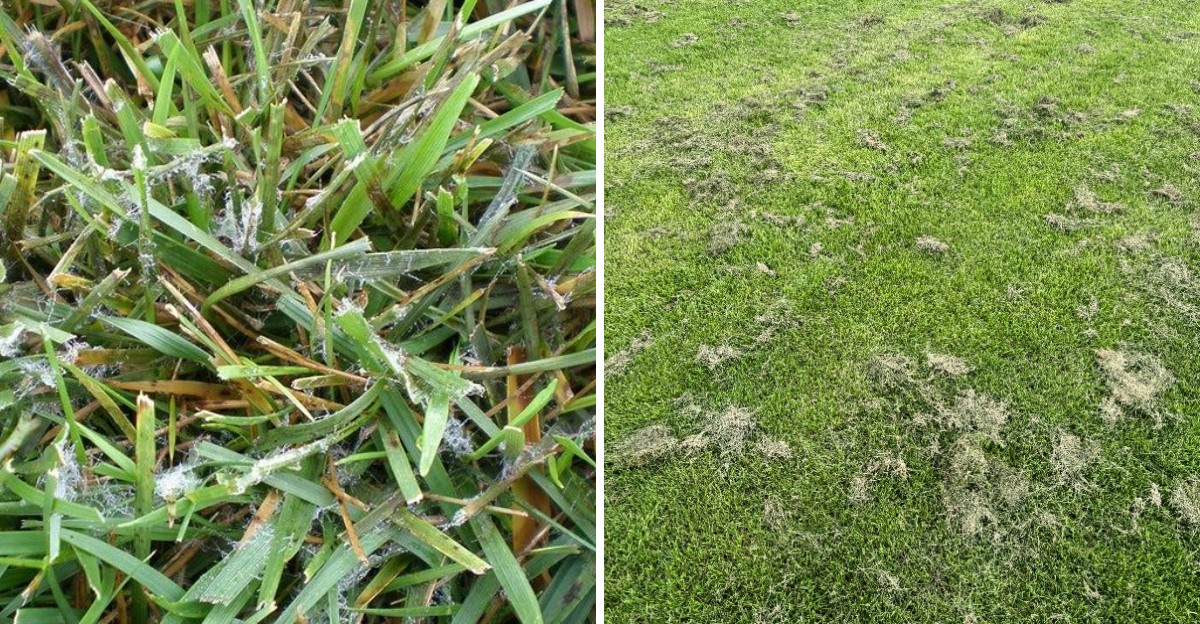
Orange rings are spreading across your lawn as the weather cools. Alabama autumns give a fungus called Rhizoctonia solani its preferred soil.
Cool nights and heavy dew favor its quick spread. You see tan patches expanding fast, rimmed by an orange border.
Maybe you blame the sprinklers or the dog and grab the wrong fix. Extra nitrogen feeds the fungus and widens the damage you want to stop.
Mowing infected patches carries fungus across your property. Watering at night keeps blades wet for hours, giving the fungus a long runway.
Octobers in Alabama give the fungus ideal conditions and hand you costly repairs. Act fast when an orange ring appears at dawn.
Fungicide labeled for large patch limits spread when you apply it on schedule. Cut your grass higher, water deeply and less often, and trim shade. Turf recovers slowly.
The Soil Fungus Behind Large Patch Disease
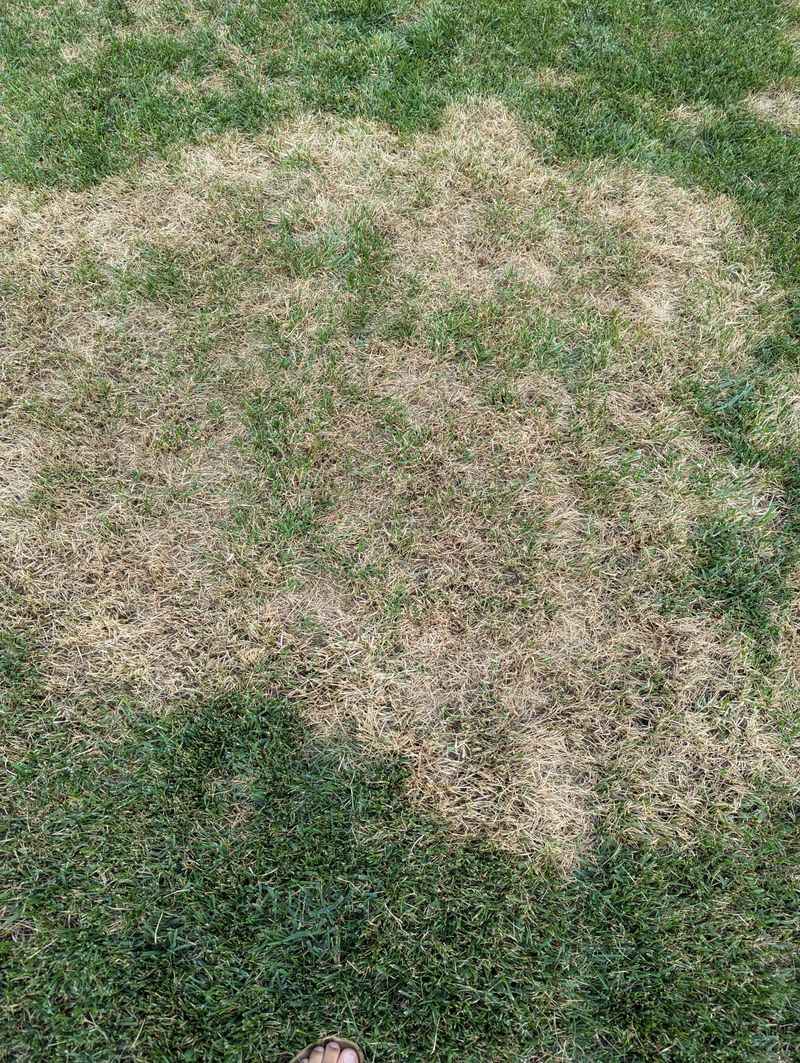
A fungus lives in your lawn’s soil and thatch all year, waiting for the right conditions. That fungus is a soil fungus called Rhizoctonia solani, and it causes a disease known as large patch.
Large patch mostly infects warm-season grasses common across Alabama, like zoysia, St. Augustine, centipede, and Bermuda. Zoysia and St. Augustine lawns tend to take the worst damage in our state.
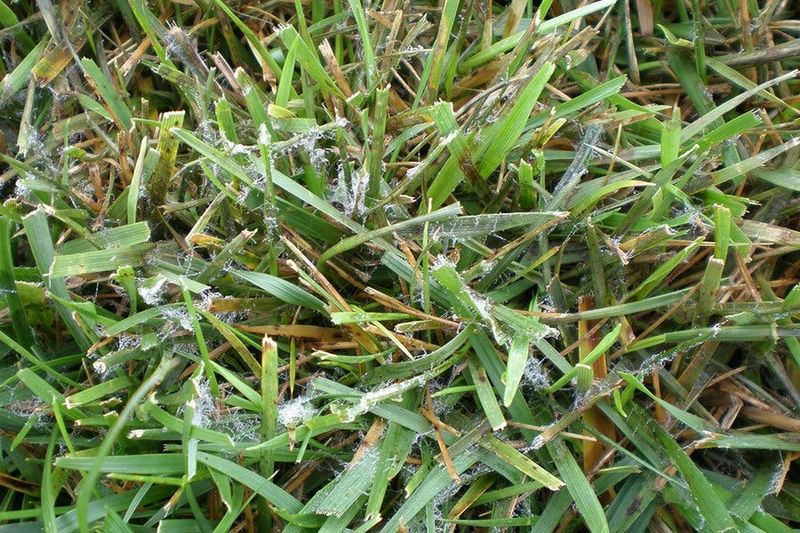
The fungus does not chew up roots like a grub would. Instead, it infects the leaf sheaths near the soil, right where blades connect to the stem.
Once those sheaths rot, the blades turn yellow, then orange, then a dull straw color. You can often pull the blades loose with a gentle tug.
Patches start small, maybe a foot across, then spread outward into circles several feet wide. The edges often glow orange or bronze while the center sometimes greens back up a little.
That orange border is the active zone where the fungus is feeding right now. Look closely in the early morning, and the blades there may appear water-soaked.
Rhizoctonia survives for years in thatch and soil as tough little resting bodies. That explains why the same spots tend to show up in the same yards year after year.
Correct identification matters because brown patches can also come from drought, grubs, or dog spots. A quick sample to your local Alabama Cooperative Extension office can confirm the culprit, and the office can tell you the current fee.
The October Window Between Seventy And Fifty Degrees
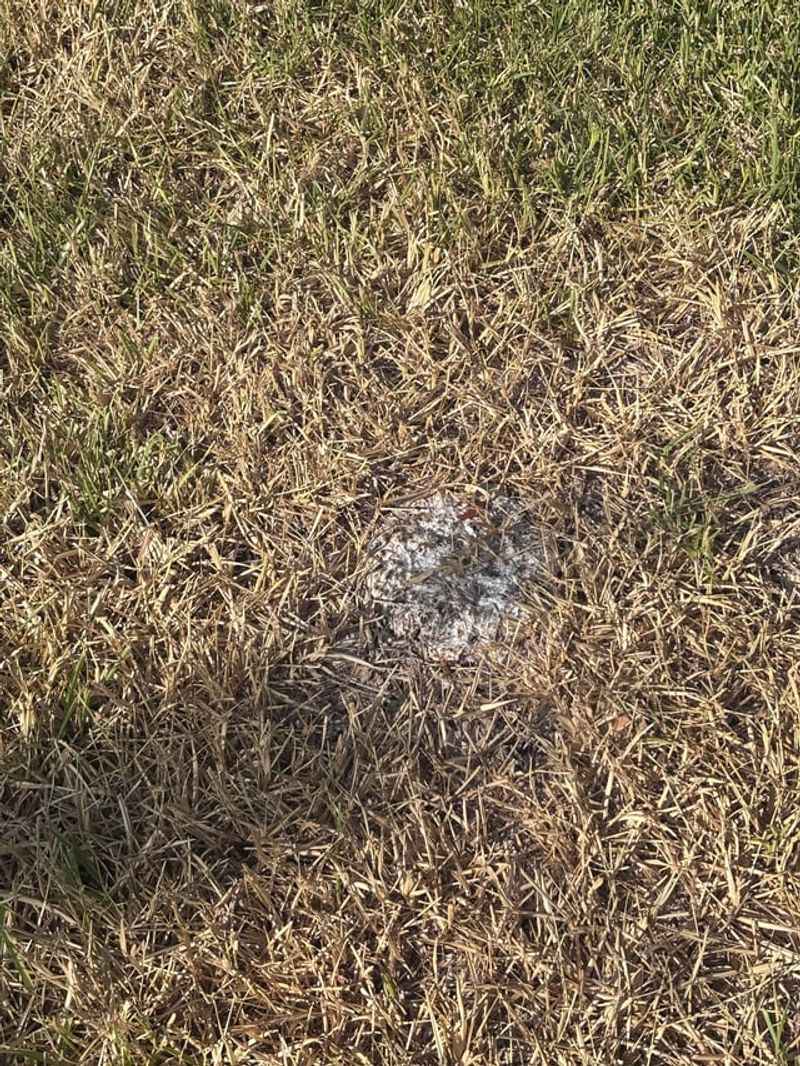
Timing is everything with this disease, and October in Alabama hits the sweet spot for trouble. Large patch loves soil temperatures between roughly 50 and 70 degrees Fahrenheit.
After the summer heat breaks, our soil drifts right into that comfortable range. Add cool nights, heavy dew, and autumn rain, and conditions favor fungal activity.
Meanwhile, your warm-season grass is slowing down and getting ready for winter dormancy. A sleepy lawn cannot grow fast enough to outrun the infection.
That mismatch creates a narrow window, roughly late September through mid-November, depending on your region and the year. Once frost arrives and the grass turns brown, fungicides do little good until spring.
Your Alabama Garden Changes Every Week. Your Plan Should Too.
Gardening in Alabama changes quickly throughout the season. Every Friday you’ll receive a simple weekly plan showing exactly what to plant, prune, fertilize, harvest, and protect so you never miss the right timing.
North Alabama tends to cool down first, so homeowners near Huntsville should act earlier. Folks along the Gulf Coast in Mobile may have a few extra weeks to work with.
A cheap soil thermometer takes the guesswork out of timing. Push it about two inches deep in the morning and check the reading for several days.
When readings settle near 70 degrees and keep dropping, the treatment window is open. Spotting the first orange edges is your signal to move quickly.
Waiting until patches double in size only means more turf to repair later. Acting during this short autumn stretch protects the grass while it can still respond.
Mark your calendar now so next year’s window does not slip past unnoticed. Future you will appreciate the reminder when the first cool front rolls through.
Fall Habits That Feed Large Patch
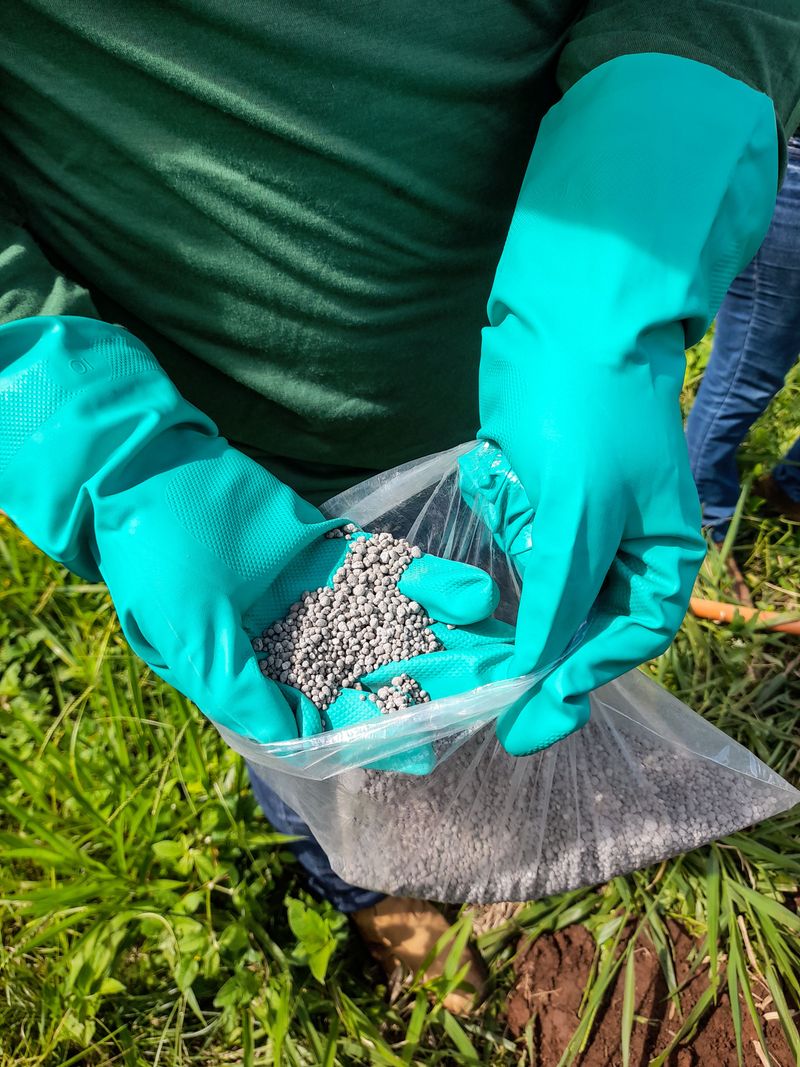
Ask an Alabama lawn pro about large patch, and fertilizer timing will likely come up. Feeding warm-season grass with nitrogen in fall is a mistake that extension specialists warn against.
Nitrogen pushes out soft, juicy leaf growth that the fungus finds delicious. Instead of helping a struggling lawn, that bag of fertilizer gives the disease more to feed on.
Overwatering comes in a close second on the list of habits that backfire. Sprinklers running every evening keep blades wet all night, which is perfect for fungal spread.
Mowing too low causes trouble as well, especially on zoysia and St. Augustine. Scalped grass has less leaf area to make food and recover from damage.
Another misstep is raking or dragging equipment through infected patches and then across healthy turf. Mowers and boots can carry bits of infected grass to new areas.
Many folks also reach for the wrong product after spotting brown rings. Insect sprays and weed treatments will not touch a fungal problem.
Some homeowners panic and pour on extra water, assuming the grass is thirsty. That reaction adds the moisture the fungus favors.
Thick thatch layers add to the mess by holding moisture near the crowns. Anything over half an inch thick gives Rhizoctonia a cozy place to hide.
Skipping these habits will not cure an active outbreak by itself. Still, cutting them out removes much of the fuel the disease depends on.
The Right Fungicide At The Right Moment
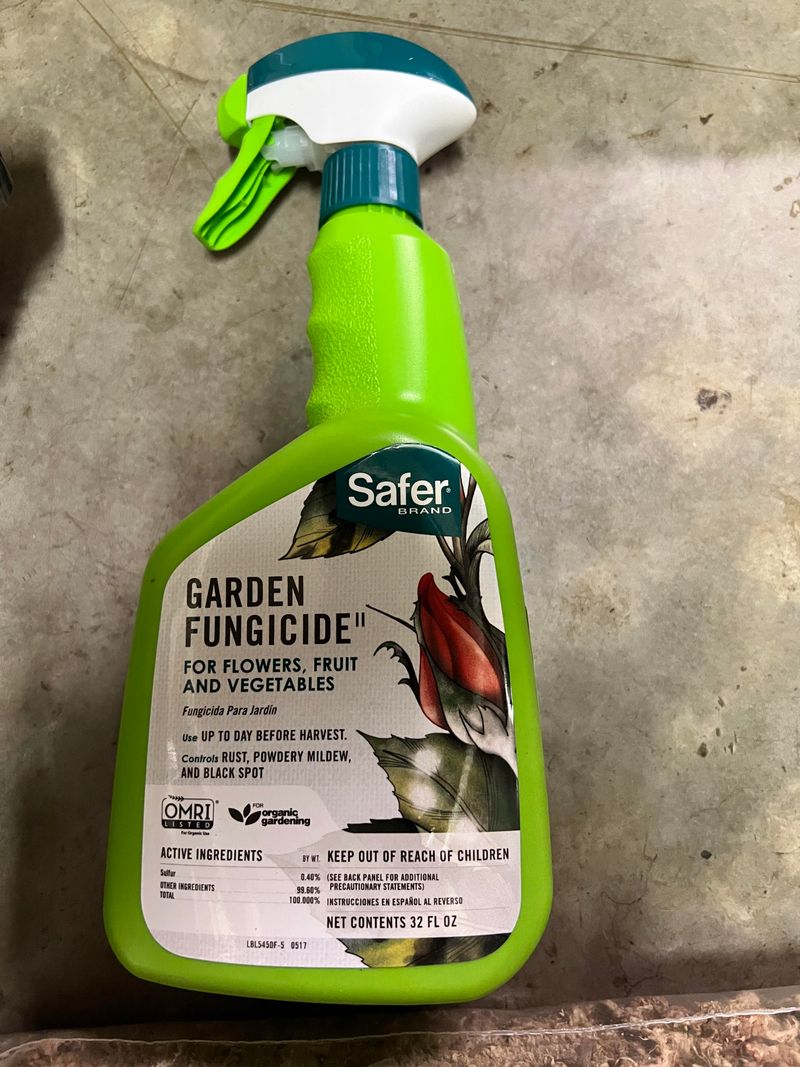
A well-timed fungicide can limit large patch spread this month. The goal is prevention and containment, since chemicals cannot turn brown blades green again.
Look for products containing azoxystrobin, flutolanil, propiconazole, or thiophanate-methyl on the label. Some are sold at Alabama garden centers in granular or liquid forms, while others are sold mainly to professionals.
Apply the first treatment when soil temperatures fall toward 70 degrees, before patches spread widely. A second application about 28 days later often helps in a wet autumn.
Read the label carefully for the correct rate per thousand square feet. Using more than the label directs wastes money, can stress the grass, and violates the label.
Treat the visible patches plus a buffer of five or six feet around each one. The fungus often stretches farther underground than the browning reveals.
Granules usually need a light watering afterward to move the product down to the stem level. Liquids work best sprayed in plenty of water so they coat the lower leaf sheaths.
Rotating between different chemical groups each year helps keep the fungus from building resistance. Labels list a FRAC code number, so switching codes is an easy rule to follow.
Gloves, long sleeves, and closed shoes are smart choices when handling any fungicide. Keep kids and pets off treated areas until the product has dried.
If the lawn is large or badly infected, a licensed lawn care company may save time. Professionals can also confirm the diagnosis before spraying.
A Slow Spring Recovery For Damaged Turf
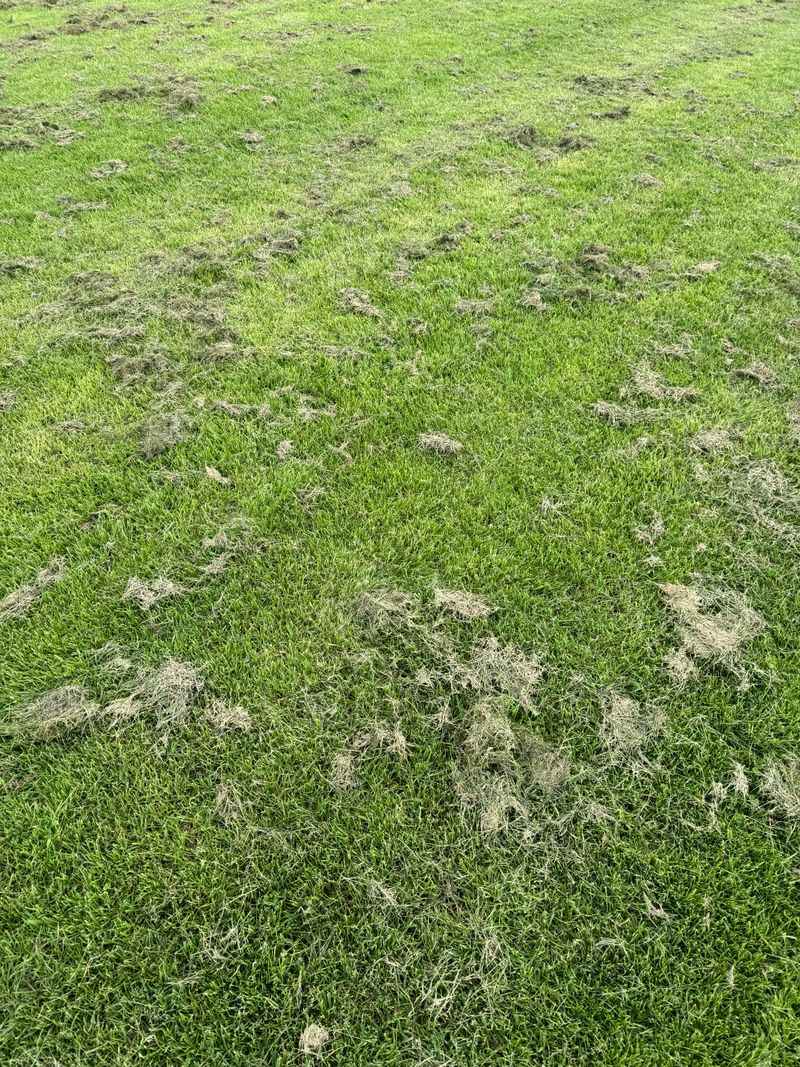
Patience becomes your best tool once the fungicide is down and winter rolls in. Brown circles from October will likely stay brown until your grass wakes up next spring.
Treated grass stops spreading the infection, but the damaged blades cannot heal themselves. New growth must fill in from healthy runners along the edges.
Bermuda bounces back fastest because it spreads aggressively with stolons and rhizomes. Zoysia takes its sweet time, sometimes needing most of the summer to close large gaps.
In spring, the fungus can flare up again as soil warms through that same cool range. Keep an eye out for fresh orange edges in April and early May.
Wait to fertilize until the lawn is fully green and actively growing. In much of Alabama, that means late April or May rather than March.
Small bare spots usually fill in naturally with a little time and steady sunshine. Larger patches may need plugs or sod pieces to speed up the recovery.
Rake out matted, decayed grass gently so new shoots have room to push through. Light topdressing with sand or compost can smooth uneven spots left behind.
Many homeowners feel discouraged when the rings linger through winter. Remember that a tan lawn in January is normal for warm-season grass anyway.
By early summer, many treated Alabama lawns look close to normal again. That green comeback makes the autumn effort feel worth every minute.
Habits That Reduce Large Patch Next Fall
Think of prevention as lawn manners that the fungus simply does not appreciate. Small changes to your routine can shrink next year’s rings or stop them from forming.
Water early in the morning, ideally before 10 a.m., so blades dry quickly in the sun. Aim for about one inch per week, including rainfall, and skip watering after soaking storms.
Drainage plays a huge role, since large patch often starts in low, soggy spots. Core aeration in late spring or early summer helps water soak in instead of pooling.
Raise your mower height a notch in fall to give grass extra leaf area. Sharp blades make clean cuts that heal faster than ragged, torn tips.
Feed warm-season lawns during their active growing season, roughly May through August. Stop nitrogen applications at least six weeks before the first expected frost.
Trim low tree branches and shrubs that block morning sun and airflow. Shady, still corners stay damp longer and invite fungal trouble.
Bag clippings from infected areas instead of letting them spread across the yard. Rinse your mower deck afterward to avoid hauling the fungus into clean turf.
Yards with a history of large patch can benefit from a preventive fungicide when soil temperatures approach 70 degrees in fall. Marking problem spots on a phone photo makes next year’s treatment much easier.
A little planning now beats staring at orange donuts next October. Your lawn, and possibly your curious neighbors, will thank you for it.