What Every Pennsylvania Gardener Should Plant In Containers Before The First Frost
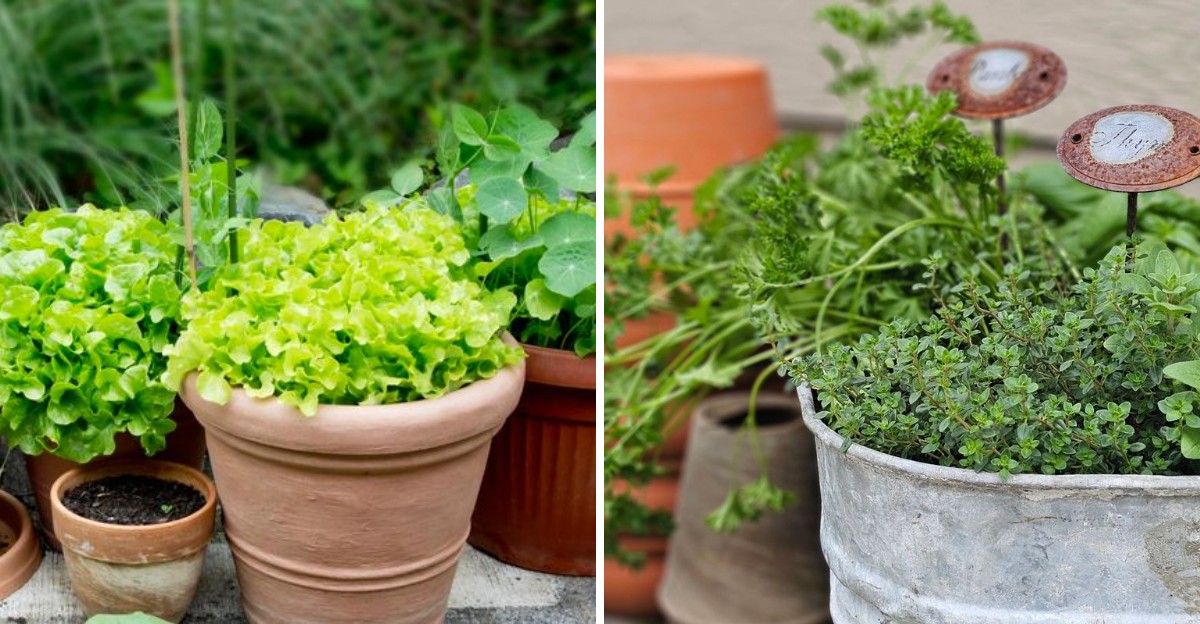
Fall in Pennsylvania is genuinely one of the better seasons to be a gardener, which surprises a lot of people who assume the growing season is basically over once the maples start putting on their show. It is not.
Not even close. The secret weapon is containers, and once you figure out how to use them well in fall, you will never look at a chilly October afternoon the same way again.
Pots warm up fast in the sun, drain well after a heavy rain, and can be moved inside when a cold night rolls in without warning. Some plants actually taste sweeter after a light frost, which is a genuinely fun bonus.
First frost timing varies across the state, from the northern mountains to the milder southeast, so knowing your local window makes all the difference.
1. Crunchy Lettuce And Salad Greens
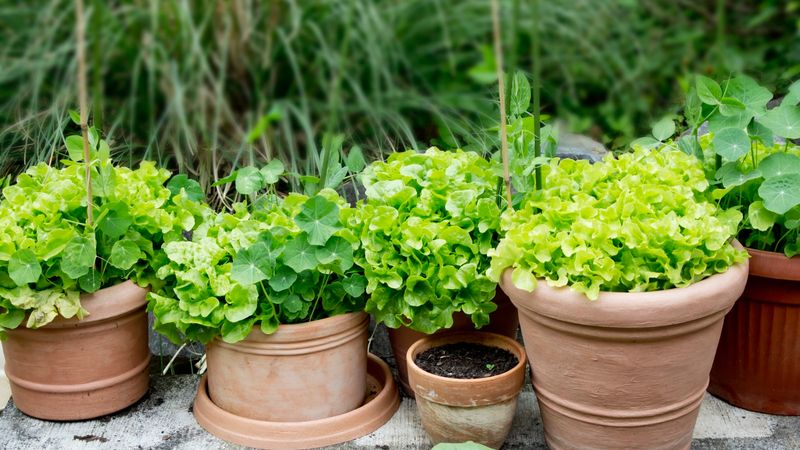
Fresh salad in October sounds almost too good to be true, yet lettuce loves cool fall days. Hot summer sun makes lettuce turn bitter, but cooler air keeps the leaves sweet and tender.
That makes autumn one of the best times to grow it in Pennsylvania.
Pick a container at least six inches deep and fill it with fresh potting mix. Scatter seeds lightly across the top, then cover them with a thin layer of soil.
Keep the mix damp, and you should see tiny sprouts within a week or so.
Loose-leaf types like Black Seeded Simpson and Red Sails grow fast and are ready to snip in about 30 days. Spinach and arugula also work well in pots and handle chilly nights with ease.
Try planting a few seeds every two weeks so you always have a fresh batch coming along.
When frost is in the forecast, toss an old bedsheet over the pot or move it close to the house. Light frost will not hurt most greens, and a little shelter can stretch your harvest into November.
Some gardeners even slide their pots into a cold frame for extra protection.
Harvest by cutting the outer leaves first and letting the center keep growing. One pot can feed you again and again for weeks.
Few things beat a homemade salad picked just minutes before dinner on a cool fall evening.
2. Colorful Pansies That Laugh At Cold
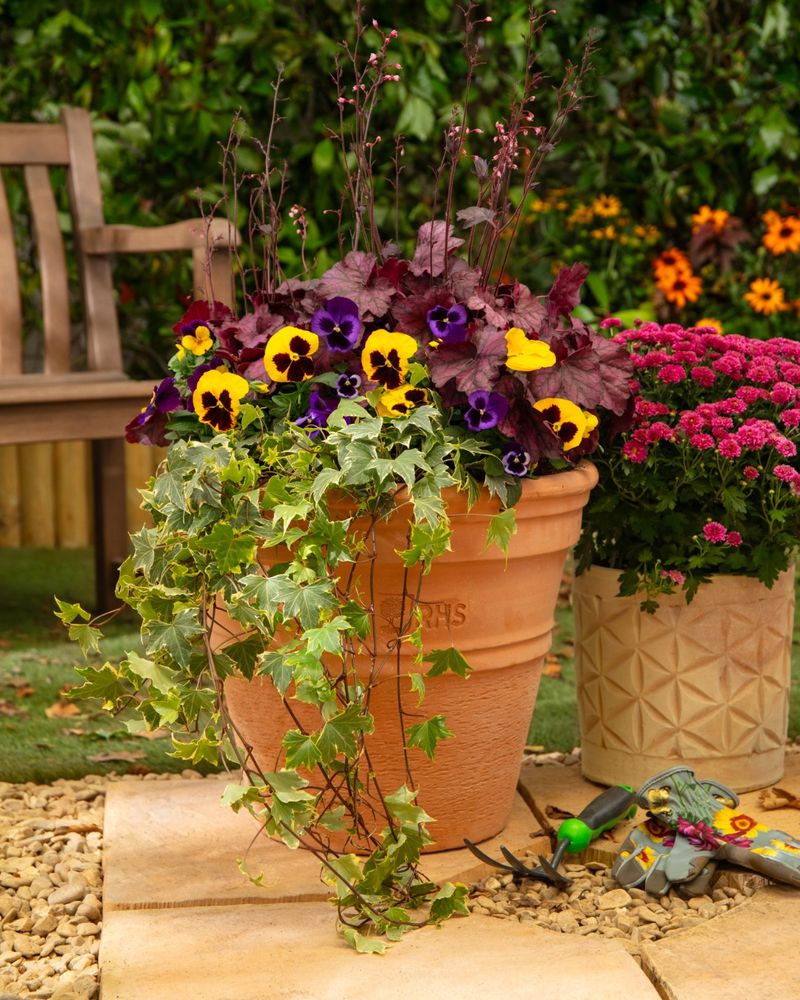
Little faces seem to smile back at you from every pansy bloom. Those cheerful flowers are tougher than they look, and they keep shining when most summer plants have given up.
Pansies can survive temperatures into the low 20s Fahrenheit, though blooms may suffer at the colder end of that range even when the plant itself pulls through. For the best show, a little shelter on the coldest nights goes a long way.
Garden centers across Pennsylvania stock pansies in September and October, so grab a few flats while the colors are fresh. Choose plants with lots of buds rather than ones already in full bloom.
Buds mean more flowers for weeks to come.
Plant them in a pot with good drainage and set it where it gets at least six hours of sun. Water when the top inch of soil feels dry.
Your Pennsylvania Garden Changes Every Week. Your Plan Should Too.
Gardening in Pennsylvania changes quickly throughout the season. Every Friday you’ll receive a simple weekly plan showing exactly what to plant, prune, fertilize, harvest, and protect so you never miss the right timing.
A light dose of liquid plant food every couple of weeks keeps the blooms coming.
Here is a fun bonus. Many pansies will rest during the coldest part of winter, then pop back with fresh flowers in early spring.
That gives you two seasons of color from one planting.
Did you know pansy petals are edible? Gardeners sometimes toss them on salads or cakes for a pretty touch, as long as no chemicals were sprayed on them.
Pair pansies with ornamental kale or small evergreens, and your front step will look welcoming all the way from fall into spring.
3. Garlic Cloves For A Summer Payoff
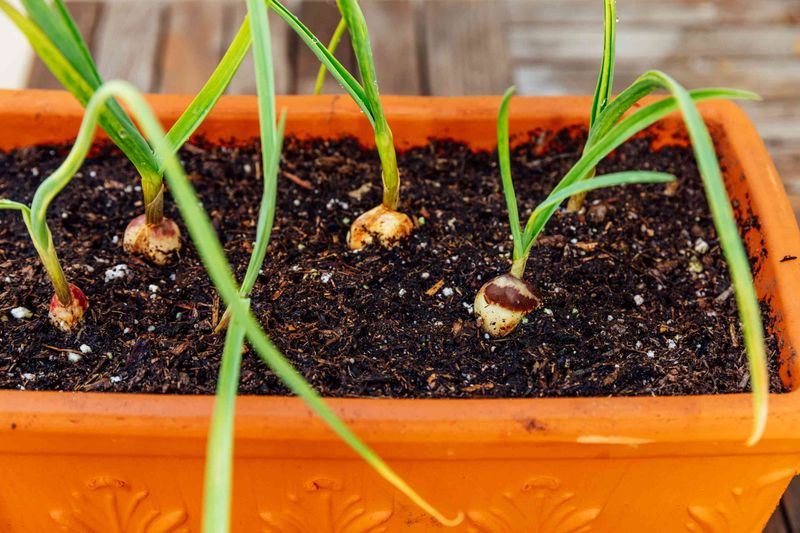
Patience pays off big with garlic. You plant it in fall, forget about it over winter, and dig up plump bulbs next July.
Few crops are this easy for so little effort.
Timing matters most. In Pennsylvania, the sweet spot is usually two to four weeks before the ground freezes, often mid to late October.
The cloves need that cold period to form full bulbs later on.
Use a deep container, at least 10 to 12 inches, like a half whiskey barrel or a large fabric grow bag. Break a garlic head into single cloves and push each one about two inches deep, pointy side up.
Space them around four inches apart so each has room to swell.
Skip the grocery store garlic, since it may be treated to stop sprouting. Buy seed garlic from a local farm market or garden shop instead.
Hardneck types such as Music or German Extra Hardy handle our cold winters especially well.
After planting, spread a few inches of straw or shredded leaves on top. That blanket keeps the soil from freezing and thawing too fast.
Push the pot against a sheltered wall for extra comfort.
Come spring, green shoots will poke up like little flags. Hardneck garlic even sends up curly stalks called scapes in June, and they taste amazing in stir-fries.
4. Spring Bulbs Tucked In For Winter
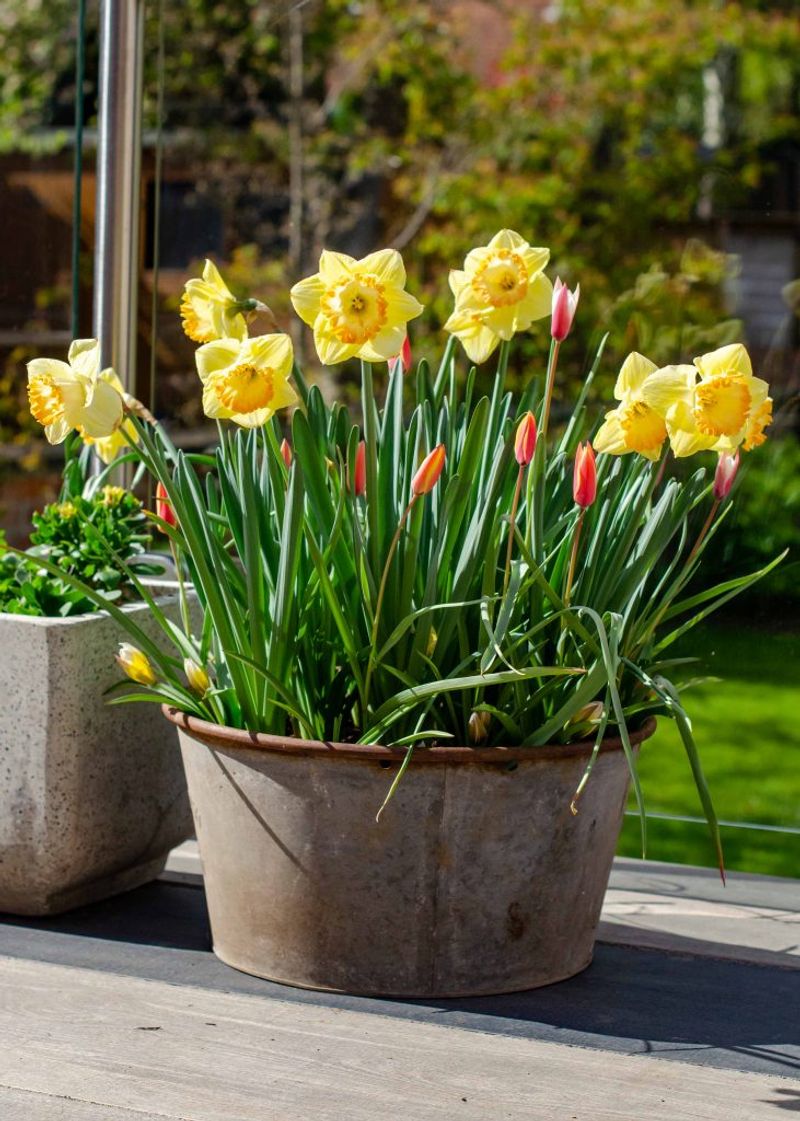
Think of fall bulb planting as sending a gift to your future self. Tulips, daffodils, and crocuses all need a long chill before they bloom.
By planting them in pots now, you get a burst of color the moment spring arrives.
One clever trick is called the bulb lasagna. Put big bulbs like tulips at the bottom, add a layer of soil, then daffodils, more soil, and tiny crocuses near the top.
The flowers take turns blooming for weeks.
Choose a pot that can stay outside without cracking. Plastic, fiberglass, or thick resin work better than thin clay, which can split when wet soil freezes.
Make sure it has drainage holes, because soggy bulbs will rot.
Pennsylvania winters get cold enough to chill bulbs naturally, but pots freeze harder than the ground. Group your containers together against the house, or wrap them in burlap.
Some folks move them to an unheated garage, which keeps them cold but not frozen solid.
Watch out for squirrels, since they love digging up tulip bulbs for a snack. A piece of chicken wire laid over the soil keeps them out.
Daffodils taste bad to critters, so they are a safer pick if squirrels rule your yard.
Water the pots once after planting, then let nature handle the rest.
5. Ornamental Kale And Cabbage Showstoppers
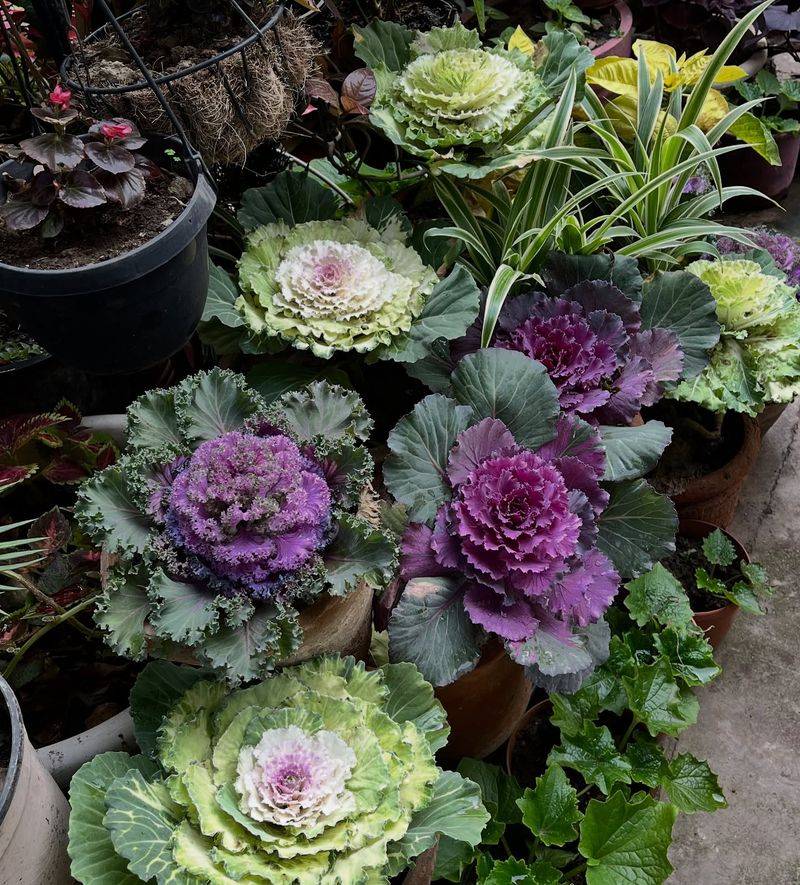
Nobody expects a cabbage to steal the show, but ornamental kale does exactly that. Its ruffled leaves glow in shades of purple, pink, cream, and deep green.
Even better, the colors get brighter as the nights get colder.
Gardeners love these plants because they shrug off frost like it is nothing. Many varieties stay handsome down to about 10 degrees, which carries them deep into a Pennsylvania winter.
They often look great right through Thanksgiving and sometimes into the holidays.
Buy plants that are already a good size, since they will not grow much once the weather cools. Set one in the center of a big pot and surround it with pansies or trailing ivy.
The mix of shapes and textures looks like something from a fancy garden magazine.
Care is simple. Give them full sun, water when the soil dries out, and pull off any yellow lower leaves.
You do not need much fertilizer this late in the year.
Here is a quirky fact. Ornamental kale is technically edible, but it is bred for looks, not flavor, so it tastes pretty bitter.
Keep it for decoration and grow a regular kale like Lacinato if you want something for soup.
Add a few small pumpkins around the base, and your porch display is complete.
6. Hardy Herbs Like Parsley And Chives
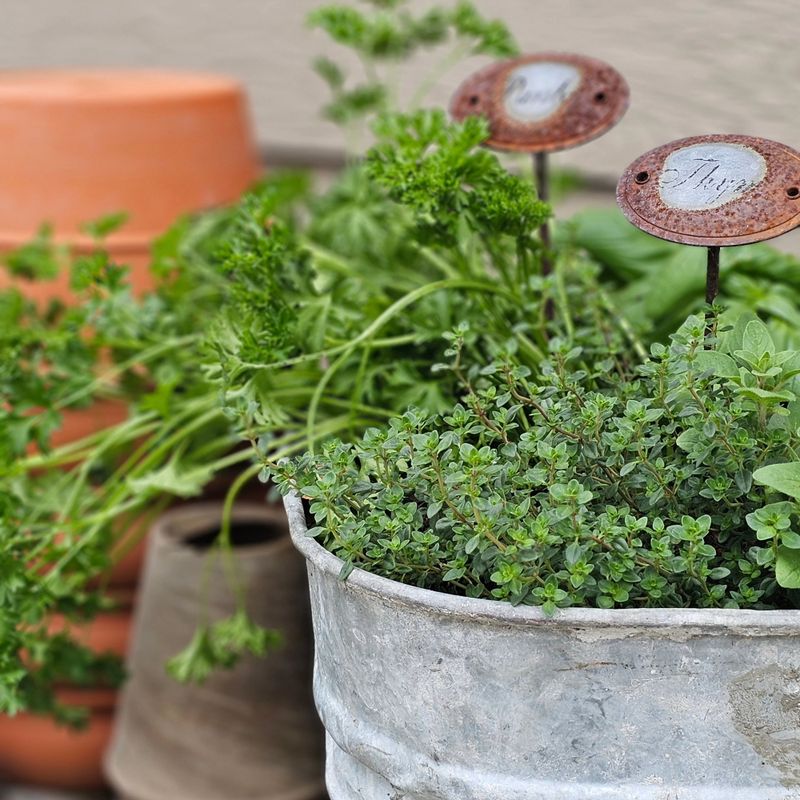
Grabbing a handful of fresh herbs right outside the kitchen door makes cooking feel special. Basil fades fast once things cool off, but plenty of herbs keep going strong.
Parsley, chives, thyme, and sage all handle cool weather well.
Parsley is the real hero here. It can take light frost and keep producing leaves into early winter across much of Pennsylvania.
Curly and flat-leaf types both grow nicely in a pot about eight inches deep.
Chives are just as easy, and they come back year after year. Cut them back by half in fall, and fresh shoots will pop up soon after.
Their mild onion flavor is great on baked potatoes and scrambled eggs.
Thyme and sage like drier soil, so plant them together in one container with sandy potting mix. Water them less often than your parsley.
Too much moisture in cold weather can cause their roots to rot.
Small herb pots are easy to carry, which is a big plus. On a very cold night, bring them inside and set them on a sunny windowsill.
Many herbs will keep growing indoors all winter with good light.
A fun tip for later: snip extra herbs, chop them, and freeze them in ice cube trays with a little olive oil. You will have ready-to-use flavor cubes for winter soups.
7. Sweet Radishes And Baby Carrots
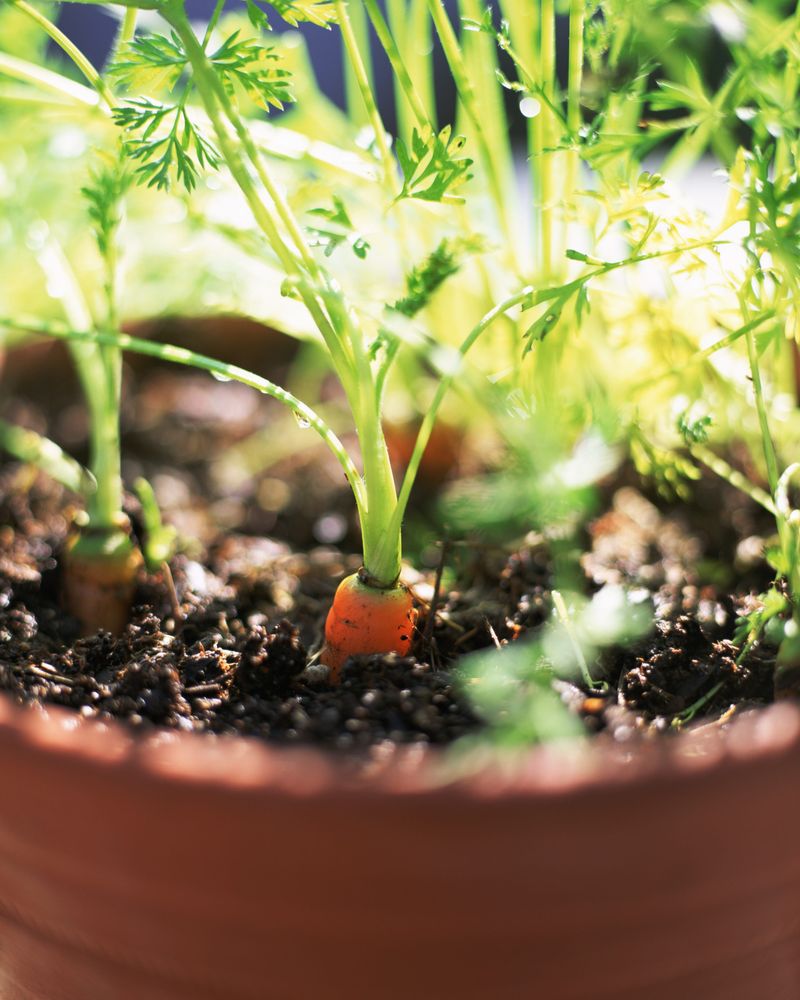
Pulling up a bright red radish feels like finding buried treasure. Radishes are some of the fastest crops you can grow, ready in as little as 25 days.
That speed makes them perfect for a quick fall planting before winter settles in.
Sow seeds about half an inch deep and one inch apart in a pot at least six inches deep. Cherry Belle and French Breakfast are reliable choices for beginners.
Kids especially enjoy growing radishes because the results show up so quickly.
Carrots take longer, about 50 to 70 days, so get them started by late August or early September in most of Pennsylvania. Pick short varieties like Paris Market or Danvers Half Long, since they fit nicely in containers.
A pot about 12 inches deep gives them plenty of room.
Something neat happens when carrots feel the cold. They turn some of their starch into sugar to protect themselves, which makes them taste extra sweet.
Many gardeners say a frosty carrot is the best carrot.
Keep the soil evenly moist, because dry spells can make roots crack or turn woody. Thin seedlings so each plant has space to grow.
Crowded roots stay small and twisted.
When hard freezes approach, cover the pot with straw or move it to a sheltered spot. You can keep harvesting carrots well into late fall this way.
8. Swiss Chard For Bold Fall Color And A Late Harvest
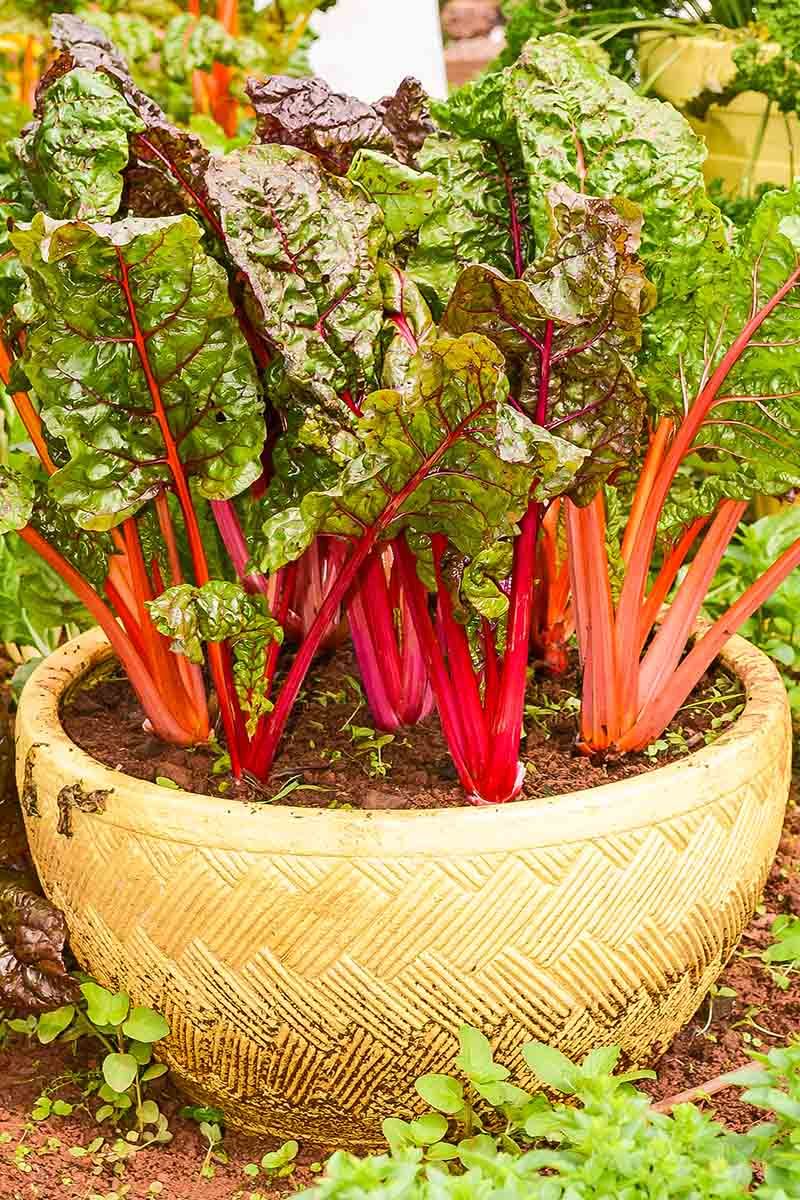
Most vegetables just sit there looking green and functional. Swiss chard has other ideas.
Its stems glow in shades of red, yellow, orange, and pink, and the whole plant looks so good in a container that neighbors sometimes stop to ask what it is.
Varieties like Bright Lights live up to their name completely.
Chard handles cool weather with ease and keeps producing well after the first light frosts arrive. That makes it one of the more reliable fall container crops for Pennsylvania gardeners who want both color and something worth eating.
Choose a container at least ten inches deep and fill it with rich potting mix. Each seed is actually a small cluster that can sprout several plants, so thin seedlings with scissors once they appear rather than pulling them out.
Pulling disturbs the roots of nearby seedlings. A little snip is all it takes.
Water deeply once or twice a week and mulch the soil surface with shredded leaves to hold moisture. Give it full sun or light partial shade.
Harvest outer stalks near the base and leave the center growing. New leaves will keep coming for weeks.
Chard stems can be cooked like celery and the leaves work like spinach. Try sautéing both together with a little garlic and lemon for a quick side dish that uses up whatever the garden gives you.
Move the pot to a sheltered spot when hard freezes approach, and you could be harvesting well into November.