Why Tidewater Virginia Lawns Need Different October Mowing Rules Than Blue Ridge Ones
Virginia is basically two states wearing one trench coat. Over in Virginia Beach, folks are still mowing in flip-flops with salty air drifting through the yard.
Meanwhile, somebody in Floyd is zipping up a fleece and wondering how much longer the lawn needs mowing.
Same state, same month, same trusty mower. Totally different rules.
Your grass is paying attention to everything around it, including the soil, the sun, and those chilly mountain nights. Mow it the wrong way in October, and it might quietly hold a grudge until spring. (Grass is petty like that.)
The fix is not complicated. A little regional know-how can help your lawn head into winter strong instead of scraggly.
So pour some cider, grab the mower keys, and let’s sort out what your yard really wants this month.
1. Virginia’s Coast And Mountains Run On Different Calendars
Frost can show up in Blue Ridge valleys weeks before it reaches Virginia Beach. That gap changes everything about when your grass slows down and gets ready for winter.
In higher-elevation towns like Floyd, cold nights and frost tend to arrive well ahead of the coast. Down in Tidewater, the first frost typically holds off until early to mid November in coastal spots like Norfolk and Virginia Beach, while inland Tidewater areas often see it between mid-October and the first week of November.
Grass keeps growing as long as the soil stays warm. So a coastal Tidewater lawn may still need regular mowing past Halloween, while a mountain lawn is winding down.
Think of it like two school schedules. One district starts winter break early, and the other keeps classes going a few more weeks.
Mountain homeowners can start spacing out mowing as growth slows. Coastal homeowners should keep a steady weekly routine for most of the month.
A handy trick is to watch your own grass instead of the date. If you see fresh growth of about a third over your target height, it is time to mow.
Keeping a simple notebook helps too. Jot down the date you mow and how tall the grass was, and you will spot your yard’s true pattern within one season.
Local weather matters more than any national lawn guide. Your county extension office can share average frost dates, which makes planning much easier.
2. Many Tidewater Lawns Grow Warm-Season Grass
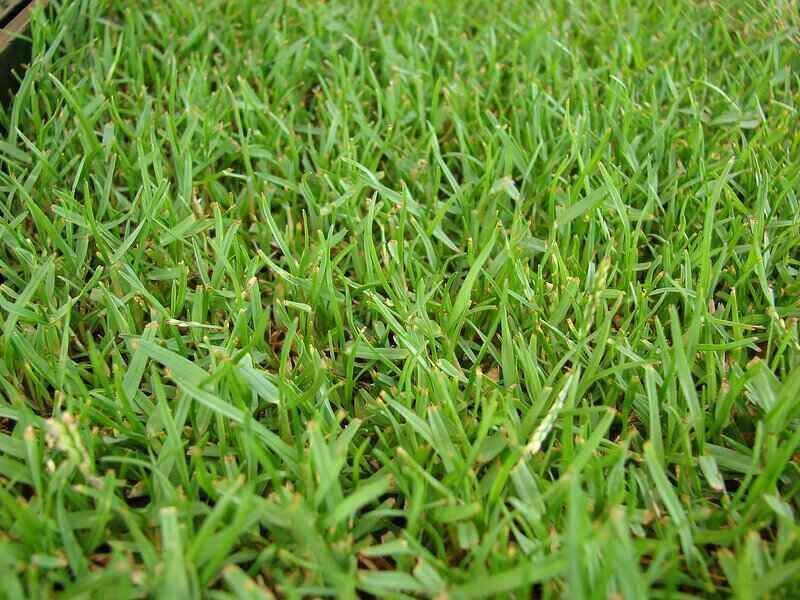
Walk barefoot across a Chesapeake yard and there is a good chance you will feel bermudagrass or zoysia. These tough, sun-loving grasses handle coastal heat like champs.
Tidewater is mixed territory, though. Plenty of coastal lawns grow tall fescue instead, and Virginia Cooperative Extension’s lawn guide for the Peninsula covers both types.
If your Tidewater lawn stays green through winter, follow the cool-season advice in the next section.
Warm-season grasses grow fast in summer and start heading toward dormancy as nights cool. In October, they are slowing down but still active.
Mowing them too short now can leave them weak going into winter. They need leaf blades to store energy in their roots before they go tan and sleepy.
Your Virginia Garden Changes Every Week. Your Plan Should Too.
Gardening in Virginia changes quickly throughout the season. Every Friday you’ll receive a simple weekly plan showing exactly what to plant, prune, fertilize, harvest, and protect so you never miss the right timing.
For bermudagrass in Tidewater Virginia, aim for about 1 to 1.5 inches, the range VCE’s Peninsula guide recommends. Zoysia does well around 1 to 2 inches, with the higher end helpful as fall moves along.
Many people mix up cool and warm grasses and follow the wrong advice. If your lawn turns straw-colored in winter, you probably have a warm-season type.
Here is a fun fact. Bermudagrass may have come to America from Africa, and it spreads by runners that creep across sidewalks if you let them.
Hold off on heavy nitrogen fertilizer this month for warm-season lawns. Feeding them late can push soft new growth that struggles when cold weather arrives.
Instead, focus on clean mowing, sharp blades, and letting the grass rest naturally. A calm fall leads to a stronger green-up in spring.
3. Cool-Season Fescue Loves Blue Ridge Virginia In Fall

Ask any lawn lover in Roanoke about October, and you might hear the word heaven. Tall fescue and bluegrass go wild with growth when the air turns crisp.
Cool-season grasses do their best work in spring and fall. Mountain lawns often look their greenest right now.
That means mowing does not slow down as early as you might expect. Fescue can still need weekly cuts through much of the month.
Keep the mower deck fairly high, around 3 inches or a little taller. Virginia Cooperative Extension guidance varies by publication, with recommendations ranging from about 2.5 to 4 inches.
Taller blades shade the soil, hold moisture, and help roots grow deep before the ground gets cold.
October is also prime time for overseeding thin spots. If you seeded in September, VCE suggests starting to mow once the new grass reaches about 3 inches.
Go easy on those baby blades. Use a sharp blade and mow when the lawn is dry so you do not yank seedlings out of the soil.
Fall feeding helps fescue a lot. A light fertilizer application this month gives roots the fuel they crave for winter.
Mountain gardeners have a saying that fall is when you build next year’s lawn. Treat your fescue kindly now and it will reward you with thick, soft turf come May.
4. Mower Heights Should Not Match Across Regions

One click on the mower lever can make or break your fall lawn. The right setting depends on where in Virginia you live and what grass you grow.
Warm-season lawns, common in Tidewater, usually want a lower cut. Fescue lawns, common in the Blue Ridge, want the deck raised higher.
Using one setting for both is a little like wearing flip-flops on a hiking trail. It works for one place and causes trouble in the other.
Follow the one-third rule wherever you are. Avoid removing more than a third of the blade in one mowing, or the grass gets stressed.
So if your fescue should be 3 inches, mow when it hits about 4.5 inches. For bermudagrass kept at 1.5 inches, mow around 2.25 inches.
Measuring is easy. Push a ruler into the turf and check the height, or use a cheap grass gauge from a garden store.
Toward the end of the season, mountain folks can drop the height slightly, maybe half an inch. A slightly shorter final cut can help reduce matting under fallen leaves and winter snow.
Coastal homeowners can keep heights steady until growth stops. Then park the mower and give the lawn a well-earned winter nap.
5. Sandy Soil And Clay Change Mowing Habits
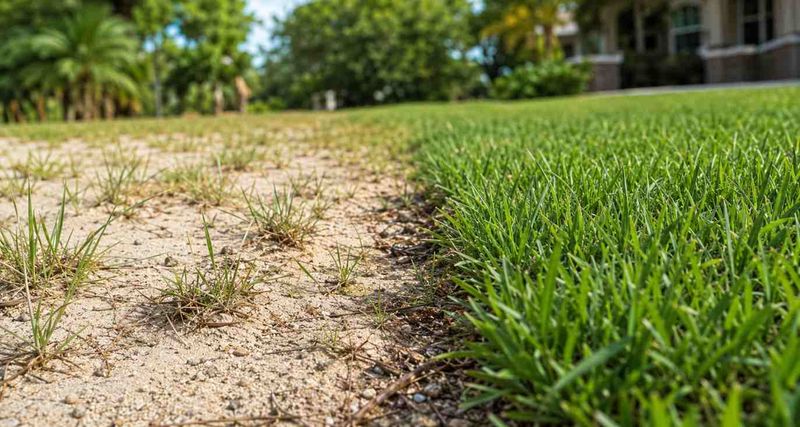
Dig a hole in Virginia Beach and you will find light, sandy soil. Do the same near Lexington, and you might hit dense, rocky clay.
Soil type affects how fast your lawn dries out after rain. That matters a lot for mowing timing in October.
Sandy coastal soil drains quickly. You can usually mow a day after rain without leaving ruts or tearing up turf.
Clay in the mountains holds water much longer. Rolling a heavy mower over soggy clay squishes the soil and makes it hard for roots to breathe.
A quick test helps. Press your shoe into the lawn, and if water squishes up or it leaves a deep print, wait another day.
Compacted clay can benefit from core aeration in early fall. Little plugs of soil pulled out let air, water, and nutrients reach the roots.
Sandy Tidewater lawns face the opposite problem. Nutrients wash away fast, so leaving grass clippings on the lawn returns some free food to the soil.
Knowing your dirt is half the battle. A soil test from Virginia Tech’s extension program costs little and tells you exactly what your ground needs.
6. Falling Leaves Hit Blue Ridge Virginia Yards Harder
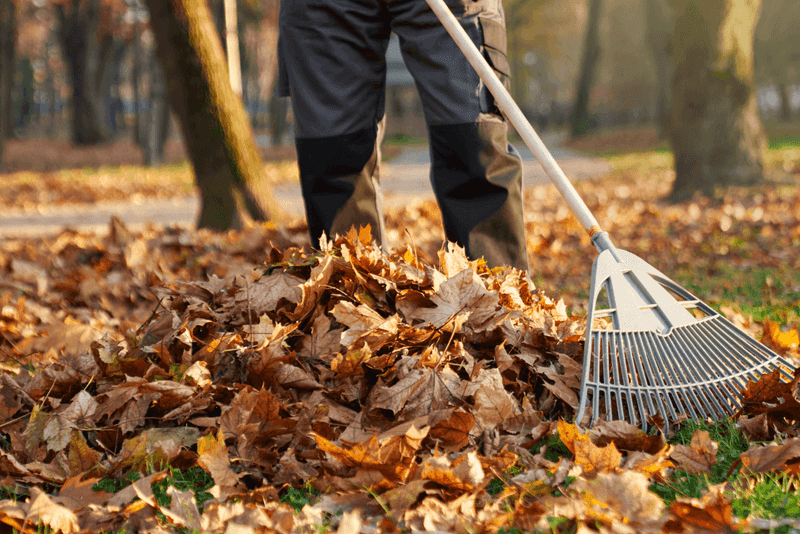
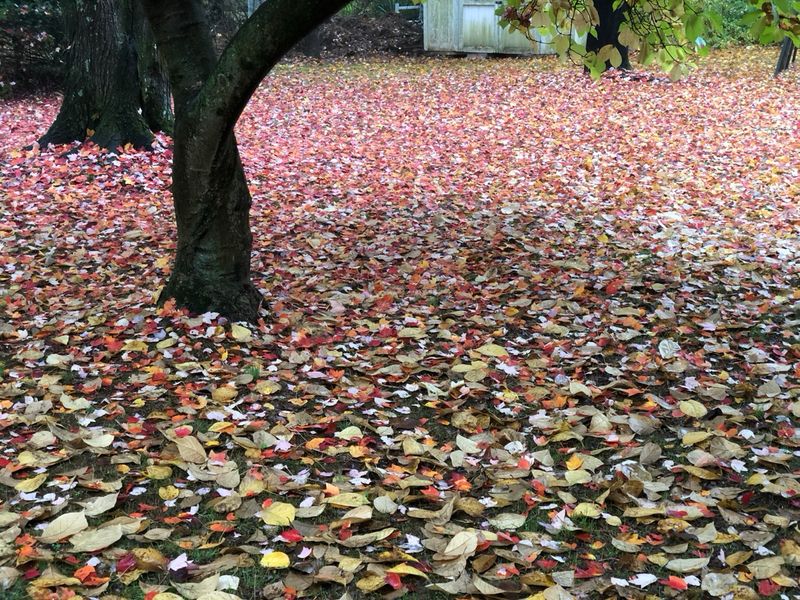
Leaf season in the mountains feels like a colorful snowstorm. Oaks, maples, and hickories can bury a lawn in just a few breezy days.
Blue Ridge yards often see heavy leaf drop all through October. A thick layer blocks sunlight right when fescue needs it most.
Here is the good news. Your mower can turn that mess into lawn food.
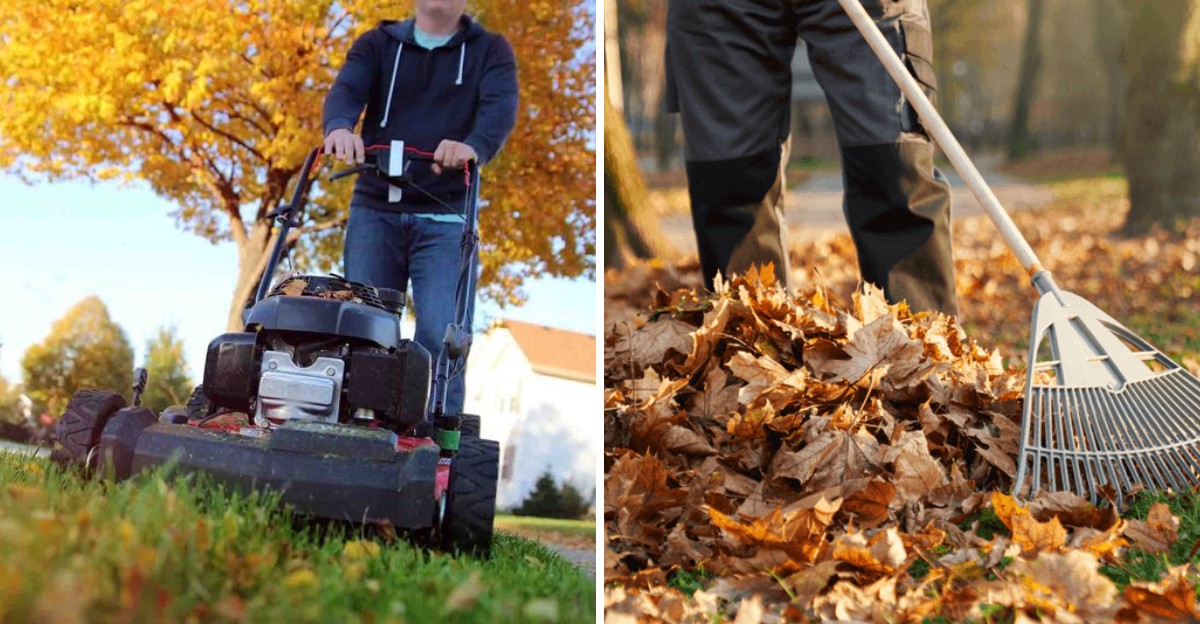
Mulching leaves with your mower chops them into tiny bits that fall between grass blades. Research from Michigan State has been widely reported to show that mulched leaves may even help reduce weeds like dandelions over time.
Mow often enough that leaves do not pile too deep. If you can barely see grass, rake or bag some first so the mower does not choke.
Tidewater Virginia gets leaf drop too, but it usually arrives later, around November. Coastal yards also have more pines, which drop needles instead of broad leaves.
Pine needles are lighter and less likely to smother grass. A quick mulching pass or light raking usually handles them fine.
In either region, avoid leaving soggy leaf mats over winter. They hold moisture and invite mold, leaving bare spots that need patching in spring.
7. Coastal Humidity Brings Fungus Risks
Muggy mornings near Hampton Roads can feel like walking through a warm washcloth. Lawn fungus loves that sticky air just as much as mosquitoes do.
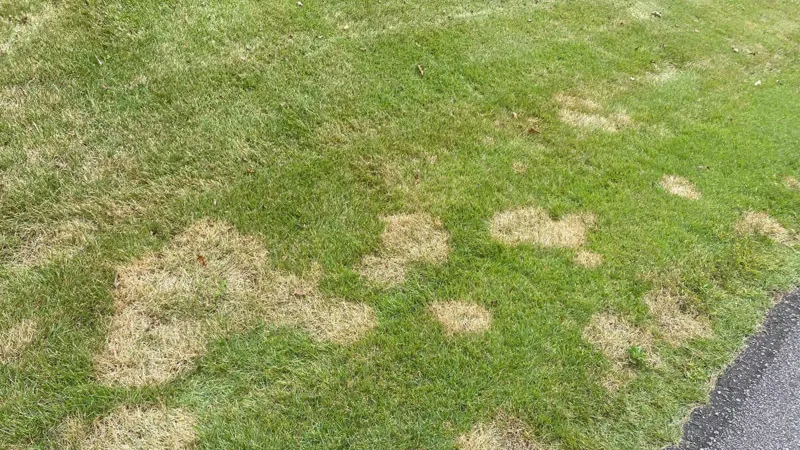
Tidewater stays humid well into fall. Long, damp nights give diseases like large patch a perfect place to grow, especially in zoysia lawns.
Large patch shows up as round, orange or tan rings. They can spread fast when the weather stays mild and wet.
Your mowing habits can help. Mow in the afternoon when grass is dry, since wet clippings spread fungus spores from spot to spot.
Clean your mower deck after cutting a sick area. A quick spray with the hose or a scrape with a putty knife keeps spores from riding along.
Watering matters too. If you water, do it early in the morning so grass dries out during the day.
Mountain lawns face less humidity in October. Cooler, drier air in the Blue Ridge usually keeps fungal trouble lower this time of year.
Still, mountain homeowners should watch for leaf spot in fescue after rainy stretches. Healthy mowing height and good airflow handle most of those problems on their own.
8. Sharp Blades Matter Everywhere
Torn grass looks like it got a haircut with safety scissors. You can spot it by the frayed, brown tips that appear a day after mowing.
A dull blade rips grass instead of slicing it. Those ragged ends lose water faster and let diseases sneak in.
That problem shows up from the Chesapeake Bay to the Shenandoah Valley. Every Virginia lawn does better with a clean cut.
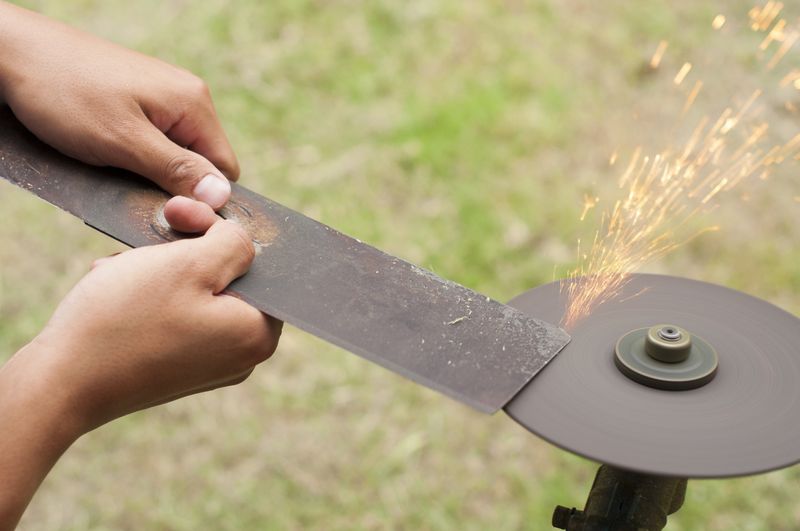
Most experts suggest sharpening your blade after every 20 to 25 hours of mowing. For many homeowners, that means at least twice a season.
October is a smart time for a tune-up. Mountain lawns are still growing hard, and coastal lawns are preparing for rest.
Safety comes first. Pull the spark plug wire or remove the battery before touching the blade, and wear thick gloves.
If you are not handy, many hardware stores sharpen blades for a small fee. Some folks keep a spare blade so they can swap and keep mowing right away.
Here is a quirky fact. The first lawn mower was invented in England in 1830 by Edwin Budding, who got the idea from a machine that trimmed cloth.
9. Ending The Virginia Mowing Season At The Right Time

Putting the mower away feels like a small celebration. Timing that final cut well sets your yard up for a great start next year.
In the Blue Ridge, fescue growth usually slows to a crawl by early to mid November. Many mountain homeowners finish mowing shortly after the last big leaf drop.
Tidewater lawns often stretch longer. Warm-season grass may keep creeping along until the first hard frost turns it tan.
Watch the grass, not the calendar. When a week passes and the lawn barely grows, you are probably done for the year.
For your last mow, clear away leaves and debris first. A clean lawn heading into winter has fewer problems with mold and critters.
Then give your mower some love. Run the fuel low or add a stabilizer, clean the deck, and check the oil before storage.
Gardeners across Virginia also like to jot down notes about the season. Which spots stayed thin, where water pooled, and what worked best.
Those notes become your secret plan for spring. With region-smart habits, your lawn can look its best, whether you live near the ocean or high in the hills.