Florida Anise Thrives In Soggy Shady Georgia Corners Where Deer Usually Win
Low, soggy corners under tall trees are some of the hardest spots in a yard to fill with anything that lasts.
Many shrubs rot in wet soil or struggle in deep shade, and deer tend to finish off whatever survives. Florida anise handles all three challenges far better than most.
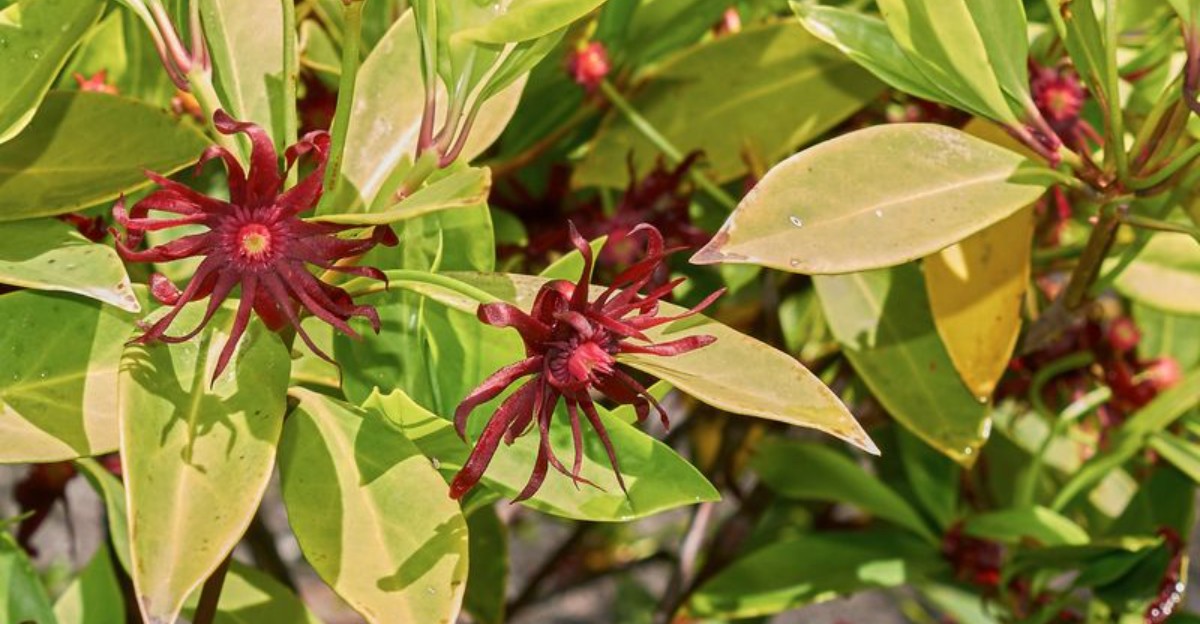
This native shrub has glossy, aromatic leaves that give off a spicy scent when crushed. Deer usually leave it alone, likely because of that strong smell and the plant’s toxic compounds.
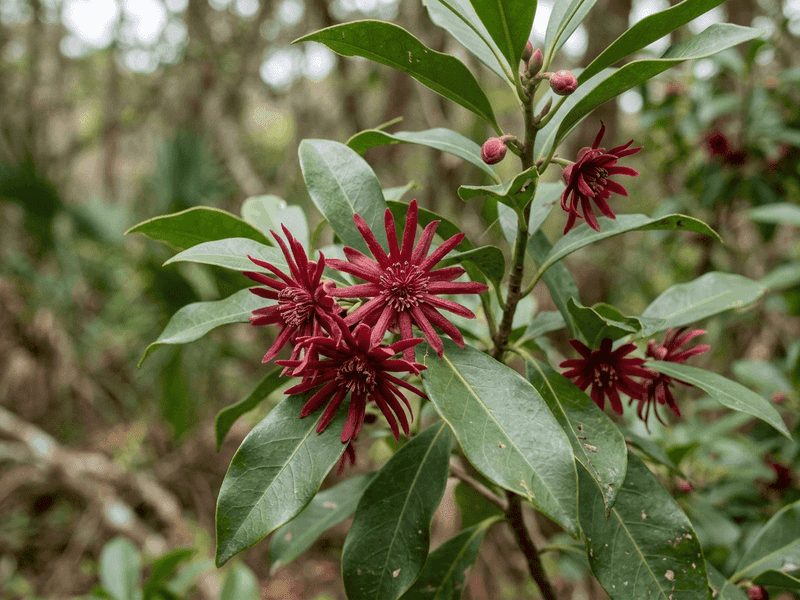
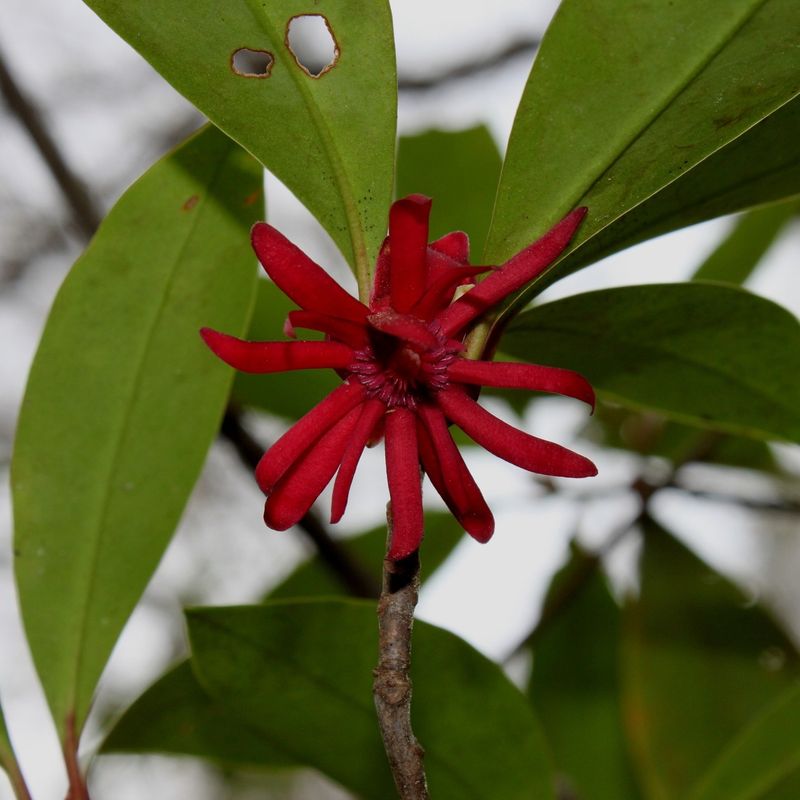
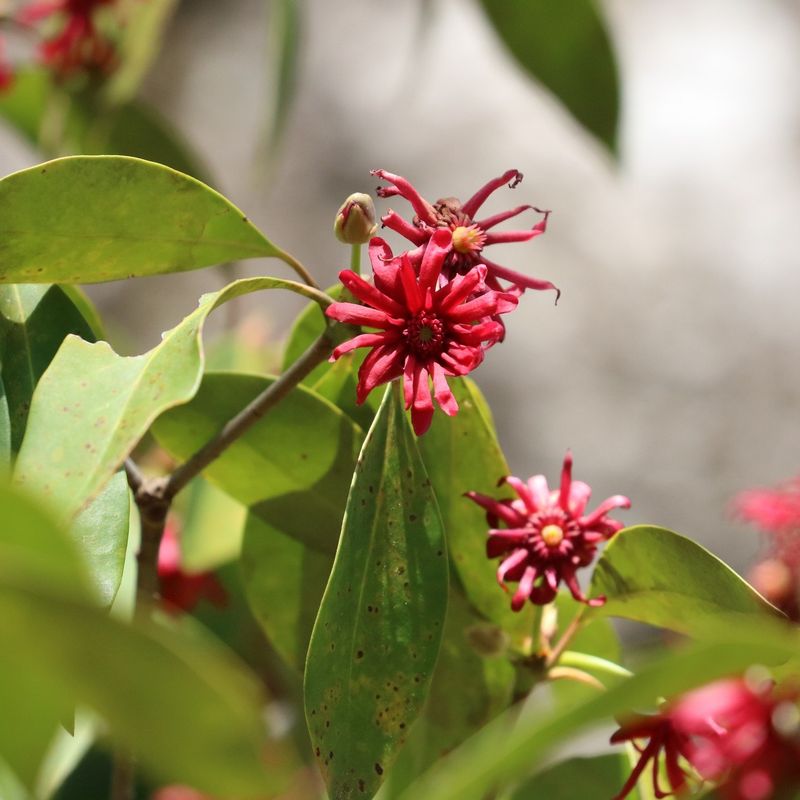
In spring, it produces unusual star-shaped flowers in deep red that many visitors only notice up close.
Fall planting gives its roots time to settle in before summer heat and humidity return.
The soggiest shady corner of a Georgia yard is often exactly where this tough native shrub belongs.
1. Damp Shade Is Where This Evergreen Native Feels At Home
Shady wet ground scares off most shrubs, but Florida anise treats it like an old neighborhood. In the wild, it grows along stream banks, seepage slopes, and moist ravines across parts of the Gulf Coast region.
That native range dips into southwest Georgia, which helps explain why it settles in so easily here.
Plant it under tall pines or hardwoods where sunlight arrives in patches. Part shade to full shade usually suits it best, and the leaves tend to look richer when they are protected from harsh afternoon sun.
Too much direct sun can bleach or scorch the foliage, especially during hot summers.
Size is worth planning for before you dig. Mature shrubs often reach somewhere around six to ten feet tall and nearly as wide, though growth depends on soil, moisture, and light.
Leave enough room so you are not fighting it with pruners every year.
Because the leaves stay on through winter, it can screen a fence, an air conditioner, or a neighbor’s shed in all seasons. Cold hardiness is listed for roughly USDA zones 7 to 9, so most of the state falls within range.
Gardeners in the coldest mountain pockets may notice some leaf damage after hard winters, so a sheltered spot helps there.
2. Crushed Leaves Release A Spicy Licorice Like Scent
Brush past one of these shrubs and you might stop to sniff the air. Bruised leaves give off a sharp, spicy aroma that people often compare to licorice or anise.
Some folks also notice a slightly medicinal edge, which explains nicknames like stinkbush and polecat tree.
Opinions on the smell really vary from person to person. A few gardeners love it, while others find it a bit strong up close.
Try crushing a leaf at a nursery before you buy, just to see how your nose reacts.
Placement can make that scent part of the fun. Set a shrub near a shaded path or garden gate where sleeves and hands brush the foliage now and then.
Kids usually enjoy the scratch and sniff test, but teach them to wash their hands and never chew the leaves.
On still, humid days in Georgia, the fragrance may linger a little longer around the plant.
Your Georgia Garden Changes Every Week. Your Plan Should Too.
Gardening in Georgia changes quickly throughout the season. Every Friday you’ll receive a simple weekly plan showing exactly what to plant, prune, fertilize, harvest, and protect so you never miss the right timing.
Untouched leaves stay fairly quiet, so the shrub will not perfume the whole yard on its own. You mostly notice the aroma when the leaves are broken, pruned, or stepped on.
After trimming, expect your pruners and gloves to carry that spicy smell for a while.
3. Aromatic Bitter Foliage Gives Deer Little Reason To Browse
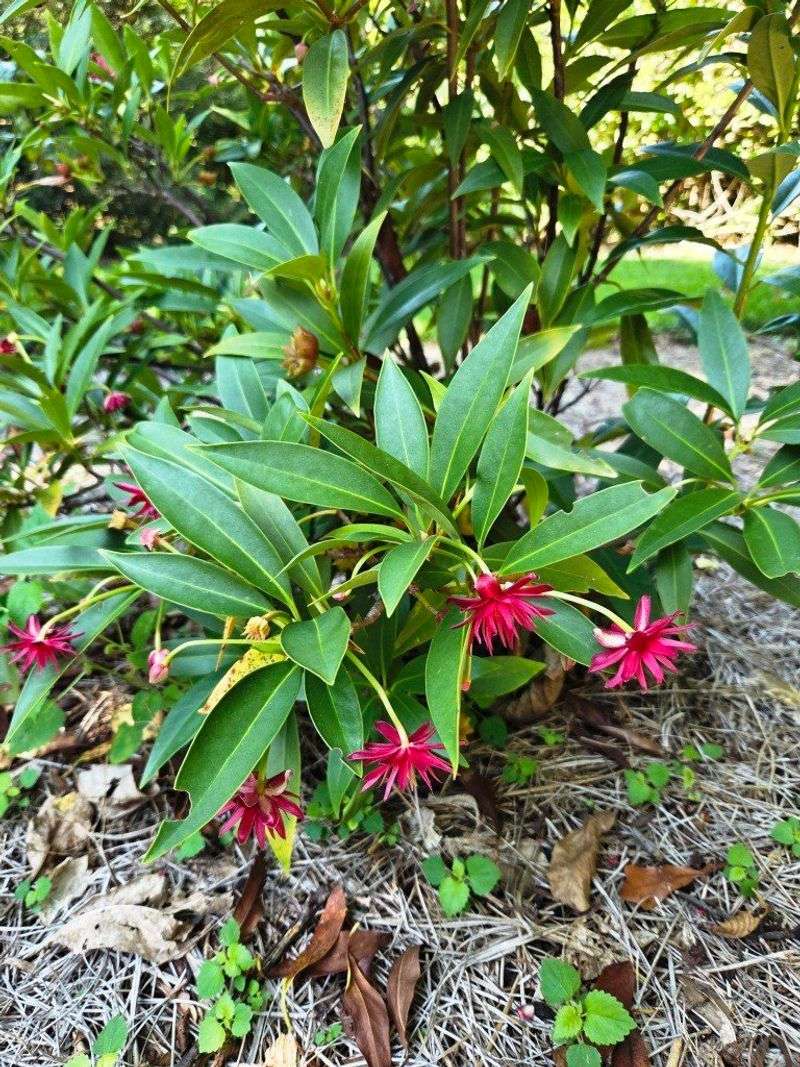
Deer can strip a hosta bed overnight, yet Florida anise often stands there looking untouched. Its leaves contain aromatic oils and bitter compounds that most browsing animals seem to dislike.
Extension services commonly list it among shrubs that deer seldom damage.
Still, “seldom” is the honest word to remember here.
During droughts, harsh winters, or when local herds grow crowded, deer may sample plants they usually skip. Young shrubs with tender new growth can be more tempting than older, tougher ones.
Suburban yards across Georgia see heavy deer pressure, so it helps to protect brand new plantings for their first season. A simple ring of wire fencing or netting keeps curious noses away while roots settle in.
Once the shrub grows taller and fuller, many gardeners remove that barrier.
Pairing it with other plants deer tend to avoid creates a stronger defense overall. Think about native ferns, wild ginger, or other aromatic shrubs that suit the same shady conditions.
Mixed plantings also look more natural than a single row of one shrub.
Keep watching for nibbled tips or torn leaves, especially in late winter. Spotting early browsing lets you add protection before small damage turns into a bare, ragged shrub.
4. Star Shaped Maroon Flowers Open In Spring With An Unusual Odor
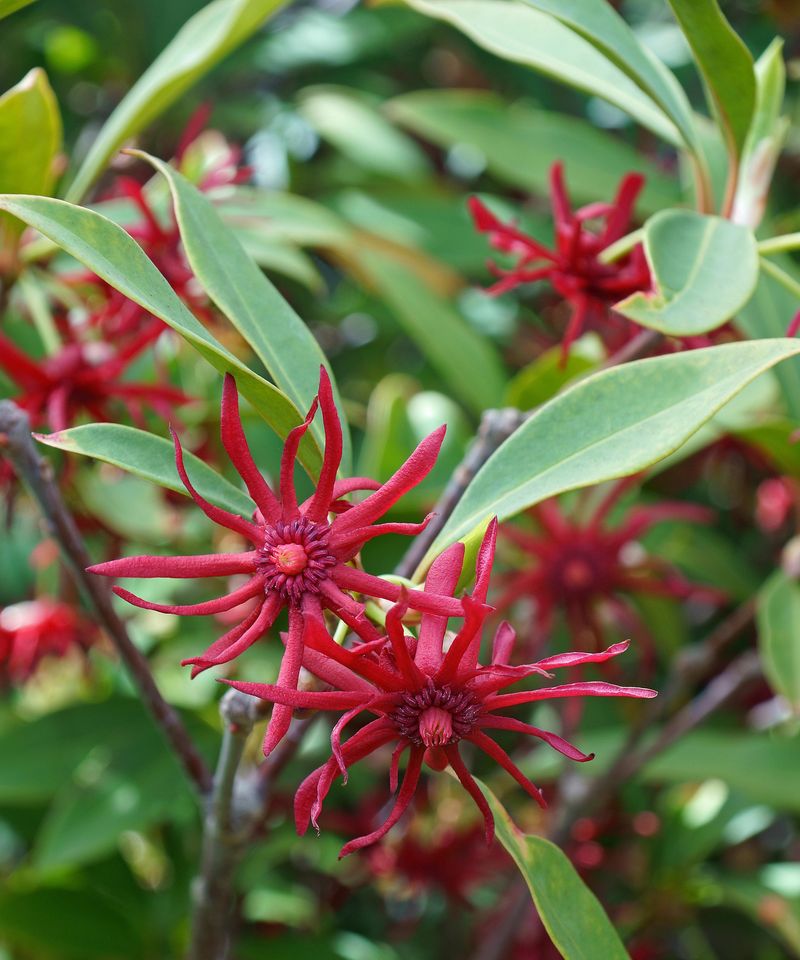
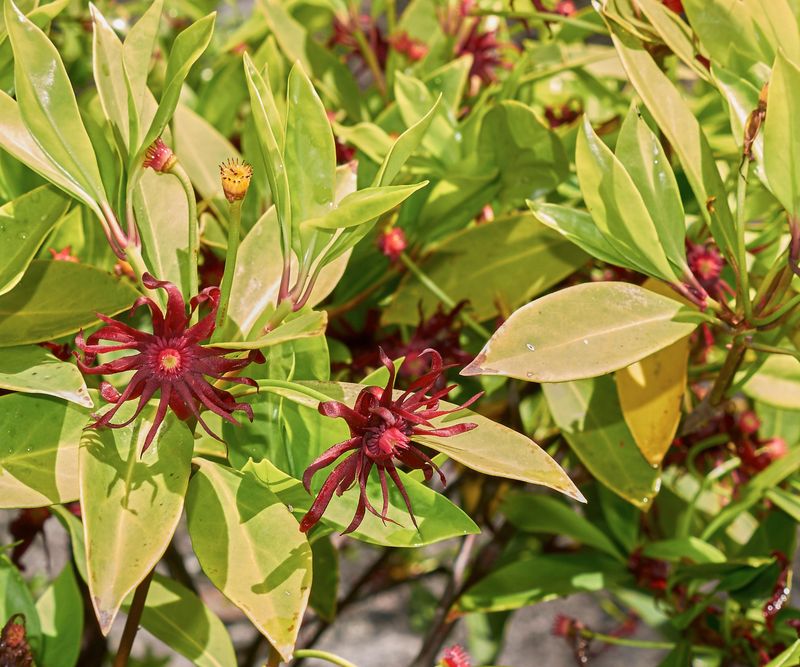
Picture a small red starfish hanging among glossy leaves, and you have the bloom. Each flower carries many narrow, strappy petals in a deep maroon to reddish purple color.
They usually appear in spring, often from around March into May, though weather shifts the timing a bit each year.
Up close, the scent surprises people.
Plenty of visitors describe it as musty or even a little fishy, which is quite different from the spicy leaves. It is mild enough that you mostly notice it when you lean in for a look.
Flowers tend to hang below or among the foliage, so they reward people who walk right up to the shrub. Planting near a bench or shaded walkway gives you a better view than tucking it at the back of a bed.
Gardeners in south Georgia may see blooms a little earlier than folks farther north.
Several named cultivars exist if you want a different look. Some offer white or pink flowers, and a few have variegated or chartreuse leaves for brightening dark corners.
Check plant tags carefully, since mature size and sun tolerance can differ between selections. Your local nursery can usually tell you which types have performed well in your area.
5. Its Seed Pods Are Toxic Not The Kitchen Spice
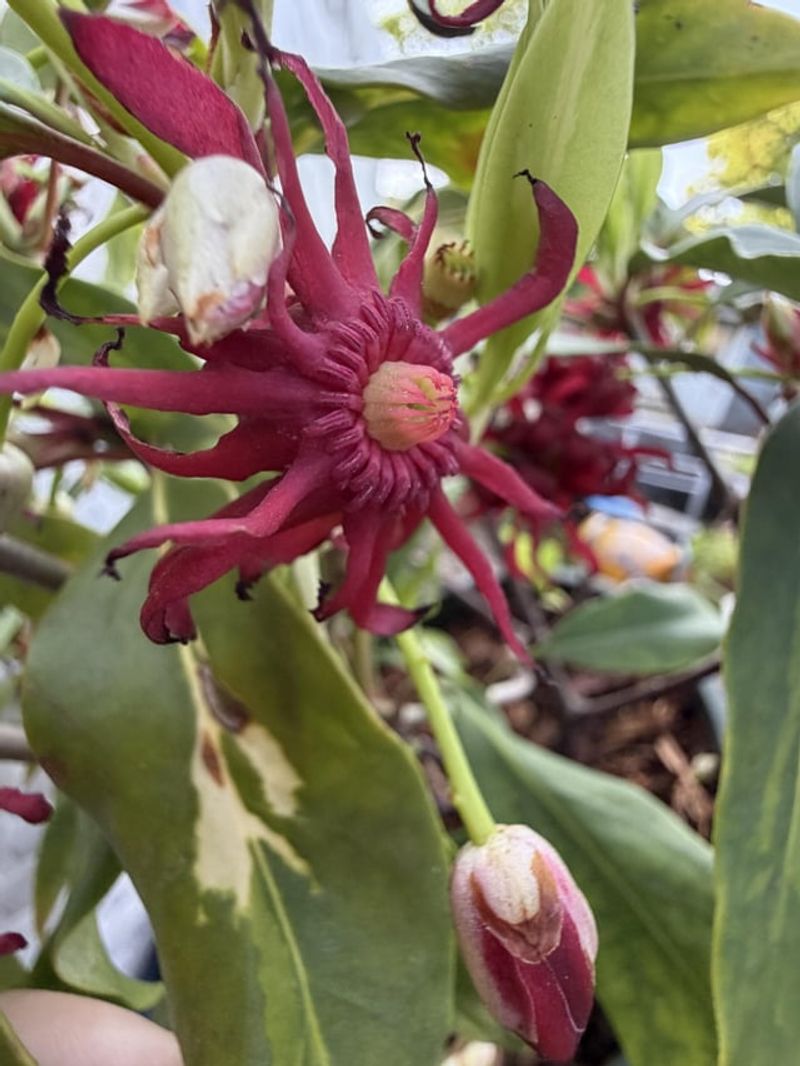
Here is the one mix up worth avoiding at all costs. After the flowers fade, the shrub forms star shaped seed pods that look a lot like the star anise sold in grocery stores.
They are not the same plant, and they are not safe to eat.
Grocery star anise comes from Illicium verum, a species native to Asia.
Florida anise contains compounds that can cause serious illness if swallowed. Poison control sources list the leaves, flowers, and seeds as toxic, so the whole plant should stay out of the kitchen.
Families with small children or grazing pets should think about placement. A spot away from play areas and dog runs lowers the chance of someone tasting a curious pod.
Teaching kids that garden pods are for looking, not eating, goes a long way.
Gardeners in Georgia who forage for wild foods should be extra careful near streams where the native plant grows. When you are unsure about any plant, skip it entirely.
The pods ripen in late summer to fall and split open to fling out shiny seeds. Some gardeners simply snip off developing pods if they worry about them, which causes no harm to the shrub.
6. Poorly Drained Soil That Troubles Other Shrubs Suits It Fine
Soggy clay drowns boxwoods and azaleas, but this shrub barely seems to mind. In its native habitat, it grows where the ground stays moist most of the year.
That makes it a natural pick for low spots, drainage swales, and the edges of rain gardens.
Moist does not mean standing water forever, though.
Florida anise handles wet, slow draining soil well, yet long periods of flooding can still stress it. If a spot holds water for weeks at a time, consider a slightly raised planting area.
Heavy red clay is common across much of Georgia, and it often stays wet after storms. Loosening a wide planting hole and mixing in some compost can help roots spread outward.
Avoid digging a deep, narrow hole that acts like a bathtub.
Slightly acidic soil tends to suit it, which matches many Southern yards. A soil test through your county Extension office can confirm your pH before you plant.
Mulch helps hold steady moisture and keeps roots cool in summer. Spread a few inches of pine straw or shredded leaves, keeping it pulled back from the main stems.
Once established in a damp spot, the shrub often needs little extra watering except during long dry spells.
7. Cooler Fall Weather Gives New Plantings Time To Establish
Autumn might be the smartest time to grab a shovel. Across much of the South, fall planting lets shrubs grow roots while the air cools and stress drops.
Soil often stays warm enough for root growth well after top growth slows.
Georgia gardeners usually find October and November comfortable months for planting, though conditions shift by region and year. Mountain areas cool down sooner, while coastal yards stay mild longer.
Watch your local forecast rather than relying on a calendar alone.
Water deeply right after planting to settle the soil around the roots. Then check moisture regularly, since fall can bring surprisingly dry stretches.
A finger pushed a couple of inches into the soil tells you more than guessing.
Skip heavy fertilizer at planting time. New roots need time to settle, and pushing tender growth before winter is generally not recommended.
A light layer of mulch helps hold moisture and buffers roots against cold snaps.
By spring, a fall planted shrub often looks more settled than one planted in late spring heat. Results still depend on soil, rainfall, and care, so keep an eye on it through its first summer.
Patience pays off as the shrub fills that shady, damp corner.