The Overlooked October Job That Helps Georgia Lavender Through Winter
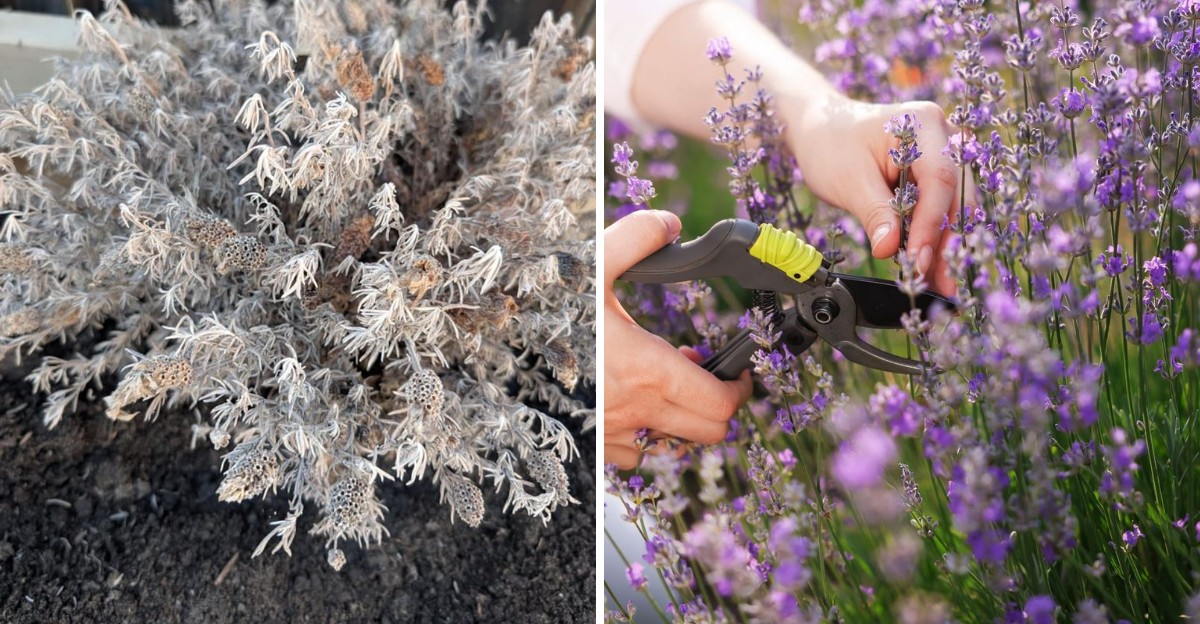
Lavender that thrived through a hot, dry summer can start to fade fast once the weather turns cool, gray, and damp.
Cold alone is rarely the main problem for established plants. Wet soil sitting around the base all through winter often does far more damage.
Heavy clay soil and frequent winter rain make that issue especially common across much of Georgia.
Many gardeners give lavender the same fall care they give their other perennials. With this plant, that routine can backfire in ways that often do not show until spring.
One easy job this month can help keep the crown drier while the plant rests through the colder months.
Kneel beside your plants this week and feel how wet the soil stays a day or two after a good rain.
1. Cold Weather Often Gets Blamed For Problems Wet Soil Causes
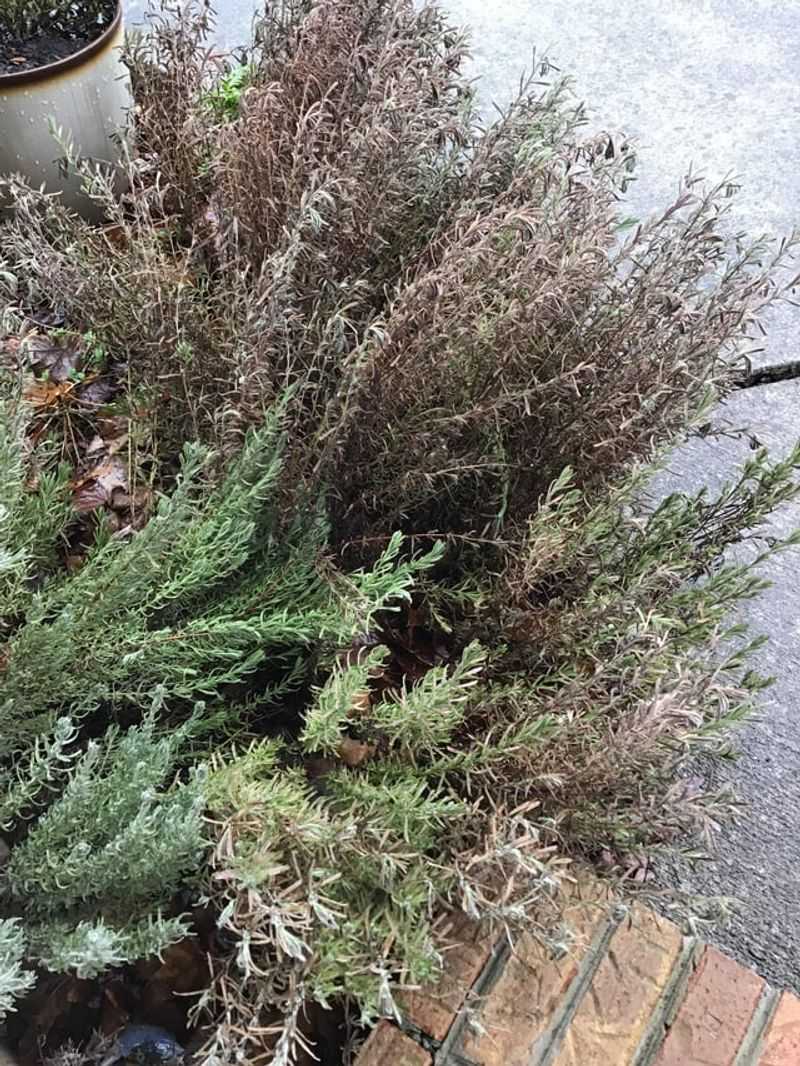
Brown lavender in January looks like frost damage, yet the real cause often sits underground. Common lavender types such as English lavender handle typical Georgia winter lows fairly well in most of the state.
Trouble tends to start when roots stay wet for weeks at a time.
Soggy soil limits the air that roots need, and it can favor root rot organisms. Plants in that condition may brown from the base, wilt, or lose whole stems, which is easy to mistake for a cold snap.
Of course, cold can still cause harm in some situations, especially after a sudden freeze or at higher elevations in the north.
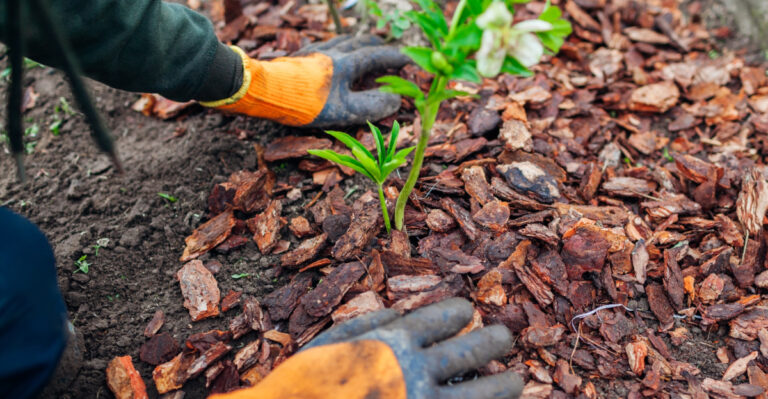
So what is the overlooked October job? Pull any moisture-holding mulch away from the crown, where the stems meet the soil.
Then spread a thin layer of small gravel around the base in its place.
Clear a ring a few inches wide around the stems so bark or straw is not touching them.
Gravel sheds water instead of soaking it up. It also lets the crown dry faster after a rain, which can lower the chance of rot during wet stretches.
No single step protects every plant, since drainage, variety, and weather all play a part. Still, keeping the crown drier is one of the simplest ways to give lavender a better shot at making it through winter.
2. Bark And Straw Mulch Can Hold Water Around The Crown
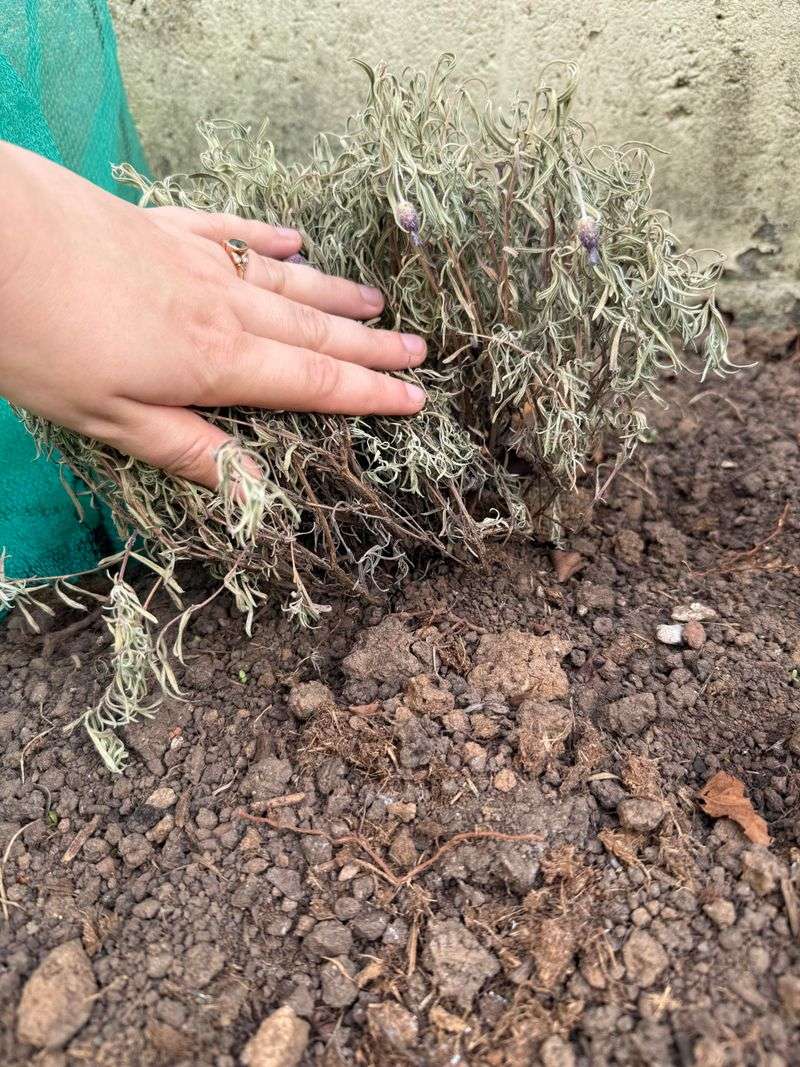
Mulch helps a lot of plants, but lavender is a different story. Shredded bark, pine straw, and wheat straw hold moisture, and that is exactly what makes them useful in a vegetable bed.
Around lavender, that same moisture can sit right against woody stems.
Take a quick look at the base of your plants this month. If mulch is piled up against the stems, gently rake it back by hand or with a small trowel.
Go slowly so you do not snap brittle lower branches.
Organic mulch also breaks down over time and can keep the soil surface damp and cool. In a humid Georgia fall, that layer may stay wet for days after a shower.
Leaves blowing in from nearby trees can create the same issue, so clear those away too.
Your Georgia Garden Changes Every Week. Your Plan Should Too.
Gardening in Georgia changes quickly throughout the season. Every Friday you’ll receive a simple weekly plan showing exactly what to plant, prune, fertilize, harvest, and protect so you never miss the right timing.
You do not need to remove mulch from the whole bed. Keeping it a few inches away from each lavender crown is often enough, especially if neighboring plants like the extra moisture.
Some gardeners use pine straw only along paths and switch to gravel near lavender. That approach keeps the bed tidy while giving each plant a drier spot to sit.
Every garden is a little different, so watch how fast your soil dries after rain and adjust from there.
3. A Gravel Layer Helps Rain Drain Away And Air Move Freely
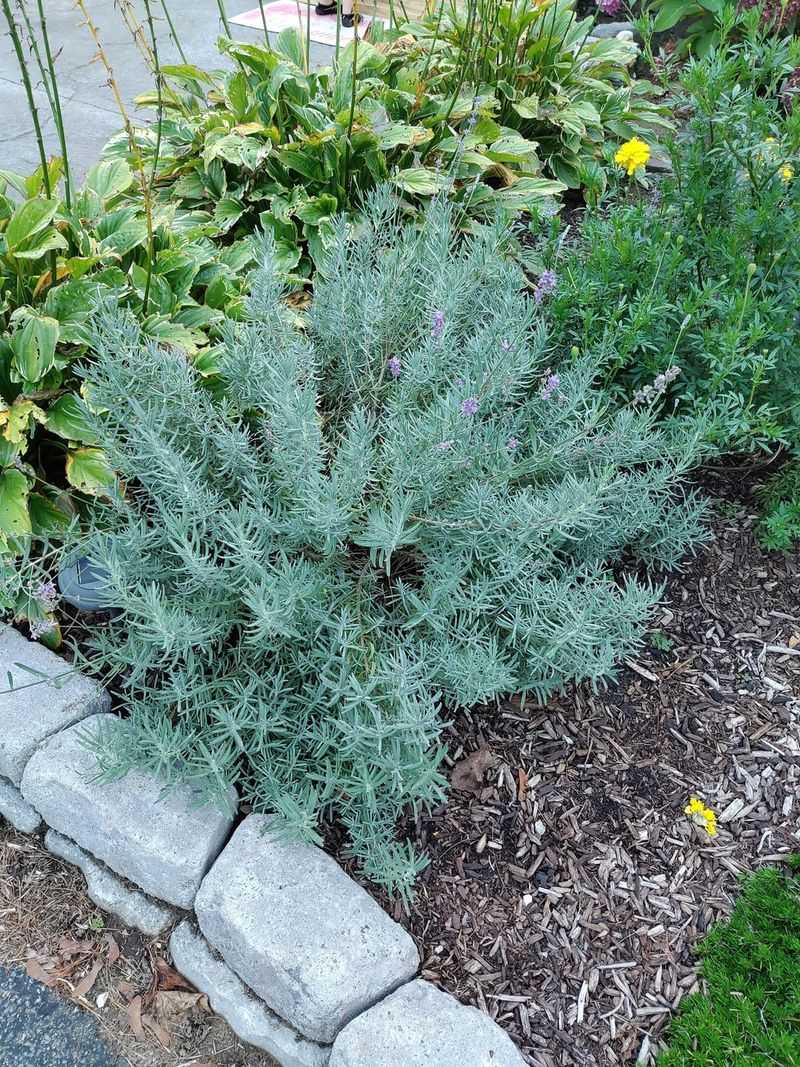
Think of gravel as a raincoat for the soil around lavender. Water slips between the stones instead of soaking into a spongy layer.
Pick small, light-colored gravel, such as pea gravel or crushed granite.
Spread it around the base of each plant in a layer about an inch deep. You want enough to cover the soil, but not so much that it buries the lowest stems.
Air moving across dry stone may help the crown stay drier, which matters during warm, muggy spells.
Light gravel can also reflect a bit of sunlight up into the plant. Some growers in the Mediterranean, where lavender comes from, rely on rocky ground in a similar way.
One caution worth knowing is that gravel alone will not fix poorly draining soil underneath.
If water pools in your bed for hours after a storm, the problem runs deeper than the surface. Gravel works best when paired with good drainage below, which the next section covers.
In Georgia beds with decent drainage, this one-time October chore can last for several seasons with only light topping off.
Rake it smooth now and then, pull any weeds that sneak through, and enjoy a bed that looks neat all winter long.
4. Raised Mounds Keep Roots Out Of Soggy Clay
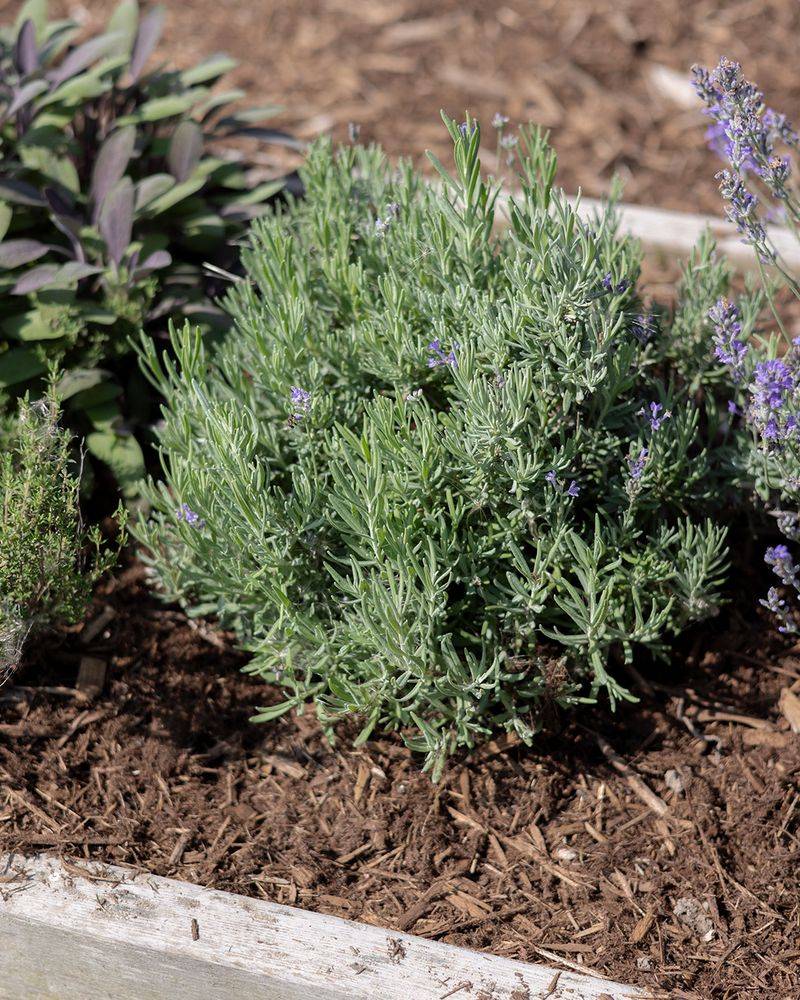
Red clay holds water like a bowl. Across the Piedmont, that thick soil can stay soggy long after a storm moves through.
Lifting lavender above that wet layer often helps more than any other fix.
A raised mound gives roots a place where water drains away faster. You can build one by mixing native soil with coarse material such as pine bark fines or small gravel, then shaping it several inches above grade.
Avoid adding sand alone to clay, since it can sometimes make drainage worse.
Fall can be a reasonable time to build mounds for spring planting. Moving established lavender is riskier, though, because older plants do not always handle root disturbance well.
If your current plants sit in a low, wet spot, you might take cuttings or plan to replant in spring instead.
Raised beds and large containers are other good options. Pots let you control the soil mix, but make sure they have drainage holes and are not sitting in saucers of water.
Coastal and sandy areas in the south of the state may drain better already. Check your own soil by digging a hole, filling it with water, and watching how long it takes to empty.
Slow drainage is your cue to go up rather than down.
5. Varieties Like Phenomenal Handle Humid Summers Better
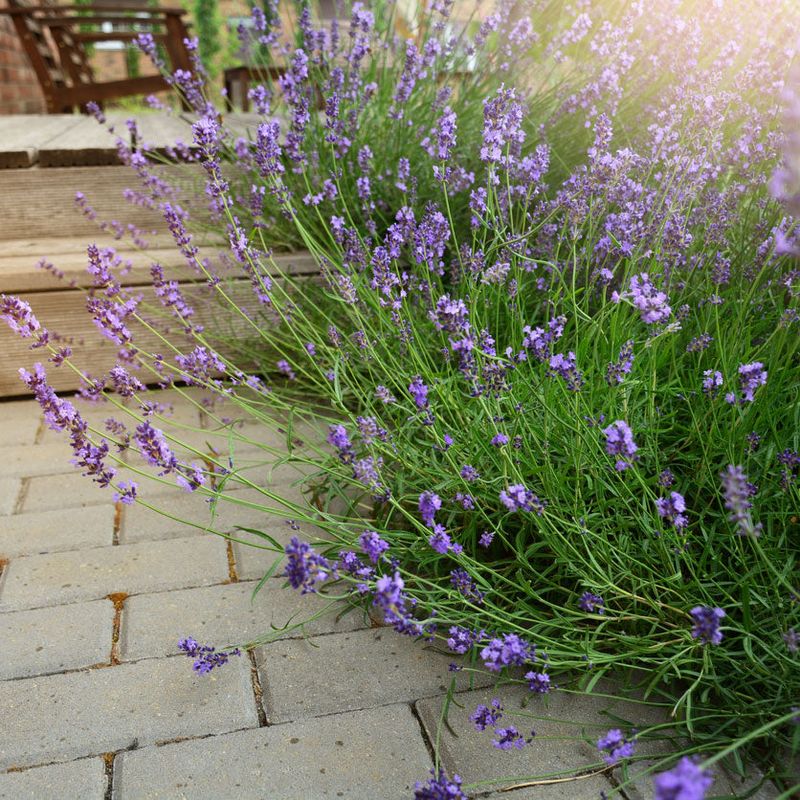
Picking the right lavender can matter as much as any chore. Some types simply cope with Southern heat and humidity better than others.
Phenomenal, a hybrid lavandin, has earned a reputation for handling humid summers fairly well.
It was selected partly for its tolerance of heat and moisture, and many gardeners in the Southeast report good results. Grosso and Provence are other lavandins that people often try here with some success.
Spanish lavender can be a fun choice too, though it may be less cold hardy in the northern part of the state.
English types like Hidcote and Munstead tend to struggle more in Georgia summers. They can still grow well when drainage and airflow are excellent, but expect more ups and downs.
Nothing is foolproof, of course.
Even tougher varieties can rot in heavy, wet soil, so the October gravel job still matters. A good variety simply gives you a little more room for error.
Shopping tip worth trying is to check plant tags for the cultivar name rather than just the word lavender. Local nurseries and your county Extension office can also share which types do well near you.
Matching the plant to your conditions saves a lot of frustration over time.
6. Skip Fertilizer And Heavy Pruning Until Spring
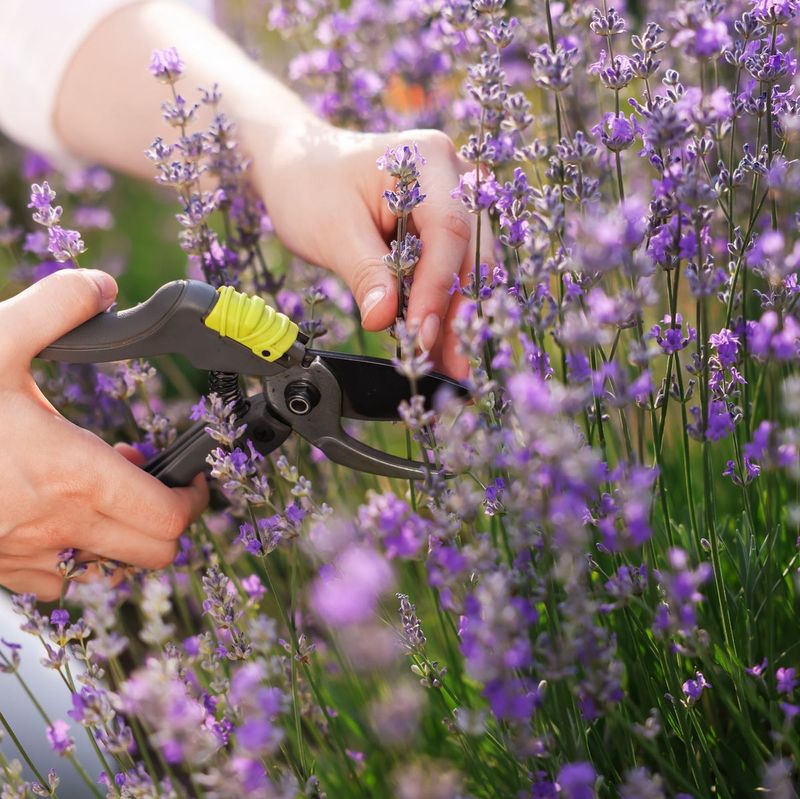
Lavender rewards a little neglect in the fall. Feeding it now can push soft new growth right when the plant should be slowing down.
Tender shoots may be more easily damaged by a hard freeze.
Lavender usually grows best in lean soil anyway, so it rarely needs much fertilizer at all. Rich feeding can lead to floppy stems and fewer blooms, even during the growing season.
If a soil test shows a real need, spring is a better time to act on it.
Heavy pruning is another job to hold off on. Cutting deep into old wood can sometimes leave stems that do not sprout back, and fresh cuts in fall have little time to recover.
A light tidy-up is usually fine, such as snipping off spent flower stalks or a broken branch.
Most gardeners in Georgia do their main shaping in spring once new growth appears. That timing lets you see which stems are healthy and which need to go.
Watering is the other piece to watch. Established lavender often gets enough moisture from fall and winter rain, so extra watering is rarely needed unless you hit an unusually dry stretch.
Less fuss now usually means a happier plant later.
7. Healthy Gray-Green Foliage Through Winter Is A Good Sign
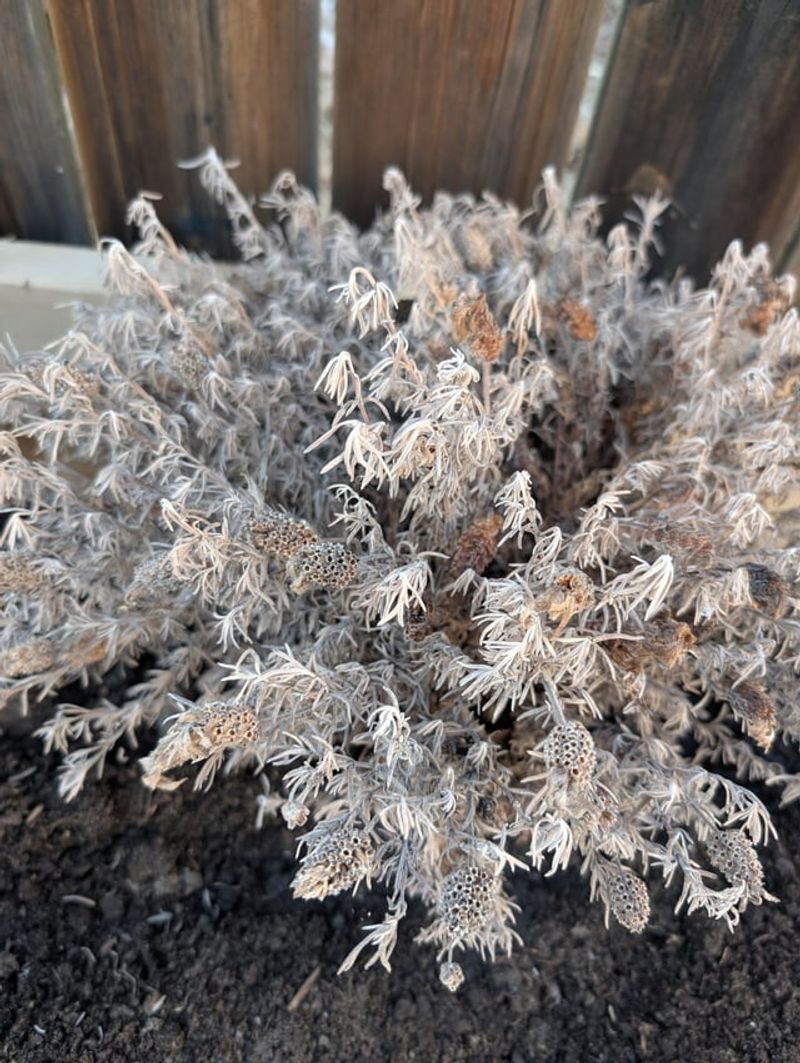
Silvery leaves in January tell a hopeful story. Lavender is evergreen in most of the South, and healthy plants usually hold onto their gray-green color through the cold months.
Growth slows way down, so do not expect much change until spring.
Walk out after a few rainy weeks and take a close look. Firm stems, fresh-looking leaves, and a pleasant scent when you brush the plant are all encouraging signs.
A little browning on the tips can happen after a hard freeze and is not always cause for worry.
Watch the base more than the top. Mushy, blackened stems near the soil or sudden wilting across a whole section may point to root or crown rot.
Those symptoms can have more than one cause, so check how wet the soil feels before deciding what went wrong.
Gardeners across Georgia often notice that plants with gravel around the crown look tidier by late winter. Results vary with soil and weather, but drier bases tend to show fewer problems.
Jot down what you see this winter in a notebook or on your phone.
Those notes will help you decide next October whether to add gravel, build a mound, or try a tougher variety. Small observations now can guide smarter choices later.