Coleus Cuttings Taken Before Georgia’s First Frost Root Easily In Plain Water
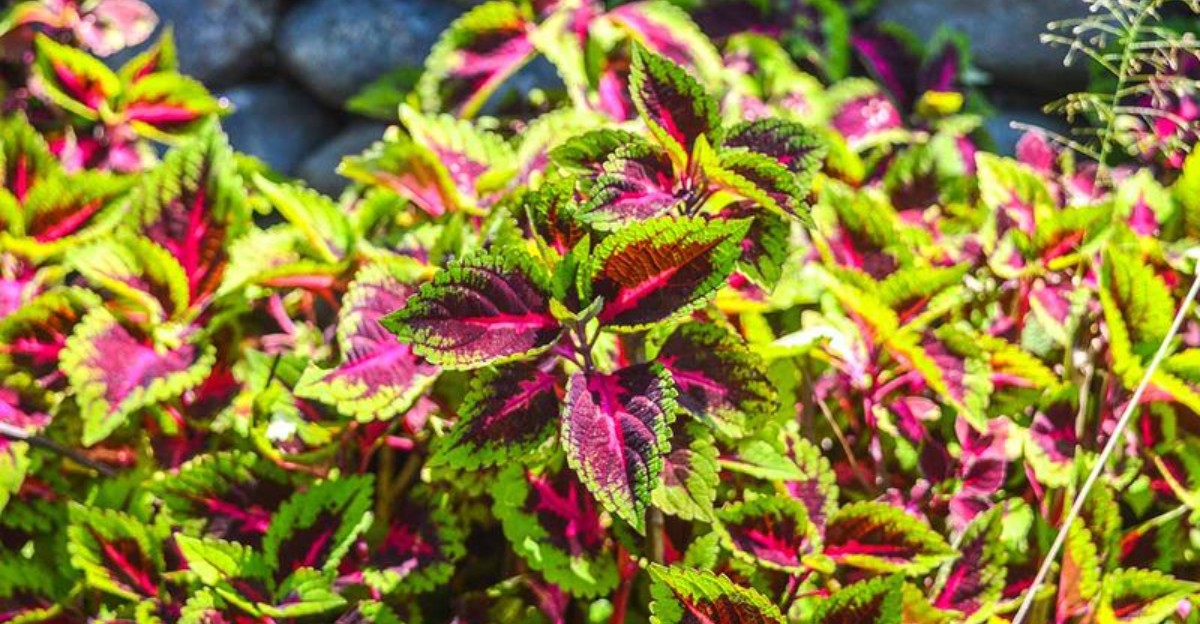
Coleus plants with bright, patterned leaves often look their best right before the first frost of the season wipes them out.
In Georgia, that first frost can arrive anywhere from mid-October in the mountains to well into December along the coast.
Saving your favorites does not require digging up the whole plant. A few short stem cuttings placed in a glass of water can often root in a week or two.
Once rooted, the cuttings can grow on a sunny windowsill through winter. By spring, you may have enough new plants to fill the same beds again without buying more.
The method works especially well with coleus because the stems root so readily in water.
Snip a few healthy stems this week while the leaves are still at their brightest.
1. A Single Frosty Night Can Wipe Out This Summer’s Color
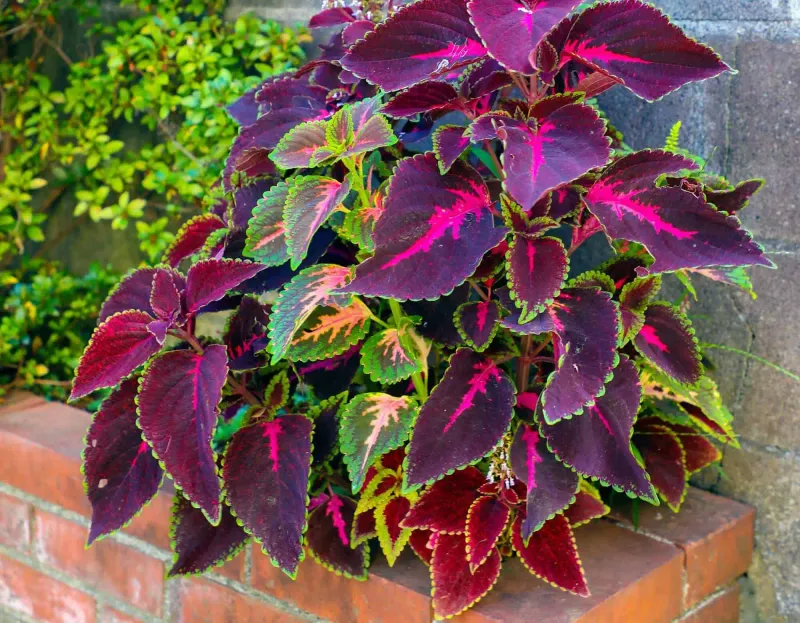
Coleus is a tropical plant at heart, and it has very little defense against cold. Even temperatures near freezing can leave the leaves blackened and mushy by morning.
Gardeners often notice trouble before frost arrives at all. Nights that drop into the 40s can slow growth and cause some leaf damage, depending on the variety and how sheltered the plant is.
Frost timing across Georgia changes a lot from place to place.
Mountain counties in the north usually see cold weather weeks earlier than coastal areas or the southern part of the state. A rough average for your area is helpful, but a single early cold snap can arrive ahead of schedule.
Watching the ten-day forecast is a smart habit once October rolls around.
Taking cuttings while plants still look strong gives you the best material to work with. Stems from a stressed, chilled plant may root more slowly or not at all.
Your local Extension office can share typical frost dates for your county. Pair that information with the forecast, and plan to snip a week or two before the first likely cold night.
Waiting until the last minute rarely pays off. Healthy stems taken early give you a much better chance of keeping that summer color going.
2. Snip Healthy Tips Just Below A Leaf Node
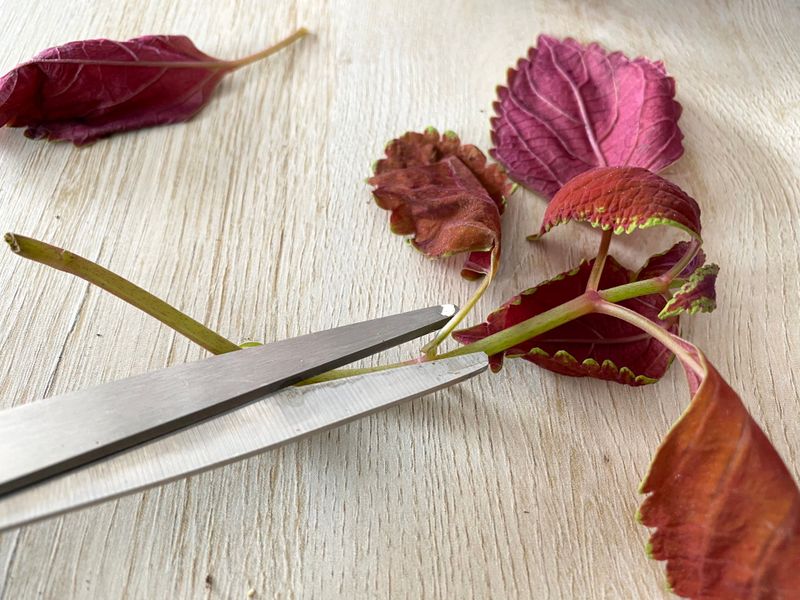
Clean cuts start everything off right. Grab sharp scissors or pruners, and wipe the blades before you begin.
Look for strong, upright stems with bright leaves and no signs of insects or spotting.
Aim for a piece roughly four to six inches long, taken from the tip of the stem. Shorter or longer cuttings can still work, but this size is easy to handle and fits nicely in a jar.
Now find a leaf node, which is the small bump where a pair of leaves joins the stem.
Cut about a quarter inch below that spot. Nodes are where new roots tend to form, so placing one underwater gives the cutting its best start.
Flower spikes are worth pinching off if you see them. Removing them lets the cutting put its energy into roots instead of blooms.
Morning is a pleasant time to collect cuttings in Georgia, since stems are usually well hydrated before afternoon heat sets in.
Your Georgia Garden Changes Every Week. Your Plan Should Too.
Gardening in Georgia changes quickly throughout the season. Every Friday you’ll receive a simple weekly plan showing exactly what to plant, prune, fertilize, harvest, and protect so you never miss the right timing.
Take a few more than you think you need. Some cuttings may fail for reasons that are hard to predict, and extras give you a backup plan.
Keep fresh cuttings out of direct sun until they go into water, so they do not wilt on the way inside.
3. Bare Stems Below The Waterline Help Prevent Rot
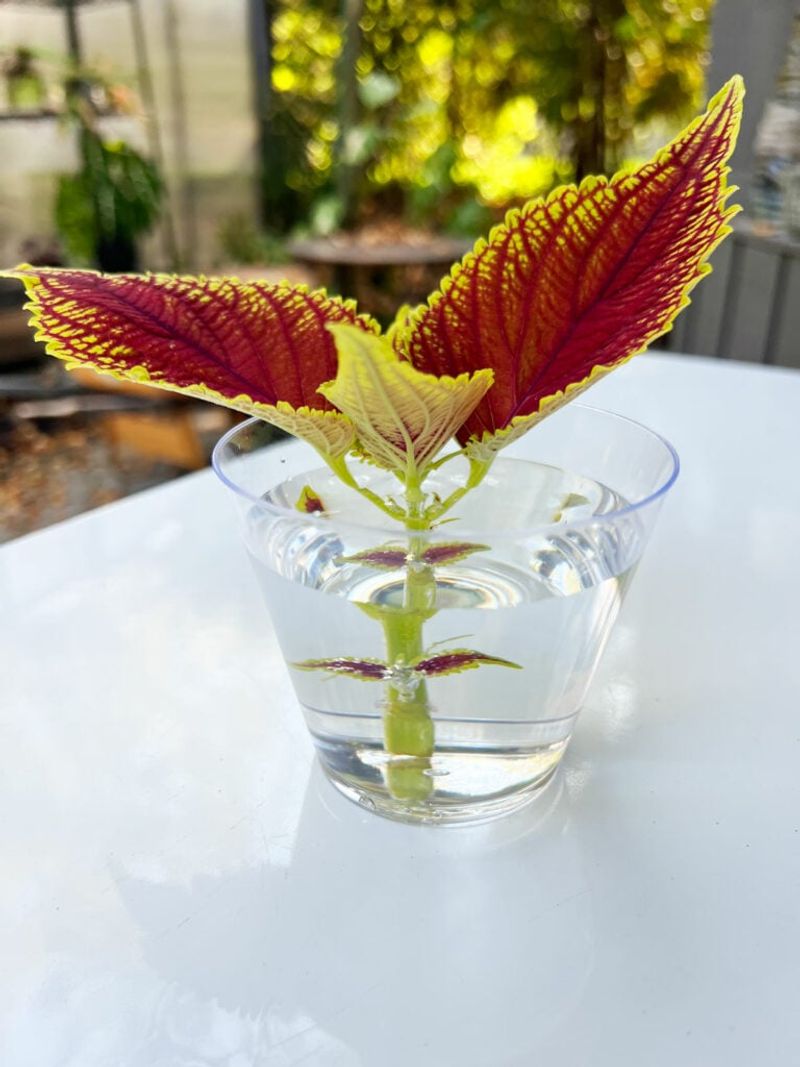
Leaves sitting underwater cause most early problems. Once submerged, they soften and break down, which can cloud the water and invite rot.
Strip off the lower leaves before your cutting goes into the jar.
Leave two to four leaves at the top so the cutting can still make food from light. Too many leaves can make a cutting wilt, since it has no roots yet to pull up water.
Large leaves can be trimmed in half if the cutting looks floppy.
Pick a clear glass or jar that holds the stems upright. Seeing through the container makes it easy to check the water and spot new roots later.
Fill it so at least one or two bare nodes sit below the surface, with the remaining leaves well above it.
Crowding is another thing to watch. Packing a dozen stems into a small glass can lead to tangled roots and murky water, so give each cutting a bit of room.
Plain tap water usually works fine for coleus. If your local water is heavily treated, letting it sit out overnight before use is a simple step some gardeners in Georgia like to take.
Set the jar somewhere bright but out of harsh direct sun for now.
4. Fresh Roots Can Begin Appearing Within A Couple Of Weeks
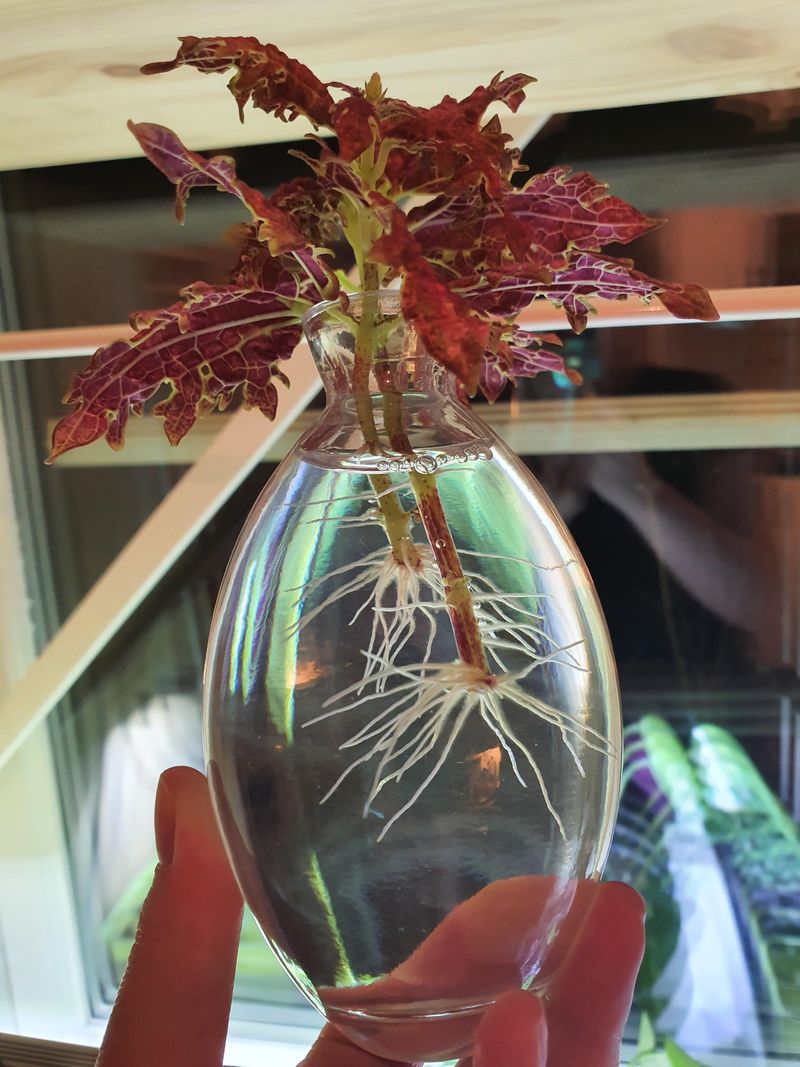
Patience gets rewarded fast with coleus. Small white roots often show up within one to three weeks, though the exact timing varies.
Warm rooms tend to speed things along, while chilly spots can slow progress noticeably.
Look closely at the nodes underwater. Tiny bumps usually come first, and then thin white roots begin to stretch out from them.
Some varieties root quicker than others, so do not worry if one cutting lags behind its neighbors.
A cutting that stays firm and green is usually doing its job, even before roots are visible. Mushy or blackened stems are a different story and are best tossed out.
Indoor temperatures in a typical Georgia home during fall are generally comfortable for rooting.
Skip rooting hormone unless you already have it on hand. Coleus roots so readily in water that most home gardeners have good success without any extra products.
Wait until roots reach about an inch or two long before moving cuttings into soil.
Very short roots can be fragile during the switch, while extremely long ones may tangle and break. Somewhere in the middle tends to handle the move best.
Keep a casual eye on progress every few days, and resist the urge to pull stems out to check.
5. Swapping The Water Every Few Days Keeps It From Turning Cloudy
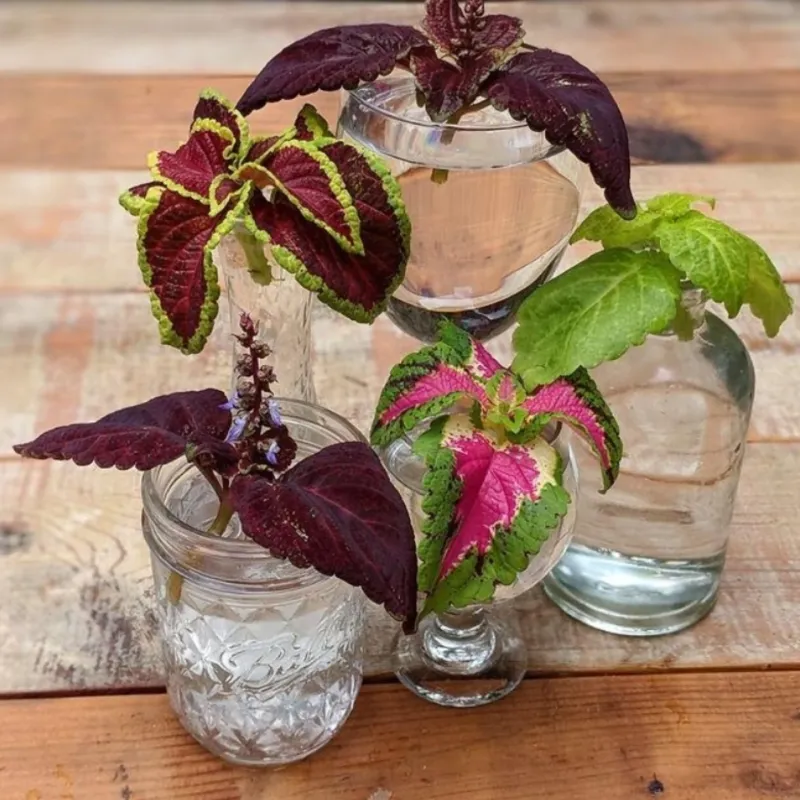
Cloudy water is an early warning sign. Bacteria build up over time, and stale water can hold less oxygen for developing roots.
Changing it every three or four days is a simple fix that takes less than a minute.
Hold the cuttings gently as you pour out the old water. Rinse the jar quickly, then refill it with fresh water at about room temperature.
Cold water straight from the tap can be a bit of a shock, so letting it warm slightly is a kind touch.
Notice any slimy film on the glass? A quick scrub with plain water and a soft brush usually takes care of it.
Check the stems each time too. Any that feel soft or smell sour should come out so they do not affect the healthy ones.
Water also evaporates faster in heated rooms, which many Georgia homes start using by late fall.
Top off the jar between changes if the level drops and nodes start sitting above the surface.
Green algae can show up in clear glass that sits in bright light. It is not usually harmful to the cuttings, but fresh water and a clean jar help keep it under control.
Small habits like these make a real difference in how many cuttings succeed.
6. Moving Rooted Cuttings Into Potting Mix Prepares Them For Winter Indoors
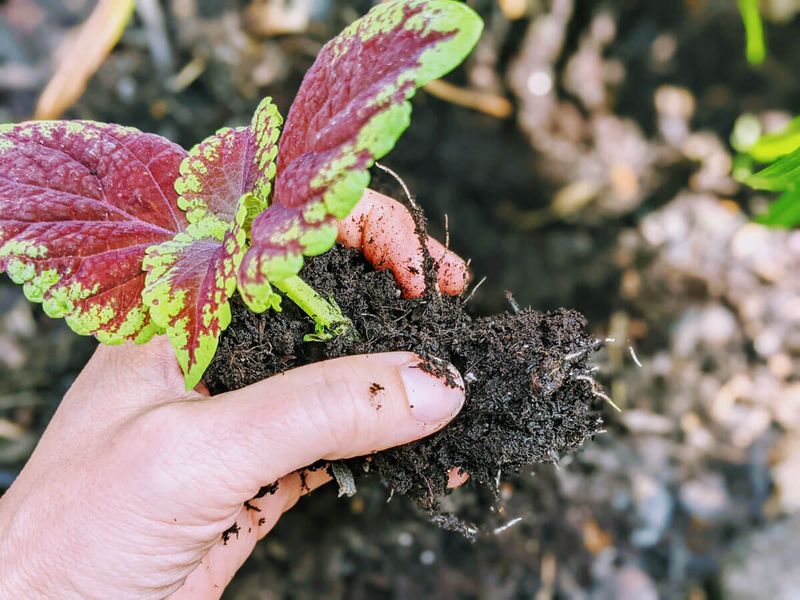
Water roots and soil roots are not quite the same. Roots grown in water are often more delicate, so plants may need a little time to adjust after the move.
Pick small pots with drainage holes and fill them with a fresh, light potting mix.
Skip garden soil for indoor pots. It often packs down hard in containers and may carry pests or disease from outside.
Make a small hole with your finger and set the cutting in gently.
Firm the mix around the stem without pressing too hard. Water it thoroughly afterward so the soil settles around those tender roots.
Keeping the mix lightly moist for the first week or two helps roots shift from water to soil.
Soggy pots are a common cause of trouble indoors. Once plants settle in, let the top of the soil dry slightly before watering again.
A little wilting in the first few days is fairly normal and often passes as roots adapt. Brief shade from strong direct sun can help during that stretch.
Wait to fertilize until you see steady new growth. Indoor plants in Georgia winters grow more slowly, so a light, diluted feeding now and then is usually plenty.
7. A Bright Window Keeps Colors Vivid Until Spring Planting
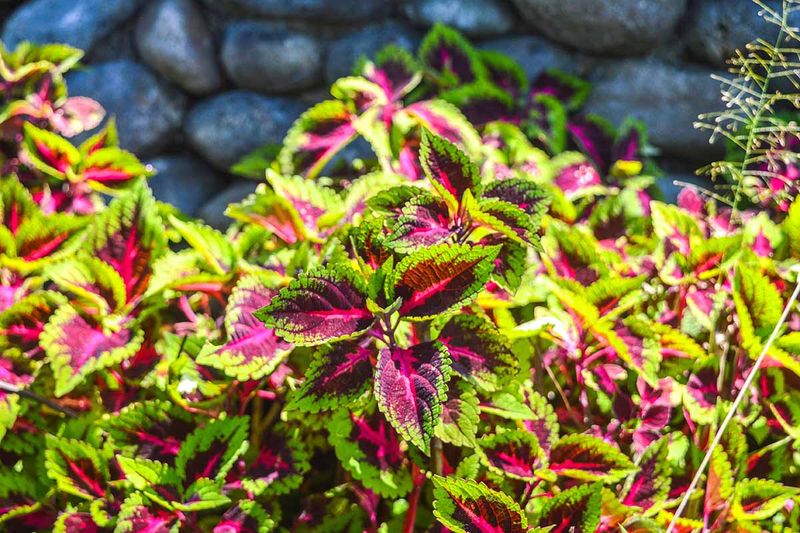
Light shapes how coleus looks indoors. In dim rooms, plants often stretch out and their colors can fade.
Place pots near your brightest window, with south or west-facing spots often working well in winter.
Turn the pots every week or so. Plants lean toward the light, and rotating them keeps growth more even.
Leggy stems can be pinched back to encourage a bushier shape.
Those pinched tips can also root in water, giving you even more plants for spring. Keep pots away from cold drafty glass and hot air vents, since both can stress the leaves.
Grow lights are an option if your windows are shady.
As spring approaches, hold off on moving plants outside too early. Coleus prefers warm soil and mild nights, so wait until frost danger has passed in your part of Georgia.
Harden plants off over about a week by setting them outdoors for a few hours at a time. Start in shade, then slowly give them more light so leaves do not scorch.
With a bit of care, those small fall cuttings can become full, colorful plants ready for another summer in your beds and containers.