What Michigan Gardeners Should Do With Cardinal Flower Once Blooming Ends

Cardinal flower puts on a brilliant red show in late summer, and hummingbirds love it. Then the blooms fade, and many gardeners reach for the shears. Wait a moment.
This plant has a quirky life cycle. It often lasts only a few years, so its survival depends on seed and on small leafy rosettes that form at the base. What you do now decides whether it returns.
Cutting everything down can remove next year’s seedlings. Leaving a tangled mess can smother the rosettes. Michigan’s cold, wet winters add another challenge.
The right balance is easy once you know what each part of the plant is doing. A few small choices keep cardinal flower coming back and the hummingbirds right behind it.
1. Cardinal Flower Is Often Short-Lived

Hummingbirds may treat cardinal flower like a five-star restaurant, but each plant has a surprisingly short stay in the garden.
Lobelia cardinalis is a native Michigan perennial, yet a single plant often lasts only about three or four years. After that, the original clump tends to weaken and fade away.
That news might sound disappointing at first. The good part is that cardinal flower has a clever backup plan. It renews itself by making new leafy rosettes at its base and by dropping seeds that grow into fresh plants nearby.
Knowing this changes how you care for it after the blooms are gone. Instead of trying to keep one old plant going forever, you want to protect the young growth and welcome new seedlings.
Think of your patch as a family, where the kids and grandkids carry on the show. In the wild, this plant grows along streams, lakeshores, and the soggy edges of woodlands all over Michigan.
Those spots stay moist and open, which gives new plants plenty of chances to take root. Each year, fresh rosettes and seedlings fill in as older plants step aside.
Your garden can work the same way with a little help. Fall is the season to focus on the base of the plant, where next year’s growth quietly forms. Keep that area clean, bright, and moist, and leave room for babies to pop up.
Once you stop expecting a single plant to live for decades, caring for cardinal flower becomes much easier.
You are really caring for a colony, not just one plant. Treat it that way, and the red spikes will keep returning year after year, brightening your garden every August.
2. Let Seed Pods Ripen For New Plants

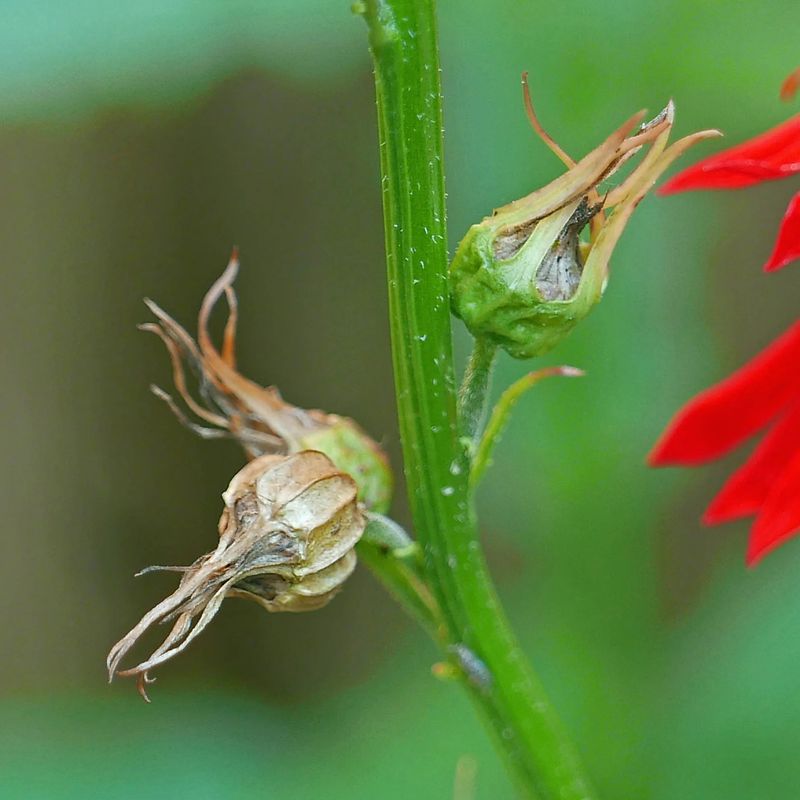
Reaching for the pruners the moment those red flowers fade is a common habit. Hold off for a few weeks, though, because the real magic is just getting started. After blooming ends, small round seed capsules form all along the flower stalk.
Inside each capsule sits a huge number of tiny seeds. When the capsules ripen, they split open and spill seed onto the soil below. If that ground is moist and bare, little seedlings can sprout and grow into next year’s plants.
Your Michigan Garden Changes Every Week. Your Plan Should Too.
Gardening in Michigan changes quickly throughout the season. Every Friday you’ll receive a simple weekly plan showing exactly what to plant, prune, fertilize, harvest, and protect so you never miss the right timing.
So the easiest step is also the laziest one. Leave the flower stalks standing until the capsules turn brown and feel dry and papery. Usually this happens in September or early October in Michigan, depending on the weather.
You can give nature a nudge, too. Bend a ripe stalk over and gently shake it above bare, damp soil near the parent plant. Fine seed will drift down like dust, and some of it will settle into just the right spots.
Mulch is the one thing to watch out for here. Cardinal flower seeds need light to sprout, so a thick blanket of wood chips or shredded bark will keep them from ever getting started. Leave a small area around the plant open and uncovered.
For Michigan gardeners, these seedlings are a big deal. As older plants wear out after a few seasons, the young ones step right into their place and keep the color coming. A patch that reseeds well can stay full for many years with very little work.
Patience pays off with this plant. A few brown stalks in fall are a small trade for a fresh crop of red blooms next summer.
3. Collect Seed To Sow Elsewhere
Want red blooms in a brand new corner of the yard? Collecting your own cardinal flower seed costs nothing and gives you full control over where new plants pop up. All it takes is an envelope, a pair of scissors, and a dry fall afternoon.
Start at the bottom of the stalk. The lowest capsules ripen first, so look for ones that are brown, dry, and starting to crack open. Snip them off and drop them right into your envelope.
Once inside, give the envelope a good shake. The seeds are incredibly small, almost like fine dust, so they will tumble out of the capsules easily. One stalk can hold thousands of them, which means you will likely have plenty to share.
Sowing them takes a light touch. Sprinkle the seed on the surface of moist, loose soil and do not cover it at all. These seeds need light to germinate, and even a thin layer of dirt can stop them.
Timing matters as well. Cardinal flower seed needs a cold, moist rest before it will sprout, which gardeners call stratification. Fall sowing outdoors handles this job naturally while the seeds sit through winter.
Michigan winters are perfect for that chilling period. Snow, freezing nights, and damp spring soil all work together to wake the seeds up when warmer days arrive. By late spring, tiny green seedlings should start to appear.
Prefer to wait? Store the seed in a sealed container in the refrigerator for a couple of months before sowing in spring. Either way, a single envelope of seed can turn a damp spot near your downspout or pond into a bright red hummingbird hangout.
4. Watch For Rosettes At The Base
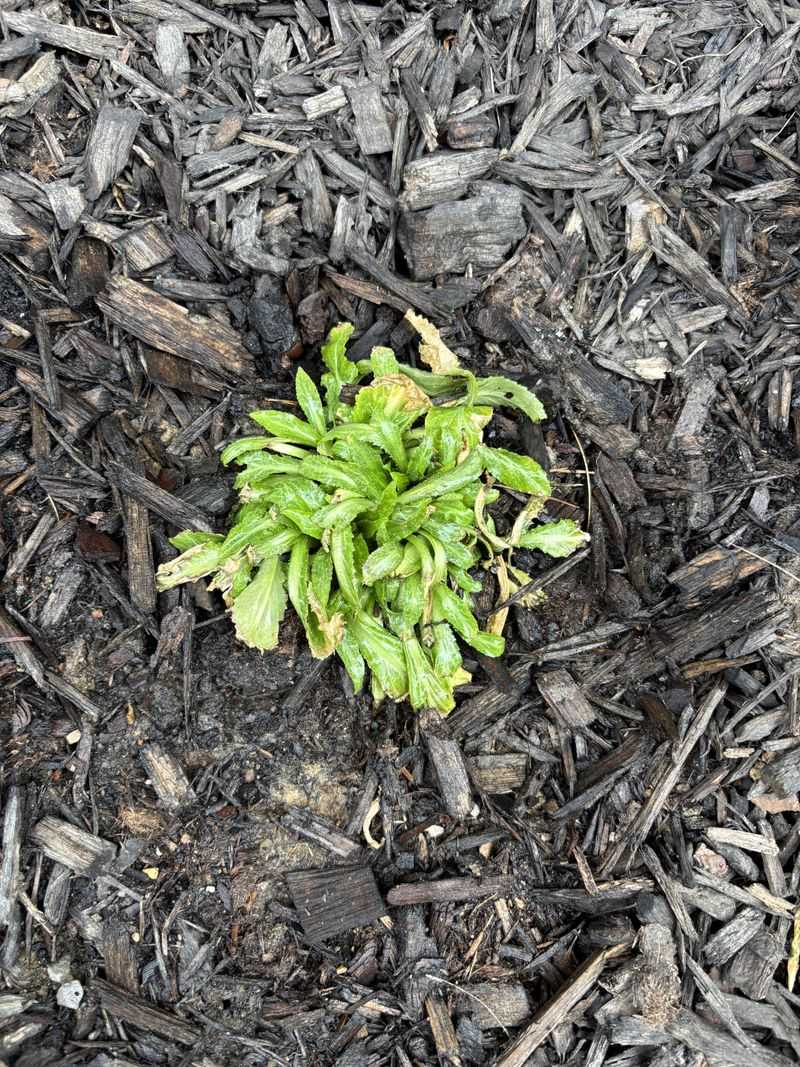
Down at ground level, something quiet and important happens every fall. While everyone admires the fading flower spikes, cardinal flower is busy building small clusters of leaves around its base. Gardeners call these clusters rosettes.
Each rosette is a little promise for next summer. It will grow up and send out the flowering stalk that blooms the following year. Without healthy rosettes, there is simply nothing to bloom.
They are easy to spot once you know where to look. After flowering, check around the base of the old stalk for flat, leafy bunches hugging the soil. They often stay green through fall and sometimes well into winter, even after a frost.
Protecting them is mostly about paying attention. Keep fallen leaves, twigs, and other debris brushed away so the rosettes get air and light. A quick check once a week in autumn is usually enough.
Feet and shovels are the other big danger. Rosettes sit so low that they are easy to step on while you clean up the garden. Avoid digging near the plant in fall, and consider placing a small marker so you remember exactly where they are.
In Michigan, this step can make or break next year’s display. A cold, snowy winter is fine for the plant, but a crushed or buried rosette may never recover. Healthy green clusters heading into winter usually mean tall red spikes the next July and August.
So when you walk through the garden on a crisp October morning, glance down. Those humble green circles may not look like much now. Give them a little care, and they will turn into the brightest part of your summer garden.
5. Don’t Smother The Crown With Mulch Or Leaves

Tucking plants in for winter feels like a kind thing to do. With cardinal flower, though, too much tucking can backfire. Heavy mulch and thick piles of leaves are among the biggest threats this plant faces in the cold months.
Here is the problem. The low rosettes need air and a bit of light to stay healthy, even in winter. Pile wet material on top of them, and moisture gets trapped right against the crown.
That trapped dampness invites crown rot. The base of the plant turns mushy and brown, and next year’s growth never shows up. Gardeners often blame the cold, when the real trouble was a soggy blanket.
Keeping things light is the fix. Pull any mulch back a few inches from the rosettes and keep the layer thin around the rest of the plant. After big leaf drops, rake off heavy, matted leaves that land on the crowns.
Some gardeners still like a bit of winter cover. If that sounds like you, choose something airy, like a few pine boughs laid loosely over the area. Evergreen branches catch snow for insulation while still letting air move underneath.
Michigan autumns make this step extra important. Maples, oaks, and other trees can drop a thick layer of leaves in just a few days. Low rosettes can disappear under that pile almost overnight, especially after a rainy week.
A quick walk with a rake every week or two in November solves the issue. It only takes a minute, and your plants will thank you with fresh green growth in spring. Sometimes the best winter care is simply letting the plant breathe.
6. Keep The Soil Moist Into Fall

Ask cardinal flower about its favorite home, and it would probably describe a muddy creek bank. This plant loves wet feet. In the wild, it grows in places where the soil stays damp nearly all season long.
Drying out is one thing it simply does not handle well. Even a short dry spell can stress the plant and weaken the rosettes forming at its base. Plants that stay moist through fall go into winter stronger and healthier.
Watering after the blooms fade is easy to forget. Most of us water hard in July, then put the hose away once the weather cools. Cardinal flower, however, still needs a steady drink while it builds next year’s growth.
Check the soil every few days during dry stretches. If it feels dry an inch down, give the plant a deep, slow soak. This matters most for cardinal flower growing in regular garden beds instead of naturally wet spots.
Location makes a huge difference over time. Planting near a pond, in a rain garden, or in a low area where water collects after storms gives the plant the conditions it craves. In those places, you may barely need to water at all.
Michigan weather can be tricky in late summer and early fall. Warm, dry weeks often show up in August and September, right when the plant is preparing for winter. Those stretches hit hardest when the plant sits outside its favorite soggy habitat.
A little extra water now goes a long way. Healthy, well-fed rosettes stand a much better chance of making it through a long Michigan winter. Come summer, they will repay you with tall, glowing red spikes.
7. Multiply Plants By Dividing Or Layering
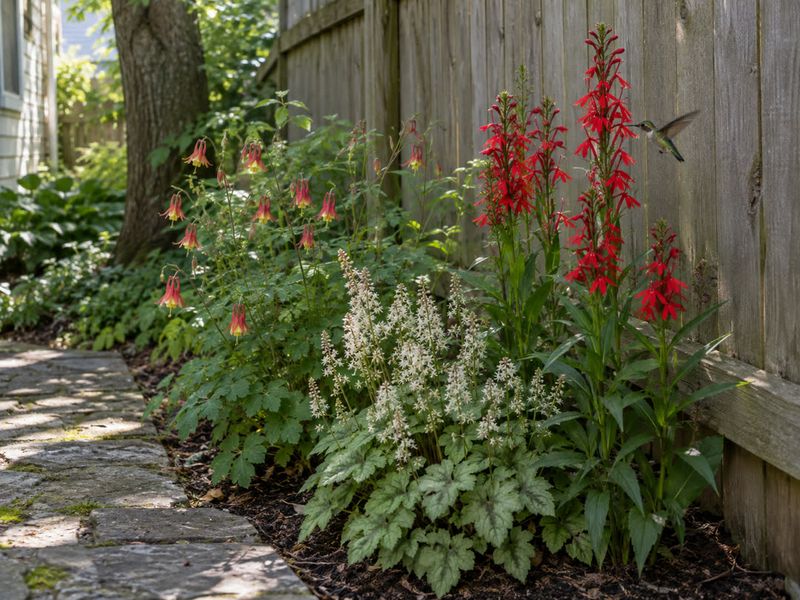
One cardinal flower can quietly turn into five or six if you know a couple of simple tricks. Dividing and layering are two reliable ways to make more plants from the ones you already have.
Since older plants fade after a few years, these new ones keep your display going strong. Dividing is a spring job.
As the soil warms, dig carefully around the plant and lift the clump of rosettes that formed at its base. Gently pull them apart, making sure each piece has some roots attached.
Replant each rosette right away in moist soil. Water them well and keep the ground damp while they settle in. Within a season, each small division can grow into its own blooming plant.
Layering works a little differently and happens in late summer. Take a flowering stem and bend it down until part of it touches moist soil. Pin it in place with a garden staple or a small rock, then cover that section lightly with soil.
Over the next few weeks, roots start forming along the buried part of the stem. Once a good set of roots has grown, cut the stem free from the parent plant. You can then move the new plant to a fresh spot or leave it where it is.
For Michigan gardeners, adding a few new plants each year is the secret to a steady show. Some plants will fade, but the young ones fill in the gaps without any empty spaces. It also gives you extras to share with friends and neighbors.
With a little effort, your cardinal flower patch can keep growing for years. Hummingbirds will notice, and so will everyone passing by.