What To Do In October For A California Christmas Cactus That Hasn’t Set Buds
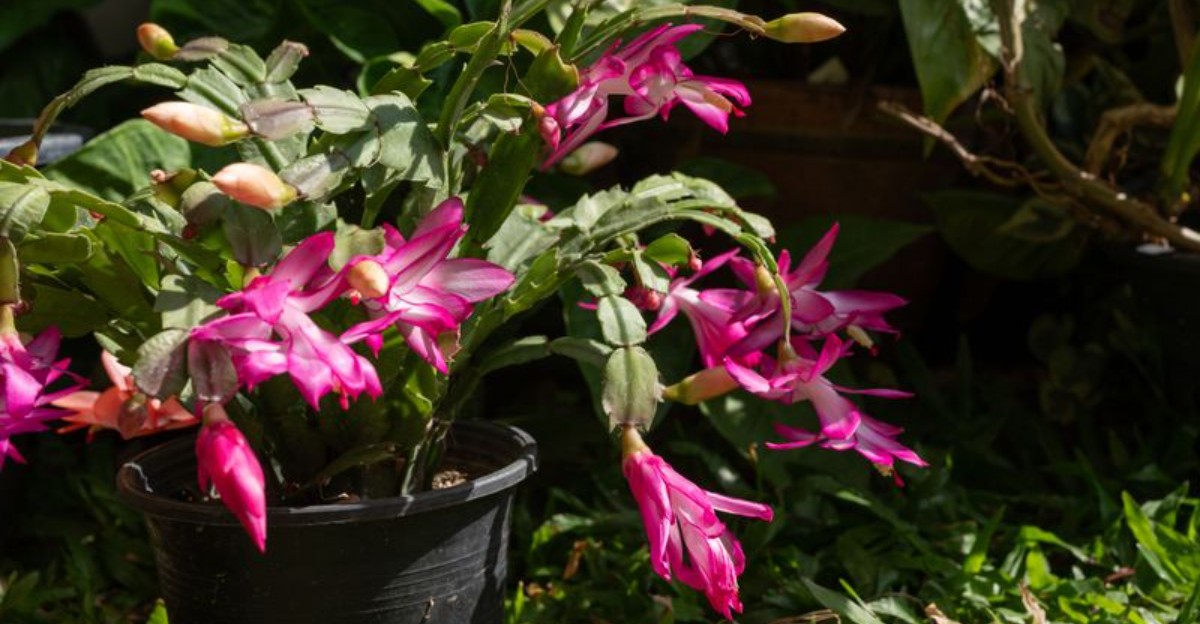
Some houseplants run on a hidden schedule. They wait for a very specific message from the world around them, and when that message fails to arrive, they simply carry on as usual.
Holiday cacti fall squarely into this category. A plant can look green, plump, and perfectly content while quietly skipping its most anticipated moment of the year.
California’s mild autumn and brightly lit homes often play a sneaky role in the delay.
The good news is that timing still works in a gardener’s favor this month.
A few small adjustments, most using items already found around the house, can nudge things back on track.
A little darkness, it turns out, can lead to a remarkably bright December.
1. Start A Nightly Blackout Now
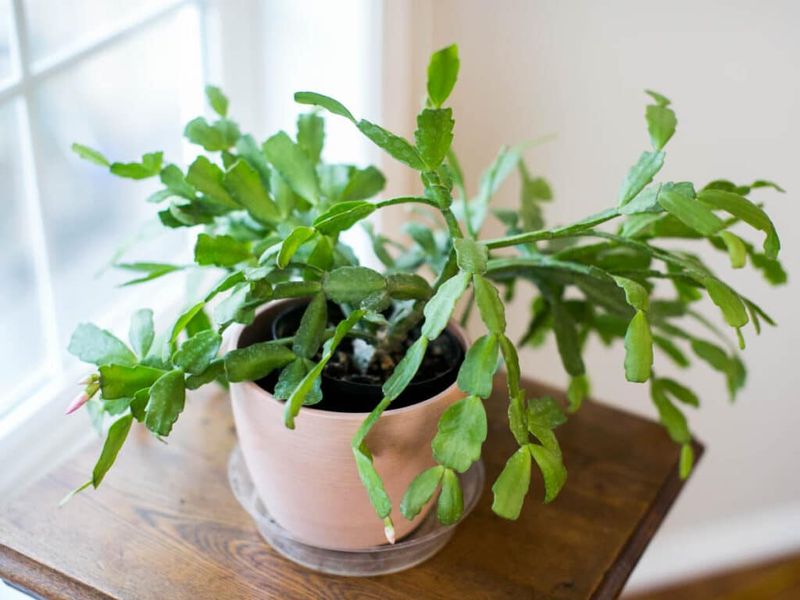
Calendar math matters more than most people expect. Buds on a Christmas cactus need roughly six to eight weeks of long nights and cool air before flowers open.
Counting back from late December lands the start date right in early October. That makes this week an ideal moment to begin.
Holiday cacti are thermophotoperiodic plants. The term simply means both temperature and darkness tell them when to bloom.
Long nights work like an alarm clock, and cool air turns up the volume. Together, they shift the plant from growing stems to forming flowers.
California homes complicate things. Indoor lights stay on late, and fall evenings can stay warm in many valleys and coastal towns.
As a result, a plant may grow plenty of new stems without ever getting the message to bloom.
A set evening time, such as 5 or 6 p.m., makes the routine easy to follow. The plant moves into darkness then and returns to a bright spot each morning.
A sticky note on the fridge or a phone reminder helps everyone in the household stay on schedule. Shared reminders prevent accidental slip-ups.
Consistency counts more than perfection. A routine kept almost every night works far better than a few dark nights followed by a week under lamplight.
Several weeks of steady effort usually bring small bumps at the stem tips. Once those appear, the routine can relax, as a later step explains.
2. Give Twelve To Fourteen Hours Of Darkness
Darkness serves as the main ingredient, and the dose matters. University horticulture sources commonly recommend about 12 to 14 hours of uninterrupted darkness each night, and a bit more causes no harm.
A simple schedule runs from 6 p.m. to 8 a.m. That gives the plant 14 hours of rest while leaving plenty of bright daytime hours for growth.
Total darkness means truly dark. A quick flip of the closet light to grab a jacket can break the long night.
The plant reads that flash as a short night, and the bud signal resets. Sleep broken into short naps works much the same way for people, leaving everyone less rested.
Unbroken time is what counts most. Even a few seconds of bright light can undo a night’s progress.
Morning reminders matter as much as evening ones. Mornings slip by easily on busy school or work days.
Your California Garden Changes Every Week. Your Plan Should Too.
Gardening in California changes quickly throughout the season. Every Friday you’ll receive a simple weekly plan showing exactly what to plant, prune, fertilize, harvest, and protect so you never miss the right timing.
A plant left in darkness day and night for a long stretch grows weaker, since it needs daylight to make food. Balance between dark nights and bright days keeps it healthy.
The routine continues until buds clearly form. Some plants respond within three or four weeks, while others take closer to six or eight.
Each plant keeps its own pace, so watching the stem tips works better than watching the calendar. Patience during this stretch tends to pay off with a fuller display.
3. Use A Closet Or Covered Box
Fancy equipment isn’t required. A spare bedroom, a hall closet, or even a large cardboard box can provide the deep darkness this plant craves, and most households already have one ready to go.
A closet offers the easiest option. Once the door closes at night, the job is done, as long as nobody flips on the light inside.
A small sign on the door handle reminds family members that the plant is resting. That little note can save weeks of effort.
An upside-down cardboard box works well when closet space runs short. A box large enough to clear the stems keeps them from bending or breaking.
Light leaks through cracks and handle holes are easy to miss. A strip of dark tape over any gaps keeps the inside truly black.
A thick blanket or dark cloth draped over a chair can form a simple tent in a pinch. Keeping the fabric off the stems matters, since the segments snap off easily.
An unused guest room also works when it stays dark and cool. Drawn shades and a closed door each evening do the trick, and a room without a heater vent is even better.
Convenience matters for any setup. A routine that feels like a hassle often gets skipped.
A spot close to the plant’s daytime window keeps the nightly trip to just a few seconds. Easy routines are the ones that actually last through the full bud season.
4. Move It Away From Lamps And Porch Lights
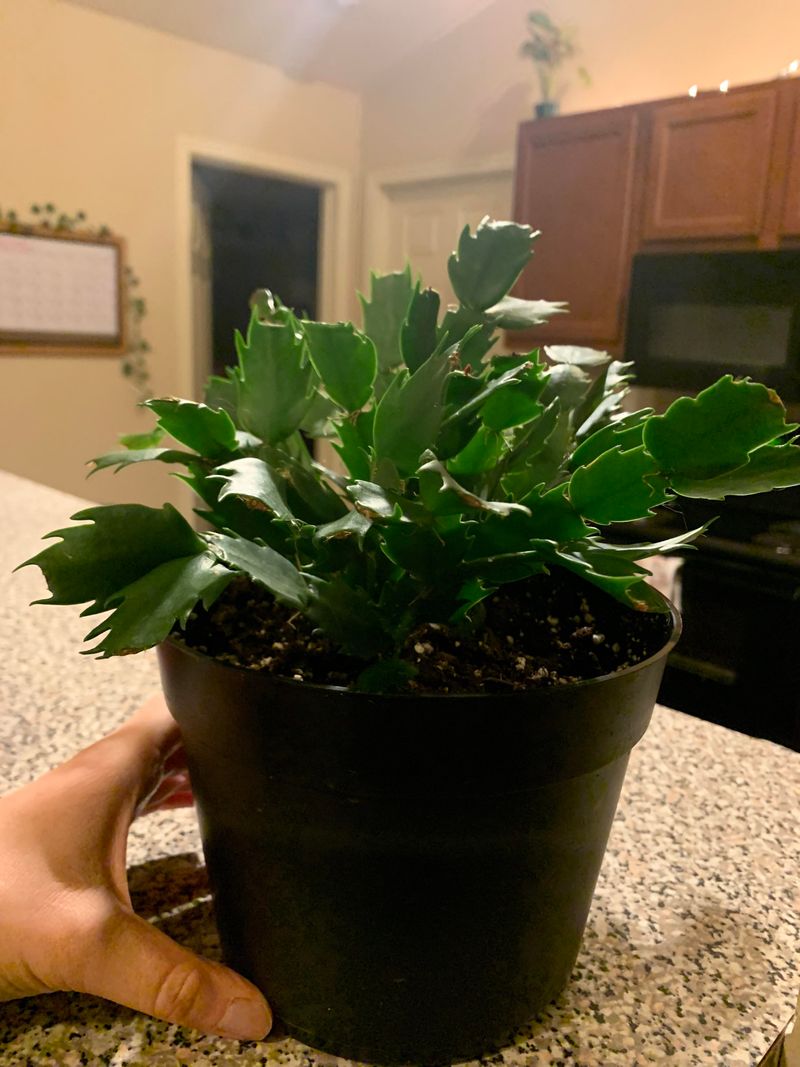
Evening living rooms glow with more light than most people notice. A television, a reading lamp, and a porch light through the front window can all reach a nearby cactus.
Even dim light can interrupt the long night this plant needs. Table lamps, overhead kitchen fixtures, and bright screens all count, so from the cactus’s point of view, the evening seems to stretch on and on.
Outdoor lights sneak in, too. Porch lights, motion sensors, and streetlights can shine through glass all night.
Many California neighborhoods have bright streetlights, so a window spot that seems dark may not be. A quick check after sunset tells the real story.
With normal evening lights switched on, a glance at the plant’s corner reveals plenty. Enough light to read a book comfortably means the area is too bright for bud setting.
A darker corner, or the closet and box methods above, solves the issue. Heavy curtains help block outdoor light, though indoor lamps near the plant still need to stay off.
Kitchens are a common trouble spot. Holiday cacti often sit on kitchen windowsills, where lights stay on through dinner and late snacks.
That warm, bright room keeps telling the plant it is still daytime. Cooking heat adds to the problem, since warm air slows bud formation as well.
A simple relocation usually fixes things. With quiet, dark nights, the cactus can happily switch from growing stems to making flowers.
5. Keep Nights Cool Around 50 To 55
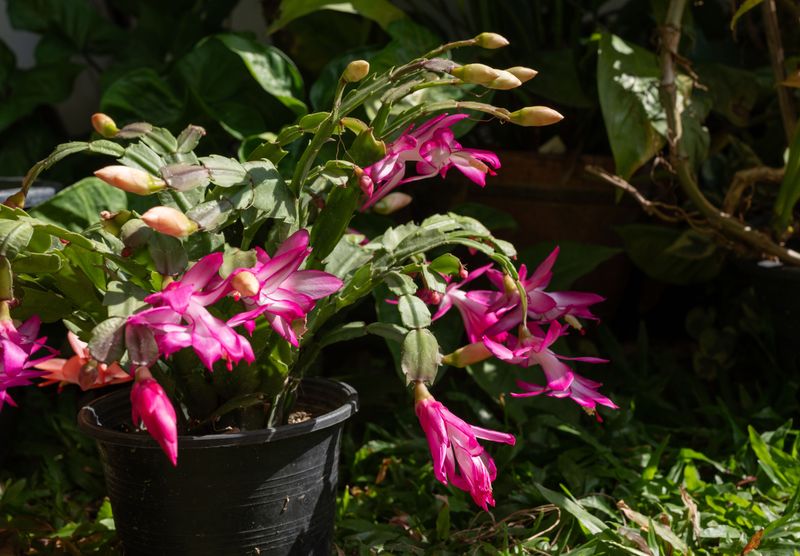
A little chill actually suits this plant. Nights around 50 to 55 degrees Fahrenheit help trigger flower buds, according to many university horticulture sources.
Warm homes can block blooming. Temperatures above about 70 degrees often prevent flowers from forming, so a toasty living room sends the wrong signal.
California offers some handy options. Coastal areas often bring cool October nights, making a covered porch or patio a useful spot for the season.
Frost damages the tender stems, though. A move indoors when nights dip below about 45 degrees keeps the plant safe and steady.
Inland gardeners may need some creativity. A garage with a window, an unheated sunroom, or a cool back bedroom can often hold the right range.
An inexpensive thermometer placed nearby shows the real nighttime temperature. Rooms often feel cooler than they truly are at night.
Heater vents and fireplaces are best avoided. Warm, dry air blowing on the plant can stall buds or cause them to drop later, and cold drafts from frequently opened doors create similar trouble.
Cool nights and long darkness work as a team. When nights stay consistently cool, plants may set buds more easily, sometimes even with less perfect darkness.
Offering both conditions together still gives the best chance for a full, colorful display. Daytime temperatures can stay at normal room levels, since the cool drop matters most after dark.
6. Give Bright Indirect Light By Day
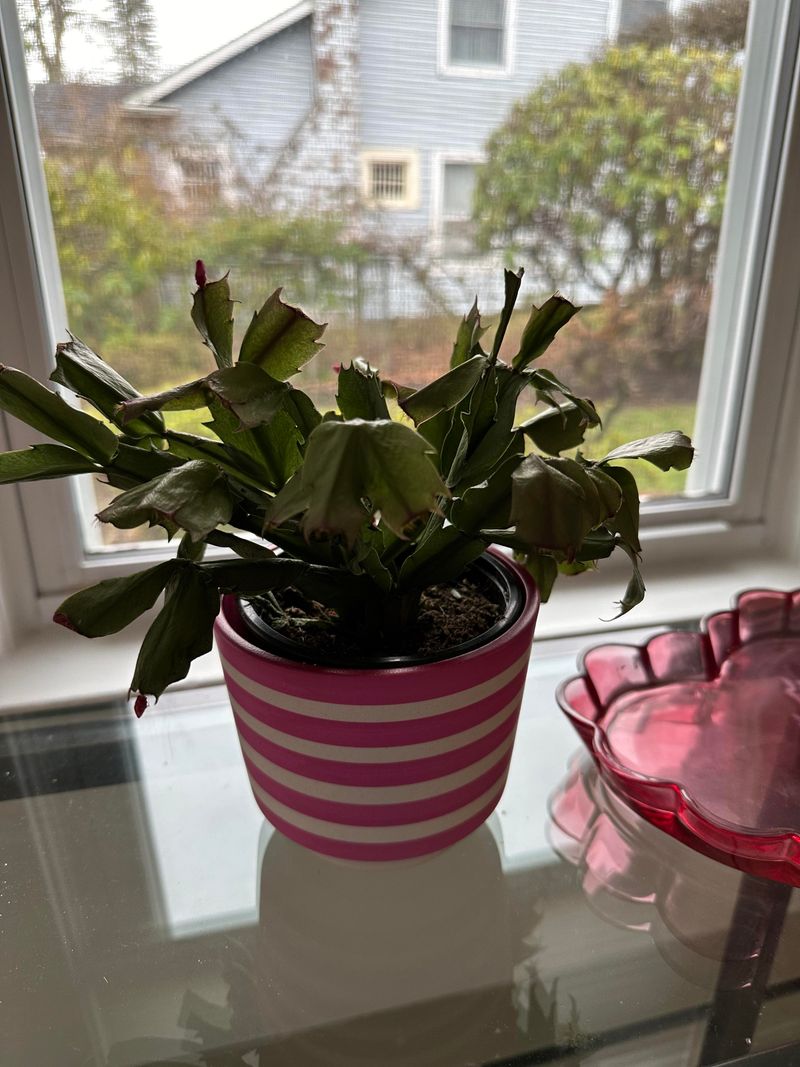
Daytime is when this plant makes its fuel. Dark nights handle only half the job, while bright days keep the cactus strong enough to build buds and flowers.
Bright, indirect light works best. An east-facing window or a spot a few feet back from a sunny window usually suits it well, and sheer curtains can soften strong afternoon rays.
Harsh direct sun can scorch the stems. California sunshine stays strong even in fall, especially in inland areas.
Stems turning reddish or yellowish may be getting too much sun. A slight shift away from the glass often helps them recover.
Too little light causes trouble as well. A cactus tucked in a dim corner may look pale and stretched, and it may struggle to form many buds even with perfect nights.
A simple hand test helps judge the light. A hand held above the plant at midday casts a soft, fuzzy shadow when conditions are right, while a sharp, dark shadow signals direct sun.
Despite the name, Christmas cacti are not desert plants. In the wild, they grow on trees in the humid mountain forests of southeastern Brazil, nestled in branches under leafy shade.
That background explains why they prefer filtered brightness over blazing heat.
A consistent daytime spot also reduces stress. Bouncing the pot between rooms during this sensitive stretch can unsettle the plant.
A steady, gently bright home base gives it the best shot at a strong holiday show.
7. Hold Back On Fertilizer
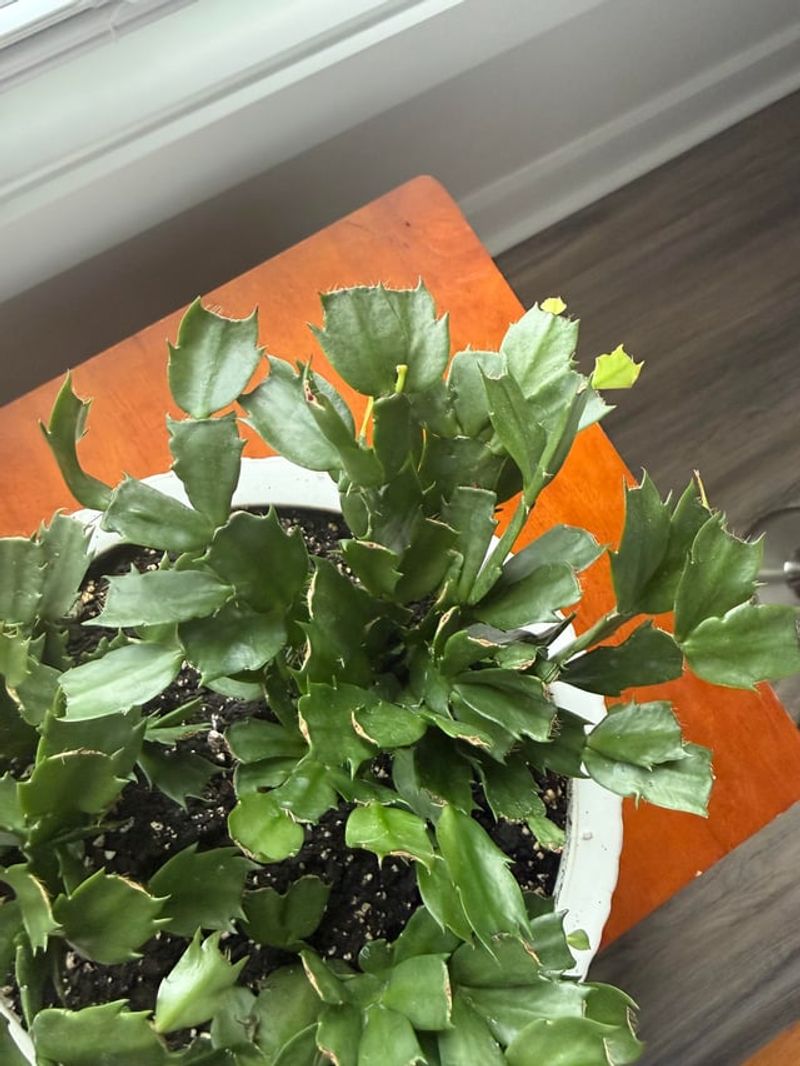
Feeding a plant feels like a kind gesture. Right now, though, extra fertilizer can work against bud formation, and a pause helps the cactus focus on flowers instead of new stems.
Spring and summer serve as the main growing seasons. Regular feeding during those months builds strong, healthy stems.
By fall, the plant’s energy needs to shift toward flowering. Fertilizer pushes fresh green growth, and a cactus busy sprouting new stem segments may delay or skip buds entirely.
Holding back sends a calmer signal that growing time is winding down. That message pairs well with long nights and cool air.
Early October makes a good point to set the fertilizer aside until the flowers fade. Feeding can resume lightly in spring when new growth starts, which many university sources recommend.
A recent feeding is no cause for worry. Simply pausing now and letting the routine of dark nights and cool temperatures take over usually keeps the season on track.
Hidden fertilizer deserves attention, too. Some potting mixes and slow-release pellets keep feeding quietly for months.
Pellets added in late summer can stay where they are, since digging them out disturbs the roots. Skipping any additional feeding is enough.
A few quiet months suit this plant well. Less truly is more during bud season, and a well-rested cactus tends to reward patience with a fuller wave of blooms.
8. Water Lightly Until Buds Appear
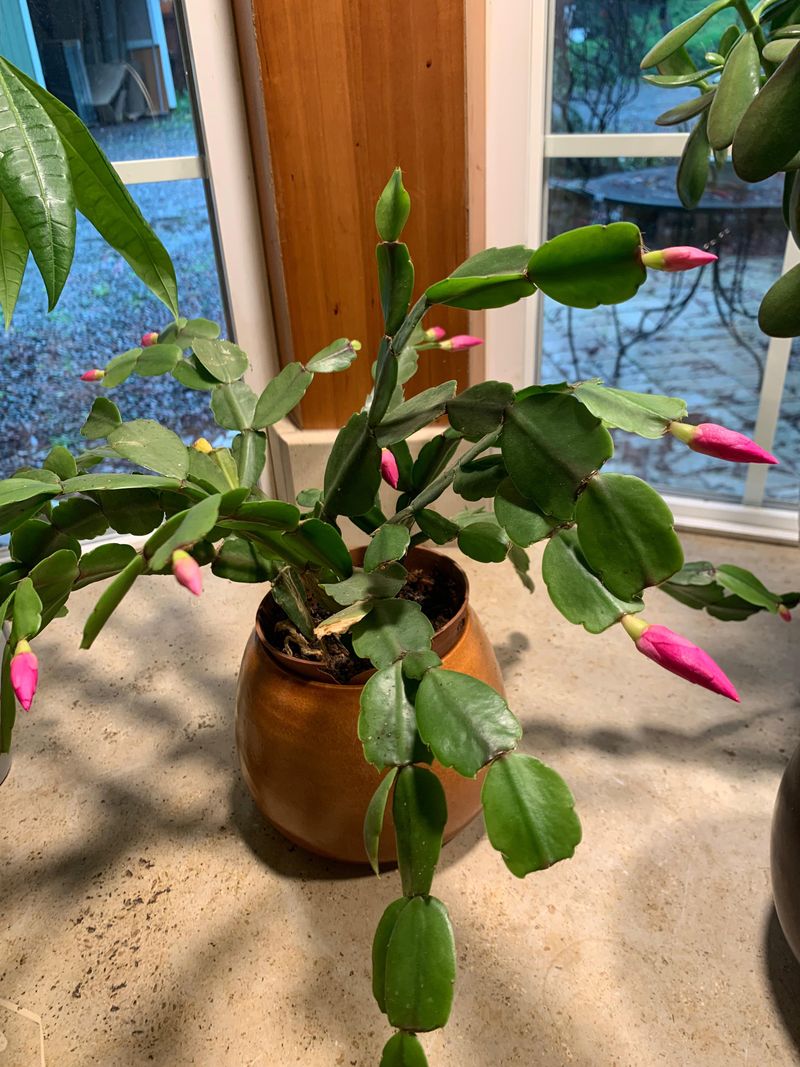
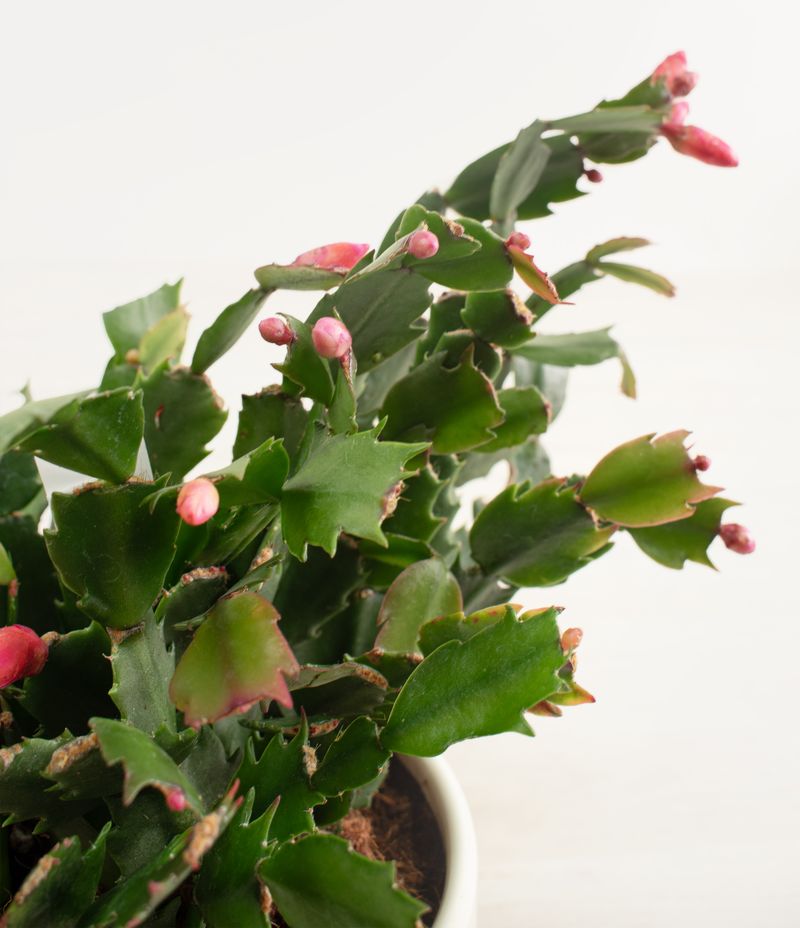
Tiny pink or red bumps at the stem tips mark the moment worth waiting for. Until they show up, careful watering keeps the plant steady, with soil lightly moist but rarely soggy.
The top inch of soil feeling dry signals time to water. A slow pour until a little drains from the bottom, followed by an emptied saucer, prevents standing water that can rot the roots.
Complete drying is best avoided, too. Very dry soil can make buds drop before they open.
Uneven watering, with wild swings between soaked and bone dry, causes the same trouble. A steady rhythm works far better than bursts of attention.
Other stresses can knock buds loose as well. Hot vents, cold drafts, and frequent moves all upset the plant during this delicate phase.
Buds usually appear after several weeks of long nights and cool temperatures. Once they’re clearly visible, the nightly blackout can end.
From then on, the plant can stay in its bright daytime spot with normal room light. A stable location matters most at this stage.
Gentle care still counts as buds swell. Light, regular watering and minimal turning or bumping of the pot help the flowers develop fully.
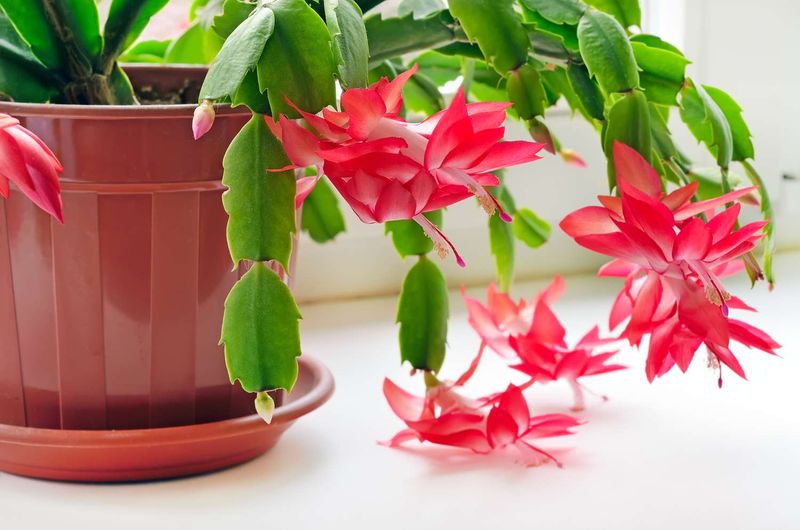
The reward tends to arrive right on time for the holidays. With steady care, a once-stubborn cactus can become the brightest decoration in the room, no tinsel required.