This Is The Easiest Berry Bush California Gardeners Aren’t Growing Yet
Some of the most rewarding fruiting shrubs for California yards rarely make it onto nursery shopping lists. Strawberries and blueberries tend to steal the spotlight, while a quieter group sits in the back row, waiting for attention.
These compact shrubs handle part shade, settle in with moderate water, and ask for little more than a yearly trim.
Several kinds grow wild across the state, drawing hummingbirds and bees in late winter.
Their berries range from sweet and tangy to wonderfully tart, perfect for jams and pies, though a few varieties carry some prickly surprises.
A shady corner that has resisted every other plant might be the perfect spot for one, and fall offers the ideal moment to find out.
Currants And Gooseberries Are Easygoing Berry Shrubs
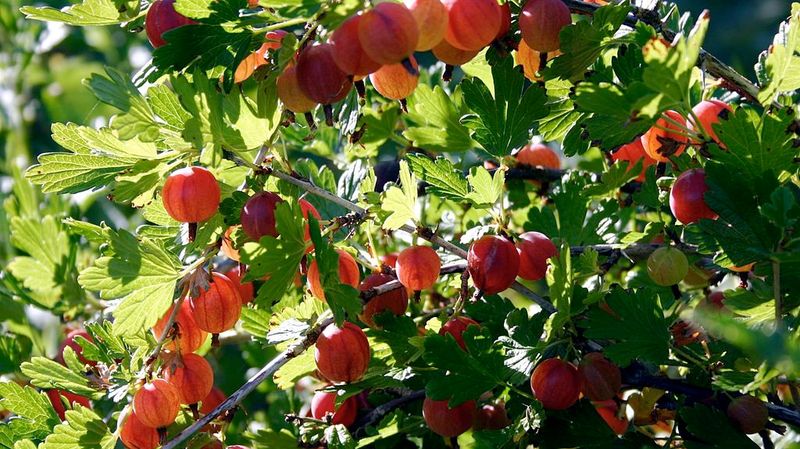
A shrub that stays about waist to shoulder high, leafs out early, and hangs little jewels of fruit in summer sounds almost too good to be true. Currants and gooseberries deliver exactly that.
Both belong to the same plant group, and they tend to ask for less than many fruit trees. Their compact size fits small yards and even large containers.
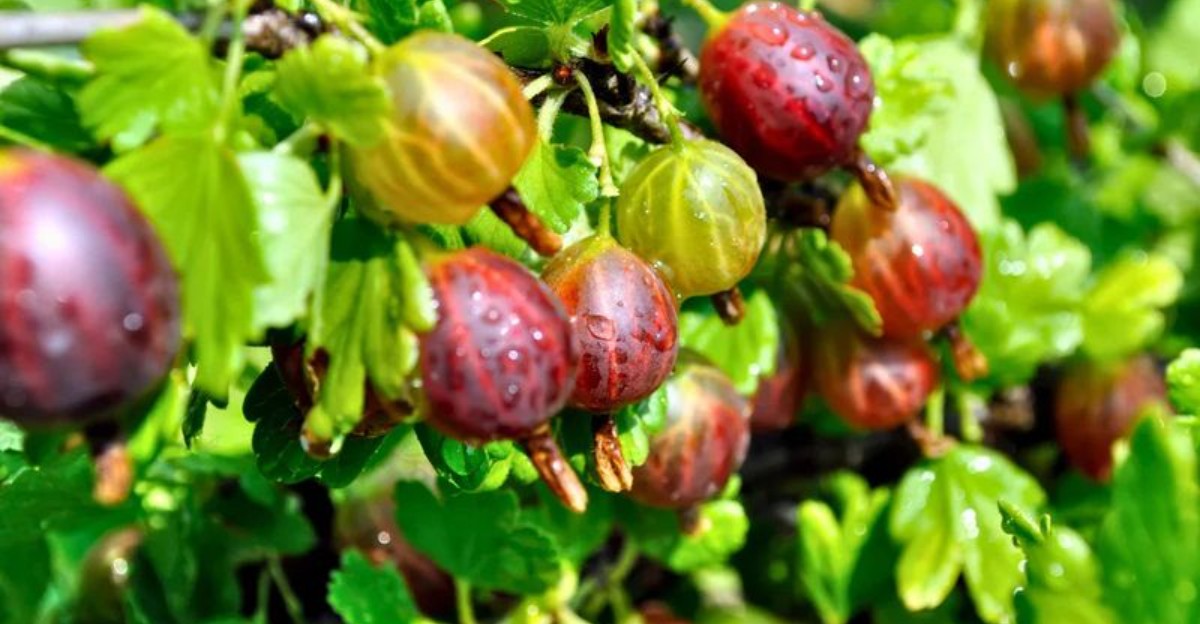
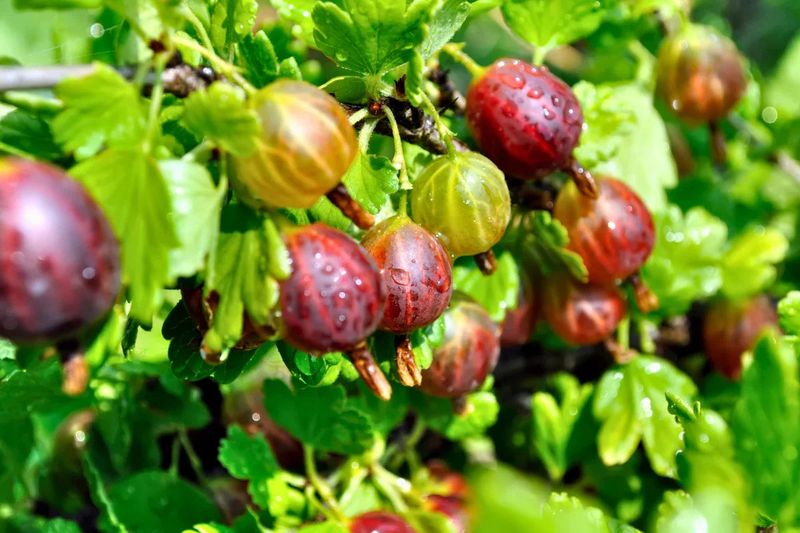
The fruit grows in two styles. Currants form small hanging clusters, much like tiny grape bunches, while gooseberries carry bigger single berries.
Most gooseberries also come with sharp spines along the stems. Gloves make pruning and picking far more pleasant, since those thorns mean business.
Tall ladders, fancy trellises, and complicated grafting stay out of the picture. A light yearly pruning that removes old, tired canes keeps plants bushy and fruitful, according to UC ANR guidance.
Many home gardeners simply overlook these shrubs. That makes them a fun conversation starter when neighbors ask about those shiny berries by the fence.
Easy care still involves a little effort. Decent soil with some organic matter, a layer of mulch, and attention during heat waves keep plants happy.
Some European currant and gooseberry types prefer cooler winters. They may sulk in the warmest coastal or desert zones.
A local nursery can point toward selections that perform well in each region. That quick conversation helps a new shrub start strong in the right spot.
Native Ribes Species Suit California Gardens
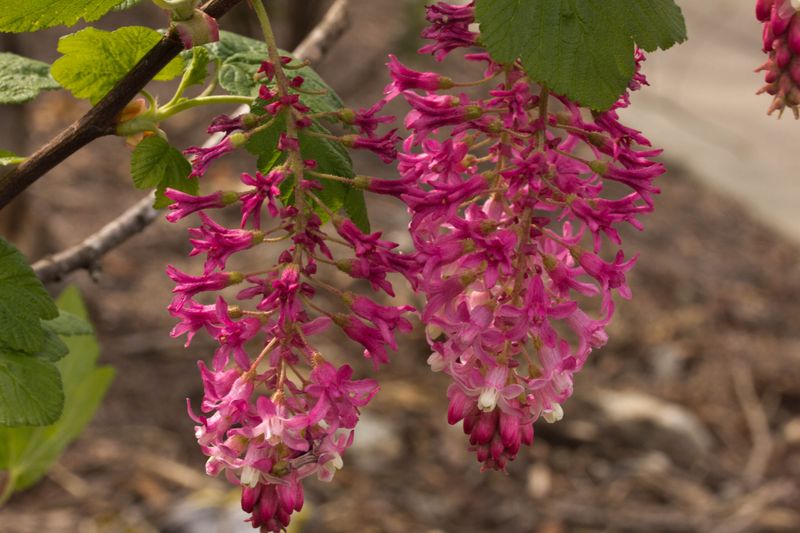
Long before anyone planted a backyard orchard, wild currants bloomed under California oaks. The state hosts many native species in this group, and several have found their way into home gardens.
Because they grew up here, they’re adapted to dry summers and wet winters. That built-in fit makes them easier to please than many imported shrubs.
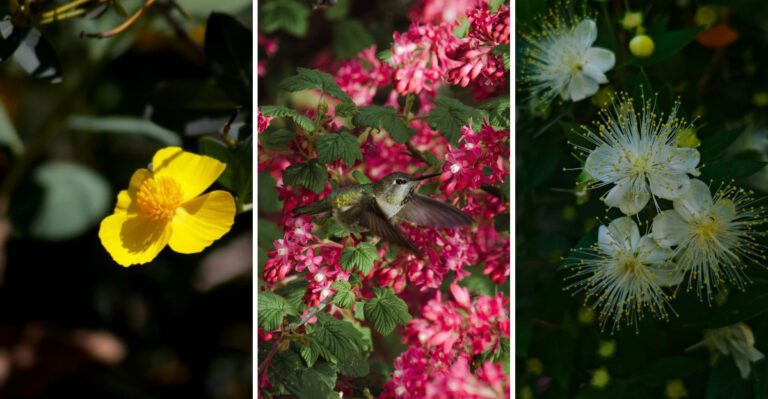
Pink-flowering currant ranks as a favorite in coastal and northern gardens. It bursts into drooping pink flower clusters in late winter.
Chaparral currant handles drier sites and blooms early, too. Golden currant offers yellow flowers with a spicy, clove-like scent.
Gooseberry fans have native choices as well. Fuchsia-flowered gooseberry sports red, dangling blossoms that look like tiny fuchsias.
Its stems are very thorny, so it works nicely as a living barrier along a property line. Many native currants go partly dormant in late summer, dropping some leaves to save water.
Your California Garden Changes Every Week. Your Plan Should Too.
Gardening in California changes quickly throughout the season. Every Friday you’ll receive a simple weekly plan showing exactly what to plant, prune, fertilize, harvest, and protect so you never miss the right timing.
That seasonal leaf drop reflects normal behavior rather than trouble. Fresh growth returns with fall rains.
The California Native Plant Society’s Calscape website shows which native species grow naturally near any address. Matching a plant to its home region gives it the best shot at thriving with little help.
Native plant nurseries and seasonal plant sales make great places to find these shrubs. Staff often know which species handle local soil, slope, and shade.
A photo of the garden spot leads to even better advice.
Part Shade Helps In Hot Inland Areas
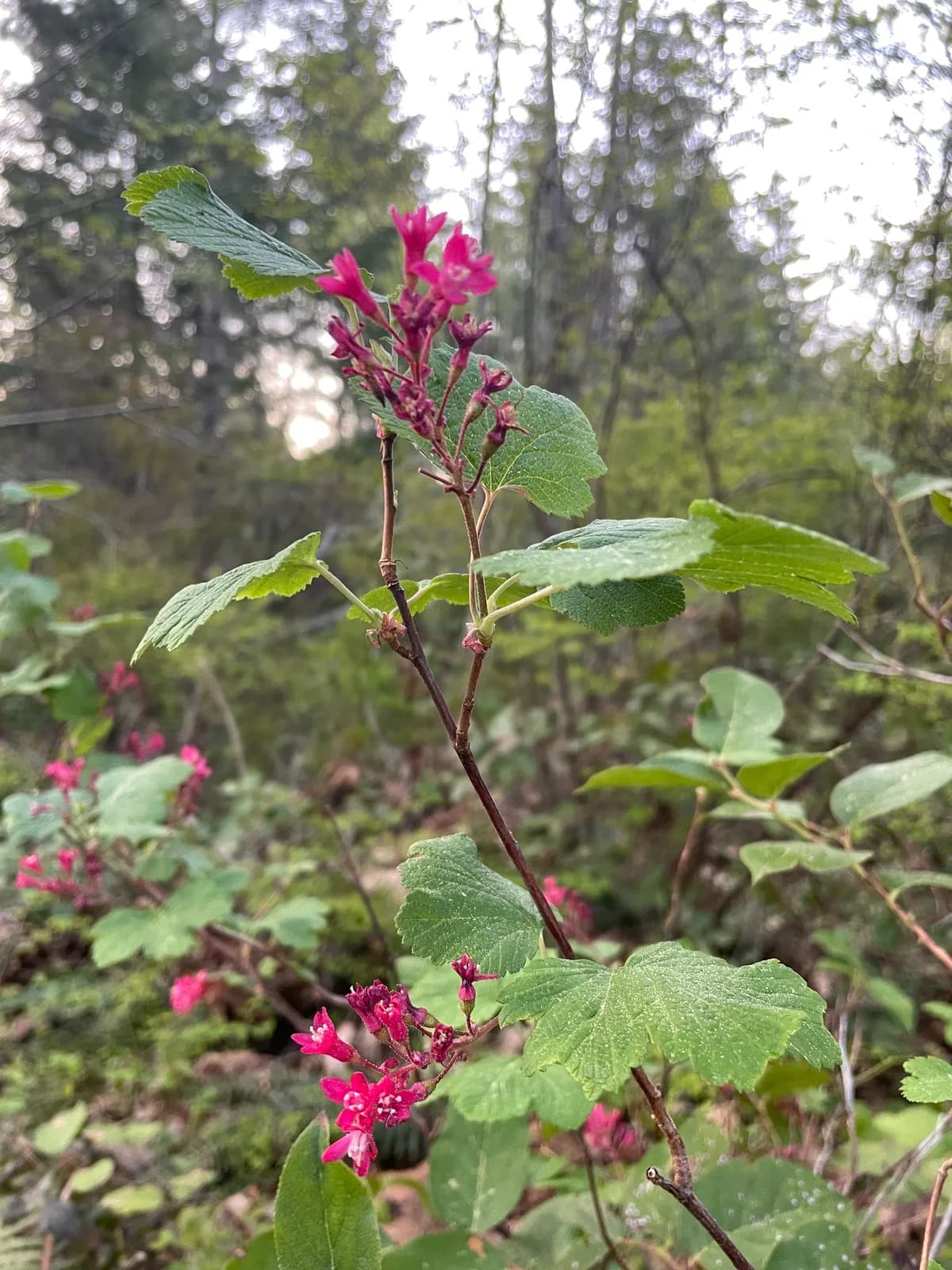
Crispy brown leaf edges in July rank among the most common complaints from inland gardeners who planted currants in full sun. Sacramento, Fresno, and the Inland Empire can bake shrubs that would be happy on the coast.
A little shade solves much of that stress. UC guidance notes that many of these shrubs prefer part shade in hot inland areas.
Morning sun followed by afternoon shade often works best. Gentle morning light still fuels flowers and fruit, while shade blocks the harshest rays of the day.
Natural shade makers sit in plenty of yards. The north or east side of a house works well, and so does the edge of a tree canopy, where light filters through in patches.
Native currants often grow under oaks in the wild, so dappled light feels like home. That habit makes them natural partners for existing trees.
Along the cooler coast, the story changes. Many types can take more sun there, since fog and ocean breezes keep temperatures mild.
Even so, a spot with some afternoon relief rarely hurts. Too much shade carries a cost, though.
Deep, all-day shade can mean fewer flowers and fewer berries. A balance of a few bright hours and a cool afternoon hits the sweet spot.
A yard with only sunny spots still has options. Shade cloth over the hottest weeks works like a beach umbrella for berries, protecting leaves until cooler weather returns.
Moderate Water Keeps Plants Productive
A trowel pushed a few inches into the soil beside the shrub offers the best watering guide. Dry soil at that depth usually signals time for a drink, and that simple test beats any fixed schedule.
Most garden currants and gooseberries do best with moderate, steady moisture during the growing season. Their roots stay fairly shallow, so they dry out faster than deep-rooted trees.
Long gaps without water can lead to small berries, early leaf drop, or fruit that shrivels before ripening. Consistency makes a big difference.
Deep, less frequent watering works better than quick daily sprinkles. A slow soak encourages roots to spread downward.
Drip lines or a soaker hose deliver water right where roots need it. Keeping leaves dry also helps reduce fungal problems.
Mulch makes a great water-saving partner. Two to three inches of wood chips, kept a few inches away from the stems, cool the soil and hold moisture.
As it breaks down, mulch slowly feeds the ground, too. That steady improvement benefits shallow roots most, especially during summer.
Native species follow different rules. Many native currants handle drier summers once established and may need only occasional deep watering.
Some actually dislike constant summer water, especially in heavy clay. Calscape and local native plant nurseries can share the water needs of each species.
Getting that balance right is where a good harvest truly takes root.
Fall Planting Gives Roots A Head Start
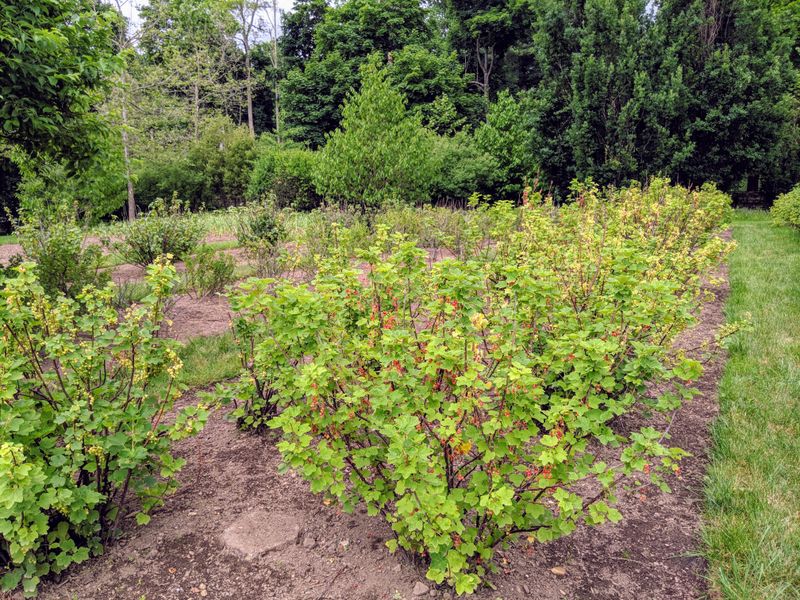
Cool October mornings feel great for gardeners, and young shrubs appreciate them, too. In much of California, fall makes a smart time to plant currants and gooseberries.
UC ANR and native plant groups often recommend fall planting for many shrubs in this climate. The reasoning comes down to temperature and rain.
Cooler air means the plant loses less water through its leaves. Soil, meanwhile, stays warm enough for roots to keep growing.
Winter rains then arrive and handle much of the watering. By spring, roots have had months to spread out.
A spring-planted shrub, by comparison, has to build roots while facing hot summer weather right away. That makes for a much tougher first year.
A hole as deep as the root ball and about twice as wide gives roots room to spread. The plant should sit at the same depth it grew in its pot, not deeper.
Backfilling with native soil, watering deeply, and adding mulch around the base finish the job. Rain in the forecast doesn’t mean the new shrub can be forgotten, though.
California winters can bring long dry spells. A soil check every week or two, with water when it feels dry, keeps roots on track.
Bare-root currants and gooseberries sometimes appear in nurseries during winter. Those can go in while dormant, too, as long as they’re planted quickly so the roots stay moist.
Birds And Pollinators Love The Blooms
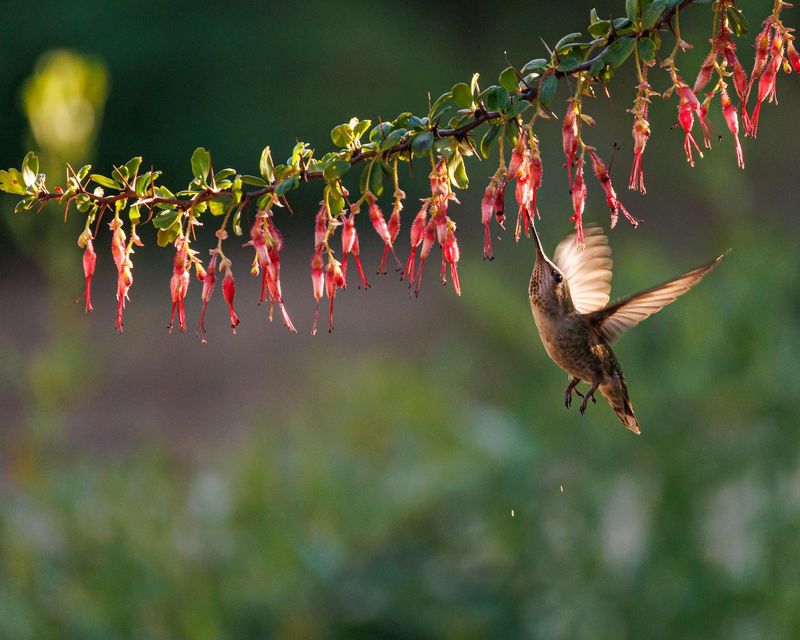
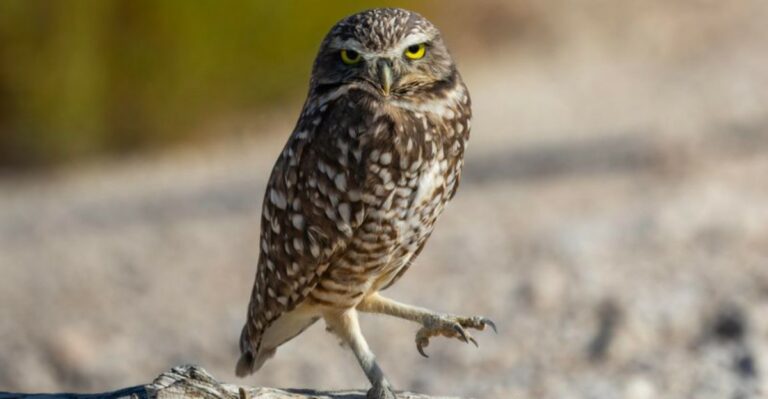
A hummingbird zips past and hovers at a dangling red flower in February. Scenes like that explain why so many gardeners fall for native currants and gooseberries.
Many species bloom in late winter and early spring, when few other flowers are open. Fuchsia-flowered gooseberry is especially famous for attracting Anna’s hummingbirds.
Its tube-shaped red blossoms match their long beaks perfectly. Pink-flowering currant and golden currant also draw hummingbirds, plus native bees seeking early pollen and nectar.
Early bloom matters a great deal for wildlife. Native bees and overwintering hummingbirds need food before spring fully arrives, and those blooms fill the gap nicely.
A single currant shrub can act like a roadside diner during a hungry season. The California Native Plant Society highlights these shrubs for their wildlife value.
Later in the year, berries feed birds such as thrushes, towhees, and mockingbirds, which often arrive the moment fruit ripens. For gardeners hoping to harvest, that can turn into a friendly competition.
Netting over garden currants helps protect the crop as berries start to color. Secure edges keep birds from getting tangled.
Some gardeners simply share. A native currant for wildlife and a garden selection for snacking gives everyone a turn at the buffet.
Skipping broad pesticide sprays, especially during bloom, helps pollinators even more. A shallow water dish nearby turns that corner of the yard into a lively stop that buzzes with activity all season long.
Berry Quality Varies By Species
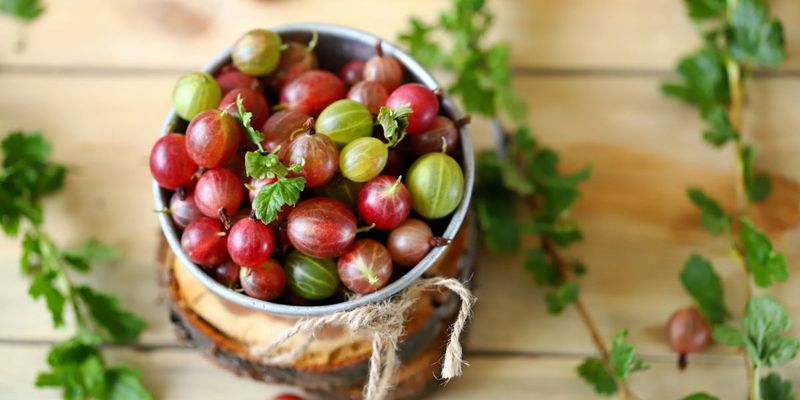
One bite can tell the whole story. A ripe garden currant might taste bright and tangy, while a wild berry from another species could be dry, seedy, or nearly flavorless.
Berry quality varies widely by species and by selection. Garden red currants, black currants, and cultivated gooseberries are grown mainly for eating.
These fruits shine in jams, jellies, pies, and sauces. Many taste quite tart fresh, so a sprinkle of sugar often brings out their best.
Several native species, such as golden currant, are considered edible, and some carry pleasant flavor. Others are grown mostly for flowers and wildlife value.
Fruit from those types may be small, bitter, or bristly. Native currants work best viewed as beautiful habitat plants first and possible snacks second.
Safety comes before curiosity. Berries that can’t be positively identified are best left on the plant, since some look-alike berries from other plants can cause serious stomach upset.
A plant tag, a trusted nursery, or a knowledgeable local expert can confirm the exact species before any tasting. Kids benefit from learning this rule early, too.
A simple family policy works well, with berries picked only after a grown-up has checked them.
Named garden selections from a reputable nursery deliver the best eating experience, and staff can describe the taste of each. Some kinds are bred for heavy crops, while others focus on disease resistance or thornless stems.
Choosing wisely keeps a harvest from being berry disappointing.