7 Things Moles Can’t Resist In Your Texas Yard
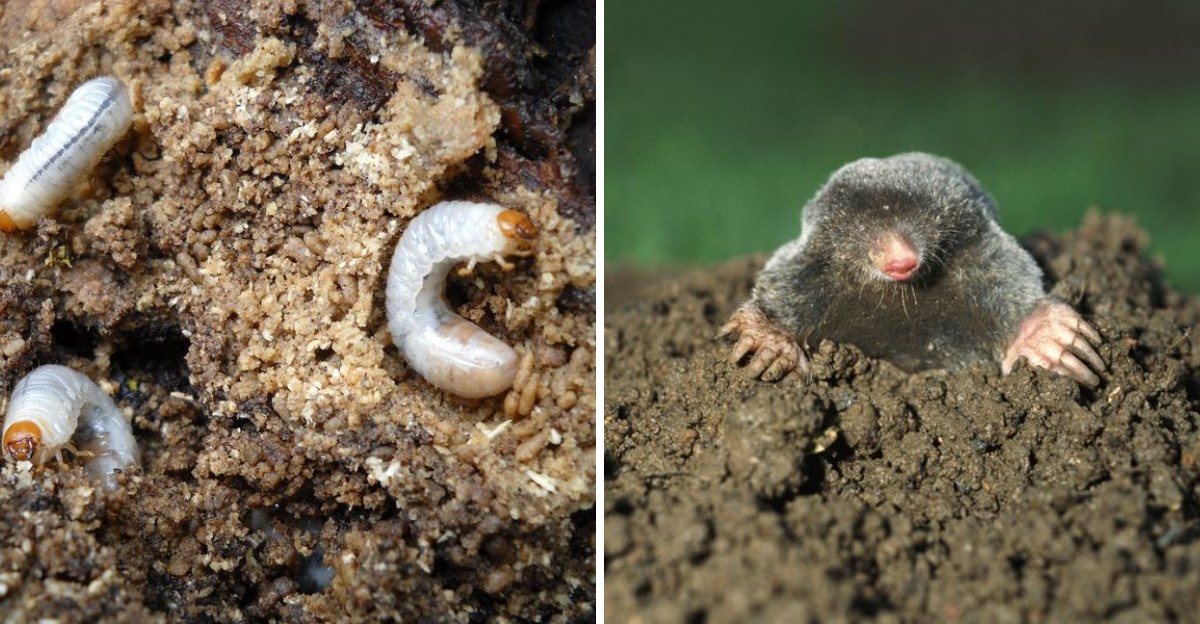
A mole can tunnel up to about 18 feet in a single hour. That’s why a lawn that looked perfect on Friday can be covered in raised ridges and soft, squishy trails by Monday morning.
Despite all that digging, moles aren’t after your grass or your plants. They’re hunting. Earthworms, grubs, and other soil-dwelling critters make up almost their entire diet, and they need a lot of them.
A single mole can eat close to its own body weight in food every day. That means moles go wherever the eating is easiest.
In Texas, certain yard conditions turn a lawn into an all-you-can-eat buffet. Some are obvious.
Others might surprise you, especially if you’ve been working hard to keep your yard healthy. Understanding what draws moles in is the key to sending them somewhere else.
1. Earthworms Top The Menu
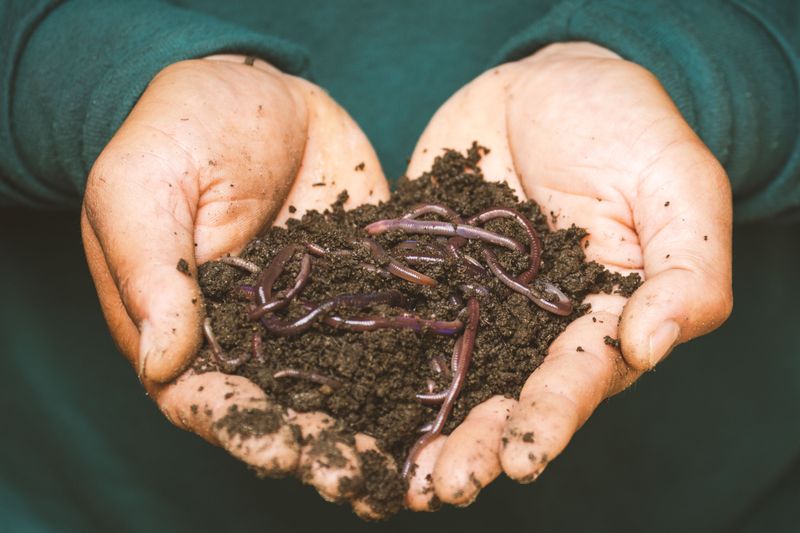
Ask any mole what is for dinner, and the answer is almost always earthworms. These wiggly snacks make up a big part of the eastern mole’s diet. A single mole can eat close to its own body weight in food each day.
That huge appetite explains a lot. Moles burn energy fast because digging is hard work. They need a steady supply of protein, and worms are packed with it. Where worms gather, moles follow.
Here is the twist that surprises many Texas homeowners. Healthy lawns usually have the most worms.
Worms love soil that is rich, moist, and full of decaying leaves and grass clippings. So the yard you worked hard to keep green may be the best buffet on the block.
Fun fact: moles sometimes store extra worms for later. They bite the worm’s head to keep it from crawling away, then tuck it into a little underground pantry. Scientists have found stashes with hundreds of worms in one spot.
So what can you do? Getting rid of all your worms is a bad idea. Earthworms help air move through soil and feed your grass naturally. Removing them would hurt your lawn more than the moles do.
A better plan is to manage the mole instead of the worm. Live traps placed in active tunnels work well for many people.
You can check which tunnels are active by stepping down on a ridge and seeing if it pops back up within a day or two.
Castor oil based repellents may also push moles to move along. They make worms taste unpleasant to moles without harming the worms. Apply them after a rain for the best results.
2. Juicy Grubs And Insect Larvae
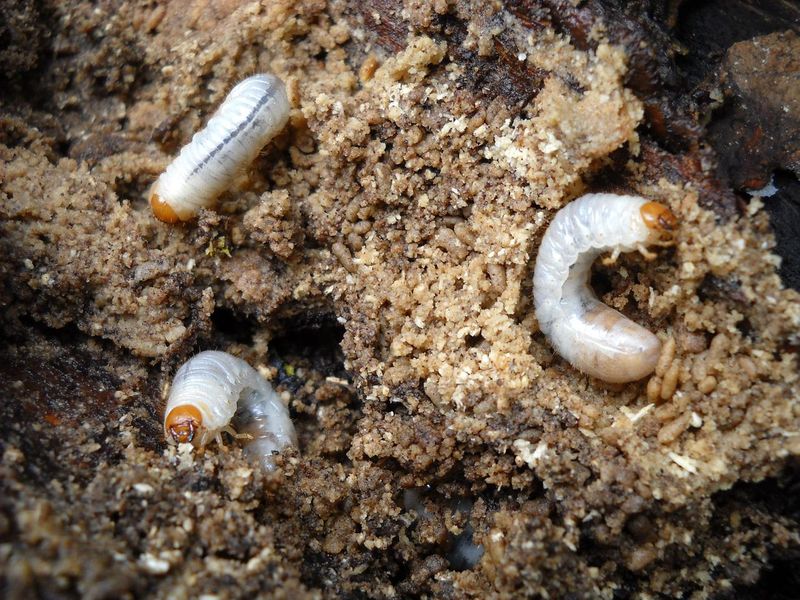
Peel back a brown patch of grass in late summer, and you might find a few fat, white, C-shaped critters. Those are grubs, the young form of May and June beetles. Moles think they are delicious.
Grubs live just under the surface and chew on grass roots. Moles hunt them by tunneling through the root zone and sniffing them out. Their noses are so sensitive that they can find food in total darkness.
Your Texas Garden Changes Every Week. Your Plan Should Too.
Gardening in Texas changes quickly throughout the season. Every Friday you’ll receive a simple weekly plan showing exactly what to plant, prune, fertilize, harvest, and protect so you never miss the right timing.
Other insect larvae are on the menu too. Beetle larvae, cutworms, and even ant eggs all make a tasty bite. A yard with lots of soil insects gives moles plenty of reasons to stick around.
Many people think destroying the grubs will solve the whole problem. Sadly, it usually does not work that way. Since moles mostly eat earthworms, removing grubs only takes away a side dish, not the main course.
Still, grub control has real value. Grubs damage your grass on their own, leaving dry spots that peel up like carpet. Fewer grubs means a stronger lawn, and that alone is worth the effort.
Try a quick test first. Cut a one foot square of turf on three sides and fold it back. If you count more than about ten grubs, treatment might make sense.
Beneficial nematodes are a friendly option. These tiny, natural worms hunt grubs in the soil and are safe for pets and kids. Milky spore is another choice, though it works best on Japanese beetle grubs.
Treat in late summer when young grubs are small and close to the surface. Then pair grub control with traps for a mole plan that actually works.
3. Soft, Moist Soil
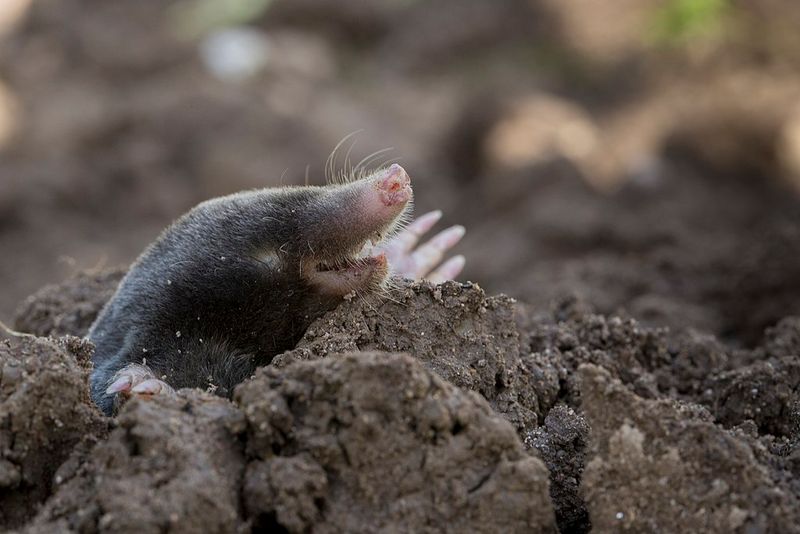
Squish, squish. If your shoes sink a little in one corner of the yard, there is a good chance moles have noticed that spot too. Damp ground is like a magnet for them.
There are two big reasons. First, wet soil is much easier to push through. A mole’s front paws are strong, but even they prefer a soft path over a hard one.
Second, moisture draws food upward. Earthworms and insects stay near the surface when the ground is wet. When soil dries out, they move deeper, and moles have to work harder to reach them.
You can often spot the pattern yourself. Look for tunnels near downspouts, low spots, leaky hose bibs, and shady areas. Those wet zones tend to show the most activity.
Fixing drainage can make a real difference. Point downspouts away from the lawn or add an extension so water spreads out. Repair any dripping faucets or broken sprinkler heads you find.
Low areas that hold water after rain may need a little help. Topdressing with a thin layer of soil over time can level them out. In tougher cases, a French drain can carry extra water away.
Shady spots stay wet longer, too. Trimming low tree branches lets in more sun and air. The soil dries faster, and the area becomes less inviting.
Here is a handy tip for trapping. Moles are most active right after rain, when the soil is soft. That is the best time to set traps in fresh, active tunnels.
You will not make your whole yard dry, and you should not try. But cutting down on soggy spots takes away one of their favorite hangouts.
4. Green Lawns In A Texas Drought
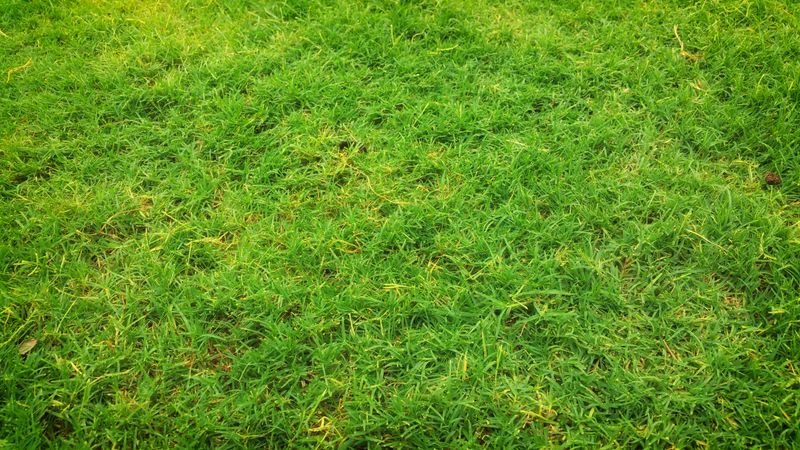
August in Texas can feel like living inside an oven. Fields turn brown, creek beds crack, and the ground gets hard as a brick. Meanwhile, your sprinkler keeps one patch of grass cool and green.
Guess where the moles go? They head straight for your watered lawn. To a mole, an irrigated yard during a drought is like an oasis in the desert.
Out in dry pastures, worms and insects burrow deep to escape the heat. Moles cannot easily reach them. Your moist lawn keeps that food close to the top, so moles move in for an easy meal.
Many homeowners notice more tunnels in mid to late summer for exactly this reason. It is not bad luck. It is the mole doing the smart thing and following the water.
The good news is that you can water in a way that is less tempting. Try watering deeply but less often. One or two long soaks per week is usually better than a short spray every day.
Deep watering pushes moisture down into the soil. Grass roots grow longer to chase it, which makes your lawn tougher in heat. The top inch dries out between waterings, so worms are not hanging around near the surface.
Water early in the morning, before about 10 a.m. Less water is lost to the sun, and the grass dries off during the day. That also helps prevent lawn diseases.
Check your local rules, too. Many Texas cities limit watering days during droughts. Following those rules saves money and may happen to make your yard less appealing to moles.
5. Loose, Easy-Digging Ground
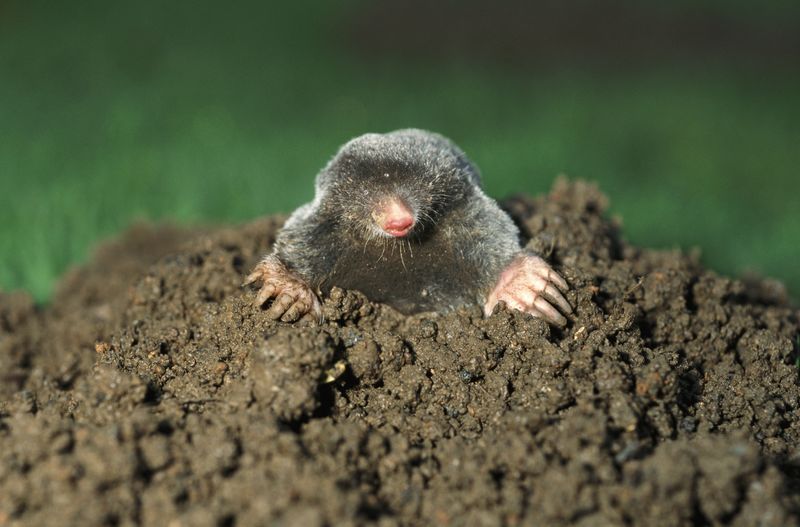
Think about trying to dig a hole in a sandbox versus a dried up clay pot. Which one sounds easier? Moles feel the same way, and they will always pick the easier job.
Loose soil is a dream for them. Sandy and loamy soils let moles swim through the ground with little effort. In good soil, a mole can dig around 18 feet of new tunnel in just one hour.
Texas has a wide mix of soil types. East Texas often has sandy, loose ground, while places like Dallas sit on thick black clay. That is one reason moles show up more in some regions than others.
Freshly tilled garden beds are extra tempting. When you turn over the soil, you break it up and make it fluffy. To a mole, that looks like a brand new highway with an open lane.
So how do you work with this? You do not need to pack your garden as hard as a parking lot. Plants need loose soil to grow strong roots.
Instead, consider protecting key spots. Hardware cloth laid under raised beds stops moles from tunneling up from below. Use a half inch mesh and bend the edges up the sides.
For flower borders, you can bury a barrier. Dig a narrow trench about two feet deep and line it with mesh or metal edging. Most moles will not dig that deep to get around it.
Also, try tilling only when needed. Many gardeners now use no-till methods, which keep soil healthy and a bit firmer. Fewer fluffy beds can mean fewer surprise tunnels.
6. Cozy Mulched Garden Beds
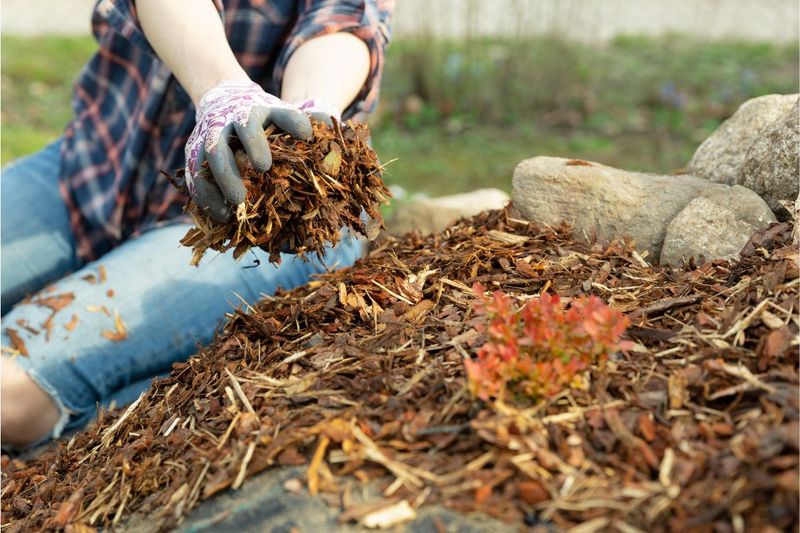
Mulch is one of the best gifts you can give your garden. It holds in water, keeps weeds down, and makes flower beds look neat. Unfortunately, moles think you made that gift just for them.
Under a thick blanket of mulch, the soil stays cool and damp. Even on a 100 degree day, the ground beneath can feel pleasant. Worms and bugs love those conditions and gather right under the surface.
As the mulch breaks down, it also feeds the soil. That attracts even more earthworms and insects. Before long, your flower bed turns into a full service snack bar.
Many people find tunnels running along the edges of mulched beds. Moles often travel there because the soil is soft and easy to move. The border between grass and mulch can act like a main road for them.
You do not have to give up mulch. The trick is to use it wisely. Keep the layer about two to three inches deep instead of piling it high.
Too much mulch traps extra moisture. It can also rot plant stems and invite other pests. A thinner layer still protects your plants without creating a perfect mole hotel.
Some gardeners switch to gravel or crushed stone in certain spots. Rock mulch does not break down or feed worms. It works great around Texas native plants that like drier soil, such as yucca and agave.
Here is another idea worth trying. Plant flowers in raised beds lined with mesh, then mulch on top. You get all the perks of mulch while keeping moles locked out below.
7. Rich, Compost-Packed Earth
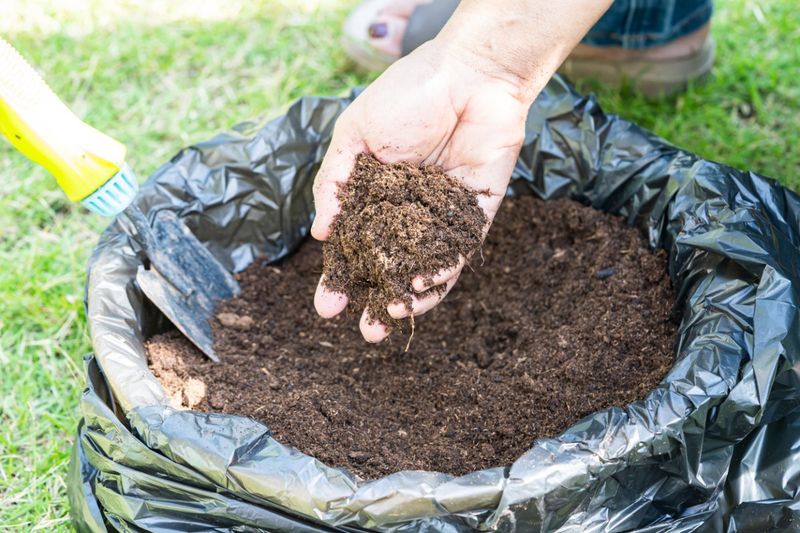
Gardeners love to talk about black gold. That is the nickname for compost, the dark, crumbly stuff made from rotting leaves, food scraps, and grass clippings. Your tomatoes adore it, and so do moles.
Compost is full of organic matter. Organic matter is basically worm food. When you add compost to a bed or lawn, worm numbers can jump quickly.
Insects move in as well. Beetles, larvae, and other tiny critters all feast on decaying material. More bugs plus more worms equals a mole’s favorite kind of neighborhood.
Here is the tricky part. Rich soil is exactly what experts tell you to build. It helps plants grow, holds water better, and cuts down on fertilizer needs. So you are doing everything right, and the moles still show up.
Do not stop composting. The benefits far outweigh a few tunnels. Instead, think about where and how you use it.
Focus compost on vegetable beds and flower areas you can protect with mesh. Use lighter amounts on open lawn spaces where moles roam freely. A thin topdressing once a year is often plenty for grass.
Keep your compost pile in a bin with a solid or mesh bottom. Open piles on bare ground can become a hot spot for worms and grubs. That draws moles right to the edge of your yard.
Fun fact: mole tunnels actually help soil in small ways. They mix layers and let air and water soak in. Some old time farmers even saw moles as a sign of good, fertile land.
With smart placement and a few barriers, you can enjoy rich soil and still keep the diggers in check.