These Texas Herbs Produce Better The Hotter It Gets
Most herbs have a peak window in spring when conditions are mild and growth is steady, and then they start struggling as Texas summer heat takes over. Not all of them follow that pattern though.
There is a group of herbs that actually responds to rising temperatures by producing more, growing faster, and developing stronger flavor than they ever manage in cooler weather.
For Texas gardeners, these are the herbs worth prioritizing, because they thrive during the exact months when most of the garden is just trying to survive.
Growing your own herbs through a Texas summer is not only possible with the right selection, it can be genuinely rewarding.
Some of these plants become more aromatic in the heat, others push out new growth almost faster than you can use it, and a few will keep going strong all the way through fall without missing a beat.
1. Basil
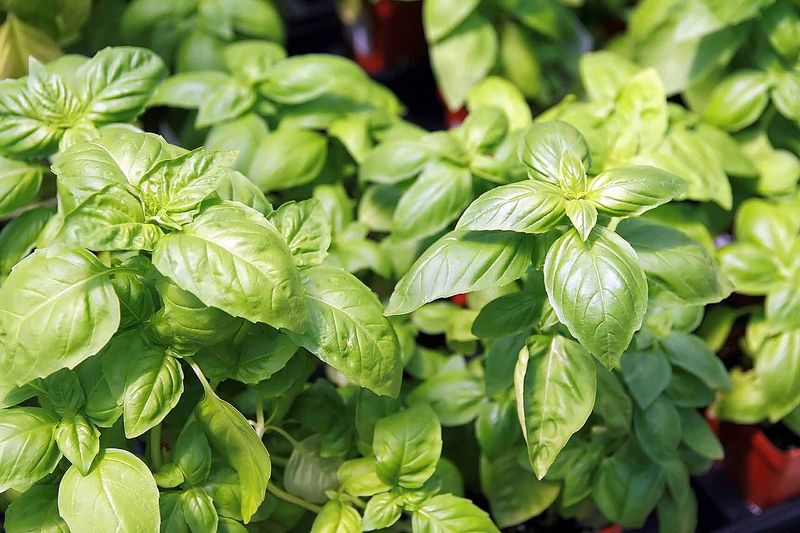
Nothing says summer cooking quite like the smell of fresh basil. Lucky for Texas gardeners, basil absolutely loves the heat.
When temperatures climb into the 90s, basil does not slow down. It actually speeds up and pushes out more leaves than you can keep up with.
Basil grows best when it gets full sun for at least six to eight hours a day. In Texas, that is easy to come by from May all the way through September.
The key is to make sure your soil drains well. Basil does not like wet feet, so avoid overwatering. Water deeply a few times a week and let the soil dry out a little between waterings.
One of the best tricks for keeping basil bushy and productive is pinching off the flower buds as soon as they appear. Once basil starts to flower, the leaves can turn bitter and production slows down.
By removing those flower tops early and often, you encourage the plant to keep putting energy into fresh leaf growth instead.
Sweet basil is the most popular variety, but Texas gardeners also do well with Thai basil and lemon basil. Both handle heat well and add interesting flavors to summer dishes. You can grow basil in raised beds, garden rows, or even large containers on a sunny patio.
Harvest basil in the morning when the essential oils in the leaves are at their peak. Fresh basil can be used right away in salads, pasta, sauces, and homemade pesto. It is one of the most rewarding herbs you can grow in a Texas summer garden.
2. Rosemary
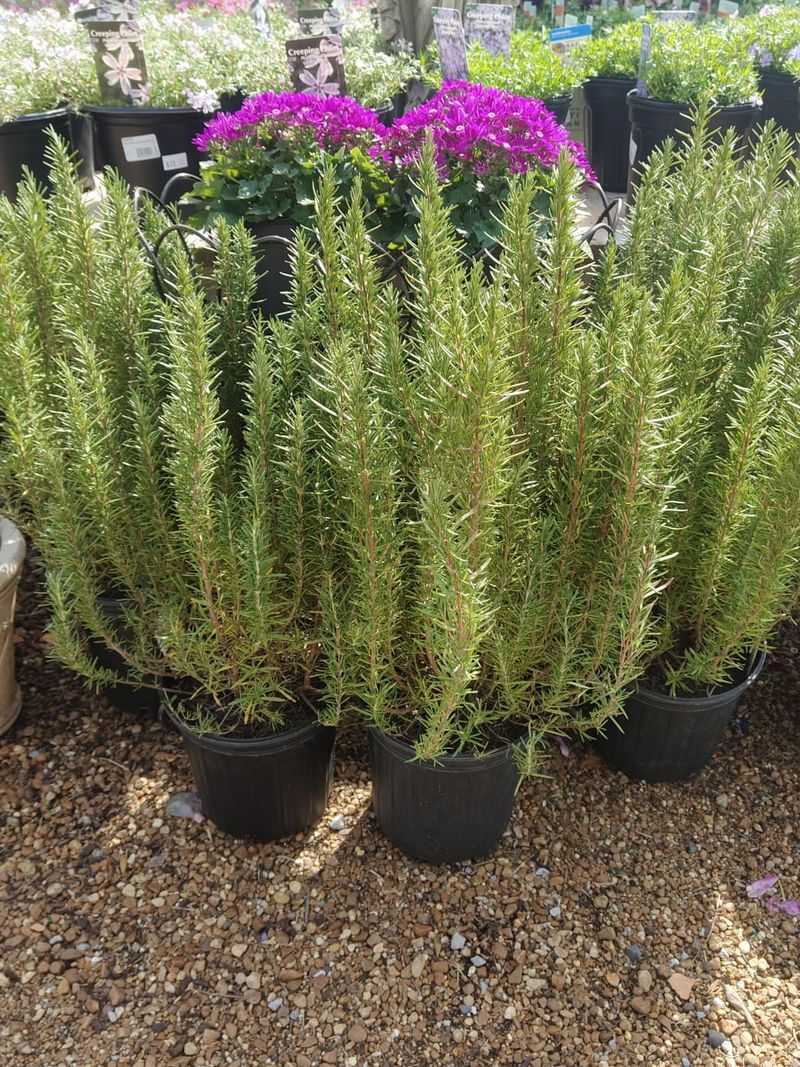
Rosemary is practically made for Texas. This tough, woody herb was originally from the hot and dry Mediterranean coast, so it feels right at home under a blazing Texas sun.
The hotter and drier the weather gets, the more aromatic rosemary becomes. That strong, piney fragrance you smell when you brush against the leaves? Heat brings that out even more.
One of the best things about rosemary is how little attention it needs once it gets established. During the first few weeks after planting, water it regularly to help the roots settle in.
Your Texas Garden Changes Every Week. Your Plan Should Too.
Gardening in Texas changes quickly throughout the season. Every Friday you’ll receive a simple weekly plan showing exactly what to plant, prune, fertilize, harvest, and protect so you never miss the right timing.
After that, you can ease way back on watering. Rosemary actually prefers dry conditions and can struggle if the soil stays too wet for too long.
Plant rosemary in a spot with full sun and well-draining soil. Sandy or rocky soil works great.
If your garden has heavy clay soil, mix in some sand or plant rosemary in a raised bed to improve drainage. Poor soil does not bother rosemary at all.
In fact, overly rich soil can make the plant grow too fast and reduce the intensity of its flavor.
Did you know rosemary can grow into a shrub several feet tall in Texas? With the right conditions, a single plant can last for many years and become a permanent feature in your landscape.
Some varieties even produce pretty blue or purple flowers that attract pollinators. Use fresh rosemary sprigs to season roasted meats, potatoes, bread, and olive oil. The flavor is bold and savory, and a little goes a long way in the kitchen.
3. Oregano
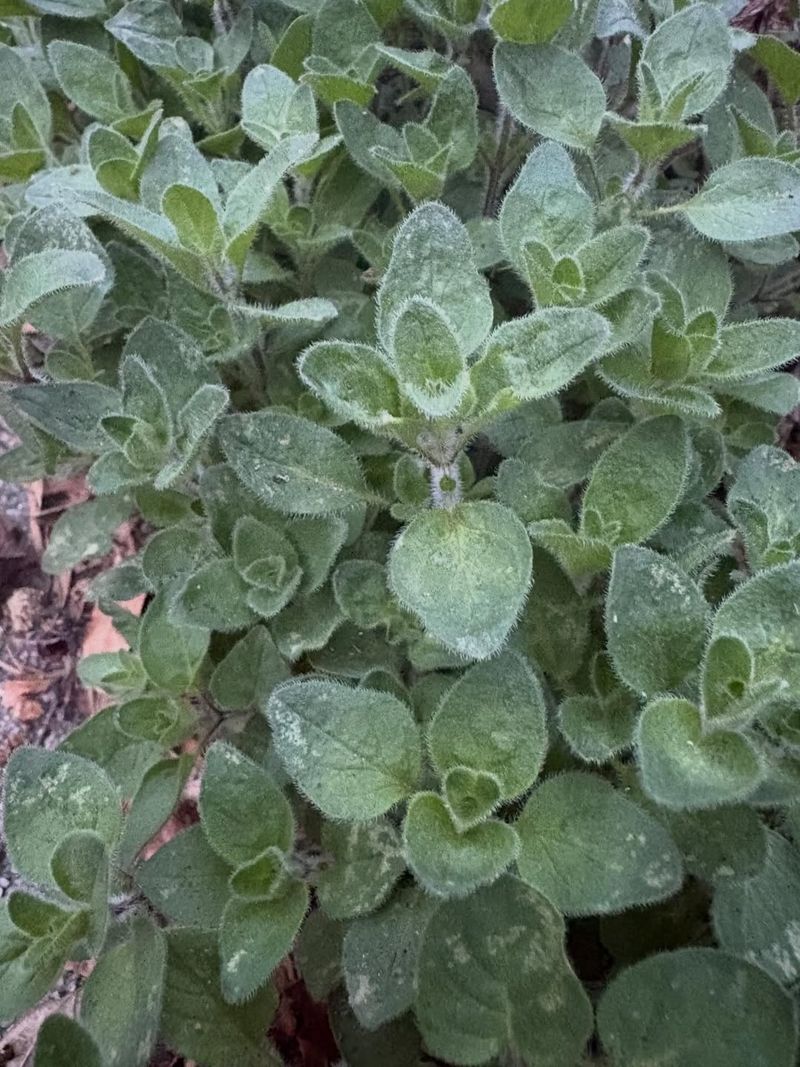
Ask any experienced Texas gardener about oregano, and they will probably laugh and say it practically grows itself. That is not far from the truth.
Oregano is one of the most vigorous herbs you can plant in a hot climate, and Texas summers give it exactly the kind of conditions it craves.
Oregano originates from the sunny hillsides of Greece and southern Italy. Those regions are known for dry summers, poor soil, and strong sunlight.
Texas summers check every one of those boxes. When the heat sets in, oregano spreads wide, grows thick, and produces leaves packed with intense flavor.
The hotter it gets, the stronger the taste becomes. That is why oregano grown in Texas often has a much bolder flavor than store-bought dried oregano from the grocery store.
Growing oregano is simple. Plant it in full sun with well-draining soil and give it room to spread.
It can grow into a wide, low mat that fills in garden gaps beautifully. Trim it back occasionally to keep it from taking over neighboring plants. Cutting it back also encourages fresh new growth and keeps the leaves tender.
You can harvest oregano throughout the entire growing season. Pick the leaves before the plant flowers for the best flavor.
Dry extra leaves by hanging bunches upside down in a warm, airy spot. Dried Texas oregano stores well and holds its flavor for months.
Use oregano in tomato sauces, grilled meats, homemade pizza, and Mediterranean dishes. It is a kitchen staple that practically takes care of itself in the Texas heat.
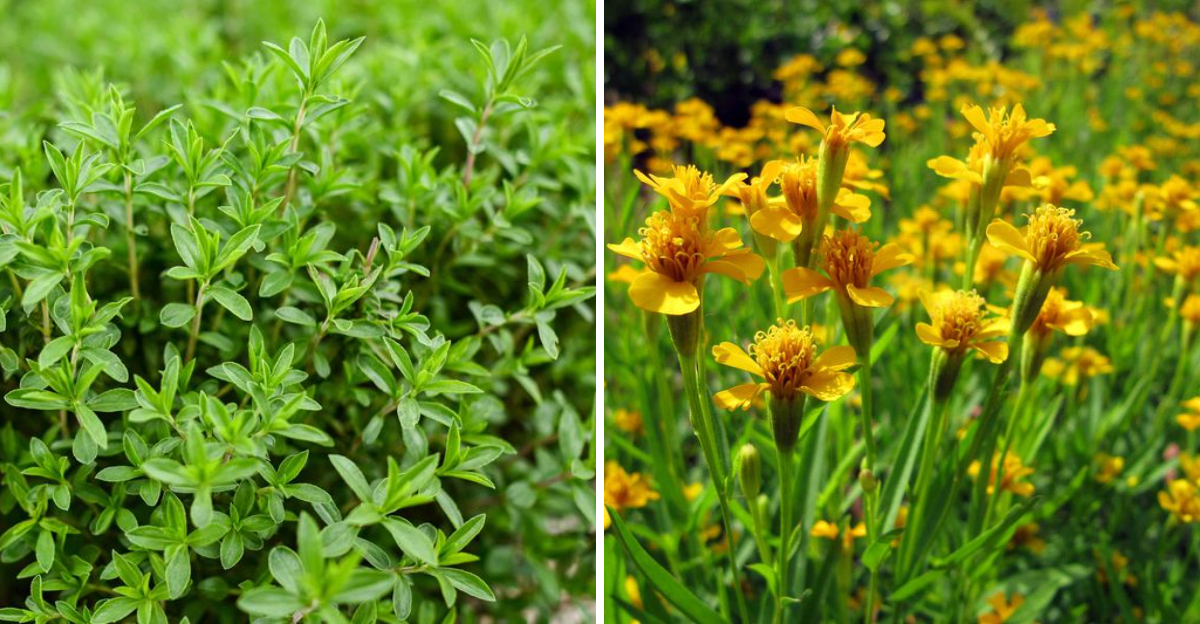
4. Thyme
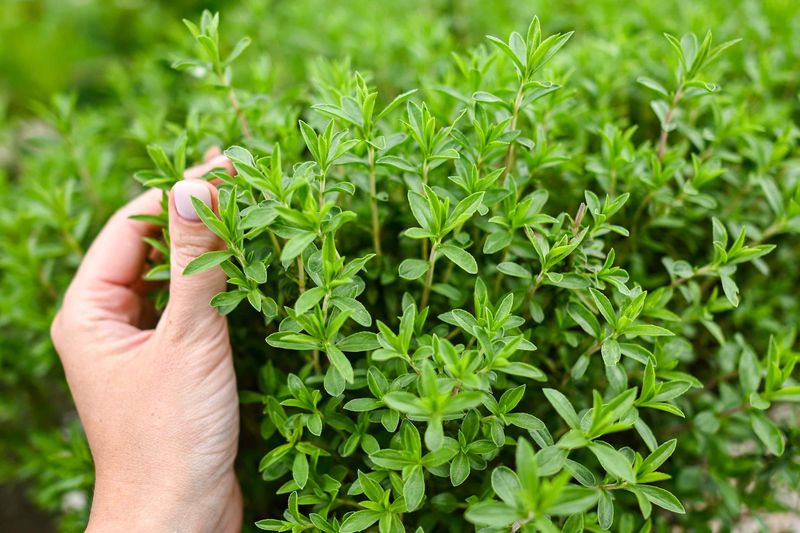
Thyme is a quiet overachiever in the Texas herb garden. It does not grow tall or flashy, but when summer temperatures soar, thyme holds steady and keeps on producing.
What makes thyme special is its love for exactly the kind of conditions that slow down other herbs: blazing heat, dry air, and well-draining soil.
In fact, thyme actually becomes more flavorful when it experiences a little stress from heat and dryness. The essential oils that give thyme its earthy, slightly minty flavor concentrate in the leaves when water is limited.
That means less watering for you and better-tasting herbs for your kitchen. It is a win in every direction.
Plant thyme in a sunny spot where water drains quickly. It does not tolerate standing water or soggy roots.
Raised beds, rock gardens, and sloped areas work perfectly. Thyme also grows beautifully in containers, which makes it easy to move around your patio or porch to follow the sun.
There are several varieties worth trying in Texas. Common thyme is the most popular for cooking, but lemon thyme adds a bright citrus note to fish and chicken dishes.
Creeping thyme can be used as a low ground cover between stepping stones and releases a lovely scent when walked on.
Harvest thyme by snipping small sprigs from the tips of the branches. Regular harvesting keeps the plant compact and productive.
Fresh thyme pairs beautifully with roasted vegetables, soups, marinades, and herb butters. It is also a classic ingredient in Cajun and Southern cooking, which makes it a perfect fit for the Texas kitchen table.
5. Mexican Tarragon
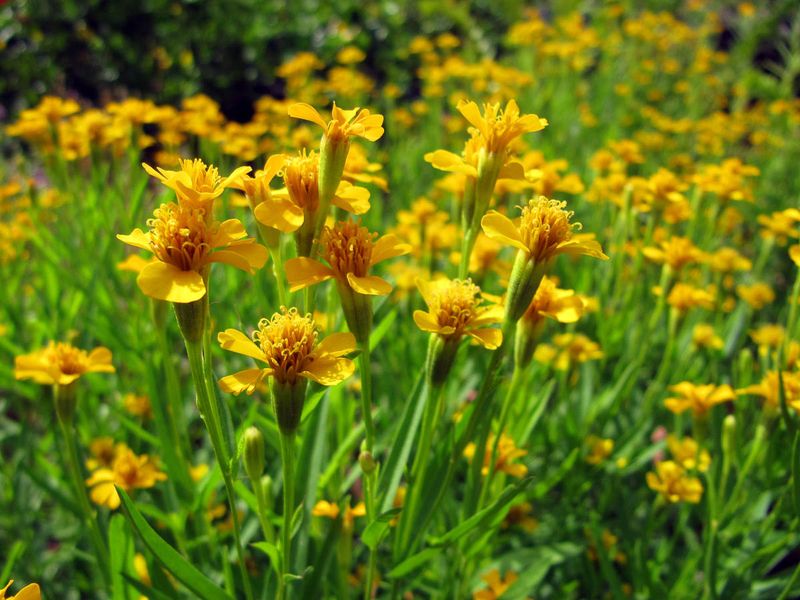
If you have ever tried growing French tarragon in Texas and watched it struggle through the summer heat, Mexican tarragon is the answer you have been looking for.
This herb is sometimes called Texas tarragon or Mexican mint marigold, and it was practically born for the Texas climate.
It thrives when temperatures climb and does not even flinch when the summer sun is at its most intense.
Mexican tarragon produces small, bright yellow flowers in late summer and fall that are absolutely gorgeous. But beyond its looks, this plant delivers a flavor that is remarkably similar to French tarragon with hints of anise and a slightly sweet finish.
Chefs and home cooks love it as a substitute in recipes that call for tarragon, and many people actually prefer the stronger, bolder flavor it develops in the Texas heat. Growing Mexican tarragon is easy. It prefers full sun and well-draining soil.
Once established, it handles drought conditions well and does not need much extra care. Water it during the driest stretches of summer, but do not overdo it.
Too much water can lead to root problems. A light layer of mulch around the base of the plant helps retain just enough moisture between watering sessions.
Harvest the leaves throughout the growing season by snipping stems from the top of the plant. The flavor is strongest just before the flowers open. Use Mexican tarragon in vinaigrettes, chicken dishes, herb butters, and fresh sauces.
This plant is a true Texas gem that more home gardeners should know about and grow every single season.
6. Sage
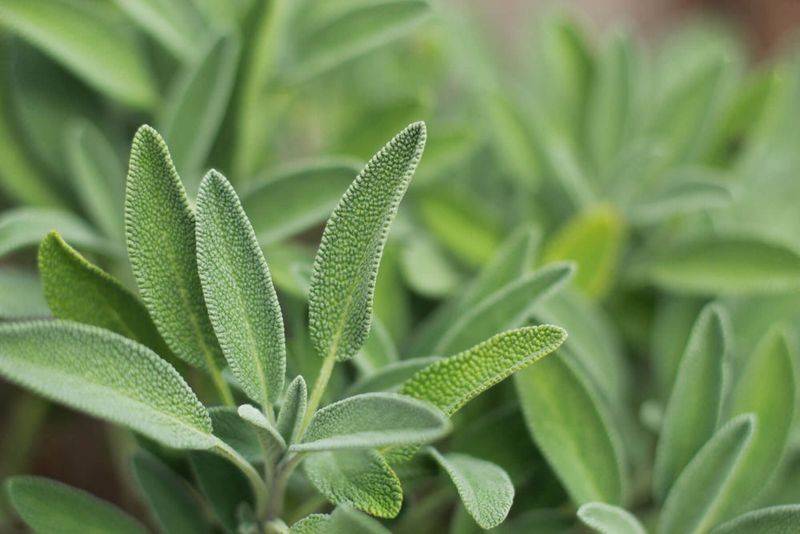
Sage has a reputation for being a fall and winter herb, something you pull out for Thanksgiving stuffing and holiday roasts. But culinary sage has a tougher side that most people never give it credit for.
Once it gets established in a Texas garden, sage handles summer heat with surprising ease and keeps on growing strong through the hottest months of the year.
The secret to sage’s heat tolerance is in its leaves. Those soft, fuzzy, silver-green leaves are not just pretty.
The tiny hairs on the surface actually help the plant hold moisture and reflect some of the intense sunlight. It is a built-in cooling system that lets sage survive conditions that would stress out other herbs.
The result is a plant that keeps producing fragrant, flavorful leaves even when your thermometer hits triple digits.
For best results, plant sage in full sun with well-draining soil. It does not like heavy clay or constantly wet ground.
Raised beds and containers work very well. Water sage deeply but infrequently, letting the soil dry out between sessions. Over-watering is one of the most common mistakes gardeners make with this herb.
Prune sage lightly after its spring bloom to encourage fresh summer growth. Remove any woody or leggy stems to keep the plant compact and productive.
A well-maintained sage plant can last for several years in a Texas garden and gets more flavorful as it matures.
Fresh sage leaves are wonderful in browned butter, pasta, roasted squash, and savory meats. Dried sage holds its flavor well and is easy to store for year-round use in your favorite recipes.