How To Stop Stink Bugs From Invading Your Texas Home
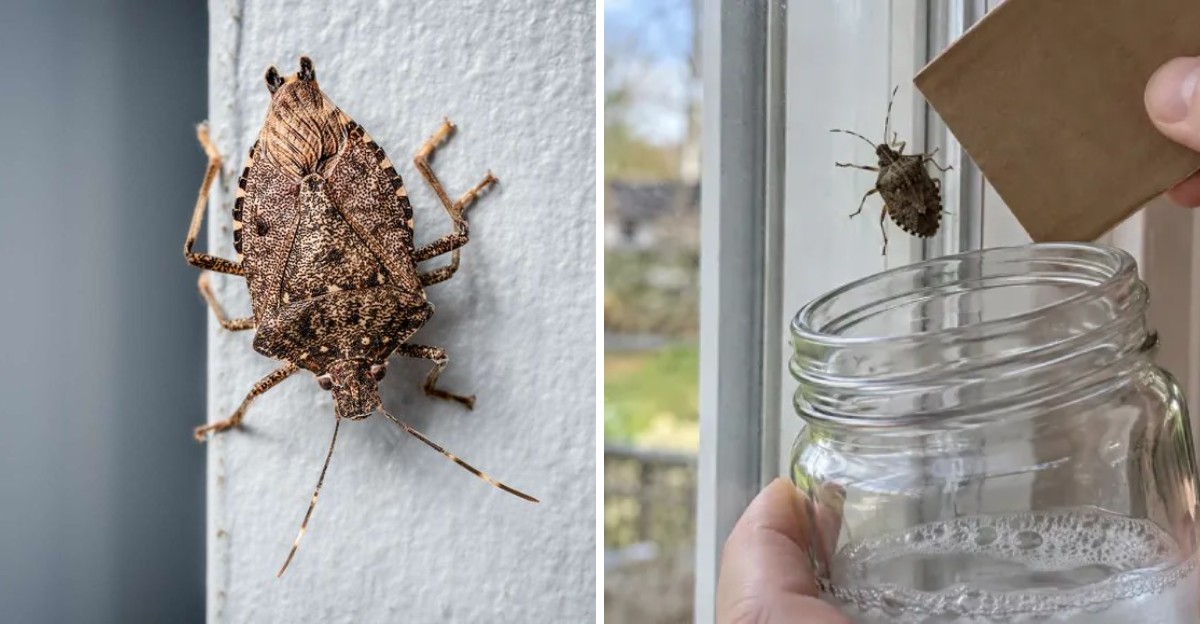
Stink bugs aren’t looking to raid your pantry or chew through your furniture. They don’t bite, and they don’t breed indoors.
All they really want is a warm place to wait out winter. Unfortunately, your house fits that description perfectly.
As temperatures start to dip, these shield-shaped bugs begin gathering on sunny walls, window frames, and door trims across Texas.
From there, they squeeze through tiny gaps around screens, vents, siding, and utility lines. Once inside, they tuck themselves into attics, wall spaces, and quiet corners.
On warm winter days, a few wander out and bump into lamps, windows, and curtains. Disturb one, and it releases a sharp, unpleasant odor that’s hard to forget.
Keeping them out is much easier than chasing them around later. A few simple steps now can stop the invasion before it starts.
1. Seal Every Crack And Gap
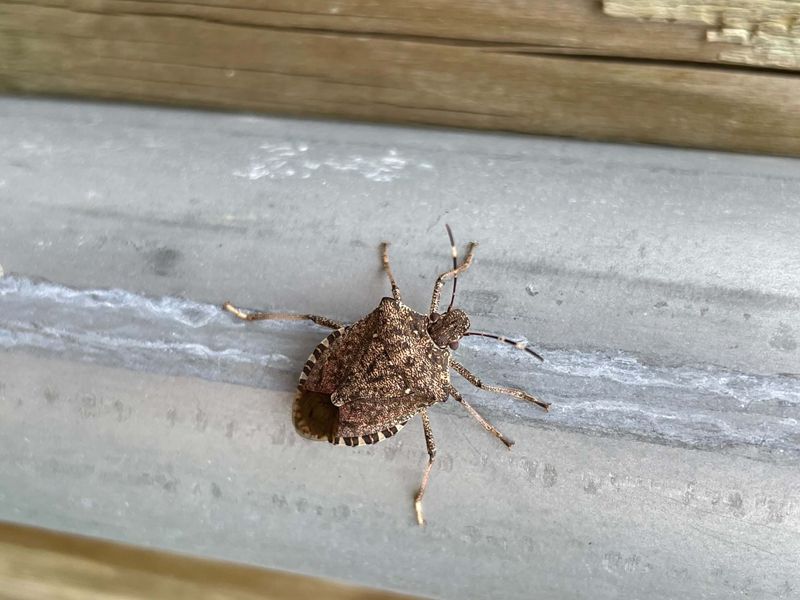
Last fall, my neighbor in Austin found dozens of stink bugs lined up along her window sill. She traced them to a tiny gap no wider than a pencil. Those little bugs can squeeze through spaces you would barely notice.
Stink bugs look for warm places to spend the winter. Your house is a perfect target. They crawl in through cracks around windows, doors, siding, and the spots where pipes or cables enter the walls.
Start by walking around your home on a sunny afternoon. Look closely at window frames, door frames, and the bottom edge of your siding.
Check where your cable, phone, and electric lines come into the house. Don’t forget the spaces around outdoor faucets and dryer vents.
Grab a tube of silicone or silicone-latex caulk for small gaps. It stays flexible in the Texas heat, so it won’t crack as fast. For bigger holes, use expanding foam or copper mesh stuffed into the space before sealing.
Weatherstripping works great around moving parts like window sashes. It’s cheap and easy to stick in place. Most hardware stores sell it in rolls.
Timing matters a lot here. In Texas, stink bugs start hunting for shelter in September and October as nights get cooler. Try to finish your sealing in late August or early September.
Here’s a bonus. Sealing gaps also helps keep out ants, spiders, and even mice. Plus, it can lower your energy bills by keeping cool air inside during summer.
Work slowly and check one side of the house at a time. A careful job now saves you a lot of trouble later when the bugs come knocking.
2. Patch Screens And Cover Your Vents
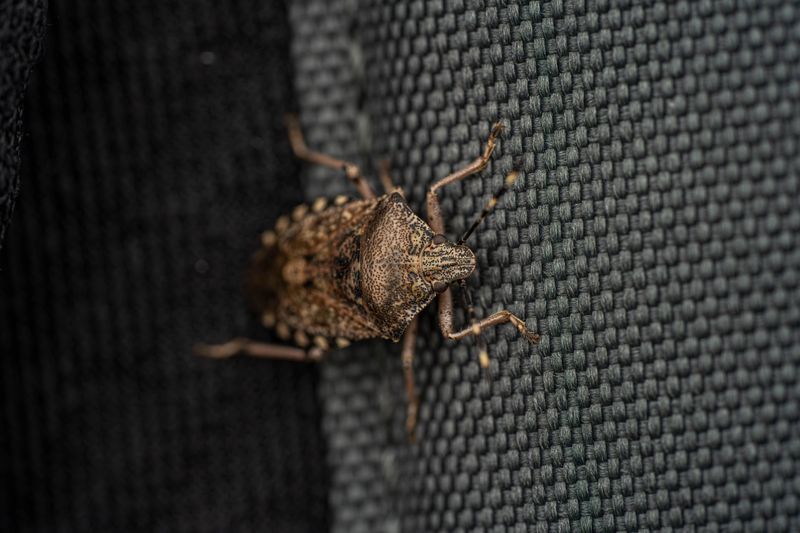
Did you know a single rip in a window screen can let in hundreds of insects over one season? Stink bugs are not shy. If there’s an opening, they’ll find it.
Screens take a beating in Texas. Hail storms, strong winds, curious pets, and kids all leave their mark. Over time, small tears turn into big holes.
Take a quick tour of every window in your home. Run your hand along each screen and look for loose corners or rips.
Your Texas Garden Changes Every Week. Your Plan Should Too.
Gardening in Texas changes quickly throughout the season. Every Friday you’ll receive a simple weekly plan showing exactly what to plant, prune, fertilize, harvest, and protect so you never miss the right timing.
Small holes can be fixed with screen patch kits that cost just a few dollars. For bigger damage, replacing the whole screen is easy with a spline roller and new screen material.
Next, head up to the attic or look at the outside of your roof. Attic vents, soffit vents, and gable vents are popular doors for stink bugs. Many older homes have vents with wide openings or no screens at all.
Cover these vents with fine metal mesh, about 1/16 inch or smaller. Hardware cloth with tiny holes works well.
Staple or screw it in place so it stays put during windy days. Make sure the vents can still breathe, since your attic needs airflow.
Window air conditioning units deserve special attention too. The foam panels on the sides often shrink or crack in the heat. Fill those gaps with fresh foam strips or tape.
Chimneys can also be a problem. A chimney cap with mesh keeps out bugs, birds, and squirrels all at once.
It’s a satisfying weekend project. Once the screens are tight and vents are covered, you’ve closed off some of the biggest highways stink bugs use.
3. Add Sweeps To Your Doors
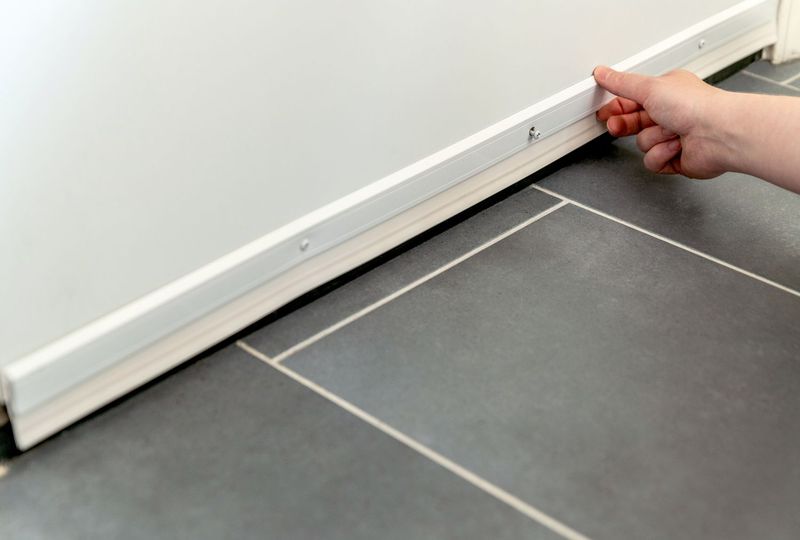
Try a simple test tonight. Turn off the lights inside, then shine a flashlight along the bottom of your front door from the outside. If light leaks through, bugs can too.
Gaps under exterior doors are one of the easiest ways for stink bugs to stroll right in. They don’t even have to climb. They just walk under the door like they own the place.
A door sweep is a strip of rubber, vinyl, or brush bristles that attaches to the bottom of your door. It closes the gap between the door and the floor. Most sweeps cost under fifteen dollars and take about ten minutes to install.
Measure the width of your door before you shop. Some sweeps slide onto the bottom edge, while others screw onto the inside face of the door. Pick the style that fits your door best.
Don’t skip the back door or patio doors. Sliding glass doors often have worn brushes along the track that need replacing.
Your garage door matters too. Many Texas homes have attached garages, and stink bugs love hanging out in there.
Check the rubber seal along the bottom of the garage door. If it’s cracked, flattened, or torn, replace it. Also look at the side and top edges for gaps.
The door between your garage and house needs a tight sweep and weatherstripping as well. Think of it as a second line of defense.
Fun fact: door sweeps also keep out scorpions, which are common in many parts of Texas. That’s a nice extra perk for one small upgrade. Check your sweeps each year, since they wear down with daily use.
4. Tidy Up Weeds And Yard Debris
Gardeners across Texas know the feeling. You head out to pick the last tomatoes of the season and spot clusters of stink bugs munching away. Those bugs aren’t just snacking. They’re getting ready to move closer to your house.
Stink bugs love to hide in tall grass, thick weeds, and piles of dry plants. These spots give them shade, food, and cover. When the weather cools, they simply hop from the weeds to your walls.
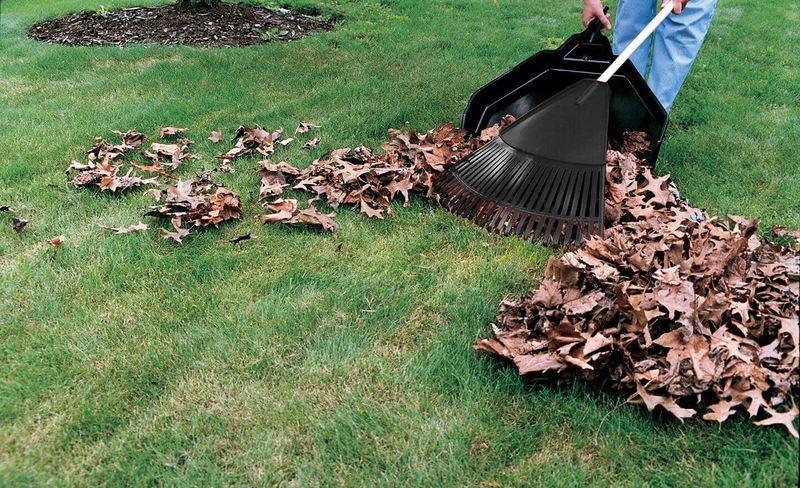
Clearing the area around your foundation makes your home less inviting. Aim for a clean strip about two feet wide around the house. Pull weeds, trim back tall grass, and rake up fallen leaves.
Shrubs and bushes should not touch your siding. Trim them so there’s a little space between the plants and your home. That gap makes it harder for bugs to climb from branch to wall.
After harvest, pull up spent garden plants. Old tomato vines, pepper plants, okra stalks, and bean plants attract stink bugs like a buffet. Toss them in the trash or a sealed compost bin instead of leaving them in a pile.
Firewood stacks can also hide bugs. Keep wood piles at least twenty feet from your house and raised off the ground.
Mulch is fine, but don’t pile it too thick against the foundation. A thin layer works better and dries out faster.
Here’s a tip from many Texas farmers. Some folks plant a few sunflowers or other trap plants far from the house to draw stink bugs away from main crops.
A tidy yard looks nice, and it sends a clear message to pests. There’s no room for them here.
5. Dim The Lights Near Your Doors

Bright porch lights can act like a big welcome sign for bugs. Step outside on a warm Texas evening and you’ll see moths, beetles, and other critters dancing around the bulb. Some stink bugs join the party too.
Many insects are drawn to light at night. Scientists still study exactly why, but bugs seem to use light to find their way. Bright white and bluish bulbs pull in the most insects.
When bugs gather near your door, it’s easy for them to slip inside the moment you open it. That’s why cutting back on lights near entry points can help.
Start by turning off porch lights when you don’t need them. Motion sensor lights are a smart choice. They only turn on when someone walks by, so they stay dark most of the night.
Swapping bulbs is another easy fix. Yellow bug lights give off a warm glow that many insects don’t notice as much. Warm-colored LED bulbs also attract fewer bugs than cool white ones.
Think about where your lights are placed. A light mounted away from the door, like on a post near the walkway, draws bugs away from the entrance.
Inside your home, close blinds and curtains at night. Light shining through windows can attract bugs to your walls and window frames.
Here’s a quirky fact. Yellow bug lights have been around for decades, and many grandparents in Texas swear by them for summer cookouts.
Light alone won’t solve your stink bug problem. Still, mixing this step with sealing and cleaning gives you an extra layer of protection with very little effort.
6. Give Them A Soapy Water Bath
Here’s a trick that sounds almost too simple to work. All you need is a jar, some water, and a squirt of dish soap. That’s it.
When you spot stink bugs on your walls, patio furniture, or garden plants, you’ll want to get rid of them fast.
But squishing them is a bad idea. They release that famous stinky smell, and it can linger on your hands, clothes, or furniture.
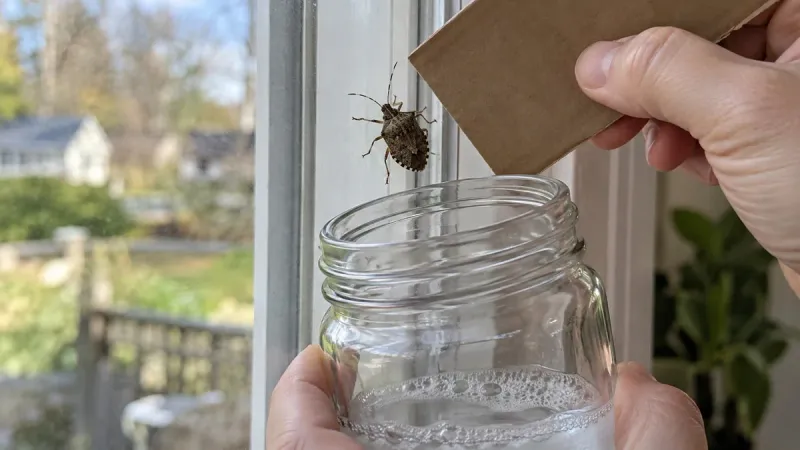
Fill a wide jar or bucket about halfway with water. Add a few drops of dish soap and give it a gentle swirl. The soap breaks the surface of the water, so the bugs can’t float or swim away. They sink right to the bottom.
Hold the jar just under the bug. Then use a stick, card, or gloved hand to nudge it in. Stink bugs often drop down when disturbed, so they usually fall right into the jar on their own.
Early morning is the best time to try this. Bugs move slower when it’s cool outside, so they’re easier to catch.
Keep a jar near your back door or garden during fall. That way, you can grab it whenever you spot a few bugs hanging around.
When you’re done, dump the water in the trash or a far corner of your yard. Rinse the jar and refill it as needed. Kids often love helping with this task. It’s like a little bug hunt, and it’s safe for everyone.
Gardeners like this method because it doesn’t use harsh chemicals. Your veggies, pollinators, and pets stay safe while the stink bugs get sent packing.
7. Vacuum Up The Sneaky Ones Inside
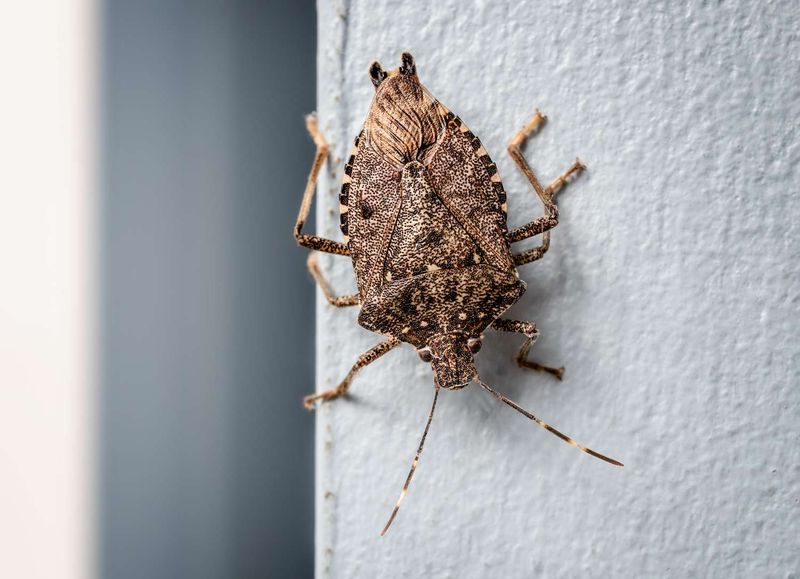
No matter how careful you are, a few stink bugs might still sneak inside. Don’t panic. A vacuum cleaner is one of the easiest tools for the job.
Many people find stink bugs on warm, sunny windows in winter. They also show up near lamps, ceiling corners, and curtains. They move slowly indoors, which makes them easy to catch.
Use a vacuum with a bag if you can. Bagless vacuums can trap the smell inside the plastic canister, and it may linger for days. A bag lets you toss the bugs and the odor away together.
Some folks keep an old handheld vacuum just for bugs. That way, the smell doesn’t end up in the vacuum they use for floors.
Once you’ve collected the bugs, take the bag outside right away. Seal it in a plastic grocery bag and drop it in an outdoor trash can. Leaving it inside gives the bugs a chance to crawl back out.
Another handy trick is to stretch a knee-high stocking over the vacuum hose and hold it in place with a rubber band. The bugs get caught in the stocking, and you can tie it off and throw it away.
You might be tempted to spray pesticide indoors. Experts usually advise against it. Sprays don’t stop new bugs from coming in, and the chemicals aren’t great for your family or pets. Bugs that perish inside walls can also attract other pests like carpet beetles.
Sealing your home and removing stray bugs by hand works better. With patience, your Texas home can stay fresh, clean, and stink bug free all year long.