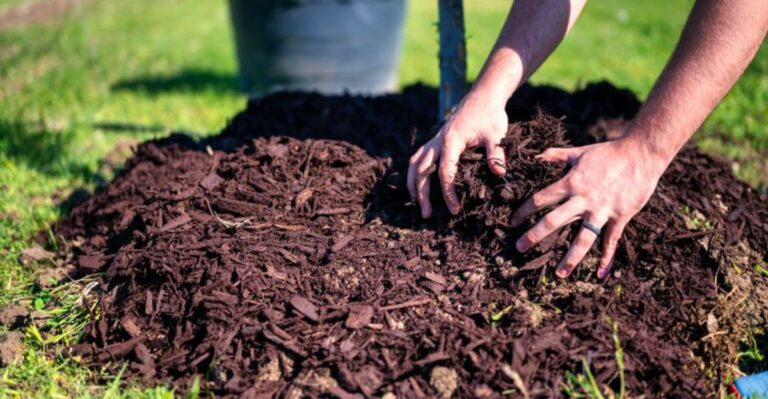
Did Isaias Finally End The Drought In Your Virginia Yard? Check These Signs
After months of cracked, thirsty ground, the sound of rain drumming on the roof felt like a gift. Plenty of people cheered from the porch.
The remnants of Hurricane Isaias dumped more than 4 inches on parts of Virginia earlier this month. For many yards, it was one of the biggest soakings in months.
One storm rarely undoes a long dry spell, though. Water can race off hard, baked soil before it ever reaches the roots that need it most.
The real answer is hiding in plain sight, from the dirt under your shoes to the worms wiggling up after a shower. Some clues show up fast, while others take months to appear.
A few quick checks with tools you already own can reveal a lot. Your lawn and trees are ready to tell you whether that rain really sank in.
1. Damp Soil 6 Inches Down Means Roots Finally Got A Drink
Picture your plants sipping water through a straw buried half a foot underground. Most roots that matter live about 6 to 8 inches below the surface.
Surface wetness can fool you after a storm like Isaias. The top inch may look soaked while the real root zone stays bone dry.
Tiny feeder roots do the hard work of pulling in water. During a long dry spell, many of them get damaged and stop working well.
Once moisture reaches that deeper layer, roots can start healing. New feeder roots grow, and plants begin taking up water and nutrients again.
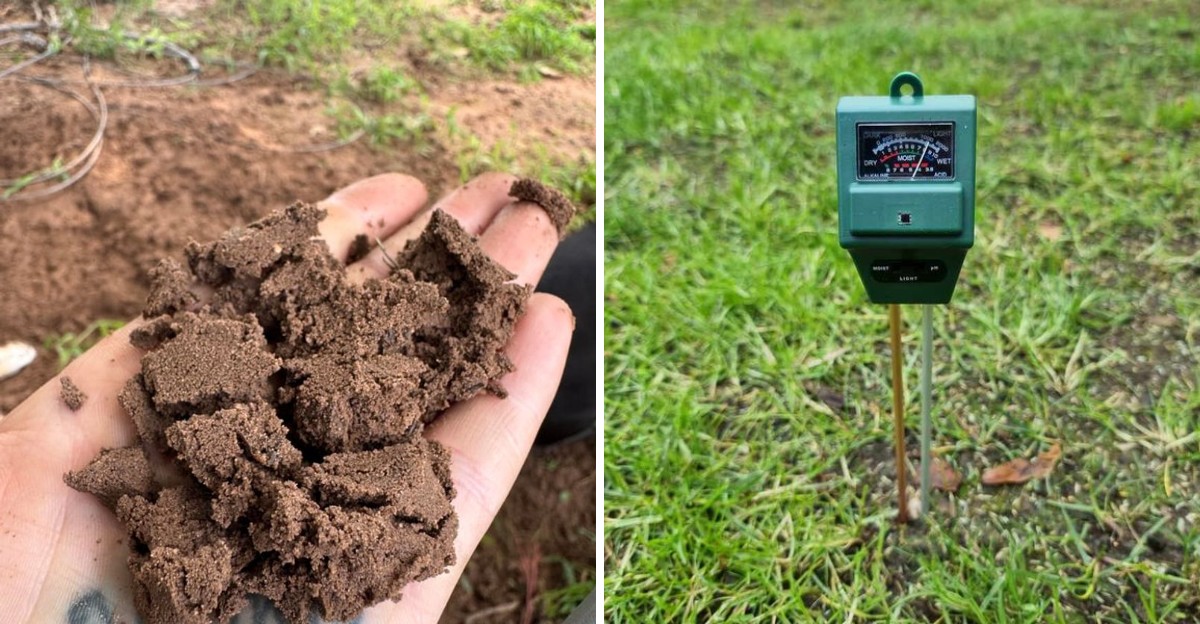
Checking is easy and costs nothing. Dig a small hole with a trowel and grab a handful of soil from the bottom.
Squeeze it firmly in your fist, then open your hand. Soil that holds its shape with a few crumbs falling off has good moisture.
Powdery soil that falls apart right away still needs water. Soil that drips or feels like mud means you got plenty, maybe more than enough.
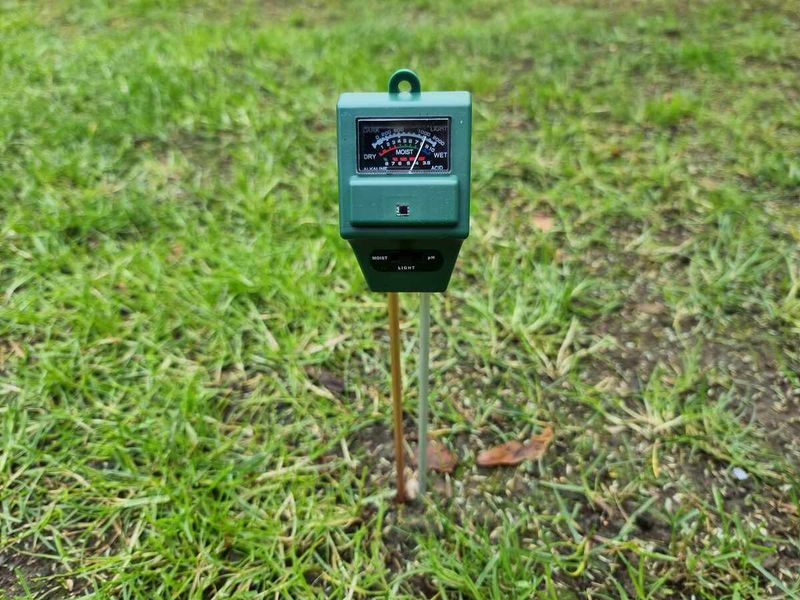
A soil moisture meter offers another simple option. Push the probe deep into the ground and read the dial at root level.
Try testing several spots around your yard, not just one. Sunny slopes and areas under big trees often dry out faster than shady, low spots.
Write down what you find for each area. Your notes will show which beds still need extra help in the weeks ahead.
2. A Screwdriver That Slides In Easily Is Good News
Forget fancy gadgets for a moment. The humble screwdriver in your kitchen drawer might be the best soil tester you own.
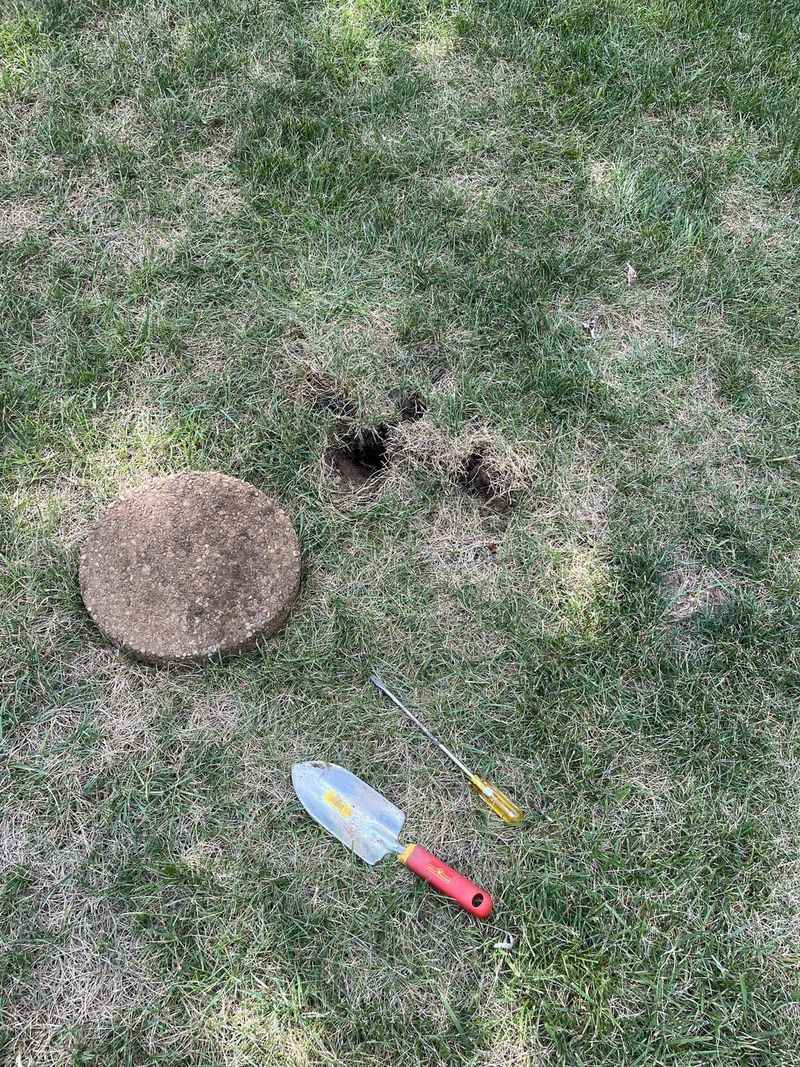
Lawn pros across the country swear by this trick. Grab a screwdriver about 6 to 8 inches long and head outside.
Push it straight down into the lawn using steady hand pressure. No hammering or stomping allowed, since you want an honest reading.
A blade that glides in smoothly tells you two good things. Your soil holds enough moisture, and it still has a loose, healthy structure.
Strong resistance tells a different story. Either the ground remains too dry, or it has become packed down and compacted.
Your Virginia Garden Changes Every Week. Your Plan Should Too.
Gardening in Virginia changes quickly throughout the season. Every Friday you’ll receive a simple weekly plan showing exactly what to plant, prune, fertilize, harvest, and protect so you never miss the right timing.
Compaction is a sneaky problem during droughts. Hard soil blocks rain from soaking in, crowds roots, and keeps air from reaching them.
So how do you tell dry from compacted? Water one stubborn spot deeply, wait a day, and test again.
If the screwdriver now slides in, dryness was the issue. If it still fights back, compaction is probably to blame.
Fall is a great time for core aeration on cool-season lawns. Pulling small plugs of soil helps future rain reach roots more easily.
Test a few areas in a simple grid across your yard. High-traffic paths where kids and dogs run usually show compaction first.
Fun bonus: the test takes about ten seconds per spot. You can check your whole lawn faster than brewing a cup of coffee.
3. Puddles That Soak In Fast Show Your Soil Is Waking Up
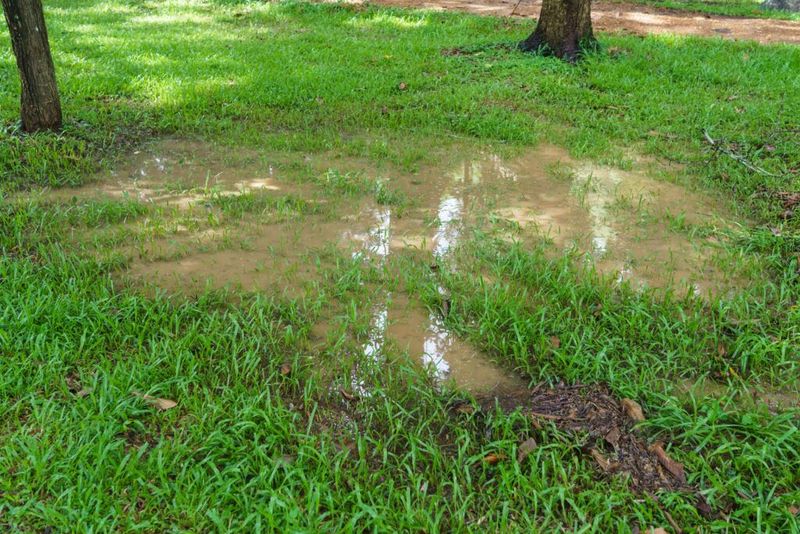
Splash! After a downpour, the way puddles behave can reveal a lot about your yard.
Healthy soil works much like a kitchen sponge. It soaks up rainwater, holds it, and slowly shares it with plant roots.
Long droughts can wreck that sponge. Soil crumbs break down, and some ground even starts repelling water like a waxed car.
When rain finally arrives, that thirsty soil may shed it instead. Water races downhill, carrying topsoil into the street and storm drains.
Watch your yard during and after the next good rain. Puddles that vanish within an hour or so are a cheerful sign.
Fast soaking means water is moving down toward the roots. Your soil structure is recovering, and it can store moisture again.
Puddles that linger for a day may point to clay or compaction. Much of Virginia has heavy clay, so slow draining is fairly common.
Want a quick home test? Dig a hole about one foot deep, fill it with water, and time how fast it drains.
Roughly one to two inches per hour is a healthy rate for most gardens. Much slower suggests your soil needs some help.
Adding compost each year is the friendliest fix. Organic matter helps both sandy and clay soils soak up and hold water better.
A thin layer of shredded mulch also slows runoff. Rain lands softly and seeps in instead of rushing away.
4. Tall Fescue Greening Up Again Means Your Lawn Is Bouncing Back
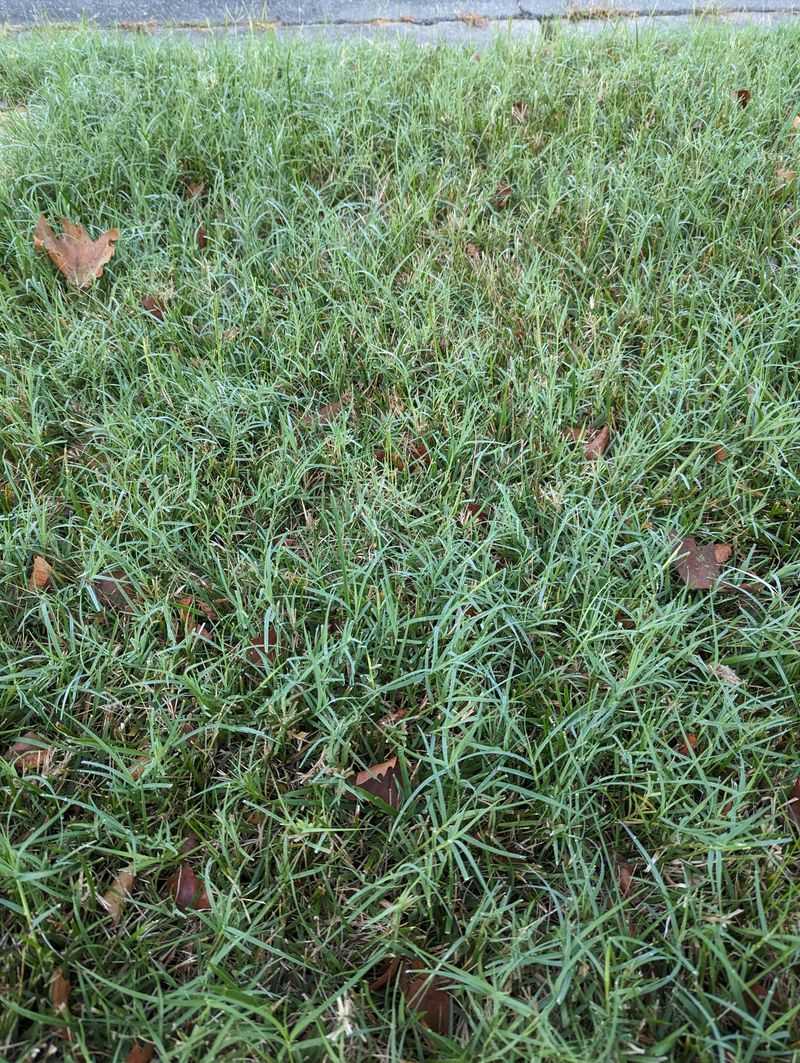
Brown is not the end of the story for your lawn. Tall fescue is a tough survivor, and it has clever tricks up its sleeve.
Many Virginia homeowners grow this cool-season grass for good reason. Its deep roots reach farther for water than many other lawn types.
During hot, dry weeks, tall fescue slows its growth to save energy. You may notice the blades curling or rolling up tight.
Leaf rolling cuts down on water loss from the grass blades. If dryness drags on, the lawn may turn brown and go dormant.
Dormant grass is resting, not gone. The crowns near the soil line can stay alive for several weeks without much water.
After soaking rains, look closely at the base of the plants. Fresh green shoots poking up are a sure sign of recovery.
Well-established lawns bounce back fastest. Newer seedings with shallow roots may struggle and need overseeding this fall.
Mowing height matters more than most people think. Keep tall fescue around 4 inches tall to shade the soil and hold moisture.
Taller blades also grow deeper roots underground. That gives your lawn a better cushion during the next dry spell.
Hold off on heavy fertilizer until the grass is clearly growing again. Feeding stressed turf too early can do more harm than good.
Early fall is prime time to patch thin spots in Virginia. If your window has closed, plan to overseed thin areas next fall.
5. Mushrooms Popping Up Overnight Signal Moisture Runs Deep
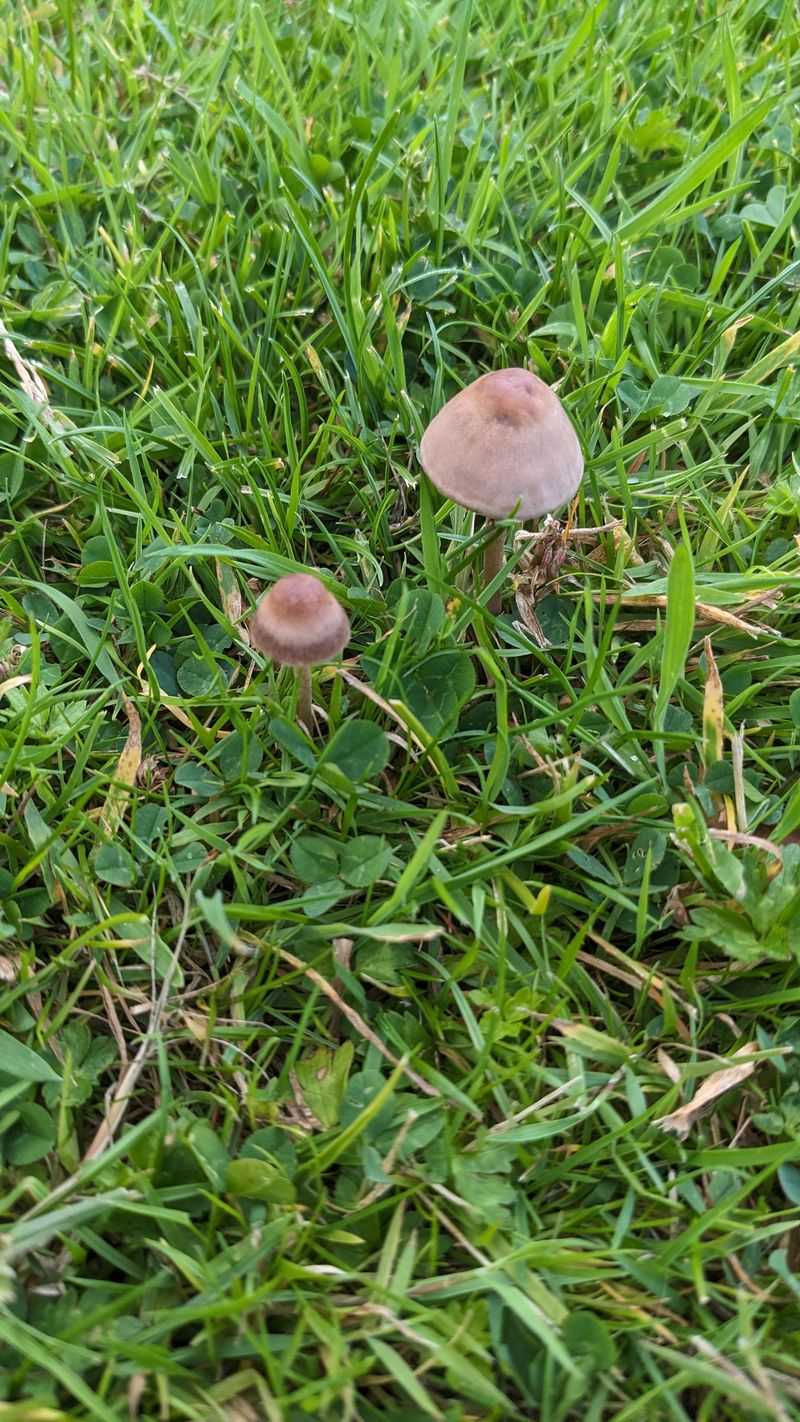
You go to bed with a plain lawn and wake up to a tiny mushroom village. Overnight surprises like that can actually be good news.
Mushrooms are just the visible part of a much bigger living thing. Below ground, a fungus spreads out in thin threads called mycelium.
Those threads sit quietly during dry weather. Once deep moisture returns, the fungus pushes mushrooms up to release its spores.
A sudden flush means water traveled well below the surface. Light sprinkles rarely trigger so many mushrooms at once.
Some fungi are helpful partners for your plants. Mycorrhizal fungi link up with roots and act like extra underground straws.
Their threads reach soil spaces that roots cannot touch. Plants get more water and nutrients, and the fungi get sugars in return.
Here is a fun fact for your next backyard chat. Some fungal networks can stretch for huge distances, connecting many plants together.
Most lawn mushrooms will not harm your grass at all. They usually fade within a few days once the sun dries things out.
Safety comes first if you have kids or pets, though. Many wild mushrooms can make people and animals very sick.
Knock them over with a rake or pick them with gloves. Toss them in the trash rather than the compost pile.
Leave the soil alone otherwise. Those hidden fungal threads are busy helping your yard recover.
6. Earthworms Back Near The Surface Are A Healthy Sign
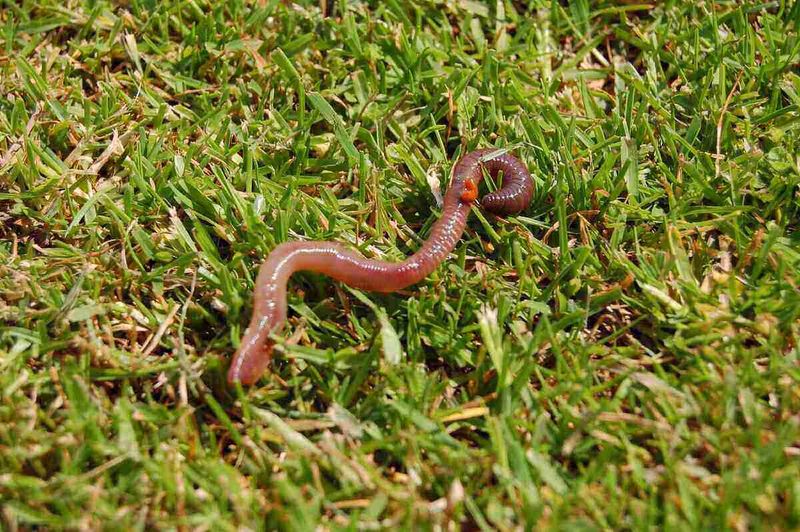
Charles Darwin spent decades studying earthworms and called them among the most important creatures on Earth. Your garden would likely agree.
Gardeners lovingly call worms tiny ecosystem engineers. They tunnel, mix, and loosen soil without ever asking for a paycheck.
Every burrow becomes a little highway for rain and air. Water drains better, and roots find it easier to stretch out.
Worms also munch on decaying leaves and plant bits. What comes out the other end is rich in nutrients plants love.
Dry weather sends them on a downward trip. Many worms burrow deep to find cooler, damper soil far below your feet.
Some even curl into a tight ball and rest. Scientists call this summer sleep aestivation, and it helps worms hold onto moisture.
After a good soaking, they head back up toward the surface. Spotting them again means the upper soil is moist and lively.
Try a simple worm count this week. Dig one shovelful of soil, about a foot square, and sift through it.
Finding ten or more worms points to healthy soil. Only a couple suggests your ground still needs moisture or organic matter.
Keep worms happy by adding compost and leaving grass clippings on the lawn. Go easy on chemical pesticides, which can harm them.
Worms crawling across sidewalks after storms are normal too. Gently move them back to the grass if you have a moment.
7. Early Leaf Drop Means Your Trees Felt The Drought Hard
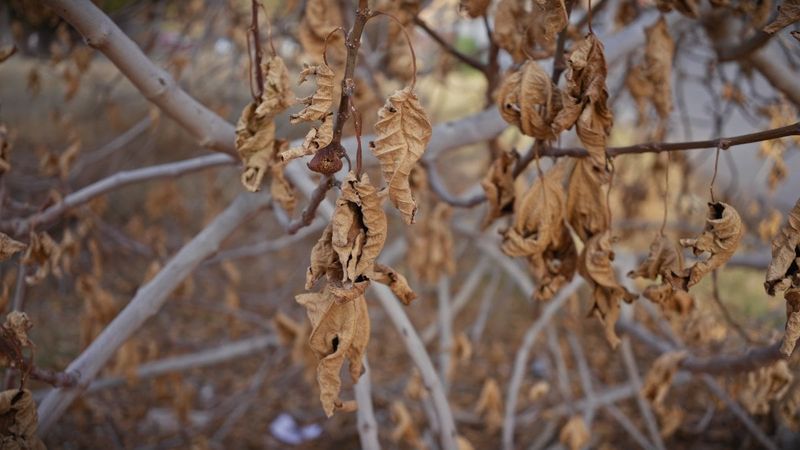
Raking leaves in August feels all wrong, doesn’t it? Yet many Virginia trees dropped foliage weeks ahead of schedule this year.
Shedding leaves early is a survival move. Trees lose lots of water through their leaves, so fewer leaves means less water lost.
Experts call this premature leaf drop. It shows your tree went through serious stress during the dry stretch.
Other warning signs often show up first. Watch for leaves that stay wilted even in the cool morning air.
Yellow or brown patches are clues too. Crispy brown edges, called leaf scorch, are especially common on maples and dogwoods.
Rain from Isaias certainly helped, but trees recover slowly. Damage from one dry summer can show up two or three years later.
Stressed trees may also grow weaker over time. Pests like borers and some diseases go after struggling trees first.
So what can you do? Water slowly and deeply at the drip line, where the outer branches end.
A soaker hose left running for a couple of hours works nicely. Aim for about ten gallons per inch of trunk width.
Spread mulch two to three inches deep under the canopy. Keep it pulled back a few inches from the trunk itself.
Watch for small bare twigs at branch tips next spring. If many appear, consider calling a certified arborist for a checkup.
8. Evergreens May Hide Drought Damage Until Spring
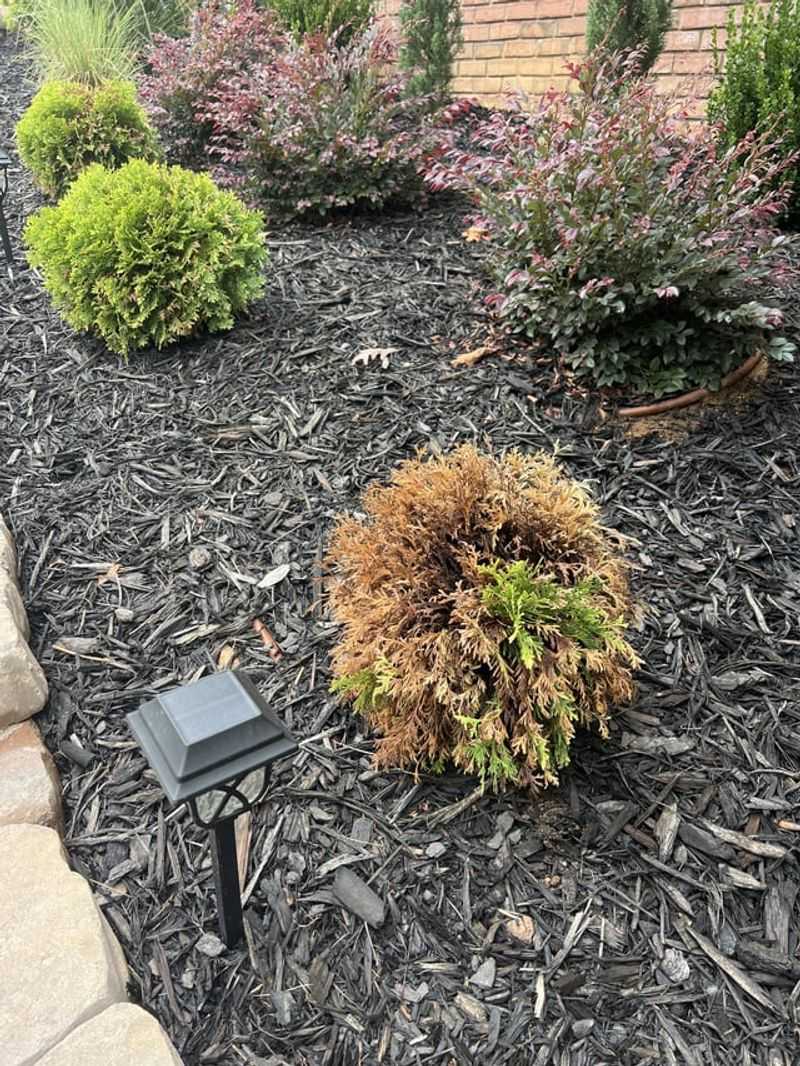
Evergreens are the poker players of the plant world. They can look perfectly fine while hiding serious trouble.
Hollies, boxwoods, pines, and arborvitae keep their foliage all year. Even in winter, their needles and leaves slowly lose moisture.
On mild days, those leaves keep releasing water into the air. Roots must replace it, but frozen or dry ground makes that hard.
The result is a slow water shortage inside the plant. Gardeners often call the damage winter burn or evergreen browning.
Here is the tricky part. Summer drought stress often stays hidden until warm spring weather wakes the plant up.
Suddenly, needles turn brown, red, or bronze, sometimes on a whole side. Many homeowners blame winter, when summer dryness started it.
Some plants face higher risk than others. Shrubs planted in the last two years have small root systems that dry out fast.
Evergreens near driveways, walls, or sunny southern exposures suffer too. Reflected heat and wind pull moisture from their leaves faster.
Your best defense is deep watering through fall. Give them a long soak every week or so if rain stays scarce.
A layer of mulch over the root zone helps hold that moisture. Pine bark or shredded hardwood both work well.
If browning appears next spring, be patient before pruning. Wait until new growth starts so you can see what truly recovered.
9. Your County’s Official Drought Status Tells The Bigger Story
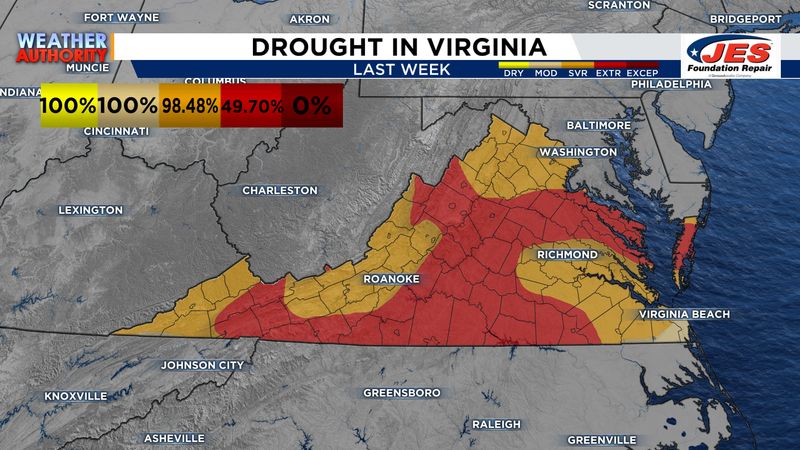
Your backyard is just one small piece of a giant puzzle. To see the full picture, peek at the official drought reports.
In Virginia, a team called the Drought Monitoring Task Force keeps watch. The Department of Environmental Quality leads this group.
They study rainfall, streamflow, groundwater, soil moisture, and reservoir levels. The state is split into 13 drought evaluation regions.
Each region gets its own status, like a watch or a warning. Local leaders use these labels to guide water use rules.
Another handy tool is the U.S. Drought Monitor.
NOAA, USDA, and other partners update its national map every week.
Its color codes are easy to learn. D0 means abnormally dry, while D1 through D4 climb from moderate to exceptional drought.
Why bother checking? A single storm can soak your lawn while groundwater and wells stay low for months.
Private well owners should pay special attention here. Low groundwater levels can mean weaker water pressure or even dry wells.
Check whether your town has watering limits too. Some areas restrict lawn sprinklers during drought warnings.
Bookmark both maps on your phone for quick weekly checks. Comparing them with your own yard notes makes patterns easier to spot.
Fun fact: the U.S. Drought Monitor started back in 1999.
Weather watchers have tracked drought this way for over two decades.
10. Keep The Hose Handy Until The Ground Freezes
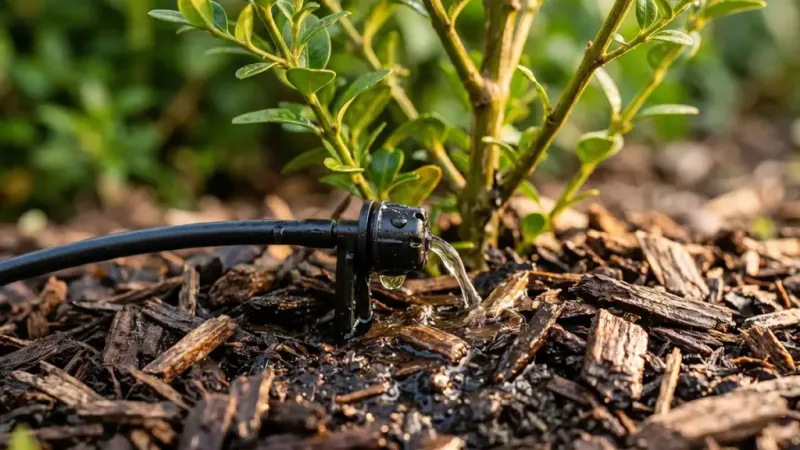
Coiling up the hose after one big storm is tempting. Your plants, though, would politely ask you to wait a little longer.
Late fall watering matters more than most people realize. Trees, shrubs, and perennials store water now to carry them through winter.
Think of it like packing snacks for a long road trip. Plants with full tanks handle cold weather much better.
Moist soil also works like a cozy blanket for roots. It freezes more slowly and protects tender roots from frost damage.
Dry soil tells the opposite story. It freezes faster and deeper, leaving plants open to cold injury and dehydration.
Here in Virginia, the ground often stays workable well into December. That gives you plenty of time to keep plants hydrated.
If fall rain runs short, water deeply every 7 to 10 days. One long soak beats several quick sprinkles.
Morning is the best time to turn on the tap. Leaves dry by evening, which helps prevent disease.
Focus on newer plantings and evergreens first. They tend to need the most help heading into the cold months.
Once the soil freezes solid, call it a season. Drain your hose and store it so it does not crack.
Remember to shut off and drain outdoor spigots too. A little care now saves you from burst pipes and repair bills later.