Genius Ways Floridians Use Rosemary That Will Surprise You
Rosemary has been hiding in plain sight, and the folks who figured it out aren’t bragging about it at the barbecue.
Most people stop at the roast chicken. Floridians with a bush by the back door have taken it somewhere else entirely.
Some of their tricks sound like old wives’ tales until you watch them work. Others make you slap your forehead and wonder why nobody mentioned them sooner.
The plant loves sandy soil, shrugs off the heat, and asks for almost nothing. That makes it easy to grow and easy to overlook.
A single bush can pull more weight around the house than a drawer full of store-bought gadgets.
You’d be surprised how many uses fit inside one humble herb. A few of them cost nothing and take under a minute.
Snip a sprig and keep an open mind. The best ideas come from the people who stopped doing it the usual way.
1. Plant Rosemary By The Front Door For A Fragrant Welcome
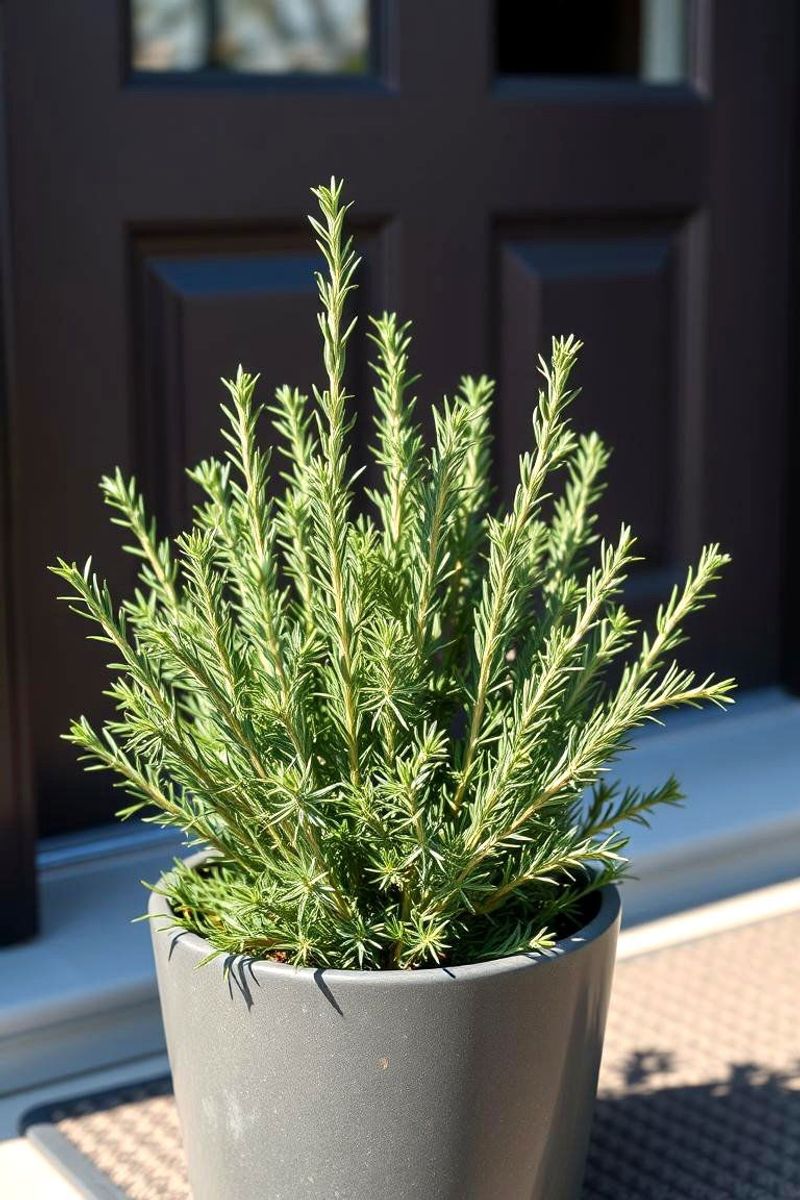
Guests in Florida often get a sweet surprise before anyone even rings the bell. A rosemary plant by the entry greets visitors with a fresh scent as they walk past.
It feels like a small hug from your garden.
Placement matters more than you might think. Try setting the plant right along the path where legs and bags will brush against it.
Each light touch releases oils from the leaves, so the aroma drifts up without any effort from you.
Rosemary is considered Florida-friendly, which means it handles our heat and dry spells with ease. Once it settles in, it needs very little water.
Busy homeowners love that it stays green and tidy for much of the year.
For narrow beds near steps, pick a compact or easily shaped variety. These types stay neat and will not crowd your doorway or block the mailbox.
A quick trim every few weeks keeps the shape crisp and gives you fresh sprigs for cooking.
Good drainage is the real secret here. Rosemary dislikes soggy roots, so sandy soil or a raised bed works well.
If your entry area holds water after storms, mix in some gravel or grow it in a large decorative pot instead.
Soon, your front door will smell as welcoming as it looks.
2. Crushed Leaves Release A Sharp, Pine-Like Scent
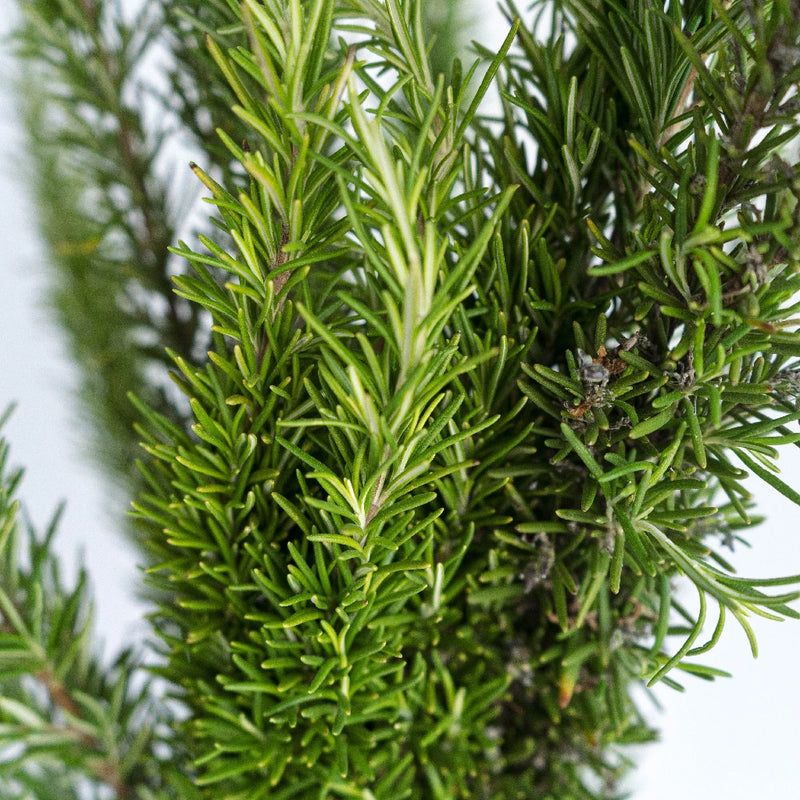
Go ahead and pinch a leaf. Roll it between your fingers, then take a sniff.
That bold burst of scent is one of the best free treats in any Florida garden.
Rosemary leaves are narrow and look a lot like tiny pine needles. When crushed, they give off a sharp, piney smell with hints of menthol and pepper.
Some people also notice a bright citrus note, almost like lemon peel mixed with evergreen.
Clever Floridians use this trick in lots of everyday ways. Tuck a few crushed sprigs into a small bowl by the sink for a natural freshener.
Toss some into a drawer or a closet to give clothes a clean, outdoorsy aroma.
Your Florida Garden Changes Every Week. Your Plan Should Too.
Gardening in Florida changes quickly throughout the season. Every Friday you’ll receive a simple weekly plan showing exactly what to plant, prune, fertilize, harvest, and protect so you never miss the right timing.
Gardeners also rub the leaves on their hands after weeding. It helps cover up earthy smells and leaves skin smelling fresh.
Kids find it fun, too, so it can turn a chore into a little sensory game.
Here is a neat bit of history. Long ago in ancient Greece, students wore rosemary in their hair while studying.
They believed the scent helped their memory, which is why the herb is still linked with remembrance today.
Whatever the reason you reach for it, that crisp fragrance makes a hot afternoon feel a bit cooler.
3. Let Creeping Rosemary Spill Over Walls And Beds
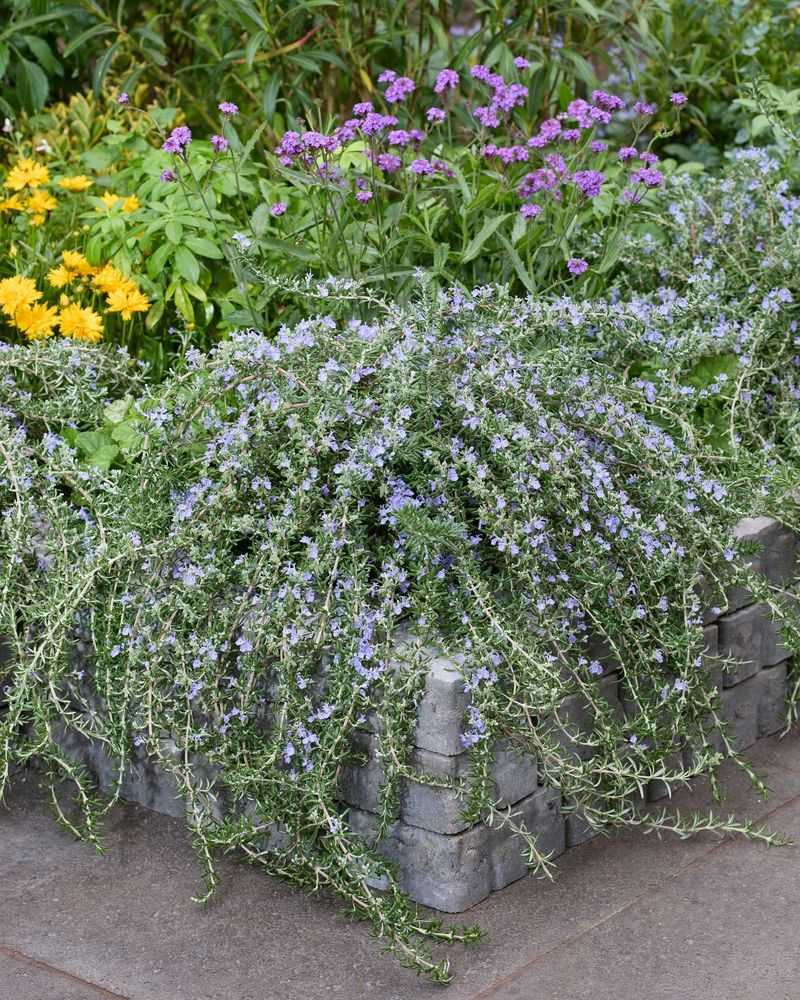
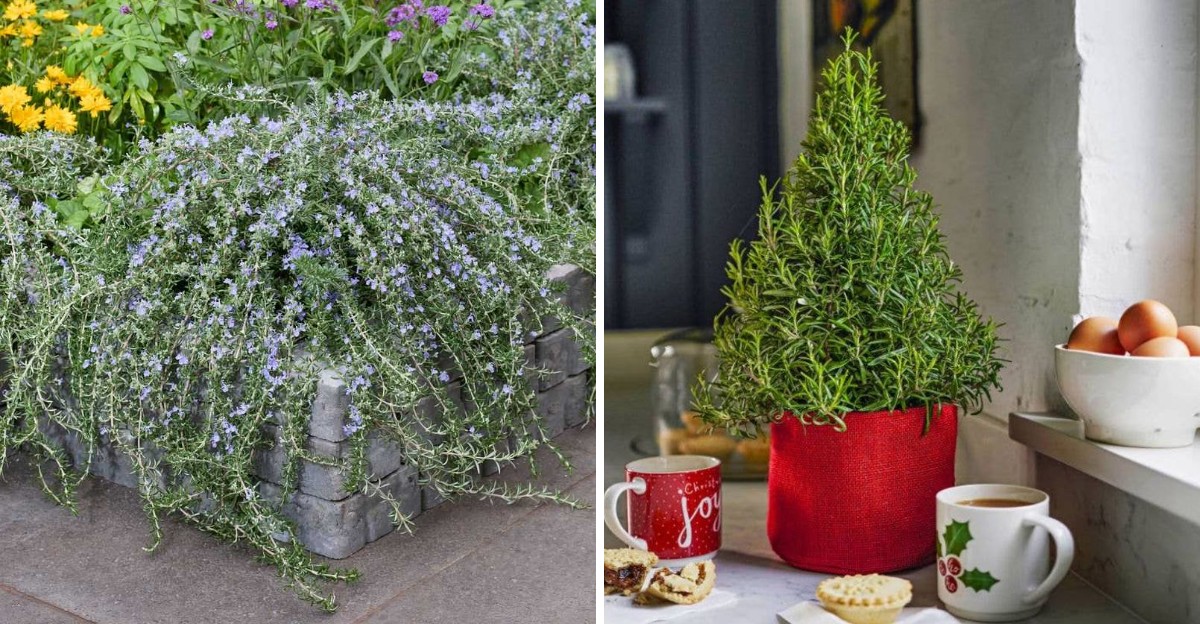
Imagine a soft green waterfall tumbling over the edge of a stone wall. That is what creeping rosemary looks like once it gets going.
It adds a relaxed, Mediterranean feel to any yard.
Groundcover types, such as the popular Prostratus cultivar, grow low and wide instead of tall. They usually reach just 6 to 12 inches high.
Meanwhile, they can spread anywhere from 2 to 6 feet across.
Raised beds, retaining walls, and big containers are perfect spots for this trailing plant. Its stems hang over the sides and soften hard edges.
Tiny blue blooms often show up in cooler months, adding a pop of color.
Got a sloped patch where rain washes soil away? Creeping rosemary can help hold that ground in place.
Its roots grip the soil, and the dense stems slow down runoff during summer storms.
Planting is simple. Space young plants a couple of feet apart and give them full sun.
Water regularly for the first few weeks, then cut back once they look settled and happy.
Best of all, you can snip the trailing tips whenever dinner needs a lift. Your wall becomes both a decoration and a little herb shop right outside the door.
4. Shape It Into A Holiday Tree Topiary

Who says a Florida Christmas tree has to be a fir? Plenty of folks in the Sunshine State prefer a tiny, fragrant rosemary tree instead.
It fits on a table, smells amazing, and you can even cook with it.
Every winter, many stores sell potted rosemary already trimmed into a cone shape. They look like little evergreen trees.
Add a ribbon or a few lightweight ornaments, and you have a festive centerpiece in minutes.
Feeling crafty? You can shape your own.
Upright varieties, such as Tuscan Blue, grow tall and sturdy, which makes them great for this project. Start with a young plant and trim the sides a little at a time into a cone.
Patience is key. Snip only small amounts every couple of weeks so the plant can fill in.
Turning the pot often helps every side get equal sunlight, keeping the shape even.
Keep your topiary near a bright window while it stays indoors. Water only when the top inch of soil feels dry.
Too much moisture is the biggest trouble for rosemary inside a warm house.
As a bonus, guests can pinch a sprig for the holiday roast. Few decorations do double duty quite this well.
5. Move Your Holiday Topiary Outside When The Season Ends
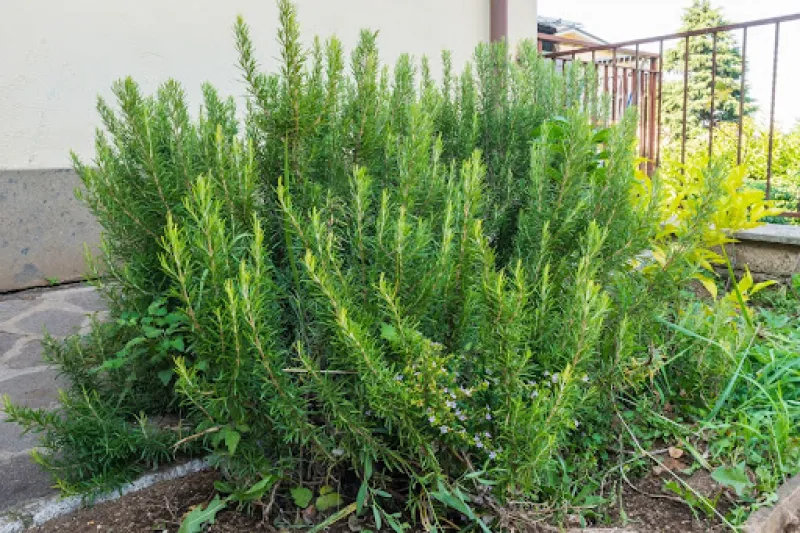
January rolls around, the lights come down, and that little rosemary tree sits on the counter looking a bit lonely. Don’t toss it out with the wrapping paper.
In Florida, your holiday decoration can become a garden star for years.
Rosemary is a hardy perennial here, so it comes back season after season. Our mild winters make late January a nice time to move it outdoors.
The cooler weather gives roots a chance to settle before summer heat arrives.
Pick a spot with full sun and soil that drains quickly. Dig a hole about twice as wide as the pot.
Loosen the roots gently, set the plant at the same depth, and fill in with soil.
Water it well at first, then let the soil dry a bit between drinks. After a few weeks, it should need very little attention.
Many Florida gardeners say their old holiday trees grew into big, bushy shrubs.
You can keep trimming it into a cone if you love the look. Or let it grow freely into a natural shape.
Either way, the plant will keep giving you fragrance and flavor.
It feels good to turn a seasonal purchase into something lasting.
6. Grow It In Pots On A Sunny Patio
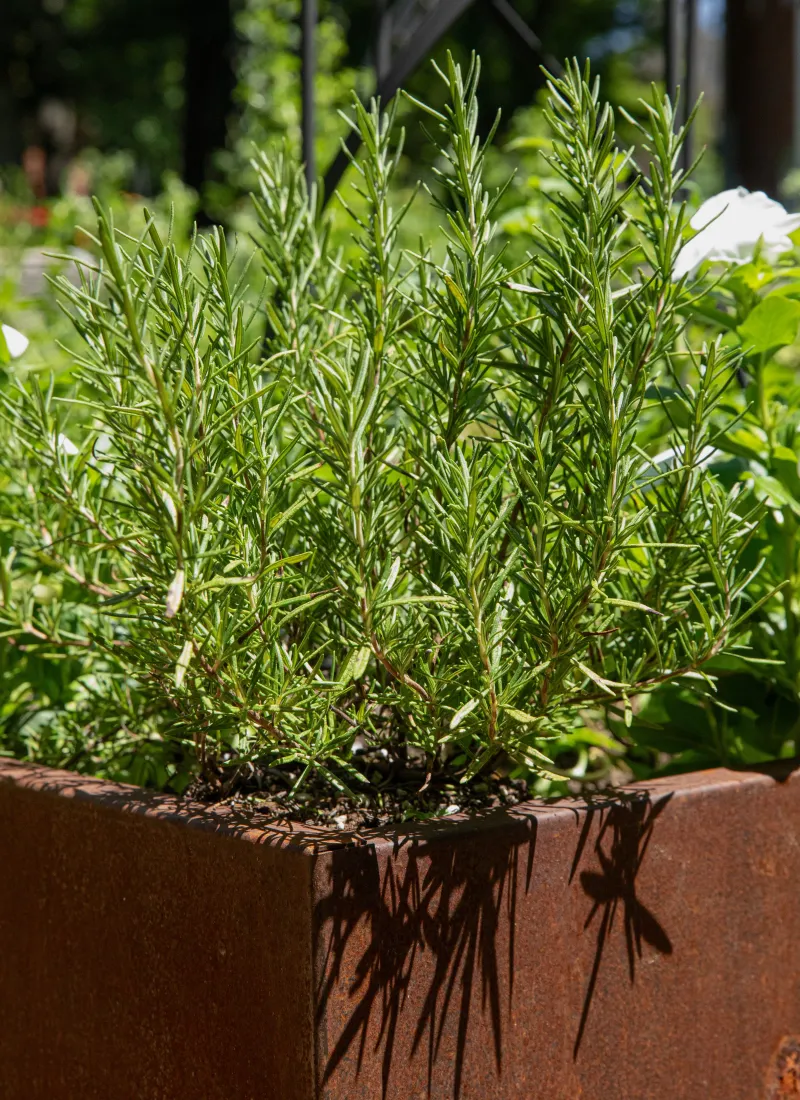
No yard? No problem.
Rosemary feels right at home in a pot on a sunny patio, balcony, or lanai. It brings a bit of garden life to even the smallest space.
Start with a container that has drainage holes. Terracotta is a smart choice because it breathes and dries out faster than plastic.
Fill it with a light, well-drained potting mix, maybe with some sand blended in.
Sunlight is this herb’s favorite meal. Aim for 6 to 8 hours of direct sun each day.
A south- or west-facing spot usually works best for strong growth and a rich scent.
Watering takes a gentle hand. Push a finger into the soil, and water only when the top 1 to 2 inches feel dry.
Overwatering is the number one way potted rosemary struggles, so less is often more.
Florida summers can get intense, though. During long heat waves, slide the pot to a spot with a little afternoon shade.
Your plant will thank you by staying green instead of looking scorched.
One more perk of pots is that they move easily. Bring the plant close to the grill when cooking or near your chair when relaxing.
Fresh flavor and fragrance will be just an arm’s length away.
7. Plant It Where Bees Can Find The Flowers
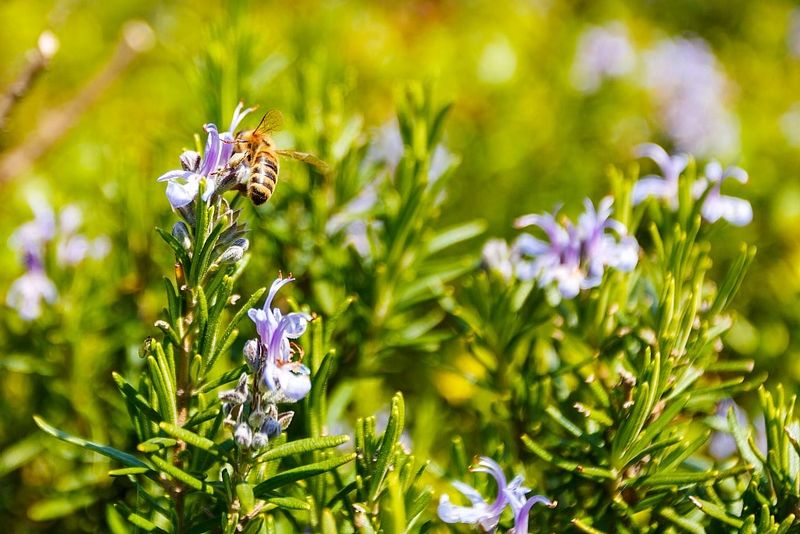
Listen closely on a spring morning, and you might hear a happy buzz coming from your rosemary. Bees adore those tiny blooms.
Planting it in the right spot can turn your yard into a pollinator hangout.
Rosemary usually flowers in winter and spring in the state. The small blossoms come in shades of pink, lavender, or blue.
They offer nectar and pollen at a time when many other plants are resting.
Bees are not the only visitors. Butterflies and even hummingbirds stop by for a sip.
Watching them flutter around is a calm, cheerful way to spend a few minutes outside.
To help pollinators find the flowers, plant rosemary in an open, sunny area. Group it with other blooming plants, like salvia or firebush, to create a buffet.
Bees tend to visit spots with lots of food in one place.
The Tuscan Blue variety is known for drawing in pollinators with its rich blue flowers. It also grows upright, so the blooms are easy to spot.
Try to skip harsh sprays near your plants so visitors stay safe.
Fun fact: honey made from rosemary nectar is prized in Spain for its light color and mild taste. Your backyard bees may be making their own sweet batch.
8. Use The Woody Stems As Grilling Skewers
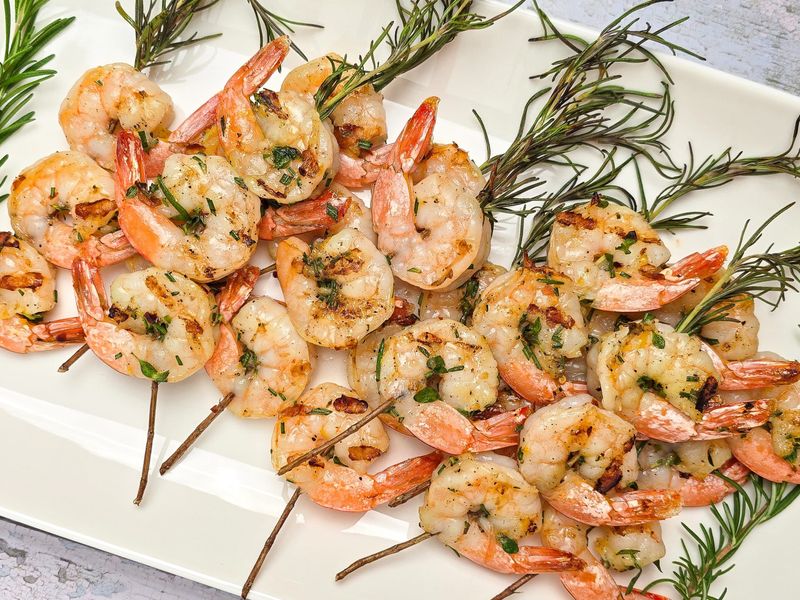
Here is a backyard trick that wows dinner guests every time. Instead of metal or bamboo skewers, Floridians grab sturdy rosemary stems.
The food picks up a light, herbal flavor right from the inside out.
Choose older, woody sprigs, about 3 millimeters thick, which is roughly the width of a pencil lead. Thin green stems tend to bend and snap.
Cut pieces around 8 to 10 inches long for easy handling.
Next, strip the lower leaves off, leaving a little tuft at the top. Save those leaves for a marinade so nothing goes to waste.
A sharp knife can help you angle the bottom end into a point.
Soak the stems in water for about 30 minutes before grilling. This simple step helps keep them from burning over the flames.
Meanwhile, cut your shrimp, chicken, or veggies into chunks.
Threading can be tricky with soft stems. Poke a small hole in each piece of food first with a metal skewer or knife.
Then slide the pieces onto the rosemary gently.
Fresh Gulf shrimp, pineapple, and peppers make a tasty Florida combo. As everything sizzles, that piney scent drifts across the patio and gets mouths watering fast.
9. Season Roasted Potatoes, Soups And Breads

Grandma knew what she was doing when she tucked rosemary into nearly everything. The herb turns plain dishes into something cozy and special.
While many people pair it with meat, it shines just as brightly in simpler foods.
Roasted potatoes are a great place to start. Toss cubed potatoes with olive oil, salt, garlic, and chopped fresh rosemary.
Roast at 425 degrees until golden and crispy, and your kitchen will smell wonderful.
Soups love rosemary, too. Drop a whole sprig into potato, bean, or chicken soup while it simmers.
Pull the stem out before serving so no one bites into a woody piece.
Bread bakers have plenty of fun options. Knead chopped rosemary into dough for rustic loaves or press leaves on top of focaccia with sea salt.
Even store-bought dough tastes homemade with a little sprinkle.
Fresh or dried both work well. Dried rosemary is stronger, so use about one third as much as fresh.
Crumble it between your fingers to wake up the flavor before adding it.
Since rosemary grows so easily in Florida, you can snip a little whenever a recipe calls. Free, fresh seasoning straight from the garden is hard to beat.