The Reason Thousands Of Crows Roost In Trenton From October To March
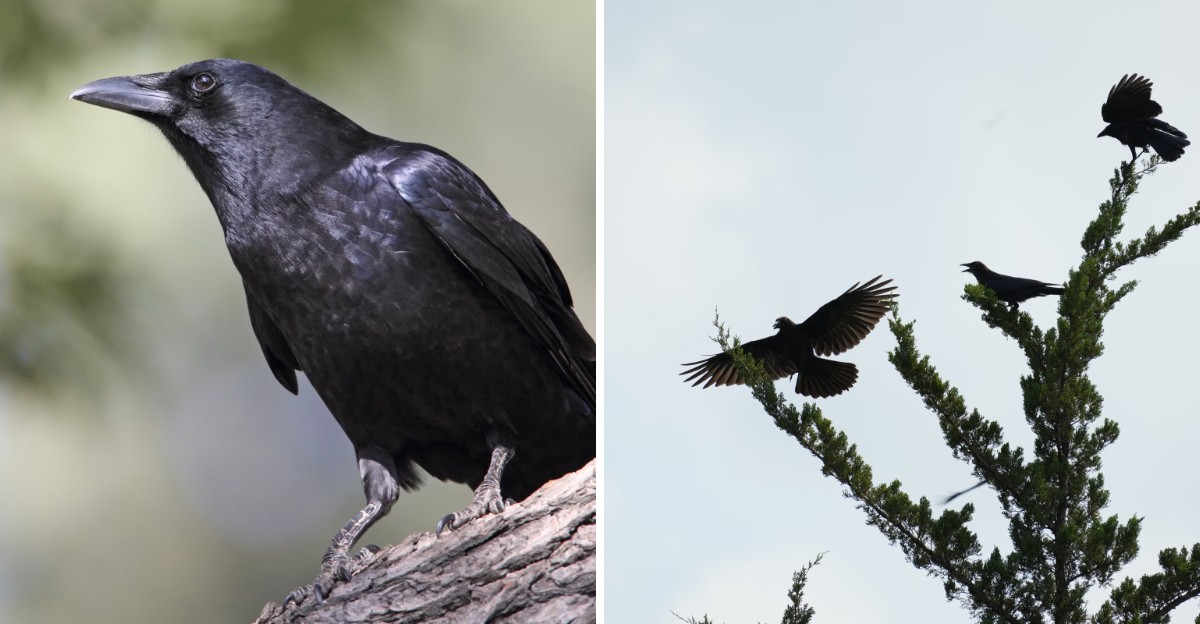
You hear the sky before you see it. Crows pack the air above Trenton in enormous, noisy swarms.
Winter draws them to New Jersey cities because pavement and buildings hold heat. Your car may sit beneath their favorite roosting trees.
Those white streaks on your windshield are a calling card. Researchers suspect dusk gatherings help birds share food source information.
Owls hunt after dark, and a packed roost means plenty of watchful eyes. Watch the sentries on the wires scan your street while the flock settles.
Smart enough to recognize individual human faces, they remember you too. Glare at them and you may earn a scolding that lasts years.
Across New Jersey, you may share streets with a roost holding thousands of birds. Park farther from the trees, and you protect your paint. Meanwhile, the flock may watch you scrub.
Warm City Lights And Safety In Numbers
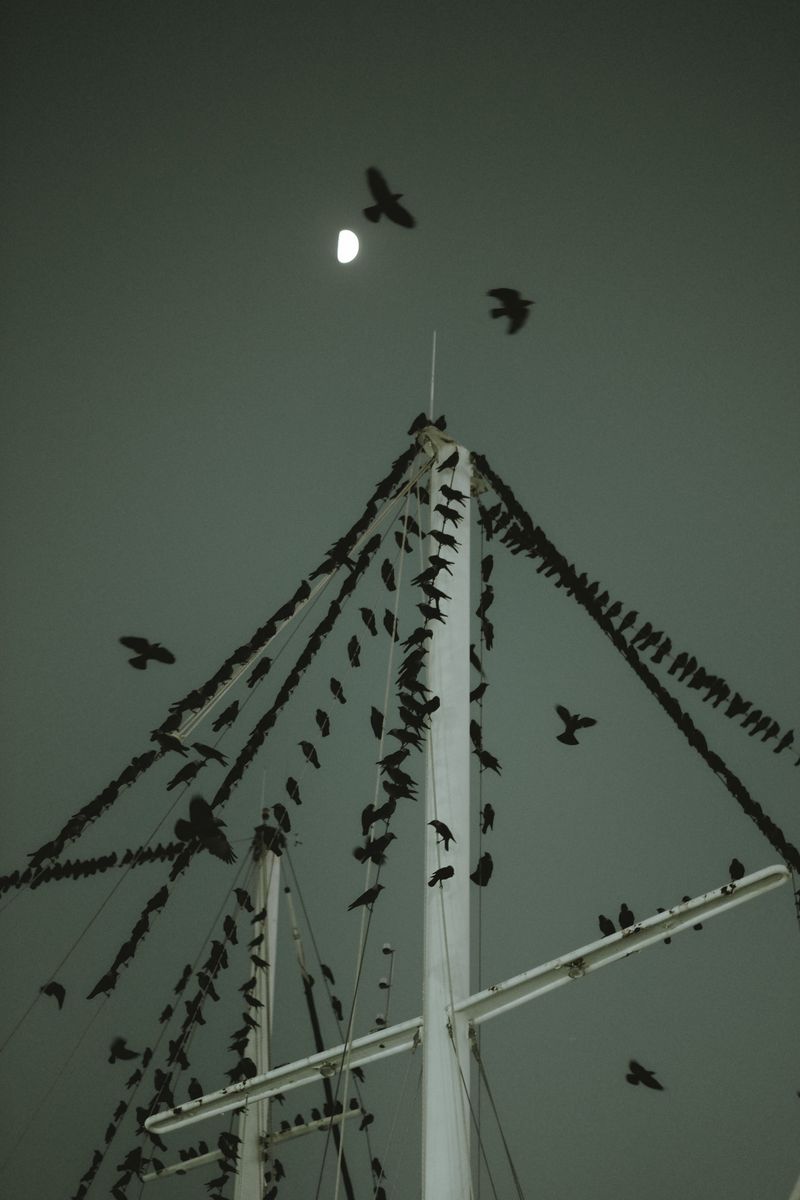
Here is the surprise that catches most Trenton homeowners off guard. The birds are not there for food, they are there for a safe, warm bed.
American crows spend their days spread out across farms, parks, and highways, hunting for snacks. At sunset, they head back toward the city to sleep together in one giant group.
Scientists call this nightly sleepover a communal roost. Some winter roosts in the Northeast hold tens of thousands of birds at once.
Cities like Trenton run a few degrees warmer than the countryside at night. Pavement, brick buildings, and heated homes all release stored warmth after the sun goes down.
For a bird weighing about one pound, those extra degrees can make a big difference. Staying warm burns less energy, so the crows wake up stronger for the next day.
Bright streetlights help in another way. Crows see poorly in the dark, so lighted streets may help them spot danger sooner.
Their main nighttime predator is the great horned owl, a silent hunter that strikes after dark. With thousands of eyes watching, one alarm call can wake the whole flock fast.
Researchers also believe roosts work like news stations for birds. Crows that found good food may lead others there the next morning.
So the crowd overhead is not a sign of danger. It is a giant, noisy slumber party picked for comfort and safety.
Trenton offers many features crows favor. Tall trees, river views, and bright lights make the capital an appealing roosting site.
A Seasonal Rhythm That Starts In October
Mark your calendar, because the crows certainly have marked theirs. Every fall, the gatherings in Trenton grow bigger as the days grow shorter.
During spring and summer, crows stay home with their families and raise young near their nests. Once nesting ends, family groups drift together and start sharing sleeping spots.
October is when many homeowners first notice the change. Flocks of a few dozen birds in September can grow much larger by Thanksgiving.
Migrating crows from farther north also join the local birds. Some travel down from Canada and upstate New York to spend winter in milder New Jersey.
Your New Jersey Garden Changes Every Week. Your Plan Should Too.
Gardening in New Jersey changes quickly throughout the season. Every Friday you’ll receive a simple weekly plan showing exactly what to plant, prune, fertilize, harvest, and protect so you never miss the right timing.
The daily schedule is just as predictable as the season. About an hour before sunset, small groups gather at staging areas like parking lots, fields, and riverbanks.
Those staging spots fill up with chatter and swirling wings. Then, as darkness falls, the whole crowd lifts off and settles into the final roost trees.
Morning brings the reverse show. Shortly after sunrise, the birds scatter in streams, heading out to feed for the day.
Roosts in this region tend to peak in December and January, during the coldest weeks. By March, most crows leave to claim nesting territory again.
Knowing this timeline helps homeowners plan ahead. If you want to discourage a roost, early fall is the best window to act.
Waiting until January makes a roost harder to disperse after it is established. By then the birds feel settled and may be slower to move.
Jot down when the first flocks arrive each evening. Those notes help neighbors plan next fall.
The Backyard Habits That Invite A Crowd
Nobody sends crows a written invitation, but many yards accidentally send one anyway. Small habits can turn a quiet street into a favorite crow hangout.
Open trash cans are a common attractant. Crows are clever enough to tug at loose bags and pick out leftover pizza crusts.
Pet food left on porches is another easy target. A bowl of kibble outside overnight is basically a free breakfast buffet.
Bird feeders matter too, especially ones that spill seed onto the ground. Crows happily clean up what smaller songbirds drop below.
Some people toss bread or peanuts to the birds because they find them fascinating. The trouble is that crows remember faces and places for years.
Once they link your yard with food, they will visit again and again. They may even bring friends from the roost the next morning.
Tall, leafy trees near streetlights also attract roosting flocks. Sycamores and oaks along Trenton streets offer sturdy branches with a great view.
A homeowner cannot easily move a tree, but trimming helps. Thinning dense branches makes a tree feel less safe and cozy to sleeping birds.
Simple chores reduce daytime visits, though they may not move an established roost. Use trash cans with tight lids, bring pet bowls inside, and sweep up spilled seed.
Compost bins should be closed and free of meat scraps. Grill drippings and fallen fruit should be cleaned up before evening too.
None of these steps harm the birds. They simply make your yard a little less interesting than the one down the block.
Non-Lethal Tools That Move A Roost Along
Wildlife managers sometimes shine green lasers at roost trees to move flocks. Experts use this method in cities across the country.
Crows dislike certain sights and sounds that make a roost feel unsafe. Moving them works best when people use several methods together at dusk.
Handheld green lasers are a popular choice for towns. When the beam sweeps across branches, crows often lift off and look for calmer trees.
Recorded crow distress calls can also send a flock packing. Hearing a fellow crow in trouble tells them the area might be risky.
Some communities hang fake crow decoys upside down, called effigies, in roost trees. To a passing crow, it looks like a warning sign from a lost flockmate.
Shiny streamers, bright lights, and loud clappers can add extra pressure. Mixing tools matters, because crows learn quickly and ignore one trick after a few nights.
Timing counts more than power. Start right as the birds arrive, and keep it up for several evenings in a row.
Before trying anything, homeowners should contact local officials or a licensed wildlife company. Crows are covered by the Migratory Bird Treaty Act, and lethal control requires authorization.
Lasers need care too, since beams should not point at people, cars, or aircraft. Following safety rules keeps the project neighborly.
Expect the birds to shift rather than disappear. The goal is to nudge them toward parks or riverbanks, where they bother fewer people.
Patience pays off with this approach. Results vary, and many roosts move within days to weeks of steady effort, though birds may return.
Life Under A Winter Roost In Trenton
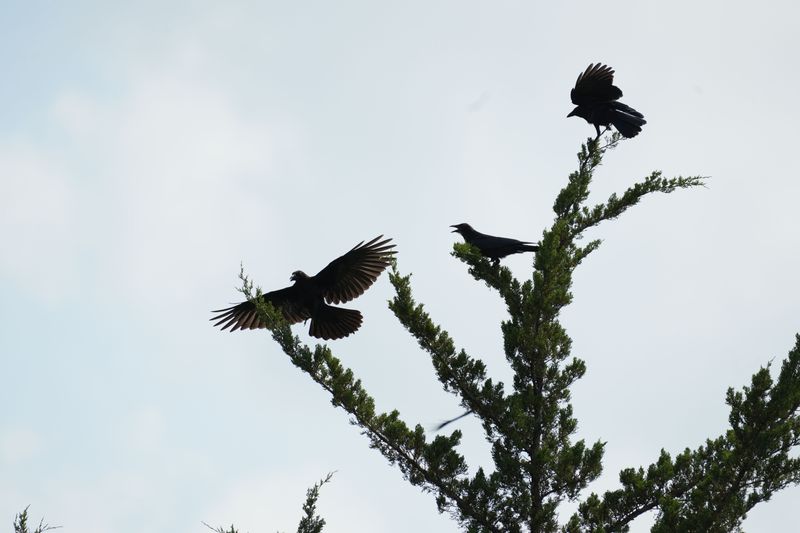
Residents who park near the State House in winter may mention the mess first. Sidewalks and windshields can look speckled by sunrise.
Crow droppings are a frequent complaint. They stain cars, coat benches, and make walkways slippery after rain.
Bird droppings can carry germs, so cleaning them safely matters. Wear gloves, wet the area first, and avoid sweeping dry droppings into the air.
Car owners can use covers or park in garages during peak months. Washing spots off quickly protects paint, since droppings can be acidic. Noise is another common concern. Thousands of crows cawing at dawn can be very loud.
Light sleepers often keep a fan running or close windows that face roost trees. Soft earplugs work well during the loudest weeks of winter.
Still, life near a roost is not all trouble. Many families enjoy the evening flights, which can look like a giant river in the sky.
Crows also help the city in quiet ways. They eat insects, grubs, and spilled food that would otherwise rot.
Kids can turn the roost into a winter science project. Counting birds at dusk or timing their arrival makes great school material.
Local bird groups sometimes hold crow counts and welcome curious neighbors. Joining one turns a seasonal inconvenience into a community activity.
Remember that the roost is a seasonal visitor, not a forever tenant. The crowd thins out once the cold weather loosens its grip.
Snap a few photos of the sunset flights for memories. Few cities offer such a free nightly show.
A Calmer Spring For The Capital City

By the time daffodils pop up along the Delaware River, Trenton’s sky looks much quieter. Most roosting crows scatter in March to build nests and raise families.
Spring is the perfect moment to prepare for next fall. Planning ahead now may reduce the chance of a large flock settling on your street again.
Start by checking trees that held the biggest crowds. An arborist can thin crowded branches so the tree feels too open for comfort.
Talk with neighbors about trash habits before October rolls around. One messy yard can draw birds that end up bothering the whole block.
Many cities now work with experts on roost plans each year. Towns in Pennsylvania and New York have used lasers and recordings to guide flocks toward parks.
Homeowners can ask Trenton officials if the city has a similar program. Reporting large roosts early helps leaders act before the birds settle in.
Plan your own dusk patrol for early fall, when the first flocks scout locations. A few nights of gentle hazing then beats weeks of effort later.
Keep realistic goals in mind. Crows are part of New Jersey’s wild neighbors, and sharing space with them is part of city life.
Their smarts are worth admiring, too. Studies show corvids can solve puzzles and use tools, and crows remember people who treated them badly.
Treating them with respect while guiding them away is the best balance. That way, homeowners get cleaner cars and the crows still get a safe place to sleep.
Next October, watch the sky with fresh eyes. The swirling crowd will look a lot less mysterious.