How To Stop Crabgrass In Your North Carolina Lawn Before It Takes Over
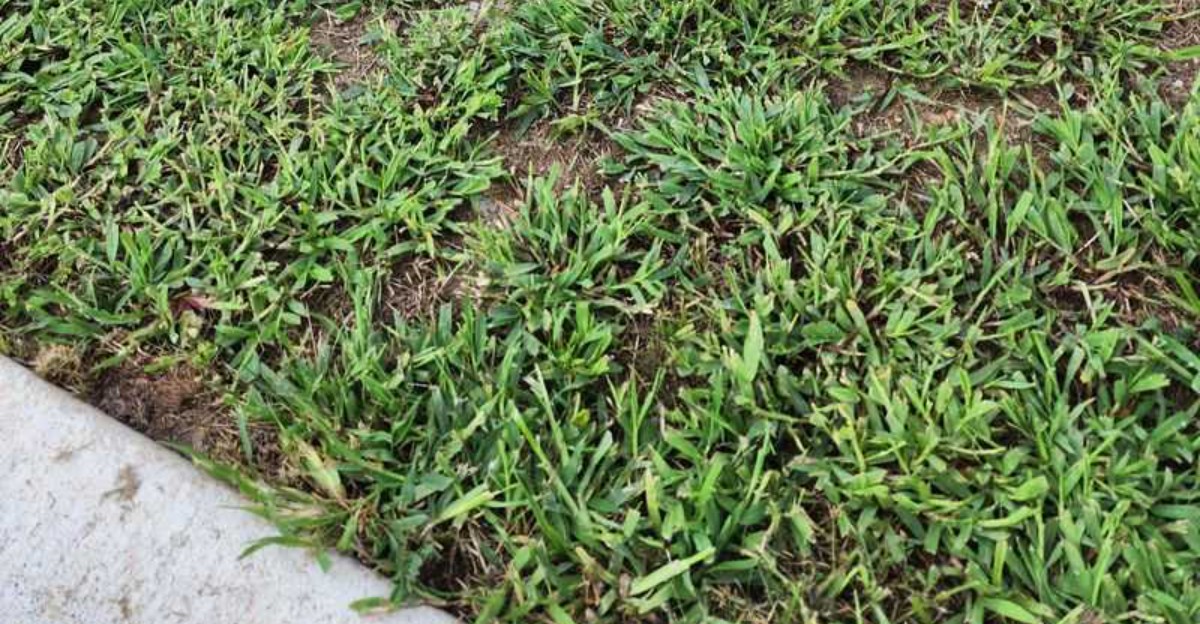
Crabgrass looks tough, but it has an odd weakness. It lives only one year. Frost destroys the plant, and fall is when it fades.
Before it wilts, though, it drops thousands of seeds. Those seeds wait all winter and sprout the moment spring warms the soil. That is why the fight against crabgrass starts now, not in April.
The best defense is a thick, healthy lawn that leaves no bare soil for seeds to claim. North Carolina’s cool-season lawns grow strongest in fall, so this is the time to feed, overseed, and mow well.
Pulling plants before they set seed also helps. A few smart habits this month can mean far fewer weeds when next summer arrives.
1. Know How Crabgrass Grows
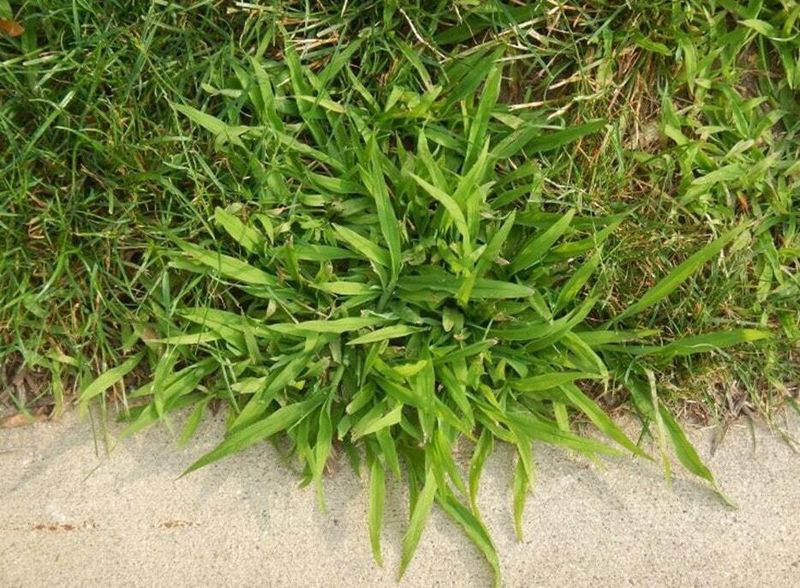
Every enemy is easier to beat once you know its habits, and crabgrass is no different. Its scientific name is Digitaria, and it is a summer annual weed. That means it sprouts from seed in spring, spreads all summer, and fades away with the first hard frost in fall.
Here is the big secret. Crabgrass does not come back from old roots each year. It returns only from seeds dropped the season before, which sit in the soil waiting for warm weather.
So the plan for control becomes clear. You want to stop new seeds from sprouting in spring, and you want to keep any plants that do sprout from dropping seeds in summer. Break that cycle, and the weed has nowhere to go.
Spotting crabgrass early helps a lot. Look for light green, coarse blades that grow low to the ground in wide clumps. The stems spread outward from the center, a bit like the legs of a crab, which is how the plant got its name.
You will often find it first in tough spots. Edges along driveways and sidewalks heat up fast, so seeds there wake up early. Thin or bare patches in the lawn are another favorite hangout, since sunlight reaches the soil easily.
North Carolina gives crabgrass a real advantage. Our growing season is long and hot, stretching from spring well into fall in many areas. That gives each plant months to spread, grow bigger, and pump out seeds.
Learning these patterns now puts you one step ahead. Every tip that follows builds on this simple idea of stopping seeds before they become a problem.
2. Apply Pre-Emergent Before Seeds Sprout In Spring
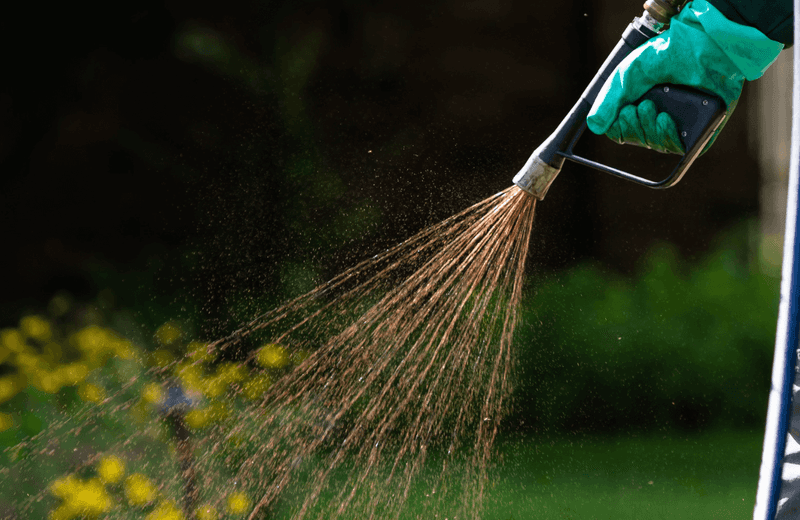
Timing beats effort when it comes to crabgrass. A spring pre-emergent herbicide is the most effective tool you have, and it works by forming a barrier in the top layer of soil. When crabgrass seeds try to sprout, the barrier stops them before they ever poke through.
There is a catch, though. The product must be in place before seeds germinate, or it will not help much at all. Crabgrass starts sprouting when soil temperatures reach about 55 degrees Fahrenheit at a depth of 2 to 4 inches for several days in a row.
Where you live in the state changes your calendar. In the Coastal Plain, aim for late February to early March. In the Piedmont, early to mid March usually works well, and in the Mountains, plan for late March into April.
Your North Carolina Garden Changes Every Week. Your Plan Should Too.
Gardening in North Carolina changes quickly throughout the season. Every Friday you’ll receive a simple weekly plan showing exactly what to plant, prune, fertilize, harvest, and protect so you never miss the right timing.
Nature offers a handy reminder too. When forsythia shrubs burst into bright yellow blooms, the soil is warming up. Many gardeners treat those flowers as their signal to get the spreader out of the garage.
After you apply the product, water it in as the label directs. Watering moves the herbicide into the soil, where it can build that protective layer. Skipping this step can leave the product sitting on top of the grass, doing very little.
Spring in North Carolina is tricky because it shows up at such different times. A warm March day in Wilmington might feel nothing like the same day in Boone.
Checking local soil temperature reports, which NC State Extension and other weather sources often share, helps you hit your window just right.
3. Consider A Second Application For Longer Control
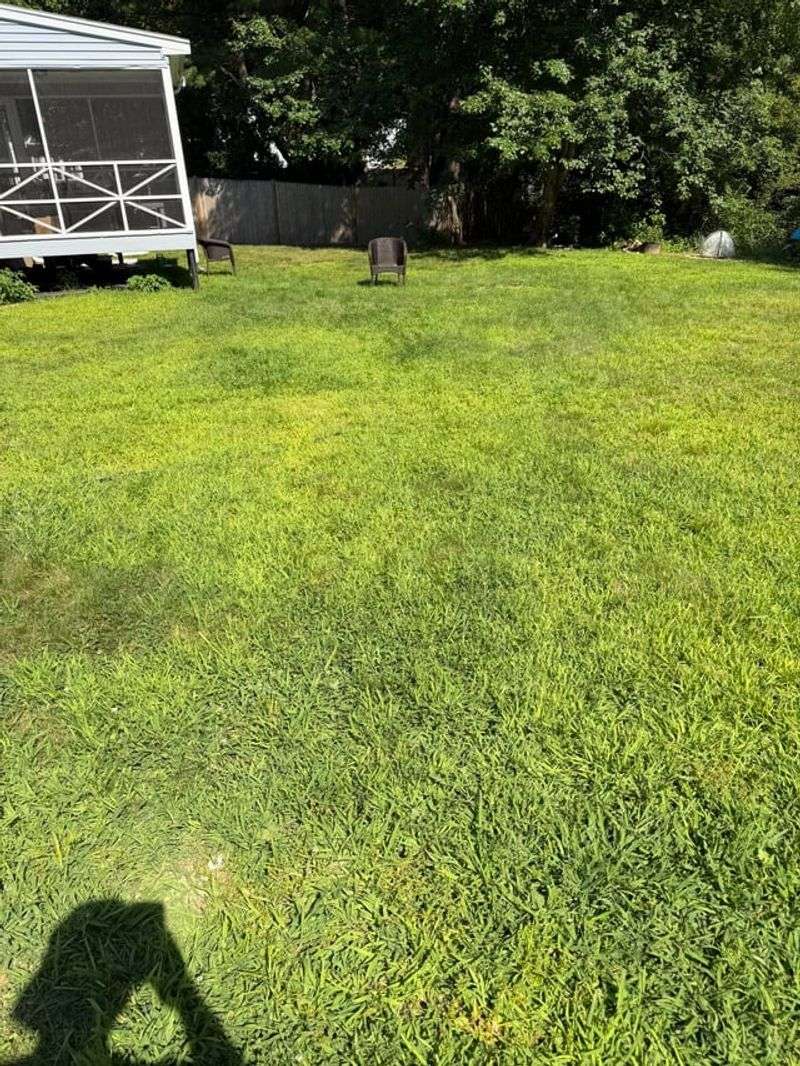
One spring treatment is great, but crabgrass is a patient weed. Seeds do not all sprout on the same day. Some wait weeks, popping up well into late spring and even early summer.
Meanwhile, your first application is slowly wearing down. Pre-emergent products break down over time in the soil, and by May or June, the barrier may be too weak to stop late sprouts. Those stragglers can still grow into big clumps by August.
A follow-up application can close that gap. Many product labels allow a second round about 6 to 8 weeks after the first. This split approach keeps a fresh barrier in place through the whole germination season.
Always read the label before you start. Each product lists a maximum yearly rate, and you should never go over it, even if you split your treatments. Using too much will not give you better results and can harm your lawn or the environment.
Some people simply apply half the yearly amount in early spring and the rest later. Others follow a specific schedule printed on the bag. Either way, keeping notes on dates and amounts makes next year much easier to plan.
North Carolina springs make this tip especially useful. Warm temperatures and frequent rain can speed up how fast these products break down. A rainy April in Raleigh or Greensboro might shorten your protection by weeks.
That second round acts like a safety net. It catches the late crowd of seeds that would otherwise slip through, giving your lawn a cleaner look all summer long.
4. Grow A Thick Lawn That Leaves No Room
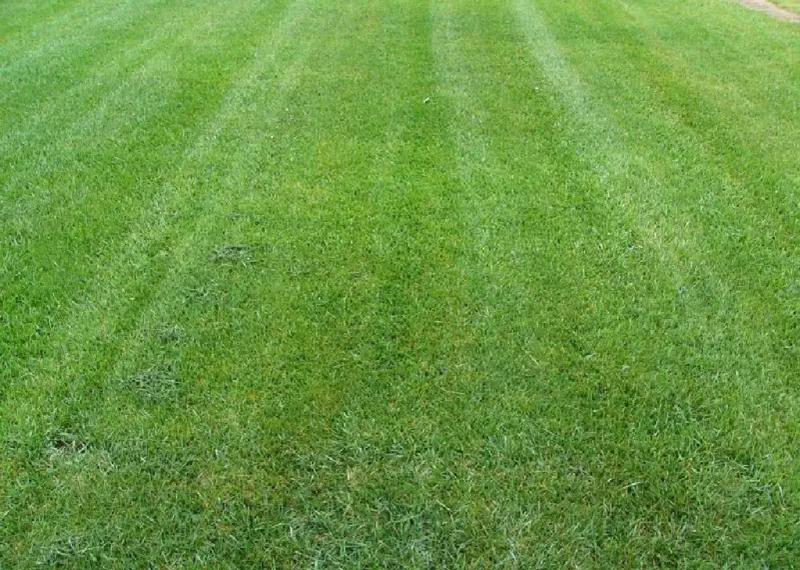
Crowded spaces leave no room for uninvited guests. A thick, healthy lawn is the best long-term defense against crabgrass, and it works around the clock without any chemicals at all.
The reason is simple. Crabgrass seeds need sunlight hitting bare or thin soil to sprout. Dense turf shades the ground, and strong grass plants crowd out weeds before they can settle in.
Building that kind of lawn takes some steady care. If you grow tall fescue, overseed thin areas in the fall. Cool temperatures help new seedlings grow strong roots before the next summer heat arrives.
Feeding your lawn the right way matters too. Start with a soil test, which you can get through the North Carolina Department of Agriculture.
Then follow the NC State Extension maintenance calendar for your grass type, since each one has different needs and timing.
Bare spots deserve quick attention. A dog path, a spot where a kiddie pool sat, or a patch damaged by grubs can become a crabgrass magnet. Reseeding, sodding, or plugging those areas promptly keeps weeds from moving in.
Grass type changes your schedule here in North Carolina. Fall is the prime time to thicken tall fescue, which is common in the Piedmont and Mountains.
Warm season lawns like bermudagrass and zoysia, popular in the east, spread and fill in during summer.
Working with your grass instead of against it pays off. Each season of good care makes the turf a little denser, and every inch of healthy grass is an inch crabgrass cannot claim.
5. Mow Tall For Your Grass Type
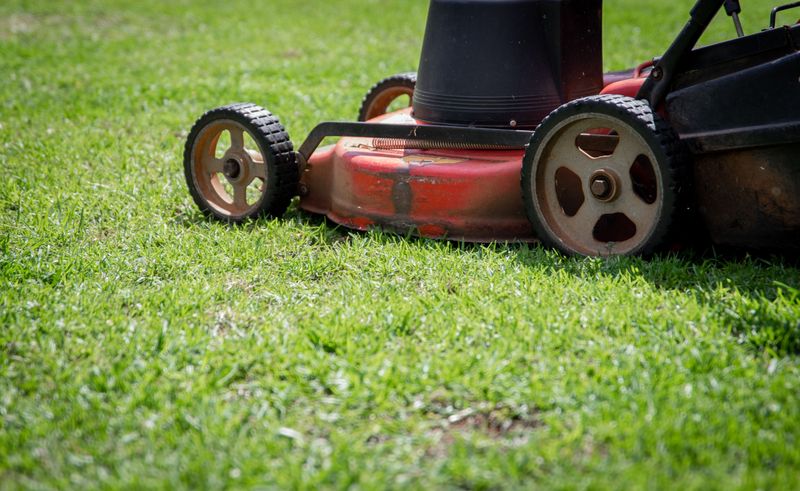
Your mower might be helping crabgrass without you knowing it. Cutting grass too short is one of the most common lawn mistakes, and it rolls out a welcome mat for weeds.
Taller grass works like a living umbrella. The blades shade the soil surface, which keeps it cooler and darker, so crabgrass seeds have a harder time sprouting. Short grass does the opposite, letting sunlight pour onto the soil.
Height depends on what you grow. Tall fescue looks and performs best at about 3 to 3.5 inches. Warm season grasses like bermudagrass, zoysia, and centipede have their own recommended heights, and NC State Extension lists them for each type.
Sharp blades make a real difference. A dull blade tears grass instead of slicing it cleanly, leaving ragged brown tips that stress the plant. Sharpening the blade a couple of times each season keeps your lawn healthier and greener.
Another golden rule is the one third rule. Never remove more than one third of the grass blade at a time. If your fescue grows to 4.5 inches, cutting it back to 3 inches keeps things balanced, but chopping it to 2 inches shocks the plant.
Plenty of North Carolina lawns are mowed shorter than they should be. Summer is when this happens most, since grass grows fast and people want fewer mowing days.
Sadly, a scalped lawn in July struggles with heat and opens the door for crabgrass. Raising your mower deck a notch is one of the easiest changes you can make. It costs nothing, takes seconds, and pays off all season.
6. Water Deeply And Less Often
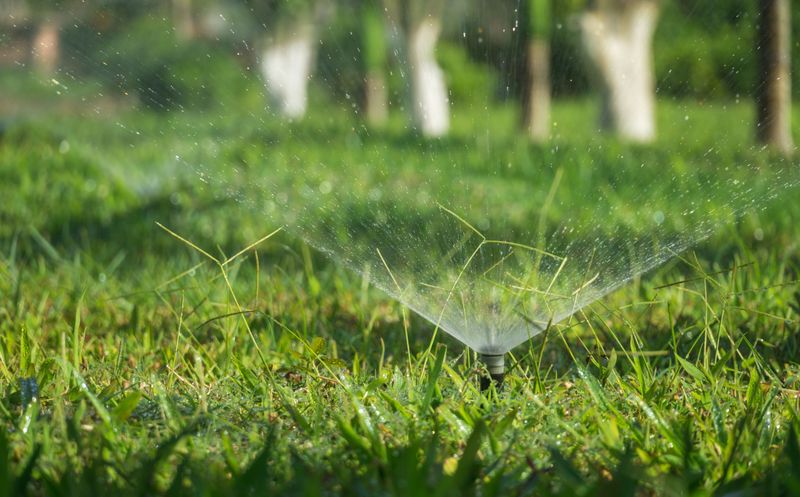
A quick sprinkle every evening feels helpful, yet it may be feeding the very weed you want gone. Watering habits can tip the balance toward healthy grass or toward crabgrass.
Shallow, frequent watering keeps the top layer of soil damp all the time. Crabgrass seeds love that steady moisture near the surface, since it gives them a perfect place to sprout.
Deep watering tells a different story. When you soak the soil less often, grass roots chase that water downward and grow longer. Meanwhile, the soil surface dries out between waterings, making life tougher for weed seeds.
For established lawns, water about once or twice a week. Aim for roughly an inch of water per week, counting both rain and irrigation together. A simple rain gauge or an empty tuna can on the lawn shows you exactly how much your sprinkler puts down.
Morning is the best time to run your system. Early hours bring cooler air and calmer winds, so less water is lost to evaporation. Grass blades also dry quickly as the sun rises, which helps prevent disease problems that evening watering can invite.
North Carolina summers can be brutal on lawns. Long stretches of heat and surprise dry spells push grass to its limit. A deep-rooted lawn handles that stress far better and stays thick enough to block weeds.
Skip watering after a good soaking rain. Overdoing it wastes water and brings back the damp surface that crabgrass enjoys. A little attention to the weather goes a long way toward a stronger yard.
7. Pull Or Treat Young Plants Before They Seed
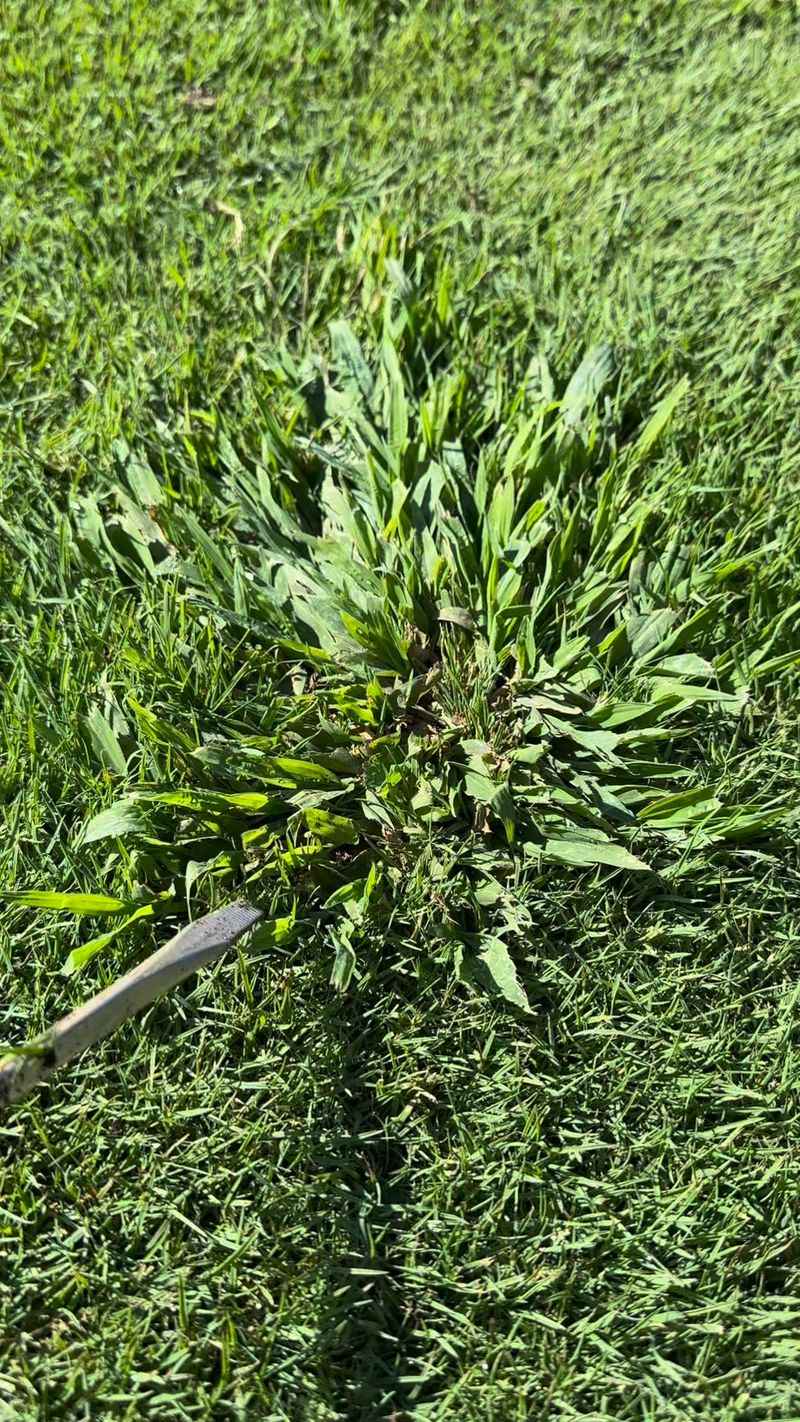
Even the best plan lets a few weeds sneak through. When crabgrass slips past your pre-emergent, quick action keeps one bad summer from turning into a bad decade.
Each crabgrass plant can produce large numbers of seeds by late summer. Those seeds drop into the soil and become next year’s crop. Removing plants before they go to seed cuts off that supply at the source.
Hand pulling works wonderfully for small clumps. Wait until the soil is moist, maybe after a rain or a deep watering, so roots slide out more easily. Grab the plant near the base and pull steadily, making sure you get the roots too.
Larger patches may call for a post-emergent herbicide. Choose one labeled for crabgrass and safe for your specific lawn type, since some products can harm certain grasses like centipede or St. Augustine.
Spot treat only the weeds instead of spraying the whole yard. Young plants are far easier to control. Once crabgrass grows big and tough in late summer, treatments work poorly. Early summer, while clumps are still small, is your best window for strong results.
Keep track of trouble zones as you work. A few garden flags or a quick phone photo can mark where crabgrass showed up. Next spring, you can give those spots extra attention with your pre-emergent.
North Carolina lawns pay a price when crabgrass goes to seed in summer. Heavier infestations often follow the next year. A few minutes of pulling now saves hours of frustration later, and your lawn will thank you for it.