Your Florida St. Augustine Looks Fine In The Morning – But Something May Be Eating It At Night
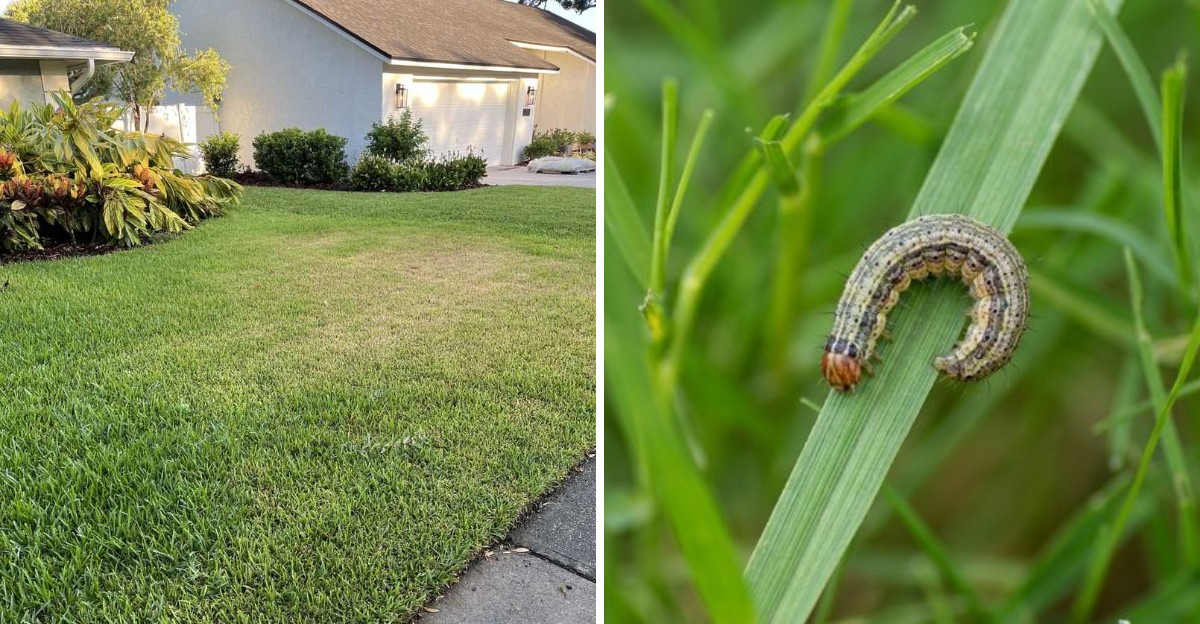
You water your St. Augustine grass, keep up with the mowing, and the lawn looks perfectly fine before dinner. Come morning, though, strange brown patches or chewed blades have appeared overnight.
What on earth happened while you were asleep?
Florida lawns can attract several pests that damage grass after dark, and some are surprisingly easy to miss. You might never spot them during afternoon yard work, yet the damage can spread while the neighborhood is quiet.
By the time the clues become obvious, your once-lush grass may already be struggling.
The tricky part is that several pests can leave similar signs, and guessing wrong can waste both time and money. The shape of the damaged patches, the condition of the blades, and a closer look after dark can help narrow down the culprit.
That overnight damage isn’t necessarily random. Your lawn may be telling you exactly who’s been paying it a visit.
1. The Tropical Sod Webworm Is A Common Night Feeder
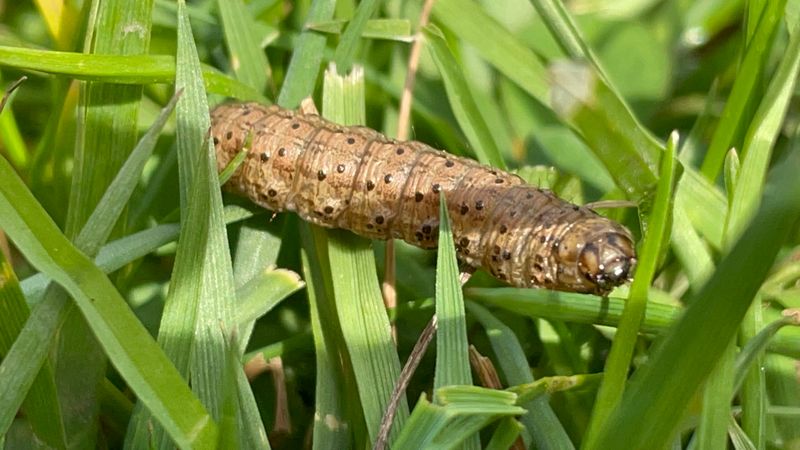
Meet the little culprit behind many puzzling lawn problems in the South. The tropical sod webworm is the young caterpillar stage of a small moth.
It favors St. Augustine grass but can also feed on other warm-season turfgrasses. In Florida, it is a common lawn pest, especially during the warmer months.
Here is what makes it so tricky. The caterpillars stay quiet during the day and come out to eat after sunset.
Because they feed in the dark, you rarely catch them in the act. One morning the yard looks normal, and a few days later brown spots seem to appear like magic.
That sudden change fools a lot of homeowners. Many people blame the sprinklers, the heat, or a lawn disease instead.
Fertilizer or extra water will not fix a caterpillar problem. In fact, guessing wrong can waste money while the pests keep munching.
So the first smart step is simple. Think about who might be eating your grass, not just what the grass looks like.
Fun fact: the word webworm comes from the silky threads these caterpillars spin. You might spot those fine webs sparkling with dew early in the morning.
Once you know the name of the night feeder, everything else gets easier. You can look for the right clues and pick the right fix.
2. The Caterpillars Hide In The Thatch By Day
Picture a tiny camper zipped inside a sleeping bag. That is pretty much how a webworm spends its sunny afternoons.
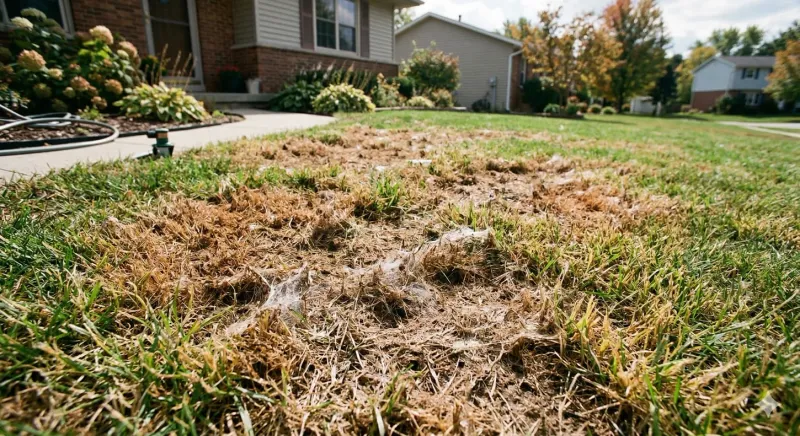
The thatch is the spongy layer of old stems and roots between the grass blades and the soil. Webworms build silk-lined tunnels there to stay safe and cool.
Inside those tunnels, they curl up in a C shape and rest. Birds and curious people walking by usually miss them.
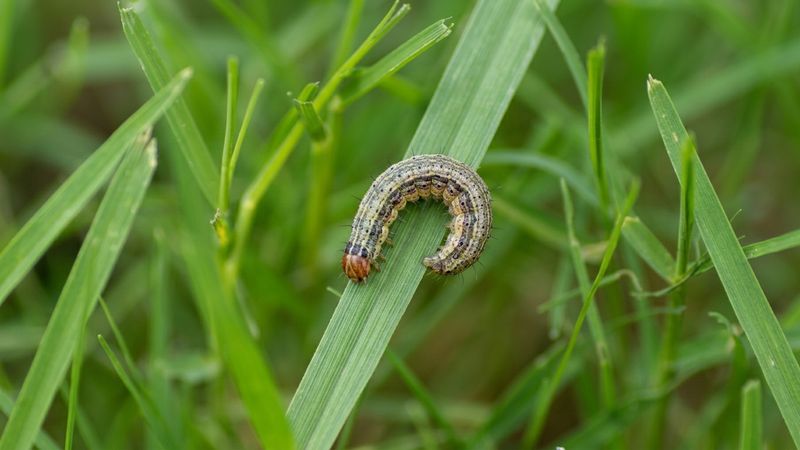
Knowing what they look like helps a lot. The caterpillars are grayish-green and grow about three quarters of an inch to one inch long.
Many have a dark yellowish-brown head. You may also see rows of dark spots running down their bodies.
Your Florida Garden Changes Every Week. Your Plan Should Too.
Gardening in Florida changes quickly throughout the season. Every Friday you’ll receive a simple weekly plan showing exactly what to plant, prune, fertilize, harvest, and protect so you never miss the right timing.
If you want a peek, kneel down near a brown patch. Gently push the grass apart with your fingers until you see the soil.
Look closely at the thatch for curled bodies or thin silky threads. Tiny green pellets, called frass, are caterpillar droppings and a strong hint too.
A thick thatch layer gives these pests more places to hide. Keeping thatch thin with good mowing and careful watering can make your lawn less cozy for them.
Take your time with this search, since they blend in well. A little patience often pays off with a clear answer.
3. Fall Is Peak Season For Webworm Damage
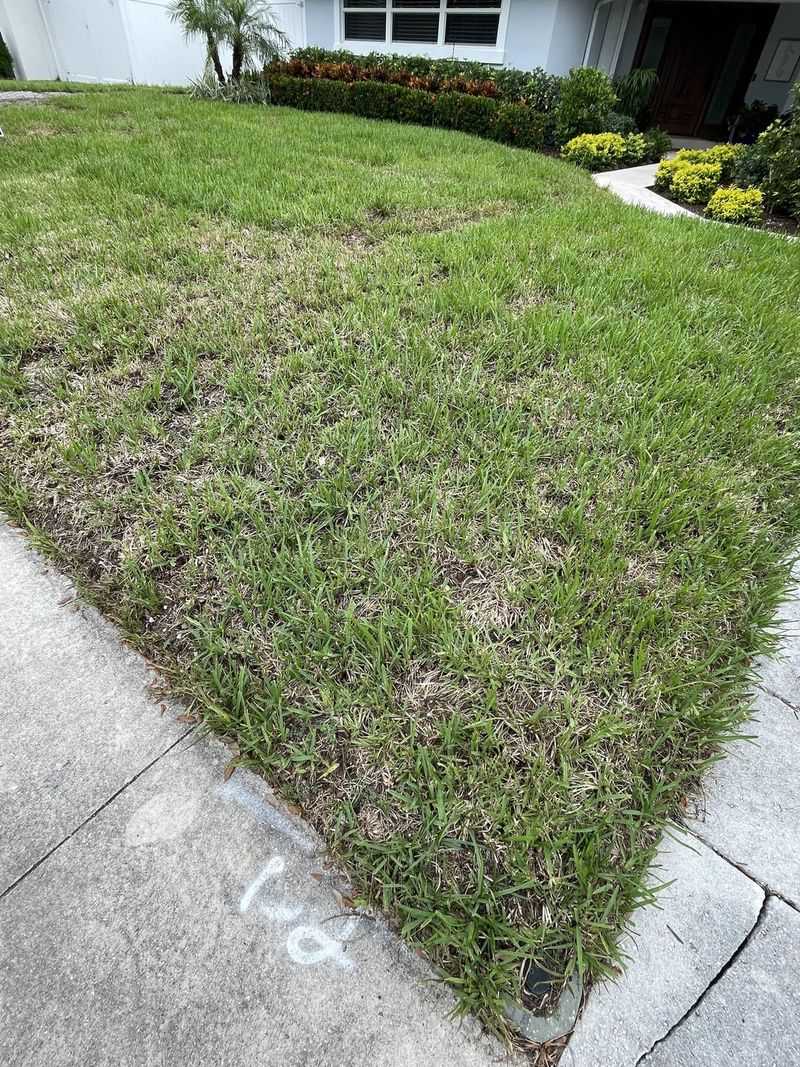
Pumpkin spice is not the only thing that shows up in autumn. For St. Augustine lawns, September through November is prime time for hungry webworms.
These pests can produce several generations each year. Their development from egg through larval and pupal stages takes roughly three to seven weeks, depending on temperature.
That means several generations can pile on top of each other. By fall, the number of caterpillars in a lawn can hit its highest point.
So mark your calendar. Early fall is a great time to start checking your grass every week.
In South Florida, things get a bit different. The warm, humid weather lets webworms stay busy almost all year long.
Farther north, cooler weather slows them down. Still, some caterpillars spend the winter tucked in the thatch and wake up hungry in spring.
Keep an eye out during warm spells, even outside of fall. A sunny week in March might bring them back to the dinner table.
Planning ahead helps you stay one step in front of trouble. A quick lawn walk on weekend mornings is an easy habit to build.
Catching the problem early keeps small spots from turning into big bare areas. Your future self will thank you for paying attention now.
4. Look For Notched, Ragged Leaf Edges
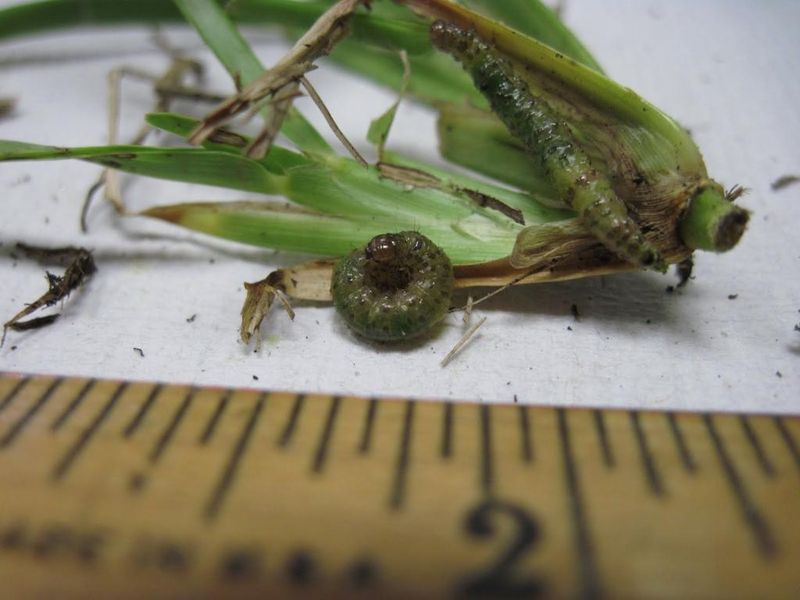
Your grass blades can tell a story if you look closely. Webworms leave behind bite marks that are easy to read once you know them.
The first sign is often called window feeding. Young caterpillars scrape off only the top layer of a leaf.
What is left looks thin and almost see-through, like a tiny window. Hold a blade up to the sun and you may notice those clear patches.
As the caterpillars grow, their appetite grows too. Older ones chew right through the edges of the blades.
That leaves notches that look like someone took little bites out of each leaf. The edges turn ragged and uneven instead of smooth.
Big caterpillars can eat whole blades down to the stem. At that stage, the damage becomes much easier to spot from a distance.
Try this simple test on your next walk. Pick a few blades from a healthy area and a few from a weak area, then compare them side by side.
Healthy blades have clean, smooth sides. Chewed blades with jagged notches point straight to a caterpillar problem.
Drought or disease usually turns grass yellow or brown without bite marks. So those little notches are like fingerprints left at the scene.
5. Damaged Patches Can Look Mowed Too Short
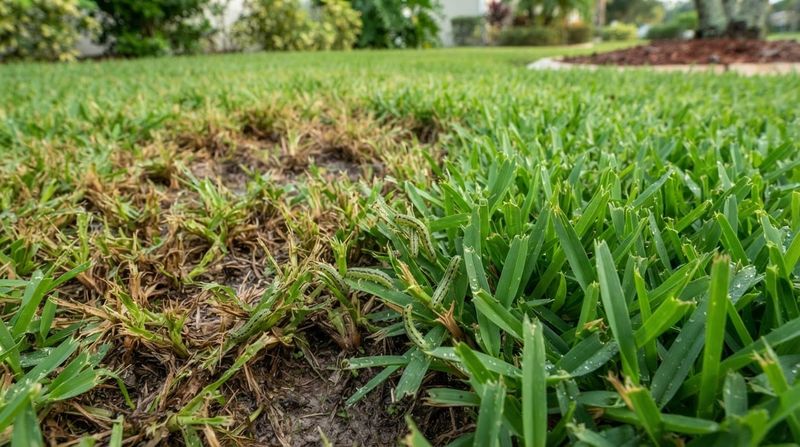
Ever looked at your yard and wondered if the mower went rogue? You might see spots that look shaved down while the rest of the grass stands tall.
That scalped look is a classic webworm clue. The caterpillars chew the blades very low, close to the crown of the plant.
The result looks like a bad haircut in just a few places. Nearby grass that was cut the same day still looks normal.
These patches start out small and uneven. They are often brown or yellowish and have no neat shape.
Here is the scary part. Those spots can spread fast as more caterpillars move outward to find fresh food.
You may also notice the lawn getting thinner. You can start to see bare soil peeking through where thick grass used to be.
So think back to your last mowing. If the blade height did not change, a mower problem is probably not the answer.
Snap a photo of the patch each morning for a few days. If the spot keeps growing, that is a strong sign something is feeding there.
The edges of these patches matter most. That is where the healthy grass meets the chewed grass, and where most caterpillars are busy eating.
6. Small Brown Moths Flying Low At Dusk Are A Clue
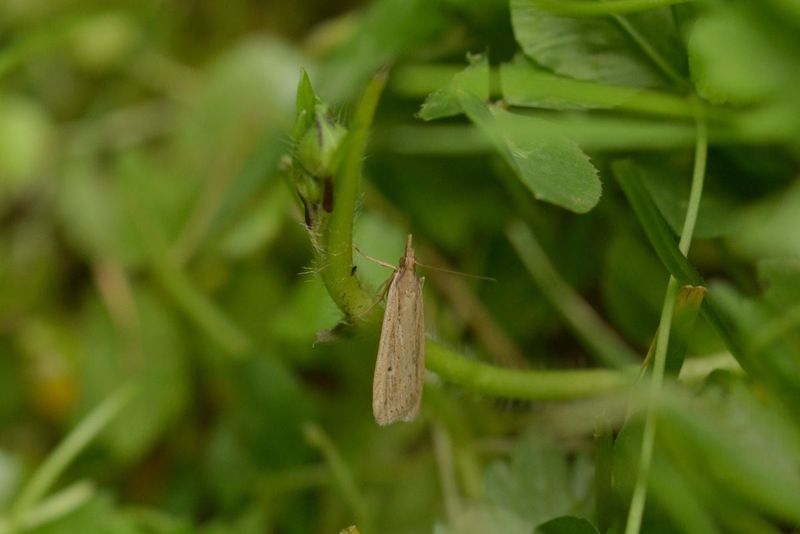
Sit on your porch around sunset and watch the lawn for a few minutes. If little brown moths are bouncing over the grass, pay attention.
These are adult tropical sod webworm moths. They are small and dull brown to gray, with a wingspan of about three quarters of an inch.
Their flight is quirky and hard to miss. They zigzag low over the grass in a jerky, random path.
When you disturb the lawn by walking, they may pop up and flutter a short way. Then they settle back down into the blades.
Here is a fun detail. These moths have mouthparts that point forward, almost like a tiny snout, which is why some people call them snout moths.
The moths themselves do not chew your grass. Their job is to lay eggs, and those eggs hatch into the hungry caterpillars.
So a crowd of moths at dusk is like a warning sign. A new batch of caterpillars may arrive in your lawn soon.
Make a note of the date you first see them. Then plan to check for chewed blades over the next week or two.
Spotting moths early gives you a head start. It is much easier to manage a few caterpillars than a big army.
7. Grab A Flashlight And Check After Dark
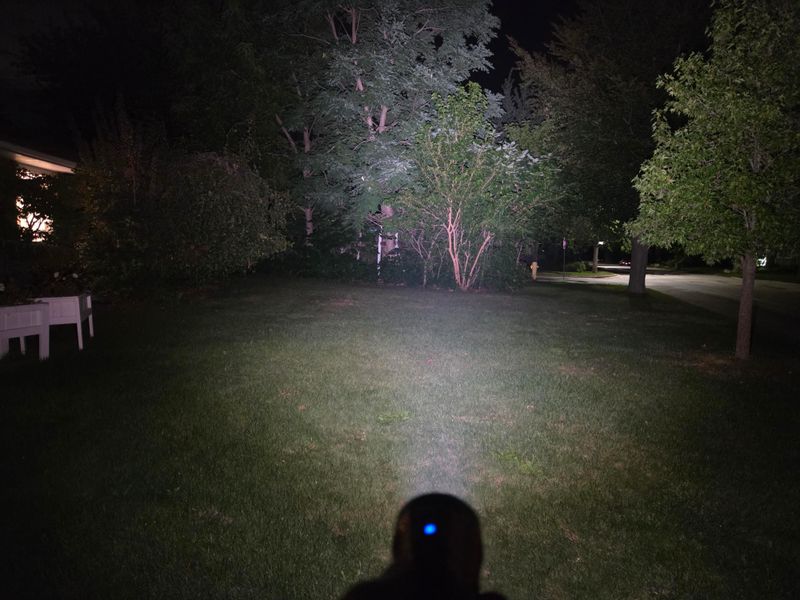
For Florida homeowners, some of the best lawn-pest detective work happens after dark. A cheap flashlight and a few minutes can solve your lawn mystery.
Head outside between about 8 and 10 at night. That is when webworms usually come out of hiding to feed.
Shine your light slowly over the edges of any brown patches. Look for small grayish-green caterpillars crawling on the grass blades.
If you do not see them on top, kneel down. Part the grass all the way to the soil and check the thatch.
Watch for tiny green pellets and thin silk webbing too. Both are signs the caterpillars live there even if they are shy tonight.
Here is another clue you can check by daylight. Birds such as starlings and robins love a webworm snack.
If you see a group of birds pecking in one area again and again, they may have found a buffet. Mark that spot and check it after dark.
Bring a friend or a kid along to make it an adventure. Kids often spot little critters faster than grown-ups do.
A headlamp can free up your hands for parting the grass. Just be careful of uneven ground and sprinkler heads while you explore.
8. Run A Soap Flush To Bring Them To The Surface
Want proof without staying up late? A soap flush is a simple trick that pulls the caterpillars right out of hiding.
Start by mixing two tablespoons of liquid dish soap into one or two gallons of water. A watering can or bucket works great.
Pick a spot at the edge of a damaged area, where green grass meets brown grass. Mark off about a two by two foot square.
Pour the soapy water evenly over the test area and watch for caterpillars to surface over the next several minutes.
Count the caterpillars you find and repeat the test in a few spots. Around 10 to 15 per square yard is a useful general reference for deciding whether treatment may be needed, but the level of damage and current local recommendations should guide your decision.
Try the test in two or three different spots for a better picture. One square might not tell the whole story.
Rinse the area lightly with plain water afterward if you like. This easy test costs almost nothing and helps you avoid treating a problem you do not have.
9. Treat The Caterpillars, Not The Moths
Chasing moths around the yard might feel satisfying, but it will not save your grass. The real damage comes from the caterpillars.
For Florida lawns, that means targeting the hungry young caterpillars rather than the adult moths. Moths simply lay eggs, while caterpillars do the chewing.
Timing makes a big difference here. Treat in the late afternoon or early evening for the best results.
Around dusk, the caterpillars crawl up from the thatch to eat. That puts them right in contact with the product on the grass blades.
After applying a treatment, follow the product label for watering instructions. Some products need to remain on the grass blades, while others may have different application requirements.
Read the label carefully before you start. Pick a product made for sod webworms and follow the directions for mixing and safety.
Keep pets and kids off the lawn until it is safe again. The label will tell you how long to wait.
A few days later, run another soap flush to see how things went. Fewer caterpillars means your plan is working.
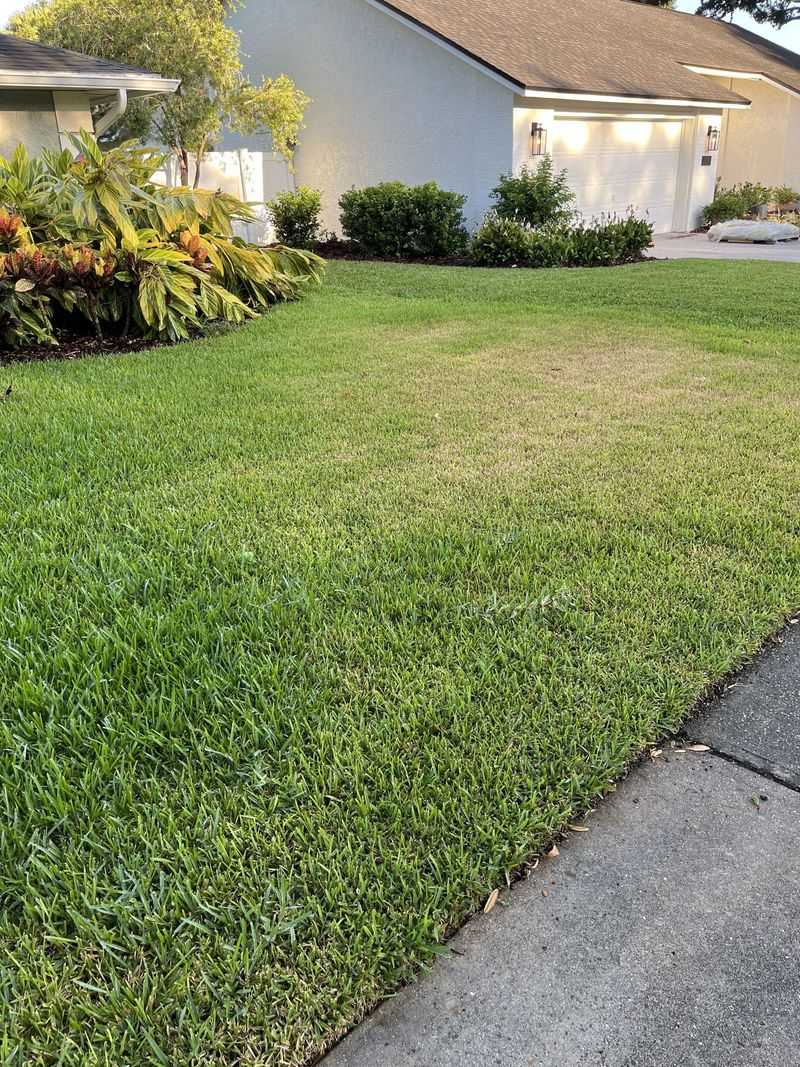
Then give your lawn some care so it can bounce back. With steady watering and smart mowing, St. Augustine often fills those bare spots again over time.