Hear Tiny Chirping Sounds Near A Florida Pond? Baby Alligators May Be The Reason
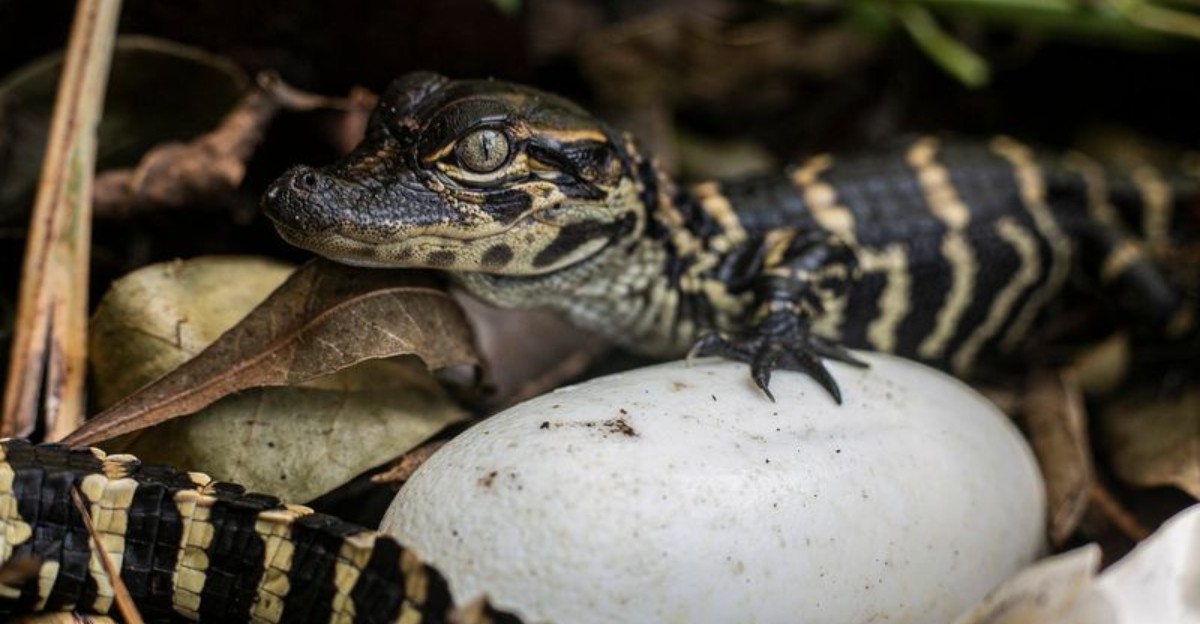
Dusk settles over the water and a faint chirp drifts up from the reeds, soft enough to pass for a bird. It isn’t.
Florida ponds hold a few surprises once the sun drops, and this sound ranks high on the list. Anyone who has crouched near the bank at the wrong moment remembers the scene.
One small voice becomes a dozen, and then something much larger notices you.
Hatching season wraps up by early September, but the chirping doesn’t stop there. Young gators keep calling to their mother from the reeds for months afterward.
The chirps tell a story about what’s nearby and who’s guarding it. Curious kids and wandering pets are the ones most likely to follow the sound straight to trouble.
A few quiet rules keep everyone safe, and they don’t take much effort to learn.
Next time you hear that peeping from the water’s edge, stop walking, step back, and listen. The reeds may be watching you right back.
1. Florida Alligator Eggs Hatch From Mid-August To Early September
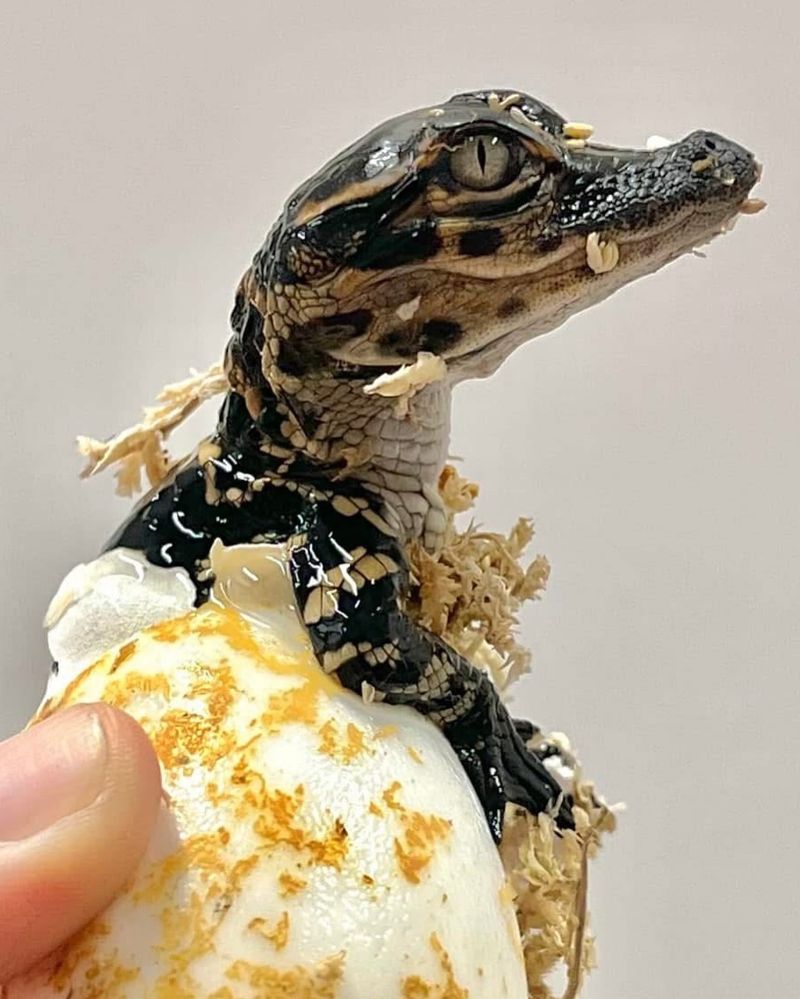
Late summer in Florida brings more than heat and afternoon storms. It is also hatching season for one of the state’s most famous reptiles.
Female alligators lay their eggs in late June or early July. They build big mound nests out of soil, leaves, sticks, and other plant bits near the water.
An average nest holds about 32 to 46 eggs. As the plants rot, they give off warmth, a bit like a natural heating pad for the eggs.
The eggs sit inside that warm pile for roughly 63 to 68 days. Count forward on a calendar, and you land right around mid-August to early September.
Here is a fun fact for science class. The temperature inside the nest helps decide whether a baby turns out male or female.
Cooler nests tend to produce more females, while warmer spots lead to more males. Nature runs its own little lab out there in the marsh.
So what does this mean for you? If you walk near ponds, canals, or lakes during these weeks, keep your ears open.
Chirps are much more likely during this window than any other time of year. Mark it on your mental calendar, and treat any lumpy mound near the shore as a spot to admire from far away.
2. Babies Chirp From Inside The Nest When They’re Ready To Hatch
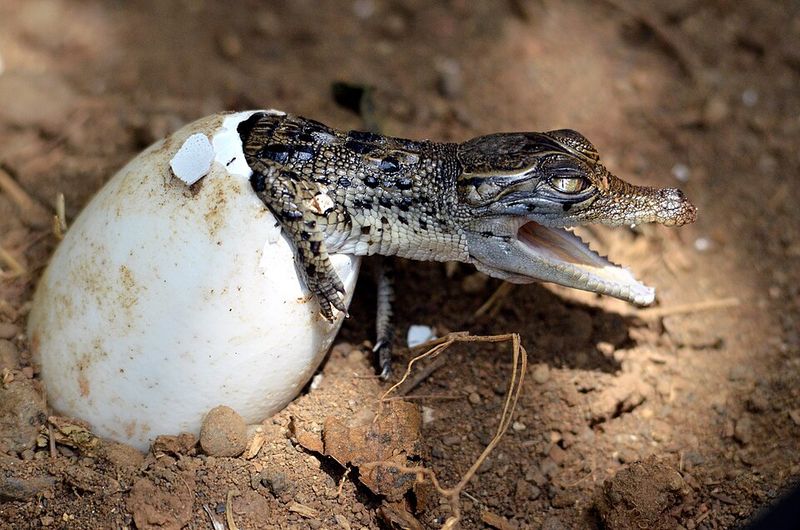
Imagine knocking on your bedroom door to tell your mom you are ready to come out. Baby alligators do something pretty close to that, only with sound.
Near the end of their growth, the babies start making chirps and squeaks while still inside their eggs. Yes, they talk before they hatch!
The sound works like a doorbell for mom. When she hears it, she often digs into the nest and pulls away the mud and plants covering the eggs.
Without her help, some babies might struggle to get through the packed pile. Her strong jaws, gentle in this moment, clear the way.
Your Florida Garden Changes Every Week. Your Plan Should Too.
Gardening in Florida changes quickly throughout the season. Every Friday you’ll receive a simple weekly plan showing exactly what to plant, prune, fertilize, harvest, and protect so you never miss the right timing.
The chirps do another clever job too. They help brothers and sisters hatch at about the same time, so the whole group comes out together.
Hatching as a group makes sense for safety. A big bunch of babies is harder for hungry animals to pick off one by one.
Each baby uses a tiny pointed bump on its snout, called an egg tooth, to crack the shell. That bump falls off soon after hatching.
If you ever hear muffled squeaks coming from a mound near the water, enjoy the moment from a distance. You are listening to a reptile family reunion that has been about two months in the making.
3. That Same Chirp Later Becomes A Call For Help
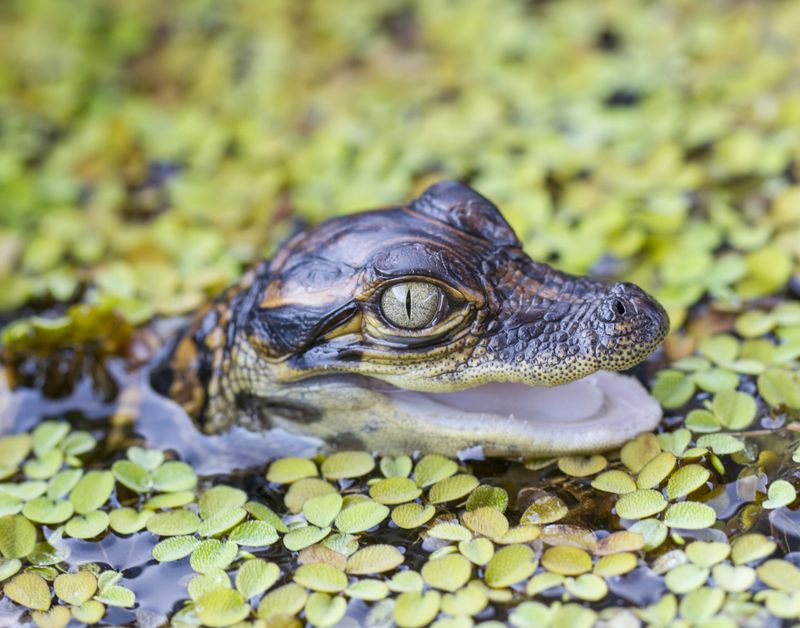
A baby alligator’s voice does not retire after hatching day. In fact, it may become the most useful tool the little reptile owns.
Out in the pond, those high-pitched chirps help mom keep track of her babies. Think of it as a walkie-talkie system with no batteries needed.
When trouble shows up, the sound changes. A frightened baby lets out a sharp yelp or grunt that basically means, “Help, Mom, right now!”
Mother alligators react fast to that alarm. She may rush over with a splash and a hiss, ready to scare off whatever is causing the problem.
That reaction is a big reason people need to be careful. If you hear distress calls, you might be standing a little too close to the babies.
Here is a smart move. Calmly back away and give the area lots of space, even if the babies look harmless and cute.
Scientists have found that adult alligators of other families may also respond to these calls. That shows just how powerful this tiny sound is in the swamp.
So the next time you hear a squeaky yip from the reeds, remember what it really is. It is a baby sending out an emergency message, and someone big is probably listening.
4. Mom Is Usually Close By
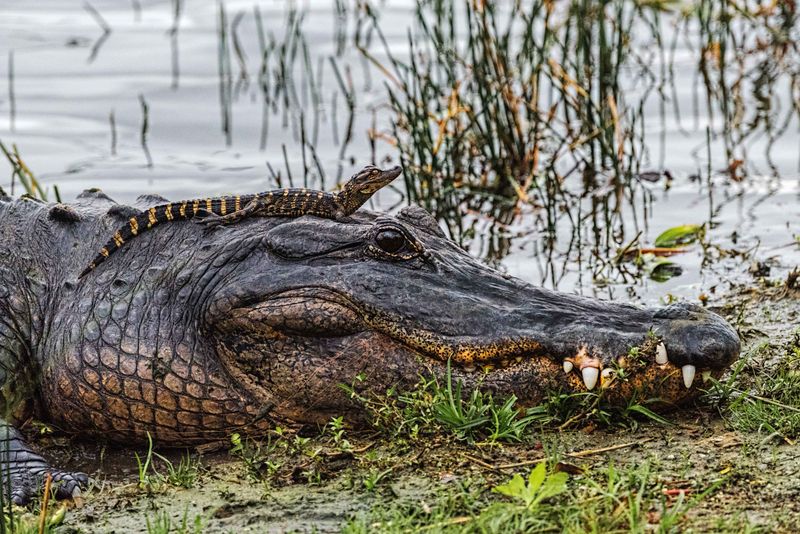
Many reptiles lay eggs and leave. Alligator moms are a whole different story, and they take their job very seriously.
After building her nest, a female stays nearby the entire time the eggs are growing. She watches for raccoons and other egg thieves for about two months straight.
Once the babies hatch, she often carries them gently in her mouth down to the water. It is surprising to see such huge jaws handle something so fragile.
From there, she keeps watch over the group. Mothers usually stay with their hatchlings for at least a year, and sometimes up to three.
She is also known to defend them with real energy. Anything that seems like a threat, including a curious person, may get a loud hiss or a quick charge.
That is why a cute baby gator should be treated as a warning sign. Where you spot little ones, a protective adult is likely lurking just under the surface.
Look for clues like bubbles, ripples, or a pair of eyes peeking above the water. Those signs often mean mom has already spotted you.
The best plan is simple. Enjoy the view, snap a photo with zoom, and walk away slowly so this devoted parent can get back to her work.
5. Young Alligators Can Stay Near Mom For Years
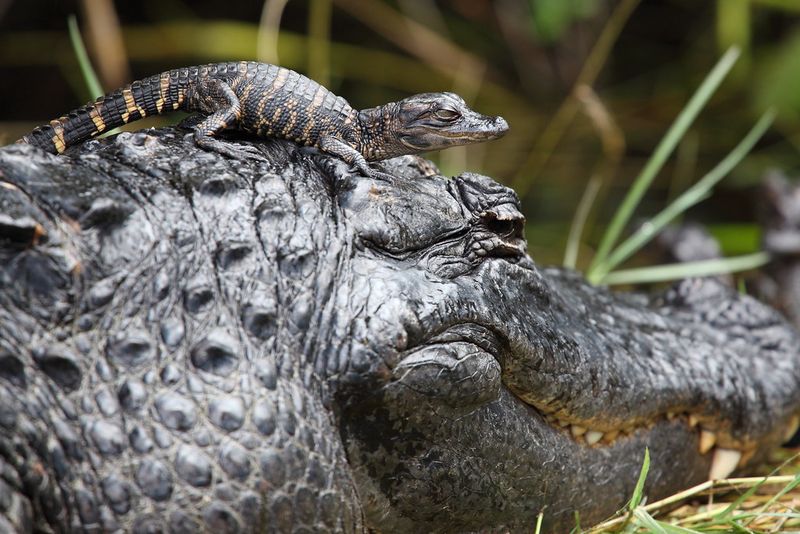
Moving out of the house at age one sounds wild for a human. For a young alligator, though, sticking around for a few years is perfectly normal.
Hatchlings commonly live near their mother for at least one full year. Some hang around for up to three years before heading off to find their own space.
During this time, the babies form small groups called pods. A pod is like a club of siblings that floats, basks, and hunts bugs together.
Staying close to mom and each other makes life safer. More eyes mean faster warnings, and mom’s presence keeps many hungry animals away.
These youngsters grow quickly, too. Most add about a foot of length each year, so a pod can include babies of different sizes.
If you live near a pond, you might notice the same little group showing up season after season. Watching them grow can feel a bit like following a nature show from your backyard.
Try keeping a simple journal with dates and rough sizes you observe from a safe spot. It is a fun way for kids to learn about growth and patience.
Just keep in mind that a pod rarely means the babies are alone. Somewhere close, a grown-up gator is still on babysitting duty.
6. Hatchlings Are Only 6 To 8 Inches Long
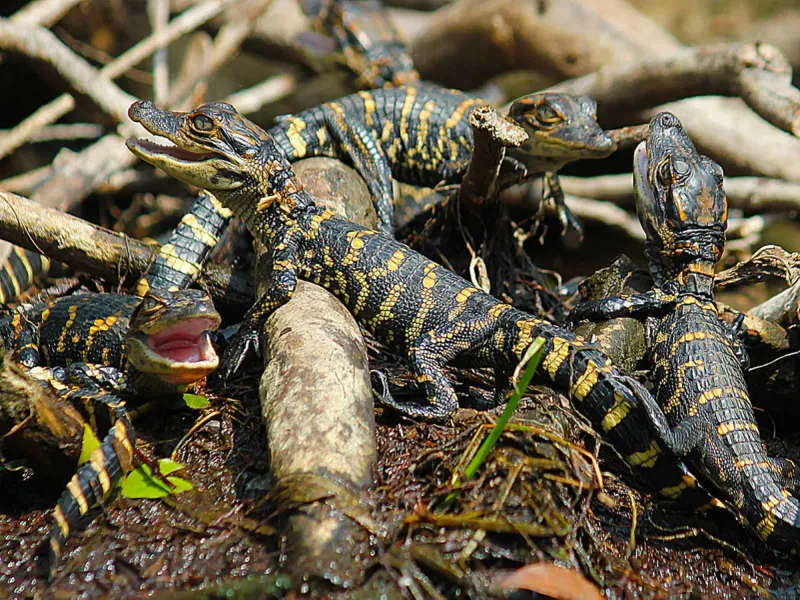
Grab a regular school ruler and look at it for a second. A brand-new baby alligator is about half to two-thirds of that length.
Hatchlings measure roughly 6 to 8 inches long. They weigh only a few ounces, which is lighter than a can of soda.
That tiny size is hard to believe when you think about grown gators. Adult males in Florida can stretch past 11 feet, so these babies have a lot of growing ahead.
Baby alligators also wear a striking outfit. Their bodies show bold yellow and black stripes that help them blend in with grass, shadows, and sunlight on the water.
This camouflage is their first line of defense. When they hold still among the reeds, they can be very tough to spot.
For people, that means a baby gator could be closer than you think. Watch where you step along muddy edges and thick plants near ponds.
The stripes slowly fade as they get older. Over time, the skin turns the darker gray-green color most people picture.
So if you see something small and stripy wiggling at the shore, you have likely found a hatchling. Enjoy the rare sight, but resist the urge to pick it up.
7. Few Babies Make It To Their First Birthday
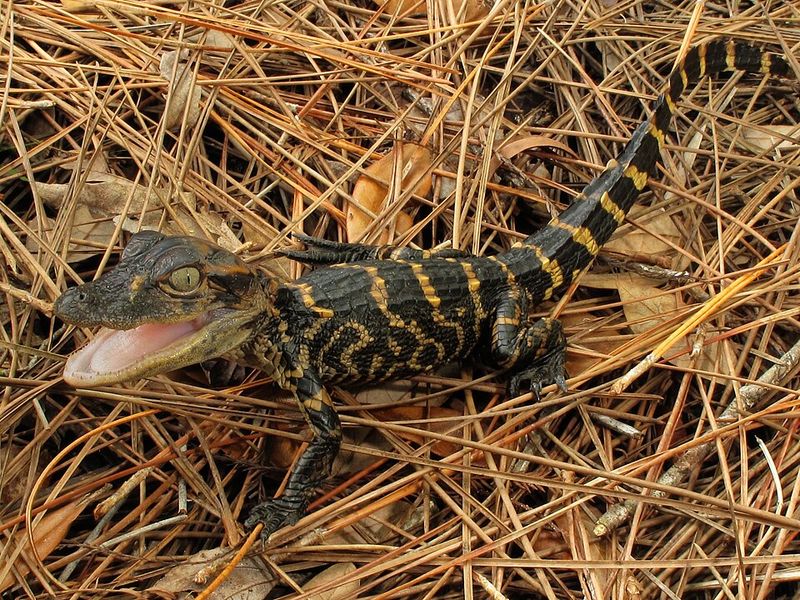
Here is a tough number to swallow. Out of an average nest of eggs, only about 10 babies are expected to reach their first birthday.
Life in the swamp is full of hungry neighbors. Raccoons, otters, wading birds, big fish, and even larger alligators all see hatchlings as a snack.
Experts estimate that up to 80 percent of young gators get eaten by predators. That explains why moms work so hard and why babies stick together.
Trouble can start even before hatching. About one-third of nests are harmed by predators or by floods that soak the eggs.
Out of a typical clutch of around 35 eggs, only 2 or 3 may grow all the way into adults. Every big gator you see is a true survivor.
This is a great lesson in how nature balances itself. Laying many eggs helps make up for all the dangers waiting outside the nest.
It also shows why people should leave babies alone. Picking them up or moving them can separate them from mom and lower their already slim chances.
Next time you spot a hatchling, give it a quiet cheer from afar. It is beating some serious odds just by being there.
8. Keep Your Distance And Never Feed Them
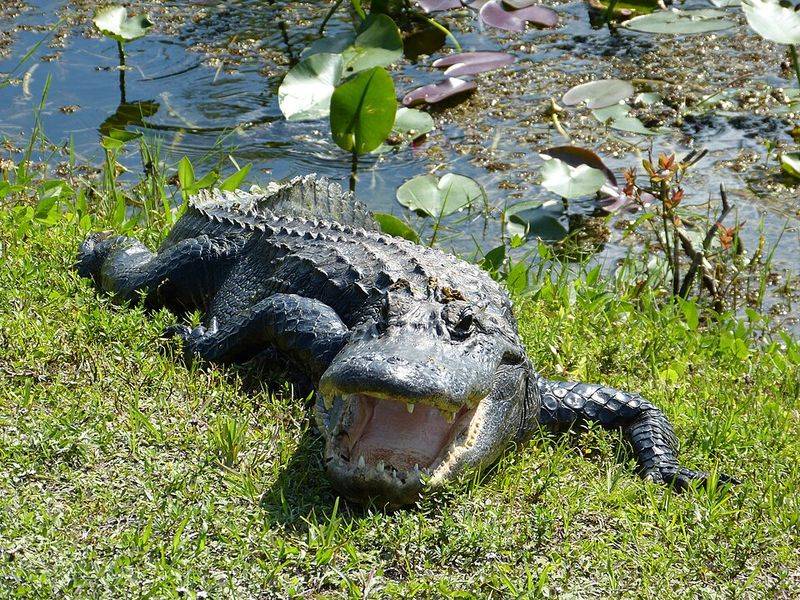
Tossing a bit of bread to a cute baby gator might seem kind. In Florida, though, feeding alligators is against the law, and for good reason.
When gators get fed, they can lose their natural fear of people. They start linking humans with food, which can lead to risky run-ins later.
A baby that learns this habit grows into a large adult with the same idea. That is a problem nobody wants in their neighborhood.
Florida law also makes it illegal to bother or keep alligators. So no taking a hatchling home as a pet, no matter how tiny it looks.
Families can stay safe with a few smart habits. Keep a close eye on kids near water, and hold pets on a leash away from the edge.
Dogs and cats can look a lot like natural prey to a gator. A short leash gives you control if something moves in the water.
Swim only in marked areas and during daylight hours. Alligators are most active from dusk to dawn, so evening dips in ponds are a bad bet.
A good rule of thumb is to stay at least 30 feet back. Use your phone’s zoom and let these reptiles keep their wild instincts.
9. Call 866-FWC-GATOR About Alligators That Pose A Threat
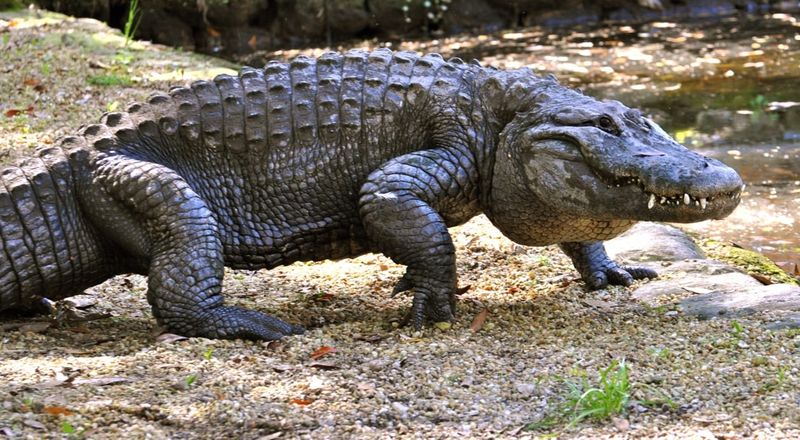
Spotted a gator lounging by your pool or chilling on your porch? Before you panic, know that Florida has a hotline built just for moments like this.
The Florida Fish and Wildlife Conservation Commission runs a Nuisance Alligator Hotline. The number is 866-FWC-GATOR, which spells out 866-392-4286.
Calls go to the Statewide Nuisance Alligator Program, often called SNAP. The agency can send a trained, contracted trapper to check the situation and handle it safely.
Generally, a gator counts as a nuisance if it is at least 4 feet long. It also has to seem like a threat to people, pets, or property.
Smaller gators can still need help sometimes. One stuck in a swimming pool, garage, or porch is in the wrong place, no matter its size.
A baby chirping happily in a natural pond usually does not need a call. Hatchlings near water are simply living their normal lives with mom close by.
Save the number in your phone now so it is ready when you need it. Older kids can learn it too, along with the rule to tell an adult first.
Calling the experts keeps everyone safer, including the alligator. Trying to handle one yourself is risky and against the law.