Top Low-Maintenance Shrubs To Plant During Fall In Pennsylvania
The best shrubs are the ones you hardly have to think about. They don’t need constant pruning, daily watering, or a closet full of sprays.
They simply grow, bloom, and look good year after year. For busy Pennsylvania homeowners, that kind of plant is worth its weight in mulch.
Fall is the perfect time to add a few to your yard. Cooler temperatures ease the stress of transplanting, while the soil stays warm enough for roots to keep growing until the ground freezes.
By the time spring arrives, your new shrubs have a solid foundation and are ready to take off.
The right choices can handle cold winters, humid summers, and the occasional dry spell without much help.
Many also bring flowers, berries, or fall color, and some even attract birds and pollinators. A little planting now can mean a lot less work for years to come.
1. Ninebark Brings Bold Color Without The Fuss
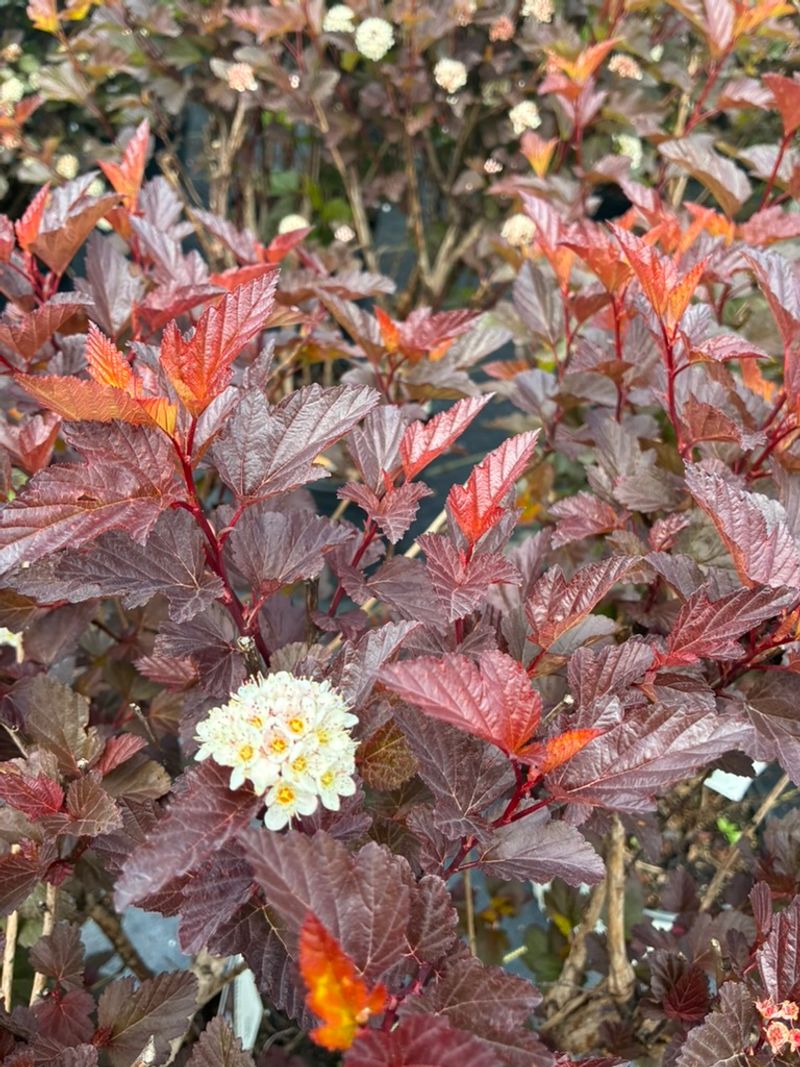
Some plants act like they were built for tough jobs, and ninebark is one of them. Heat, drought, heavy clay, and freezing Pennsylvania winters barely bother it. You can plant it and almost forget about it.
The name comes from its bark. As the shrub ages, the bark peels away in thin, papery layers. People once joked that it had nine layers to shed, and the name stuck.
Ninebark grows wild across much of the eastern United States, including Pennsylvania. Because it is native, it already knows how to handle our wet springs and hot Julys.
Bees love its small white or pink flower clusters in late spring. After the flowers fade, reddish seed pods add even more interest.
The real star is the foliage. Varieties like Diabolo have deep burgundy leaves. Others, such as Coppertina, glow with copper tones, while Dart’s Gold shines bright yellow.
These colors last from spring all the way into fall, so you get a show even when nothing is blooming.
Planting in fall is easy. Dig a hole twice as wide as the root ball and just as deep. Water it well once a week until the ground freezes. Add a few inches of mulch to keep the roots cozy.
Pruning is rarely needed. If the shrub gets too big, trim a few of the oldest stems right after it flowers. Some gardeners cut it back hard every few years to refresh it, and it bounces back quickly.
Full sun gives the best leaf color, though it handles some shade. Most types grow five to eight feet tall, but compact versions like Little Devil stay around four feet, perfect for small yards.
2. Black Chokeberry Feeds Birds And Glows Red
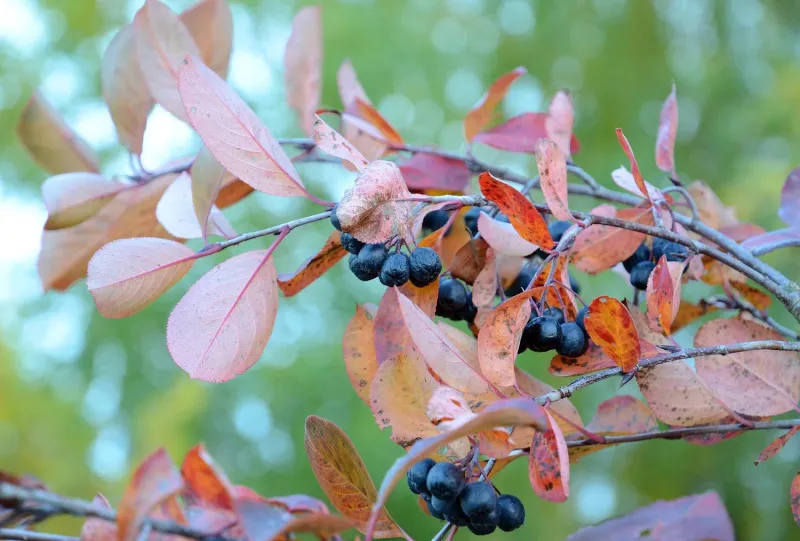
Don’t let the name scare you off. Black chokeberry, also called aronia, is a friendly shrub that fits into almost any yard. The berries are just very tart, which is how it got that odd name.
Here’s what makes it special. It grows in wet soil, dry soil, and everything in between. Many shrubs sulk when their roots stay soggy, but chokeberry doesn’t seem to care. That makes it a great choice for rain gardens or low spots in the lawn.
Your Pennsylvania Garden Changes Every Week. Your Plan Should Too.
Gardening in Pennsylvania changes quickly throughout the season. Every Friday you’ll receive a simple weekly plan showing exactly what to plant, prune, fertilize, harvest, and protect so you never miss the right timing.
It also has very few pest problems. You won’t need to spray it or worry much about bugs. Deer may nibble now and then, but it usually recovers fast.
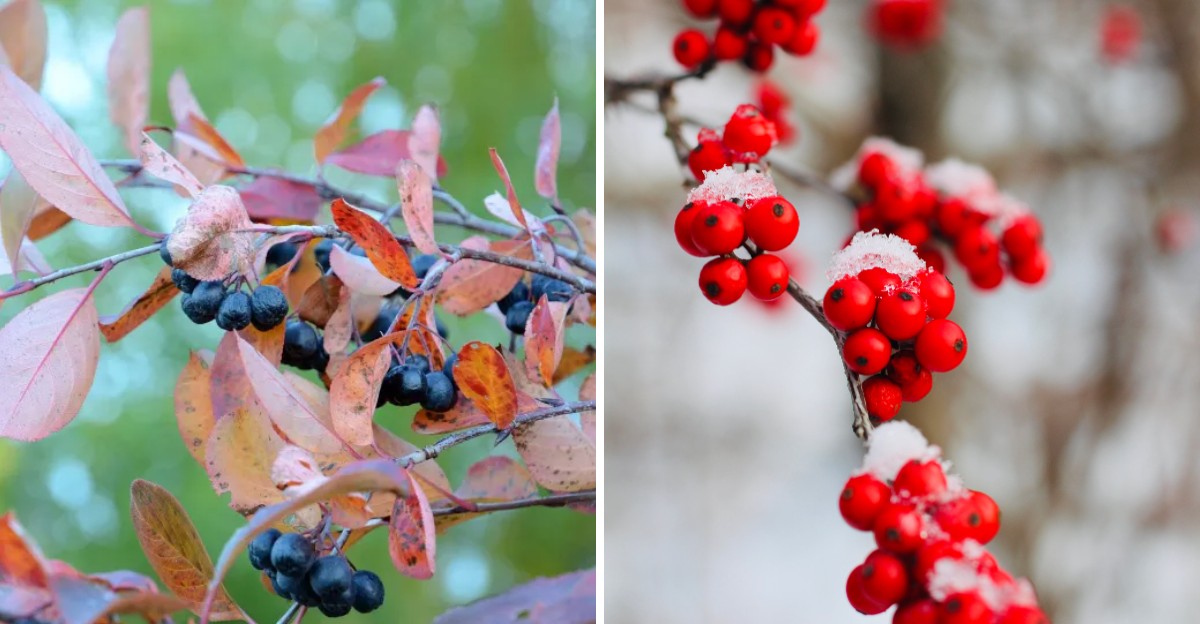
Each season brings something new. In spring, small white flowers cover the branches. By late summer, glossy black berries appear in clusters. Then fall arrives, and the leaves turn a brilliant red that can rival any maple tree.
Birds are big fans of those berries. They often wait until winter to eat them, when other food is hard to find. So your shrub becomes a winter snack bar for cardinals, robins, and other visitors.
Fun fact: aronia berries are packed with antioxidants. Some people bake them into muffins or make jam, usually mixed with sweeter fruit.
Most types grow three to six feet tall and can spread by sending up new shoots. If you want something smaller, try Low Scape Mound or Ground Hug. These compact varieties stay tidy and work well along walkways or in front of taller plants.
Plant it in sun or part shade. Full sun gives the best berries and the brightest fall color. Water it often during its first fall, then let nature take over.
3. Smooth Hydrangea Shrugs Off Hard Winters
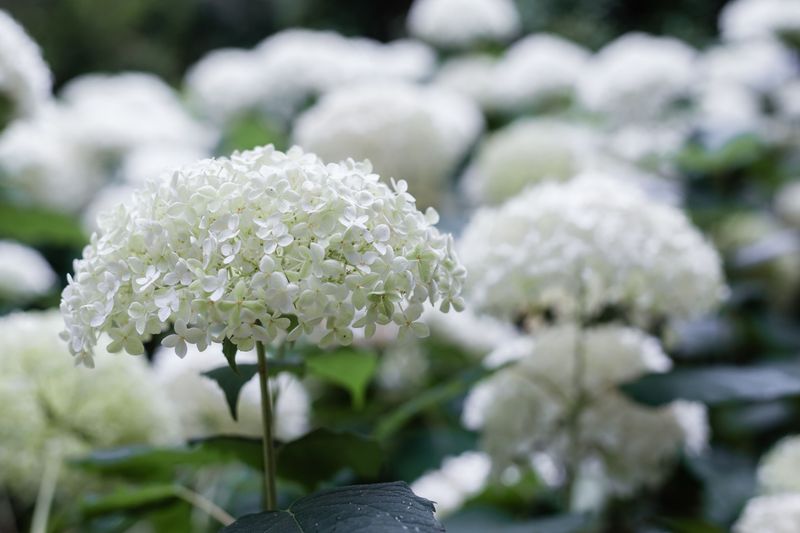
Ask any longtime gardener in Pennsylvania about Annabelle, and you’ll probably see a smile. Those giant white snowballs of flowers are a summer classic. They have brightened porches and backyards for generations.
Annabelle is a type of smooth hydrangea, a shrub that grows wild in our state’s woods. It has been a garden favorite since the 1960s, when it was found growing in Illinois. Since then, it has spread to yards all over the country.
The best part is how forgiving it is. Smooth hydrangea blooms on new growth, which means flowers form on stems that grow in the same year.
A brutal winter can freeze the branches, and you’ll still get blooms. Even if you prune at the wrong time, it won’t skip a season.
That’s a big deal. Some hydrangeas lose their flower buds to cold weather or bad pruning. With this one, you can relax.
Flower heads can reach ten inches across. They start lime green, turn bright white, and then fade to soft green again. Many people cut them to dry for indoor displays.
Care is simple. Give it morning sun and afternoon shade. Keep the soil moist, especially during hot spells, since the leaves droop when thirsty. They perk right back up after a drink.
In late winter or early spring, cut the stems down to about a foot tall. That’s it. The shrub will regrow quickly and bloom by early summer.
If heavy blooms flop over after rain, look for newer types like Incrediball. Their stronger stems hold up those big flowers. For a pink twist, try Invincibelle Spirit, which also helps support breast cancer research with each sale.
4. Panicle Hydrangea Loves The Sunshine
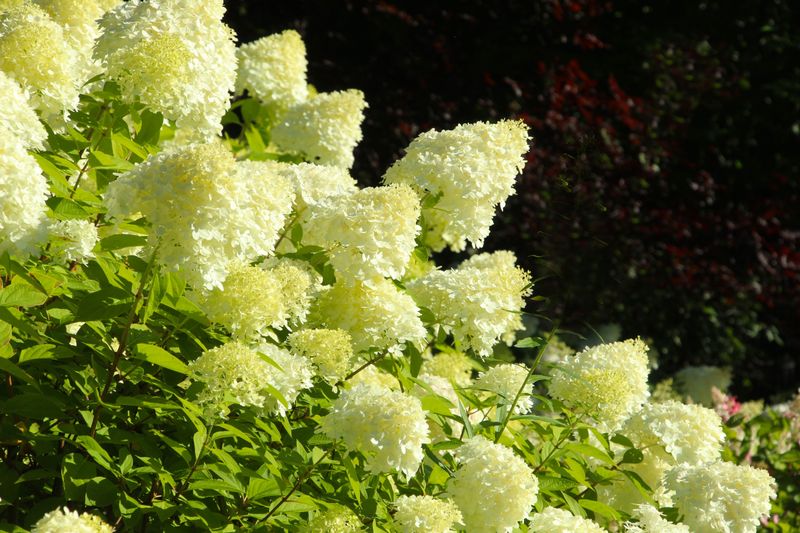
Have you ever tried growing hydrangeas and ended up with lots of leaves but no flowers? Panicle hydrangeas might be the answer. They are often called the easiest hydrangeas you can grow.
Limelight is the most famous variety. Its flowers are shaped like big cones instead of round balls.
They open a cool lime green in midsummer, turn creamy white, and then blush pink as fall arrives. One shrub changes its look for months.
Unlike many of their cousins, panicle hydrangeas enjoy the sun. They can handle six or more hours of direct light each day. That makes them perfect for open front yards where other hydrangeas might wilt and scorch.
They also bloom on new wood. Cold winters won’t wipe out the flowers, and pruning mistakes are easy to forgive. You get blooms every single year.
Fall planting gives roots a strong head start. Choose a sunny spot with soil that drains well. Water deeply once a week until the ground freezes, then let winter do its thing.
Pruning is easy too. In late winter, cut the stems back by about one third. You can also leave the dried flowers on through winter. They look lovely with a dusting of snow.
Size options are wide. Full-size Limelight can reach eight feet tall. If space is tight, Little Lime stays around four feet, and Bobo is even smaller at about three feet.
Here’s a neat bonus. Some panicle types can be trained into small trees with a single trunk. They make a striking focal point near a patio or front door.
Deer may nibble them, so a little repellent spray can help if they visit your yard often.
5. Spicebush Shines In Shady Spots
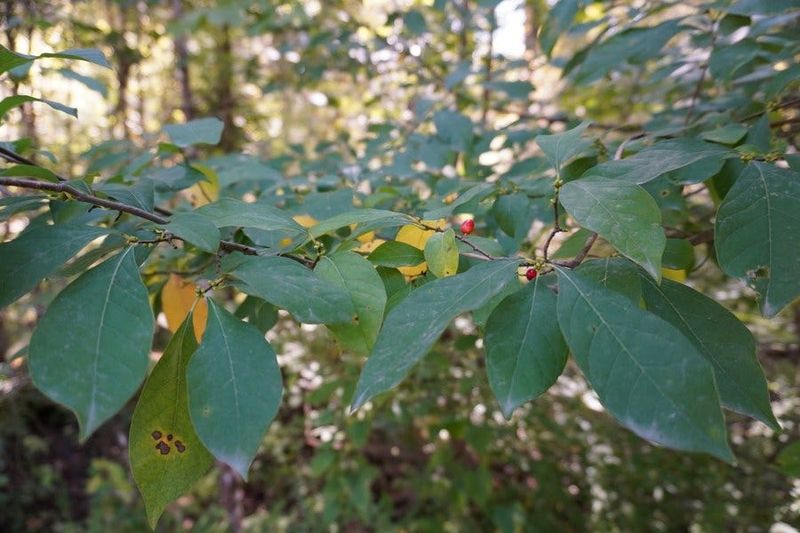
Crush a leaf from a spicebush, and you’ll smell something fresh and lemony with a hint of spice.
That scent is a fun surprise for kids and grown-ups alike. It is also one of many reasons to love this native shrub.
Spicebush grows naturally in the damp, shady woods of Pennsylvania. If your yard has big trees and you struggle to find plants that thrive under them, spicebush is a great match. It handles shade like a champ.
Deer usually leave it alone too. They don’t seem to like that spicy flavor. For gardeners tired of watching shrubs get chewed down, that is welcome news.
Early spring brings tiny yellow flowers before the leaves appear. They are small but cheerful, often blooming when little else is awake. In fall, the leaves turn a rich golden yellow that lights up shady corners.
Female plants also make shiny red berries. Migrating birds like thrushes and catbirds gobble them up to fuel long trips south. Plant a male nearby to make sure the berries form.
Did you know? Spicebush is the main host plant for the spicebush swallowtail butterfly. Its caterpillars look like tiny snakes with big fake eyes to scare away predators. Finding one on your shrub is a real treat.
Care could not be easier. Spicebush rarely needs pruning because it grows into a natural rounded shape. It usually reaches six to twelve feet tall, so give it some room.
Plant it in fall in moist, rich soil. Add mulch made from shredded leaves to mimic its forest home. Water during dry stretches the first year, and after that, it mostly takes care of itself.
6. Winterberry Holly Lights Up Snowy Days
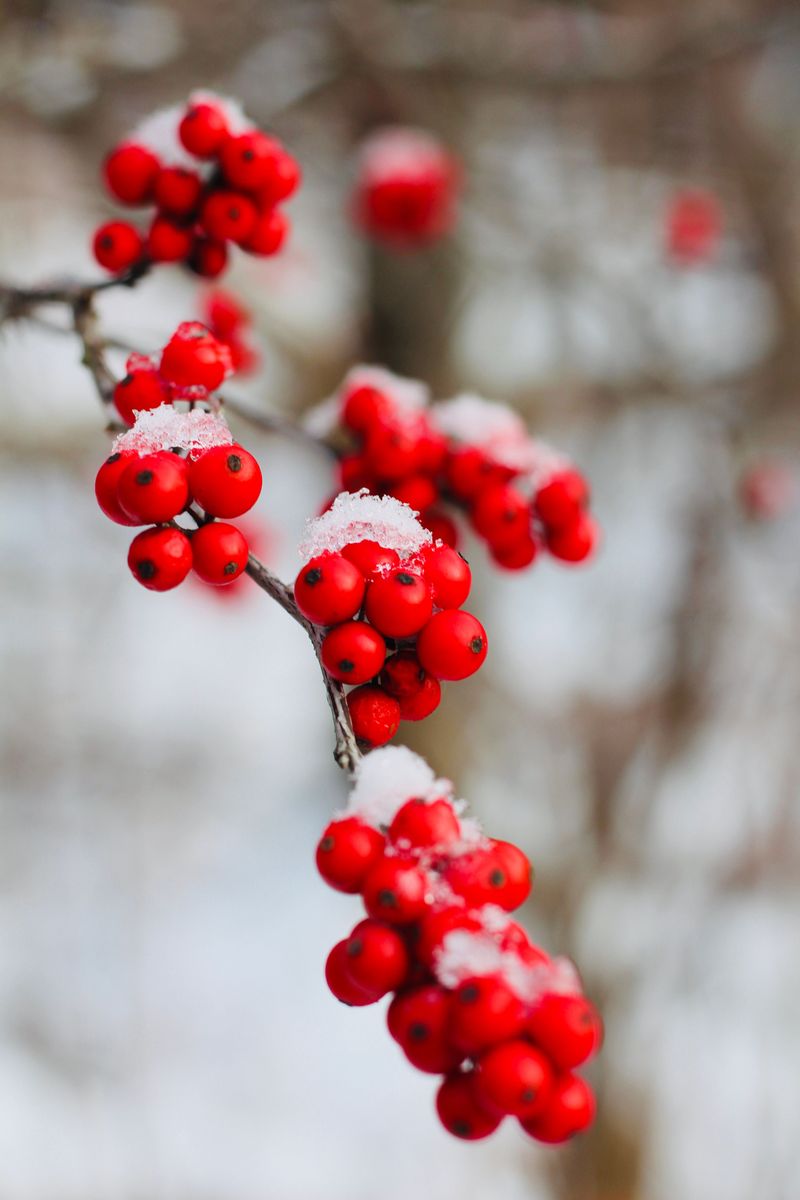
When the gardens go gray in December, winterberry holly steps into the spotlight. Its bare branches are covered in bright red berries. Against fresh snow, the view is pure magic.
Most people think of holly as a shrub with spiky green leaves. Winterberry is different. It drops its leaves in fall, which lets the berries take center stage all winter long.
Got a soggy spot in your yard? Winterberry will be thrilled. It naturally grows in swamps and along streams across Pennsylvania, so wet soil is home sweet home. Many shrubs struggle in those areas, but this one thrives.
It also grows well in regular garden soil, as long as it doesn’t dry out too much. Sun or part shade both work, though more sun means more berries.
There’s one trick to remember. Winterberry plants are either male or female, and only females make berries. You’ll need at least one male plant nearby for pollination. One male can serve up to ten females, so it’s not hard.
Nurseries often sell matching pairs. For example, Red Sprite is a compact female, and Jim Dandy is a male partner that blooms at the same time. Ask for help if you’re unsure.
Birds appreciate the berries later in winter, once other food runs low. Bluebirds, robins, and cedar waxwings may stop by for a snack.
Many folks cut a few branches to decorate wreaths, porches, and holiday tables. It’s a free and festive bonus.
Care is minimal. Water during dry spells, especially the first year. Prune only to remove old or crossing branches in early spring. Otherwise, let it grow naturally and enjoy the show.
7. Dwarf Fothergilla Packs Big Color In A Small Size
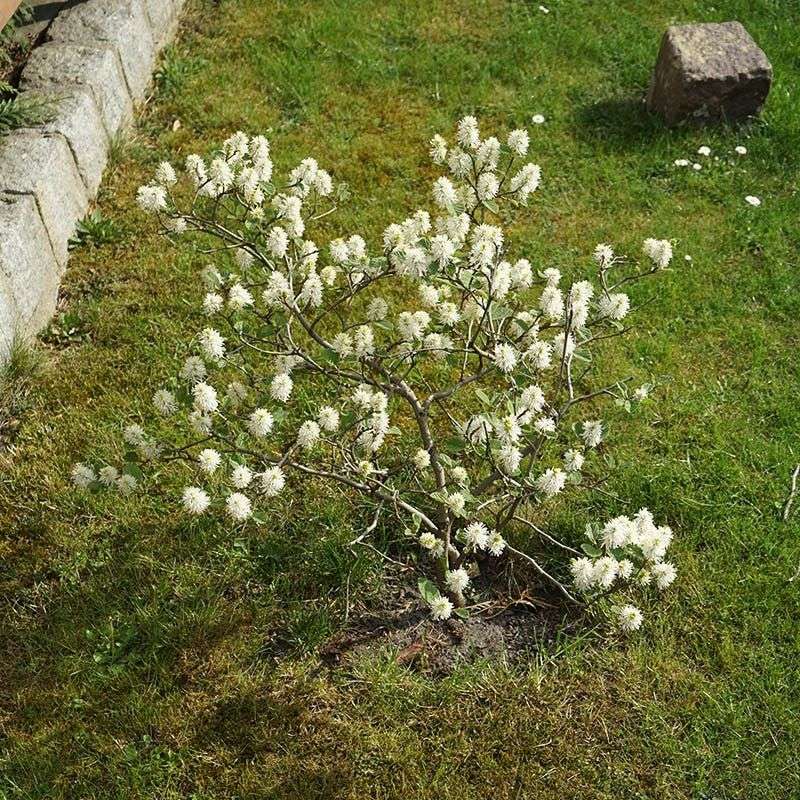
Small yard? Big dreams? Dwarf fothergilla might be the perfect fit. It stays compact but delivers the kind of color you’d expect from a much larger plant.
Most dwarf fothergillas grow only two to four feet tall and wide. That makes them ideal for front beds, foundation plantings, or tight corners near the patio. You won’t have to keep chopping them back to fit the space.
Spring kicks off with white flowers that look like tiny bottlebrushes. They have a sweet, honey-like scent that drifts on warm days. Bees and early butterflies come running for the nectar.
Fall is when this shrub really shows off. The leaves turn a mix of yellow, orange, and fiery red, sometimes all on the same branch. It looks like a little bonfire in your garden. Few shrubs match that kind of autumn display.
Fothergilla is native to the southeastern United States, but it grows very well in Pennsylvania. It was named after John Fothergill, an English doctor who collected American plants in the 1700s.
Pests and diseases rarely cause trouble. You won’t need sprays or special treatments. That is a huge relief for busy gardeners.
To keep it happy, plant it in slightly acidic soil that drains well. Mixing in compost helps. It blooms best in full sun to part shade, and more sun usually means brighter fall leaves.
Water regularly during its first year, then only during long dry spells. Pruning is hardly ever needed because it keeps a neat, rounded shape on its own.
Try Mount Airy for a slightly bigger plant or Blue Shadow for cool, blue-green summer leaves that turn bright in fall.