How to Propagate Geraniums in Arizona’s Low Desert: A Practical Fall Window
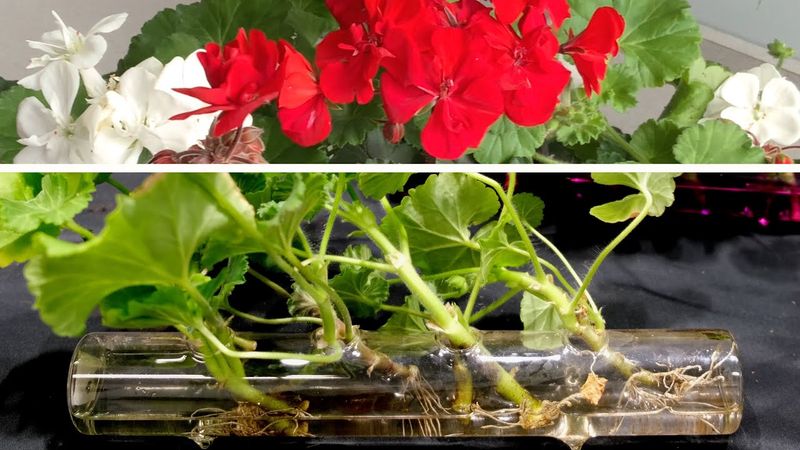
Those bright pots of geraniums on a Phoenix or Tucson patio can be turned into free new plants with just a few snips. Late summer into fall gives low-desert gardeners a handy window to make cuttings and get them ready before winter chill arrives.
A little know-how about the plant, the cutting, and the frost forecast goes a long way. Here is how to do it step by step.
Identify the plant before you take cuttings
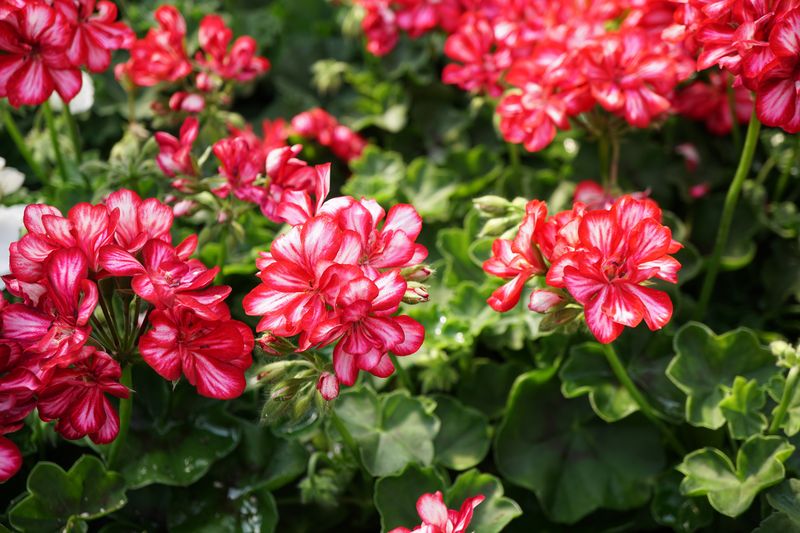
Garden centers sell many plants under the name geranium, but they are not all the same. The upright bedding plants with rounded, scalloped leaves and big flower clusters are zonal types, and the trailing ones with glossy, pointed leaves are ivy-leaved types.
Both belong to the genus Pelargonium, as described in Georgia extension guidance on geraniums.
Hardy geraniums, sometimes called cranesbills, are a different group. They are perennial border plants, and, as noted in the Royal Horticultural Society growing guide, they are grown and multiplied differently than their patio cousins.
Everything in this article applies only to Pelargonium. If your plant has a soft, juicy stem, a slightly pungent scent when you brush the leaves, and came from the bedding plant aisle, you are probably in the right place.
If you are unsure, check the plant tag for the name Pelargonium before you pick up the shears.
Why late summer into fall works in the low desert
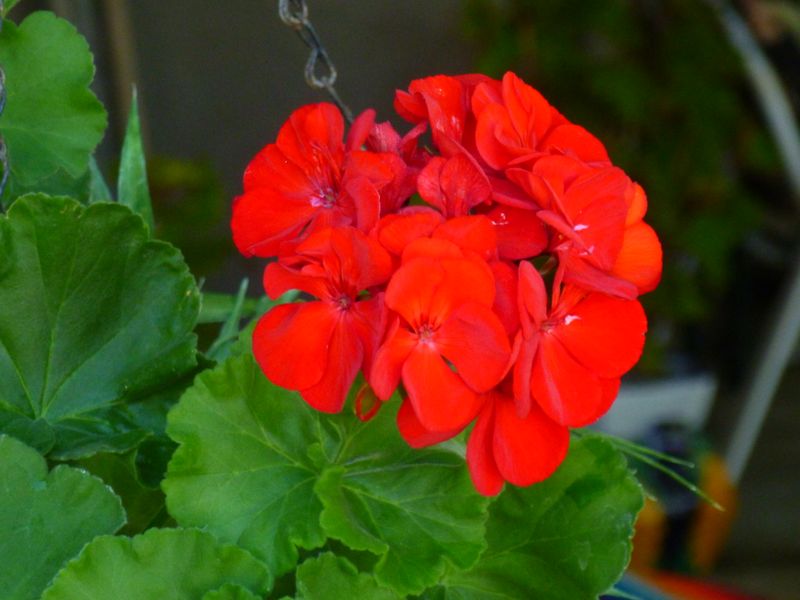
Extension guidance from Florida says Pelargonium cuttings are usually taken in late summer. In the low desert, that timing lines up with the end of the harshest heat and the start of the cool-season flower cycle described in the University of Arizona low-desert flower guide.
That overlap makes the season practical. New cuttings have weeks to root and grow before winter, so you can keep young plants on hand while the mother plants are still in good shape.
Here is the honest limit. Nothing in these sources shows that cuttings taken in fall root better than cuttings taken at other times.
Fall is simply a convenient window.
Do not mix this up with fall planting. Setting out established flowers in October, a task covered in the October garden guide for Pima County, is a separate job from making cuttings.
Also remember that this timing is for the low desert. Higher-elevation towns need their own calendar.
Select healthy stems and prepare clean cuttings
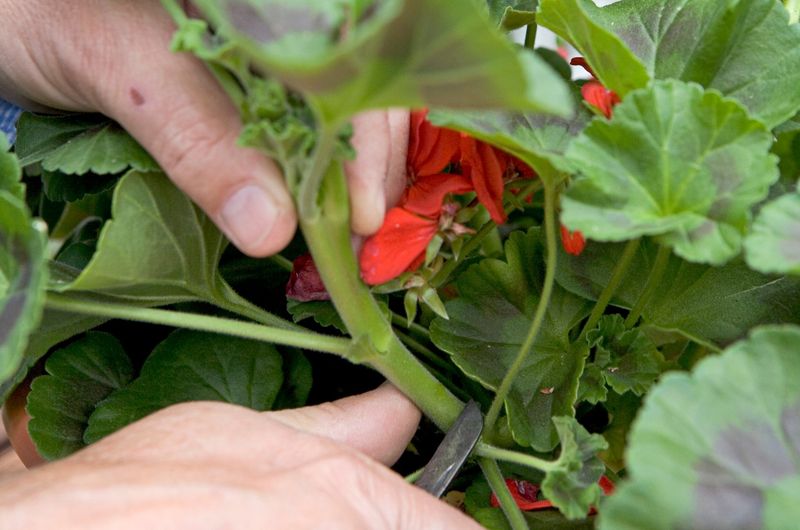
Start by picking a stem that looks strong, with firm green growth and no spots, wilting, or insect damage. A weak parent plant tends to give weak cuttings.
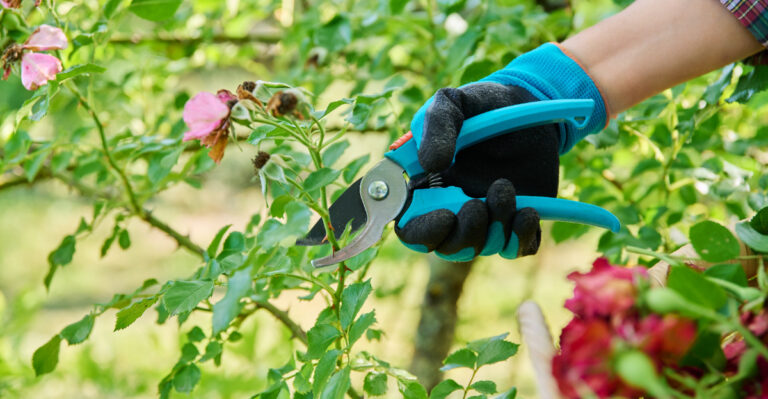
Florida extension advice calls for stems with at least three nodes, which are the small bumps where leaves attach. Snip just below a node, then strip the lower leaves so no foliage sits under or against the rooting medium.
Cleanliness matters. Wipe your shears before cutting and use fresh, sterile rooting medium straight from the bag.
Cuttings can come down with stem rot or blackleg, a problem that Georgia extension materials also describe.
Your Arizona Garden Changes Every Week. Your Plan Should Too.
Gardening in Arizona changes quickly throughout the season. Every Friday you’ll receive a simple weekly plan showing exactly what to plant, prune, fertilize, harvest, and protect so you never miss the right timing.
Clean habits lower the odds of trouble, but they are no guarantee. If a cutting turns black and mushy at the base, toss it and move on.
Taking several cuttings gives you backups.
Root cuttings in a suitable medium
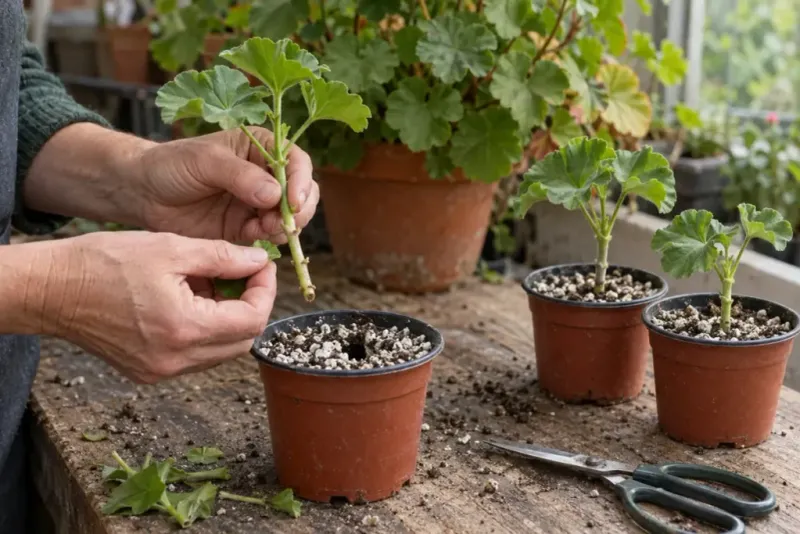
Once your cuttings are trimmed, they need a home that drains well. Florida guidance suggests rooting in vermiculite, and any clean, airy mix that sheds extra water follows the same idea.
Poke a hole first, slide the stem in, and firm the medium gently around it.
Water lightly so the mix is damp but never soggy. Soggy mix is the fastest way to invite rot.
Light is the next piece. Iowa State advice calls for bright, indirect light.
In Arizona, that usually means a spot indoors near a bright window or a covered patio, out of direct afternoon sun that can scorch tender stems.
Rooting hormone is an option, and some sources recommend it, but it is not required. Plenty of gardeners root cuttings without it.
Treat all of these steps as good habits that improve your chances, not promises.
Wait for established roots before potting up
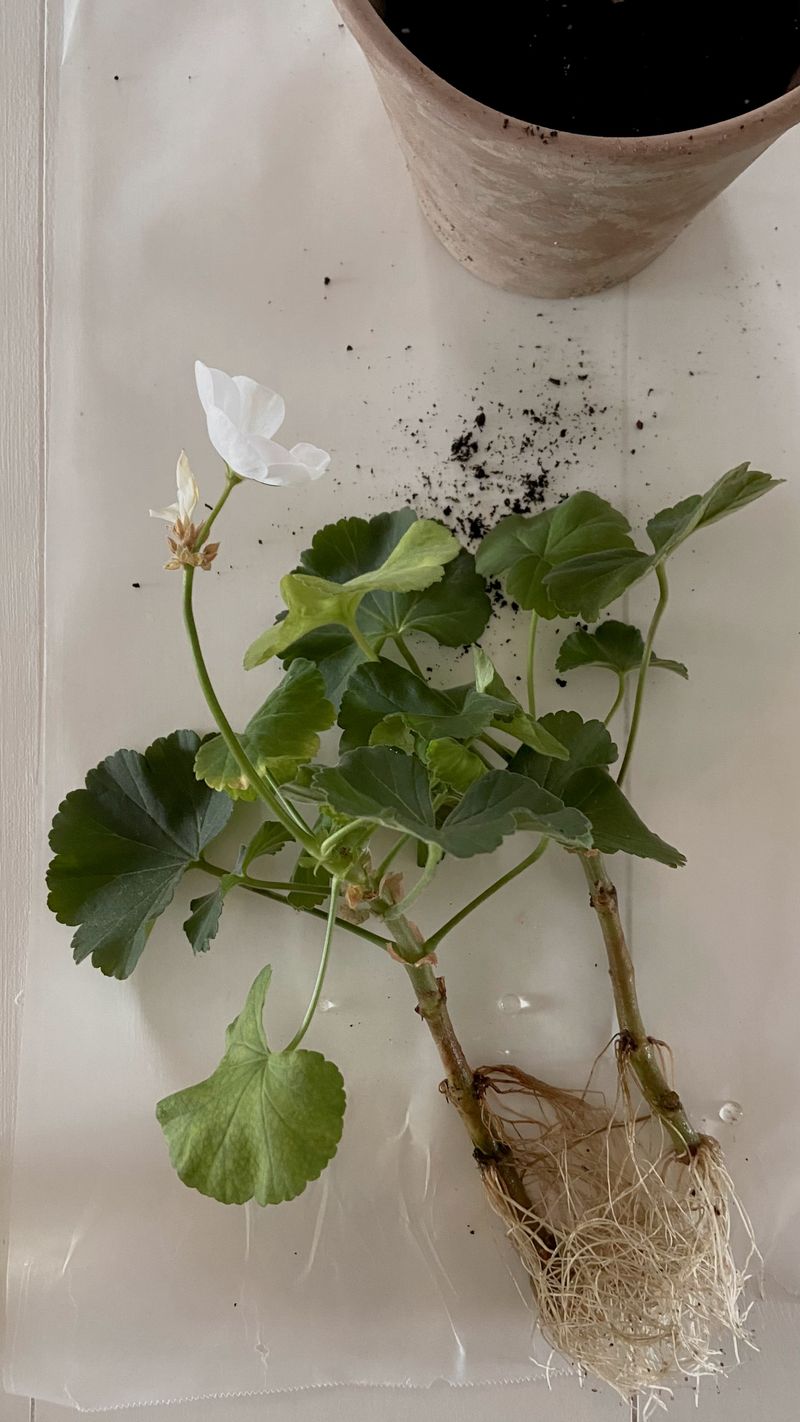
Patience pays off here, because extension sources do not agree on a single timeline. Georgia guidance points to roughly three to four weeks, while Iowa State suggests six to eight weeks.
Think of those numbers as rough expectations, not deadlines. Warmth, light, and moisture in your own setup will shift the pace.
Look for clues instead of counting days. New leaf growth at the top is a good sign.
A light tug that meets gentle resistance suggests roots have formed, and you can also tip a pot to peek at the roots.
When roots are established, move each cutting into its own small pot with fresh, well-drained potting mix. If a cutting is still floppy or has no resistance, give it more time rather than forcing the move.
Protect young plants as local frost approaches
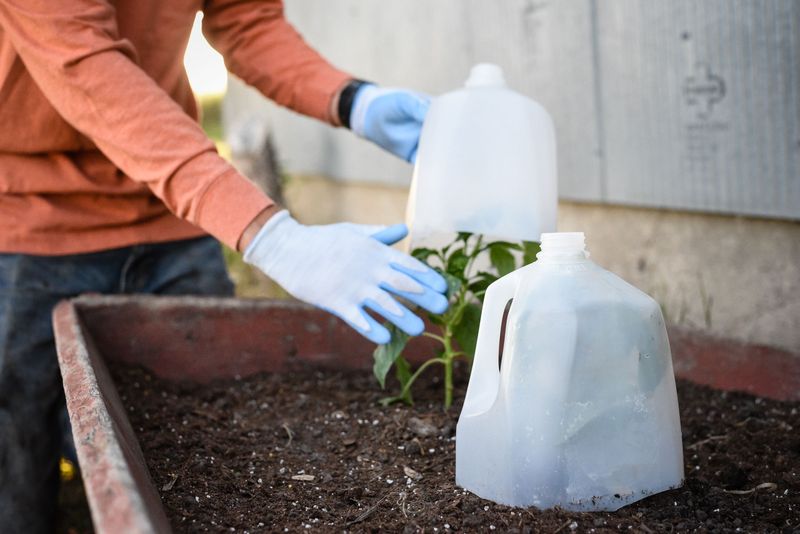
Frost is the next test for your new plants. Dates vary a lot across the state, and University of Arizona frost guidance lists average first frosts in Maricopa County from November 21 in Buckeye to December 12 in central Phoenix.
Those are averages, not predictions. A cold snap can come earlier or later, so watch your own forecast and cover or move tender plants when a freeze is possible.
Pots are handy because you can carry them under a patio roof or indoors.
Do not borrow these dates if you live somewhere higher or cooler. As the Arizona climate zones publication explains, conditions shift with elevation and microclimate, even from one neighborhood to the next.
Late summer into fall is a practical window for low-desert gardeners, not a rule for the whole state. A cutting is only as safe as its coldest night.