How Arizona Summer Heat Can Slow Geranium Blooms and Care Steps That May Help
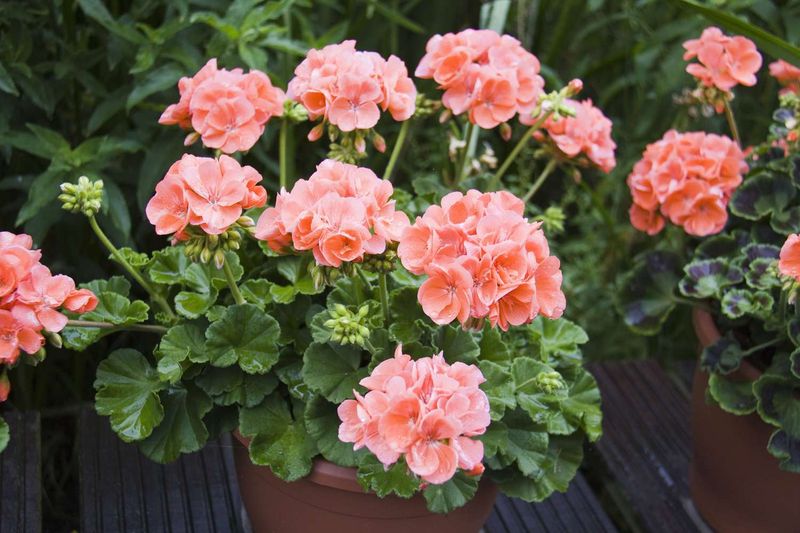
Your potted geraniums looked great in spring, and now the flowers are thinning out while the thermometer climbs past 100. Heat is a likely reason, but it is not the only one, and not every plant reacts the same way.
A few careful checks can help you support the plant through the hottest months. Then you can watch how it responds as the weather eases.
Summer heat can slow flowering
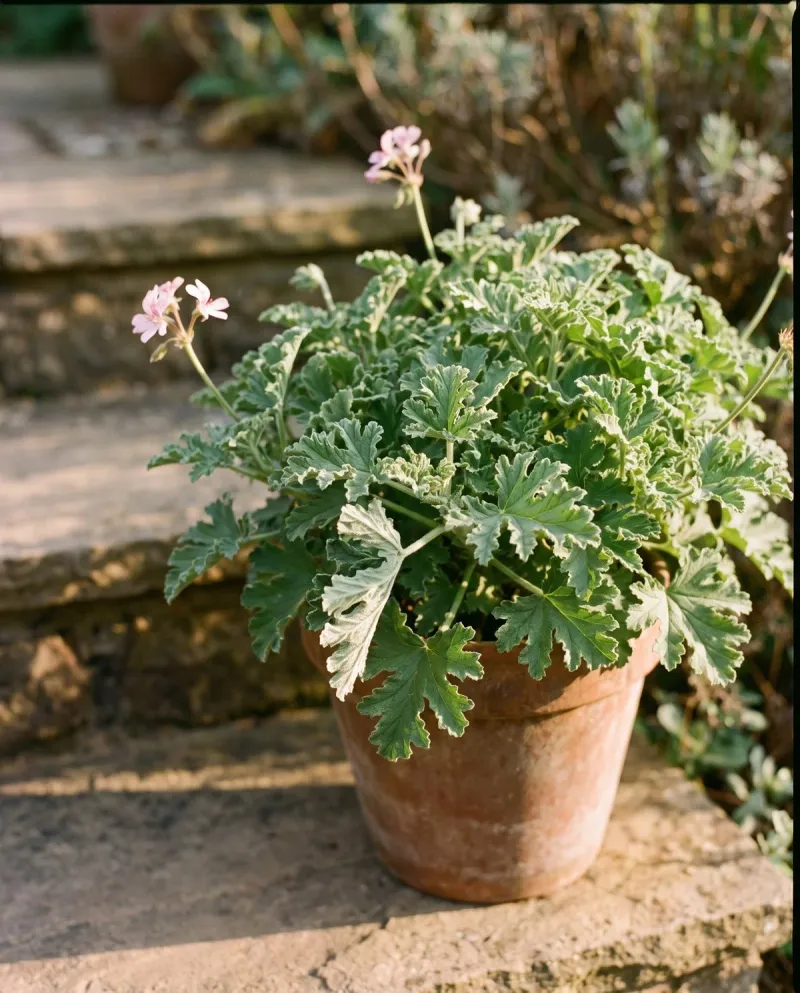
Hot weather can cut back on flowers. In a greenhouse study of Pelargonium, flowering was generally weakest in August, and high summer temperatures shortened flower stalks and reduced the number of florets on each stalk.
Warm nights matter too. University of Georgia guidance notes that blooming slows in hot weather, especially when nights stay warm.
Low-desert summers often fit that description.
Still, heat is one likely explanation for a summer lull, not a rule for every plant. Varieties differ, and some hybrids in that study handled high temperatures better than others.
Those studies were not done in Phoenix or Tucson, so they cannot give exact temperature limits or a recovery date.
Geraniums are not desert plants and they are not a low-water landscape pick. The realistic goal is to help yours get through stressful conditions without expecting an instant comeback.
Identify which “geranium” you have
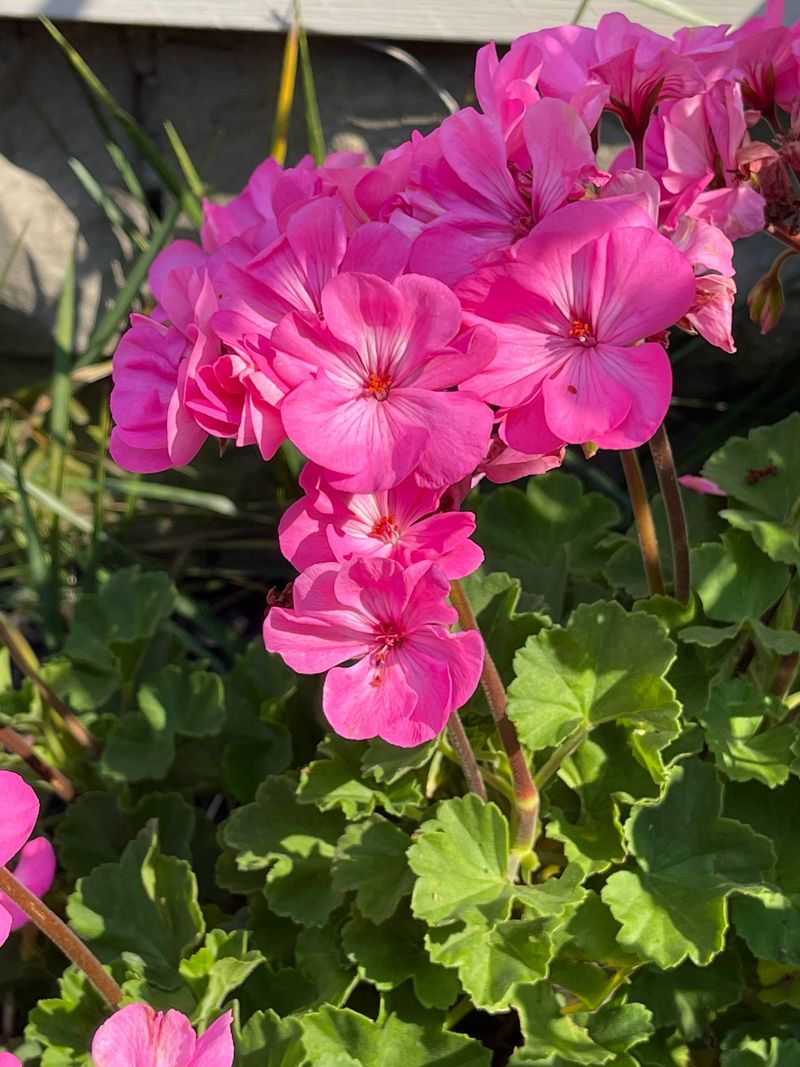
Garden centers sell many plants under one name. Most of the bright bedding and patio plants labeled geraniums are actually Pelargonium, while true hardy geraniums belong to a separate genus called Geranium, as Iowa State Extension explains.
A quick look at the plant tag helps. If it lists Pelargonium, or if you bought a round-leafed, thick-stemmed plant with big flower clusters, the advice in this article fits.
Hardy geraniums often have more deeply cut leaves and smaller, cup-shaped flowers, and their needs are not the same.
Even within Pelargonium, plants do not all behave alike. Zonal, ivy, and regal types may handle a Phoenix July differently, and individual cultivars vary too.
If you cannot identify yours, take a photo to a local nursery or a Master Gardener helpline.
Knowing what you have keeps you from applying the wrong fix to the wrong plant.
Check the root zone before adding water
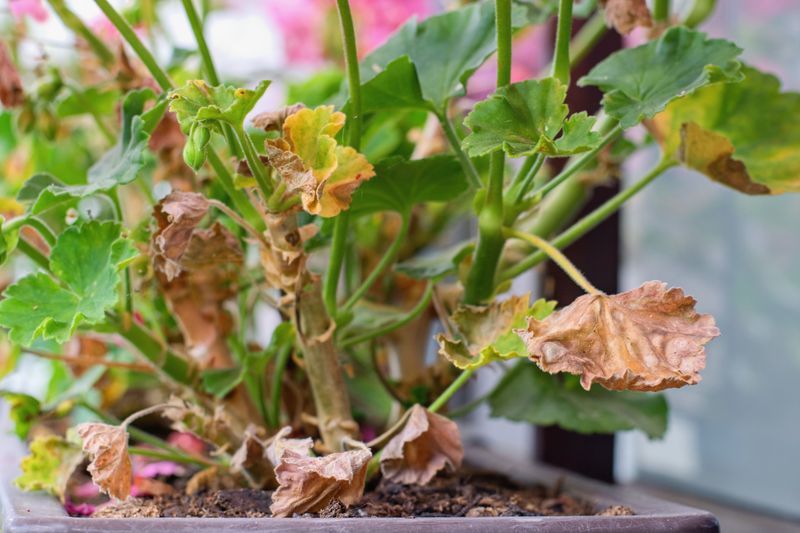
Droopy leaves and fewer flowers can look the same whether a plant is thirsty or overwatered. Before you reach for the hose, check the growing medium.
Push a finger a couple of inches into the mix and feel whether it is dry, damp, or soggy.
Arizona Extension notes that heat stress and underwatering can be hard to tell apart. Soil that stays wet is a problem of its own, since poor drainage can damage geranium roots.
Water when the medium calls for it, and let the extra drain out. Make sure the pot has open drainage holes, and empty any saucer so the pot is not standing in water.
A fixed schedule will not work here. A small pot in afternoon sun dries far faster than a large pot in shade, and conditions shift from week to week.
Your Arizona Garden Changes Every Week. Your Plan Should Too.
Gardening in Arizona changes quickly throughout the season. Every Friday you’ll receive a simple weekly plan showing exactly what to plant, prune, fertilize, harvest, and protect so you never miss the right timing.
Let the root zone tell you what the plant needs.
Protect container roots from harsh exposure
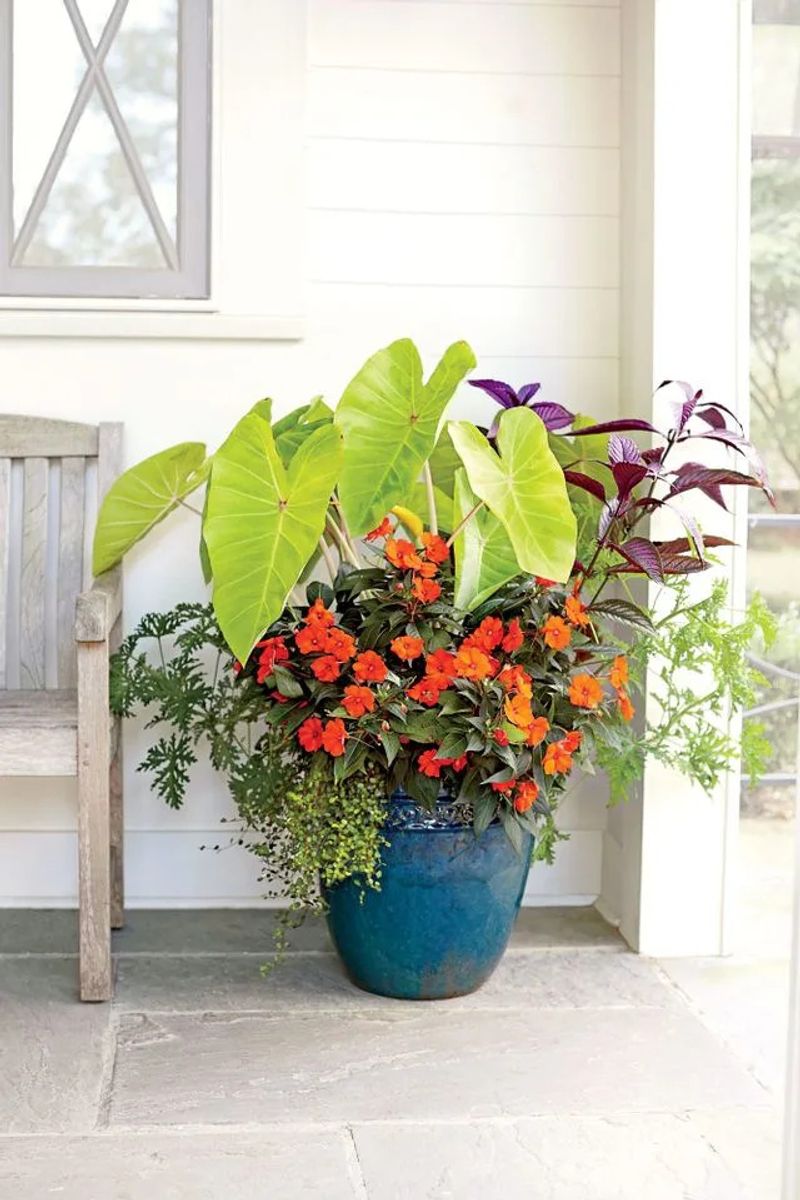
A pot sitting in full Arizona sun can get hot all the way through. The container growing medium and the roots inside it can heat up, and that adds to the strain on the plant.
Desert container gardening guidance points out this problem with full sun.
For smaller pots, the simplest step is to move them. University of Arizona Extension advises shifting small potted plants into shade during extreme heat.
Aim to cut the harshest exposure, especially hot afternoon sun, without parking the plant somewhere dark. A spot with bright morning light and shelter later in the day is a good example.
Larger pots that are hard to move may do better with a bit of shade from a nearby structure or tree.
There is no single right shade level for every yard. Shade lowers stress, but it will not trigger flowers right away, so judge success by how the plant looks over weeks.
Deadhead without expecting a heat cure
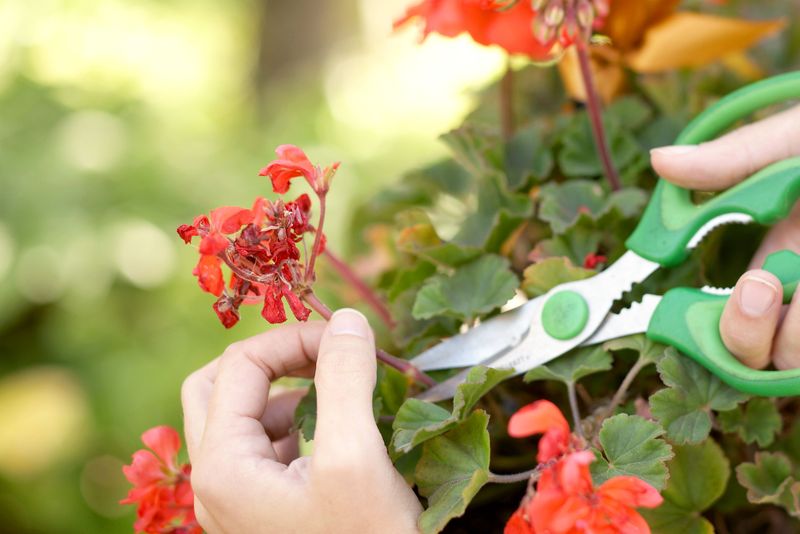
Spent flower clusters look tired and can keep the plant from looking its best. Snipping them off is still worth doing.
As Iowa State Extension notes, removing faded blooms can encourage continued flowering and improves appearance.
Follow the stalk down to where it meets the main stem and cut it there, so no bare stub is left behind. Pull off any yellow or damaged leaves while you are at it.
Do this in the cooler part of the morning when you can.
Keep expectations modest, though. Deadheading cannot overcome severe heat stress by itself.
If the plant is struggling through a 110 degree week, you may not see a new burst of flowers no matter how neatly you trim.
Think of it as routine housekeeping that supports the plant, not a cure. Pair it with the other steps in this article and let the plant set the pace.
Avoid heavy feeding during extreme heat
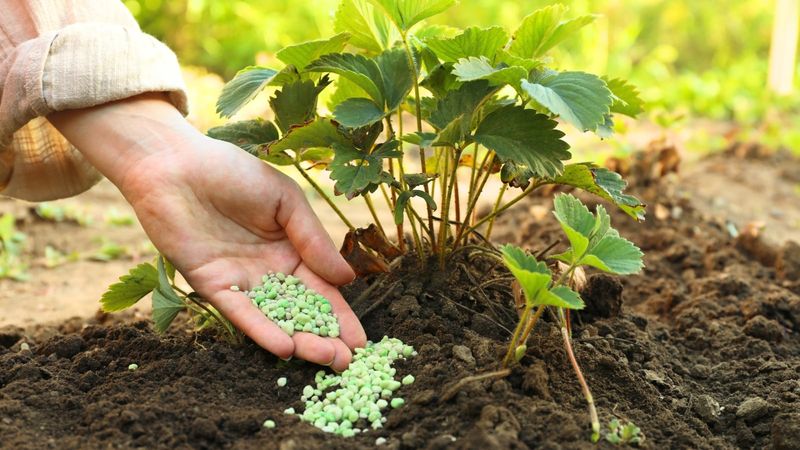
When flowers fade, it is tempting to reach for plant food. In a heat wave, that can backfire.
Arizona Extension advises minimizing or skipping fertilizer during drought and excessive heat, because it can add salts to the root zone and put more stress on the plant.
Pots are especially sensitive since the roots have limited space and salts can build up. Our local water is often mineral-rich already, so there is little room for extra.
A heavy dose will not bring blooms back. A stressed plant is not ready to use a lot of nutrients, and the extra can do more harm than good.
If you want to feed, wait until the weather eases and the plant shows fresh, healthy growth. Then a light hand is a safer choice than a strong mix.
For now, putting the focus on roots, water, and exposure is a better use of your effort.
Check for problems beyond heat stress
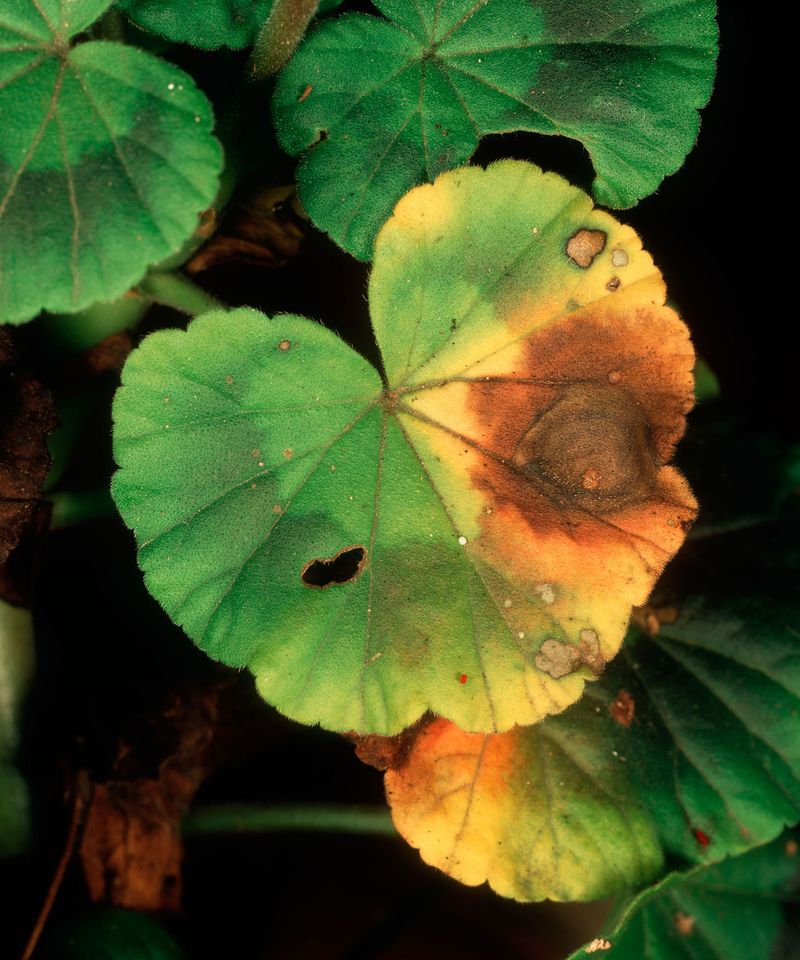
If the plant keeps declining even after you adjust water and shade, look further. Heat is a likely cause of fewer flowers, but not the only one.
Waterlogging, poor drainage, pests, and disease can all lead to weak growth and few blooms, according to University of Georgia guidance.
Some clues are worth investigating. Iowa State Extension describes soft, dark roots or stems and yellowing leaves as possible signs of rot.
Gently slide the plant out of its pot and look at the roots. Check under leaves and along stems for insects or odd spots, and note whether the soil smells sour or stays soggy.
No single symptom proves a diagnosis. Yellow leaves, for example, can come from several causes.
Treat them as a reason to look closer, and if you are unsure, a local extension office or nursery can help.
Reassess as Arizona weather cools
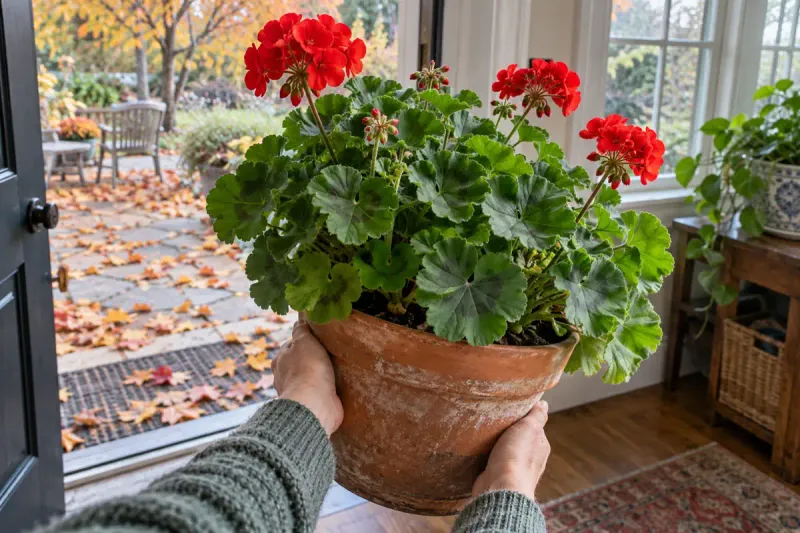
Arizona gardening follows its own calendar. Fall is when many cool-season flowers go in, and Pima County’s October guide centers on cooler-season planting while warning that frost can threaten tender plants.
That shift in conditions is the reason to look at your geraniums again once the heat eases. Cooler days and nights may improve their flowering conditions, but there is no promise of a rebound or a set date.
Frost matters for Pelargonium, since they are tender. If a cold night is forecast, plan to cover them or move pots to a protected spot.
Keep the basics steady in the meantime: check the root zone, give the plant suitable light, and avoid heavy feeding. Watch for new growth and buds, and let what you see guide your next step.
Plants do not follow our calendars, and patience is part of the care.