Virginia Gardeners Are Using Rosemary In Ways You’ve Never Thought Of
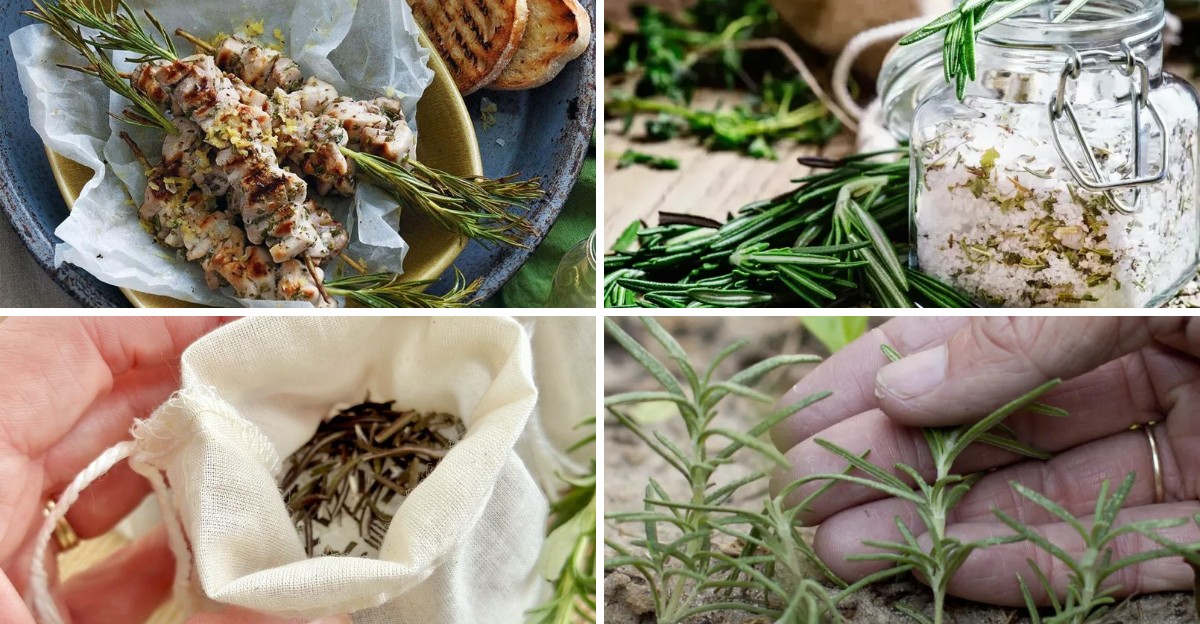
Brush your hand across a rosemary plant, and your fingers will smell like a pine forest for hours. Most people stop at tossing a sprig into a roast.
Gardeners across Virginia have figured out this tough little shrub can do far more. It shapes low hedges, keeps hungry deer guessing, and feeds sleepy bees in late winter.
Mild winters in much of the state let rosemary stay green nearly all year. It thrives in a pot on a Richmond balcony or along a sunny fence near the coast.
One healthy plant can supply your kitchen, your crafts, and your garden at the same time. It can even freshen up a stuffy closet or sock drawer.
Some of these uses are old family secrets, while others feel fresh and clever. Either way, your rosemary is about to start earning its keep.
1. Flavoring Winter Roasts And Root Vegetables
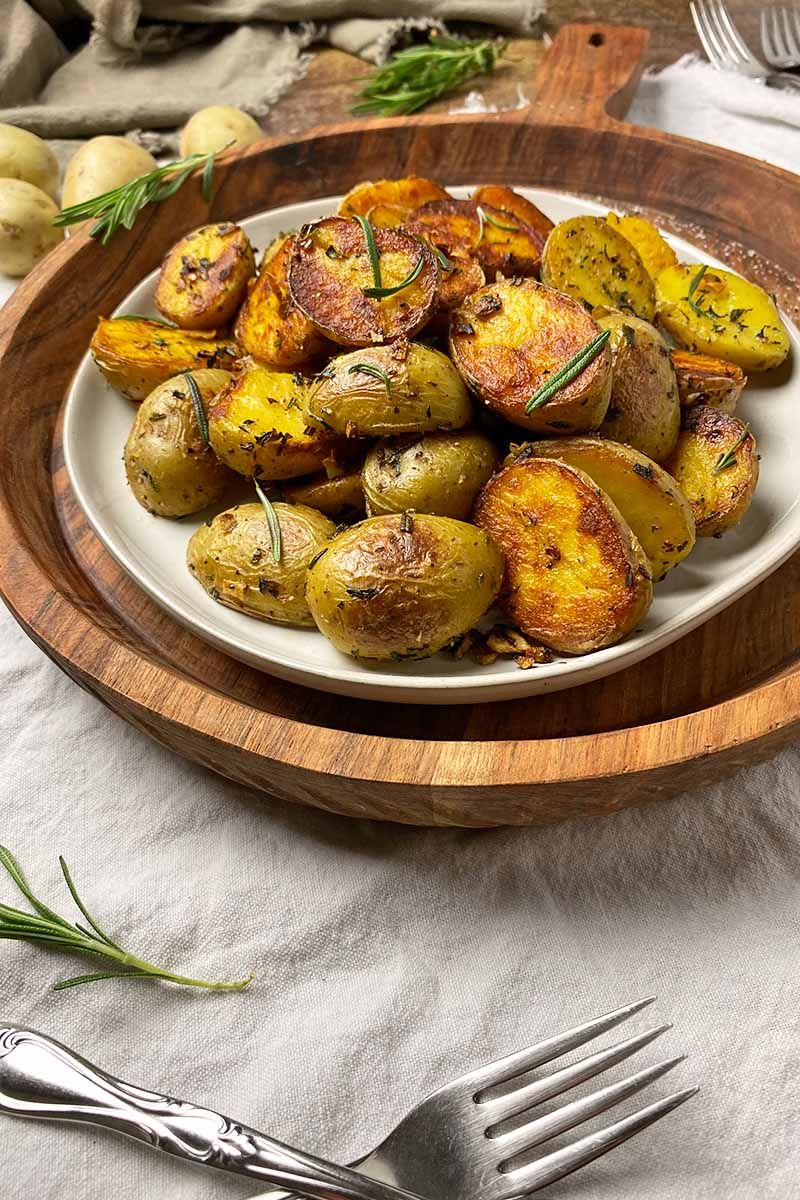
Picture a cold January evening when the oven is warm and the kitchen smells like pine and garlic. Rosemary turns plain root vegetables into a dinner people remember.
Start with carrots, parsnips, beets, potatoes, and sweet potatoes cut into even chunks. Toss them with olive oil, salt, garlic, and chopped fresh rosemary.
Roast them at about 425 degrees until the edges turn golden brown. High heat brings out natural sugars, and rosemary adds an earthy balance.
Onions, turnips, and butternut squash also make tasty additions to the pan. Mix colors and shapes for a dish that looks as good as it tastes.
Meat lovers in Virginia often use rosemary on beef chuck roasts and pot roasts. A simple rub of rosemary, garlic, salt, pepper, and oil works wonders.
Slow cooking brings even deeper flavor to tougher cuts of beef. Try braising with red wine, beef broth, and a few whole rosemary sprigs.
Whole sprigs release their oils slowly into the cooking liquid. Pull out the bare stems before serving so nobody bites into a woody twig.
Here is a handy tip for fresh leaves picked straight from the garden. Strip them by pulling your fingers backward along the stem, against the growth.
Fresh rosemary tastes milder than dried, so use about three times as much. One teaspoon of dried leaves equals roughly one tablespoon of fresh.
Snip sprigs right before cooking for the strongest scent and flavor. Your winter table will feel warmer, brighter, and a little more homegrown.
2. Drying Bundles For Year-Round Cooking
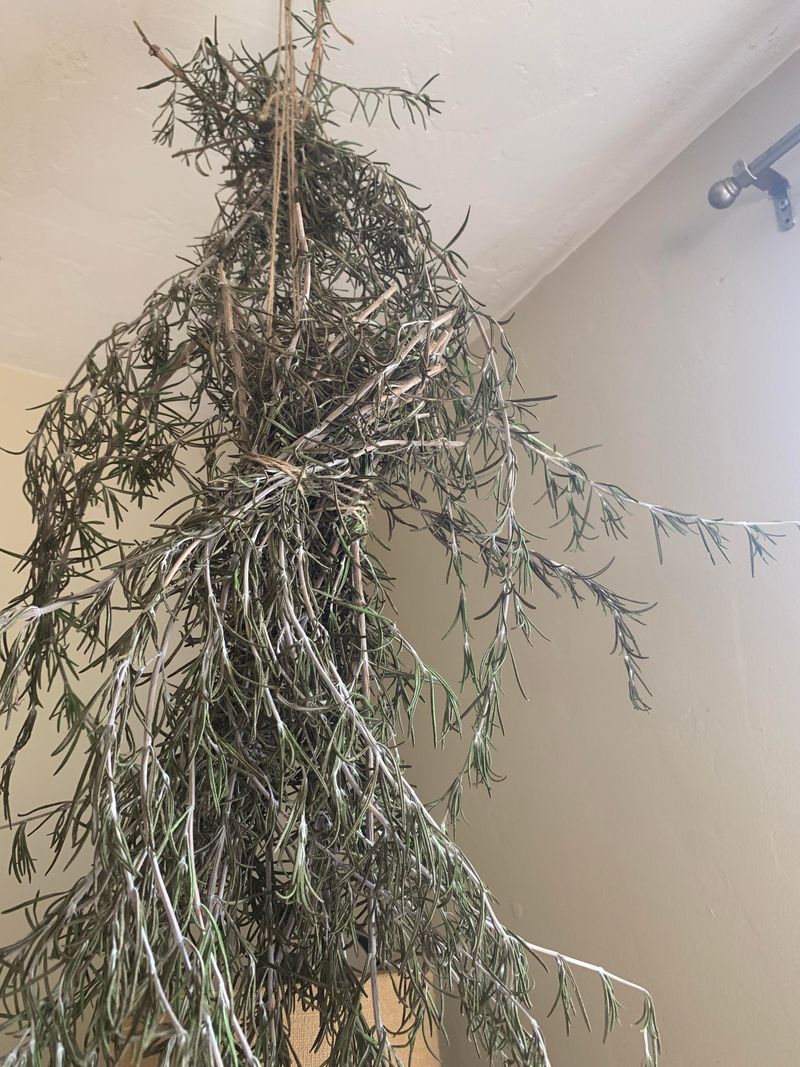
Grandmothers in the Shenandoah Valley once hung herbs from kitchen rafters like little green chandeliers. The old habit still works beautifully for rosemary today.
Drying your own harvest saves money and gives you flavor all year long. Store-bought jars often sit on shelves for months and lose their punch.
Cut healthy stems in the morning after the dew has dried. Leaves picked then hold the most fragrant oils, according to many experienced herb growers.
Gather five to eight stems into a small bundle. Wrap a rubber band around the cut ends, since stems shrink as they dry.
Hang bundles upside down in a dark, airy spot away from steam. A pantry, closet, or spare room usually works better than a humid kitchen.
Your Virginia Garden Changes Every Week. Your Plan Should Too.
Gardening in Virginia changes quickly throughout the season. Every Friday you’ll receive a simple weekly plan showing exactly what to plant, prune, fertilize, harvest, and protect so you never miss the right timing.
Virginia summers can feel sticky, so watch for mold during muggy stretches. A small fan nearby helps air move and speeds the drying process.
Most bundles are ready in about two weeks. Leaves should crumble easily and snap off the stem with a light touch.
Strip the needles and keep them whole in glass jars with tight lids. Crush them only when cooking to keep the oils locked inside longer.
Label each jar with the harvest date for easy tracking. Dried rosemary tastes best within about a year, so plan fresh batches each season.
A pretty bundle also makes a thoughtful gift for neighbors. Tie it with ribbon and add a recipe card for an extra personal touch.
3. Infusing Vinegar And Homemade Herb Salt
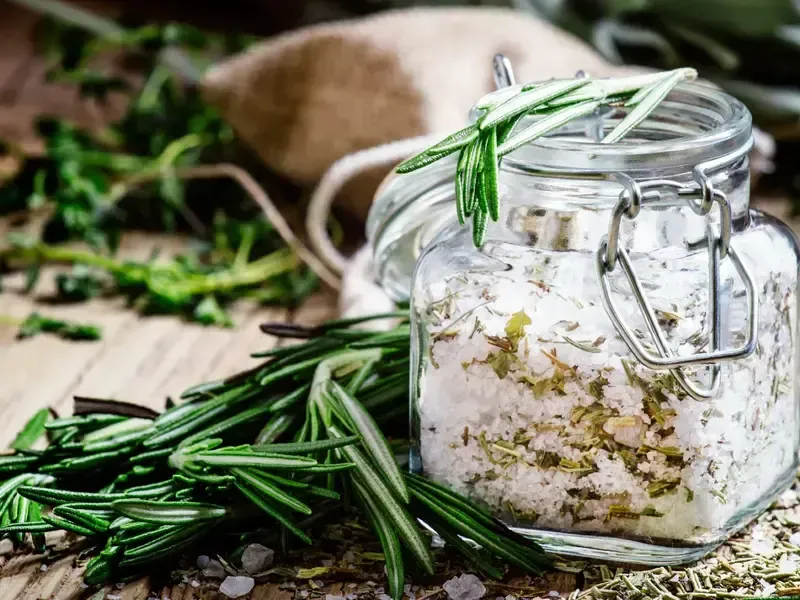
Ever paid twelve dollars for a fancy bottle of herb vinegar? You can make one at home for pennies using a few garden sprigs.
Choose white wine vinegar or apple cider vinegar for the best results. Both have mild flavors that let rosemary shine through clearly.
Wash and fully dry several fresh sprigs before you start. Extra water can cloud the vinegar and shorten its shelf life.
Slide the sprigs into a clean glass bottle and pour warm vinegar over them. A strip of lemon peel or a garlic clove adds bonus flavor.
Seal the bottle and store it somewhere cool and dark for two weeks. Strain out the herbs, then rebottle with one fresh sprig for looks.
Drizzle it over salads, roasted vegetables, or marinades for chicken. A splash also brightens up a pot of Virginia-style collard greens.
Herb salt might be even easier to whip up. Blend one part fresh rosemary leaves with about four parts coarse sea salt.
Pulse the mix in a food processor until it looks like green sand. Spread it on a baking sheet and let it air dry for a day or two.
Once dry, break up any clumps and pour it into small jars. The salt pulls moisture from the leaves and holds the flavor surprisingly well.
Sprinkle it on popcorn, fries, eggs, or grilled steak. Friends will think you bought it at a gourmet market downtown.
4. Turning Woody Stems Into Grilling Skewers

Here is a backyard trick that makes guests stop mid-bite and ask questions. Thick rosemary stems can replace boring metal or bamboo skewers.
Older plants grow sturdy, woody branches that are perfect for the job. Look for stems at least as thick as a pencil and about eight inches long.
Strip the leaves from the bottom two-thirds of each stem. Leave a leafy tuft at the top so the skewer looks pretty on the plate.
Save those stripped leaves for a marinade or rub. Nothing from the plant needs to go to waste in a thrifty kitchen.
Use a sharp knife to cut the bottom end at an angle. The pointed tip slides through food much more easily than a blunt end.
Soak the stems in water for about thirty minutes before grilling. Wet wood is less likely to char or catch fire over hot coals.
Shrimp, chicken chunks, lamb, mushrooms, and cherry tomatoes all work wonderfully. Heat warms the stem, and the oils flavor food from the inside out.
For soft foods like tofu or fish, poke a starter hole with a metal skewer first. Then gently slide the rosemary stem through without tearing anything.
Summer cookouts across the state feel extra special with these homemade skewers. They also make a clever conversation starter at family gatherings.
Bonus tip from seasoned grillers: toss leftover stems right onto the coals. The fragrant smoke adds a light herbal kiss to everything cooking above.
5. Planting A Deer-Resistant Border
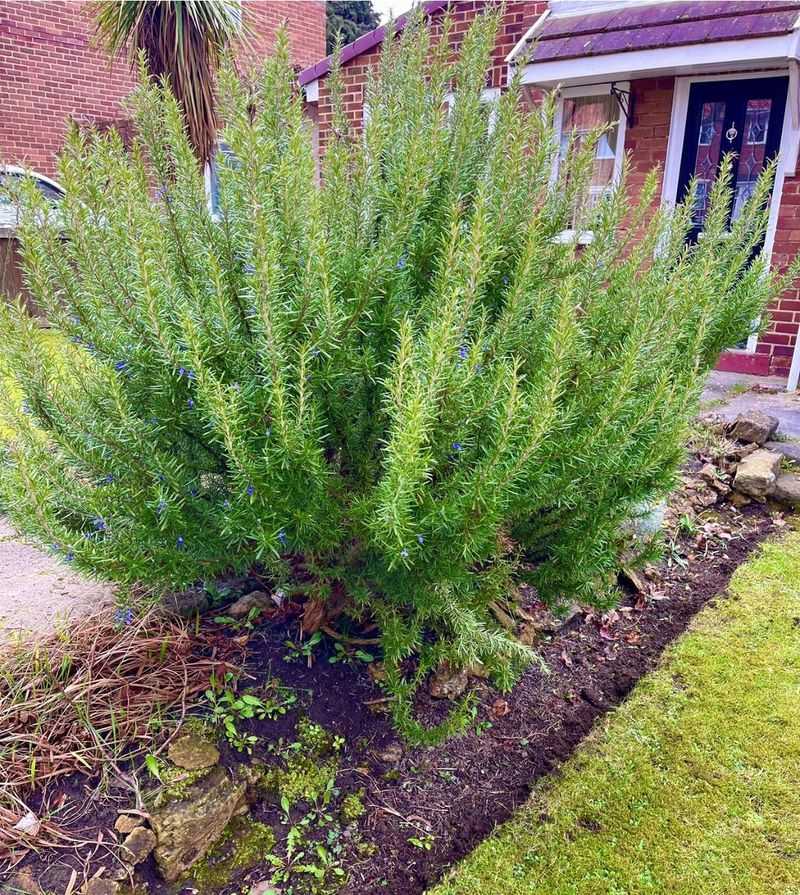
Anyone who has lost a whole row of hostas overnight knows the frustration. White-tailed deer roam nearly every county in Virginia, munching freely.
Rosemary offers a fragrant line of defense that hungry deer usually skip. Its strong scent and needle-like leaves make it unappealing to most browsers.
Gardeners plant rosemary along the edges of beds to guard tastier plants. The strong aroma can help mask the smell of treats like roses or lettuce.
No plant is fully deer-proof, especially during a harsh winter. Starving deer may nibble almost anything, so mix your strategies for best results.
Pair rosemary with other aromatic plants for a stronger barrier. Lavender, catmint, sage, and Russian sage all share that scent-heavy reputation.
Space plants about two to three feet apart in full sun. Rosemary needs at least six hours of direct light each day to thrive.
Drainage matters more than almost anything else for success. Soggy clay soil, common in much of the Piedmont, can quickly rot the roots.
Mix in gravel or coarse sand, or build a slightly raised bed. Planting on a gentle slope also helps rainwater drain away from the crown.
Skip heavy mulch right around the base of the stems. Gravel mulch keeps the crown dry and reflects warmth back toward the plant.
Within a couple of seasons, your border can fill out nicely. You will enjoy a living fence that smells wonderful every time you walk by.
6. Growing A Fragrant Low Hedge With ‘Arp’

Meet the rosemary that laughs at cold weather. ‘Arp’ ranks among the hardiest varieties, often handling temperatures down to around 10 degrees.
The cultivar was named after Arp, a small town in Texas. It was found there and shared by a local gardener, according to plant history.
Many rosemary types struggle through winters in northern and western Virginia. ‘Arp’ gives gardeners in colder zones a much better shot at success.
Plants can grow three to four feet tall with an upright, bushy shape. Gray-green leaves and a lemony pine scent make it a charming hedge choice.
Set young plants about two feet apart for a tidy, connected row. They will knit together within a season or two in good conditions.
Trim lightly after spring blooms fade to keep the hedge neat. Avoid cutting deep into old bare wood, since new growth rarely sprouts there.
Shelter helps even tough plants through icy months. A spot near a south-facing wall or walkway soaks up stored warmth on chilly nights.
Consider adding ‘Madeline Hill’ for extra cold tolerance in your planting. Some gardeners mix both varieties to compare how each one performs.
Wind can dry out evergreen leaves during long winter cold snaps. Burlap screens on the windy side give plants welcome protection when needed.
Brush past your hedge on the way to the mailbox. That burst of fragrance turns an ordinary walk into a small daily pleasure.
7. Feeding Early Pollinators With Late Winter Blooms
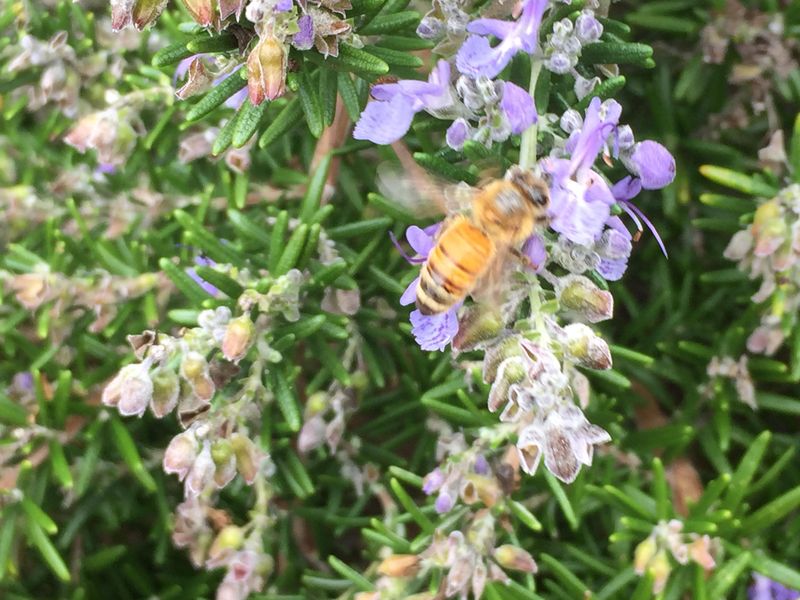
On a sunny February afternoon, a lone honeybee buzzes across a quiet garden. Few flowers are open yet, but rosemary is already offering a sweet snack.
Rosemary often blooms from late winter into early spring in milder parts of Virginia. Its tiny flowers range from pale blue to violet, pink, or white.
Bees wake up on warm days and need fuel fast. Early nectar and pollen help colonies build strength before the main spring bloom arrives.
Bumblebee queens and small native bees also visit the blossoms. Supporting them early helps your vegetable garden get better pollination later on.
Plant rosemary close to fruit trees or vegetable beds. Pollinators drawn to the flowers may linger and visit nearby blossoms too.
Skip pesticide sprays on and around flowering plants. Even products labeled gentle can harm bees that land on treated leaves.
Hold off on heavy pruning until after the bloom period ends. Cutting too early removes the very flowers that hungry insects depend on.
Fun fact for curious readers: rosemary’s Latin roots roughly mean dew of the sea. The plant grows wild on rocky Mediterranean coastlines.
Add a shallow dish of water with pebbles nearby. Bees can safely sip from it without slipping into deeper water.
Watching bees work your rosemary feels like a tiny preview of spring. It is a simple way to help nature during the leanest weeks.
8. Shaping Mini Holiday Trees And Wreaths
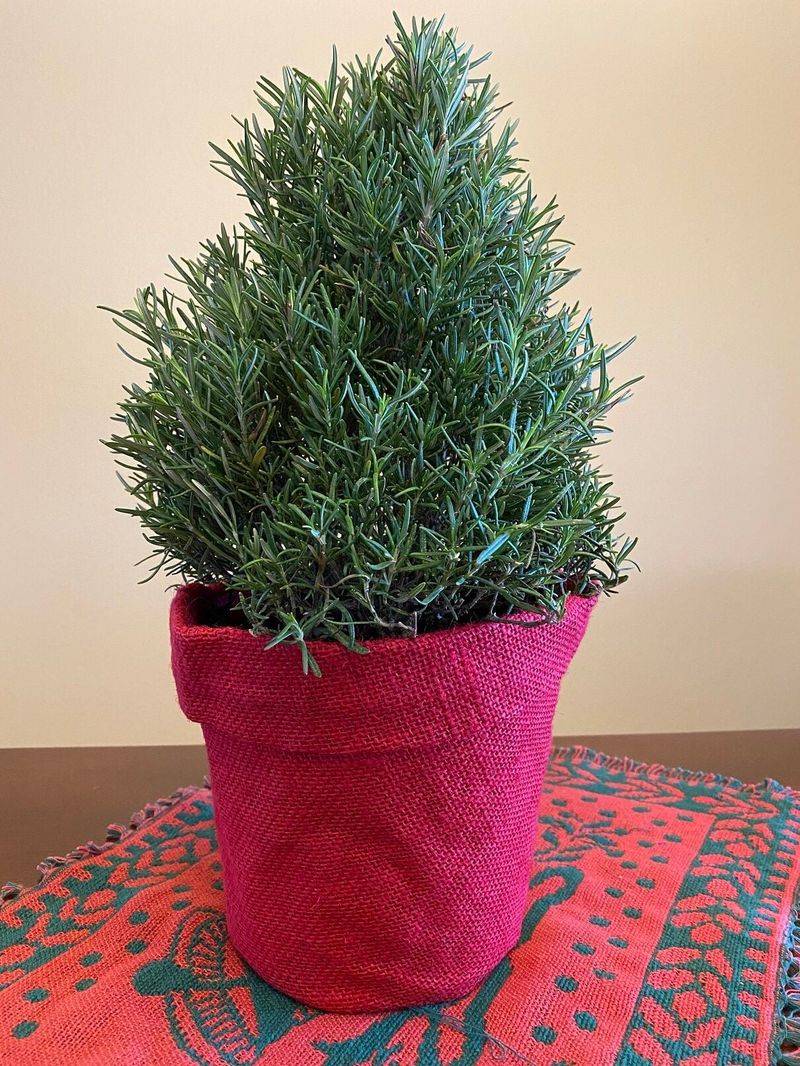
Garden centers sell little cone-shaped rosemary trees every December. You can shape your own and skip the holiday price tag.
Pick a young, upright potted plant with one strong main stem. Bushy plants with many stems are harder to train into a tree form.
Trim the sides gradually into a cone, wider at the bottom. Small snips every few weeks work better than one dramatic haircut.
Decorate with tiny ornaments, a ribbon, or a small string of lights. Lightweight decorations keep the delicate branches from bending.
Indoor rosemary loves bright light, so place it by a sunny window. Water when the top inch of soil feels dry, but avoid soggy soil.
After the holidays, move the pot to a cool, bright spot. Plant it outside in spring once frost danger passes in your area.
Wreaths are another festive project worth trying this season. Fresh rosemary bends easily around a wire or grapevine wreath frame.
Bind small bunches with floral wire, overlapping each one in the same direction. Tuck in cranberries, dried oranges, or pinecones for color.
Families hang these wreaths on kitchen doors. The scent greets everyone who walks in for holiday dinners.
Tradition links rosemary with remembrance, which suits a season of gathering. A sprig tucked into a gift tag adds a sweet, meaningful touch.
9. Freshening Closets And Drawers
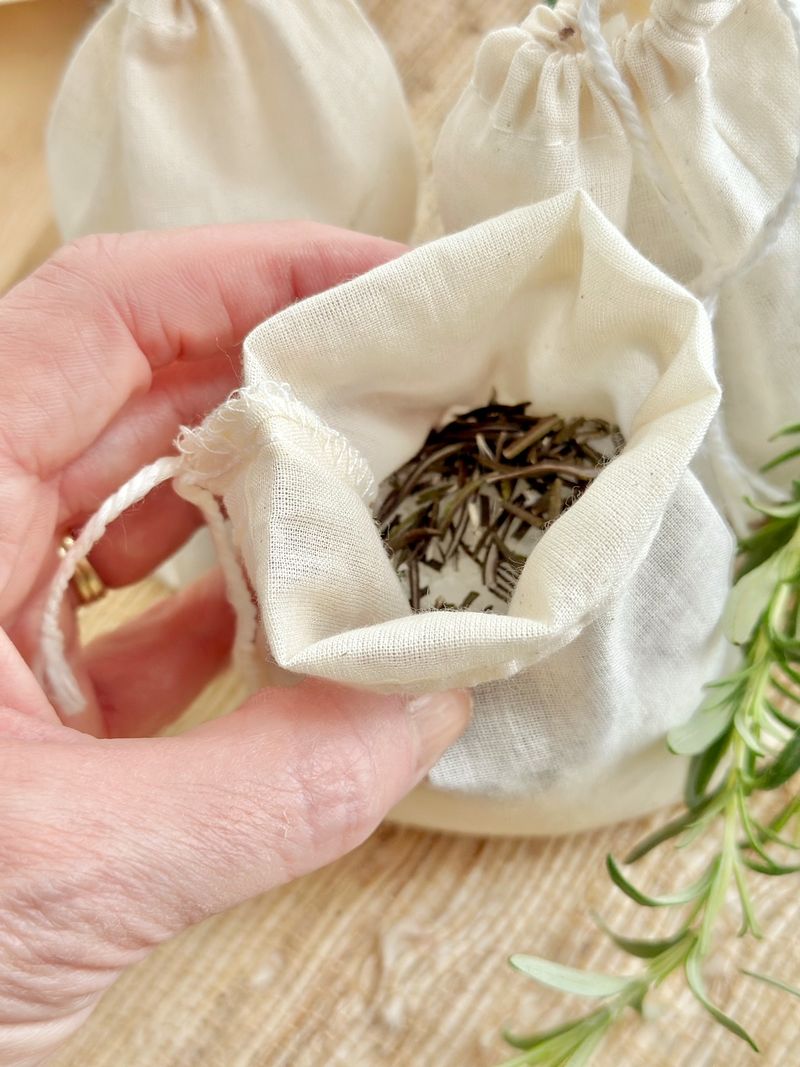
Open a dresser drawer and catch a whiff of something stale? A little dried rosemary can change that musty mood fast.
Fill small cotton or muslin bags with dried rosemary leaves. Tie them closed with string and tuck them among sweaters or linens.
Mixing in lavender, cedar chips, or dried orange peel creates a cozy blend. Each combination gives your closet its own personal signature scent.
Squeeze the sachets every few weeks to release more fragrance. Fresh oils come to the surface when the dry leaves crack a bit.
Many people use herb sachets hoping to discourage clothes moths. Results vary, so check stored woolens regularly and keep them clean.
Humid summers can leave closets smelling damp. Pair sachets with good airflow, and open closet doors on dry days.
Shoes benefit from a rosemary refresh too. Slip a small packet inside sneakers overnight to tame lingering odors.
Got an old sock without a partner? Fill it with rosemary, knot the top, and you have a free sachet in seconds.
Replace the leaves every few months when the scent fades. Toss old herbs into the compost pile so they feed the garden again.
Kids enjoy helping with this project on a rainy afternoon. Let them pick fabrics and decorate tags for drawers around the house.
10. Starting Free Plants From Cuttings
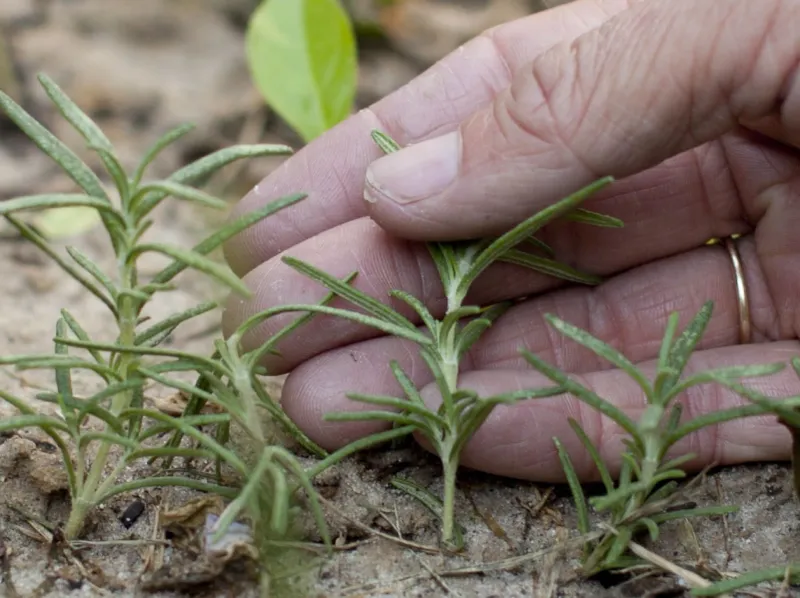
Why buy five plants when one can give you a dozen? Rosemary cuttings root easily, turning a single shrub into a whole garden.
Late spring through early summer is a great time to take cuttings. Look for soft, flexible new growth rather than old woody stems.
Snip pieces about four to six inches long just below a leaf joint. Strip leaves from the lower two inches of each cutting.
Dip the bare end in rooting hormone if you have some. The powder is optional, but it can speed things along nicely.
Push cuttings into a mix of potting soil and sand or perlite. Keep the soil lightly damp, never soaking wet, during rooting.
A clear plastic bag over the pot holds in helpful humidity. Open it every day or so to let fresh air reach the cuttings.
Roots usually form within four to eight weeks. Give a gentle tug, and slight resistance means roots are taking hold.
Some gardeners root cuttings in a glass of water on the windowsill instead. Change the water every few days to keep it fresh.
Move rooted plants to larger pots before planting them outdoors. Ease them into full sun over a week so leaves do not scorch.
Extra plants make wonderful gifts for friends and neighbors. Before long, your rosemary could be growing in yards all over Virginia.