Why Your Ohio Evergreens Are Dropping Needles In October (And When It’s Normal)
Brown needles piling up under a white pine in October can make it look like the tree is failing.
Many evergreens shed some of their oldest needles every fall, and the change can happen almost all at once.
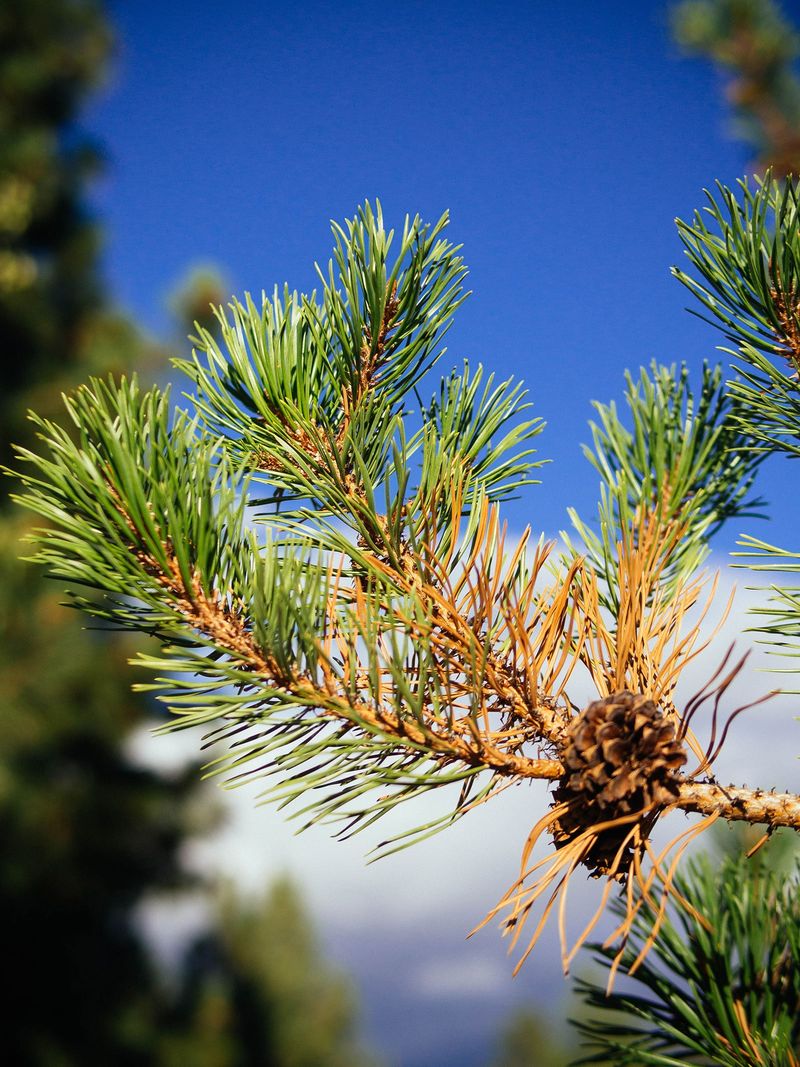
Older needles sit deeper inside the tree, near the trunk, while the newest growth at the branch tips stays green. This pattern usually signals normal seasonal shedding rather than disease.
White pines and arborvitae across Ohio are known for this, sometimes dropping enough to alarm homeowners.
Still, not every needle drop is harmless. Browning that starts at the tips or affects whole branches can point to stress that deserves a closer look.
Stand back from your tree and notice whether the brown needles sit on the inside or outside of the branches.
1. Yellowing Inner Needles Can Startle Homeowners Each Fall
Nothing makes a gardener panic quite like a yellow evergreen in October. One week the tree looks fine, and the next it seems to be fading from the inside out.
Take a breath before you reach for your phone to call an arborist.
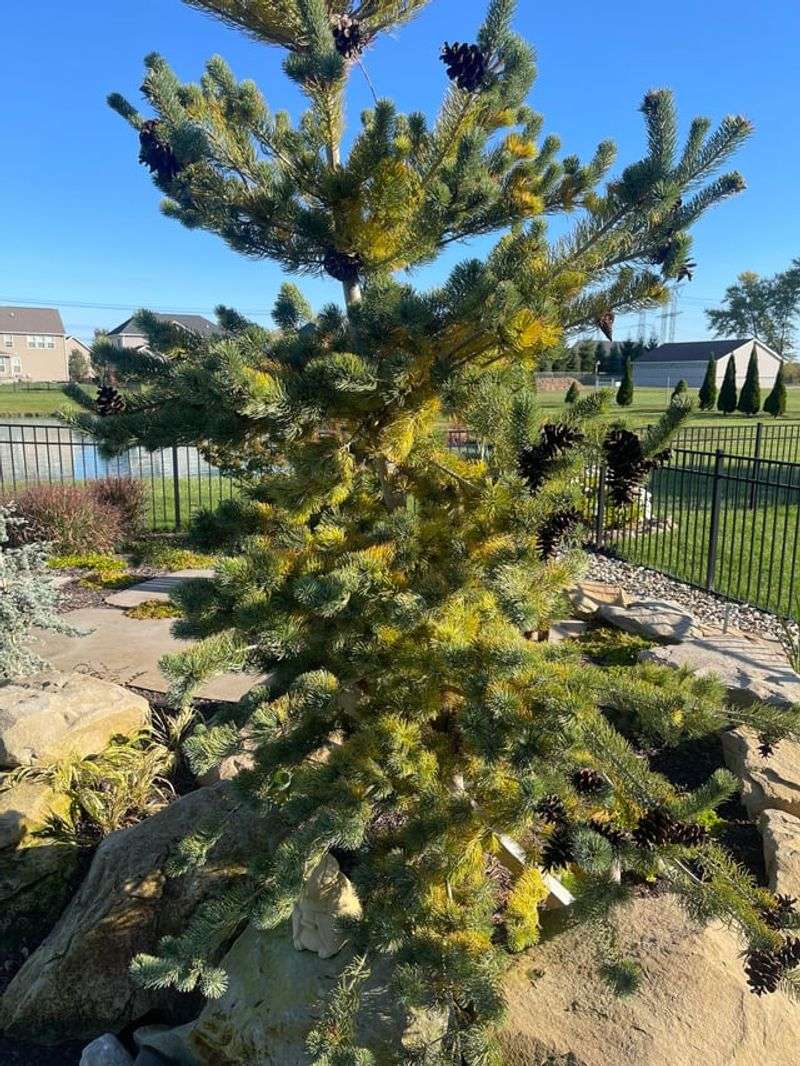
Look closely at where the color change is happening on the tree. If the yellow needles sit deep inside the canopy, close to the trunk, that pattern usually points to normal seasonal shedding.
Outer branches tell the other half of the story, so check those next.
Healthy trees will still carry plenty of green needles at the ends of their branches. That contrast between a yellow interior and green outer growth is a classic sign of fall needle drop.
Around much of Ohio, the yellowing tends to show up from late summer into October. Timing can shift a little depending on the species, the weather that year, and where you live.
Some years the change looks mild, and other years it seems to happen almost overnight.
Either way, try not to judge the tree from your kitchen window. Walk right up to it, part a few branches, and see exactly which needles are turning.
A few minutes of careful looking can tell you far more than a quick glance from across the yard.
2. Older Needles Closest To The Trunk Shed On A Natural Schedule
Evergreen does not mean ever-lasting. Each needle on a pine, spruce, or fir has a lifespan, and once it reaches the end, the tree lets it go.
New needles grow at the branch tips every spring.
As the seasons pass, those needles end up farther from the tip and closer to the trunk. The oldest ones get shaded by newer growth, so the tree drops them because they no longer pull their weight.
How long needles stay on depends on the type of tree. Pines often hold their needles for a few years, while spruces and firs commonly keep theirs longer.
Your tree’s age, health, and growing spot can nudge those numbers up or down.
Here in Ohio, gardeners usually notice the shedding in early fall. Spring and summer are often busy growing seasons, and fall is when older needles tend to color up and drop.
Your Ohio Garden Changes Every Week. Your Plan Should Too.
Gardening in Ohio changes quickly throughout the season. Every Friday you’ll receive a simple weekly plan showing exactly what to plant, prune, fertilize, harvest, and protect so you never miss the right timing.
Shedding like this resembles a slow cleanup rather than a crisis.
Leave the fallen needles under the tree if they are not smothering grass or plants. They break down slowly and act as a natural mulch around the roots.
Just keep a thick pile from building up against the trunk itself, since bark does better when it can dry out.
3. White Pines And Arborvitae Shed Especially Noticeable Amounts
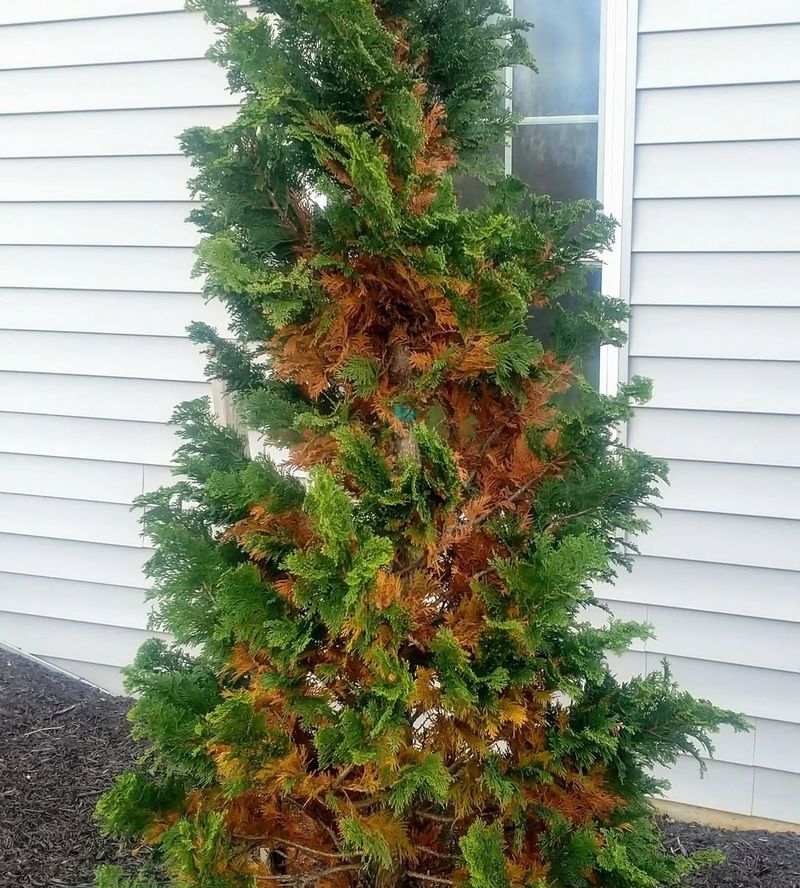
Some evergreens shed quietly, while others put on quite a show. White pines and arborvitae fall firmly into the second group.
Eastern white pine is one of the most common landscape pines across Ohio.
Its soft needles typically last only a couple of years on the tree. Because a big chunk of foliage turns yellow at once, a healthy white pine can look worrying for a few weeks in fall.
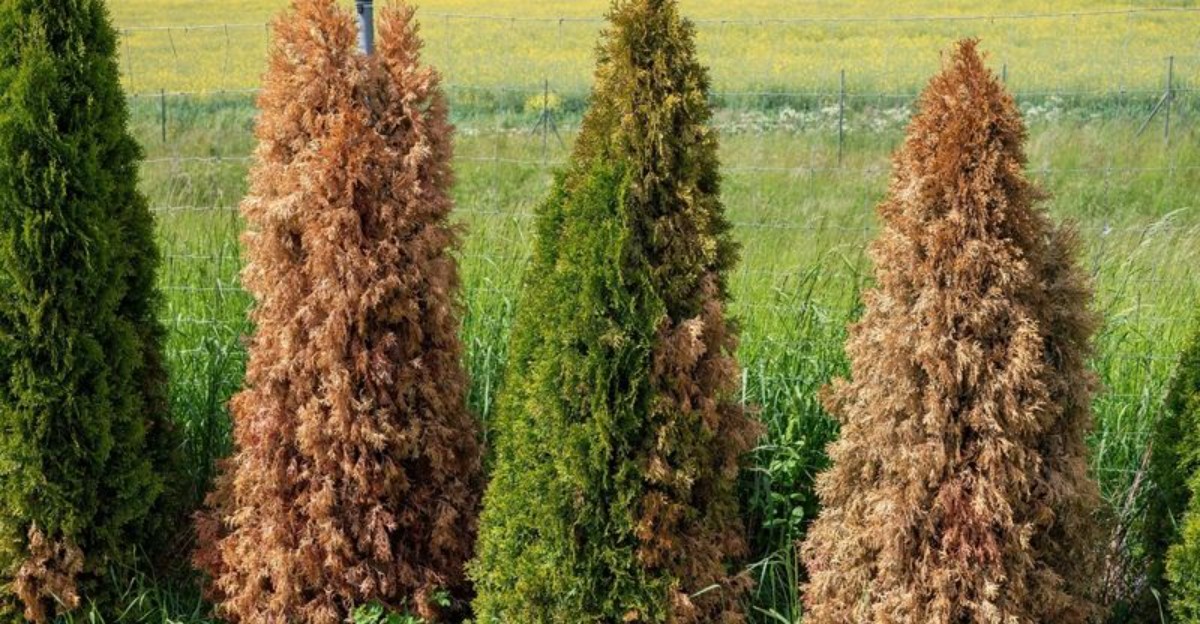
Arborvitae behaves a bit differently but can be just as alarming. Instead of needles, it has flat, scaly sprays that turn brown or orange near the center of the plant.
Shake an arborvitae in October and you may see a shower of brown bits fall out.
Inside a dense hedge, that interior browning can seem extreme. As long as the outer surface stays green and full, it is usually part of the normal seasonal cycle.
Other trees can shed noticeably too, including some spruces and Austrian pines. Still, homeowners tend to call about white pines and arborvitae most often, simply because the change is so visible.
If you have either one, expect some fall drama and plan to rake a little more.
A soft leaf rake works well under arborvitae without tearing up nearby mulch or roots.
4. Green Branch Tips Mean The Tree Is Likely Fine
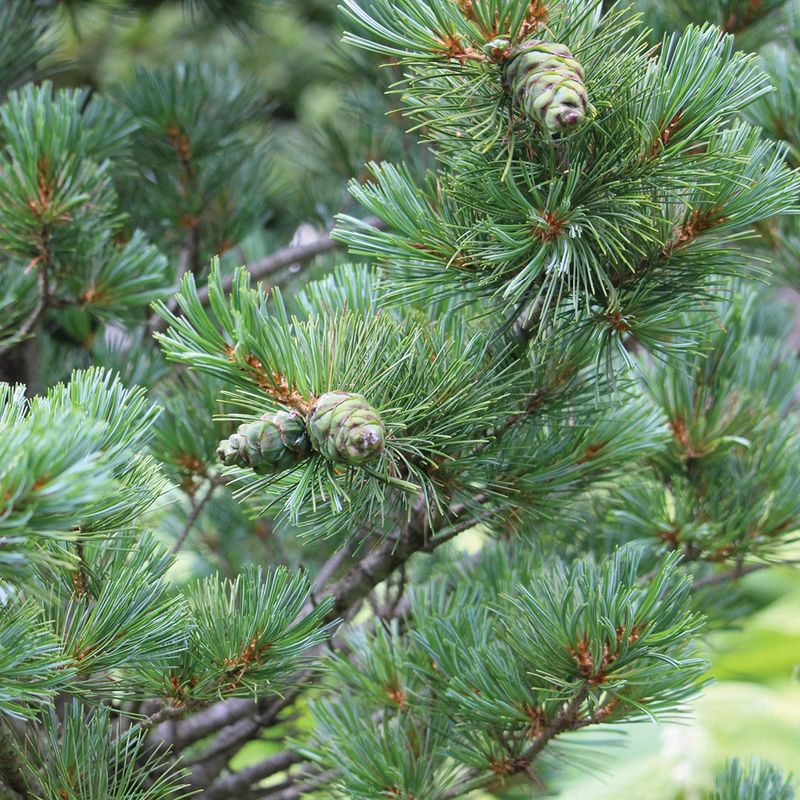
Want a quick health check? Go straight to the ends of the branches.
Branch tips hold the tree’s newest growth, so they act like a report card for the whole plant.
Fresh green needles on the outer parts of the branches suggest the tree is still growing and making food. When those tips look full and bright while only the inner needles yellow, normal shedding is the most likely explanation.
Check a few spots instead of just one branch. Look at the top, the bottom, and different sides of the tree.
Buds offer another useful clue, especially on pines and spruces.
By fall, many evergreens have already set buds for next spring at their branch tips. Plump, firm buds are a good sign, although bud size naturally varies between species.
Bend a thin twig gently, too. A flexible twig usually means it is still alive, while a brittle one that snaps easily may need a closer look.
No single test tells you everything about a tree.
Green tips are a strong positive sign, but they cannot rule out every problem hiding in roots or bark. Ohio State University Extension offices can help if you see mixed signals and want a second opinion.
5. Brown Tips Or Bare Branch Sections Suggest A Different Problem
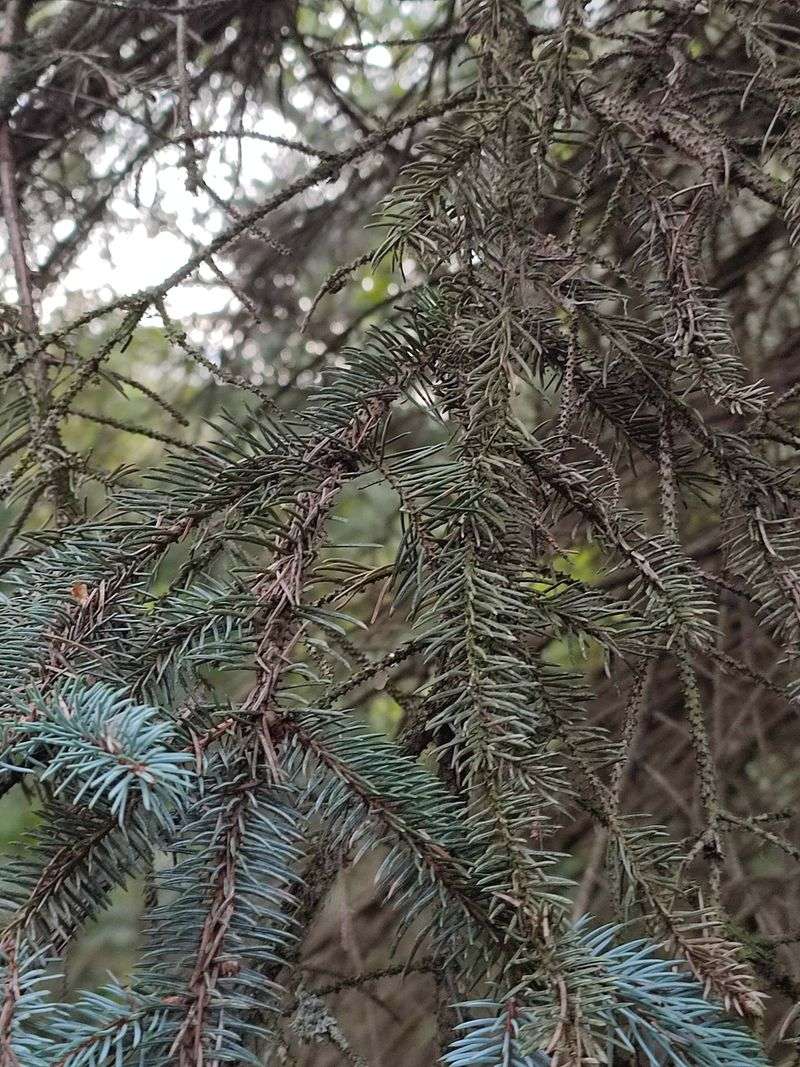
Brown at the edges is a whole different story than yellow in the middle. When the newest growth turns brown, normal fall shedding is probably not the main cause.
Pay close attention to the pattern you see.
Browning tips, whole branches losing needles, or bare patches spreading from the bottom up can point to other issues. Possible causes include fungal needle diseases, insect pests, root damage, drought stress, or winter injury from earlier in the year.
Spruces in Ohio, especially Colorado blue spruce, often struggle with needle diseases that start on lower branches. Pines can have their own fungal problems, and arborvitae may get bagworms or other pests.
Symptoms often overlap, which makes guessing risky.
Look for extra clues like tiny black dots on needles, sticky sap, small holes in the bark, or bag-shaped cases hanging from twigs. Snap a few clear photos and note which parts of the tree are affected.
A local Extension office or certified arborist can help you narrow things down. Some problems can be managed, while others depend on the tree’s overall health and growing site.
Avoid spraying chemicals before you know what you are dealing with.
Treating the wrong problem wastes money and may harm helpful insects without fixing anything.
6. Summer Drought Can Make Normal Fall Needle Loss More Noticeable
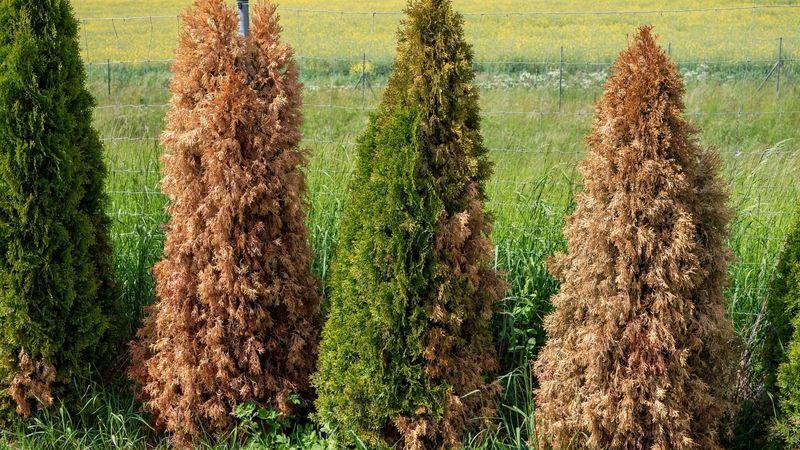
Dry summers leave a mark that often shows up later. A tree that went weeks without good rain may drop more needles than usual once fall arrives.
Stressed evergreens sometimes shed extra foliage to cut down on water loss.
That means a hot, dry stretch in July or August can lead to heavier yellowing in September and October. The pattern may still look like normal interior shedding, just more of it.
Ohio weather swings quite a bit from year to year and from region to region. Northern counties near Lake Erie may see different rainfall than southern areas, and conditions can change even between nearby towns.
Young trees feel drought stress more strongly than older ones.
Newly planted evergreens have smaller root systems, so they rely heavily on regular moisture. Trees in sandy soil, near pavement, or on slopes may also dry out faster than you expect.
Heavier shedding after a dry summer does not automatically mean the tree is in serious trouble. Many trees bounce back once rain returns, although long or repeated droughts can weaken them over time.
Think back on your summer weather when you judge a tree this fall.
A simple rain gauge in your yard makes it easier to track how much water your trees actually received.
7. Watering During Dry Fall Weather Helps Evergreens Enter Winter
Winter wind can be rough on evergreens. Unlike leafy trees, they keep their foliage all year and continue losing some moisture even in cold weather.
Going into winter well hydrated can help them handle that stress better.
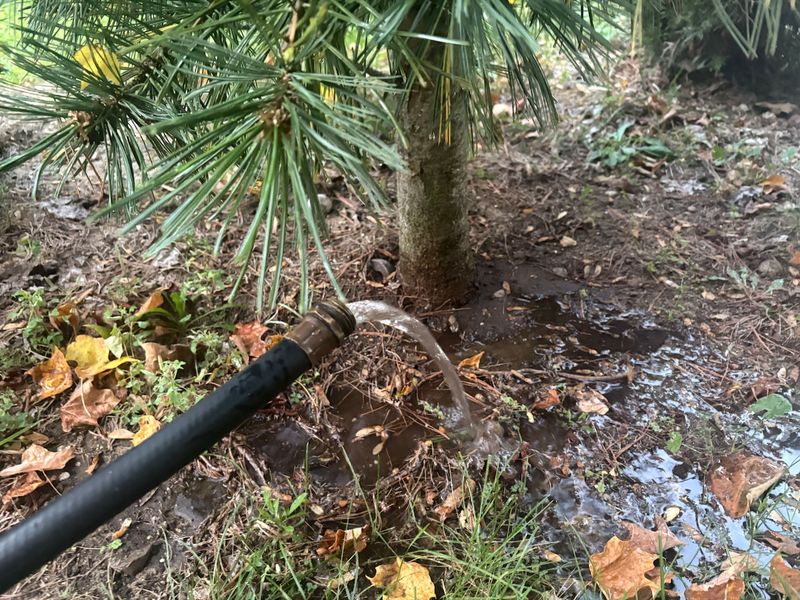
If your area has a dry fall, consider giving evergreens a slow, deep drink before the ground freezes. Soil moisture can vary a lot, so check by pushing a trowel or finger a few inches down near the drip line.
Soaker hoses or a slow-running garden hose work better than quick sprinkles. Deep watering encourages moisture to reach the roots instead of staying near the surface.
Skip the watering if the soil is already moist from recent rain.
Soggy soil can stress roots too, especially in heavy clay, which is common across much of Ohio. Freeze timing also differs around the state, so northern gardeners may need to wrap up a bit earlier than southern ones.
A layer of mulch a few inches deep helps hold moisture in the soil. Keep it pulled back from the trunk so bark stays dry.
Hold off on fertilizer this late in the season.
Feeding in fall may encourage tender growth that is not ready for cold, and healthy trees often do fine without it.