How To Tell If A Storm-Damaged Tree In Your North Carolina Yard Can Be Saved After Isaias
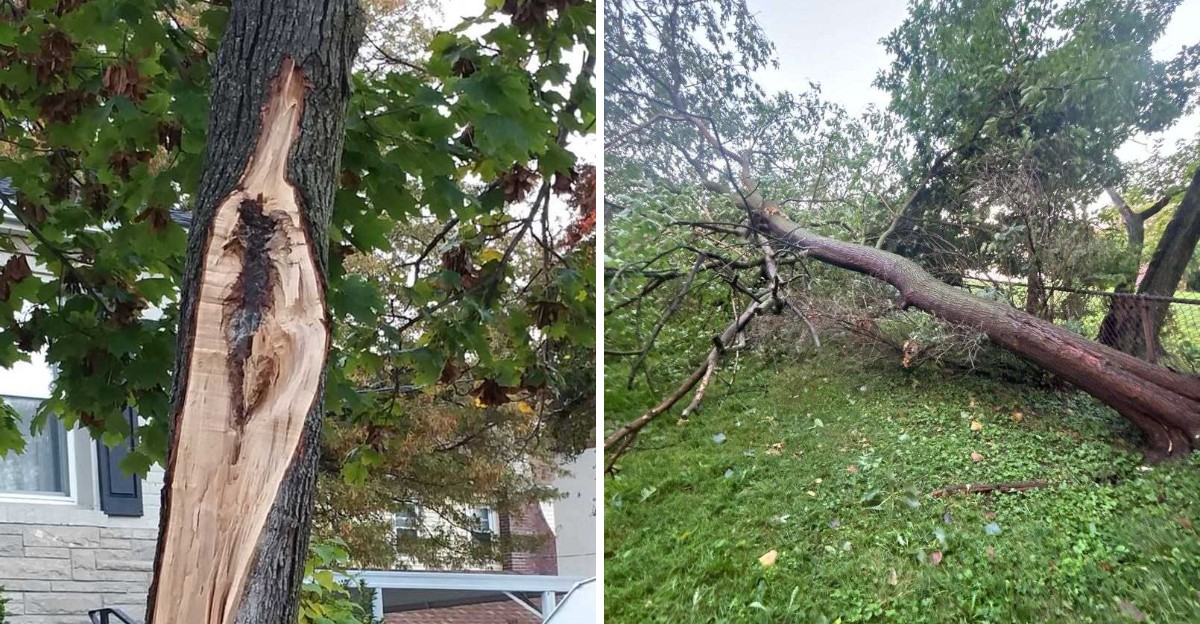
The storm has passed, the wind has finally stopped doing its worst, and now you are standing in your yard staring at your favorite shade tree like it just lost a very one-sided argument with Hurricane Isaias.
Branches at odd angles, bark peeling off in long strips, the whole situation looking significantly more dramatic than you were hoping for this week.
Before you reach for the phone and call the first person with a chainsaw who knocks on your door, take a breath.
Trees are genuinely tougher than they look, and a surprising number of storm-damaged trees in North Carolina make full recoveries with the right care and a little patience.
A slow walk around your yard with fresh eyes and a cup of coffee can tell you an enormous amount before any decisions get made.
1. Check The Trunk First In Your Yard
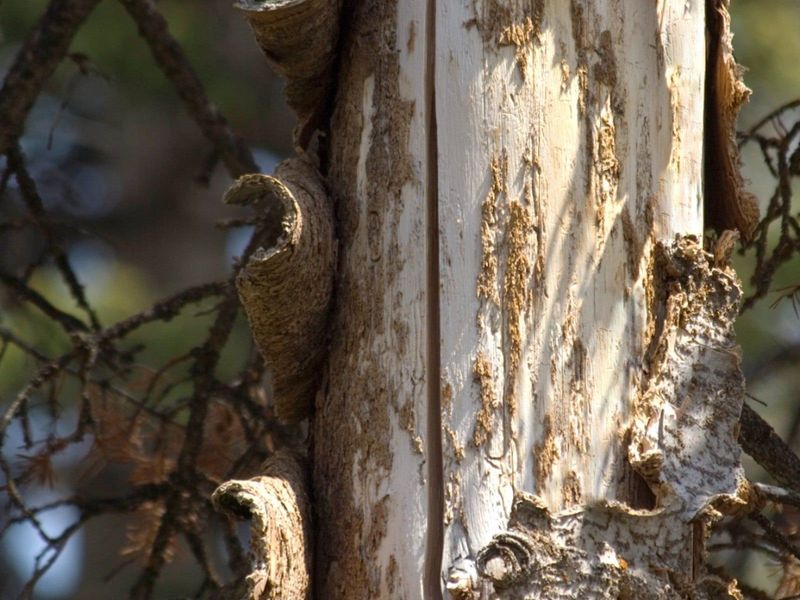
A tree trunk works a lot like your spine. If it stays strong, the rest of the tree has a real shot at recovery.
Start by walking slowly around the base and looking up. Search for long cracks, splits that run deep, or spots where the wood looks crushed or twisted.
Small surface cracks in the bark usually heal over time. Deep splits that go through the middle of the trunk are a much bigger worry.
Arborists often use the extent of trunk damage as one of several factors in assessing recovery potential. Less extensive damage generally offers better prospects, but the full picture depends on the species, the tree’s overall health, where the damage sits on the trunk, and how deep it goes.
No single number tells the whole story, which is why a professional assessment matters so much after a serious storm.
Trees with two main trunks, called co-dominant stems, deserve extra attention. Isaias pushed many North Carolina trees hard enough to pull those stems apart at the joint.
Look closely at where the two trunks meet. A fresh crack in that V-shaped spot can get worse with the next windy day.
Take photos from several angles before you do anything else. They help a tree expert judge the damage and can be useful for insurance claims later.
Do not climb a damaged tree to get a better look. Stay on the ground, keep kids and pets back, and let your eyes do the work.
A solid, mostly whole trunk is one of the best signs of hope. Once that part checks out, you can move on to the branches above.
2. Count The Broken Branches On Your Tree
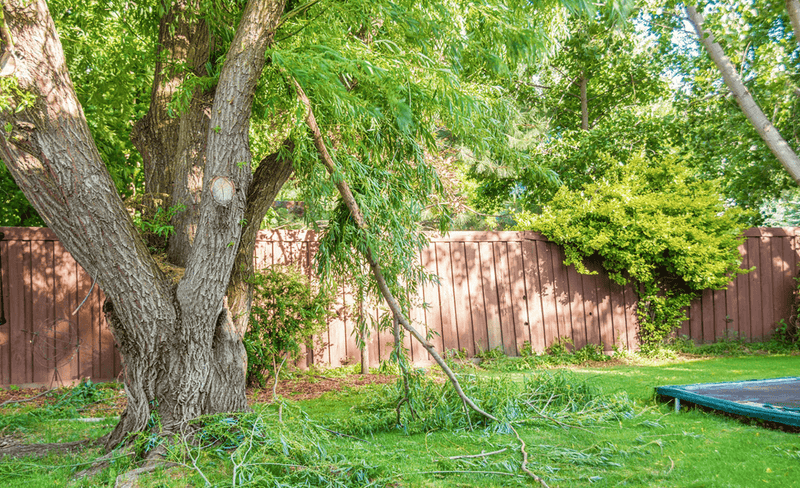
Think of a tree’s crown as its kitchen. The leaves on those branches make the food that keeps the whole tree going.
So the big question is simple. How much of the crown is still there after the storm?
Stand back far enough to see the whole tree at once. Try to guess what portion of the branches broke, snapped off, or now hang loose.
Trees that lost less than half their crown often recover well. They push out new shoots and slowly fill in the gaps over a few seasons.
Your North Carolina Garden Changes Every Week. Your Plan Should Too.
Gardening in North Carolina changes quickly throughout the season. Every Friday you’ll receive a simple weekly plan showing exactly what to plant, prune, fertilize, harvest, and protect so you never miss the right timing.
When more than half the crown is gone, the odds start to drop. The tree may struggle to make enough food to heal its wounds and stay healthy.
Pay attention to where the breaks happened, too. Small twigs and outer limbs grow back much easier than big scaffold branches near the trunk.
Hanging broken limbs are often called widowmakers for a good reason. Never stand under them, and get a pro to remove them safely as soon as possible.
Across North Carolina, crews stayed busy for weeks after Isaias handling exactly these kinds of dangling limbs. Booking early can save you a long wait.
A tree with most of its main branches still attached is a hopeful sight. Even if it looks a little lopsided now, nature has a way of evening things out.
3. Look For Leaning In Your North Carolina Landscape
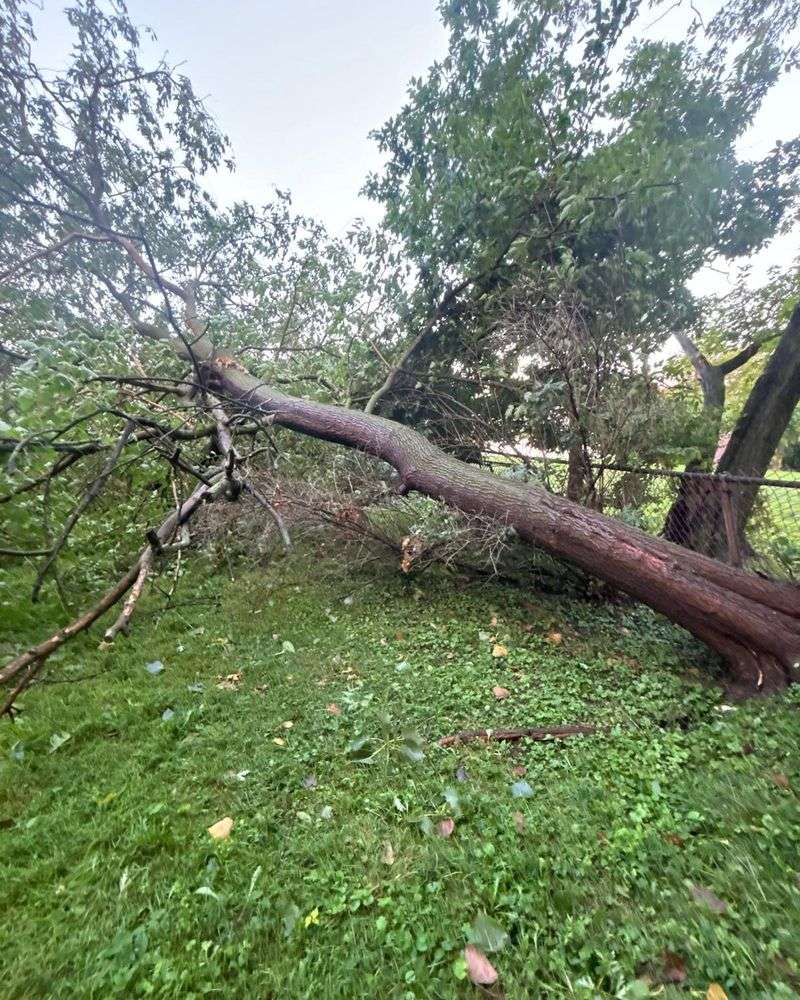
Some trees have always grown with a slight tilt, and that is perfectly fine. A new lean after a storm tells a very different story.
Compare the tree to old photos if you have them. Neighbors can also help, since they may remember how it stood before the wind picked up.
Next, check the ground around the base. Raised soil, cracked dirt, or roots poking out on one side are warning signs.
Those clues mean the root system shifted or tore loose. A tree in that condition may tip over with very little push.
Isaias brought heavy rain to North Carolina along with strong winds. Soggy soil lets roots slip, which is why so many trees leaned or toppled during the storm.
Smaller, younger trees with a fresh lean can sometimes be gently straightened and staked, depending on how much root disturbance occurred. Arborists assess these situations individually, since the extent of root damage matters as much as the size of the tree.
Big, mature trees are another matter. Pulling them upright usually tears more roots and makes the problem worse.
If a large leaning tree points toward your house, car, or power lines, treat it as urgent. Call a certified arborist and keep everyone clear of the fall zone.
A steady tree with firm soil around it is a good sign. Stability matters more than looks when deciding what stays.
4. Inspect The Bark Damage On Your Tree
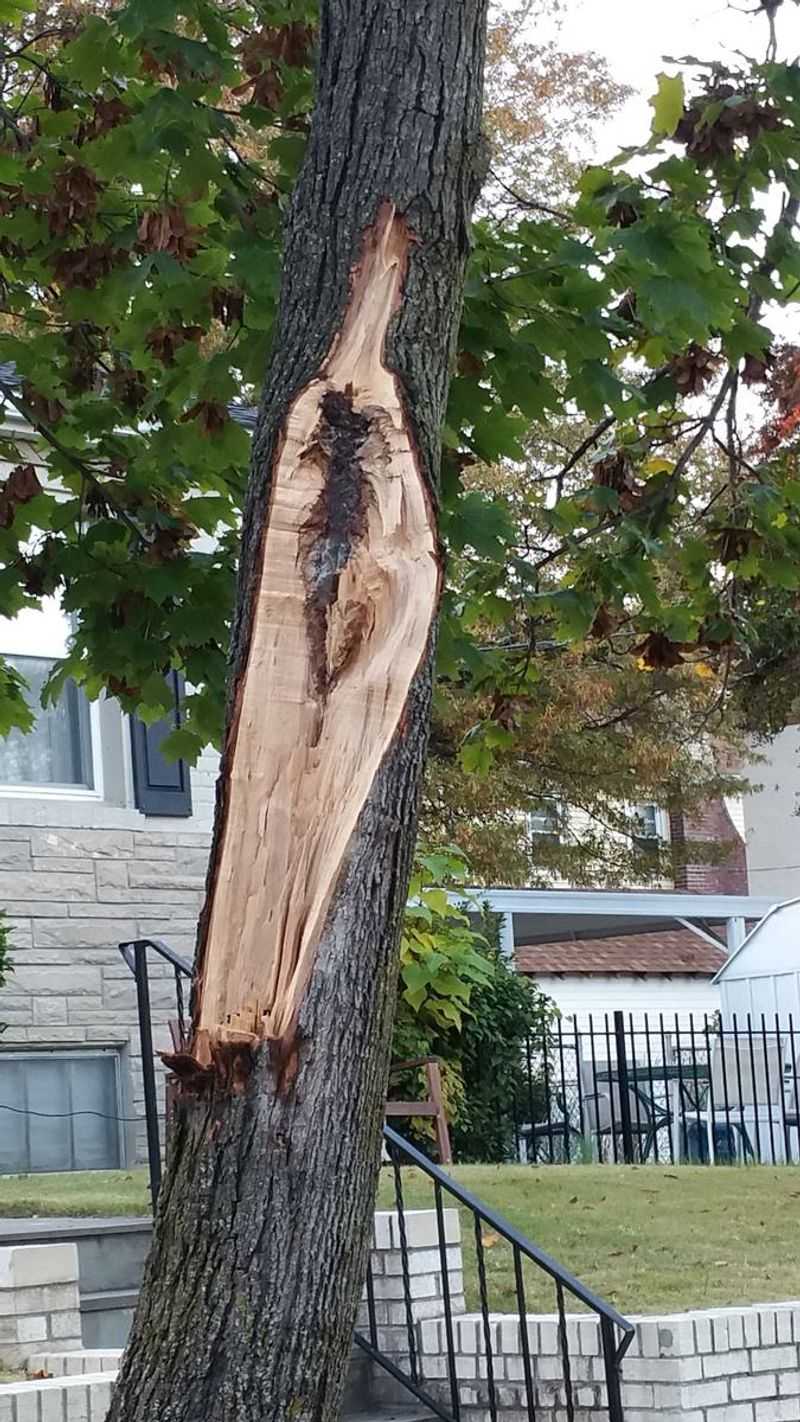
Bark might seem like a simple wrapper, but it does serious work. Just under it sits the living layer that carries water and food up and down the tree.
When storms rip off bark, that delivery system gets cut. The bigger the wound, the harder it is for the tree to keep things flowing.
Measure the damage with your eyes and maybe a tape measure. Pay special attention to how far the bare patch wraps around the trunk.
Smaller wounds that affect a limited portion of the trunk circumference generally offer better healing prospects than larger ones, though recovery also depends on the tree species, its overall health, and where on the trunk the damage occurred. An arborist can give you a much clearer read on what a specific wound means for your specific tree.
If bark is missing all the way around, experts call that girdling. A girdled trunk has a very poor outlook, because food cannot reach the roots.
You can help smaller wounds by trimming loose, ragged bark with a clean knife. Smooth edges heal faster than jagged ones.
Skip the old-school wound paint or tar. Research shows trees seal themselves better without it, and coatings can trap moisture and decay.
Fun fact: trees do not truly heal like people do. They wall off injured areas instead, a process scientists named CODIT, which keeps decay from spreading.
Healthy bark around most of the trunk gives your tree a real fighting chance.
5. Get To Know Your Tree Species
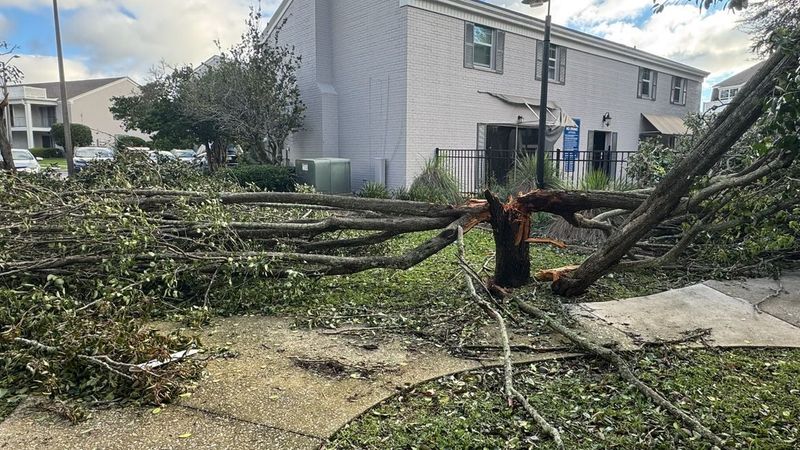
Not all trees handle storms the same way. Some species shrug off strong winds, while others fall apart at the first big gust.
Live oaks, bald cypress, and southern magnolias are known for toughness. Their strong wood and flexible limbs help them ride out tropical weather along the coast.
Bradford pears are a different story. Their weak branch joints split easily, and many in North Carolina cracked in half during Isaias.
Water oaks, laurel oaks, and some pines also tend to break more often. Loblolly pines can snap high on the trunk when winds stay strong for hours.
Knowing your tree type helps you make a smarter choice. A battered live oak may be worth saving, while a split Bradford pear usually is not.
Not sure what you have? Snap a leaf photo and use a free plant app, or ask your local county extension office for help.
NC State Extension has handy guides on which trees resist wind best. They are a great resource when you plan future planting, too.
Age matters as well. Young, healthy trees bounce back faster than very old ones that already had weak spots.
A sturdy species with moderate damage is one of the best combinations you can find. Write down what you learn so your arborist has a head start.
6. Watch For Hidden Decay In Your Tree
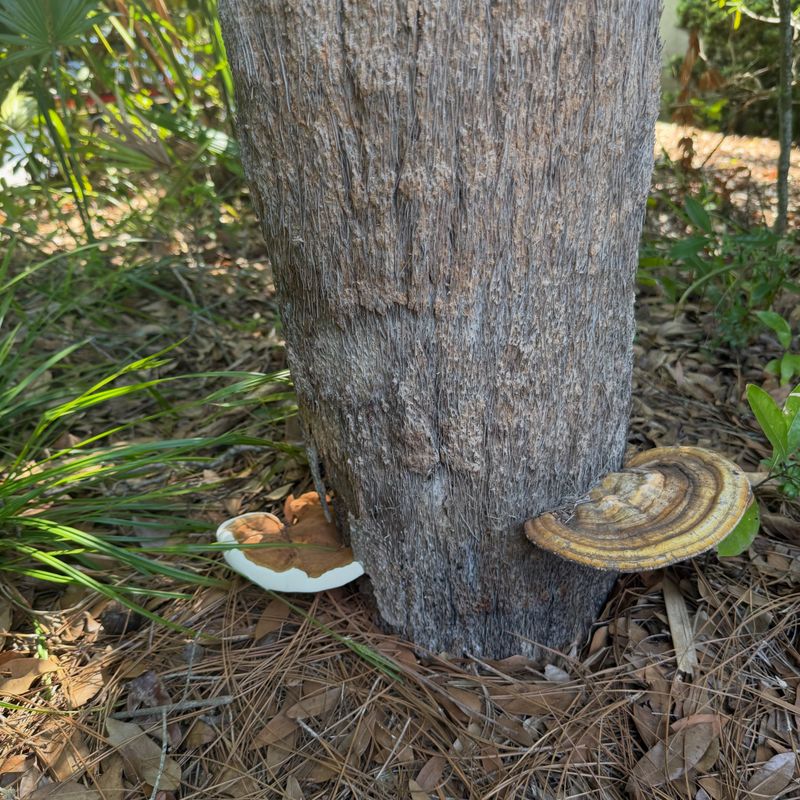
Sometimes a storm reveals a secret that was there all along. A snapped limb can expose soft, crumbly wood that had been rotting quietly for years.
Look closely at any broken ends. Healthy wood looks solid and fresh, while decayed wood seems spongy, dark, or hollow.
Mushrooms near the base or on the trunk are another clue. Many fungi feed on rotting wood inside the tree, even when the outside looks normal.
Tap the trunk gently with a rubber mallet. A dull, hollow sound in one spot may mean the inside has weakened.
Decay can turn a fixable tree into a hazard. Even modest storm damage becomes risky when the core is already compromised.
Warm, humid summers in North Carolina make fungi very happy. That means older trees here often hide more decay than people expect.
Some arborists have access to specialized tools, including acoustic tomography devices, that can help map hollow or decayed areas inside a tree without cutting it down. Availability of these tools varies among arborists, so it is worth asking when you call for an assessment.
Keep an eye on new wounds over the next few months too. Fresh breaks give fungi an easy doorway, so clean cuts made early make a big difference.
A tree with solid wood and no fungus is a much safer bet. Hidden rot is worth checking before you decide to keep a big tree near your home.
7. Scratch Test For Life In Branches
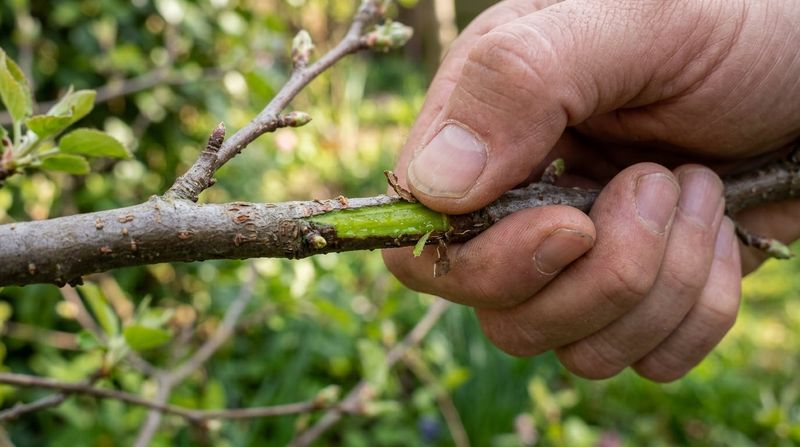
Want a quick, free test you can do in seconds? All you need is your thumbnail or a small pocketknife.
Pick a twig on a damaged branch and scratch off a tiny bit of bark. Look at the layer right underneath.
Bright green and moist means that part is alive and working. Brown, dry, and brittle means that section has stopped growing.
Try the test on several branches in different parts of the tree. That gives you a better overall picture than checking just one spot.
You can also bend small twigs gently. Living twigs flex and spring back, while lifeless ones snap with a dry crack.
Leaf loss alone is not a reason to panic. Many trees in North Carolina dropped leaves after Isaias as a stress reaction, then sprouted new ones within weeks.
Give the tree some time if you are unsure. Watching for fresh buds over the next month or two can tell you a lot.
Late-summer storms like Isaias can confuse trees into pushing out new growth. Some may wait until next spring to fully leaf out again.
Green tissue across most branches is great news. It means the tree still has the energy to repair itself with your help.
8. Prune Smart To Help Your Tree Heal
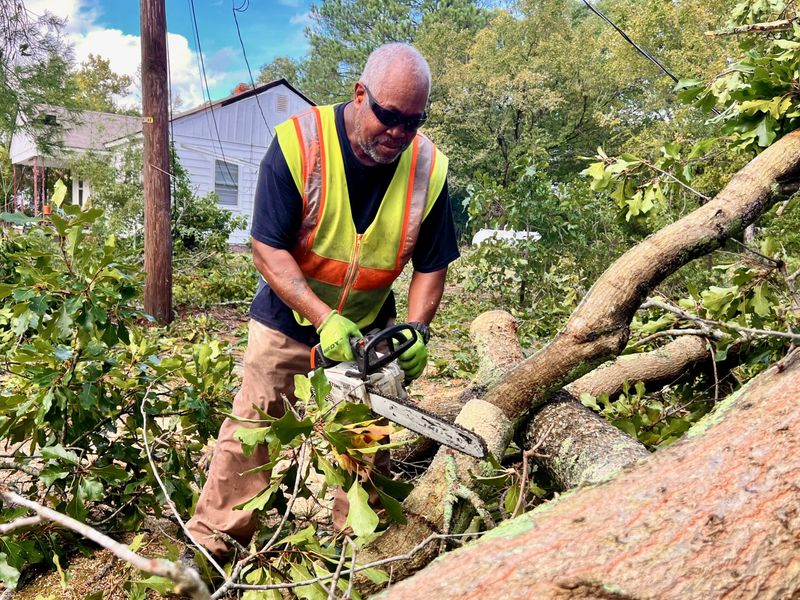
Good pruning after a storm is like first aid for trees. Done right, it helps them heal faster and stay stronger.
Start with the small, easy jobs you can reach from the ground. Remove broken twigs and limbs using clean, sharp loppers or a hand saw.
Cut just outside the branch collar, which is the slightly swollen ring where a branch meets the trunk. That spot holds special cells that help seal wounds.
Avoid flush cuts right against the trunk. They make bigger wounds that heal slowly and invite decay.
For larger branches, use the three-cut method. Make an undercut, then a top cut farther out, then a final clean cut near the collar to prevent bark tearing.
Resist the urge to top the tree or cut it way back. Removing too much at once stresses a tree that is already worn out.
Many homeowners in North Carolina were tempted to hack trees down to stubs after Isaias. Sadly, topping often creates weak regrowth that breaks easily in the next storm.
Leave anything high up, near power lines, or bigger than your arm to a professional. Chainsaws and ladders together cause lots of injuries every hurricane season.
Patient, careful pruning gives your tree its best shot. Less is often more during that first year of recovery.
9. Call A Certified Arborist When In Doubt
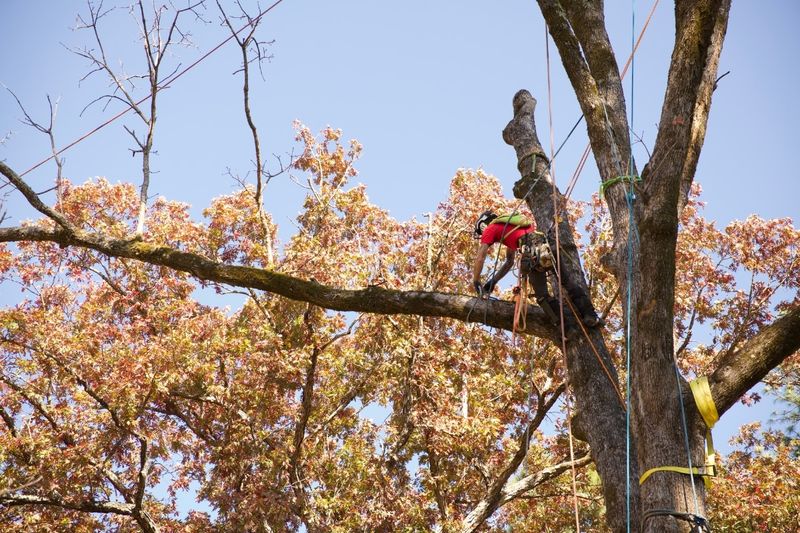
My neighbor once trusted a guy with a truck and a flyer. He paid a lot, and the tree still came down on his fence a year later.
Hiring the right expert matters. A certified arborist has real training in tree health, safety, and storm recovery.
Look for credentials from the International Society of Arboriculture, also called ISA. You can search their website to find certified pros near you.
Ask for proof of insurance before any work starts. If a worker gets hurt or damages your home, you do not want that bill landing on you.
After big storms, door-to-door crews often show up in North Carolina neighborhoods. Some are honest, but others charge too much or do sloppy work.
Get at least two or three written estimates. Compare what each company plans to do, not just the price.
A good arborist will explain your options clearly. They might suggest cabling, bracing, careful pruning, or removal if the tree is truly unsafe.
Check with your homeowners insurance, too. Some policies help cover removal when a fallen tree hits a covered structure.
Trusting a skilled pro brings peace of mind. With expert eyes and your own careful checks, you can make the best call for your yard and your family.