How To Turn Your California Yard Into A Monarch Rest Stop This October
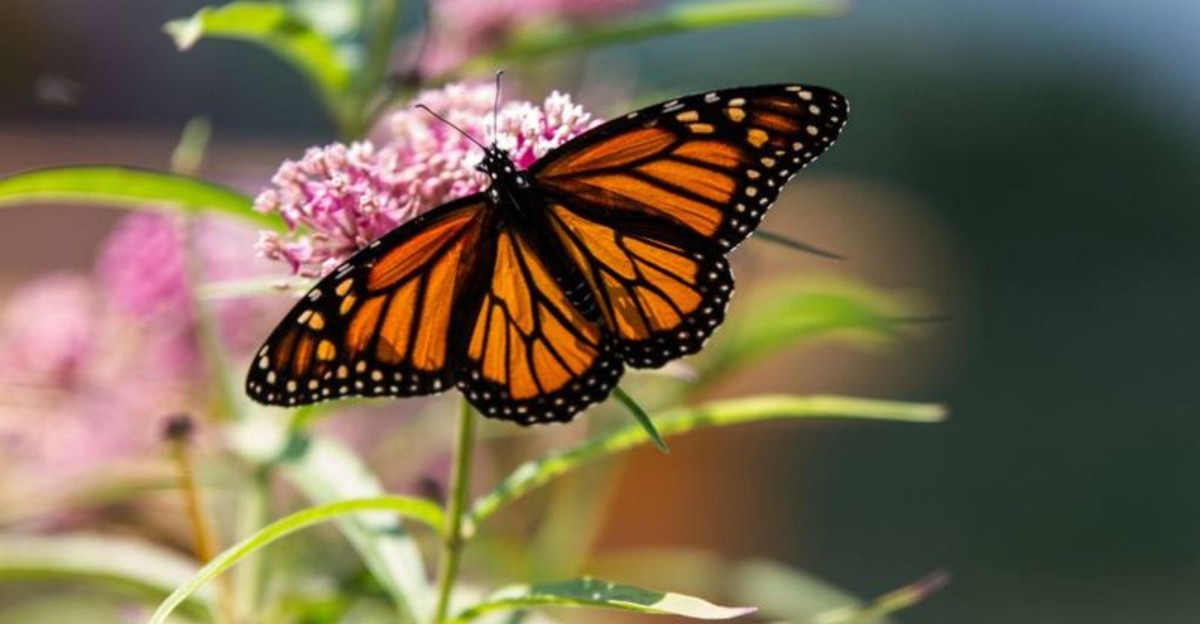
Some of the season’s most remarkable travelers pass through California gardens almost unnoticed. They arrive quietly, linger briefly, and move on toward a destination many miles away.
Their journey asks a great deal of tiny wings, and the stops along the way matter more than most people realize.
Even a small yard can play a meaningful role in that story.
Some helpful steps involve planting, while others are as simple as setting something aside or making one thoughtful trim.
Nearly all of them can begin this month, right as the travel season reaches its peak.
With a few smart choices, an ordinary garden can become the kind of place where weary visitors decide to land.
1. Plant Late Blooming Nectar Flowers
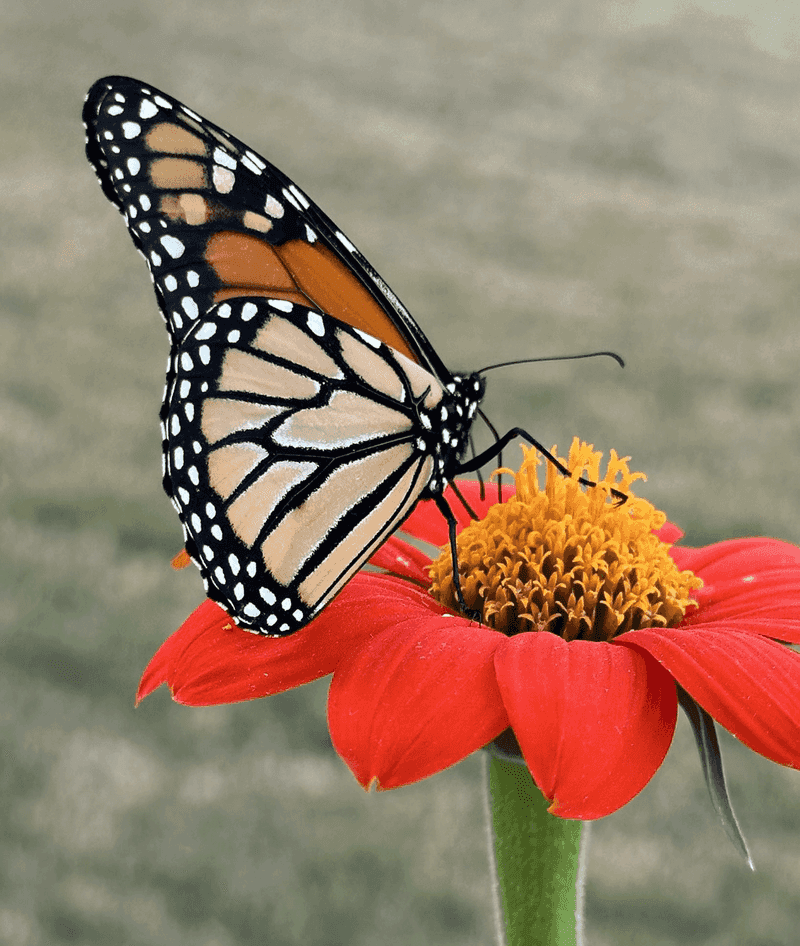
A long road trip without fuel stops would end badly, and monarchs heading toward the California coast face a similar challenge each fall as summer flowers fade. Nectar serves as their fuel, and they need plenty of it to finish the journey.
The sugar in nectar does two jobs. It powers each day of flight, and it helps butterflies build fat stores that carry them through cool winter months at overwintering sites, when food can run scarce.
Many California gardens slow down by October. Roses fade, summer annuals dry out, and lawns offer nothing at all.
A yard with fresh fall blooms stands out like a bright sign along an empty highway.
The Xerces Society, a leading insect conservation group, urges gardeners to fill this late-season gap with native flowering plants. Native plants match the local climate and often need less water once settled.
They also support bees and other pollinators sharing the same garden.
Groups of plants work better than single stems, since a big patch of one flower is easier to spot from the air. Something blooming from late summer through fall prevents long gaps.
Fall also makes a smart planting season across much of California. Cooler air and the first rains help roots grow strong before next year.
New plants need steady water until winter storms take over the job, and by next fall they’ll be ready to welcome the next wave of travelers.
2. Choose Native Asters And Goldenrod
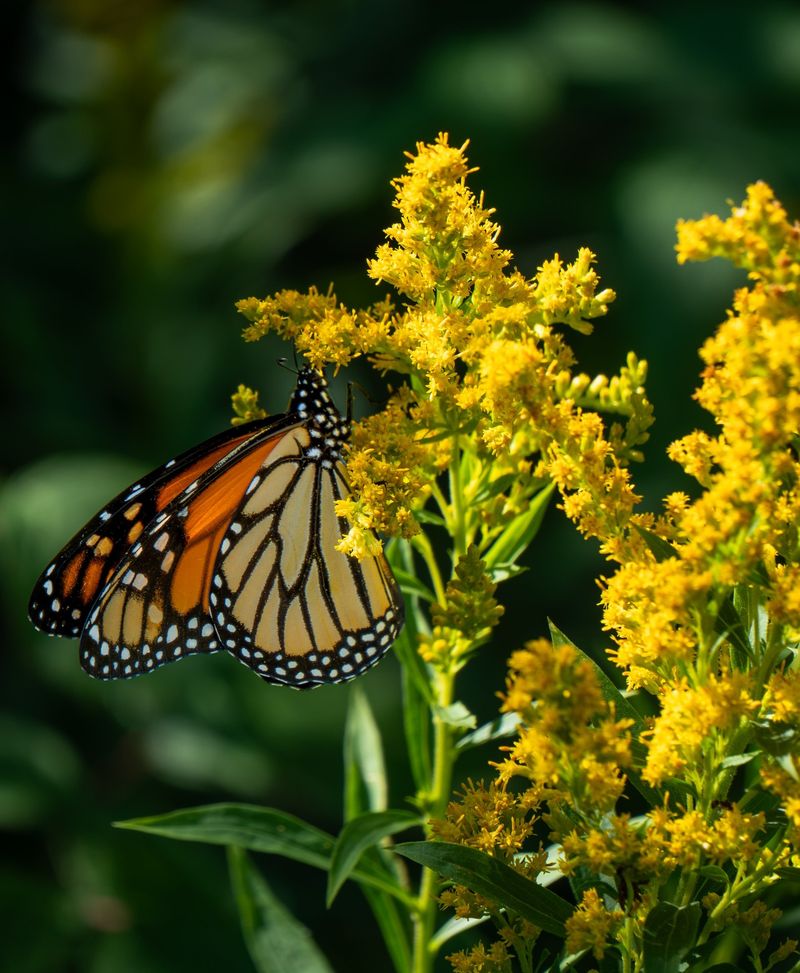
Purple and gold make a winning team in a fall garden. Native asters and goldenrod bloom right as migrating monarchs pass through, and the Xerces Society lists both as strong nectar sources for western monarchs.
California aster, Symphyotrichum chilense, shows off pale lavender, daisy-like flowers with sunny yellow centers. It spreads by underground stems and can fill a bare corner quickly.
Generous space, or a spot where a little wandering is welcome, suits it best.
California goldenrod, Solidago velutina subsp. californica, sends up wands of tiny yellow blooms. Butterflies, bees, and beetles crowd onto those flower spikes.
It handles dry summers well once its roots settle in.
Many people blame goldenrod for fall sneezing, yet the real troublemaker is usually ragweed, which blooms at the same time. Goldenrod pollen is heavy and sticky, so it rides on insects rather than drifting into noses.
Your California Garden Changes Every Week. Your Plan Should Too.
Gardening in California changes quickly throughout the season. Every Friday you’ll receive a simple weekly plan showing exactly what to plant, prune, fertilize, harvest, and protect so you never miss the right timing.
Both plants like full sun and do fine in average garden soil. Heavy fertilizer is best avoided, since it can leave them floppy with fewer flowers.
A light trim after blooming keeps them tidy, though leaving some stems standing offers shelter for other insects.
Local native plant nurseries often stock both in fall. Staff can point toward the kinds that grow wild in a particular region, since California has several. Local plants tend to thrive with the least fuss and the most flowers.
3. Add Coyote Brush For Fall Blossoms
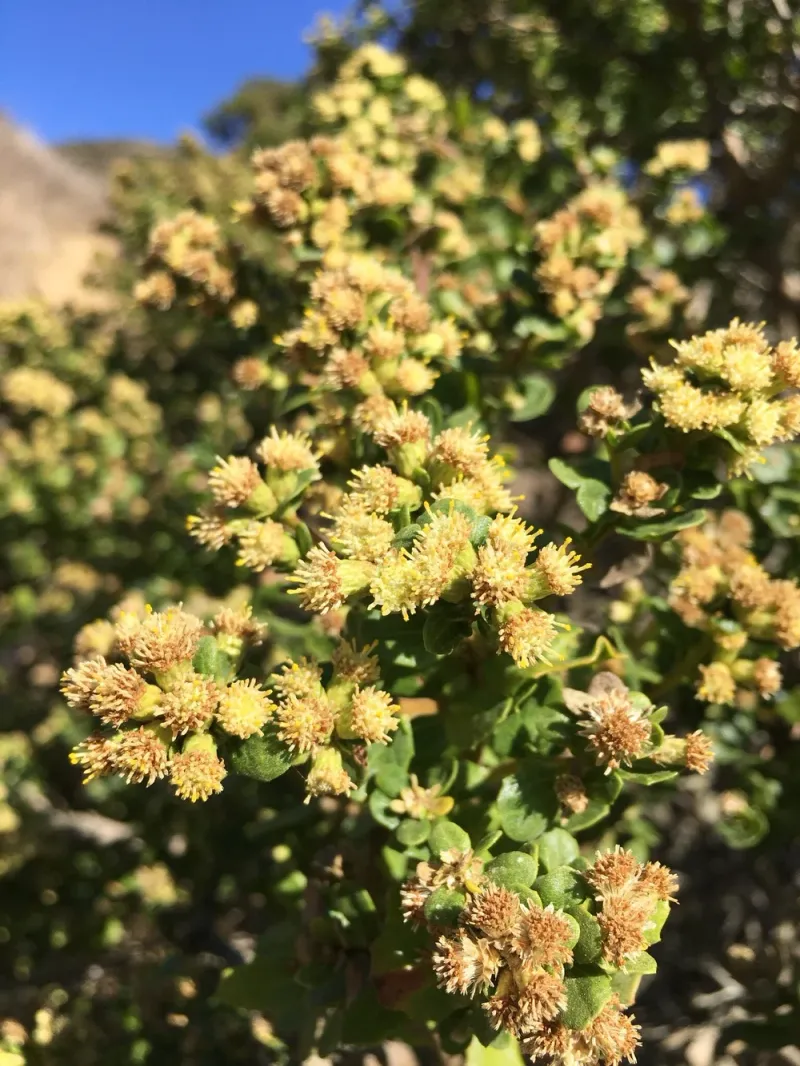
Few people would call this shrub flashy. Most of the year, it looks like a plain green bush on a coastal hillside, yet fall brings a burst of small, fuzzy blooms that butterflies love.
The Xerces Society names coyote brush, Baccharis pilularis, as a nectar source for monarchs near the coast. It flowers in fall, right as butterflies arrive at their winter groves, a timing that makes it a quiet hero of the season.
Coyote brush plants are either male or female. Female plants produce fluffy white seeds that drift like snow, while male plants carry pollen-rich flowers.
Visiting insects flock to both kinds.
The shrub is tough as old boots. Wind, salty air, poor soil, and long dry summers barely faze it, and once established, it rarely needs water in coastal areas.
Gardeners have two main choices. Upright forms grow tall and work well as a hedge or screen.
Low-growing forms such as Pigeon Point or Twin Peaks spread wide and cover slopes with very little care.
Full sun and enough room to grow suit it best. A late-winter prune after bloom ends helps when plants turn leggy.
One good shrub can feed a crowd of pollinators for weeks, earning its spot in any butterfly-friendly yard. Fall planting gives roots a strong start, and in fire hazard areas, this woody shrub belongs beyond the first five feet around the house.
4. Offer Shallow Water With Landing Stones
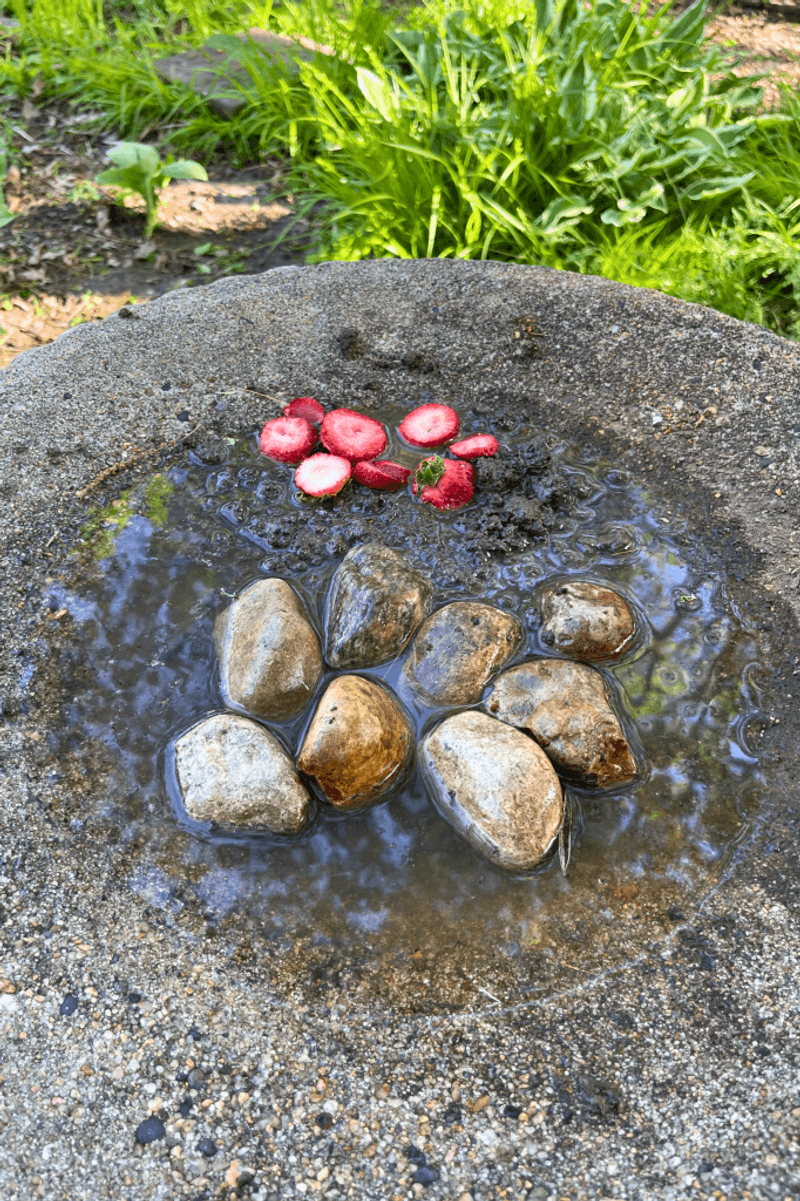
A dry October afternoon can leave a traveling butterfly thirsty. Monarchs get much of their moisture from nectar, yet a safe sip of water still helps, especially during hot, rainless California falls.
Butterflies can’t swim, so a deep birdbath poses a risk. A shallow dish with landing stones solves that problem by giving them a dry place to stand while drinking from the edges.
The setup takes about ten minutes. A plant saucer or pie tin filled with flat stones or pebbles, with water added until only the stone tops peek out, works perfectly.
A sunny spot near nectar flowers, with some shade later in the day, makes an ideal location.
Some gardeners mix in a little sand to create a damp patch. Many butterflies like sipping from moist soil, which can offer minerals.
Sand kept wet but not swampy serves that purpose well.
Fresh water every two or three days discourages mosquitoes and keeps algae from building up. A weekly scrub with plain water and a brush, without soap or bleach, keeps the dish clean.
Placement matters, too. A low dish set away from spots where cats like to lurk feels safer to visiting butterflies.
A calm, open area near flowers makes the water easy to find and use. Through the dry weeks before winter rains arrive, that small dish can offer real relief to visitors passing through.
5. Block Wind With Shrubs And Fences
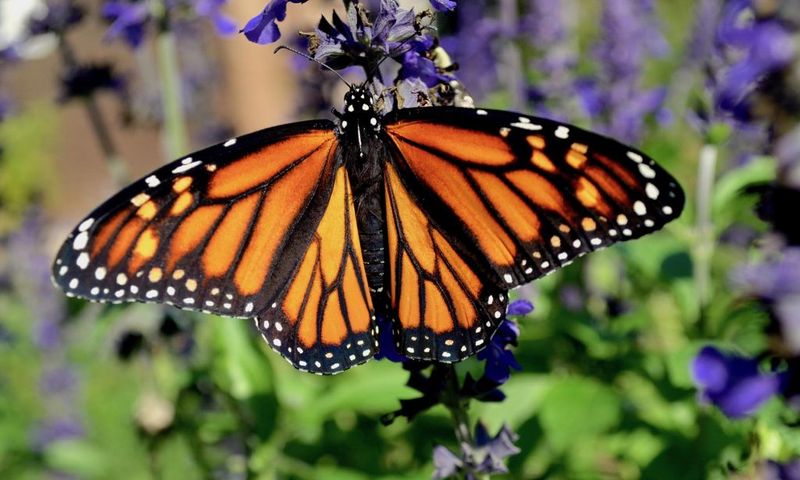
A monarch trying to land on a flower during a gusty afternoon often flutters, slides sideways, and gives up. Wind wastes the energy a butterfly worked so hard to store.
Monarchs gather at coastal groves partly because the trees shelter them from strong wind. The same idea works at home on a smaller scale, giving tired travelers a calmer place to feed and rest.
The first step involves noticing where wind hits the yard. In many California neighborhoods, afternoon breezes blow in from the ocean or down from the hills.
Nectar flowers planted on the protected side of a fence, wall, or row of shrubs enjoy calmer air.
Native shrubs make excellent living windbreaks. Toyon, coffeeberry, and coyote brush handle tough conditions and grow thick enough to slow the breeze.
Toyon also feeds birds with bright red berries in winter, a welcome bonus. In fire hazard areas, these woody shrubs belong beyond the first five feet around the house.
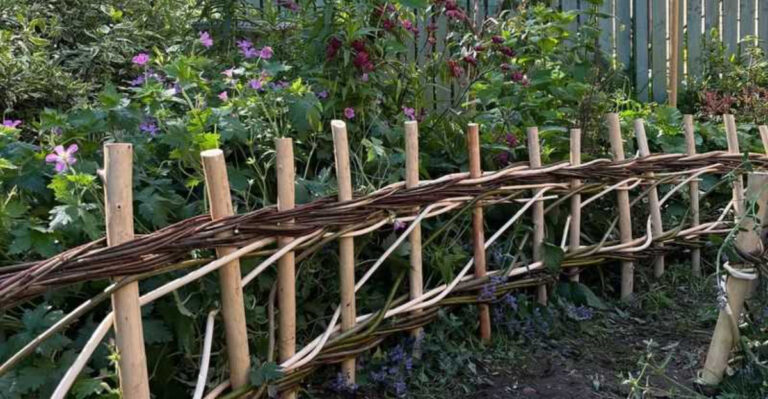
A solid fence can create swirling gusts on its far side. A partly open fence, lattice, or hedge works better, slowing wind without creating turbulence.
Sun matters as much as shelter. Monarchs need warm muscles to fly, so they bask in sunny spots on cool mornings.
The best resting area blocks wind while still catching plenty of morning light. October, as cool mornings become more common, makes an ideal time to find that sweet spot and plant around it.
6. Skip Pesticides That Harm Butterflies
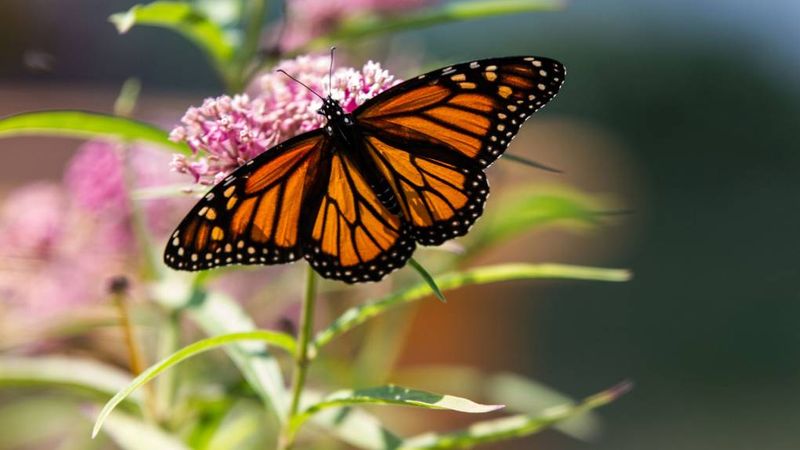
One spray can undo months of careful planting. Many common insecticides can’t tell pests from butterflies, harming caterpillars, monarchs, bees, and the helpful insects that keep pests in check.
The Xerces Society advises keeping butterfly habitat free of insecticides. Systemic products raise special concern.
Neonicotinoids, for example, travel through a plant into its leaves, pollen, and nectar, sometimes lasting for months.
Nursery plants can carry these chemicals, too. A quick question about treatment history before purchase helps, and native plant nurseries often offer a safer bet.
Even products labeled natural can pose risks. Some organic sprays still harm butterflies and caterpillars on direct contact. Every label deserves a careful read, and uncertain products are best left on the shelf.
Aphids and other pests have gentler solutions. A strong blast of water from the hose knocks many off, while larger bugs come off by hand.
A badly infested stem can simply be snipped and tossed in the trash.
Ladybugs, lacewings, and small parasitic wasps often show up to tackle pests on their own, so a few days of patience before stepping in pays off. A garden with some bug activity is a healthy one, not a struggling one.
Neighbors make a difference, too. Butterflies cross property lines freely, so an entire street that avoids pesticides creates a much larger safe zone for monarchs passing through this fall.
7. Cut Back Tropical Milkweed In Fall
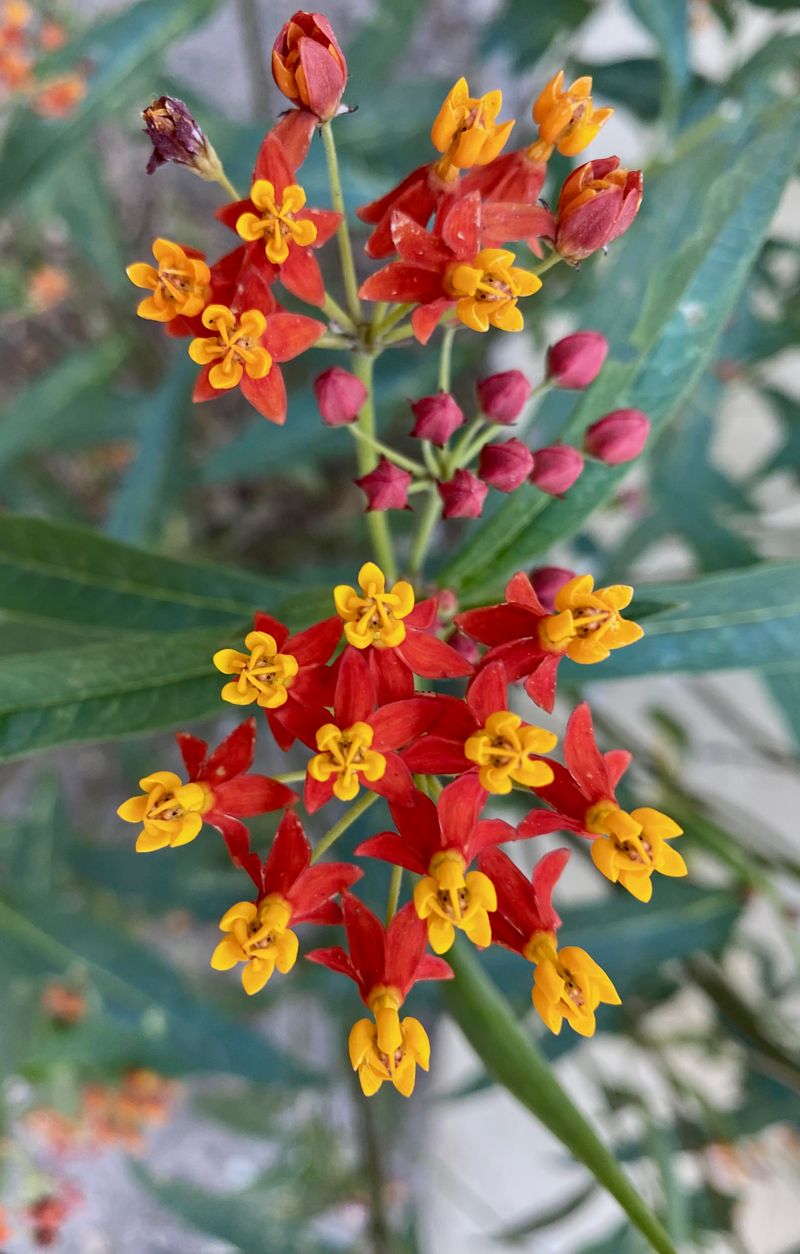
Red and orange flowers on a tall green stalk look harmless enough. Tropical milkweed, Asclepias curassavica, sells in many garden centers as a butterfly plant, yet the Xerces Society recommends against planting it, especially in mild coastal areas.
The trouble begins with a tiny parasite called OE. Native milkweeds go dormant in winter, which gives the parasite a natural reset.
Tropical milkweed stays green all year in mild California weather, so OE spores can build up on its leaves.
Caterpillars that eat those leaves can pick up the parasite. Infected adults may emerge weak, small, or unable to fly well.
Year-round milkweed can also tempt monarchs to keep breeding rather than migrating or settling in for winter.
Complete removal makes the best choice. Plants pulled out, bagged, and sent to the trash stop the problem at its source.
For anyone not ready to part with it, a cutback to a few inches tall in October or November helps.
A quick check for eggs or caterpillars comes first, with trimming delayed until they move on, and any new growth gets cut back through winter.
Milkweed planted later works best as a species native to the area, such as narrowleaf or showy milkweed. Xerces also advises against planting milkweed near coastal overwintering sites, so local guidance matters.
Native plant nurseries and UC ANR resources can help determine what fits a particular spot.
8. Plant Winter Bloomers For Coastal Monarchs
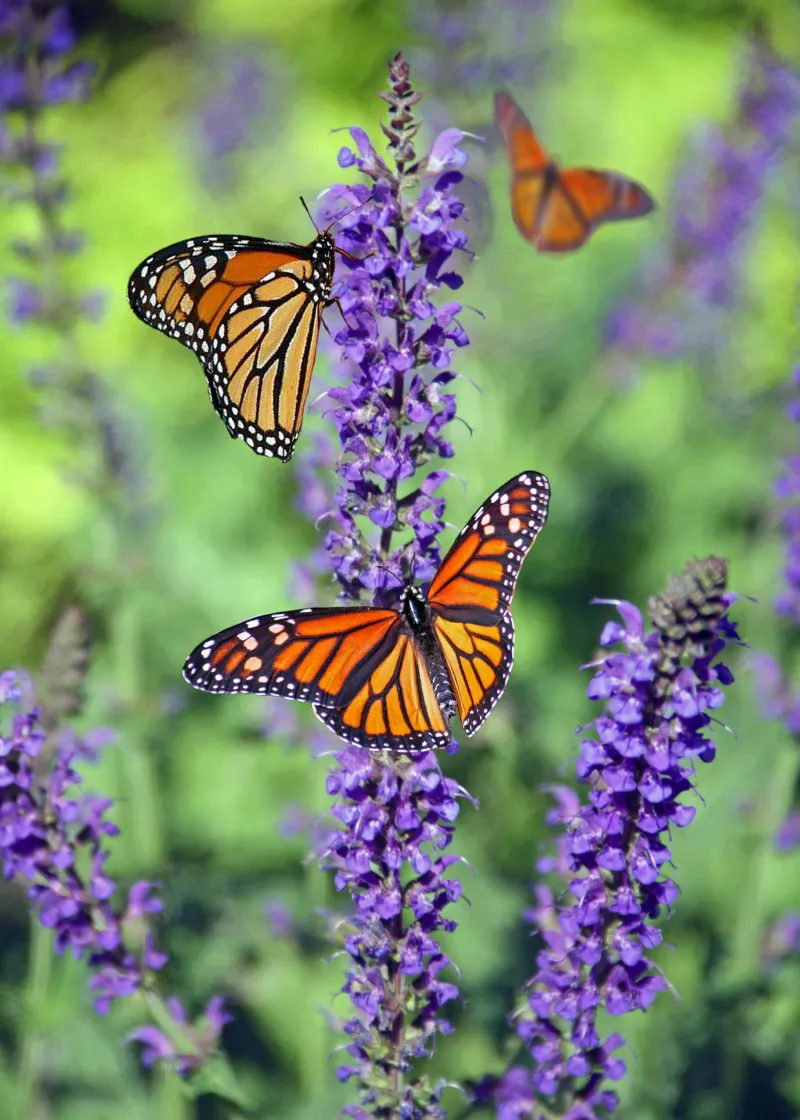
Coastal towns welcome special visitors once the migration ends. From Mendocino down to San Diego, monarchs cluster in groves of trees for the winter, leaving their branches on warm days in search of a snack.
Gardeners living near these overwintering sites can help in a big way. Winter flowers are rare, so a yard with blooms from November through February becomes a valuable food stop.
The Xerces Society encourages planting nectar sources that bloom during these cooler months.
Manzanitas make a fine place to start. Many kinds open small pink or white bell-shaped flowers in winter, and they love sun, good drainage, and very little summer water.
Native currants and gooseberries offer other options, blooming in late winter. Some ceanothus, also called California lilac, begin flowering at the tail end of the season.
Coyote brush can also keep blooming into early winter in some coastal spots.
A mix of species keeps something in flower through the season.
A local native plant nursery can point toward the winter bloomers that perform best in a particular neighborhood, since soil, fog, and frost can shift a great deal within just a few miles.
The milkweed rule applies here, too. Skipping milkweed near the coast helps monarchs stay in winter mode rather than breeding.
Flowers, shelter, and a pesticide-free yard, planted and prepared this October, turn a coastal garden into a cozy winter café for these remarkable travelers.