How To Move A California Christmas Cactus Without Causing Bud Drop
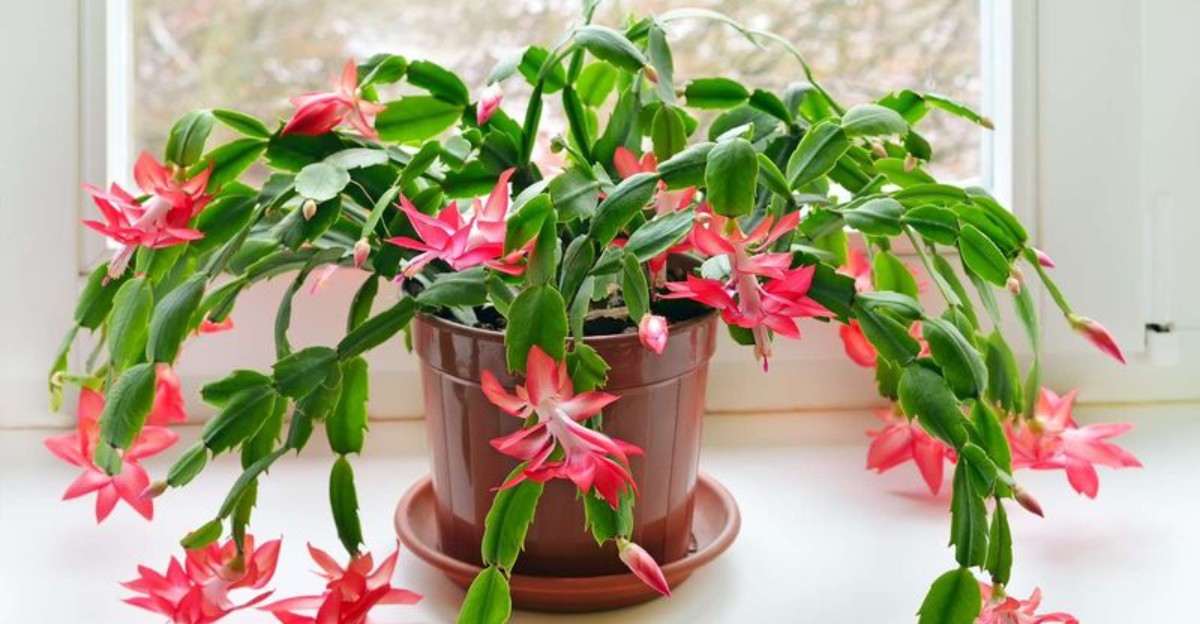
Holiday plants often look their best right when life gets busiest. A plant loaded with promise can suddenly become the centerpiece everyone wants on display.
That impulse makes perfect sense, yet this particular bloomer has a famously sensitive side once its show begins taking shape.
Small changes that seem harmless to people can feel like major upheavals to a plant at this stage.
The good news is that a careful plan makes a big difference, turning a risky trip into a smooth one.
Most of the steps take only minutes, and none require special equipment.
With a little patience, a prized plant can travel across the house and still deliver every last bloom right on schedule.
1. Mark The Pot Before You Touch It
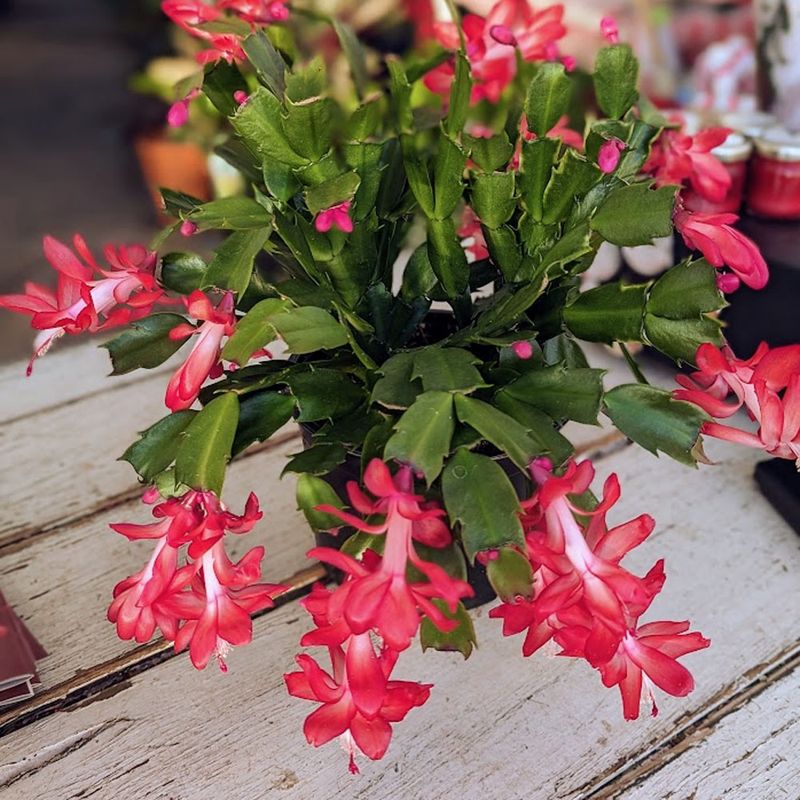
A strip of masking tape may be the cheapest bud insurance available. Before the pot gets lifted, a small piece of tape on the side facing the window, with an arrow drawn toward the light, records the plant’s orientation.
That small step matters because a Christmas cactus spends weeks setting buds while facing one direction. Each bud settles into the light it knows.
Spinning the pot forces the plant to adjust, which can stress buds still forming.
A marker dot, sticker, or twist tie on the rim works just as well as tape. Something easy to notice in a hurry helps, and bright colors make sense when several household members might handle the plant during busy holiday weeks.
A quick phone photo adds another layer of insurance. A snapshot of the plant in its current spot, showing the stems, window, and angle, makes matching the setup easy later.
Plastic and glazed pots can make tape slippery, so firm pressure helps it stick. On clay pots, a pencil mark right on the rim lasts all season and wipes off afterward.
One small mark eliminates a lot of guesswork. With the pot labeled, planning the trip becomes much simpler.
October and early November make a smart time to choose the plant’s holiday location, since buds often begin forming soon after. Marking the pot early means everything stays ready when moving day arrives.
2. Keep The Same Side Facing The Light
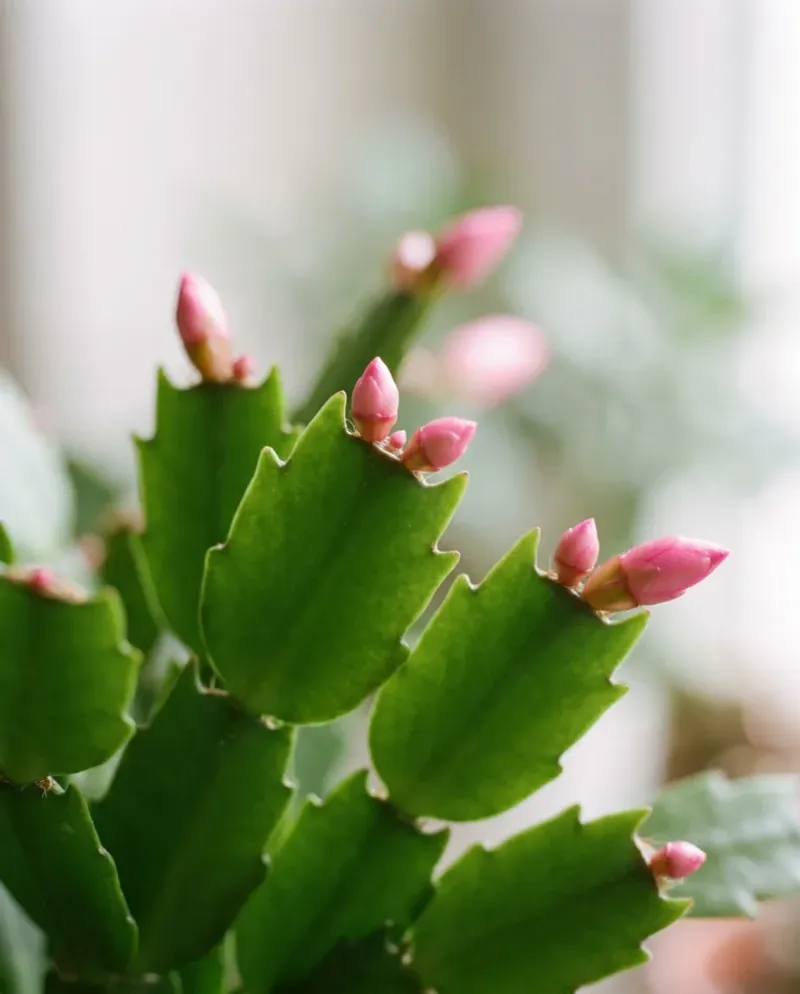
A half turn of a budding Christmas cactus can lead to buds scattered across the table by morning. Gardeners have warned about this for generations, and university sources agree that once buds set, the plant does best facing the same direction.
Buds tend to grow toward their light source, each one angled just so. A sudden turn forces the plant to readjust, and holiday cacti are famously fussy about change at this stage of the season.
The marked pot proves its value here. Carried with the arrow pointing forward, then set down with the arrow facing the new window, the plant keeps light striking the same side it did before.
Weekly rotation for even growth makes sense most of the year. During bud season, though, that habit deserves a holiday break.
Guests often want to spin the pot to admire the best side. A gentle request to look rather than twist protects the display without any awkwardness.
Your California Garden Changes Every Week. Your Plan Should Too.
Gardening in California changes quickly throughout the season. Every Friday you’ll receive a simple weekly plan showing exactly what to plant, prune, fertilize, harvest, and protect so you never miss the right timing.
Admiring from every angle works fine, as long as the pot stays still.
Once the last flower fades, rotation can resume. The cactus handles a new view easily once it no longer juggles a full load of buds.
Until then, staying put remains the plant’s favorite position. A little discipline now pays off in a full holiday show that lasts for weeks, often well into the new year.
3. Match Light And Temperature In The New Spot
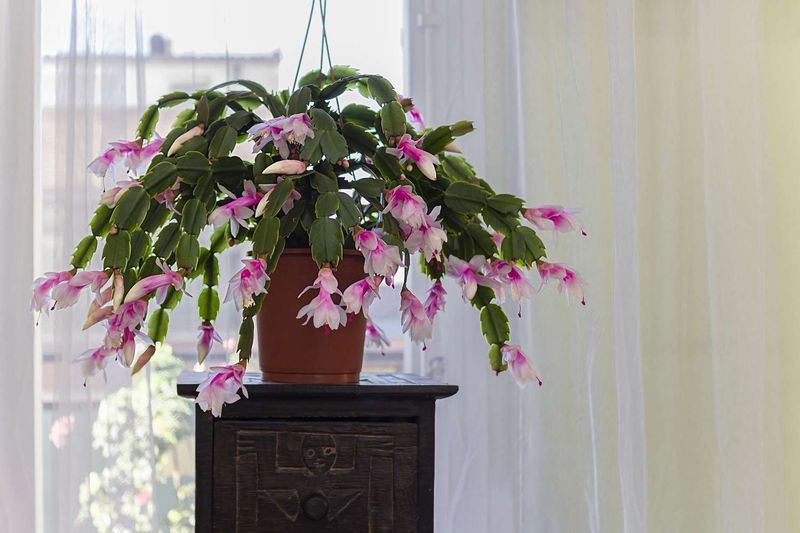
A move from a cool, bright bedroom to a dim, toasty kitchen feels to the plant like a surprise trip to another climate. Swings that large rank among the classic causes of bud drop.
Scouting the new spot first pays off. A look at several times of day reveals whether it offers bright, indirect light like the old location and a similar temperature.
Holiday cacti bloom best in bright light without harsh afternoon sun. Room temperatures in the 60s to low 70s suit them well during flowering.
University sources note that steady warmth, especially in the upper 70s or higher, can make buds fall, so warm corners are best avoided.
An inexpensive indoor thermometer simplifies the job. Left in the new spot for a day, its readings can be compared with those from the old location.
Close numbers signal a winner.
Light proves trickier to measure, though eyes help. A spot bright enough to read a book comfortably at midday without a lamp usually works, while a dim hallway or shadowy shelf falls short.
California homes often have sunny rooms that heat up fast. A south window that bakes in the afternoon may prove too intense.
The best choice feels like a twin of the old spot, so buds barely notice the switch. October gives plenty of time to test a few locations before buds swell and the holidays arrive.
4. Avoid Drafts, Heat Vents, And Cold Windows
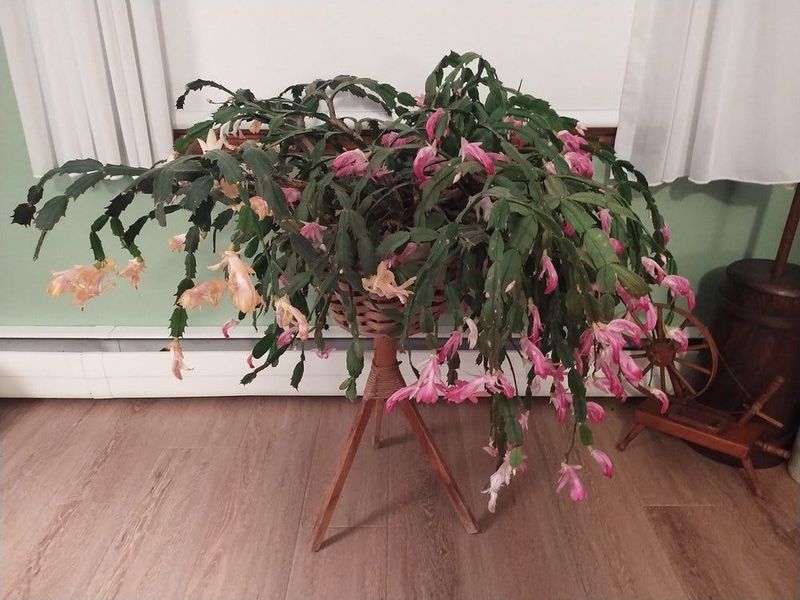
Heat vents act as sneaky bud thieves. A spot that seems perfect in the morning can blast hot, dry air the moment the furnace kicks on, and university sources list heat vents and drafts among the most common reasons holiday cacti drop buds.
A careful walk around the new location reveals moving air. A hand held near the floor and walls detects vents, space heaters, and drafts.
Fireplaces deserve attention, too, along with the top of the refrigerator, which stays surprisingly warm.
Cold drafts cause trouble as well. Front doors swing open constantly during holiday visits, sending chilly gusts across the room, so a plant near the entry gets a shiver every time someone arrives with a casserole.
Windows can work both ways. Glass that feels pleasant at noon can turn icy at night, especially in older homes.
Keeping stems from touching the pane, with a few inches of breathing room, prevents cold damage.
Even in mild California, inland nights can dip near freezing by December. Pulling the pot back from cold glass after sunset helps, and closed curtains between plant and window add protection on frosty evenings.
Ceiling fans deserve a glance as well. Steady airflow over the plant dries it out faster than expected.
A calm, even spot keeps the cactus comfortable and fully budded. Checking for drafts now, before the furnace runs daily, makes the job far easier than in the middle of December.
5. Move Gently In Stages
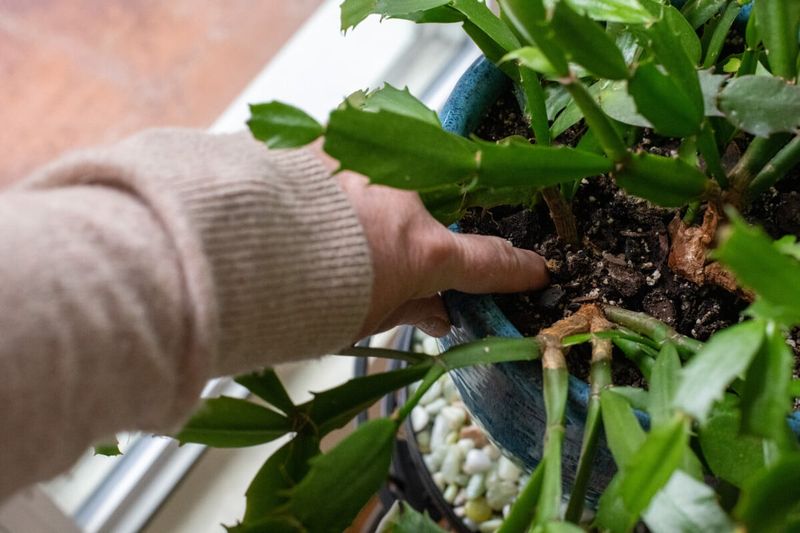
Slow and steady wins the bloom race. A jostled, bumped, or tipped cactus can shake loose buds already hanging by a thread, so the trip calls for the same care as carrying a full cup of hot cocoa.
Holding the pot from underneath with both hands works best. Grabbing the stems is best avoided, since holiday cactus segments snap off easily.
An upright pot and an easy walking pace, with an eye out for pets, children, and stray shoes, keep the trip uneventful.
Bigger location changes benefit from a staged approach. A partial move one day, perhaps to a spot between the old and new rooms, followed by the final leg a few days later, gives the plant time to settle.
Timing matters, too. A mild part of the day works better than moments when the heater roars or doors keep opening.
A move at least a week before any party lets the cactus relax before guests arrive.
Longer trips, such as a visit to a relative’s house, call for extra care. A snug box with crumpled paper around the pot cushions the ride, and a comfortable car temperature protects buds.
Leaving the plant in a cold or hot vehicle during errands is best avoided.
On arrival, the pot goes down with the marked side facing the light, and then the plant deserves some peace. A little patience keeps those buds hanging on through the holidays.
6. Skip Repotting While Buds Form
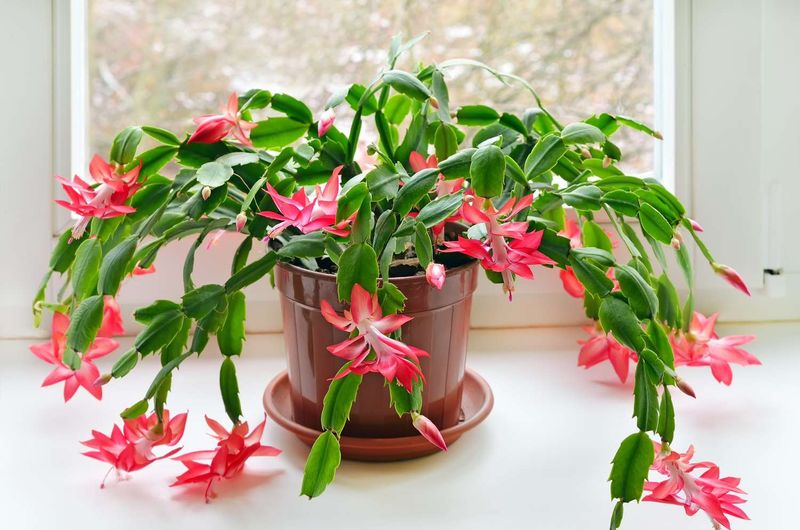
That cracked old pot can wait. Moving day may feel like the perfect moment to upgrade to a prettier container, yet repotting a budding cactus invites trouble, since disturbed roots can send buds tumbling.
Repotting stresses any plant. Roots get bumped, soil textures change, and moisture levels shift.
A holiday cactus loaded with buds has little energy to spare for all that upheaval during bud season.
These plants actually prefer a slightly snug fit. In the wild, they grow on trees and rocks in Brazil’s humid mountain forests, tucking roots into small pockets of debris.
University sources note they bloom well when slightly pot-bound and need repotting only every few years.
A decorative cachepot or basket offers an easy shortcut to a festive look. The plain pot slips inside, delivering holiday style with zero root disruption.
A quick check that water doesn’t pool in the bottom of the outer container keeps roots healthy and firm.
Spring, after flowering ends, makes the right time for real repotting. A new pot only an inch or so larger, with a drainage hole, works best.
Fast-draining mix prevents the soggy soil that leads to root rot. Patience here costs nothing, since the plant gets a new home later while the household enjoys a full holiday show now.
October offers a good moment to pick out that festive cachepot.
7. Water Steadily Before And After
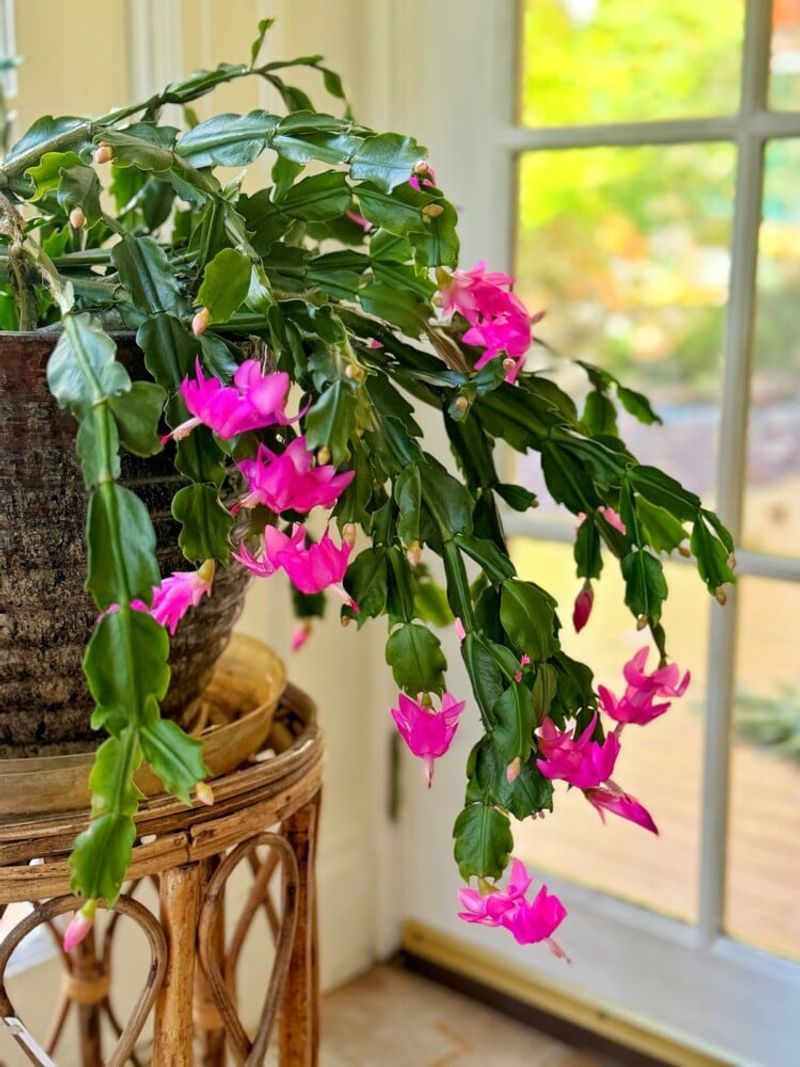
Thirsty one week and soaked the next creates exactly the kind of roller coaster holiday cacti dislike. Swings between dry and soggy soil rank among the known causes of bud drop, so steady moisture around the move matters.
A soil check a few days before moving sets the stage. A finger pushed into the top inch reveals dryness.
A thorough watering until some drains from the bottom, with the saucer emptied afterward, gives the plant what it needs.
Watering ahead lets the plant travel with a comfortable drink. Drenching it right before the trip, however, is best avoided, since a soggy pot weighs more and is more likely to slosh or tip.
After the move, the usual rhythm continues. A new spot may dry the soil faster or slower than the old one.
Checks every few days at first, with water added once the top inch dries, keep things balanced.
Despite the name, these cacti aren’t desert plants. They come from humid forests, so they need more water than a prickly pear.
Standing water, though, is best kept away from the roots, since it can lead to rot.
Room-temperature water treats roots more kindly than an icy splash from the tap. A watering can filled and left out for a while prevents a chilly shock.
Fall’s cooler days usually mean the soil dries a bit more slowly than it did in summer.
8. Wait Until After Bloom For Big Changes
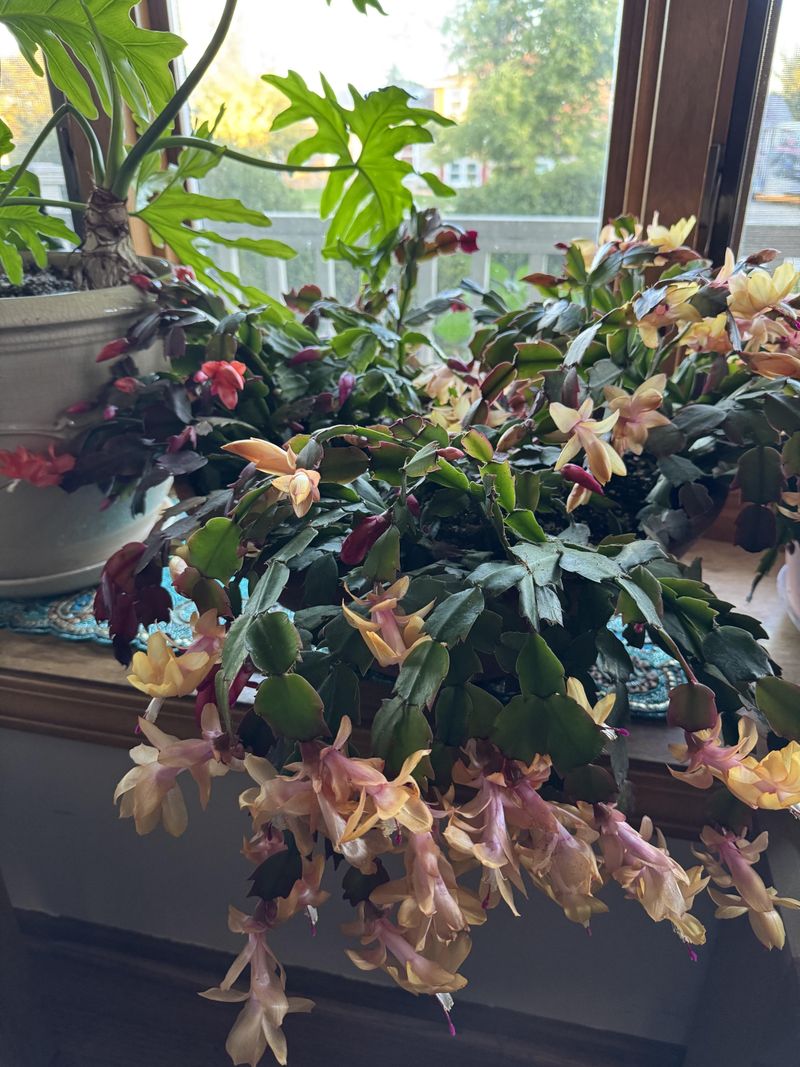
Every flower eventually fades, and that moment opens the door to bigger projects. Once the last bloom wilts, the cactus is ready for the changes put on hold, though until then, calm and quiet serve it best.
A simple list during bloom season helps. A new pot, a sunnier window, or a trim to shape lopsided stems can all wait their turn on paper until the blooms finish.
After flowering, a short rest with slightly less water for a few weeks suits the plant. Spring then brings the right time for repotting and pruning.
Pinching off a few stem segments encourages bushier growth and more future blooms.
Those trimmed segments root easily, too. Left to dry for a day, then tucked into moist potting mix, they soon become small new plants to share with friends, a gift that keeps on giving.
Summer offers a fine time to move the plant outdoors to a shady patio, as many California gardeners do. It comes back inside before nights turn cold in fall, ideally before temperatures drop below about 45 degrees.
Cool nights and longer darkness help trigger next year’s buds, which is exactly what October provides.
Saving big changes for after bloom protects this year’s show while building a stronger plant for the future.
Treated like a quiet holiday retreat during bud season, the cactus can dress up the table year after year.