The Reasons Why Your Texas Christmas Cactus Is Wilting
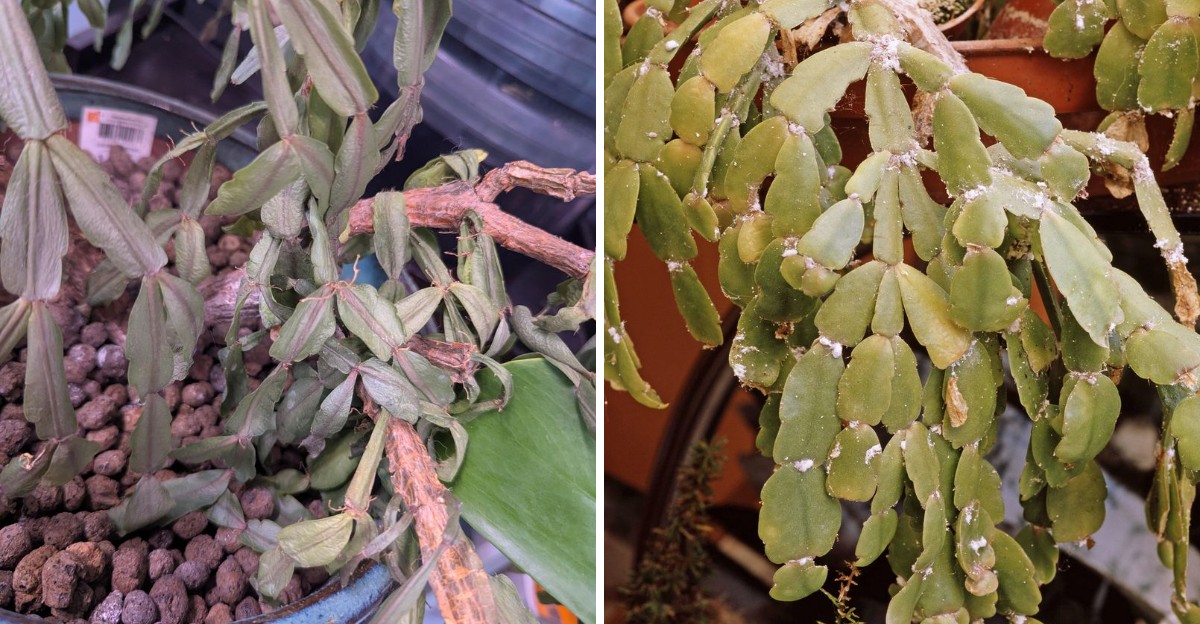
If your Christmas cactus spent the summer on a Texas porch, it’s already been through a lot.
Blazing afternoons, sticky humidity, and the occasional thunderstorm can wear down even a healthy plant. So it’s no surprise when those once-firm segments start looking limp and droopy.
Wilting can be confusing, because it shows up for several very different reasons. Soggy soil after heavy watering can lead to root rot.
On the flip side, hot, dry spells can leave the plant thirsty and shriveled. Too much direct sun may cause stress and a reddish tint.
Indoors, a spot near an air conditioning vent can bring cold drafts and dry air. The trick is figuring out which problem you’re dealing with before you change anything.
Once you spot the cause, getting your plant back to its plump, healthy self is usually easier than you’d think.
1. It Is Simply Too Dry
Many people think every cactus loves dry dirt. That idea gets a lot of Christmas cactus owners into trouble.
Your plant actually comes from the rainforests of Brazil, where it grows on tree branches in damp, shady air.
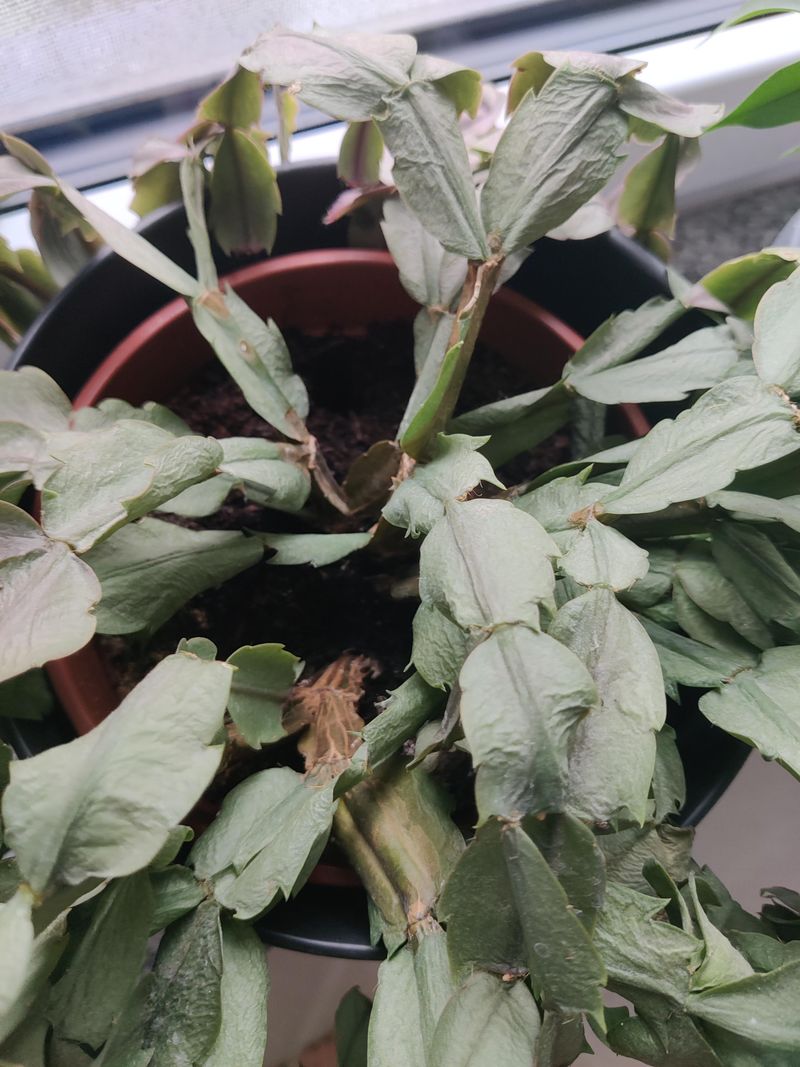
Because of its tropical roots, a Christmas cactus needs more water than a desert cactus. When it gets too thirsty, the flat segments start to look limp and floppy.
You may also see wrinkles or a shriveled, deflated look, almost like a balloon losing air. Texas weather makes the problem worse. During hot months, pots can dry out in just a few days.
Clay pots dry even faster because they pull water out of the soil. A plant sitting near a sunny window can lose moisture faster than you expect.
So how do you know when to water? Stick your finger about an inch into the soil. If it feels dry at that depth, it is time for a drink. If it still feels damp, wait another day or two.
When you water, do it thoroughly. Pour slowly until water runs out of the drainage holes at the bottom. Then let the pot drain fully so it does not sit in a puddle. A quick splash on top only wets the surface and leaves the roots thirsty.
A badly dried-out plant may need a few days to plump back up. Be patient and keep checking the soil. In summer, you might water about once a week. In cooler months, every two weeks may be enough.
Fun fact: in the wild, these plants soak up moisture from mist and rain that drips through the forest canopy.
2. Rotting Roots Below The Soil
Here is a twist that surprises plenty of plant lovers. Too much water can make a Christmas cactus look exactly like it needs more water. Overwatering is one of the top reasons these plants wilt.
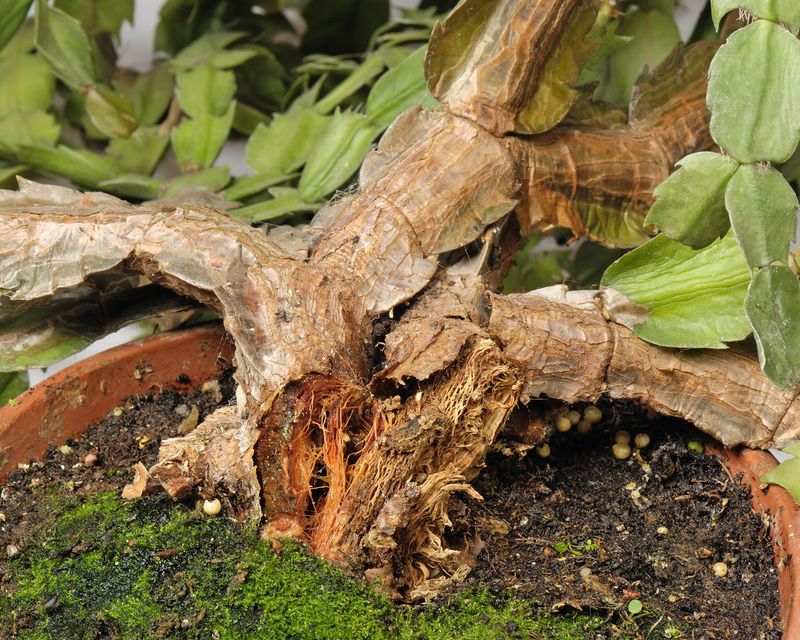
When soil stays soggy, roots cannot get air. They start to rot and turn brown, soft, and slimy. Rotten roots cannot pull water up into the plant, so the segments go limp even though the pot is wet.
Your Texas Garden Changes Every Week. Your Plan Should Too.
Gardening in Texas changes quickly throughout the season. Every Friday you’ll receive a simple weekly plan showing exactly what to plant, prune, fertilize, harvest, and protect so you never miss the right timing.
Watch for a few clear clues. The base of the stem may feel soft or mushy. The soil might stay wet for days and even smell sour or musty. Some segments may turn yellow or drop off with just a light touch.
If you suspect rot, act quickly. Gently slide the plant out of its pot and shake off the old soil. Healthy roots look white or tan and feel firm. Bad roots look dark and fall apart easily.
Use clean scissors to trim away every damaged root. Then repot the plant in fresh, well-draining mix.
A blend made for cactus or orchids works great, or you can add perlite to regular potting soil. Always pick a pot with drainage holes.
After repotting, hold off on watering for a few days. That pause lets the trimmed roots heal. Then go back to watering only when the top inch of soil is dry.
If the main stem has turned completely mushy, all is not lost. You can snip off a few healthy segments and root them in moist soil. Within weeks, you could have a brand new plant growing strong.
3. Too Much Heat Or Harsh Sun
Texas sunshine is no joke. Anyone who has touched a car seat in July knows exactly how fierce it can get. Your Christmas cactus feels that heat too, and it is not built to handle it.
In its rainforest home, this plant grows under a leafy tree canopy. It gets bright light, but the leaves above filter out the harshest rays. Strong direct sun can scorch its tender segments and stress the whole plant.
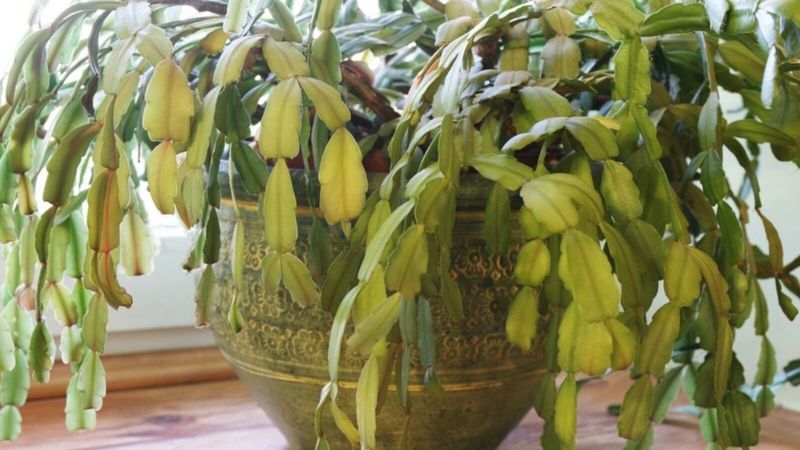
A sun-stressed cactus often droops and looks tired. You may also notice the green segments turning reddish, purple, or even bleached and pale. Those color changes are the plant’s way of saying it is getting cooked.
Hot west-facing windows are a common trouble spot. Afternoon sun pours through the glass and heats things up fast.
Sunny patios and porches can be even worse during a Texas summer, when temperatures climb past 100 degrees.
The fix is pretty simple. Move your plant to a spot with bright, indirect light. An east-facing window is often perfect because it gets gentle morning sun. A spot a few feet back from a south window can work well too.
If you like keeping your cactus outdoors in warm months, choose a shady spot. A covered porch or the shade of a tree is ideal. Just make sure it stays out of the afternoon sun.
Keep an eye on temperature as well. These plants are happiest between about 60 and 75 degrees. Once you move it to a cooler, gentler spot, the reddish color usually fades and the segments perk back up.
4. Dry Drafts Blowing From Vents
Ever notice how your skin feels dry after a day in the AC? Your Christmas cactus goes through the same thing. Air vents can quietly drain moisture from your plant without you even noticing.
In Texas, the air conditioner runs for much of the year. In winter, the heater kicks on during cold snaps. Both systems blow dry air that pulls water from the plant’s segments and from the soil.
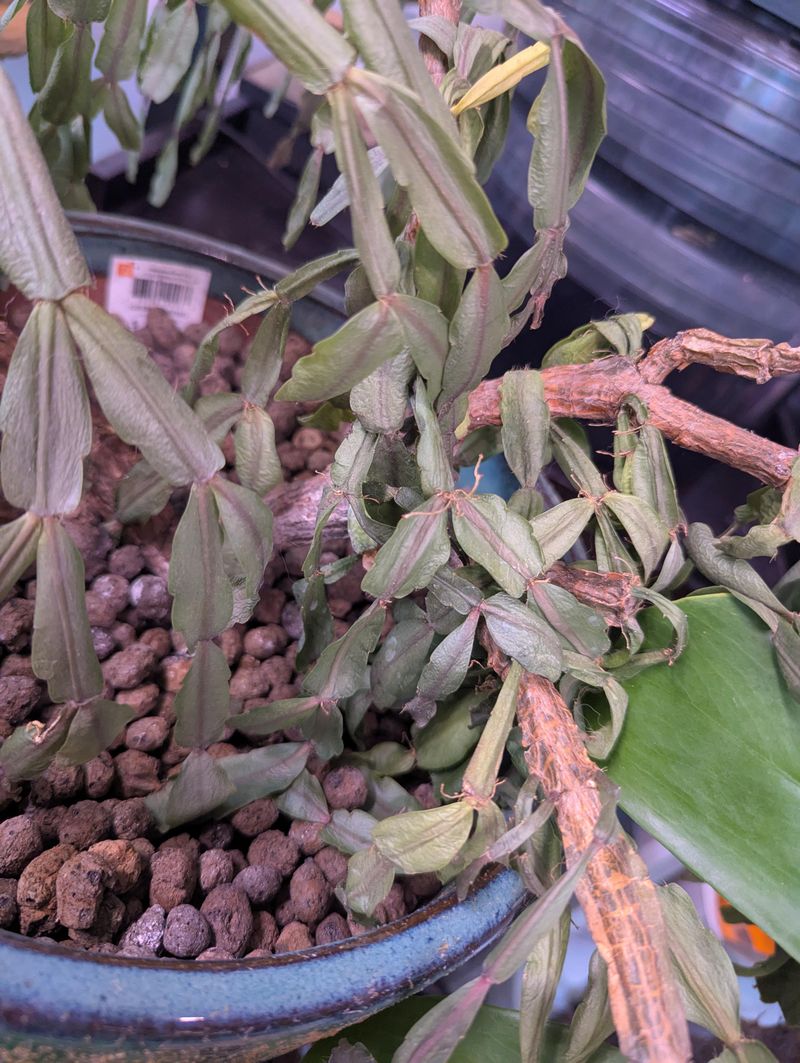
When a cactus sits right in that stream of air, it loses water faster than its roots can replace it. The result is limp, droopy segments. Buds may also fall off before they open, which is extra frustrating around the holidays.
Start by taking a walk around your home. Look for vents in the floor, walls, and ceiling. Then make sure your plant is at least a few feet away from any of them. Also keep it away from drafty doors and fireplaces.
Next, think about adding some moisture back into the air. A pebble tray is a cheap and easy trick.
Fill a shallow tray with small stones, add water just below the top of the pebbles, and set the pot on top. As the water evaporates, it creates a little humid zone around your plant.
A small humidifier works even better if your home feels very dry. Grouping plants together also helps, since they share moisture as they breathe.
Skip daily misting, though. It only helps for a few minutes and can leave water sitting on the segments. A steady, draft-free spot does far more good.
5. Sneaky Pests Feeding On Sap
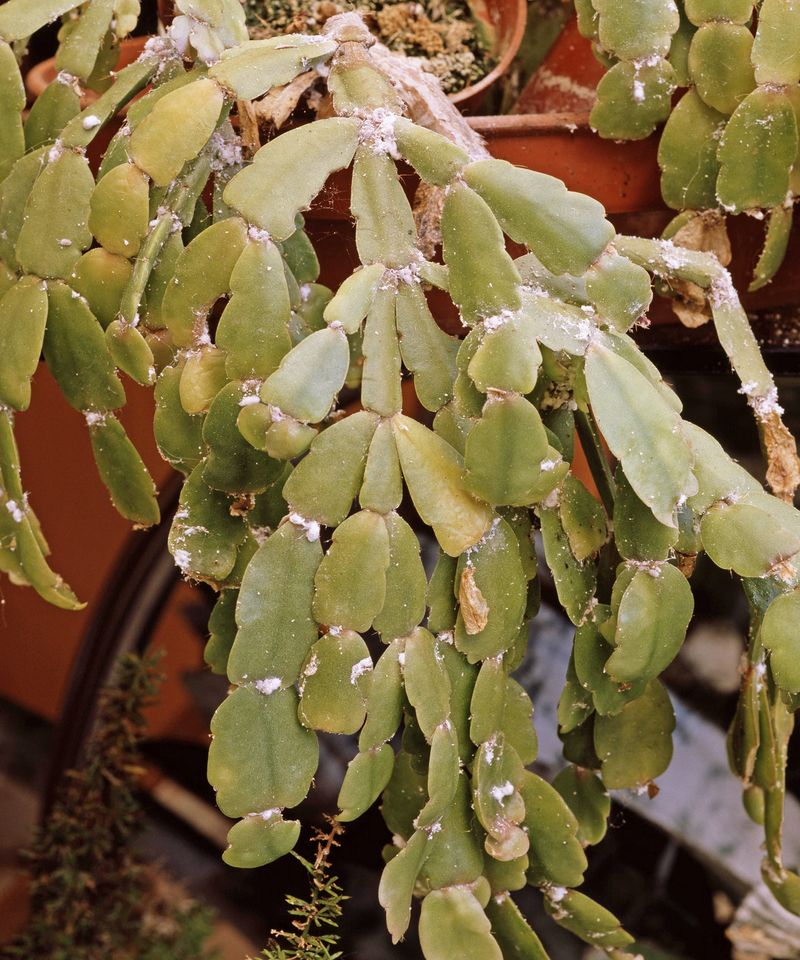
Tiny bugs can cause big trouble. Some of the most common houseplant pests are so small that you might not spot them until your cactus starts to sag.
Mealybugs, scale insects, and spider mites all feed the same way. They poke into the plant and suck out its sap. Losing that sap leaves segments weak, limp, and sometimes yellow or spotted.
Each pest leaves its own calling card. Mealybugs look like small clumps of white cotton, often tucked where segments join.
Scale insects appear as tiny brown or tan bumps stuck to the stems. Spider mites are hard to see, but they leave fine webbing and a dusty, speckled look.
Grab a flashlight and take a close look, especially on the undersides and in the joints. A magnifying glass makes the job easier. Check new plants carefully before bringing them home, since pests love to hitch a ride.
For mealybugs and scale, rubbing alcohol is your best friend. Dip a cotton swab in it and dab each bug directly. The alcohol breaks down their protective coating. Scale may need a gentle scrape with your fingernail afterward.
For spider mites, rinse the plant with lukewarm water in the sink or shower. Then wipe it down or spray it with insecticidal soap. Repeat every week or so until you stop seeing signs of them.
Keep the plant separated from your other houseplants while you treat it. That simple step stops the bugs from spreading. With steady checks, your cactus should regain its firm, healthy look.
6. A Recent Move Or Fresh Repotting
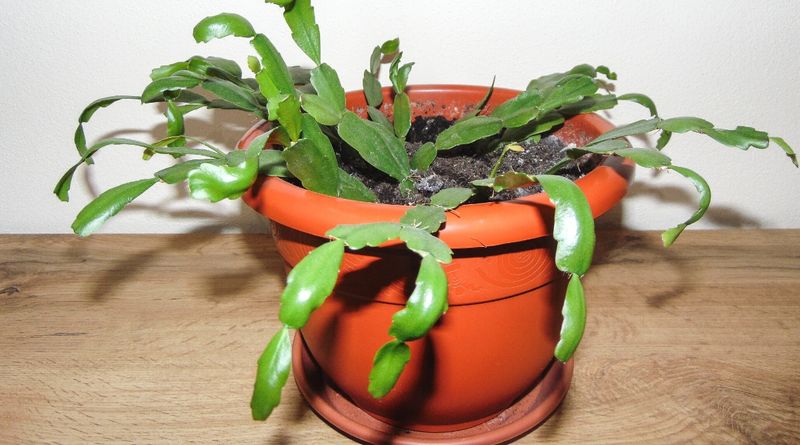
Moving to a new house is stressful for people, and plants feel it too. A Christmas cactus can sulk for a while after any big change in its life.
Many Texans keep their cactus outside on a shady porch during warm months. When fall arrives, they bring it indoors before the first cold front. That shift in light, temperature, and humidity is a lot for a plant to handle all at once.
Repotting can cause the same reaction. Even when you are gentle, some tiny roots get broken. Until they grow back, the plant cannot take in water as well, so the segments may droop.
Moving it from one room to another can also trigger wilting. You might even see a few buds drop. Try not to panic, since this is usually temporary.
The best medicine is calm, steady care. Place your plant in bright, indirect light and leave it there.
Avoid moving it around again while it adjusts. Water when the top inch of soil feels dry, and hold off on fertilizer for about a month.
A smart trick is to make changes slowly. Before bringing it indoors, try moving it to a shadier spot outside for a week or two. Repot in spring, after blooming ends, instead of during the holiday flower season.
Did you know some of these plants are passed down for generations? Families have kept the same Christmas cactus alive for over 50 years. With a little patience, yours should perk up within a few weeks and keep going strong for years to come.