Why California Lemon Trees Flower Out Of Season
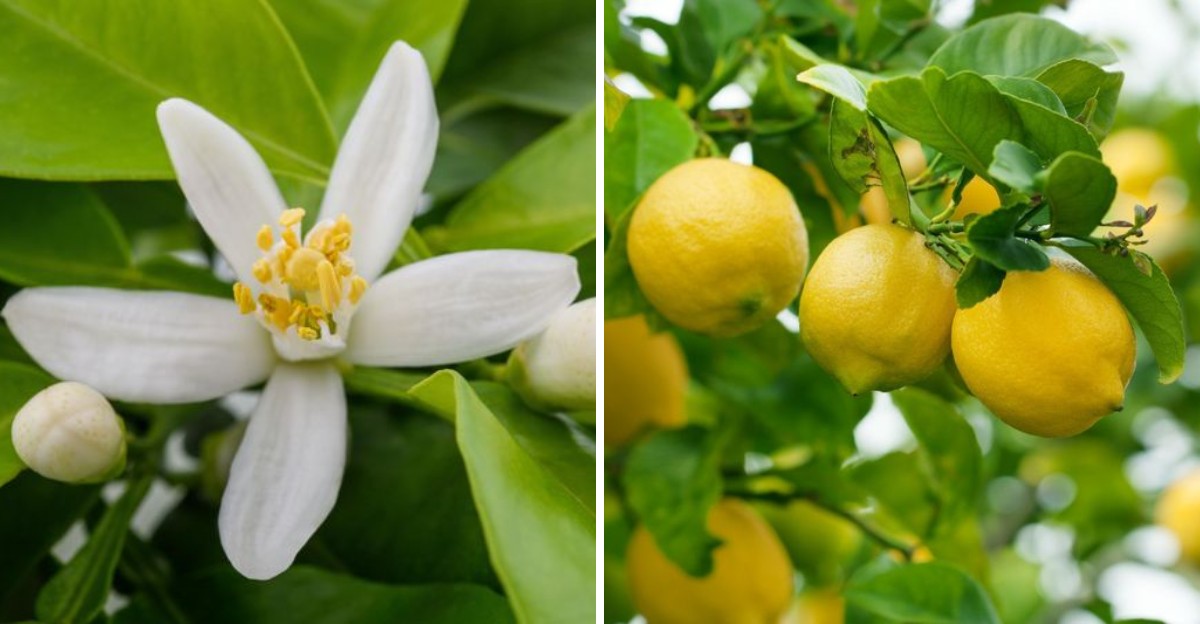
Autumn usually signals a slower pace in the garden. One familiar backyard tree, however, rarely seems to read the calendar.
Its sudden bursts of fragrance can catch gardeners off guard, especially when the branches are already busy with other work.
That unexpected timing often sparks worry, yet the explanation tends to be far simpler than it first appears.
California’s weather plays a starring role, along with a few everyday garden habits that quietly send signals to the tree.
Location matters, too, since the same surprise can mean very different things on the coast than in a chilly inland valley.
A little understanding turns a puzzling sight into a useful clue, and a few small steps can protect next season’s harvest.
1. Lemons Are Naturally Everbearing
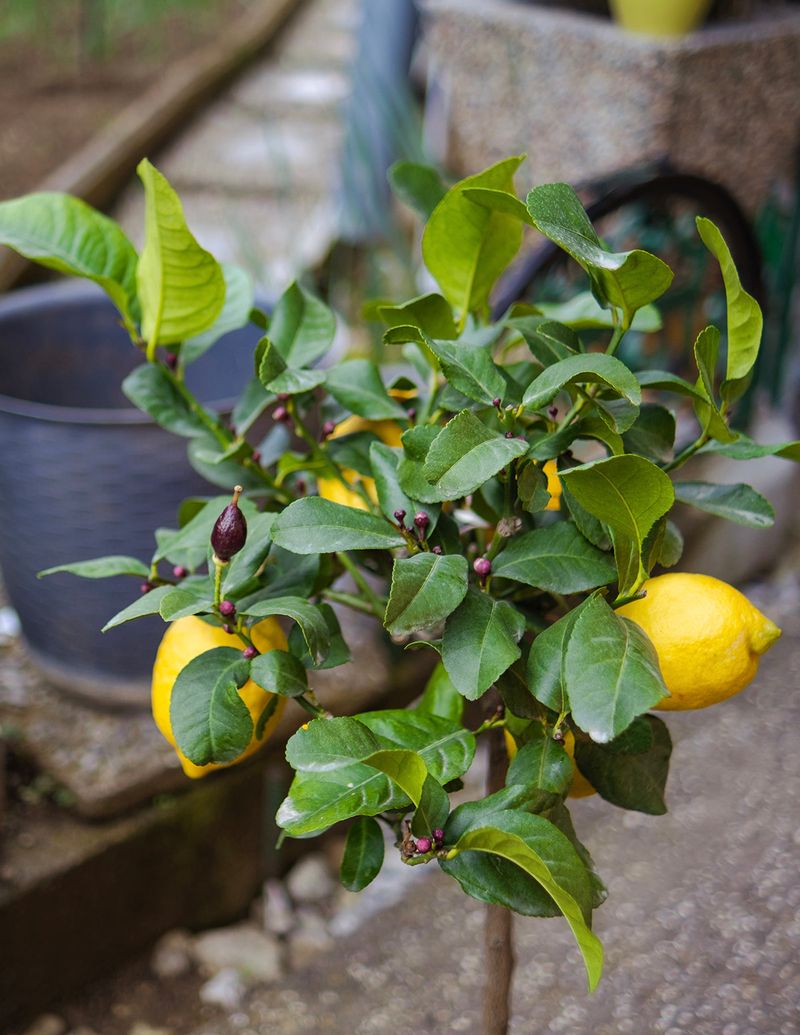
A single branch on a healthy Eureka lemon can hold three stages at once. White buds, marble-sized green fruit, and ripe yellow lemons may all share the same twig, a kind of multitasking few fruit trees manage.
Lemons earn the label everbearing because they don’t stick to one tidy harvest window. Most citrus, such as oranges and mandarins, bloom mainly in spring and ripen fruit on a fairly set schedule.
Lemons run on a looser calendar. A big spring bloom comes first, followed by smaller flushes of flowers whenever conditions allow.
Eureka and Lisbon, the two most common lemons in California, excel at this. Eureka in particular tends to flower and fruit through much of the year along the coast.
Meyer lemon, a hybrid, also blooms in several waves, which helps explain its popularity as a backyard favorite.
A fall bloom, then, rarely signals stress or confusion. The tree is simply behaving like a lemon.
Many home growers enjoy picking fruit almost every month thanks to this habit. It makes a single tree remarkably productive.
One practical step helps a great deal. A quick note on a phone each time a flush of blossoms appears builds a useful record.
After a year or two, the tree’s personal rhythm becomes clear. Watering, feeding, and frost care can then follow that pattern instead of catching anyone off guard, starting with this October’s surprise blossoms.
2. Water Stress Followed By Rain Triggers Flowers
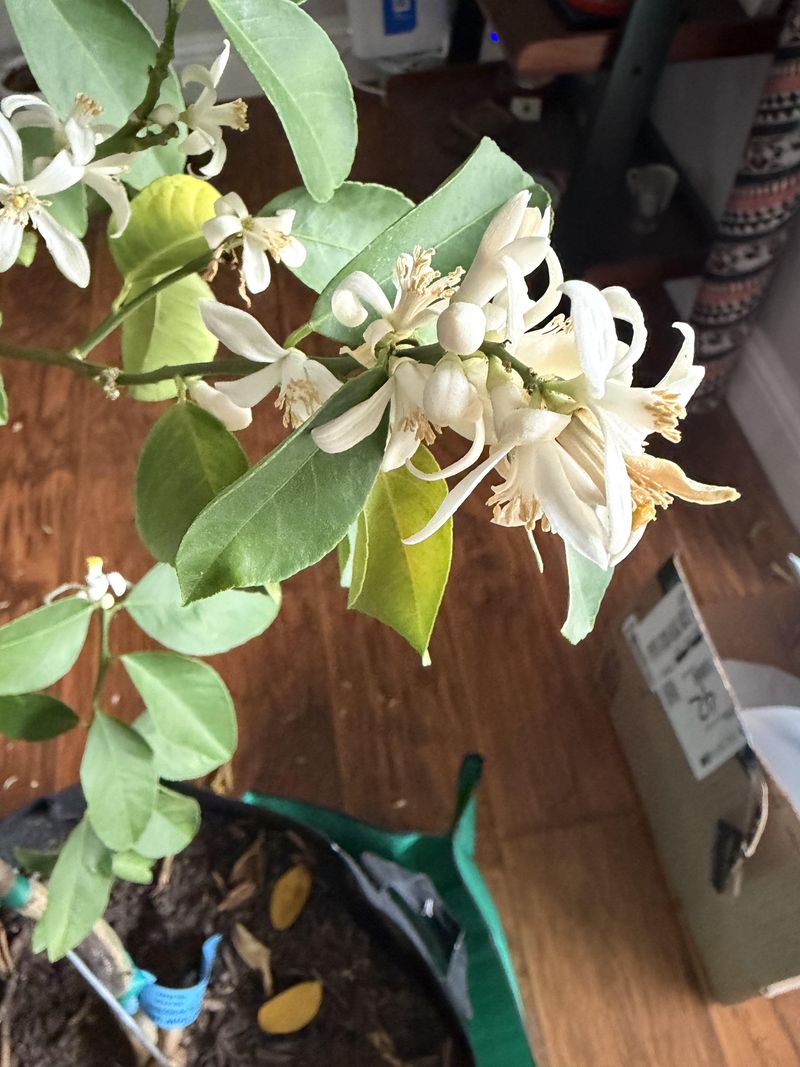
A couple of hot, dry weeks followed by the first fall storm can send a lemon tree into a burst of buds. Growers have used this effect on purpose for generations, since a short dry spell and then water can nudge citrus into flowering.
The science is fairly simple. Mild drought slows the tree’s growth and puts it into a kind of pause.
Once moisture returns, the tree rushes to grow again, and many of the new shoots carry flowers. In some warm citrus regions, commercial growers rely on controlled water stress to time a lemon crop.
Home gardeners often trigger the same response by accident. A vacation, a broken drip line, or a September heat wave dries the soil.
Then the first autumn rain arrives, and a few weeks later the tree is covered in blossoms again. October storms make this pattern especially common.
Your California Garden Changes Every Week. Your Plan Should Too.
Gardening in California changes quickly throughout the season. Every Friday you’ll receive a simple weekly plan showing exactly what to plant, prune, fertilize, harvest, and protect so you never miss the right timing.
Stress remains a risky lever, though. Too much drought causes leaf curl, fruit drop, and split lemons when water suddenly returns.
Young trees suffer most, since their roots stay shallow.
Steady moisture works better. Deep watering, followed by letting the top few inches of soil dry before the next soak, keeps conditions even.
A layer of mulch, kept a few inches from the trunk, helps the soil hold moisture longer. The tree will still bloom on its own schedule, minus the roller coaster.
3. Temperature Swings Prompt Bloom Flushes
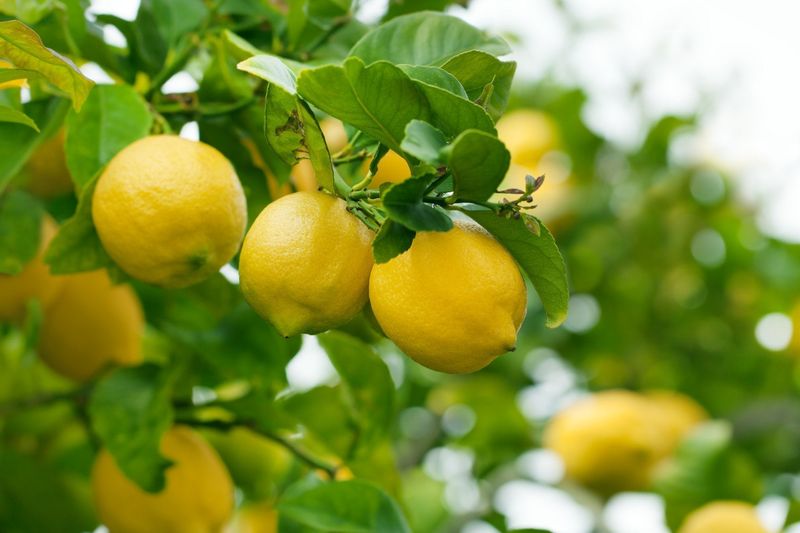
Cool fall nights can work like an alarm clock for citrus. After a stretch of chilly weather, a run of warm days often wakes a lemon tree right up, and within weeks small purple-tinged buds appear at branch tips.
Cool temperatures play a real role in citrus flowering. In regions with a true winter, the cold season slows growth and sets up the big spring bloom.
In mild parts of California, nights cool down for shorter spells before warming again. Each cool period can prime the tree, and each warm-up lets buds open.
Santa Ana winds offer a classic example in Southern California. A few hot, dry October or November days following a cool week can spark an unexpected bloom.
Late spring heat waves can do something similar, though extreme heat may also cause flowers and tiny fruit to drop.
Weather stays beyond anyone’s control, but its effects can soften. Steady watering during heat spells keeps the tree from combining heat stress with thirst.
Potted lemons benefit from a move into light shade when temperatures spike.
Watching the forecast pays off, too. A sudden cold snap after a warm spell puts tender new blossoms at greatest risk.
Knowing that pattern allows frost cloth to stay ready before a chilly night catches flowers off guard. Mid-fall, when warm afternoons alternate with cool nights, makes an ideal time to start that habit.
4. Mild California Climates Keep Them Blooming
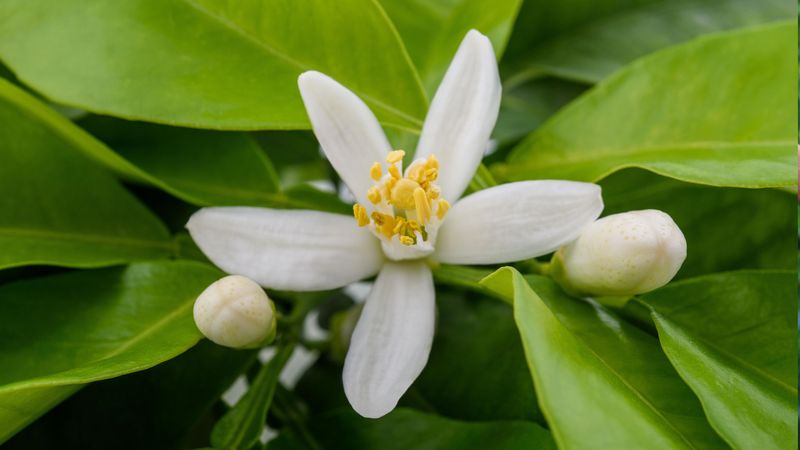
On a typical December morning in Santa Barbara, the marine layer burns off, the air warms into the mid-60s, and a lemon tree by the fence quietly pushes out new buds. Back East, the same tree would be waiting out winter in a garage.
Citrus grows and flowers best when temperatures stay away from extremes. California’s coastal and southern regions rarely see hard freezes, and summers near the ocean seldom turn hot.
With few shocks to shut them down, lemon trees keep growing, and growth leads to flowers.
Regional differences matter. Coastal gardens from San Diego to the Bay Area tend to see the most year-round blooming and fruiting.
Inland valleys, including the Central Valley, the Inland Empire, and parts of the Sacramento area, swing hotter in summer and colder in winter. Trees there usually stick closer to one strong spring bloom, with fewer extra flushes.
Microclimates add another twist. A lemon planted against a south-facing wall soaks up stored heat and may flower earlier or longer than one in an open, windy corner.
Low spots where cold air pools can do the opposite.
Noting where frost forms first reveals the chilliest pockets of a yard, and those spots make poor homes for lemons.
Warm, sheltered areas a few steps from the house, beyond the five-foot Zone 0 strip in fire hazard areas, offer the steady comfort these trees love. October offers a good chance to observe those patterns before the first cold nights arrive.
5. Fertilizer Can Spark A Growth Flush
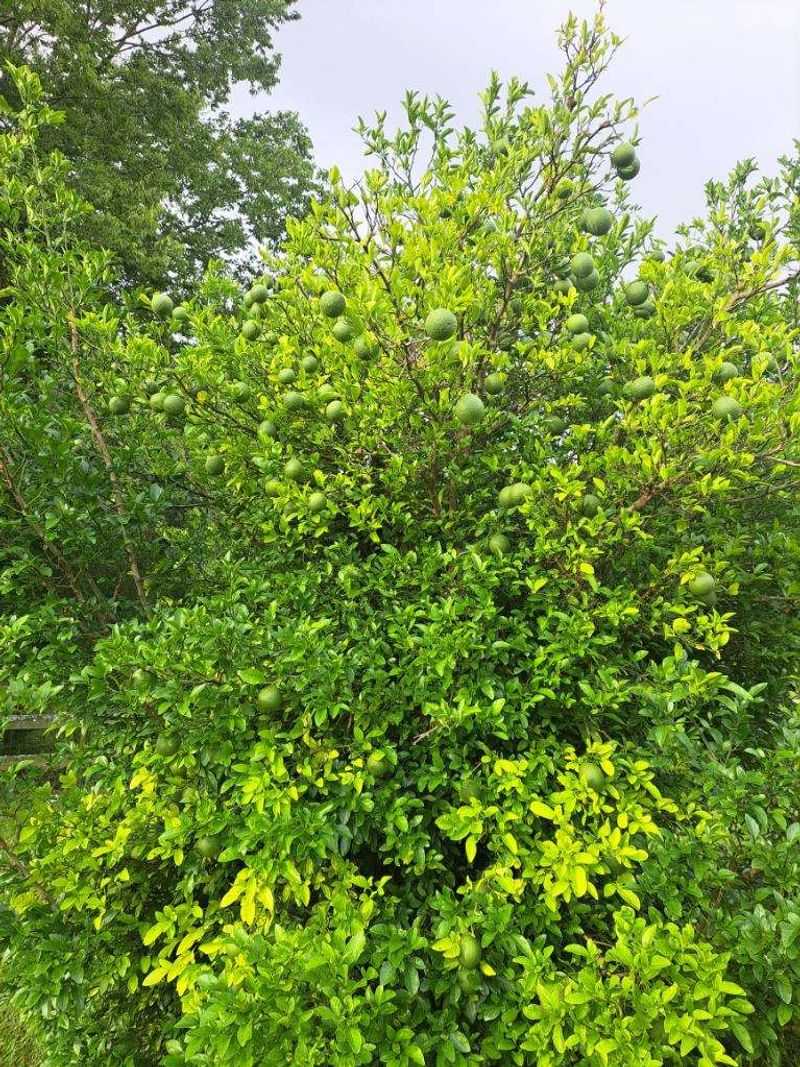
A bag of citrus food applied in late summer seems harmless enough. Six weeks later, the tree may burst with soft, glossy leaves and a fresh round of flowers, since nitrogen works like a gas pedal.
Citrus trees grow in waves called flushes. Each flush brings new shoots, and many of those shoots carry flowers.
Fertilizer, especially nitrogen, fuels these flushes. Pruning has a similar effect, because cutting branches encourages new buds to break below the cut.
For mature trees, many California citrus guides suggest splitting nitrogen into feedings from late winter through early summer. That timing supports the main spring bloom and fruit set.
Late summer or fall feeding pushes tender growth that may not harden before cold weather. In frost-prone areas, that new growth is often the first to suffer cold damage.
Pruning follows a similar rule. Light shaping works best after frost danger passes in spring, while heavy fall cuts can trigger a flush that turns regrettable by January.
A simple schedule suits most yards. Feedings in late winter, spring, and early summer, with fertilizer stopped by late summer, especially inland, keep growth well timed.
A citrus fertilizer containing micronutrients such as zinc, iron, and manganese covers the tree’s broader needs.
Pruners can stay mostly holstered until spring, aside from removing broken or crossing branches. The lemon will still bloom, but on a timeline that gives its fruit a fighting chance.
October makes a smart month to set the fertilizer aside.
6. Late Blooms Rarely Finish Before Frost
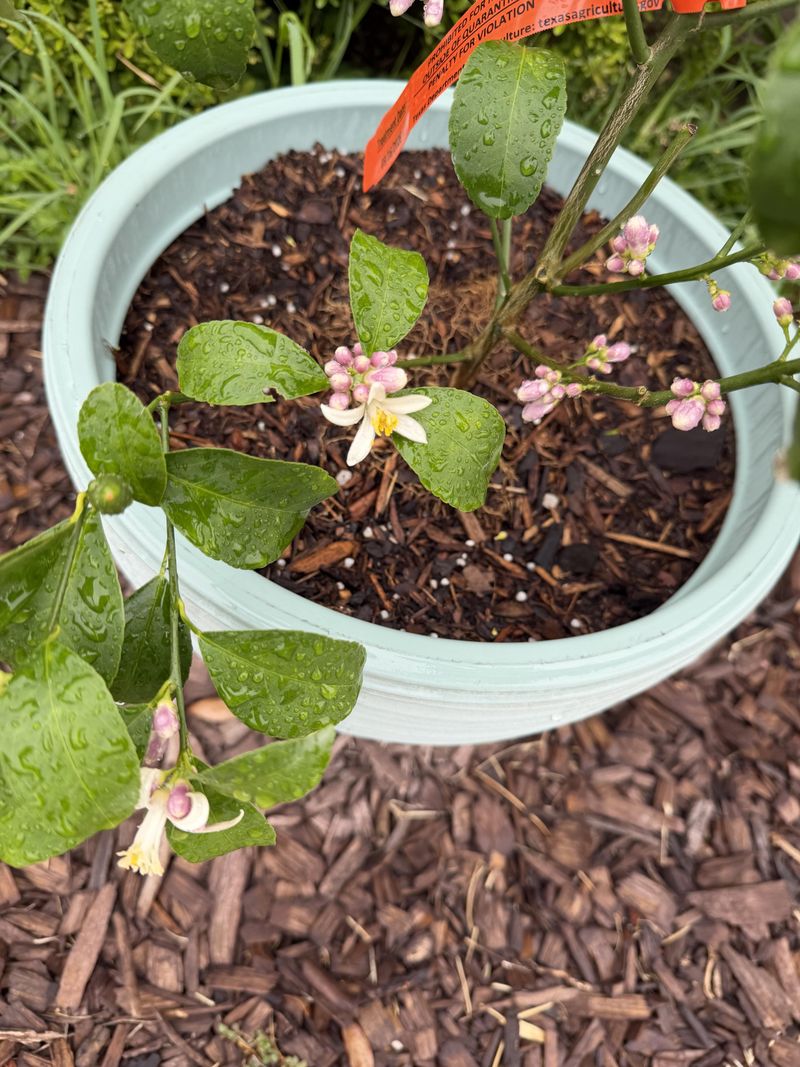
Patience runs long with this fruit. From flower to ripe lemon can take six to nine months or more, depending on variety and weather, so an October blossom faces a long road ahead.
In warm coastal gardens, that journey usually goes fine. The tree carries the little fruit through a mild winter, and it ripens sometime the following year.
Many coastal growers pick lemons from late flushes without any trouble, often enjoying fruit nearly year-round.
Inland, the story changes. Tender blossoms and pea-sized fruit rank among the most cold-sensitive parts of a citrus tree.
Lemons are also less cold hardy than many other citrus, such as mandarins and kumquats. Temperatures near freezing can damage flowers, and a hard frost can ruin young fruit completely.
Even mature lemons can suffer below the upper 20s, with damage often appearing days later as soft, watery spots.
Small fruit that survives cold may still struggle. Chilled lemons can drop early or ripen with dry, poor-quality flesh, so the tree spends energy and gets little in return.
An honest look at local winters helps. Gardens in places such as Fresno, Bakersfield, Redding, or the high desert regularly see frost, sometimes for weeks at a time.
Where winter lows dip near freezing, late blossoms make a long shot. Their fragrance is worth enjoying, but the spring crop remains the real paycheck for next year’s lemonade.
7. Off-Season Fruit Needs Frost Protection
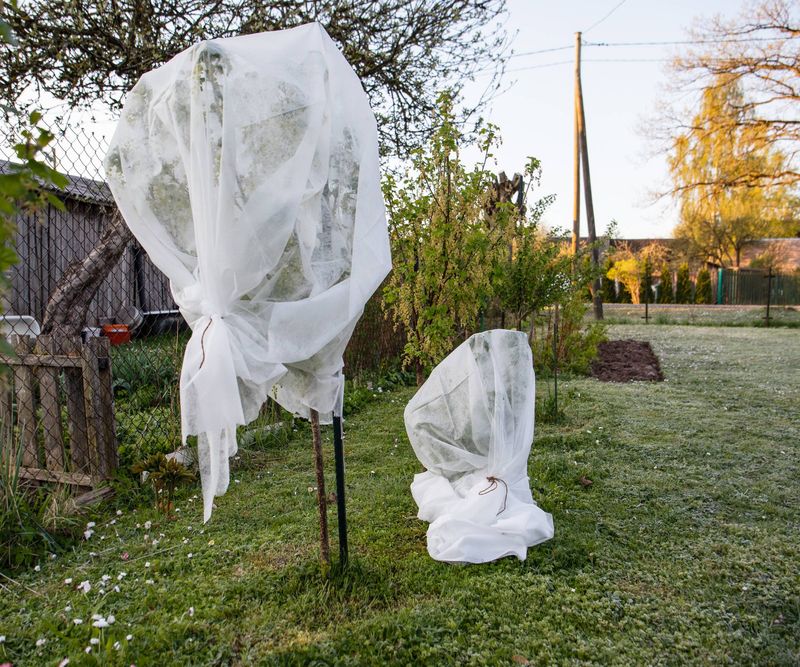
Cold nights tend to sneak in clear and still, with no clouds or wind, and by dawn the lawn crunches underfoot. On those nights, a lemon carrying late flowers and young fruit benefits from a little backup.
Water makes a good first step. Moist soil holds and releases more heat than dry soil, so a soak a day or two before a forecast freeze helps.
Clearing mulch from the area under the canopy lets the ground radiate stored warmth up into the tree.
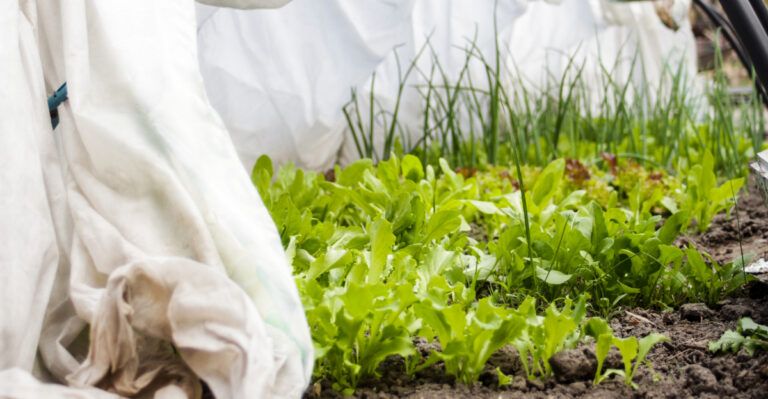
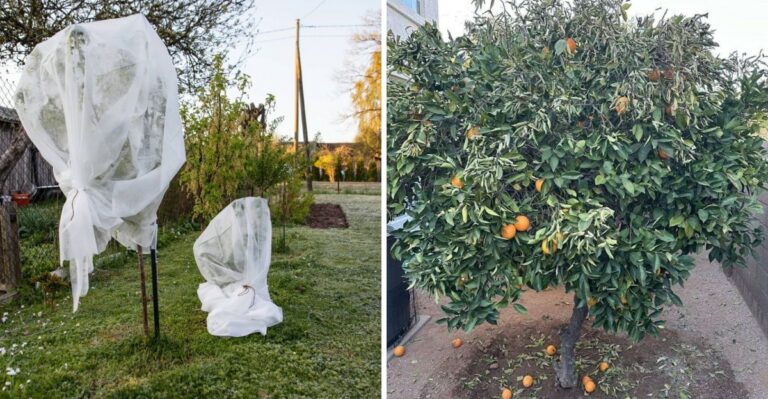
Frost cloth or an old bedsheet comes next. Draped over the whole tree and reaching all the way to the ground, the cover traps heat rising from the soil.
Plastic is best kept off the leaves, since it can transfer cold. Covers come off during the day so the tree gets sun.
Extra heat helps on very cold nights. Old-style incandescent holiday lights strung through the branches give off gentle warmth, while LED lights produce almost none.
Potted lemons are easier still, since they can roll under a patio roof or against a warm wall.
Young trees deserve special care. Trunk wraps such as foam pipe covers or cardboard protect the graft area, and a healthy trunk lets the tree regrow even when leaves get nipped.
Ripe lemons picked before a hard freeze store well indoors. Gathering frost supplies in late October means everything is ready before the first cold forecast arrives.
8. Thin Late Flowers To Save Energy
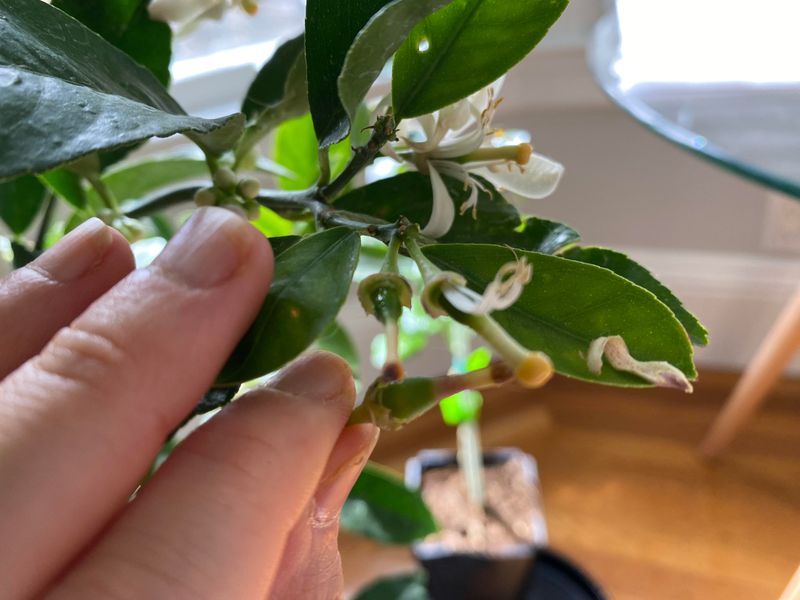
Pinching off sweet-smelling blossoms can feel a bit like tossing out birthday cake. In cold inland areas, though, a little editing in fall can leave a tree stronger by spring.
Every flower and tiny fruit pulls sugar and nutrients from the tree. Late lemons unlikely to survive winter draw on reserves the tree could otherwise save.
Many growers in frost-prone areas remove late blossoms and very small fruit before cold weather arrives. The tree then heads into winter with fewer demands and more stored energy for its main spring bloom.
Thinning is simple work. Fingers or small snips easily remove flower clusters and fruit smaller than a marble.
Lemons that already show good size can stay, since they may still ripen. Spreading the job over a few weeks works better than stripping the tree in a single afternoon.
Coastal gardeners can usually skip this step. Mild winters give late fruit a real chance, so the tree can carry its full load.
Young trees are the exception almost everywhere. Removing most fruit for the first couple of years helps them build roots and branches instead of spending energy too early.
The goal is a lighter load rather than a smaller tree. Fewer late lemons in November mean a healthier canopy and a bigger spring flush.
That restraint usually pays off when warm days return, with branches heavy with fruit and plenty of lemons ready for the kitchen.